

How Patent Laws Affect Self-Powered Sensor Commercialization
OCT 21, 20259 MIN READ
Generate Your Research Report Instantly with AI Agent
PatSnap Eureka helps you evaluate technical feasibility & market potential.
Self-Powered Sensor Technology Background and Objectives
Self-powered sensor technology has evolved significantly over the past two decades, transitioning from academic research concepts to commercially viable solutions. These sensors generate their own operating power by harvesting energy from their surrounding environment, eliminating the need for batteries or external power sources. The evolution began with basic piezoelectric generators in the early 2000s and has now expanded to include multiple energy harvesting mechanisms such as thermoelectric, photovoltaic, triboelectric, and RF energy harvesting technologies.
The technological trajectory has been shaped by advances in materials science, particularly in the development of high-efficiency energy conversion materials and low-power electronics. Nanomaterials and flexible substrates have enabled new form factors and applications previously impossible with conventional power sources. The miniaturization trend has been particularly important, with modern self-powered sensors achieving unprecedented levels of integration and energy efficiency.
Market drivers for self-powered sensor technology include the explosive growth of IoT applications, industrial automation requirements, and sustainability concerns regarding battery disposal. The technology addresses critical limitations of battery-powered sensors, including maintenance costs, environmental impact, and deployment constraints in remote or hazardous environments.
Patent activity in this field has increased exponentially since 2010, with major innovation clusters in the United States, Europe, China, Japan, and South Korea. The patent landscape reveals a complex interplay between fundamental energy harvesting mechanisms, sensor design, power management circuits, and application-specific implementations.
The primary objective of this technical research is to analyze how patent laws and intellectual property frameworks across different jurisdictions affect the commercialization pathways for self-powered sensor technologies. This includes examining how patent thickets may impede market entry, how cross-licensing agreements facilitate technology transfer, and how regional differences in patent enforcement impact global commercialization strategies.
Secondary objectives include identifying potential patent workarounds for new market entrants, evaluating the impact of standard-essential patents in the IoT ecosystem on self-powered sensor deployment, and assessing how open innovation models might accelerate commercialization despite patent constraints. The research also aims to forecast how emerging patent law reforms might reshape the competitive landscape for self-powered sensor technologies over the next decade.
Understanding these patent dynamics is crucial as the technology transitions from research laboratories to mass-market applications in healthcare, industrial monitoring, smart infrastructure, and consumer electronics. The findings will inform strategic decision-making for both technology developers and potential implementers navigating this complex intellectual property landscape.
The technological trajectory has been shaped by advances in materials science, particularly in the development of high-efficiency energy conversion materials and low-power electronics. Nanomaterials and flexible substrates have enabled new form factors and applications previously impossible with conventional power sources. The miniaturization trend has been particularly important, with modern self-powered sensors achieving unprecedented levels of integration and energy efficiency.
Market drivers for self-powered sensor technology include the explosive growth of IoT applications, industrial automation requirements, and sustainability concerns regarding battery disposal. The technology addresses critical limitations of battery-powered sensors, including maintenance costs, environmental impact, and deployment constraints in remote or hazardous environments.
Patent activity in this field has increased exponentially since 2010, with major innovation clusters in the United States, Europe, China, Japan, and South Korea. The patent landscape reveals a complex interplay between fundamental energy harvesting mechanisms, sensor design, power management circuits, and application-specific implementations.
The primary objective of this technical research is to analyze how patent laws and intellectual property frameworks across different jurisdictions affect the commercialization pathways for self-powered sensor technologies. This includes examining how patent thickets may impede market entry, how cross-licensing agreements facilitate technology transfer, and how regional differences in patent enforcement impact global commercialization strategies.
Secondary objectives include identifying potential patent workarounds for new market entrants, evaluating the impact of standard-essential patents in the IoT ecosystem on self-powered sensor deployment, and assessing how open innovation models might accelerate commercialization despite patent constraints. The research also aims to forecast how emerging patent law reforms might reshape the competitive landscape for self-powered sensor technologies over the next decade.
Understanding these patent dynamics is crucial as the technology transitions from research laboratories to mass-market applications in healthcare, industrial monitoring, smart infrastructure, and consumer electronics. The findings will inform strategic decision-making for both technology developers and potential implementers navigating this complex intellectual property landscape.
Market Demand Analysis for Self-Powered Sensors
The self-powered sensor market is experiencing robust growth driven by increasing demand across multiple industries. The global market for self-powered sensors was valued at approximately $2.5 billion in 2022 and is projected to reach $6.7 billion by 2028, representing a compound annual growth rate of 17.8%. This growth trajectory is primarily fueled by the expanding Internet of Things (IoT) ecosystem, which requires autonomous sensing solutions that can operate without external power sources.
Industrial automation represents the largest market segment, accounting for nearly 35% of the total demand. Manufacturing facilities are increasingly adopting self-powered sensors for condition monitoring, predictive maintenance, and process optimization. The elimination of wiring and battery replacement significantly reduces installation and maintenance costs, making these sensors particularly attractive for large-scale industrial deployments.
Smart building applications constitute the fastest-growing segment, with an estimated growth rate of 22% annually. Energy harvesting sensors for occupancy detection, environmental monitoring, and energy management are being integrated into building automation systems to enhance energy efficiency and occupant comfort while reducing operational costs.
Healthcare applications are emerging as a promising market, particularly for wearable medical devices and remote patient monitoring systems. Self-powered biosensors that can continuously monitor vital signs without requiring frequent battery changes address critical needs in chronic disease management and elderly care.
Consumer electronics manufacturers are also incorporating self-powered sensing technologies into smartphones, wearables, and smart home devices. The market demand is driven by consumer preference for longer battery life and enhanced device functionality.
Geographically, North America leads the market with approximately 38% share, followed by Europe (27%) and Asia-Pacific (25%). However, the Asia-Pacific region is expected to witness the highest growth rate due to rapid industrialization, smart city initiatives, and increasing IoT adoption in countries like China, Japan, and South Korea.
Key market drivers include the decreasing cost of energy harvesting components, advancements in low-power electronics, and growing awareness of sustainability benefits. The elimination of battery waste addresses environmental concerns and aligns with corporate sustainability goals, further stimulating market demand.
Despite positive growth indicators, market penetration faces challenges related to performance limitations in energy-constrained environments, higher initial costs compared to conventional sensors, and technical complexity in system integration. These factors currently restrict adoption in price-sensitive applications and markets with extreme operating conditions.
Industrial automation represents the largest market segment, accounting for nearly 35% of the total demand. Manufacturing facilities are increasingly adopting self-powered sensors for condition monitoring, predictive maintenance, and process optimization. The elimination of wiring and battery replacement significantly reduces installation and maintenance costs, making these sensors particularly attractive for large-scale industrial deployments.
Smart building applications constitute the fastest-growing segment, with an estimated growth rate of 22% annually. Energy harvesting sensors for occupancy detection, environmental monitoring, and energy management are being integrated into building automation systems to enhance energy efficiency and occupant comfort while reducing operational costs.
Healthcare applications are emerging as a promising market, particularly for wearable medical devices and remote patient monitoring systems. Self-powered biosensors that can continuously monitor vital signs without requiring frequent battery changes address critical needs in chronic disease management and elderly care.
Consumer electronics manufacturers are also incorporating self-powered sensing technologies into smartphones, wearables, and smart home devices. The market demand is driven by consumer preference for longer battery life and enhanced device functionality.
Geographically, North America leads the market with approximately 38% share, followed by Europe (27%) and Asia-Pacific (25%). However, the Asia-Pacific region is expected to witness the highest growth rate due to rapid industrialization, smart city initiatives, and increasing IoT adoption in countries like China, Japan, and South Korea.
Key market drivers include the decreasing cost of energy harvesting components, advancements in low-power electronics, and growing awareness of sustainability benefits. The elimination of battery waste addresses environmental concerns and aligns with corporate sustainability goals, further stimulating market demand.
Despite positive growth indicators, market penetration faces challenges related to performance limitations in energy-constrained environments, higher initial costs compared to conventional sensors, and technical complexity in system integration. These factors currently restrict adoption in price-sensitive applications and markets with extreme operating conditions.
Current State and Challenges in Self-Powered Sensing
Self-powered sensors represent a significant advancement in sensing technology, enabling devices to operate without external power sources by harvesting energy from their environment. Currently, the global market for self-powered sensors is experiencing robust growth, with applications spanning industrial monitoring, healthcare, smart buildings, and consumer electronics. However, the commercialization landscape is complicated by a complex web of patent laws that vary significantly across jurisdictions.
In the United States, the patent framework for self-powered sensing technologies has evolved considerably since the America Invents Act of 2011, which shifted the system from "first-to-invent" to "first-to-file." This change has accelerated the patent filing process but created challenges for smaller entities with limited resources to quickly secure intellectual property protection. The European Patent Office maintains stricter requirements for technical character and inventive step, particularly for energy harvesting algorithms that power these sensors.
Asian markets present a diverse patent landscape, with China emerging as a dominant force in self-powered sensor patents, filing over 40% of global patents in this domain since 2018. Japan and South Korea maintain robust protection systems with particular strength in piezoelectric and thermoelectric harvesting technologies.
A significant technical challenge in commercialization relates to patent thickets—overlapping intellectual property rights requiring multiple licenses to commercialize a single product. For instance, a typical self-powered wireless sensor network may involve patents covering energy harvesting mechanisms, power management circuits, sensing elements, and wireless communication protocols, often held by different entities.
Standard-essential patents (SEPs) present another critical challenge, particularly for wireless communication protocols used in sensor networks. Companies must navigate FRAND (Fair, Reasonable, And Non-Discriminatory) licensing terms, which can substantially impact product pricing and market viability.
Patent enforcement disparities across regions create additional hurdles. While some jurisdictions offer efficient enforcement mechanisms, others suffer from lengthy litigation processes and inconsistent rulings, increasing business uncertainty for global deployment of self-powered sensing solutions.
Material constraints further complicate the patent landscape. Many high-efficiency energy harvesting materials (like specific piezoelectric compounds or thermoelectric materials) are subject to patent protection, limiting design freedom and potentially increasing licensing costs for manufacturers.
The rapidly evolving nature of self-powered sensing technology has led to a patent race, with approximately 30% annual growth in patent applications since 2015. This acceleration creates challenges in prior art searches and increases the risk of inadvertent infringement as the technology space becomes increasingly crowded.
In the United States, the patent framework for self-powered sensing technologies has evolved considerably since the America Invents Act of 2011, which shifted the system from "first-to-invent" to "first-to-file." This change has accelerated the patent filing process but created challenges for smaller entities with limited resources to quickly secure intellectual property protection. The European Patent Office maintains stricter requirements for technical character and inventive step, particularly for energy harvesting algorithms that power these sensors.
Asian markets present a diverse patent landscape, with China emerging as a dominant force in self-powered sensor patents, filing over 40% of global patents in this domain since 2018. Japan and South Korea maintain robust protection systems with particular strength in piezoelectric and thermoelectric harvesting technologies.
A significant technical challenge in commercialization relates to patent thickets—overlapping intellectual property rights requiring multiple licenses to commercialize a single product. For instance, a typical self-powered wireless sensor network may involve patents covering energy harvesting mechanisms, power management circuits, sensing elements, and wireless communication protocols, often held by different entities.
Standard-essential patents (SEPs) present another critical challenge, particularly for wireless communication protocols used in sensor networks. Companies must navigate FRAND (Fair, Reasonable, And Non-Discriminatory) licensing terms, which can substantially impact product pricing and market viability.
Patent enforcement disparities across regions create additional hurdles. While some jurisdictions offer efficient enforcement mechanisms, others suffer from lengthy litigation processes and inconsistent rulings, increasing business uncertainty for global deployment of self-powered sensing solutions.
Material constraints further complicate the patent landscape. Many high-efficiency energy harvesting materials (like specific piezoelectric compounds or thermoelectric materials) are subject to patent protection, limiting design freedom and potentially increasing licensing costs for manufacturers.
The rapidly evolving nature of self-powered sensing technology has led to a patent race, with approximately 30% annual growth in patent applications since 2015. This acceleration creates challenges in prior art searches and increases the risk of inadvertent infringement as the technology space becomes increasingly crowded.
Current Patent-Compliant Technical Solutions
01 Energy harvesting mechanisms for self-powered sensors
Various energy harvesting mechanisms can be employed to power sensors autonomously. These include piezoelectric generators that convert mechanical vibrations into electrical energy, thermoelectric generators that utilize temperature differentials, and photovoltaic cells that convert light into electricity. These energy harvesting technologies enable sensors to operate without external power sources, making them suitable for remote or inaccessible locations.- Energy harvesting mechanisms for self-powered sensors: Various energy harvesting mechanisms can be employed to power sensors autonomously. These include piezoelectric elements that convert mechanical vibrations into electrical energy, photovoltaic cells that harvest solar energy, thermoelectric generators that utilize temperature differentials, and electromagnetic induction systems. These mechanisms eliminate the need for external power sources or battery replacements, making sensors self-sufficient for extended periods.
- Wireless self-powered sensor networks: Self-powered sensors can be integrated into wireless sensor networks for various applications. These networks utilize energy-efficient communication protocols to transmit data while minimizing power consumption. The sensors harvest ambient energy from the environment to power both the sensing elements and wireless communication modules, enabling autonomous operation in remote or inaccessible locations without requiring physical maintenance for power supply.
- Mechanical motion-based energy harvesting for sensors: Sensors can be powered by converting mechanical motion into electrical energy. This approach is particularly useful in applications involving moving parts or vibrations. Technologies include rotational generators, linear motion harvesters, and vibration energy converters. These systems can capture energy from human movement, vehicle vibrations, industrial machinery, or natural environmental motions to provide continuous power to sensing devices.
- Power management systems for self-powered sensors: Advanced power management systems are crucial for optimizing the operation of self-powered sensors. These systems include energy storage solutions, ultra-low-power microcontrollers, adaptive duty cycling, and intelligent power distribution circuits. By efficiently managing harvested energy, these systems ensure continuous operation even during periods when energy harvesting is limited or unavailable, extending the functional lifetime of self-powered sensing devices.
- Application-specific self-powered sensor designs: Self-powered sensors are designed for specific applications with unique requirements. These include environmental monitoring sensors that operate in remote locations, wearable health monitoring devices that harvest energy from body heat or movement, industrial monitoring systems that utilize ambient vibrations, and smart infrastructure sensors that can operate maintenance-free for extended periods. Each design optimizes the energy harvesting mechanism and power consumption based on the specific application environment.
02 Wireless self-powered sensor networks
Self-powered sensors can be integrated into wireless sensor networks for various applications. These networks utilize energy-efficient communication protocols and power management strategies to extend operational lifetime. The sensors can harvest ambient energy from the environment and transmit data wirelessly, enabling distributed sensing capabilities without the need for wired power infrastructure or frequent battery replacements.Expand Specific Solutions03 Triboelectric nanogenerators for sensor power
Triboelectric nanogenerators (TENGs) represent an emerging technology for powering sensors. These devices generate electricity through contact electrification and electrostatic induction when two different materials come into contact and separate. TENGs can harvest mechanical energy from various human activities, environmental vibrations, or fluid flows, providing a sustainable power source for sensors in wearable devices, environmental monitoring, and IoT applications.Expand Specific Solutions04 Self-powered sensors for structural health monitoring
Self-powered sensors are increasingly used for structural health monitoring of buildings, bridges, and other infrastructure. These sensors can detect structural deformations, vibrations, and damage while powering themselves through ambient energy harvesting. By eliminating the need for battery replacement or external power sources, these systems can operate continuously for extended periods, providing real-time data on structural integrity and safety conditions.Expand Specific Solutions05 Integrated power management circuits for self-powered sensors
Advanced power management circuits are essential components of self-powered sensor systems. These circuits efficiently collect, store, and distribute the harvested energy to sensor components. They typically include energy storage elements like supercapacitors or thin-film batteries, voltage regulators, and intelligent power distribution systems that prioritize critical functions. The integration of these circuits with energy harvesters enables continuous operation of sensors even when energy harvesting conditions are intermittent.Expand Specific Solutions
Key Players in Self-Powered Sensor Industry
The self-powered sensor commercialization landscape is currently in a growth phase, with the market expected to reach significant expansion as energy harvesting technologies mature. Patent laws create a complex competitive environment where established players like Honeywell, Infineon, and Texas Instruments hold strong IP portfolios, while academic institutions such as KAIST and University of Michigan contribute foundational research. Companies like EnOcean and Tegway are commercializing specialized applications, leveraging their patent positions. The technology is approaching commercial maturity in specific applications, though broader adoption faces patent thickets where cross-licensing agreements between major semiconductor manufacturers (TSMC, Qualcomm) and application-specific companies become necessary to navigate the fragmented IP landscape.
Honeywell International Technologies Ltd.
Technical Solution: Honeywell has established a strategic patent position in self-powered sensor technologies focused on industrial and aerospace applications. Their patent portfolio includes over 200 patents specifically addressing energy harvesting techniques for harsh environments where battery replacement is impractical or hazardous. Honeywell's approach to patent protection emphasizes system-level integration, combining energy harvesting with proprietary sensing and wireless communication technologies. Their commercialization strategy leverages these patents through a combination of direct product development and selective licensing to strategic partners. Honeywell has developed specialized patent clusters protecting vibration-based energy harvesting for industrial equipment monitoring and thermal gradient harvesting for aerospace applications. Their patent strategy includes defensive filings to create freedom to operate in key markets while maintaining exclusive rights to core technologies that provide competitive advantages in reliability and performance under extreme conditions.
Strengths: Strong patent protection for specialized industrial and aerospace applications; system-level patents that protect complete solutions rather than just components; established commercialization channels in regulated industries. Weaknesses: Narrower focus on specific industrial applications may limit broader market opportunities; potential challenges from emerging technologies in consumer and IoT spaces.
Infineon Technologies AG
Technical Solution: Infineon has developed a comprehensive patent strategy for self-powered sensor technologies focused on semiconductor integration and ultra-low power operation. Their portfolio includes over 300 patents specifically addressing energy harvesting circuit design, power management for intermittent energy sources, and specialized sensor interfaces. Infineon's approach emphasizes highly integrated silicon solutions that combine energy harvesting, power management, sensing, and wireless communication on single chips or in compact modules. Their patent strategy includes protection for both the semiconductor IP and the system architecture, creating multiple layers of protection. Infineon has successfully commercialized self-powered sensor technologies through both direct product offerings and IP licensing to strategic partners, particularly in automotive, industrial IoT, and smart building applications. Their patent portfolio specifically addresses the challenges of miniaturization and cost reduction that are critical for mass market adoption of self-powered sensors, with particular emphasis on manufacturing techniques that enable high-volume production while maintaining performance.
Strengths: Deep semiconductor IP protection covering integrated circuit designs for energy harvesting; strong patent position in power management for intermittent energy sources; established manufacturing capabilities aligned with patent protection. Weaknesses: Potential vulnerability to alternative system architectures that achieve similar functionality; challenges in protecting software aspects of energy management systems.
Critical Patent Analysis for Self-Powered Sensors
Self-powered sensing devices
PatentWO2007090232A1
Innovation
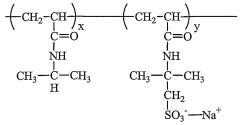
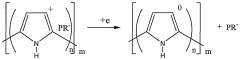
- A self-powered sensing device is developed using a configuration of conducting polymer electrodes and an electrolyte that operates as an electrochemical cell, allowing the device to induce redox reactions and perform actions such as color change, chemical release, or driving a load without an external power source, utilizing the oxidation/reduction capabilities of the conducting polymer.

Moving-Sum Charge Pump
PatentActiveUS20170257024A1
Innovation
- A discontinuous energy harvester using a switch-capacitor DC-DC converter operates in two modes: energy harvest and energy transfer, optimizing efficiency by decoupling charge pump losses and trading off switching and leakage losses with MPPT inefficiencies, employing a moving-sum charge pump for reduced start-up energy and improved end-to-end efficiency.


Patent Strategy for Self-Powered Sensor Commercialization
Patent strategy plays a crucial role in the commercialization journey of self-powered sensor technologies. Companies must develop comprehensive approaches that balance protection of intellectual property with market penetration objectives. The patent landscape for self-powered sensors is particularly complex due to the interdisciplinary nature of these technologies, spanning energy harvesting, sensing mechanisms, and wireless communication protocols.
Effective patent strategies for self-powered sensor commercialization typically begin with thorough patent landscaping to identify white spaces and potential infringement risks. This process involves mapping existing patents across jurisdictions to understand geographical coverage patterns and identify territories where freedom to operate may be more readily established. Companies must carefully evaluate whether to pursue broad protection covering fundamental principles or focused protection on specific implementations.
Strategic patent filing approaches include creating patent families with carefully timed continuations and divisionals to maximize protection duration. For startups and smaller entities, selective patenting focused on core differentiators may be more cost-effective than attempting comprehensive coverage. Larger organizations often implement portfolio approaches, creating protective barriers around their technology through clusters of complementary patents.
Licensing strategies represent another critical dimension, with options ranging from exclusive licensing to cross-licensing agreements that facilitate market access while generating revenue streams. Many successful self-powered sensor companies employ hybrid approaches, maintaining exclusive rights in core markets while licensing peripheral applications to accelerate adoption and establish industry standards.
Defensive patent strategies are equally important, particularly in competitive segments like industrial IoT applications. These may include defensive publications to prevent competitors from patenting obvious extensions of existing technology, or strategic patent acquisitions to neutralize potential litigation threats.
International considerations significantly impact strategy formulation, with different jurisdictions offering varying levels of protection and enforcement mechanisms. Companies must navigate differences between first-to-file and first-to-invent systems, as well as varying standards for patentability across regions. Emerging markets present particular challenges, requiring tailored approaches that account for local intellectual property enforcement realities.
Ultimately, successful patent strategies for self-powered sensor commercialization must evolve alongside the technology and market landscape, maintaining sufficient flexibility to adapt to changing competitive dynamics while providing robust protection for core innovations that drive competitive advantage.
Effective patent strategies for self-powered sensor commercialization typically begin with thorough patent landscaping to identify white spaces and potential infringement risks. This process involves mapping existing patents across jurisdictions to understand geographical coverage patterns and identify territories where freedom to operate may be more readily established. Companies must carefully evaluate whether to pursue broad protection covering fundamental principles or focused protection on specific implementations.
Strategic patent filing approaches include creating patent families with carefully timed continuations and divisionals to maximize protection duration. For startups and smaller entities, selective patenting focused on core differentiators may be more cost-effective than attempting comprehensive coverage. Larger organizations often implement portfolio approaches, creating protective barriers around their technology through clusters of complementary patents.
Licensing strategies represent another critical dimension, with options ranging from exclusive licensing to cross-licensing agreements that facilitate market access while generating revenue streams. Many successful self-powered sensor companies employ hybrid approaches, maintaining exclusive rights in core markets while licensing peripheral applications to accelerate adoption and establish industry standards.
Defensive patent strategies are equally important, particularly in competitive segments like industrial IoT applications. These may include defensive publications to prevent competitors from patenting obvious extensions of existing technology, or strategic patent acquisitions to neutralize potential litigation threats.
International considerations significantly impact strategy formulation, with different jurisdictions offering varying levels of protection and enforcement mechanisms. Companies must navigate differences between first-to-file and first-to-invent systems, as well as varying standards for patentability across regions. Emerging markets present particular challenges, requiring tailored approaches that account for local intellectual property enforcement realities.
Ultimately, successful patent strategies for self-powered sensor commercialization must evolve alongside the technology and market landscape, maintaining sufficient flexibility to adapt to changing competitive dynamics while providing robust protection for core innovations that drive competitive advantage.
International IP Landscape and Regulatory Considerations
The global landscape for self-powered sensor technologies is significantly shaped by varying patent laws and regulatory frameworks across different jurisdictions. In the United States, the Patent and Trademark Office (USPTO) offers robust protection for sensor innovations, but requires detailed disclosure of energy harvesting mechanisms, which can expose critical intellectual property to competitors. The European Patent Office (EPO) maintains stricter examination standards for self-powered technologies, particularly regarding claims of energy efficiency and sustainability, creating higher barriers to entry but stronger protection once patents are granted.
Asian markets present a complex regulatory environment. Japan's patent system favors incremental innovations in energy harvesting technologies, while China has recently strengthened its IP protection framework specifically for IoT and sensor technologies, though enforcement remains inconsistent. South Korea offers specialized fast-track examination for green technologies, including self-powered sensors, creating strategic advantages for early market entry.
Regulatory considerations beyond patents also significantly impact commercialization pathways. In Europe, the RoHS and WEEE directives impose strict requirements on electronic components and end-of-life management, affecting material selection for energy harvesting components. Similarly, the FDA in the United States requires additional certifications for self-powered sensors intended for medical applications, extending development timelines and increasing compliance costs.
International standards organizations like IEEE and ISO are developing certification frameworks specifically for energy harvesting technologies, which will likely become de facto requirements for market access. Companies must navigate these emerging standards while simultaneously protecting their core IP assets through strategic patent filings.
Cross-border licensing presents both opportunities and challenges. While technology transfer agreements can accelerate market entry, they require careful structuring to prevent IP leakage. Many self-powered sensor developers are adopting hybrid protection strategies, combining patents for core technologies with trade secrets for manufacturing processes, particularly for energy harvesting components that are difficult to reverse engineer.
The Patent Cooperation Treaty (PCT) offers a streamlined pathway for international patent protection, but strategic decisions regarding which jurisdictions to pursue protection in must balance market potential against enforcement capabilities. Emerging markets with growing IoT adoption often have weaker IP protection frameworks, creating risk-reward calculations for technology deployment.
Asian markets present a complex regulatory environment. Japan's patent system favors incremental innovations in energy harvesting technologies, while China has recently strengthened its IP protection framework specifically for IoT and sensor technologies, though enforcement remains inconsistent. South Korea offers specialized fast-track examination for green technologies, including self-powered sensors, creating strategic advantages for early market entry.
Regulatory considerations beyond patents also significantly impact commercialization pathways. In Europe, the RoHS and WEEE directives impose strict requirements on electronic components and end-of-life management, affecting material selection for energy harvesting components. Similarly, the FDA in the United States requires additional certifications for self-powered sensors intended for medical applications, extending development timelines and increasing compliance costs.
International standards organizations like IEEE and ISO are developing certification frameworks specifically for energy harvesting technologies, which will likely become de facto requirements for market access. Companies must navigate these emerging standards while simultaneously protecting their core IP assets through strategic patent filings.
Cross-border licensing presents both opportunities and challenges. While technology transfer agreements can accelerate market entry, they require careful structuring to prevent IP leakage. Many self-powered sensor developers are adopting hybrid protection strategies, combining patents for core technologies with trade secrets for manufacturing processes, particularly for energy harvesting components that are difficult to reverse engineer.
The Patent Cooperation Treaty (PCT) offers a streamlined pathway for international patent protection, but strategic decisions regarding which jurisdictions to pursue protection in must balance market potential against enforcement capabilities. Emerging markets with growing IoT adoption often have weaker IP protection frameworks, creating risk-reward calculations for technology deployment.
Unlock deeper insights with PatSnap Eureka Quick Research — get a full tech report to explore trends and direct your research. Try now!
Generate Your Research Report Instantly with AI Agent
Supercharge your innovation with PatSnap Eureka AI Agent Platform!