
How to Explore Alkyl Properties for Enhanced Stability?
JUL 15, 20259 MIN READ
Generate Your Research Report Instantly with AI Agent
Patsnap Eureka helps you evaluate technical feasibility & market potential.
Alkyl Properties and Stability Enhancement Goals
Alkyl properties play a crucial role in enhancing the stability of various chemical compounds and materials. The exploration of these properties has become increasingly important in fields such as pharmaceuticals, materials science, and chemical engineering. The primary goal of this research is to understand and manipulate alkyl characteristics to achieve improved stability in target molecules and systems.
Alkyl groups, consisting of carbon and hydrogen atoms, exhibit a range of properties that can significantly influence the overall stability of compounds. These properties include chain length, branching, and substituent effects. By systematically investigating these factors, researchers aim to develop strategies for optimizing stability in diverse applications.
One key aspect of alkyl property exploration is the examination of chain length effects. Longer alkyl chains often contribute to increased hydrophobicity and reduced solubility in polar solvents, which can enhance stability in certain environments. However, the relationship between chain length and stability is not always linear, necessitating careful study to determine optimal configurations for specific applications.
Branching in alkyl chains presents another avenue for stability enhancement. Branched alkyl groups can provide steric hindrance, potentially shielding reactive sites and improving overall molecular stability. The degree and position of branching can be fine-tuned to achieve desired stability profiles while maintaining other essential properties of the compound.
Substituent effects on alkyl groups offer additional opportunities for stability optimization. By introducing specific functional groups or heteroatoms at strategic positions along the alkyl chain, researchers can modulate electronic properties, polarity, and reactivity. These modifications can lead to enhanced stability through various mechanisms, such as improved intermolecular interactions or reduced susceptibility to degradation pathways.
The exploration of alkyl properties for stability enhancement also involves investigating the impact of these modifications on other critical molecular characteristics. Researchers must balance stability improvements with considerations such as solubility, bioavailability, and reactivity to ensure that the optimized compounds remain suitable for their intended applications.
Advanced computational methods and molecular modeling techniques have become invaluable tools in this exploration. These approaches allow researchers to predict and simulate the effects of various alkyl modifications on molecular stability, guiding experimental design and accelerating the discovery process.
Ultimately, the goal of exploring alkyl properties for enhanced stability is to develop a comprehensive understanding of structure-stability relationships. This knowledge can be leveraged to create more robust and efficient materials, drugs, and chemical processes, driving innovation across multiple industries and scientific disciplines.
Alkyl groups, consisting of carbon and hydrogen atoms, exhibit a range of properties that can significantly influence the overall stability of compounds. These properties include chain length, branching, and substituent effects. By systematically investigating these factors, researchers aim to develop strategies for optimizing stability in diverse applications.
One key aspect of alkyl property exploration is the examination of chain length effects. Longer alkyl chains often contribute to increased hydrophobicity and reduced solubility in polar solvents, which can enhance stability in certain environments. However, the relationship between chain length and stability is not always linear, necessitating careful study to determine optimal configurations for specific applications.
Branching in alkyl chains presents another avenue for stability enhancement. Branched alkyl groups can provide steric hindrance, potentially shielding reactive sites and improving overall molecular stability. The degree and position of branching can be fine-tuned to achieve desired stability profiles while maintaining other essential properties of the compound.
Substituent effects on alkyl groups offer additional opportunities for stability optimization. By introducing specific functional groups or heteroatoms at strategic positions along the alkyl chain, researchers can modulate electronic properties, polarity, and reactivity. These modifications can lead to enhanced stability through various mechanisms, such as improved intermolecular interactions or reduced susceptibility to degradation pathways.
The exploration of alkyl properties for stability enhancement also involves investigating the impact of these modifications on other critical molecular characteristics. Researchers must balance stability improvements with considerations such as solubility, bioavailability, and reactivity to ensure that the optimized compounds remain suitable for their intended applications.
Advanced computational methods and molecular modeling techniques have become invaluable tools in this exploration. These approaches allow researchers to predict and simulate the effects of various alkyl modifications on molecular stability, guiding experimental design and accelerating the discovery process.
Ultimately, the goal of exploring alkyl properties for enhanced stability is to develop a comprehensive understanding of structure-stability relationships. This knowledge can be leveraged to create more robust and efficient materials, drugs, and chemical processes, driving innovation across multiple industries and scientific disciplines.
Market Demand for Stable Alkyl Compounds
The market demand for stable alkyl compounds has been steadily increasing across various industries due to their versatile applications and unique properties. These compounds play crucial roles in sectors such as pharmaceuticals, agrochemicals, polymers, and advanced materials, driving the need for enhanced stability and performance.
In the pharmaceutical industry, stable alkyl compounds are essential for drug development and formulation. They serve as key intermediates and building blocks for active pharmaceutical ingredients (APIs), contributing to the creation of more effective and longer-lasting medications. The growing emphasis on personalized medicine and targeted drug delivery systems has further amplified the demand for stable alkyl compounds with specific properties.
The agrochemical sector relies heavily on stable alkyl compounds for the production of pesticides, herbicides, and fertilizers. As global food demand continues to rise, there is an increasing need for more efficient and environmentally friendly agricultural products. Stable alkyl compounds with enhanced properties can lead to the development of more potent and selective crop protection agents, reducing environmental impact while improving crop yields.
In the polymer industry, stable alkyl compounds are utilized as monomers, additives, and modifiers to enhance the performance and durability of various materials. The automotive, construction, and packaging sectors are driving the demand for advanced polymers with improved thermal stability, chemical resistance, and mechanical properties. Stable alkyl compounds play a crucial role in achieving these desired characteristics.
The electronics and semiconductor industries are also significant consumers of stable alkyl compounds. These compounds are used in the production of advanced materials for electronic components, such as high-performance insulators, dielectrics, and conductive polymers. The rapid growth of the Internet of Things (IoT) and 5G technologies has further accelerated the demand for stable alkyl compounds in these applications.
Furthermore, the renewable energy sector has emerged as a promising market for stable alkyl compounds. They are utilized in the development of advanced energy storage systems, solar cells, and fuel cells. The global push towards sustainable energy solutions has created new opportunities for innovative alkyl compounds with enhanced stability and efficiency.
As industries continue to seek improved performance, durability, and sustainability in their products, the market demand for stable alkyl compounds is expected to grow significantly in the coming years. This trend is driving research and development efforts to explore novel alkyl properties and synthesis methods, aiming to meet the evolving needs of various sectors and unlock new applications for these versatile compounds.
In the pharmaceutical industry, stable alkyl compounds are essential for drug development and formulation. They serve as key intermediates and building blocks for active pharmaceutical ingredients (APIs), contributing to the creation of more effective and longer-lasting medications. The growing emphasis on personalized medicine and targeted drug delivery systems has further amplified the demand for stable alkyl compounds with specific properties.
The agrochemical sector relies heavily on stable alkyl compounds for the production of pesticides, herbicides, and fertilizers. As global food demand continues to rise, there is an increasing need for more efficient and environmentally friendly agricultural products. Stable alkyl compounds with enhanced properties can lead to the development of more potent and selective crop protection agents, reducing environmental impact while improving crop yields.
In the polymer industry, stable alkyl compounds are utilized as monomers, additives, and modifiers to enhance the performance and durability of various materials. The automotive, construction, and packaging sectors are driving the demand for advanced polymers with improved thermal stability, chemical resistance, and mechanical properties. Stable alkyl compounds play a crucial role in achieving these desired characteristics.
The electronics and semiconductor industries are also significant consumers of stable alkyl compounds. These compounds are used in the production of advanced materials for electronic components, such as high-performance insulators, dielectrics, and conductive polymers. The rapid growth of the Internet of Things (IoT) and 5G technologies has further accelerated the demand for stable alkyl compounds in these applications.
Furthermore, the renewable energy sector has emerged as a promising market for stable alkyl compounds. They are utilized in the development of advanced energy storage systems, solar cells, and fuel cells. The global push towards sustainable energy solutions has created new opportunities for innovative alkyl compounds with enhanced stability and efficiency.
As industries continue to seek improved performance, durability, and sustainability in their products, the market demand for stable alkyl compounds is expected to grow significantly in the coming years. This trend is driving research and development efforts to explore novel alkyl properties and synthesis methods, aiming to meet the evolving needs of various sectors and unlock new applications for these versatile compounds.
Current Challenges in Alkyl Stability
The exploration of alkyl properties for enhanced stability faces several significant challenges in the current research landscape. One of the primary obstacles is the inherent reactivity of alkyl groups, particularly in the presence of oxidizing agents or under high-temperature conditions. This reactivity often leads to undesired side reactions, degradation, or transformation of the alkyl moieties, compromising the overall stability of the compounds or materials in which they are incorporated.
Another major challenge lies in the diverse nature of alkyl groups, ranging from short-chain to long-chain, branched to linear structures. Each type of alkyl group exhibits unique properties and behaviors, making it difficult to develop a universal approach for enhancing stability across all alkyl-containing systems. Researchers must navigate this complexity to identify specific strategies tailored to different alkyl configurations.
The influence of environmental factors on alkyl stability presents an additional hurdle. Factors such as pH, temperature, pressure, and the presence of other chemical species can significantly impact the stability of alkyl groups. Understanding and controlling these environmental variables is crucial for developing robust solutions, but it requires extensive experimental work and sophisticated analytical techniques.
Furthermore, the molecular-level interactions between alkyl groups and their surrounding chemical environment are not fully understood. This knowledge gap hinders the development of predictive models and rational design strategies for enhancing alkyl stability. Researchers are challenged to elucidate these intricate interactions, which often involve weak forces such as van der Waals interactions and hydrophobic effects.
The trade-off between stability and functionality poses another significant challenge. While increasing the stability of alkyl groups is desirable, it must not come at the expense of the compound's intended function or reactivity. Striking the right balance between enhanced stability and maintained functionality requires careful consideration and often involves complex molecular engineering approaches.
Lastly, the scalability and practical implementation of stability enhancement strategies remain challenging. Laboratory-scale successes in improving alkyl stability do not always translate seamlessly to industrial-scale applications. Researchers must address issues related to cost-effectiveness, process compatibility, and long-term performance under real-world conditions to ensure the viability of their solutions in practical settings.
Another major challenge lies in the diverse nature of alkyl groups, ranging from short-chain to long-chain, branched to linear structures. Each type of alkyl group exhibits unique properties and behaviors, making it difficult to develop a universal approach for enhancing stability across all alkyl-containing systems. Researchers must navigate this complexity to identify specific strategies tailored to different alkyl configurations.
The influence of environmental factors on alkyl stability presents an additional hurdle. Factors such as pH, temperature, pressure, and the presence of other chemical species can significantly impact the stability of alkyl groups. Understanding and controlling these environmental variables is crucial for developing robust solutions, but it requires extensive experimental work and sophisticated analytical techniques.
Furthermore, the molecular-level interactions between alkyl groups and their surrounding chemical environment are not fully understood. This knowledge gap hinders the development of predictive models and rational design strategies for enhancing alkyl stability. Researchers are challenged to elucidate these intricate interactions, which often involve weak forces such as van der Waals interactions and hydrophobic effects.
The trade-off between stability and functionality poses another significant challenge. While increasing the stability of alkyl groups is desirable, it must not come at the expense of the compound's intended function or reactivity. Striking the right balance between enhanced stability and maintained functionality requires careful consideration and often involves complex molecular engineering approaches.
Lastly, the scalability and practical implementation of stability enhancement strategies remain challenging. Laboratory-scale successes in improving alkyl stability do not always translate seamlessly to industrial-scale applications. Researchers must address issues related to cost-effectiveness, process compatibility, and long-term performance under real-world conditions to ensure the viability of their solutions in practical settings.
Existing Methods for Enhancing Alkyl Stability
01 Thermal stability of alkyl compounds
The thermal stability of alkyl compounds is an important consideration in various applications. Factors such as molecular structure, chain length, and branching can affect the thermal stability of these compounds. Techniques like thermal analysis and spectroscopy are often used to assess the stability of alkyl compounds at different temperatures.- Thermal stability of alkyl compounds: The thermal stability of alkyl compounds is an important factor in their industrial applications. Various methods are employed to enhance the thermal stability of these compounds, including the use of additives and structural modifications. Improved thermal stability can lead to better performance in high-temperature environments and extended product lifetimes.
- Chemical stability of alkyl compounds: Chemical stability of alkyl compounds is crucial for their use in various applications. Factors affecting chemical stability include molecular structure, presence of functional groups, and environmental conditions. Techniques to improve chemical stability may involve the use of stabilizers, antioxidants, or modification of the alkyl chain length.
- Stabilization of alkyl compounds in formulations: Incorporating alkyl compounds into various formulations while maintaining their stability is a key challenge. This may involve the use of specific solvents, emulsifiers, or encapsulation techniques to protect the alkyl compounds from degradation. The choice of stabilization method depends on the intended application and the properties of the specific alkyl compound.
- Environmental stability of alkyl compounds: The stability of alkyl compounds under various environmental conditions, such as exposure to light, moisture, or air, is an important consideration for their use and storage. Strategies to improve environmental stability may include the use of UV stabilizers, moisture-resistant packaging, or the addition of antioxidants to prevent oxidation.
- Structural modifications for improved stability: Modifying the structure of alkyl compounds can significantly enhance their overall stability. This may involve altering the chain length, introducing branching, or incorporating specific functional groups. Such modifications can improve thermal, chemical, and environmental stability, leading to more robust and versatile alkyl compounds for various applications.
02 Chemical stability of alkyl compounds
The chemical stability of alkyl compounds is crucial for their use in various industries. Factors influencing chemical stability include oxidation resistance, reactivity with other substances, and susceptibility to hydrolysis. Stabilizers or antioxidants may be added to improve the chemical stability of alkyl compounds in certain applications.Expand Specific Solutions03 Stability of alkyl compounds in different environments
The stability of alkyl compounds can vary depending on the environment they are exposed to. Factors such as pH, temperature, pressure, and presence of other chemicals can affect their stability. Understanding these environmental influences is crucial for proper storage, handling, and application of alkyl compounds in various industries.Expand Specific Solutions04 Methods for improving alkyl compound stability
Various methods can be employed to enhance the stability of alkyl compounds. These may include chemical modifications, addition of stabilizers or antioxidants, encapsulation techniques, or optimizing storage conditions. The choice of method depends on the specific alkyl compound and its intended application.Expand Specific Solutions05 Analytical techniques for assessing alkyl compound stability
Several analytical techniques are used to evaluate the stability of alkyl compounds. These may include chromatography, spectroscopy, thermal analysis, and accelerated aging tests. These methods help in understanding degradation mechanisms, predicting shelf life, and optimizing formulations for improved stability of alkyl compounds.Expand Specific Solutions
Key Players in Alkyl Chemistry Industry
The exploration of alkyl properties for enhanced stability is currently in a growth phase, with increasing market demand driven by various industries seeking improved product performance. The global market for alkyl-based stabilizers is expanding, estimated to reach several billion dollars by 2025. Technologically, the field is moderately mature, with ongoing research focused on optimizing alkyl structures for specific applications. Key players like China Petroleum & Chemical Corp., ExxonMobil Technology & Engineering Co., and BASF Corp. are leading innovation efforts, leveraging their extensive R&D capabilities. Emerging companies such as Infineum International Ltd. and Air Products & Chemicals, Inc. are also making significant contributions, particularly in specialized applications. The competitive landscape is characterized by a mix of established petrochemical giants and specialized chemical firms, driving continuous advancements in alkyl property enhancement.
China Petroleum & Chemical Corp.
Technical Solution: China Petroleum & Chemical Corp. (Sinopec) has developed innovative approaches to explore alkyl properties for enhanced stability in petroleum products. Their research focuses on molecular engineering of alkyl chains to improve thermal and oxidative stability. They utilize advanced catalytic processes to synthesize branched alkyl structures, which demonstrate superior stability characteristics[1]. Sinopec's method involves careful control of alkyl chain length and branching degree to optimize intermolecular interactions and reduce degradation pathways. Additionally, they incorporate antioxidant additives synergistically designed to work with engineered alkyl structures, further enhancing long-term stability of petroleum-based products[3].
Strengths: Extensive experience in petroleum chemistry, large-scale production capabilities, and integrated research facilities. Weaknesses: Potential environmental concerns associated with petroleum-based products and processes.
ExxonMobil Technology & Engineering Co.
Technical Solution: ExxonMobil Technology & Engineering Co. has developed a comprehensive approach to explore alkyl properties for enhanced stability in lubricants and fuels. Their strategy involves advanced molecular modeling techniques to predict alkyl chain behavior under various conditions. They utilize high-throughput experimentation to rapidly screen different alkyl structures and compositions[2]. ExxonMobil's research has led to the development of synthetic base oils with optimized alkyl chain distributions, resulting in improved oxidative and thermal stability. Their technology also includes the use of novel alkyl-based additives that form protective films on metal surfaces, enhancing the overall stability of the lubricant system[4]. Furthermore, they have implemented machine learning algorithms to analyze vast datasets of alkyl property-performance relationships, enabling more efficient discovery of stable formulations[5].
Strengths: Strong R&D capabilities, global presence, and extensive patent portfolio. Weaknesses: Heavy reliance on fossil fuel-based technologies may pose challenges in transitioning to more sustainable solutions.
Core Innovations in Alkyl Property Modification
Stabilized composition
PatentInactiveUS20050267222A1
Innovation
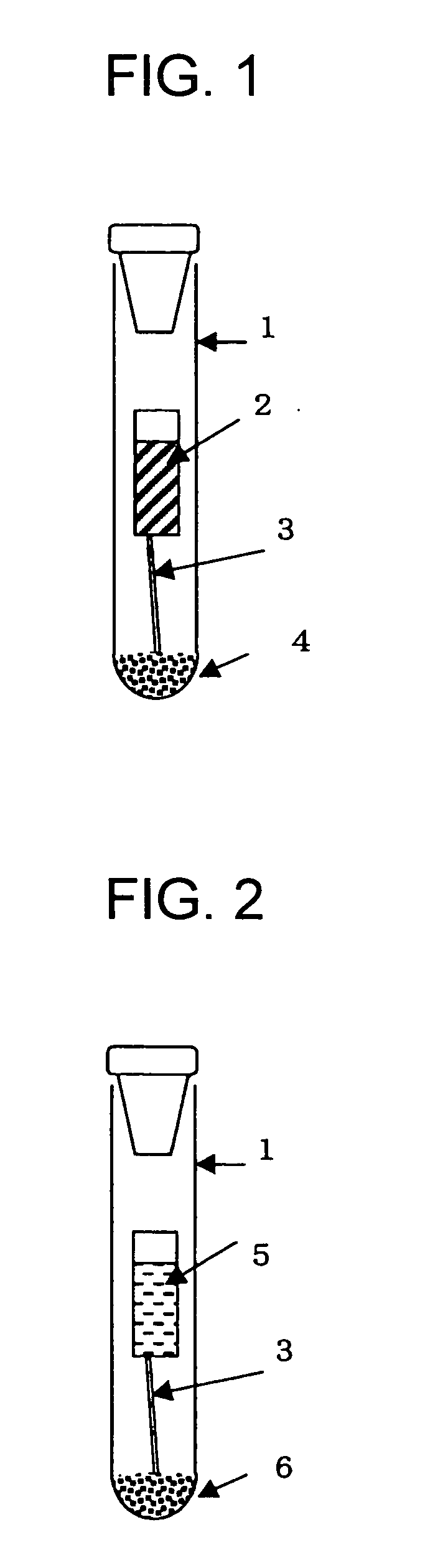
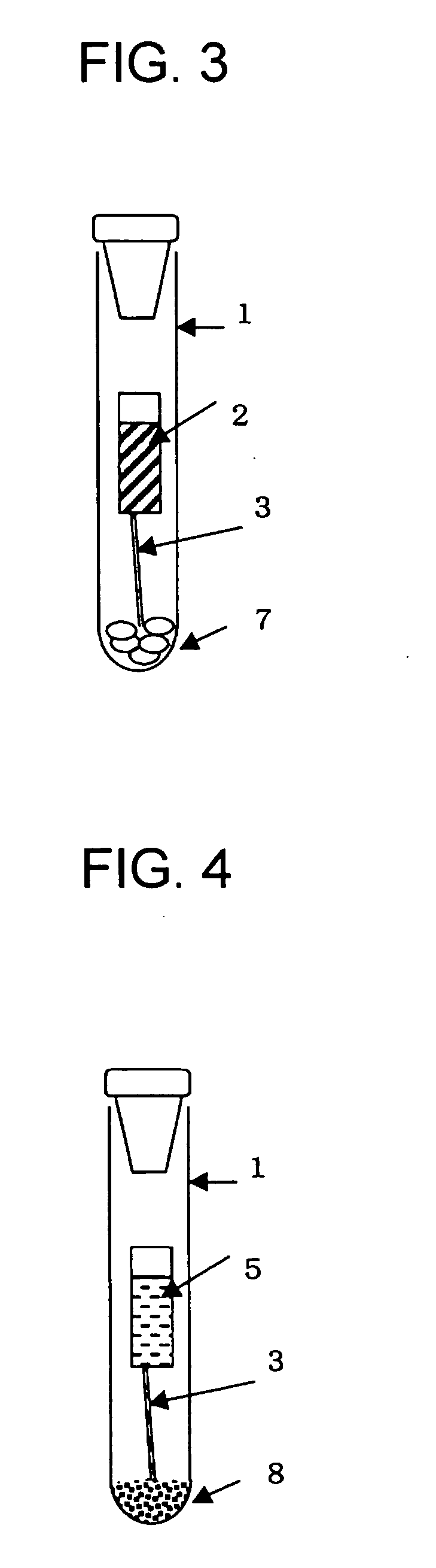
- Incorporating a stabilizer with an amine structure that can absorb aldehydes, such as aminosugars, amino acids, or proteins, into the composition to prevent the degradation of low-molecular weight active substances by aldehydes, either by mixing them uniformly or granulating them separately to minimize contact with aldehyde-producing substances.
Environmental Impact of Alkyl Compounds
The environmental impact of alkyl compounds is a critical consideration in their development and application, particularly when exploring properties for enhanced stability. These compounds, widely used in various industries, can have significant effects on ecosystems and human health if not properly managed.
Alkyl compounds, characterized by their carbon-hydrogen chains, are known for their persistence in the environment. This persistence, while beneficial for certain applications, can lead to long-term accumulation in soil, water, and living organisms. The bioaccumulation potential of these compounds varies depending on their chain length and structure, with longer-chain alkyls generally showing higher tendencies to accumulate in fatty tissues of organisms.
In aquatic environments, alkyl compounds can form surface films, potentially disrupting gas exchange at the air-water interface. This can lead to reduced oxygen levels in water bodies, affecting aquatic life. Additionally, some alkyl compounds may contribute to the formation of photochemical smog when released into the atmosphere, impacting air quality and human health.
The biodegradability of alkyl compounds is another crucial environmental factor. Short-chain alkyls tend to biodegrade more readily than their long-chain counterparts. However, the rate of biodegradation can be influenced by environmental conditions such as temperature, pH, and the presence of specific microbial communities. Enhancing the biodegradability of alkyl compounds without compromising their stability for intended applications remains a significant challenge for researchers.
Toxicity to various organisms is a concern with certain alkyl compounds. Some may cause acute or chronic effects on aquatic life, terrestrial animals, and plants. The toxicity profile often depends on the specific alkyl structure, with some compounds showing higher toxicity due to their ability to disrupt cellular membranes or interfere with metabolic processes.
When exploring alkyl properties for enhanced stability, it is crucial to consider potential environmental trade-offs. Increased stability may lead to longer environmental persistence, potentially exacerbating ecological impacts. Therefore, a balanced approach is necessary, focusing on developing alkyl compounds that maintain desired stability while minimizing environmental persistence and toxicity.
Efforts to mitigate the environmental impact of alkyl compounds include the development of green chemistry approaches. These involve designing molecules with improved biodegradability, reduced toxicity, and lower bioaccumulation potential. Additionally, research into alternative, more environmentally friendly compounds that can replace traditional alkyl-based products is ongoing in various industries.
Alkyl compounds, characterized by their carbon-hydrogen chains, are known for their persistence in the environment. This persistence, while beneficial for certain applications, can lead to long-term accumulation in soil, water, and living organisms. The bioaccumulation potential of these compounds varies depending on their chain length and structure, with longer-chain alkyls generally showing higher tendencies to accumulate in fatty tissues of organisms.
In aquatic environments, alkyl compounds can form surface films, potentially disrupting gas exchange at the air-water interface. This can lead to reduced oxygen levels in water bodies, affecting aquatic life. Additionally, some alkyl compounds may contribute to the formation of photochemical smog when released into the atmosphere, impacting air quality and human health.
The biodegradability of alkyl compounds is another crucial environmental factor. Short-chain alkyls tend to biodegrade more readily than their long-chain counterparts. However, the rate of biodegradation can be influenced by environmental conditions such as temperature, pH, and the presence of specific microbial communities. Enhancing the biodegradability of alkyl compounds without compromising their stability for intended applications remains a significant challenge for researchers.
Toxicity to various organisms is a concern with certain alkyl compounds. Some may cause acute or chronic effects on aquatic life, terrestrial animals, and plants. The toxicity profile often depends on the specific alkyl structure, with some compounds showing higher toxicity due to their ability to disrupt cellular membranes or interfere with metabolic processes.
When exploring alkyl properties for enhanced stability, it is crucial to consider potential environmental trade-offs. Increased stability may lead to longer environmental persistence, potentially exacerbating ecological impacts. Therefore, a balanced approach is necessary, focusing on developing alkyl compounds that maintain desired stability while minimizing environmental persistence and toxicity.
Efforts to mitigate the environmental impact of alkyl compounds include the development of green chemistry approaches. These involve designing molecules with improved biodegradability, reduced toxicity, and lower bioaccumulation potential. Additionally, research into alternative, more environmentally friendly compounds that can replace traditional alkyl-based products is ongoing in various industries.
Safety Considerations in Alkyl Handling
When exploring alkyl properties for enhanced stability, safety considerations in alkyl handling are paramount. Alkyl compounds, characterized by their carbon-hydrogen bonds, can exhibit varying degrees of reactivity and volatility. Proper handling procedures are essential to mitigate risks associated with these compounds.
Personal protective equipment (PPE) is crucial when working with alkyls. This includes chemical-resistant gloves, safety goggles, and lab coats. In some cases, respiratory protection may be necessary, especially when dealing with volatile alkyl compounds. The selection of appropriate PPE should be based on the specific properties of the alkyl compound being handled.
Storage and transportation of alkyl compounds require careful attention. Many alkyls are sensitive to air and moisture, necessitating storage under inert atmospheres, such as nitrogen or argon. Temperature control is often critical, as some alkyl compounds can become unstable at elevated temperatures. Proper labeling and segregation from incompatible materials are essential to prevent accidental reactions.
Handling procedures should be designed to minimize exposure and potential for spills. Use of fume hoods or glove boxes is recommended for manipulating alkyl compounds, especially those that are pyrophoric or highly reactive. Transfer techniques, such as cannula transfer under inert gas, can help maintain the integrity of air-sensitive alkyls.
Emergency response planning is a crucial aspect of alkyl handling safety. This includes having appropriate fire suppression systems in place, as many alkyl compounds are flammable. Spill control materials suitable for organic compounds should be readily available. Personnel should be trained in emergency procedures, including evacuation protocols and proper use of safety equipment.
Waste disposal of alkyl compounds and related materials requires special consideration. Many alkyls cannot be disposed of through conventional waste streams due to their reactivity. Proper neutralization or controlled decomposition may be necessary before disposal. Compliance with local and national regulations regarding chemical waste management is essential.
Regular safety audits and risk assessments should be conducted to ensure that handling procedures remain up-to-date and effective. This includes periodic review of safety data sheets (SDS) for all alkyl compounds in use, as well as evaluation of storage conditions and handling practices. Continuous education and training of personnel on the latest safety protocols and emerging risks associated with alkyl handling are vital for maintaining a safe working environment.
Personal protective equipment (PPE) is crucial when working with alkyls. This includes chemical-resistant gloves, safety goggles, and lab coats. In some cases, respiratory protection may be necessary, especially when dealing with volatile alkyl compounds. The selection of appropriate PPE should be based on the specific properties of the alkyl compound being handled.
Storage and transportation of alkyl compounds require careful attention. Many alkyls are sensitive to air and moisture, necessitating storage under inert atmospheres, such as nitrogen or argon. Temperature control is often critical, as some alkyl compounds can become unstable at elevated temperatures. Proper labeling and segregation from incompatible materials are essential to prevent accidental reactions.
Handling procedures should be designed to minimize exposure and potential for spills. Use of fume hoods or glove boxes is recommended for manipulating alkyl compounds, especially those that are pyrophoric or highly reactive. Transfer techniques, such as cannula transfer under inert gas, can help maintain the integrity of air-sensitive alkyls.
Emergency response planning is a crucial aspect of alkyl handling safety. This includes having appropriate fire suppression systems in place, as many alkyl compounds are flammable. Spill control materials suitable for organic compounds should be readily available. Personnel should be trained in emergency procedures, including evacuation protocols and proper use of safety equipment.
Waste disposal of alkyl compounds and related materials requires special consideration. Many alkyls cannot be disposed of through conventional waste streams due to their reactivity. Proper neutralization or controlled decomposition may be necessary before disposal. Compliance with local and national regulations regarding chemical waste management is essential.
Regular safety audits and risk assessments should be conducted to ensure that handling procedures remain up-to-date and effective. This includes periodic review of safety data sheets (SDS) for all alkyl compounds in use, as well as evaluation of storage conditions and handling practices. Continuous education and training of personnel on the latest safety protocols and emerging risks associated with alkyl handling are vital for maintaining a safe working environment.
Unlock deeper insights with Patsnap Eureka Quick Research — get a full tech report to explore trends and direct your research. Try now!
Generate Your Research Report Instantly with AI Agent
Supercharge your innovation with Patsnap Eureka AI Agent Platform!