

How to Increase LS2 Engine's Static Compression Safely
SEP 4, 20259 MIN READ
Generate Your Research Report Instantly with AI Agent
PatSnap Eureka helps you evaluate technical feasibility & market potential.
LS2 Engine Compression Enhancement Background and Objectives
The LS2 engine, introduced by General Motors in 2005, represents a significant evolution in the LS engine family, featuring a 6.0L displacement and aluminum block construction. This powerplant became a cornerstone in various high-performance GM vehicles, including the Pontiac GTO, Chevrolet Corvette, and Cadillac CTS-V. The stock compression ratio of approximately 10.9:1 was considered moderately high for its time but leaves room for enhancement in today's performance landscape.
The evolution of internal combustion engine technology has consistently trended toward higher compression ratios to improve thermal efficiency and power output. Historical data shows that average compression ratios in production engines have increased from approximately 8:1 in the 1980s to over 11:1 in modern direct-injection engines. This progression reflects advancements in materials science, combustion chamber design, and fuel technology.
The primary objective of this technical research is to identify safe methodologies for increasing the static compression ratio of the LS2 engine beyond factory specifications while maintaining reliability and drivability. Specifically, we aim to determine optimal compression ratio targets that balance performance gains against detonation risks, fuel quality requirements, and component stress factors.
Current performance benchmarks indicate that properly executed compression ratio increases can yield approximately 3-5% power gains per point of compression ratio added, with diminishing returns beyond certain thresholds. The technical challenge lies in identifying this optimal threshold for the LS2 platform specifically.
Secondary objectives include mapping the relationship between increased compression and supporting modifications required, such as fuel system upgrades, ignition timing adjustments, and cooling system enhancements. Additionally, we seek to quantify the effects of increased compression on various performance metrics including torque curve characteristics, throttle response, and fuel efficiency under different operating conditions.
The technological trajectory suggests continued advancement toward higher compression ratios in performance applications, facilitated by improvements in computational fluid dynamics modeling, advanced materials, and precision manufacturing techniques. This research aims to leverage these advancements while establishing practical guidelines for LS2 engine builders seeking compression ratio optimization within safe operational parameters.
The evolution of internal combustion engine technology has consistently trended toward higher compression ratios to improve thermal efficiency and power output. Historical data shows that average compression ratios in production engines have increased from approximately 8:1 in the 1980s to over 11:1 in modern direct-injection engines. This progression reflects advancements in materials science, combustion chamber design, and fuel technology.
The primary objective of this technical research is to identify safe methodologies for increasing the static compression ratio of the LS2 engine beyond factory specifications while maintaining reliability and drivability. Specifically, we aim to determine optimal compression ratio targets that balance performance gains against detonation risks, fuel quality requirements, and component stress factors.
Current performance benchmarks indicate that properly executed compression ratio increases can yield approximately 3-5% power gains per point of compression ratio added, with diminishing returns beyond certain thresholds. The technical challenge lies in identifying this optimal threshold for the LS2 platform specifically.
Secondary objectives include mapping the relationship between increased compression and supporting modifications required, such as fuel system upgrades, ignition timing adjustments, and cooling system enhancements. Additionally, we seek to quantify the effects of increased compression on various performance metrics including torque curve characteristics, throttle response, and fuel efficiency under different operating conditions.
The technological trajectory suggests continued advancement toward higher compression ratios in performance applications, facilitated by improvements in computational fluid dynamics modeling, advanced materials, and precision manufacturing techniques. This research aims to leverage these advancements while establishing practical guidelines for LS2 engine builders seeking compression ratio optimization within safe operational parameters.
Market Analysis for High-Compression LS2 Applications
The high-compression LS2 engine market has experienced significant growth over the past decade, driven primarily by performance enthusiasts seeking greater power output without forced induction. Market research indicates that the aftermarket performance parts industry for GM LS engines exceeds $1.2 billion annually, with high-compression components representing approximately 15% of this segment.
Consumer demand for high-compression LS2 applications spans several distinct market segments. The largest segment consists of street performance vehicles, where owners seek improved throttle response and increased horsepower while maintaining daily drivability. This segment values reliability alongside performance gains and represents about 60% of the high-compression LS2 market.
The racing segment, though smaller in volume at roughly 25% of the market, generates higher per-customer revenue. This includes drag racing, road racing, and various motorsport applications where maximum performance is prioritized over longevity concerns. These customers typically have higher technical knowledge and are willing to invest in premium components.
The remaining 15% comprises specialty applications including marine use, custom hot rods, and restomod projects where the LS2 platform is chosen for its compact size and power potential. This segment often prioritizes unique solutions and customization options over standardized products.
Geographic distribution shows the strongest demand in North America (78%), followed by Australia (12%), Europe (7%), and other regions (3%). Within North America, the southeastern United States represents the highest concentration of customers, likely due to the strong motorsports culture and longer performance driving seasons.
Market trends indicate growing interest in high-compression naturally aspirated builds as an alternative to forced induction, particularly as emissions regulations tighten in many regions. The average consumer in this market spends between $3,000 and $7,000 on compression-related engine modifications, with professional builds often exceeding $15,000.
Competition in this space includes established performance brands like Comp Cams, Trick Flow, and Edelbrock, alongside specialized LS-focused companies such as Texas Speed and Performance and Lingenfelter Performance Engineering. Recent market entrants have focused on innovative piston designs and cylinder head modifications that enable higher compression ratios while maintaining detonation resistance.
Future market growth is projected at 8-10% annually through 2025, with particular expansion in the e85-compatible high-compression segment as this fuel becomes more widely available and consumers recognize its detonation-resistant properties.
Consumer demand for high-compression LS2 applications spans several distinct market segments. The largest segment consists of street performance vehicles, where owners seek improved throttle response and increased horsepower while maintaining daily drivability. This segment values reliability alongside performance gains and represents about 60% of the high-compression LS2 market.
The racing segment, though smaller in volume at roughly 25% of the market, generates higher per-customer revenue. This includes drag racing, road racing, and various motorsport applications where maximum performance is prioritized over longevity concerns. These customers typically have higher technical knowledge and are willing to invest in premium components.
The remaining 15% comprises specialty applications including marine use, custom hot rods, and restomod projects where the LS2 platform is chosen for its compact size and power potential. This segment often prioritizes unique solutions and customization options over standardized products.
Geographic distribution shows the strongest demand in North America (78%), followed by Australia (12%), Europe (7%), and other regions (3%). Within North America, the southeastern United States represents the highest concentration of customers, likely due to the strong motorsports culture and longer performance driving seasons.
Market trends indicate growing interest in high-compression naturally aspirated builds as an alternative to forced induction, particularly as emissions regulations tighten in many regions. The average consumer in this market spends between $3,000 and $7,000 on compression-related engine modifications, with professional builds often exceeding $15,000.
Competition in this space includes established performance brands like Comp Cams, Trick Flow, and Edelbrock, alongside specialized LS-focused companies such as Texas Speed and Performance and Lingenfelter Performance Engineering. Recent market entrants have focused on innovative piston designs and cylinder head modifications that enable higher compression ratios while maintaining detonation resistance.
Future market growth is projected at 8-10% annually through 2025, with particular expansion in the e85-compatible high-compression segment as this fuel becomes more widely available and consumers recognize its detonation-resistant properties.
Current Compression Limitations and Engineering Challenges
The LS2 engine, part of General Motors' Gen IV small-block family, currently faces several compression limitations that constrain its performance potential. Stock LS2 engines typically feature a compression ratio of approximately 10.9:1, which represents a careful balance between performance and reliability under standard operating conditions. This ratio was engineered with consideration for fuel quality available in the market and the thermal management capabilities of production vehicles.
Engineering challenges arise when attempting to increase this compression ratio safely. The primary limitation stems from the thermal load management within the combustion chamber. Higher compression ratios generate significantly increased cylinder pressures and temperatures, which can lead to detonation (knock) - an uncontrolled combustion event that can severely damage engine components. The aluminum cylinder heads and pistons used in LS2 engines are particularly vulnerable to damage from sustained detonation events.
Material constraints present another significant challenge. While the aluminum block and head design offers weight advantages, it has lower thermal stability compared to iron blocks used in older engine designs. This creates a narrower safety margin when operating at elevated compression ratios, especially under high-load conditions or in warmer climates where cooling system efficiency becomes critical.
Fuel quality considerations further complicate compression ratio increases. The LS2 was designed to operate on premium pump fuel (91-93 octane in the US), and increasing compression beyond factory specifications often necessitates higher-octane fuels that may not be readily available for everyday use, limiting practicality for street-driven applications.
The factory engine management system presents additional challenges, as it was calibrated for specific compression parameters. Increasing compression requires comprehensive recalibration of ignition timing maps, fuel delivery strategies, and knock sensor sensitivity to prevent engine damage while maintaining drivability across various operating conditions.
Piston-to-valve clearance becomes increasingly critical at higher compression ratios, particularly when combined with more aggressive camshaft profiles. The reduced combustion chamber volume leaves minimal safety margin for valve-to-piston contact, requiring precise component selection and potentially limiting maximum engine speed or valve lift options.
Finally, the increased mechanical stress on connecting rods, crankshafts, and head fasteners must be addressed when operating at higher cylinder pressures. Stock components may approach or exceed their design limitations, necessitating upgrades to forged or strengthened components to maintain reliability, adding significant cost and complexity to engine builds targeting higher compression ratios.
Engineering challenges arise when attempting to increase this compression ratio safely. The primary limitation stems from the thermal load management within the combustion chamber. Higher compression ratios generate significantly increased cylinder pressures and temperatures, which can lead to detonation (knock) - an uncontrolled combustion event that can severely damage engine components. The aluminum cylinder heads and pistons used in LS2 engines are particularly vulnerable to damage from sustained detonation events.
Material constraints present another significant challenge. While the aluminum block and head design offers weight advantages, it has lower thermal stability compared to iron blocks used in older engine designs. This creates a narrower safety margin when operating at elevated compression ratios, especially under high-load conditions or in warmer climates where cooling system efficiency becomes critical.
Fuel quality considerations further complicate compression ratio increases. The LS2 was designed to operate on premium pump fuel (91-93 octane in the US), and increasing compression beyond factory specifications often necessitates higher-octane fuels that may not be readily available for everyday use, limiting practicality for street-driven applications.
The factory engine management system presents additional challenges, as it was calibrated for specific compression parameters. Increasing compression requires comprehensive recalibration of ignition timing maps, fuel delivery strategies, and knock sensor sensitivity to prevent engine damage while maintaining drivability across various operating conditions.
Piston-to-valve clearance becomes increasingly critical at higher compression ratios, particularly when combined with more aggressive camshaft profiles. The reduced combustion chamber volume leaves minimal safety margin for valve-to-piston contact, requiring precise component selection and potentially limiting maximum engine speed or valve lift options.
Finally, the increased mechanical stress on connecting rods, crankshafts, and head fasteners must be addressed when operating at higher cylinder pressures. Stock components may approach or exceed their design limitations, necessitating upgrades to forged or strengthened components to maintain reliability, adding significant cost and complexity to engine builds targeting higher compression ratios.
Existing Methods for Safe Compression Ratio Increases
01 LS2 Engine Compression Ratio Design
The LS2 engine's static compression ratio is a critical design parameter that affects performance and efficiency. The compression ratio is determined by the relationship between cylinder volume when the piston is at bottom dead center versus top dead center. Design considerations include piston dome shape, combustion chamber geometry, and cylinder head configuration to achieve optimal compression for power output while avoiding detonation issues.- LS2 Engine Compression Ratio Design: The LS2 engine's static compression ratio is a critical design parameter that affects performance and efficiency. The compression ratio is determined by the relationship between cylinder volume when the piston is at bottom dead center versus top dead center. Design considerations include piston dome shape, combustion chamber geometry, and cylinder head design to achieve optimal compression for balancing power output and fuel efficiency while preventing detonation.
- Compression Control Systems for LS2 Engines: Electronic control systems are implemented in LS2 engines to monitor and manage compression-related parameters. These systems utilize sensors to detect conditions that might affect compression, such as temperature, pressure, and knock detection. The control modules can adjust timing and fuel delivery to optimize performance based on the static compression ratio, helping to prevent damage from detonation while maximizing power output under varying operating conditions.
- Materials and Manufacturing for LS2 Engine Components: The materials and manufacturing processes used for LS2 engine components significantly impact the static compression characteristics. Advanced alloys and precision machining techniques are employed for pistons, cylinder heads, and blocks to maintain tight tolerances necessary for consistent compression ratios. Heat treatment processes ensure component durability under the high pressures and temperatures associated with the engine's compression cycle.
- Performance Modifications for LS2 Engine Compression: Aftermarket modifications can alter the static compression ratio of LS2 engines to enhance performance characteristics. These modifications include installing different pistons with altered dome profiles, milling cylinder heads to reduce chamber volume, using thinner head gaskets, or implementing stroker kits that change the displacement. Each modification must be carefully calculated to achieve the desired compression ratio while maintaining engine reliability and compatibility with fuel quality.
- Diagnostic and Testing Methods for LS2 Compression: Specialized diagnostic and testing procedures are used to verify and analyze the static compression ratio in LS2 engines. These methods include compression testing, leak-down testing, and volumetric efficiency analysis. Advanced imaging techniques can also be employed to inspect combustion chamber geometry and piston position at top dead center. These diagnostics help identify issues that might affect compression performance and engine longevity.
02 Compression Control Systems for LS2 Engines
Electronic control systems are implemented in LS2 engines to monitor and manage compression-related parameters. These systems utilize sensors to detect conditions that might affect compression efficiency, such as temperature, pressure, and knock detection. The control modules can adjust timing and fuel delivery to optimize performance based on the static compression ratio, ensuring engine protection while maximizing power output under varying operating conditions.Expand Specific Solutions03 Materials and Manufacturing for LS2 Engine Components
Advanced materials and manufacturing techniques are employed for LS2 engine components to maintain precise compression ratios. This includes specialized alloys for pistons that can withstand high compression forces while maintaining dimensional stability at operating temperatures. Manufacturing processes ensure tight tolerances for cylinder bores, piston rings, and head gaskets, which are critical for maintaining the designed static compression ratio throughout the engine's service life.Expand Specific Solutions04 Performance Optimization Through Compression Ratio Tuning
Tuning the static compression ratio in LS2 engines allows for performance optimization across different applications. Higher compression ratios generally yield better thermal efficiency and power output but require higher octane fuel to prevent detonation. Modifications to achieve optimal compression include custom pistons, cylinder head milling, and gasket selection. These adjustments can be tailored for specific applications such as racing, towing, or daily driving to balance power, efficiency, and reliability.Expand Specific Solutions05 Diagnostic and Testing Methods for Compression Verification
Specialized diagnostic and testing methods are used to verify the static compression ratio in LS2 engines. These include compression testing procedures that measure cylinder pressure during the compression stroke, leak-down tests to evaluate sealing efficiency, and volumetric measurements to calculate actual compression ratios. Advanced imaging techniques may also be employed to inspect combustion chamber geometry and piston position at top dead center, ensuring that the engine maintains its designed compression specifications.Expand Specific Solutions
Major Manufacturers and Aftermarket Suppliers Analysis
The LS2 engine static compression enhancement market is in a growth phase, with increasing demand for performance optimization solutions. The competitive landscape is characterized by a mix of established automotive manufacturers (Ford, Toyota, Mazda) and specialized additive companies (Infineum, Chevron Oronite). Technical maturity varies significantly across players, with Ford Global Technologies and Chevron demonstrating advanced capabilities in high-compression engine technologies. Major automakers like Toyota and Mazda have developed proprietary solutions for safely increasing compression ratios while maintaining reliability. The market is seeing convergence between fuel additive innovations from Infineum and Chevron Oronite and mechanical engineering advancements from automotive OEMs, creating opportunities for collaborative development of integrated compression enhancement systems.
Toyota Motor Corp.
Technical Solution: Toyota has engineered a sophisticated approach to safely increasing static compression in LS2-type engines through their D-4S (Direct injection 4-stroke gasoline engine Superior version) technology. This system combines both direct and port fuel injection, allowing precise control over fuel delivery and atomization at different engine loads and speeds. For increasing compression safely, Toyota's solution incorporates advanced pistons with optimized crown designs featuring micro-geometry that creates controlled turbulence for better air-fuel mixing while preventing hotspots that could cause detonation. Their combustion chamber design includes enhanced cooling passages and strategic valve positioning to maintain lower temperatures under compression. Toyota's approach also utilizes variable valve timing with intelligence (VVT-i) that can adjust overlap to effectively manage cylinder temperatures and pressures across different operating conditions. Additionally, they've developed specialized cylinder head gaskets with multi-layer steel construction that can withstand higher pressures while maintaining proper sealing under increased thermal and mechanical stress.
Strengths: Toyota's dual injection approach provides exceptional flexibility in managing combustion characteristics across varying engine loads, making it ideal for high-compression applications. Their extensive experience with high-compression engines in production vehicles demonstrates proven reliability. Weaknesses: Implementation requires significant modifications to the fuel delivery system and engine management, increasing complexity and cost. The system requires more sophisticated sensors and control algorithms than conventional single-injection setups.
Ford Global Technologies LLC
Technical Solution: Ford has developed a comprehensive approach to safely increasing LS2 engine's static compression ratio through advanced piston design and combustion chamber optimization. Their technology involves using dome-shaped pistons with precisely engineered valve reliefs that maintain adequate clearance while maximizing compression. Ford's solution incorporates specialized high-strength forged pistons with thermal barrier coatings to withstand increased cylinder pressures and temperatures. They've implemented advanced computer modeling to optimize the combustion chamber shape, improving flame propagation while minimizing detonation risks. Additionally, Ford utilizes variable valve timing technology to dynamically adjust valve overlap based on engine load, effectively managing cylinder pressures across different operating conditions. Their approach also includes upgraded connecting rods and crankshafts designed to handle the increased mechanical stress from higher compression ratios.
Strengths: Ford's integrated approach addresses both mechanical durability and thermal management challenges, allowing for compression increases without sacrificing reliability. Their extensive testing infrastructure enables thorough validation across diverse operating conditions. Weaknesses: The solution requires multiple component upgrades, increasing implementation complexity and cost. May require premium fuel for optimal performance.
Key Technical Innovations in High-Compression Components
Engine compression release method and apparatus
PatentInactiveUS20140096743A1
Innovation
- Control the valve motion to keep exhaust and/or inlet valves slightly open during compression and expansion strokes, disabling fuel delivery and ignition until starting speed is reached, then enabling them for normal operation, using a cam or hydraulic actuator to manage the compression release.
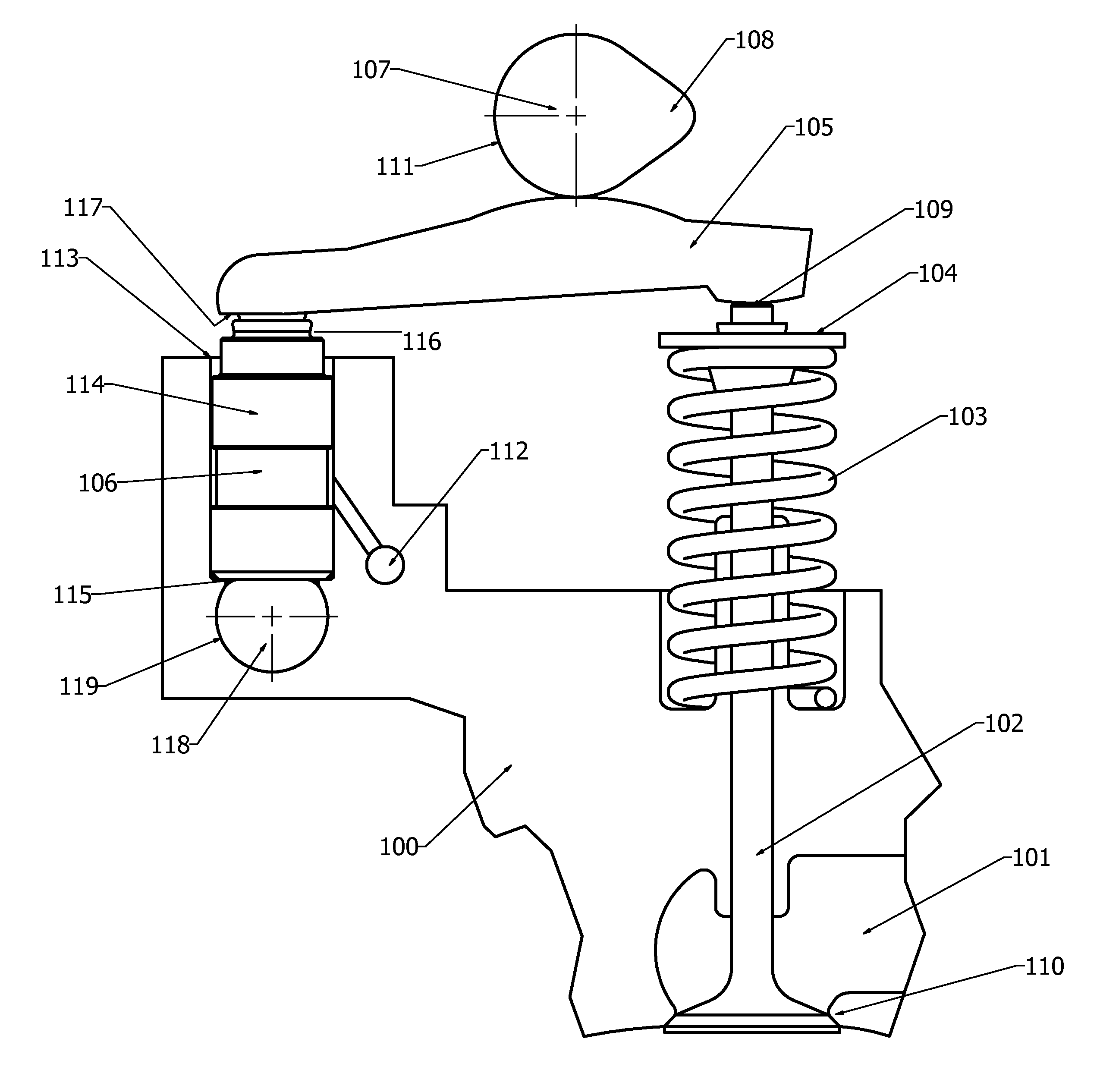
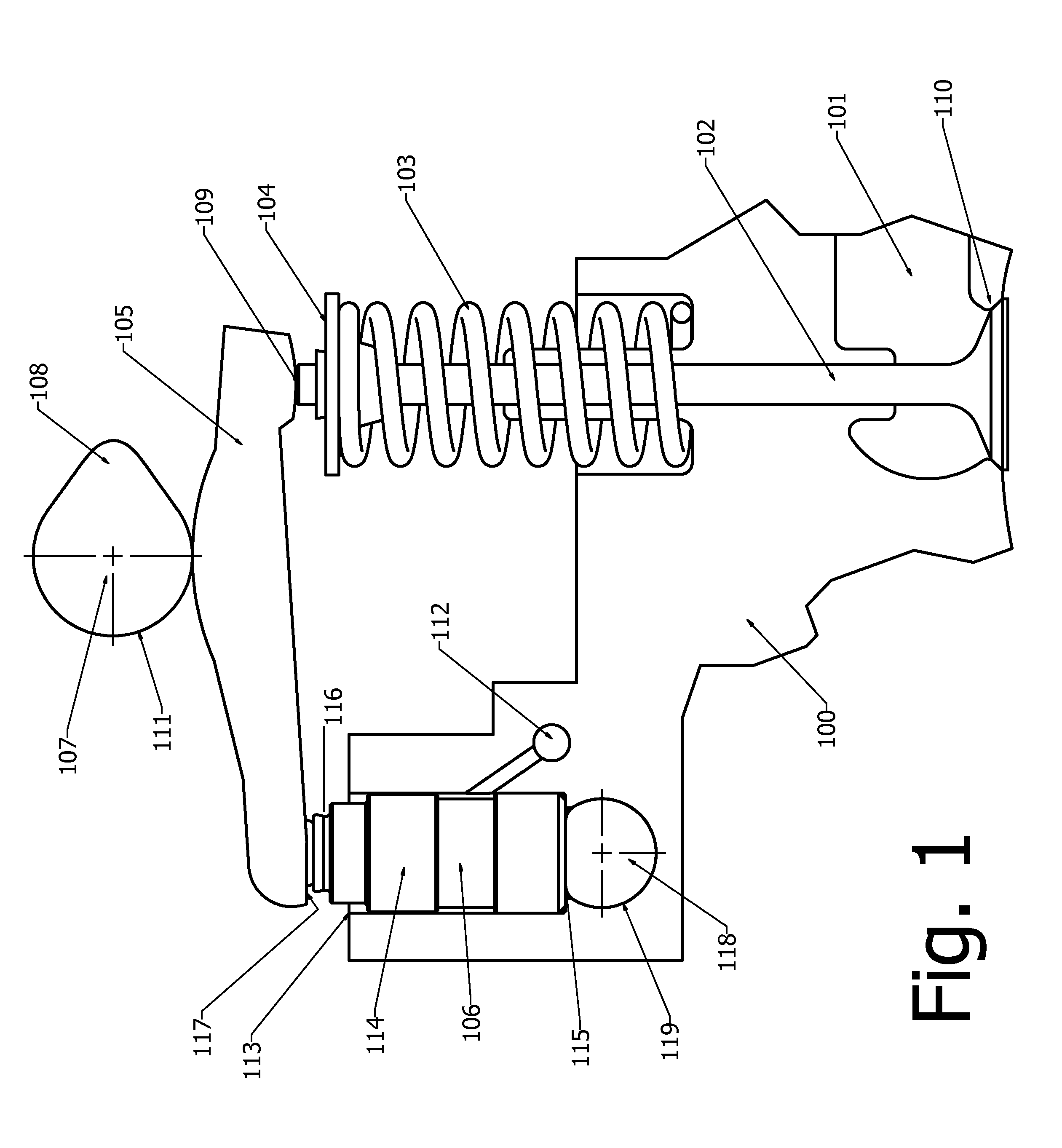
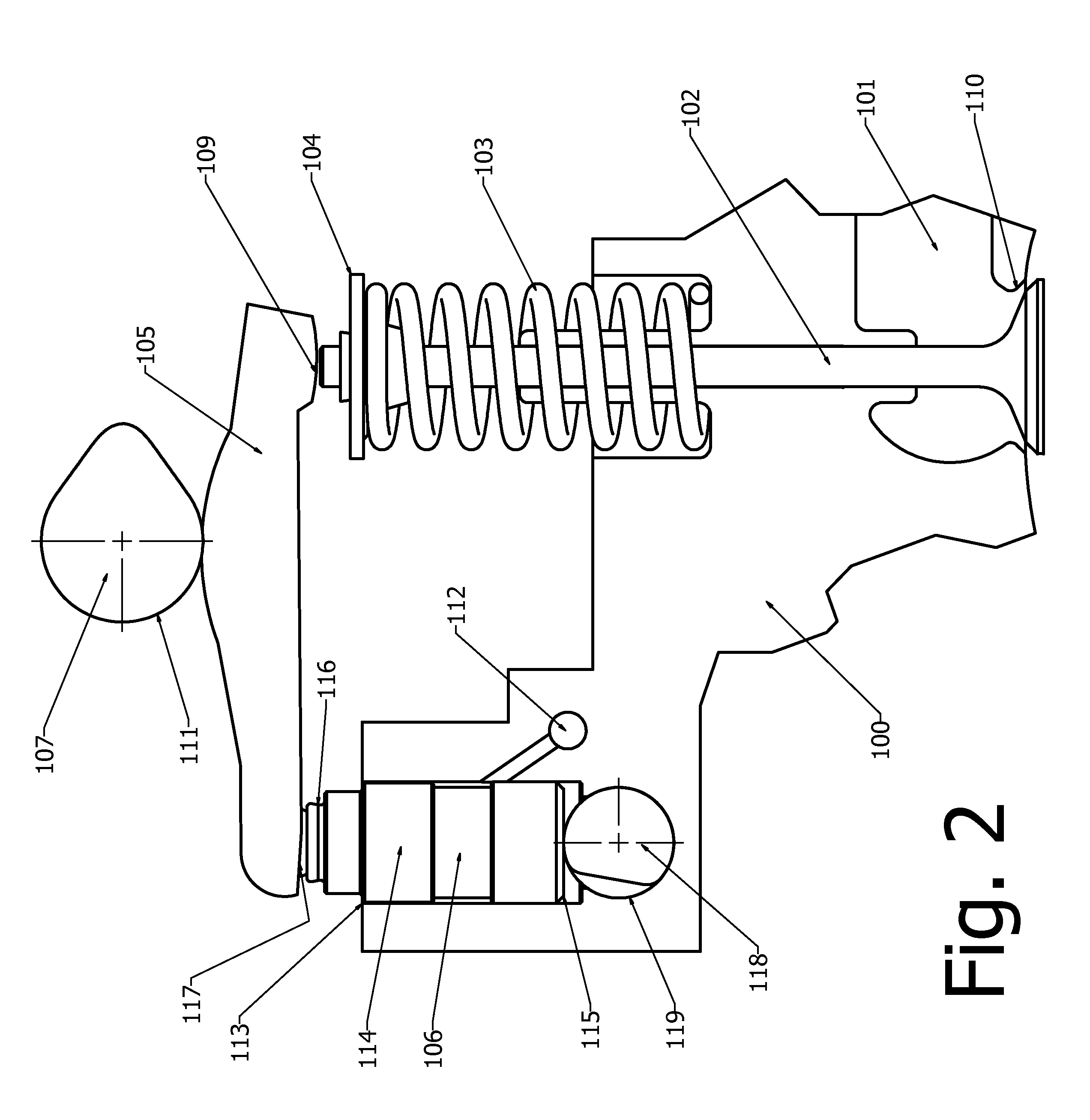

Controlling an engine with a multi link-type piston crank mechanism
PatentInactiveUS20050268870A1
Innovation
- The implementation of a multi-link piston crank mechanism that controls piston motion to reduce acceleration at top dead center, combined with lean combustion modes and adjustable compression ratios, allows the engine to operate at air-fuel ratios leaner than stoichiometric, forming homogeneous or stratified mixtures, and adjusting the top dead center position based on operating conditions to optimize heat efficiency and fuel consumption.


Fuel Requirements and Detonation Management Strategies
Increasing the static compression ratio of an LS2 engine necessitates careful consideration of fuel requirements to prevent detonation, which can cause catastrophic engine damage. Higher compression ratios generate more heat and pressure, demanding fuels with superior anti-knock properties. For safely elevated compression ratios (above 10.5:1), premium fuels with octane ratings of 91 or higher become essential. The relationship between compression ratio and minimum octane requirement follows a predictable curve, with each point of compression increase typically requiring approximately 2-3 octane points to maintain detonation resistance.
Fuel quality consistency becomes particularly critical in high-compression applications. Variations in fuel quality can lead to unpredictable detonation events, especially under high load conditions. Modern ethanol-blended fuels (E85) have gained popularity in high-compression LS2 builds due to their inherently high octane rating (approximately 105) and superior cooling properties, allowing for compression ratios exceeding 12:1 without detonation concerns.
Advanced detonation management strategies complement appropriate fuel selection in high-compression LS2 engines. Knock sensors and modern engine management systems provide real-time detection and mitigation of detonation events through timing retardation. Implementing multi-stage timing maps based on engine temperature, load, and detected knock events creates a safety buffer against detonation while maximizing performance under safe conditions.
Thermal management represents another crucial aspect of detonation prevention. Techniques such as water/methanol injection systems provide charge cooling effects, effectively reducing combustion temperatures and suppressing detonation tendencies. These systems can be particularly effective during high-load operation when detonation risk peaks, allowing for more aggressive timing and boost levels.
Combustion chamber design modifications further support detonation resistance. Optimizing quench areas, reducing hot spots, and ensuring efficient flame propagation through appropriate chamber geometry can significantly improve detonation resistance. CNC-machined combustion chambers with carefully designed squish areas promote turbulence and rapid, even combustion, reducing the engine's susceptibility to knock even with elevated compression ratios.
The integration of these fuel requirements and detonation management strategies creates a comprehensive approach to safely increasing an LS2 engine's static compression. This holistic methodology enables performance enthusiasts to extract maximum power while maintaining reliability through the careful balance of fuel quality, engine management technology, thermal control, and optimized combustion dynamics.
Fuel quality consistency becomes particularly critical in high-compression applications. Variations in fuel quality can lead to unpredictable detonation events, especially under high load conditions. Modern ethanol-blended fuels (E85) have gained popularity in high-compression LS2 builds due to their inherently high octane rating (approximately 105) and superior cooling properties, allowing for compression ratios exceeding 12:1 without detonation concerns.
Advanced detonation management strategies complement appropriate fuel selection in high-compression LS2 engines. Knock sensors and modern engine management systems provide real-time detection and mitigation of detonation events through timing retardation. Implementing multi-stage timing maps based on engine temperature, load, and detected knock events creates a safety buffer against detonation while maximizing performance under safe conditions.
Thermal management represents another crucial aspect of detonation prevention. Techniques such as water/methanol injection systems provide charge cooling effects, effectively reducing combustion temperatures and suppressing detonation tendencies. These systems can be particularly effective during high-load operation when detonation risk peaks, allowing for more aggressive timing and boost levels.
Combustion chamber design modifications further support detonation resistance. Optimizing quench areas, reducing hot spots, and ensuring efficient flame propagation through appropriate chamber geometry can significantly improve detonation resistance. CNC-machined combustion chambers with carefully designed squish areas promote turbulence and rapid, even combustion, reducing the engine's susceptibility to knock even with elevated compression ratios.
The integration of these fuel requirements and detonation management strategies creates a comprehensive approach to safely increasing an LS2 engine's static compression. This holistic methodology enables performance enthusiasts to extract maximum power while maintaining reliability through the careful balance of fuel quality, engine management technology, thermal control, and optimized combustion dynamics.
Performance Testing and Validation Methodologies
Comprehensive performance testing and validation methodologies are essential for safely increasing the static compression ratio of the LS2 engine. Dynamometer testing represents the cornerstone of validation, providing controlled environments for measuring power output, torque curves, and thermal efficiency across various operating conditions. These tests must include both steady-state and transient load scenarios to ensure the modified engine maintains reliability under all driving conditions.
Combustion analysis using in-cylinder pressure transducers offers critical insights into peak cylinder pressures, heat release rates, and combustion stability. Engineers should establish baseline measurements before modification and compare results after compression ratio increases to identify potential detonation risks. Modern data acquisition systems capable of high sampling rates (>1MHz) ensure accurate capture of pressure spikes that might indicate pre-ignition or knock events.
Thermal mapping techniques using infrared imaging and strategically placed temperature sensors help identify potential hotspots in the combustion chamber. This becomes particularly important as compression ratios increase, as certain areas may experience disproportionate heat concentration. Critical measurement points include cylinder head areas near exhaust valves, piston crown temperatures, and valve bridge regions.
Endurance testing protocols should simulate real-world driving conditions with extended high-load operation. Industry standards typically recommend minimum 100-hour test cycles with varying load profiles to validate durability. These tests should incorporate thermal cycling to evaluate component expansion characteristics and gasket sealing under repeated heat-soak conditions.
Fuel quality sensitivity testing is paramount when operating at higher compression ratios. Engineers must validate performance across various octane ratings to establish minimum fuel requirements and quantify performance degradation with sub-optimal fuels. This testing should include evaluation of modern ethanol-blend fuels which may affect combustion characteristics differently than traditional gasoline.
Emissions compliance verification ensures modified engines meet applicable regulatory standards. Higher compression ratios typically improve thermal efficiency but may increase NOx production. Comprehensive emissions testing across the operating range helps identify potential compliance issues and guides calibration adjustments to maintain legal operation while maximizing performance benefits.
Field testing complements laboratory validation by exposing the engine to real-world variables including ambient temperature fluctuations, fuel quality variations, and diverse driving patterns. Data logging during these tests should capture knock sensor activity, air-fuel ratios, and ignition timing to verify calibration robustness across all operating conditions.
Combustion analysis using in-cylinder pressure transducers offers critical insights into peak cylinder pressures, heat release rates, and combustion stability. Engineers should establish baseline measurements before modification and compare results after compression ratio increases to identify potential detonation risks. Modern data acquisition systems capable of high sampling rates (>1MHz) ensure accurate capture of pressure spikes that might indicate pre-ignition or knock events.
Thermal mapping techniques using infrared imaging and strategically placed temperature sensors help identify potential hotspots in the combustion chamber. This becomes particularly important as compression ratios increase, as certain areas may experience disproportionate heat concentration. Critical measurement points include cylinder head areas near exhaust valves, piston crown temperatures, and valve bridge regions.
Endurance testing protocols should simulate real-world driving conditions with extended high-load operation. Industry standards typically recommend minimum 100-hour test cycles with varying load profiles to validate durability. These tests should incorporate thermal cycling to evaluate component expansion characteristics and gasket sealing under repeated heat-soak conditions.
Fuel quality sensitivity testing is paramount when operating at higher compression ratios. Engineers must validate performance across various octane ratings to establish minimum fuel requirements and quantify performance degradation with sub-optimal fuels. This testing should include evaluation of modern ethanol-blend fuels which may affect combustion characteristics differently than traditional gasoline.
Emissions compliance verification ensures modified engines meet applicable regulatory standards. Higher compression ratios typically improve thermal efficiency but may increase NOx production. Comprehensive emissions testing across the operating range helps identify potential compliance issues and guides calibration adjustments to maintain legal operation while maximizing performance benefits.
Field testing complements laboratory validation by exposing the engine to real-world variables including ambient temperature fluctuations, fuel quality variations, and diverse driving patterns. Data logging during these tests should capture knock sensor activity, air-fuel ratios, and ignition timing to verify calibration robustness across all operating conditions.
Unlock deeper insights with PatSnap Eureka Quick Research — get a full tech report to explore trends and direct your research. Try now!
Generate Your Research Report Instantly with AI Agent
Supercharge your innovation with PatSnap Eureka AI Agent Platform!