

How V8 Engines Enable Efficient Adaptation to Renewable Sources?
JUL 4, 20259 MIN READ
Generate Your Research Report Instantly with AI Agent
PatSnap Eureka helps you evaluate technical feasibility & market potential.
V8 Engine Evolution
The V8 engine, a marvel of automotive engineering, has undergone significant evolution since its inception. Initially developed in the early 20th century, V8 engines have continuously adapted to meet changing performance demands and environmental regulations. The evolution of V8 engines can be traced through several key phases, each marked by technological advancements and design innovations.
In the early stages, V8 engines were primarily focused on raw power output. The 1930s and 1940s saw the rise of high-displacement V8s in American automobiles, setting the stage for the muscle car era. These engines were characterized by their large size and impressive horsepower, but often at the cost of fuel efficiency.
The 1970s brought a paradigm shift in V8 engine development. The oil crisis and emerging environmental concerns led to a focus on fuel economy and emissions reduction. This period saw the introduction of electronic fuel injection systems and catalytic converters, marking the beginning of the modern V8 era.
The 1980s and 1990s witnessed further refinements in V8 technology. Computer-controlled engine management systems became standard, allowing for precise control over fuel delivery and ignition timing. This era also saw the widespread adoption of overhead camshaft designs, which improved engine efficiency and power output.
The turn of the millennium brought about a new phase in V8 engine evolution, characterized by the pursuit of both performance and efficiency. Advanced materials such as aluminum alloys were increasingly used to reduce engine weight. Variable valve timing and cylinder deactivation technologies were introduced, allowing V8 engines to operate more efficiently under varying load conditions.
In recent years, the evolution of V8 engines has been driven by the need for compatibility with renewable energy sources. This has led to the development of hybrid V8 systems, where electric motors supplement the internal combustion engine. Additionally, research into alternative fuels such as hydrogen and biofuels has opened new avenues for V8 engine adaptation.
The latest frontier in V8 engine evolution involves the integration of advanced electronic systems and artificial intelligence. These technologies enable real-time optimization of engine performance based on driving conditions and energy availability. This adaptability is crucial for efficient operation with renewable energy sources, as it allows the engine to adjust its parameters to match the varying characteristics of different fuel types.
In the early stages, V8 engines were primarily focused on raw power output. The 1930s and 1940s saw the rise of high-displacement V8s in American automobiles, setting the stage for the muscle car era. These engines were characterized by their large size and impressive horsepower, but often at the cost of fuel efficiency.
The 1970s brought a paradigm shift in V8 engine development. The oil crisis and emerging environmental concerns led to a focus on fuel economy and emissions reduction. This period saw the introduction of electronic fuel injection systems and catalytic converters, marking the beginning of the modern V8 era.
The 1980s and 1990s witnessed further refinements in V8 technology. Computer-controlled engine management systems became standard, allowing for precise control over fuel delivery and ignition timing. This era also saw the widespread adoption of overhead camshaft designs, which improved engine efficiency and power output.
The turn of the millennium brought about a new phase in V8 engine evolution, characterized by the pursuit of both performance and efficiency. Advanced materials such as aluminum alloys were increasingly used to reduce engine weight. Variable valve timing and cylinder deactivation technologies were introduced, allowing V8 engines to operate more efficiently under varying load conditions.
In recent years, the evolution of V8 engines has been driven by the need for compatibility with renewable energy sources. This has led to the development of hybrid V8 systems, where electric motors supplement the internal combustion engine. Additionally, research into alternative fuels such as hydrogen and biofuels has opened new avenues for V8 engine adaptation.
The latest frontier in V8 engine evolution involves the integration of advanced electronic systems and artificial intelligence. These technologies enable real-time optimization of engine performance based on driving conditions and energy availability. This adaptability is crucial for efficient operation with renewable energy sources, as it allows the engine to adjust its parameters to match the varying characteristics of different fuel types.
Renewable Fuel Market
The renewable fuel market has experienced significant growth in recent years, driven by increasing environmental concerns and the global push towards sustainable energy sources. This market encompasses a wide range of alternative fuels, including biodiesel, ethanol, renewable diesel, and biogas, which can be used as substitutes for traditional fossil fuels in various applications, including transportation and power generation.
The demand for renewable fuels has been steadily rising, particularly in developed countries where stringent environmental regulations and government incentives have encouraged their adoption. The transportation sector, in particular, has been a major driver of this growth, with many countries implementing mandates for blending biofuels with conventional fuels. This has led to a substantial increase in the production and consumption of ethanol and biodiesel.
Market analysts project continued expansion of the renewable fuel market in the coming years. Factors contributing to this growth include advancements in production technologies, increasing investments in research and development, and the growing awareness of the environmental benefits of renewable fuels. Additionally, the volatility of oil prices and concerns about energy security have prompted many countries to diversify their energy sources, further boosting the demand for renewable fuels.
The market is characterized by regional variations in terms of production, consumption, and regulatory frameworks. North America and Europe have been at the forefront of renewable fuel adoption, with well-established markets and supportive policies. However, emerging economies in Asia-Pacific and Latin America are increasingly recognizing the potential of renewable fuels and are expected to contribute significantly to market growth in the future.
Despite the positive outlook, the renewable fuel market faces several challenges. These include competition with conventional fuels, concerns about food security due to the use of food crops for fuel production, and the need for substantial infrastructure investments to support widespread adoption. Additionally, the market is highly influenced by government policies and subsidies, making it vulnerable to regulatory changes.
The integration of renewable fuels with existing engine technologies, particularly V8 engines, presents both opportunities and challenges. As engine manufacturers strive to adapt their designs to accommodate renewable fuels, there is a growing focus on developing flexible fuel systems that can efficiently utilize various types of renewable fuels without compromising performance or reliability. This adaptation process is crucial for the long-term success of the renewable fuel market and its ability to penetrate traditional automotive and industrial sectors.
The demand for renewable fuels has been steadily rising, particularly in developed countries where stringent environmental regulations and government incentives have encouraged their adoption. The transportation sector, in particular, has been a major driver of this growth, with many countries implementing mandates for blending biofuels with conventional fuels. This has led to a substantial increase in the production and consumption of ethanol and biodiesel.
Market analysts project continued expansion of the renewable fuel market in the coming years. Factors contributing to this growth include advancements in production technologies, increasing investments in research and development, and the growing awareness of the environmental benefits of renewable fuels. Additionally, the volatility of oil prices and concerns about energy security have prompted many countries to diversify their energy sources, further boosting the demand for renewable fuels.
The market is characterized by regional variations in terms of production, consumption, and regulatory frameworks. North America and Europe have been at the forefront of renewable fuel adoption, with well-established markets and supportive policies. However, emerging economies in Asia-Pacific and Latin America are increasingly recognizing the potential of renewable fuels and are expected to contribute significantly to market growth in the future.
Despite the positive outlook, the renewable fuel market faces several challenges. These include competition with conventional fuels, concerns about food security due to the use of food crops for fuel production, and the need for substantial infrastructure investments to support widespread adoption. Additionally, the market is highly influenced by government policies and subsidies, making it vulnerable to regulatory changes.
The integration of renewable fuels with existing engine technologies, particularly V8 engines, presents both opportunities and challenges. As engine manufacturers strive to adapt their designs to accommodate renewable fuels, there is a growing focus on developing flexible fuel systems that can efficiently utilize various types of renewable fuels without compromising performance or reliability. This adaptation process is crucial for the long-term success of the renewable fuel market and its ability to penetrate traditional automotive and industrial sectors.
V8 Adaptation Challenges
The adaptation of V8 engines to renewable energy sources presents several significant challenges. One of the primary obstacles is the need for extensive modifications to the engine's fuel delivery and combustion systems. Traditional V8 engines are designed to operate on fossil fuels, which have different chemical properties and energy densities compared to renewable alternatives such as biofuels or hydrogen.
Ensuring optimal performance and efficiency while using renewable fuels requires careful recalibration of fuel injection systems, ignition timing, and combustion chamber design. This process can be complex and time-consuming, often necessitating substantial research and development efforts. Additionally, the varying composition of renewable fuels, particularly biofuels, can lead to inconsistent engine performance and potential long-term durability issues if not properly addressed.
Another major challenge lies in maintaining the power output and torque characteristics that V8 engines are known for when transitioning to renewable energy sources. Many renewable fuels have lower energy densities than traditional petroleum-based fuels, potentially resulting in reduced engine performance. Engineers must find innovative ways to compensate for this difference, such as implementing advanced turbocharging or supercharging systems, or redesigning engine components to maximize efficiency.
The integration of renewable energy storage systems, such as high-capacity batteries for hybrid configurations, poses additional challenges. Incorporating these components into existing V8 engine designs while maintaining the vehicle's weight distribution, handling characteristics, and overall performance is a complex task that requires careful engineering and design considerations.
Emissions control is another critical area of concern when adapting V8 engines to renewable sources. While renewable fuels often produce lower levels of certain pollutants, they may introduce new emissions challenges that require the development of specialized catalytic converters and exhaust treatment systems. Meeting increasingly stringent environmental regulations while preserving the V8 engine's performance characteristics demands innovative solutions in exhaust gas management and aftertreatment technologies.
Lastly, the economic viability of adapting V8 engines to renewable sources presents a significant hurdle. The costs associated with research, development, and implementation of new technologies can be substantial, potentially impacting the affordability of V8-powered vehicles. Manufacturers must balance the expenses of adaptation with market demand and regulatory pressures, seeking cost-effective solutions that maintain the appeal of V8 engines while embracing sustainable energy sources.
Ensuring optimal performance and efficiency while using renewable fuels requires careful recalibration of fuel injection systems, ignition timing, and combustion chamber design. This process can be complex and time-consuming, often necessitating substantial research and development efforts. Additionally, the varying composition of renewable fuels, particularly biofuels, can lead to inconsistent engine performance and potential long-term durability issues if not properly addressed.
Another major challenge lies in maintaining the power output and torque characteristics that V8 engines are known for when transitioning to renewable energy sources. Many renewable fuels have lower energy densities than traditional petroleum-based fuels, potentially resulting in reduced engine performance. Engineers must find innovative ways to compensate for this difference, such as implementing advanced turbocharging or supercharging systems, or redesigning engine components to maximize efficiency.
The integration of renewable energy storage systems, such as high-capacity batteries for hybrid configurations, poses additional challenges. Incorporating these components into existing V8 engine designs while maintaining the vehicle's weight distribution, handling characteristics, and overall performance is a complex task that requires careful engineering and design considerations.
Emissions control is another critical area of concern when adapting V8 engines to renewable sources. While renewable fuels often produce lower levels of certain pollutants, they may introduce new emissions challenges that require the development of specialized catalytic converters and exhaust treatment systems. Meeting increasingly stringent environmental regulations while preserving the V8 engine's performance characteristics demands innovative solutions in exhaust gas management and aftertreatment technologies.
Lastly, the economic viability of adapting V8 engines to renewable sources presents a significant hurdle. The costs associated with research, development, and implementation of new technologies can be substantial, potentially impacting the affordability of V8-powered vehicles. Manufacturers must balance the expenses of adaptation with market demand and regulatory pressures, seeking cost-effective solutions that maintain the appeal of V8 engines while embracing sustainable energy sources.
Current V8 Solutions
01 Cylinder deactivation for improved efficiency
V8 engines can be adapted for improved efficiency by implementing cylinder deactivation technology. This allows the engine to operate on fewer cylinders during low-load conditions, reducing fuel consumption and emissions while maintaining performance when needed.- Cylinder deactivation for improved efficiency: V8 engines can be adapted for improved efficiency by implementing cylinder deactivation technology. This allows the engine to operate on fewer cylinders during low-load conditions, reducing fuel consumption and emissions while maintaining performance when needed.
- Variable valve timing and lift: Implementing variable valve timing and lift systems in V8 engines can significantly improve efficiency. These systems allow for optimized air intake and exhaust flow across different engine speeds and loads, resulting in better fuel economy and performance.
- Advanced fuel injection systems: Incorporating advanced fuel injection systems, such as direct injection or dual-fuel capabilities, can enhance the efficiency of V8 engines. These systems provide more precise fuel delivery, improved atomization, and better combustion control, leading to increased power output and reduced fuel consumption.
- Turbocharging and supercharging: Adapting V8 engines with forced induction systems like turbochargers or superchargers can significantly boost efficiency. These systems increase air intake, allowing for more power from a smaller displacement engine, which can lead to improved fuel economy when not operating at full power.
- Engine control unit optimization: Optimizing the engine control unit (ECU) software and algorithms can greatly improve V8 engine efficiency. Advanced ECU programming can fine-tune various engine parameters in real-time, such as fuel injection timing, ignition timing, and valve control, to maximize performance and fuel economy across different driving conditions.
02 Variable valve timing and lift
Implementing variable valve timing and lift systems in V8 engines can significantly improve efficiency. These systems allow for optimized air intake and exhaust flow across different engine speeds and loads, resulting in better fuel economy and performance.Expand Specific Solutions03 Advanced fuel injection systems
Incorporating advanced fuel injection systems, such as direct injection or dual-fuel capabilities, can enhance the efficiency of V8 engines. These systems provide more precise fuel delivery, improved atomization, and better combustion control, leading to increased power output and reduced fuel consumption.Expand Specific Solutions04 Turbocharging and supercharging
Adapting V8 engines with turbocharging or supercharging technologies can significantly boost efficiency. These forced induction methods increase air intake, allowing for improved power output from smaller displacement engines, resulting in better fuel economy without sacrificing performance.Expand Specific Solutions05 Engine control unit optimization
Optimizing the engine control unit (ECU) software and algorithms can greatly improve V8 engine efficiency. Advanced ECU programming can fine-tune various engine parameters in real-time, such as fuel injection timing, ignition timing, and air-fuel ratios, to maximize performance and minimize fuel consumption across different driving conditions.Expand Specific Solutions
Key V8 Manufacturers
The V8 engine adaptation to renewable sources is in an early development stage, with a growing market driven by sustainability demands. The technology's maturity varies among key players, with established automotive giants like Toyota, Hyundai, and Kia leading research efforts. Emerging companies such as Ballard Power Systems and Weichai Power are also making significant strides in this field. The competitive landscape is diverse, including traditional automakers, specialized power system manufacturers, and research institutions like Arizona State University. As the technology evolves, collaboration between industry leaders and innovative startups is likely to accelerate progress towards efficient renewable-powered V8 engines.
Toyota Motor Corp.
Technical Solution: Toyota has developed a flexible fuel V8 engine capable of running on various renewable sources, including hydrogen and ethanol. The engine utilizes advanced fuel injection systems and combustion control technologies to optimize performance and emissions across different fuel types. Toyota's V8 engine incorporates variable valve timing and direct injection to enhance fuel efficiency and power output when using renewable fuels[1]. The company has also implemented a dual-fuel system that allows seamless switching between conventional and renewable fuels, providing flexibility in fuel choice based on availability and environmental considerations[2].
Strengths: Fuel flexibility, optimized performance across various renewable sources, and seamless fuel switching. Weaknesses: Potential complexity in engine management systems and higher initial costs compared to conventional V8 engines.
Hyundai Motor Co., Ltd.
Technical Solution: Hyundai has developed a V8 engine platform that incorporates advanced technologies for efficient adaptation to renewable sources. The engine features a high-pressure direct injection system capable of handling various biofuels and synthetic fuels. Hyundai's V8 engine utilizes a sophisticated engine control unit (ECU) that can adjust combustion parameters in real-time based on the fuel composition[3]. The company has also implemented a cylinder deactivation system that can selectively shut off cylinders when running on renewable fuels with lower energy density, maintaining optimal efficiency[4]. Additionally, Hyundai has integrated a mild hybrid system with their V8 engine to further improve fuel economy and reduce emissions when operating on renewable sources.
Strengths: Advanced fuel injection system, real-time combustion optimization, and hybrid integration for improved efficiency. Weaknesses: Potential increased complexity and cost of the engine system, and the need for specialized maintenance.
Core V8 Innovations
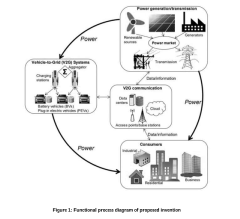
Holistic vehicle-to-grid (V2G) integration with predictive load balancing
PatentPendingIN202341058373A
Innovation
- A holistic Vehicle-to-Grid (V2G) integration system utilizing advanced predictive algorithms that analyze historical data, grid load, weather, and local events to forecast energy demands and supply, enabling optimal load balancing, and incorporating a real-time feedback mechanism to adjust strategies, while considering the broader energy ecosystem including renewable and traditional sources.
Integrated renewable energy system for ev charging stations using piezoelectric sensors in roads
PatentPendingIN202441033721A
Innovation
- The integration of piezoelectric sensors within roadways to harness mechanical energy from vehicular traffic, combined with supplementary renewable energy sources like solar panels and wind turbines, and optimized by smart grid technology for efficient energy management and distribution.

Emissions Regulations
Emissions regulations play a crucial role in shaping the development and adaptation of V8 engines to renewable sources. As governments worldwide implement increasingly stringent environmental policies, automotive manufacturers are compelled to innovate and adapt their engine technologies to meet these standards while maintaining performance.
The evolution of emissions regulations has been a driving force behind the transformation of V8 engines. Initially, these regulations focused primarily on reducing harmful pollutants such as carbon monoxide, nitrogen oxides, and particulate matter. However, in recent years, the emphasis has shifted towards reducing greenhouse gas emissions, particularly carbon dioxide.
This shift has led to the development of more efficient V8 engines that can operate on renewable fuels. Manufacturers have implemented various technologies to improve fuel efficiency and reduce emissions, including direct fuel injection, variable valve timing, and cylinder deactivation. These advancements have allowed V8 engines to maintain their power output while significantly reducing their environmental impact.
The introduction of biofuels and synthetic fuels has further expanded the potential for V8 engines to adapt to renewable sources. These alternative fuels can be used in modified V8 engines with minimal changes to the existing infrastructure, making them an attractive option for reducing emissions while preserving the characteristics that make V8 engines popular among enthusiasts.
Emissions regulations have also spurred the development of hybrid V8 powertrains. By combining a V8 engine with electric motors, manufacturers can achieve substantial reductions in fuel consumption and emissions without sacrificing performance. This approach allows V8 engines to remain relevant in an increasingly electrified automotive landscape.
The global nature of emissions regulations has led to a harmonization of standards across different markets. This convergence has encouraged manufacturers to develop V8 engines that can meet the most stringent requirements worldwide, resulting in more universally adaptable powertrains. Consequently, V8 engines designed for renewable sources are becoming increasingly versatile and capable of meeting diverse regulatory requirements.
As emissions regulations continue to evolve, the future of V8 engines lies in their ability to adapt to renewable sources while maintaining their distinctive characteristics. This ongoing challenge drives innovation in materials science, combustion technology, and powertrain integration, ensuring that V8 engines remain a viable option in the pursuit of sustainable transportation solutions.
The evolution of emissions regulations has been a driving force behind the transformation of V8 engines. Initially, these regulations focused primarily on reducing harmful pollutants such as carbon monoxide, nitrogen oxides, and particulate matter. However, in recent years, the emphasis has shifted towards reducing greenhouse gas emissions, particularly carbon dioxide.
This shift has led to the development of more efficient V8 engines that can operate on renewable fuels. Manufacturers have implemented various technologies to improve fuel efficiency and reduce emissions, including direct fuel injection, variable valve timing, and cylinder deactivation. These advancements have allowed V8 engines to maintain their power output while significantly reducing their environmental impact.
The introduction of biofuels and synthetic fuels has further expanded the potential for V8 engines to adapt to renewable sources. These alternative fuels can be used in modified V8 engines with minimal changes to the existing infrastructure, making them an attractive option for reducing emissions while preserving the characteristics that make V8 engines popular among enthusiasts.
Emissions regulations have also spurred the development of hybrid V8 powertrains. By combining a V8 engine with electric motors, manufacturers can achieve substantial reductions in fuel consumption and emissions without sacrificing performance. This approach allows V8 engines to remain relevant in an increasingly electrified automotive landscape.
The global nature of emissions regulations has led to a harmonization of standards across different markets. This convergence has encouraged manufacturers to develop V8 engines that can meet the most stringent requirements worldwide, resulting in more universally adaptable powertrains. Consequently, V8 engines designed for renewable sources are becoming increasingly versatile and capable of meeting diverse regulatory requirements.
As emissions regulations continue to evolve, the future of V8 engines lies in their ability to adapt to renewable sources while maintaining their distinctive characteristics. This ongoing challenge drives innovation in materials science, combustion technology, and powertrain integration, ensuring that V8 engines remain a viable option in the pursuit of sustainable transportation solutions.
Economic Feasibility
The economic feasibility of adapting V8 engines to renewable sources is a critical consideration for both manufacturers and consumers. This transition involves significant upfront costs, including research and development, retooling of production lines, and potential redesigns of vehicle architectures. However, these initial investments must be weighed against the long-term benefits and potential cost savings.
One of the primary economic drivers for this adaptation is the increasing volatility of fossil fuel prices. As renewable energy sources become more prevalent and cost-effective, the operational costs of vehicles running on adapted V8 engines could potentially decrease over time. This cost reduction is particularly significant for fleet operators and heavy-duty vehicle users, where fuel expenses constitute a substantial portion of operational costs.
The market demand for environmentally friendly vehicles is another factor contributing to the economic viability of this adaptation. Consumers are increasingly willing to pay a premium for vehicles with lower carbon footprints, which could offset the higher initial costs of production. Additionally, government incentives and regulations favoring low-emission vehicles can create a more favorable economic landscape for manufacturers investing in this technology.
From a manufacturing perspective, the ability to adapt existing V8 engine designs rather than developing entirely new powertrains can lead to significant cost savings. This approach allows companies to leverage their existing expertise and infrastructure while transitioning towards more sustainable technologies. It also provides a pathway for gradual adaptation, allowing manufacturers to spread the costs of transition over a longer period.
The scalability of the adaptation process is another crucial economic consideration. As production volumes increase, economies of scale can be achieved, potentially reducing the per-unit cost of adapted engines. This scalability could make the technology more accessible to a broader range of vehicle segments, further improving its economic viability.
However, the economic feasibility also depends on the availability and cost of renewable fuels compatible with adapted V8 engines. The development of a robust supply chain for these fuels is essential for the long-term economic success of this adaptation. Investments in fuel production and distribution infrastructure will play a significant role in determining the overall economic viability of this technological shift.
In conclusion, while the initial costs of adapting V8 engines to renewable sources are substantial, the long-term economic benefits, coupled with market demand and regulatory pressures, suggest a potentially viable economic path forward. The success of this adaptation will largely depend on continued technological advancements, supportive policy frameworks, and the ability of manufacturers to effectively manage the transition costs while capitalizing on the growing market for sustainable transportation solutions.
One of the primary economic drivers for this adaptation is the increasing volatility of fossil fuel prices. As renewable energy sources become more prevalent and cost-effective, the operational costs of vehicles running on adapted V8 engines could potentially decrease over time. This cost reduction is particularly significant for fleet operators and heavy-duty vehicle users, where fuel expenses constitute a substantial portion of operational costs.
The market demand for environmentally friendly vehicles is another factor contributing to the economic viability of this adaptation. Consumers are increasingly willing to pay a premium for vehicles with lower carbon footprints, which could offset the higher initial costs of production. Additionally, government incentives and regulations favoring low-emission vehicles can create a more favorable economic landscape for manufacturers investing in this technology.
From a manufacturing perspective, the ability to adapt existing V8 engine designs rather than developing entirely new powertrains can lead to significant cost savings. This approach allows companies to leverage their existing expertise and infrastructure while transitioning towards more sustainable technologies. It also provides a pathway for gradual adaptation, allowing manufacturers to spread the costs of transition over a longer period.
The scalability of the adaptation process is another crucial economic consideration. As production volumes increase, economies of scale can be achieved, potentially reducing the per-unit cost of adapted engines. This scalability could make the technology more accessible to a broader range of vehicle segments, further improving its economic viability.
However, the economic feasibility also depends on the availability and cost of renewable fuels compatible with adapted V8 engines. The development of a robust supply chain for these fuels is essential for the long-term economic success of this adaptation. Investments in fuel production and distribution infrastructure will play a significant role in determining the overall economic viability of this technological shift.
In conclusion, while the initial costs of adapting V8 engines to renewable sources are substantial, the long-term economic benefits, coupled with market demand and regulatory pressures, suggest a potentially viable economic path forward. The success of this adaptation will largely depend on continued technological advancements, supportive policy frameworks, and the ability of manufacturers to effectively manage the transition costs while capitalizing on the growing market for sustainable transportation solutions.
Unlock deeper insights with PatSnap Eureka Quick Research — get a full tech report to explore trends and direct your research. Try now!
Generate Your Research Report Instantly with AI Agent
Supercharge your innovation with PatSnap Eureka AI Agent Platform!