Innovations in Ammonium Hydroxide-Based Sterilization Techniques
JUL 22, 20259 MIN READ
Generate Your Research Report Instantly with AI Agent
Patsnap Eureka helps you evaluate technical feasibility & market potential.
NH4OH Sterilization Background and Objectives
Ammonium hydroxide-based sterilization techniques have emerged as a promising alternative to traditional sterilization methods in various industries, particularly in healthcare and food processing. The development of these techniques can be traced back to the early 2000s when researchers began exploring the antimicrobial properties of ammonia and its derivatives. Over the past two decades, significant advancements have been made in harnessing the sterilization potential of ammonium hydroxide, leading to more efficient and environmentally friendly disinfection processes.
The evolution of NH4OH sterilization technology has been driven by the increasing demand for effective, yet eco-friendly sterilization methods. Traditional sterilization techniques, such as those using ethylene oxide or gamma radiation, often pose environmental and safety concerns. In contrast, ammonium hydroxide-based methods offer a more sustainable approach, as the compound can be easily neutralized and safely disposed of after use.
One of the key milestones in the development of this technology was the discovery of its broad-spectrum antimicrobial activity. Researchers found that ammonium hydroxide is effective against a wide range of microorganisms, including bacteria, viruses, and fungi. This versatility has made it an attractive option for various applications, from medical device sterilization to food preservation.
The technological trajectory of NH4OH sterilization has been marked by continuous improvements in application methods and process optimization. Early techniques involved simple immersion or spraying of ammonium hydroxide solutions. However, recent innovations have focused on developing more sophisticated delivery systems, such as vapor-phase sterilization and controlled-release mechanisms, which enhance the efficacy and efficiency of the sterilization process.
As the technology has matured, researchers and industry professionals have set ambitious goals for its future development. These objectives include further improving the sterilization efficacy, reducing processing times, and minimizing the environmental impact of the process. Additionally, there is a growing interest in expanding the application of NH4OH sterilization to new sectors, such as agriculture and water treatment.
The current technological landscape is characterized by ongoing research into the molecular mechanisms of ammonium hydroxide's antimicrobial action. This fundamental understanding is crucial for optimizing sterilization protocols and developing novel formulations that can overcome existing limitations, such as material compatibility issues and the need for high concentrations in certain applications.
Looking ahead, the field of ammonium hydroxide-based sterilization is poised for significant advancements. Researchers are exploring combinations with other antimicrobial agents, nanotechnology-enhanced delivery systems, and smart sterilization processes that can adapt to different environmental conditions. These innovations aim to address the evolving challenges in sterilization technology and meet the increasing demand for safe, effective, and sustainable disinfection methods across various industries.
The evolution of NH4OH sterilization technology has been driven by the increasing demand for effective, yet eco-friendly sterilization methods. Traditional sterilization techniques, such as those using ethylene oxide or gamma radiation, often pose environmental and safety concerns. In contrast, ammonium hydroxide-based methods offer a more sustainable approach, as the compound can be easily neutralized and safely disposed of after use.
One of the key milestones in the development of this technology was the discovery of its broad-spectrum antimicrobial activity. Researchers found that ammonium hydroxide is effective against a wide range of microorganisms, including bacteria, viruses, and fungi. This versatility has made it an attractive option for various applications, from medical device sterilization to food preservation.
The technological trajectory of NH4OH sterilization has been marked by continuous improvements in application methods and process optimization. Early techniques involved simple immersion or spraying of ammonium hydroxide solutions. However, recent innovations have focused on developing more sophisticated delivery systems, such as vapor-phase sterilization and controlled-release mechanisms, which enhance the efficacy and efficiency of the sterilization process.
As the technology has matured, researchers and industry professionals have set ambitious goals for its future development. These objectives include further improving the sterilization efficacy, reducing processing times, and minimizing the environmental impact of the process. Additionally, there is a growing interest in expanding the application of NH4OH sterilization to new sectors, such as agriculture and water treatment.
The current technological landscape is characterized by ongoing research into the molecular mechanisms of ammonium hydroxide's antimicrobial action. This fundamental understanding is crucial for optimizing sterilization protocols and developing novel formulations that can overcome existing limitations, such as material compatibility issues and the need for high concentrations in certain applications.
Looking ahead, the field of ammonium hydroxide-based sterilization is poised for significant advancements. Researchers are exploring combinations with other antimicrobial agents, nanotechnology-enhanced delivery systems, and smart sterilization processes that can adapt to different environmental conditions. These innovations aim to address the evolving challenges in sterilization technology and meet the increasing demand for safe, effective, and sustainable disinfection methods across various industries.
Market Demand Analysis for NH4OH Sterilization
The market demand for ammonium hydroxide-based sterilization techniques has been steadily growing in recent years, driven by several key factors. The healthcare industry, particularly hospitals and medical device manufacturers, has shown increased interest in these innovative sterilization methods due to their effectiveness against a wide range of pathogens and their potential for reducing environmental impact compared to traditional sterilization techniques.
In the food and beverage industry, there is a rising demand for safer and more efficient sterilization processes. Ammonium hydroxide-based techniques have gained attention for their ability to effectively eliminate harmful microorganisms while maintaining food quality and extending shelf life. This has led to a growing market for NH4OH sterilization solutions in food processing plants and packaging facilities.
The pharmaceutical sector has also contributed significantly to the market demand for ammonium hydroxide-based sterilization. As drug manufacturers seek more effective ways to ensure the sterility of their products and production environments, NH4OH sterilization techniques have emerged as a promising alternative to conventional methods. This trend is expected to continue as regulatory bodies increasingly focus on stringent sterilization standards in pharmaceutical production.
Agriculture and horticulture industries have shown interest in NH4OH sterilization for soil treatment and seed disinfection. The ability of ammonium hydroxide to neutralize soil-borne pathogens while potentially providing nutritional benefits to plants has sparked research and development efforts in this area, opening up new market opportunities.
The water treatment sector represents another significant market for NH4OH sterilization techniques. Municipal water treatment facilities and industrial wastewater management systems are exploring these methods as a means to improve water quality and reduce the use of harmful chemicals in the purification process.
Market analysis indicates that the global sterilization equipment market, which includes NH4OH-based technologies, is projected to grow at a compound annual growth rate (CAGR) of over 7% in the coming years. This growth is attributed to increasing awareness of infection control, stringent regulations in healthcare and food safety, and the need for more environmentally friendly sterilization solutions.
Geographically, North America and Europe currently lead in the adoption of ammonium hydroxide-based sterilization techniques, primarily due to advanced healthcare infrastructure and stringent regulatory environments. However, the Asia-Pacific region is expected to witness the fastest growth in market demand, driven by rapid industrialization, increasing healthcare expenditure, and growing food safety concerns in countries like China and India.
In the food and beverage industry, there is a rising demand for safer and more efficient sterilization processes. Ammonium hydroxide-based techniques have gained attention for their ability to effectively eliminate harmful microorganisms while maintaining food quality and extending shelf life. This has led to a growing market for NH4OH sterilization solutions in food processing plants and packaging facilities.
The pharmaceutical sector has also contributed significantly to the market demand for ammonium hydroxide-based sterilization. As drug manufacturers seek more effective ways to ensure the sterility of their products and production environments, NH4OH sterilization techniques have emerged as a promising alternative to conventional methods. This trend is expected to continue as regulatory bodies increasingly focus on stringent sterilization standards in pharmaceutical production.
Agriculture and horticulture industries have shown interest in NH4OH sterilization for soil treatment and seed disinfection. The ability of ammonium hydroxide to neutralize soil-borne pathogens while potentially providing nutritional benefits to plants has sparked research and development efforts in this area, opening up new market opportunities.
The water treatment sector represents another significant market for NH4OH sterilization techniques. Municipal water treatment facilities and industrial wastewater management systems are exploring these methods as a means to improve water quality and reduce the use of harmful chemicals in the purification process.
Market analysis indicates that the global sterilization equipment market, which includes NH4OH-based technologies, is projected to grow at a compound annual growth rate (CAGR) of over 7% in the coming years. This growth is attributed to increasing awareness of infection control, stringent regulations in healthcare and food safety, and the need for more environmentally friendly sterilization solutions.
Geographically, North America and Europe currently lead in the adoption of ammonium hydroxide-based sterilization techniques, primarily due to advanced healthcare infrastructure and stringent regulatory environments. However, the Asia-Pacific region is expected to witness the fastest growth in market demand, driven by rapid industrialization, increasing healthcare expenditure, and growing food safety concerns in countries like China and India.
Current Challenges in NH4OH-Based Sterilization
Despite the widespread use of ammonium hydroxide (NH4OH) in sterilization processes, several challenges persist that hinder its broader adoption and effectiveness. One of the primary issues is the variability in sterilization efficacy across different microbial species. While NH4OH has shown promising results against certain bacteria and fungi, its effectiveness against more resistant microorganisms, such as bacterial spores and some viruses, remains inconsistent.
The concentration and exposure time of NH4OH required for effective sterilization can vary significantly depending on the target microorganisms and the materials being sterilized. This variability makes it challenging to establish standardized protocols that can be universally applied across different industries and applications. Furthermore, the optimal concentration for sterilization may sometimes approach levels that could potentially damage sensitive materials or equipment, necessitating a delicate balance between efficacy and material compatibility.
Another significant challenge is the potential for ammonia off-gassing during and after the sterilization process. This can pose safety concerns for operators and may require additional ventilation systems or post-treatment processes to ensure a safe working environment. The residual ammonia odor can also be problematic in certain applications, particularly in food processing and medical settings where sensory neutrality is crucial.
The corrosive nature of NH4OH at higher concentrations presents another obstacle, especially when dealing with metal surfaces or sensitive electronic components. This corrosivity can lead to premature degradation of equipment and may limit the range of materials that can be safely sterilized using this method. Additionally, the potential for chemical reactions between NH4OH and certain substances in the sterilization environment could lead to the formation of unwanted byproducts or compromise the integrity of the sterilized items.
Environmental concerns also pose challenges to the widespread adoption of NH4OH-based sterilization techniques. The release of ammonia into the environment, even in small quantities, can contribute to air pollution and potentially impact local ecosystems. This necessitates the development of more efficient containment and recycling systems for the sterilization process.
Regulatory compliance presents another hurdle, as the use of NH4OH in sterilization processes must adhere to various safety and environmental regulations. These regulations can vary significantly across different regions and industries, making it difficult for companies to implement standardized NH4OH sterilization processes across their global operations.
Lastly, there is a need for more comprehensive research on the long-term effects of NH4OH sterilization on various materials and products. While short-term studies have shown promising results, the potential for subtle changes in material properties or the accumulation of trace ammonia residues over time requires further investigation to ensure the long-term safety and efficacy of this sterilization method.
The concentration and exposure time of NH4OH required for effective sterilization can vary significantly depending on the target microorganisms and the materials being sterilized. This variability makes it challenging to establish standardized protocols that can be universally applied across different industries and applications. Furthermore, the optimal concentration for sterilization may sometimes approach levels that could potentially damage sensitive materials or equipment, necessitating a delicate balance between efficacy and material compatibility.
Another significant challenge is the potential for ammonia off-gassing during and after the sterilization process. This can pose safety concerns for operators and may require additional ventilation systems or post-treatment processes to ensure a safe working environment. The residual ammonia odor can also be problematic in certain applications, particularly in food processing and medical settings where sensory neutrality is crucial.
The corrosive nature of NH4OH at higher concentrations presents another obstacle, especially when dealing with metal surfaces or sensitive electronic components. This corrosivity can lead to premature degradation of equipment and may limit the range of materials that can be safely sterilized using this method. Additionally, the potential for chemical reactions between NH4OH and certain substances in the sterilization environment could lead to the formation of unwanted byproducts or compromise the integrity of the sterilized items.
Environmental concerns also pose challenges to the widespread adoption of NH4OH-based sterilization techniques. The release of ammonia into the environment, even in small quantities, can contribute to air pollution and potentially impact local ecosystems. This necessitates the development of more efficient containment and recycling systems for the sterilization process.
Regulatory compliance presents another hurdle, as the use of NH4OH in sterilization processes must adhere to various safety and environmental regulations. These regulations can vary significantly across different regions and industries, making it difficult for companies to implement standardized NH4OH sterilization processes across their global operations.
Lastly, there is a need for more comprehensive research on the long-term effects of NH4OH sterilization on various materials and products. While short-term studies have shown promising results, the potential for subtle changes in material properties or the accumulation of trace ammonia residues over time requires further investigation to ensure the long-term safety and efficacy of this sterilization method.
Existing NH4OH Sterilization Solutions
01 Ammonium hydroxide as a sterilizing agent
Ammonium hydroxide is used as an effective sterilizing agent in various applications. Its alkaline properties contribute to its ability to eliminate microorganisms and pathogens. The effectiveness of ammonium hydroxide-based sterilization techniques depends on factors such as concentration, exposure time, and temperature.- Ammonium hydroxide-based sterilization methods: Various techniques utilize ammonium hydroxide as a key component in sterilization processes. These methods often involve combining ammonium hydroxide with other chemicals or applying it under specific conditions to enhance its sterilization effectiveness. The alkaline nature of ammonium hydroxide contributes to its ability to neutralize microorganisms and pathogens.
- Sterilization of medical devices and equipment: Ammonium hydroxide-based solutions are employed in the sterilization of medical devices and equipment. These techniques often involve immersing the items in the sterilizing solution or exposing them to ammonium hydroxide vapors. The process aims to eliminate harmful microorganisms while maintaining the integrity of the sterilized materials.
- Sterilization in food and beverage industry: Ammonium hydroxide-based sterilization techniques are utilized in the food and beverage industry to ensure product safety and extend shelf life. These methods may involve treating food processing equipment, packaging materials, or the food products themselves. The effectiveness of these techniques is crucial in maintaining food quality and preventing contamination.
- Combination with other sterilizing agents: To enhance sterilization effectiveness, ammonium hydroxide is often combined with other sterilizing agents such as hydrogen peroxide, peracetic acid, or UV radiation. These combinations can create synergistic effects, improving the overall efficacy of the sterilization process and broadening the spectrum of microorganisms that can be eliminated.
- Optimization of sterilization parameters: Research focuses on optimizing various parameters of ammonium hydroxide-based sterilization techniques to maximize their effectiveness. These parameters may include concentration, temperature, exposure time, pH levels, and application methods. By fine-tuning these factors, the sterilization process can be made more efficient and adaptable to different materials and environments.
02 Sterilization of medical devices and equipment
Ammonium hydroxide-based sterilization techniques are employed in the medical field for sterilizing devices and equipment. This method is particularly useful for items that may be sensitive to high temperatures or other harsh sterilization methods. The effectiveness of this technique is evaluated through various microbiological tests and validation processes.Expand Specific Solutions03 Food and beverage industry applications
In the food and beverage industry, ammonium hydroxide-based sterilization techniques are used to ensure product safety and extend shelf life. These methods are applied to processing equipment, packaging materials, and in some cases, directly to food products. The effectiveness of sterilization is monitored through microbial testing and quality control measures.Expand Specific Solutions04 Combination with other sterilization methods
To enhance sterilization effectiveness, ammonium hydroxide-based techniques are often combined with other methods such as heat treatment, UV irradiation, or additional chemical agents. These combination approaches can provide synergistic effects, improving overall sterilization efficacy and addressing a broader spectrum of microorganisms.Expand Specific Solutions05 Environmental and safety considerations
While effective for sterilization, the use of ammonium hydroxide requires careful consideration of environmental impact and safety measures. Proper handling, ventilation, and disposal procedures are essential. Research focuses on optimizing sterilization effectiveness while minimizing potential risks associated with ammonium hydroxide use.Expand Specific Solutions
Key Players in NH4OH Sterilization Industry
The field of ammonium hydroxide-based sterilization techniques is in a growth phase, with increasing market size driven by demand for effective and eco-friendly disinfection solutions. The global sterilization equipment market, which includes this technology, is projected to reach $20.9 billion by 2025. While the technology is relatively mature, ongoing innovations are focused on improving efficacy and safety. Key players like Hitachi Ltd., BASF Corp., and Ethicon, Inc. are investing in R&D to enhance their product offerings. Emerging companies such as FertileSafe Ltd. are also contributing to advancements in this field, particularly in specialized applications like reproductive technology. The competitive landscape is characterized by a mix of established chemical companies and innovative startups, indicating a dynamic and evolving market.
BASF Corp.
Technical Solution: BASF has developed an innovative ammonium hydroxide-based sterilization technique called Veloxis. This system utilizes a combination of ammonium hydroxide and hydrogen peroxide to create a powerful sterilant. The process involves vaporizing the solution and introducing it into a sealed chamber containing the items to be sterilized. The vapor penetrates even hard-to-reach areas, effectively eliminating a wide range of microorganisms, including bacteria, viruses, and spores. The Veloxis system operates at lower temperatures compared to traditional steam sterilization, making it suitable for heat-sensitive materials[1][3]. BASF has also incorporated advanced monitoring and control systems to ensure precise dosing and cycle management, enhancing the overall efficiency and reliability of the sterilization process.
Strengths: Effective against a broad spectrum of microorganisms, suitable for heat-sensitive materials, and environmentally friendly. Weaknesses: May require specialized equipment and training for operation, and potential material compatibility issues with certain substrates.
Ethicon, Inc.
Technical Solution: Ethicon, a subsidiary of Johnson & Johnson, has developed a novel ammonium hydroxide-based sterilization technique specifically tailored for medical devices and surgical instruments. Their approach combines ammonium hydroxide with other synergistic agents to create a low-temperature, rapid sterilization process. The system utilizes a proprietary formulation that enhances the penetration of the sterilant into complex device geometries, ensuring thorough microbial inactivation. Ethicon's technology incorporates advanced material compatibility studies to minimize the impact on sensitive medical materials. The process also features a rapid aeration phase, significantly reducing turnaround times compared to traditional ethylene oxide sterilization[2][4]. Additionally, Ethicon has implemented a closed-loop system that captures and neutralizes exhaust gases, minimizing environmental impact and operator exposure.
Strengths: Rapid cycle times, excellent material compatibility for medical devices, and reduced environmental impact. Weaknesses: May be limited to specific types of medical devices and potentially higher initial investment costs.
Core Innovations in NH4OH Sterilization
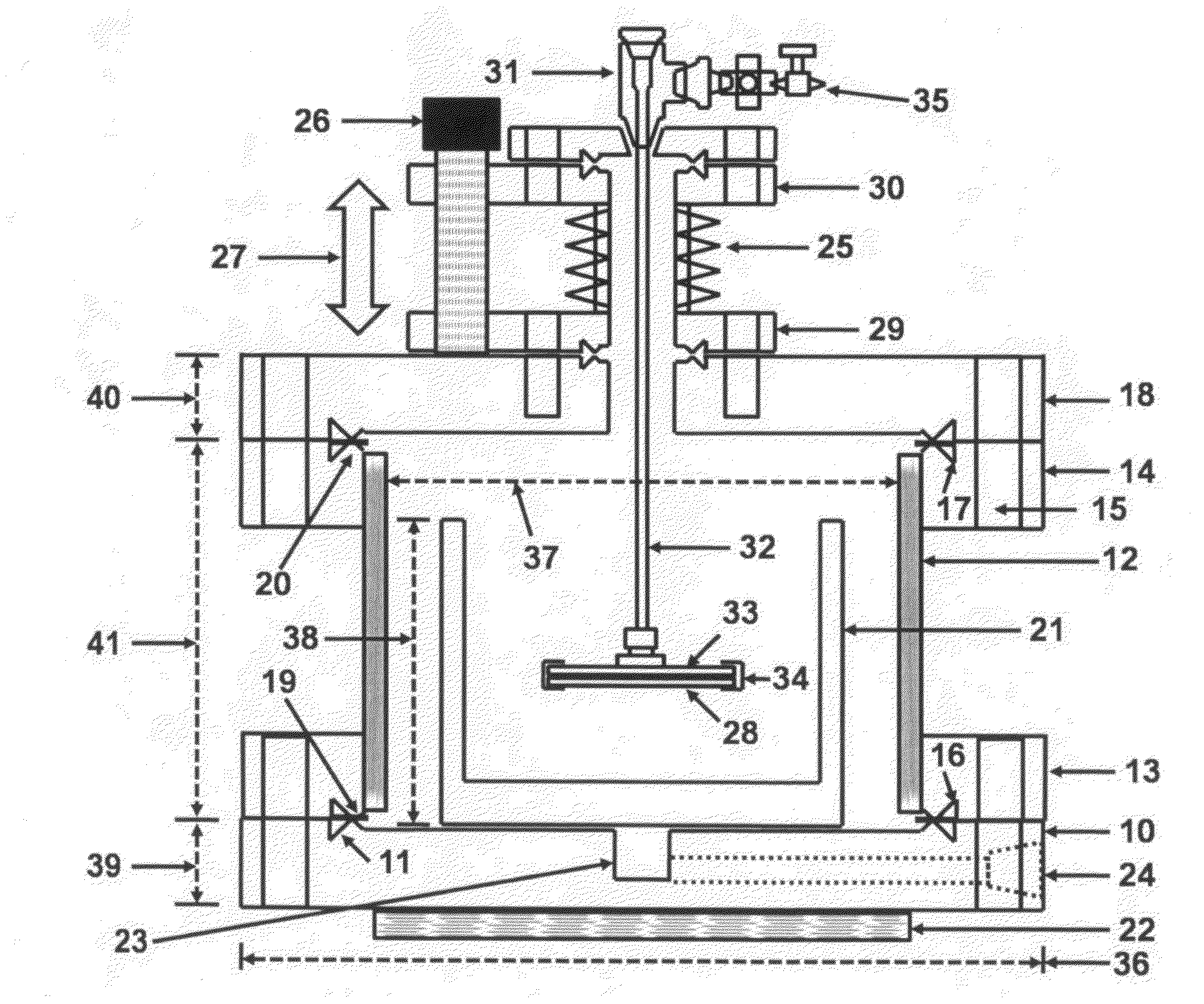
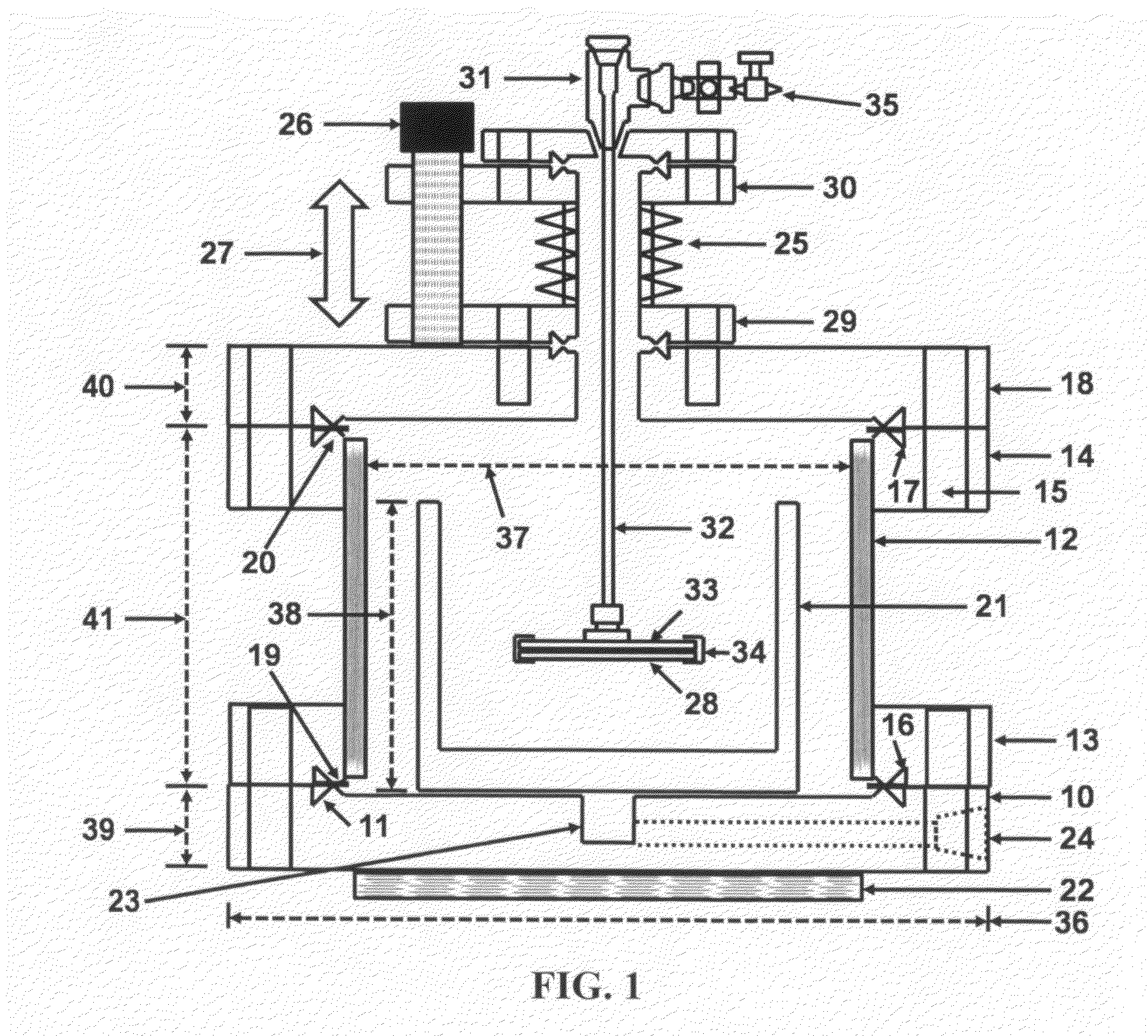
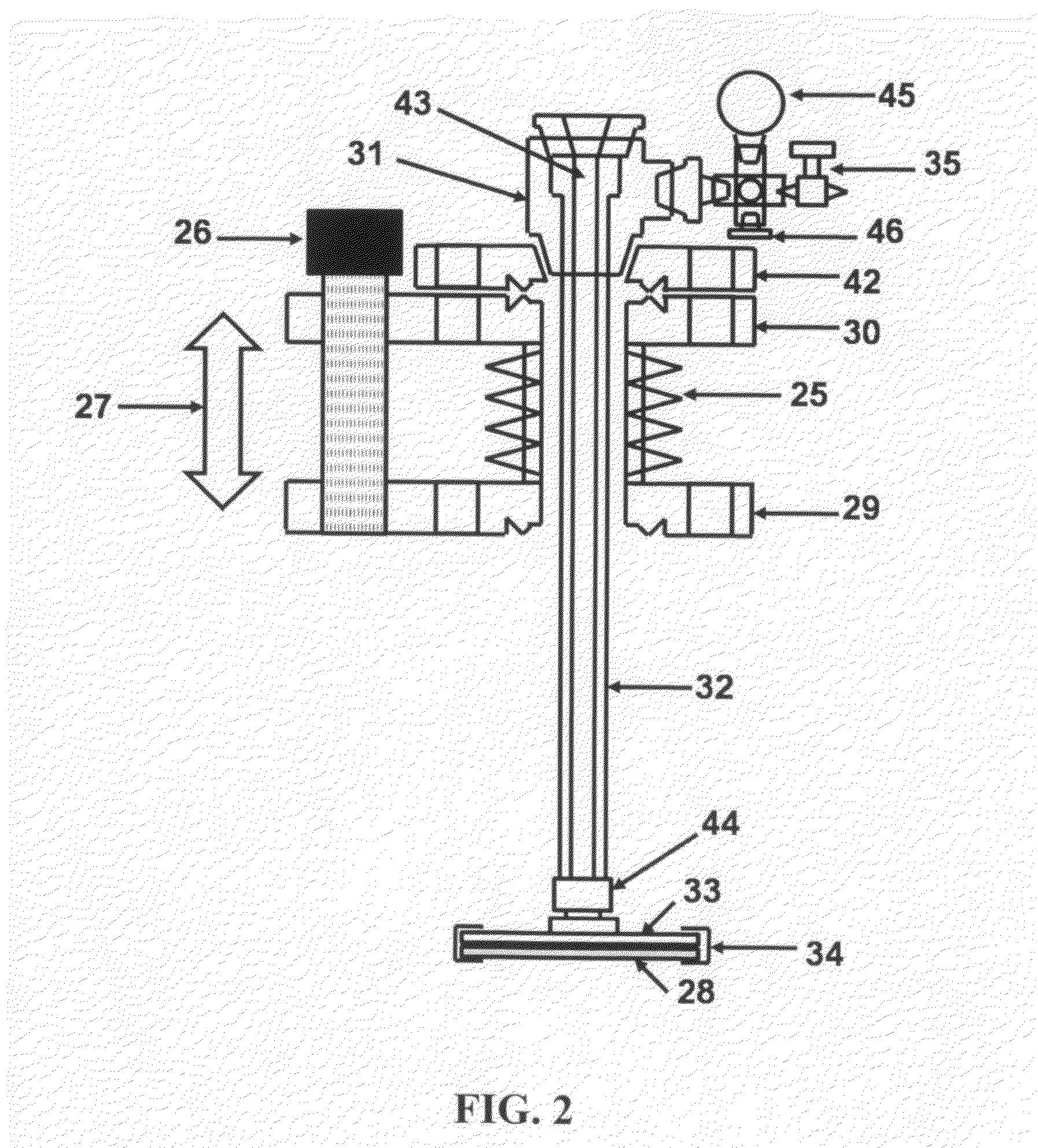
High purity, environmentally clean method and apparatus, for high rate, liquid anisotropic etching of single crystal silicon or etching of polycrystalline silicon, using an overpressure of ammonia gas above aqueous ammonium hydroxide
PatentInactiveUS8790531B2
Innovation
- The use of high purity aqueous ammonium hydroxide (NH4OH) solution generated at the point of use from semiconductor-grade ammonia gas dissolved in deionized water, maintained in a hermetically enclosed chamber with an overpressure of ammonia, preventing evaporation and allowing high anisotropic etching rates between 70-90°C, within a corrosion-resistant nickel alloy apparatus.
A sterilization method with low temperature h202 and ozone heavy molecule hydronium gas plasma
PatentWO2021096478A3
Innovation
- Creation of hydronium and heavy molecules inside the sterilization chamber for enhanced adsorption on microorganisms and organic materials.
- Ability to sterilize long lumen materials regardless of length, inner diameter, load, and quantity without classification.
- Combination of H2O2 and ozone to produce a variety of sterilizing agents including hydronium, heavy molecules, radicals, hydroxyls, plasma, and ions.
Environmental Impact of NH4OH Sterilization
The environmental impact of ammonium hydroxide (NH4OH) sterilization techniques is a critical consideration in their adoption and continued use. While these methods offer effective microbial control, their potential effects on ecosystems and human health require careful evaluation.
One primary concern is the release of ammonia gas during the sterilization process. Ammonia is a potent air pollutant that can contribute to the formation of particulate matter and smog. When released into the atmosphere, it can react with other compounds to form fine particles, which are harmful to respiratory health and can exacerbate conditions such as asthma and bronchitis. Additionally, ammonia emissions can lead to the eutrophication of water bodies, causing algal blooms and disrupting aquatic ecosystems.
The disposal of NH4OH solutions after sterilization procedures also presents environmental challenges. If not properly treated, these solutions can contaminate soil and water resources. High concentrations of ammonium ions in water can be toxic to aquatic life, altering the pH balance and depleting oxygen levels. Moreover, the nitrogen content in NH4OH can contribute to nutrient pollution, leading to excessive plant growth and subsequent ecosystem imbalances.
However, recent innovations in NH4OH sterilization techniques have aimed to mitigate these environmental concerns. Closed-loop systems have been developed to capture and recycle ammonia emissions, significantly reducing atmospheric release. Advanced wastewater treatment methods, such as biological nitrification-denitrification processes, have been implemented to effectively remove ammonium from effluents before discharge.
Furthermore, research has focused on optimizing NH4OH concentrations and exposure times to achieve effective sterilization while minimizing environmental impact. Some studies have explored the use of NH4OH in combination with other less harmful compounds, creating synergistic effects that allow for reduced overall chemical usage.
The development of more environmentally friendly NH4OH formulations has also gained traction. These include the use of stabilized ammonium hydroxide solutions that exhibit lower volatility and improved safety profiles. Additionally, the integration of NH4OH sterilization into broader sustainable practices, such as water reuse systems and energy-efficient processes, has helped to offset its environmental footprint.
Despite these advancements, ongoing research is essential to fully understand and mitigate the long-term environmental effects of NH4OH sterilization. This includes comprehensive life cycle assessments, ecological impact studies, and the development of even more sustainable alternatives. As regulatory frameworks evolve to address environmental concerns, the sterilization industry must continue to innovate and adapt to ensure that the benefits of NH4OH-based techniques are balanced with responsible environmental stewardship.
One primary concern is the release of ammonia gas during the sterilization process. Ammonia is a potent air pollutant that can contribute to the formation of particulate matter and smog. When released into the atmosphere, it can react with other compounds to form fine particles, which are harmful to respiratory health and can exacerbate conditions such as asthma and bronchitis. Additionally, ammonia emissions can lead to the eutrophication of water bodies, causing algal blooms and disrupting aquatic ecosystems.
The disposal of NH4OH solutions after sterilization procedures also presents environmental challenges. If not properly treated, these solutions can contaminate soil and water resources. High concentrations of ammonium ions in water can be toxic to aquatic life, altering the pH balance and depleting oxygen levels. Moreover, the nitrogen content in NH4OH can contribute to nutrient pollution, leading to excessive plant growth and subsequent ecosystem imbalances.
However, recent innovations in NH4OH sterilization techniques have aimed to mitigate these environmental concerns. Closed-loop systems have been developed to capture and recycle ammonia emissions, significantly reducing atmospheric release. Advanced wastewater treatment methods, such as biological nitrification-denitrification processes, have been implemented to effectively remove ammonium from effluents before discharge.
Furthermore, research has focused on optimizing NH4OH concentrations and exposure times to achieve effective sterilization while minimizing environmental impact. Some studies have explored the use of NH4OH in combination with other less harmful compounds, creating synergistic effects that allow for reduced overall chemical usage.
The development of more environmentally friendly NH4OH formulations has also gained traction. These include the use of stabilized ammonium hydroxide solutions that exhibit lower volatility and improved safety profiles. Additionally, the integration of NH4OH sterilization into broader sustainable practices, such as water reuse systems and energy-efficient processes, has helped to offset its environmental footprint.
Despite these advancements, ongoing research is essential to fully understand and mitigate the long-term environmental effects of NH4OH sterilization. This includes comprehensive life cycle assessments, ecological impact studies, and the development of even more sustainable alternatives. As regulatory frameworks evolve to address environmental concerns, the sterilization industry must continue to innovate and adapt to ensure that the benefits of NH4OH-based techniques are balanced with responsible environmental stewardship.
Safety Regulations for NH4OH Sterilization
The safety regulations for ammonium hydroxide (NH4OH) sterilization are critical to ensure the protection of workers, the environment, and the quality of sterilized products. These regulations are typically established and enforced by various governmental agencies and industry organizations, such as the Occupational Safety and Health Administration (OSHA), the Environmental Protection Agency (EPA), and the Food and Drug Administration (FDA) in the United States.
One of the primary concerns in NH4OH sterilization is the potential for exposure to ammonia vapors. OSHA has set strict exposure limits for ammonia, with a permissible exposure limit (PEL) of 50 parts per million (ppm) over an 8-hour time-weighted average. Short-term exposure limits (STEL) are set at 35 ppm for a 15-minute period. To comply with these regulations, facilities using NH4OH for sterilization must implement robust ventilation systems and provide appropriate personal protective equipment (PPE) to workers.
Safety data sheets (SDS) for NH4OH must be readily available in the workplace, detailing the hazards, proper handling procedures, and emergency response measures. Workers must be trained in the safe handling of NH4OH, including proper storage, dilution techniques, and spill response procedures. Regular safety audits and inspections are typically required to ensure ongoing compliance with these regulations.
Environmental regulations also play a significant role in NH4OH sterilization processes. The EPA regulates the discharge of ammonia-containing wastewater and emissions to the atmosphere. Facilities must obtain appropriate permits and implement treatment systems to neutralize or remove ammonia before discharge. Air scrubbers or other emission control devices may be required to minimize atmospheric releases of ammonia.
In the context of food and pharmaceutical industries, additional regulations apply to ensure product safety and quality. The FDA's Current Good Manufacturing Practice (cGMP) regulations require validation of sterilization processes, including those using NH4OH. This involves demonstrating the effectiveness of the sterilization process and ensuring that no harmful residues remain on the sterilized products.
Risk assessment and management are integral components of safety regulations for NH4OH sterilization. Facilities must conduct thorough risk assessments to identify potential hazards and implement appropriate control measures. This may include engineering controls, such as closed-loop systems and automated dispensing equipment, as well as administrative controls like standard operating procedures and emergency response plans.
Monitoring and record-keeping requirements are also typically included in safety regulations. This involves maintaining logs of NH4OH usage, conducting regular air quality measurements, and documenting worker training and medical surveillance programs. These records serve as evidence of compliance and are essential for regulatory inspections and audits.
One of the primary concerns in NH4OH sterilization is the potential for exposure to ammonia vapors. OSHA has set strict exposure limits for ammonia, with a permissible exposure limit (PEL) of 50 parts per million (ppm) over an 8-hour time-weighted average. Short-term exposure limits (STEL) are set at 35 ppm for a 15-minute period. To comply with these regulations, facilities using NH4OH for sterilization must implement robust ventilation systems and provide appropriate personal protective equipment (PPE) to workers.
Safety data sheets (SDS) for NH4OH must be readily available in the workplace, detailing the hazards, proper handling procedures, and emergency response measures. Workers must be trained in the safe handling of NH4OH, including proper storage, dilution techniques, and spill response procedures. Regular safety audits and inspections are typically required to ensure ongoing compliance with these regulations.
Environmental regulations also play a significant role in NH4OH sterilization processes. The EPA regulates the discharge of ammonia-containing wastewater and emissions to the atmosphere. Facilities must obtain appropriate permits and implement treatment systems to neutralize or remove ammonia before discharge. Air scrubbers or other emission control devices may be required to minimize atmospheric releases of ammonia.
In the context of food and pharmaceutical industries, additional regulations apply to ensure product safety and quality. The FDA's Current Good Manufacturing Practice (cGMP) regulations require validation of sterilization processes, including those using NH4OH. This involves demonstrating the effectiveness of the sterilization process and ensuring that no harmful residues remain on the sterilized products.
Risk assessment and management are integral components of safety regulations for NH4OH sterilization. Facilities must conduct thorough risk assessments to identify potential hazards and implement appropriate control measures. This may include engineering controls, such as closed-loop systems and automated dispensing equipment, as well as administrative controls like standard operating procedures and emergency response plans.
Monitoring and record-keeping requirements are also typically included in safety regulations. This involves maintaining logs of NH4OH usage, conducting regular air quality measurements, and documenting worker training and medical surveillance programs. These records serve as evidence of compliance and are essential for regulatory inspections and audits.
Unlock deeper insights with Patsnap Eureka Quick Research — get a full tech report to explore trends and direct your research. Try now!
Generate Your Research Report Instantly with AI Agent
Supercharge your innovation with Patsnap Eureka AI Agent Platform!