Innovations in Nitrous Acid Detection Technology
AUG 4, 20259 MIN READ
Generate Your Research Report Instantly with AI Agent
Patsnap Eureka helps you evaluate technical feasibility & market potential.
Nitrous Acid Detection Background and Objectives
Nitrous acid (HONO) detection has become increasingly important in environmental monitoring, atmospheric chemistry, and industrial processes. The background of this technology spans several decades, with significant advancements in recent years driven by growing concerns over air quality and its impact on human health and ecosystems.
The evolution of nitrous acid detection techniques can be traced back to the 1970s when researchers first recognized the significance of HONO in atmospheric chemistry. Initially, detection methods were limited to laboratory-based techniques with low sensitivity and poor temporal resolution. As environmental regulations became more stringent and the understanding of HONO's role in atmospheric processes deepened, the demand for more accurate and real-time detection methods grew.
In the 1990s and early 2000s, spectroscopic techniques, such as Differential Optical Absorption Spectroscopy (DOAS) and Tunable Diode Laser Absorption Spectroscopy (TDLAS), emerged as promising approaches for HONO detection. These methods offered improved sensitivity and selectivity compared to earlier techniques but were often limited by their complexity and high costs.
The advent of chemiluminescence-based detectors in the mid-2000s marked a significant milestone in HONO detection technology. These instruments provided better portability and faster response times, enabling more widespread deployment for ambient air monitoring. However, challenges remained in terms of interference from other nitrogen-containing compounds and the need for frequent calibration.
Recent years have seen a surge in research focused on developing novel HONO detection technologies. The primary objectives of these innovations are to enhance sensitivity, improve selectivity, reduce response times, and create more compact and cost-effective instruments. Emerging technologies include advanced spectroscopic methods, such as Cavity Ring-Down Spectroscopy (CRDS) and Incoherent Broadband Cavity-Enhanced Absorption Spectroscopy (IBBCEAS), as well as chemical sensor arrays and microfluidic devices.
The current technological landscape aims to address several key challenges in HONO detection. These include achieving lower detection limits to measure trace concentrations in various environments, developing robust instruments capable of continuous operation in harsh conditions, and creating multi-pollutant detection systems that can simultaneously measure HONO alongside other atmospheric species. Additionally, there is a growing emphasis on miniaturization and cost reduction to enable widespread deployment of HONO sensors for high-resolution spatial and temporal monitoring.
As research in this field progresses, the overarching goal is to develop HONO detection technologies that can provide accurate, real-time measurements across diverse environmental conditions. This advancement will not only enhance our understanding of atmospheric chemistry but also contribute to more effective air quality management strategies and pollution control measures.
The evolution of nitrous acid detection techniques can be traced back to the 1970s when researchers first recognized the significance of HONO in atmospheric chemistry. Initially, detection methods were limited to laboratory-based techniques with low sensitivity and poor temporal resolution. As environmental regulations became more stringent and the understanding of HONO's role in atmospheric processes deepened, the demand for more accurate and real-time detection methods grew.
In the 1990s and early 2000s, spectroscopic techniques, such as Differential Optical Absorption Spectroscopy (DOAS) and Tunable Diode Laser Absorption Spectroscopy (TDLAS), emerged as promising approaches for HONO detection. These methods offered improved sensitivity and selectivity compared to earlier techniques but were often limited by their complexity and high costs.
The advent of chemiluminescence-based detectors in the mid-2000s marked a significant milestone in HONO detection technology. These instruments provided better portability and faster response times, enabling more widespread deployment for ambient air monitoring. However, challenges remained in terms of interference from other nitrogen-containing compounds and the need for frequent calibration.
Recent years have seen a surge in research focused on developing novel HONO detection technologies. The primary objectives of these innovations are to enhance sensitivity, improve selectivity, reduce response times, and create more compact and cost-effective instruments. Emerging technologies include advanced spectroscopic methods, such as Cavity Ring-Down Spectroscopy (CRDS) and Incoherent Broadband Cavity-Enhanced Absorption Spectroscopy (IBBCEAS), as well as chemical sensor arrays and microfluidic devices.
The current technological landscape aims to address several key challenges in HONO detection. These include achieving lower detection limits to measure trace concentrations in various environments, developing robust instruments capable of continuous operation in harsh conditions, and creating multi-pollutant detection systems that can simultaneously measure HONO alongside other atmospheric species. Additionally, there is a growing emphasis on miniaturization and cost reduction to enable widespread deployment of HONO sensors for high-resolution spatial and temporal monitoring.
As research in this field progresses, the overarching goal is to develop HONO detection technologies that can provide accurate, real-time measurements across diverse environmental conditions. This advancement will not only enhance our understanding of atmospheric chemistry but also contribute to more effective air quality management strategies and pollution control measures.
Market Analysis for Nitrous Acid Sensors
The market for nitrous acid sensors has been experiencing significant growth in recent years, driven by increasing environmental concerns and stringent regulations across various industries. The global market for these sensors is expected to continue its upward trajectory, with a compound annual growth rate projected to be in the high single digits over the next five years.
Key industries driving the demand for nitrous acid sensors include chemical manufacturing, automotive, semiconductor production, and environmental monitoring. In the chemical sector, these sensors play a crucial role in process control and safety management, ensuring optimal production efficiency and compliance with emission standards. The automotive industry utilizes nitrous acid sensors in exhaust gas analysis systems, contributing to the development of cleaner and more fuel-efficient vehicles.
The semiconductor industry represents another significant market segment, where nitrous acid sensors are essential for maintaining precise control over etching processes and ensuring product quality. Environmental monitoring applications, including air quality assessment and industrial emissions control, also contribute substantially to market growth.
Geographically, North America and Europe currently dominate the nitrous acid sensor market, owing to their stringent environmental regulations and well-established industrial sectors. However, the Asia-Pacific region is expected to witness the fastest growth in the coming years, driven by rapid industrialization, increasing environmental awareness, and government initiatives to combat air pollution.
The market is characterized by a mix of established players and innovative start-ups, fostering a competitive landscape that encourages continuous technological advancements. Key market trends include the development of miniaturized sensors for portable applications, integration of IoT and cloud-based technologies for real-time monitoring, and the adoption of advanced materials to enhance sensor sensitivity and durability.
Challenges in the market include the need for improved sensor accuracy and reliability, especially in harsh industrial environments, and the ongoing pressure to reduce costs while maintaining high performance. Additionally, the complexity of nitrous acid detection in mixed gas environments presents opportunities for innovation in sensor selectivity and cross-sensitivity reduction.
As environmental regulations become more stringent globally, the demand for nitrous acid sensors is expected to expand into new application areas, such as smart cities and personal air quality monitoring devices. This diversification of end-user segments is likely to create new growth opportunities for sensor manufacturers and technology providers in the coming years.
Key industries driving the demand for nitrous acid sensors include chemical manufacturing, automotive, semiconductor production, and environmental monitoring. In the chemical sector, these sensors play a crucial role in process control and safety management, ensuring optimal production efficiency and compliance with emission standards. The automotive industry utilizes nitrous acid sensors in exhaust gas analysis systems, contributing to the development of cleaner and more fuel-efficient vehicles.
The semiconductor industry represents another significant market segment, where nitrous acid sensors are essential for maintaining precise control over etching processes and ensuring product quality. Environmental monitoring applications, including air quality assessment and industrial emissions control, also contribute substantially to market growth.
Geographically, North America and Europe currently dominate the nitrous acid sensor market, owing to their stringent environmental regulations and well-established industrial sectors. However, the Asia-Pacific region is expected to witness the fastest growth in the coming years, driven by rapid industrialization, increasing environmental awareness, and government initiatives to combat air pollution.
The market is characterized by a mix of established players and innovative start-ups, fostering a competitive landscape that encourages continuous technological advancements. Key market trends include the development of miniaturized sensors for portable applications, integration of IoT and cloud-based technologies for real-time monitoring, and the adoption of advanced materials to enhance sensor sensitivity and durability.
Challenges in the market include the need for improved sensor accuracy and reliability, especially in harsh industrial environments, and the ongoing pressure to reduce costs while maintaining high performance. Additionally, the complexity of nitrous acid detection in mixed gas environments presents opportunities for innovation in sensor selectivity and cross-sensitivity reduction.
As environmental regulations become more stringent globally, the demand for nitrous acid sensors is expected to expand into new application areas, such as smart cities and personal air quality monitoring devices. This diversification of end-user segments is likely to create new growth opportunities for sensor manufacturers and technology providers in the coming years.
Current Challenges in Nitrous Acid Detection
Despite significant advancements in nitrous acid detection technology, several challenges persist in achieving accurate, reliable, and efficient measurements. One of the primary obstacles is the inherent instability of nitrous acid, which readily decomposes into nitric oxide and water. This instability makes it difficult to maintain consistent sample concentrations during analysis, potentially leading to underestimation of nitrous acid levels in environmental and industrial settings.
Another significant challenge lies in the interference from other nitrogen-containing compounds present in complex matrices. Nitrous acid detection methods often suffer from cross-sensitivity with species such as nitric acid, nitrogen dioxide, and particulate nitrates. This interference can result in false positives or inaccurate quantification, particularly in atmospheric and industrial emission monitoring applications.
The development of sensitive and selective sensors for real-time, in-situ measurements of nitrous acid remains a formidable task. Current technologies often require complex sample preparation steps or suffer from limited detection limits, hindering their applicability in field-based monitoring scenarios. Additionally, the need for portable, robust, and cost-effective instrumentation poses a significant challenge in widespread implementation of nitrous acid detection systems.
Environmental factors such as temperature, humidity, and pressure fluctuations can significantly impact the performance of nitrous acid detection methods. These variables can affect both the stability of nitrous acid and the response of sensing materials, leading to measurement drift and reduced accuracy over time. Developing detection technologies that can compensate for these environmental influences is crucial for reliable long-term monitoring.
The lack of standardized calibration methods and reference materials for nitrous acid detection presents another hurdle in ensuring measurement accuracy and comparability across different analytical platforms. This absence of standardization complicates the validation of new detection technologies and hinders the establishment of regulatory guidelines for nitrous acid monitoring in various applications.
Miniaturization and integration of nitrous acid detection systems for incorporation into multi-parameter sensing platforms or wearable devices face significant technical challenges. Balancing sensitivity, selectivity, and power consumption while maintaining a compact form factor requires innovative approaches in sensor design and signal processing.
Addressing these challenges necessitates interdisciplinary research efforts, combining advances in materials science, nanotechnology, and analytical chemistry to develop next-generation nitrous acid detection technologies. Overcoming these obstacles will be crucial for improving our understanding of atmospheric chemistry, optimizing industrial processes, and safeguarding environmental and human health.
Another significant challenge lies in the interference from other nitrogen-containing compounds present in complex matrices. Nitrous acid detection methods often suffer from cross-sensitivity with species such as nitric acid, nitrogen dioxide, and particulate nitrates. This interference can result in false positives or inaccurate quantification, particularly in atmospheric and industrial emission monitoring applications.
The development of sensitive and selective sensors for real-time, in-situ measurements of nitrous acid remains a formidable task. Current technologies often require complex sample preparation steps or suffer from limited detection limits, hindering their applicability in field-based monitoring scenarios. Additionally, the need for portable, robust, and cost-effective instrumentation poses a significant challenge in widespread implementation of nitrous acid detection systems.
Environmental factors such as temperature, humidity, and pressure fluctuations can significantly impact the performance of nitrous acid detection methods. These variables can affect both the stability of nitrous acid and the response of sensing materials, leading to measurement drift and reduced accuracy over time. Developing detection technologies that can compensate for these environmental influences is crucial for reliable long-term monitoring.
The lack of standardized calibration methods and reference materials for nitrous acid detection presents another hurdle in ensuring measurement accuracy and comparability across different analytical platforms. This absence of standardization complicates the validation of new detection technologies and hinders the establishment of regulatory guidelines for nitrous acid monitoring in various applications.
Miniaturization and integration of nitrous acid detection systems for incorporation into multi-parameter sensing platforms or wearable devices face significant technical challenges. Balancing sensitivity, selectivity, and power consumption while maintaining a compact form factor requires innovative approaches in sensor design and signal processing.
Addressing these challenges necessitates interdisciplinary research efforts, combining advances in materials science, nanotechnology, and analytical chemistry to develop next-generation nitrous acid detection technologies. Overcoming these obstacles will be crucial for improving our understanding of atmospheric chemistry, optimizing industrial processes, and safeguarding environmental and human health.
Existing Nitrous Acid Detection Methods
01 Electrochemical detection methods
Electrochemical sensors are used for nitrous acid detection, offering high sensitivity and rapid response. These methods often involve specialized electrodes or nanostructured materials to enhance detection capabilities. The sensors can be miniaturized for portable applications and integrated into monitoring systems.- Electrochemical detection methods: Electrochemical sensors are widely used for nitrous acid detection. These methods often involve the use of specialized electrodes or modified surfaces to enhance sensitivity and selectivity. The detection process typically relies on measuring changes in electrical properties, such as current or potential, in response to the presence of nitrous acid.
- Optical sensing techniques: Optical methods for nitrous acid detection utilize spectroscopic principles, such as colorimetry, fluorescence, or absorbance measurements. These techniques often involve the use of specific reagents or indicators that change their optical properties in the presence of nitrous acid, allowing for quantitative or qualitative analysis.
- Gas chromatography and mass spectrometry: Advanced analytical techniques like gas chromatography and mass spectrometry are employed for precise detection and quantification of nitrous acid. These methods offer high sensitivity and can differentiate between various nitrogen-containing compounds in complex mixtures, making them suitable for environmental and industrial applications.
- Chemiluminescence-based detection: Chemiluminescence techniques utilize specific chemical reactions that produce light in the presence of nitrous acid. These methods often involve the use of specialized reagents and can offer high sensitivity and selectivity. The intensity of the emitted light is typically proportional to the concentration of nitrous acid in the sample.
- Microfluidic and lab-on-a-chip devices: Miniaturized detection systems, such as microfluidic chips or lab-on-a-chip devices, are being developed for nitrous acid detection. These compact systems often integrate multiple detection principles and can offer rapid, on-site analysis with minimal sample preparation. They are particularly useful for environmental monitoring and point-of-care diagnostics.
02 Optical and spectroscopic techniques
Various optical and spectroscopic methods are employed for nitrous acid detection, including colorimetric assays, fluorescence spectroscopy, and chemiluminescence. These techniques often utilize specific reagents or materials that change their optical properties in the presence of nitrous acid, allowing for quantitative analysis.Expand Specific Solutions03 Gas chromatography and mass spectrometry
Advanced analytical techniques such as gas chromatography and mass spectrometry are used for precise detection and quantification of nitrous acid. These methods offer high selectivity and can detect trace amounts of the compound in complex matrices. Sample preparation and derivatization techniques may be employed to enhance sensitivity.Expand Specific Solutions04 Nanosensor-based detection
Nanotechnology-based sensors are developed for nitrous acid detection, utilizing materials such as carbon nanotubes, graphene, or metal nanoparticles. These nanosensors often exhibit enhanced sensitivity and selectivity due to their unique physical and chemical properties, and can be integrated into various detection platforms.Expand Specific Solutions05 Microfluidic and lab-on-a-chip devices
Microfluidic systems and lab-on-a-chip devices are designed for nitrous acid detection, offering advantages such as miniaturization, reduced sample volume, and potential for automation. These devices often integrate multiple detection principles and can be used for on-site or continuous monitoring applications.Expand Specific Solutions
Key Players in Nitrous Acid Detection Industry
The field of nitrous acid detection technology is in a dynamic growth phase, with increasing market size driven by environmental and industrial applications. The technology's maturity varies across different detection methods, ranging from established colorimetric techniques to emerging electrochemical and spectroscopic approaches. Key players like Koninklijke Philips NV and Promega Corp. are advancing sensor technologies, while academic institutions such as Xi'an Jiaotong University and Nanjing University are contributing to fundamental research. The market is characterized by a mix of established companies and innovative startups, with collaborations between industry and academia, such as Ramot at Tel Aviv University Ltd., accelerating technological progress.
Koninklijke Philips NV
Technical Solution: Philips has developed an innovative photoacoustic spectroscopy-based system for nitrous acid detection. The technology utilizes a quantum cascade laser as the excitation source, tuned to the specific absorption wavelength of nitrous acid in the mid-infrared region[9]. When the laser light is absorbed by nitrous acid molecules, it generates acoustic waves that are detected by a highly sensitive microphone. The system incorporates advanced signal processing algorithms to extract the nitrous acid concentration from the acoustic signal, even in the presence of interfering gases. Philips' approach offers real-time, continuous monitoring with a detection limit in the parts-per-billion range and a wide dynamic range suitable for various applications[10]. The system is designed for robustness and minimal maintenance, making it suitable for long-term deployment in industrial settings or environmental monitoring stations.
Strengths: High sensitivity, selectivity, and capability for continuous real-time monitoring. Non-destructive analysis and minimal sample preparation required. Weaknesses: The system may be relatively expensive and complex compared to simpler detection methods, potentially limiting its use to specialized applications or well-funded monitoring programs.
Promega Corp.
Technical Solution: Promega has developed a bioluminescent assay for the detection of nitrous acid and other nitrogen oxides. Their innovative approach utilizes genetically engineered bacterial cells containing a nitric oxide-responsive promoter fused to a luciferase reporter gene[3]. When exposed to nitrous acid, which readily decomposes to nitric oxide, the engineered cells produce light proportional to the concentration of the analyte. This system offers real-time, continuous monitoring capabilities with high sensitivity, detecting nitrous acid levels as low as 100 nM[4]. The assay can be performed in a microplate format, allowing for high-throughput screening and automated analysis. Promega's technology also includes specialized reagents and protocols for sample preparation to minimize interference from complex matrices.
Strengths: High sensitivity, real-time monitoring capability, and potential for high-throughput applications. Weaknesses: Requires specialized equipment for light detection and may have limitations in field deployability compared to simpler colorimetric methods.
Innovative Approaches in Nitrous Acid Sensing
Detection of no with a semi-conducting compound and a sensor and device to detect no
PatentInactiveEP1728072A1
Innovation
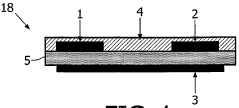
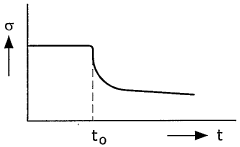
- A low-cost, miniaturized NO sensing device using an organic semi-conducting compound, specifically pentacene, which reacts with NO at ambient temperatures, eliminating the need for additional filters and enabling direct electrical measurement of NO levels in exhaled breath.
Detection of no with a semi-conducting compound and a sensor and device to detect no
PatentWO2005088289A1
Innovation
- A device utilizing an organic semi-conducting compound, specifically pentacene, which reacts with nitric oxide at ambient temperatures, eliminating the need for additional filters and enabling direct electrical measurement of NO levels using a FET-type sensor, either in a conventional planar or nanoscale configuration.

Environmental Impact of Nitrous Acid Monitoring
The environmental impact of nitrous acid monitoring is significant and multifaceted. Nitrous acid (HONO) plays a crucial role in atmospheric chemistry, particularly in urban environments. Its presence contributes to the formation of ground-level ozone and fine particulate matter, both of which have detrimental effects on human health and ecosystems.
Accurate monitoring of nitrous acid levels is essential for understanding and mitigating its environmental impact. Traditional detection methods often lack the sensitivity and real-time capabilities required for comprehensive environmental assessment. However, recent innovations in nitrous acid detection technology have led to more precise and efficient monitoring systems.
These advanced detection technologies enable researchers and environmental agencies to track HONO concentrations with greater accuracy and temporal resolution. This improved data collection allows for better modeling of atmospheric processes and more effective pollution control strategies. By providing a clearer picture of nitrous acid dynamics, these innovations contribute to more targeted and efficient air quality management practices.
The environmental benefits of enhanced nitrous acid monitoring extend beyond air quality improvement. More precise detection methods help identify and quantify sources of HONO emissions, allowing for targeted reduction strategies. This can lead to decreased formation of secondary pollutants, resulting in healthier ecosystems and reduced impacts on vegetation and wildlife.
Furthermore, improved nitrous acid monitoring technologies contribute to a better understanding of the nitrogen cycle in urban and industrial areas. This knowledge is crucial for developing sustainable urban planning strategies and implementing effective pollution control measures. By providing more accurate data on HONO levels and their fluctuations, these innovations support evidence-based policymaking and environmental regulations.
The impact of advanced nitrous acid detection also extends to climate change research. As HONO plays a role in the formation of tropospheric ozone, a potent greenhouse gas, more precise monitoring helps refine climate models and predictions. This improved understanding of atmospheric chemistry processes contributes to more accurate assessments of climate change impacts and informs mitigation strategies.
In conclusion, innovations in nitrous acid detection technology have far-reaching environmental implications. By enabling more accurate and comprehensive monitoring, these advancements support better air quality management, ecosystem protection, and climate change mitigation efforts. As detection technologies continue to evolve, their positive impact on environmental monitoring and protection is expected to grow, contributing to more sustainable and healthier environments worldwide.
Accurate monitoring of nitrous acid levels is essential for understanding and mitigating its environmental impact. Traditional detection methods often lack the sensitivity and real-time capabilities required for comprehensive environmental assessment. However, recent innovations in nitrous acid detection technology have led to more precise and efficient monitoring systems.
These advanced detection technologies enable researchers and environmental agencies to track HONO concentrations with greater accuracy and temporal resolution. This improved data collection allows for better modeling of atmospheric processes and more effective pollution control strategies. By providing a clearer picture of nitrous acid dynamics, these innovations contribute to more targeted and efficient air quality management practices.
The environmental benefits of enhanced nitrous acid monitoring extend beyond air quality improvement. More precise detection methods help identify and quantify sources of HONO emissions, allowing for targeted reduction strategies. This can lead to decreased formation of secondary pollutants, resulting in healthier ecosystems and reduced impacts on vegetation and wildlife.
Furthermore, improved nitrous acid monitoring technologies contribute to a better understanding of the nitrogen cycle in urban and industrial areas. This knowledge is crucial for developing sustainable urban planning strategies and implementing effective pollution control measures. By providing more accurate data on HONO levels and their fluctuations, these innovations support evidence-based policymaking and environmental regulations.
The impact of advanced nitrous acid detection also extends to climate change research. As HONO plays a role in the formation of tropospheric ozone, a potent greenhouse gas, more precise monitoring helps refine climate models and predictions. This improved understanding of atmospheric chemistry processes contributes to more accurate assessments of climate change impacts and informs mitigation strategies.
In conclusion, innovations in nitrous acid detection technology have far-reaching environmental implications. By enabling more accurate and comprehensive monitoring, these advancements support better air quality management, ecosystem protection, and climate change mitigation efforts. As detection technologies continue to evolve, their positive impact on environmental monitoring and protection is expected to grow, contributing to more sustainable and healthier environments worldwide.
Regulatory Framework for Nitrous Acid Detection
The regulatory framework for nitrous acid detection plays a crucial role in ensuring public health and environmental safety. Governments and international organizations have established comprehensive guidelines and standards to monitor and control nitrous acid levels in various settings. These regulations typically encompass air quality standards, workplace exposure limits, and environmental protection measures.
In the United States, the Environmental Protection Agency (EPA) has set National Ambient Air Quality Standards (NAAQS) that include provisions for nitrogen dioxide (NO2), which is closely related to nitrous acid. The Occupational Safety and Health Administration (OSHA) has also established Permissible Exposure Limits (PELs) for nitrous acid in workplace environments. These regulations mandate regular monitoring and reporting of nitrous acid levels, driving the need for accurate and reliable detection technologies.
The European Union has implemented similar regulations through its Air Quality Directive, which sets limits for various air pollutants, including nitrogen oxides. The European Chemicals Agency (ECHA) provides guidelines for the safe handling and storage of nitrous acid, further emphasizing the importance of effective detection methods.
In Asia, countries like China and Japan have also introduced stringent air quality standards and occupational exposure limits. The Chinese Ministry of Ecology and Environment has set national air quality standards that include limits for nitrogen oxides, while Japan's Ministry of the Environment has established environmental quality standards for air pollutants.
International organizations such as the World Health Organization (WHO) provide global guidelines for air quality, which many countries use as a reference for developing their national standards. These guidelines emphasize the health impacts of nitrogen oxides and related compounds, including nitrous acid.
The regulatory landscape for nitrous acid detection is continually evolving, driven by advancements in scientific understanding and technological capabilities. Recent trends include the push for real-time monitoring systems, increased focus on indoor air quality, and the integration of data from multiple sources for more comprehensive assessments.
As regulations become more stringent, there is a growing demand for innovative detection technologies that can provide accurate, rapid, and cost-effective measurements of nitrous acid levels. This regulatory pressure is driving research and development in the field, leading to the emergence of new sensing technologies, improved analytical methods, and more sophisticated data management systems.
In the United States, the Environmental Protection Agency (EPA) has set National Ambient Air Quality Standards (NAAQS) that include provisions for nitrogen dioxide (NO2), which is closely related to nitrous acid. The Occupational Safety and Health Administration (OSHA) has also established Permissible Exposure Limits (PELs) for nitrous acid in workplace environments. These regulations mandate regular monitoring and reporting of nitrous acid levels, driving the need for accurate and reliable detection technologies.
The European Union has implemented similar regulations through its Air Quality Directive, which sets limits for various air pollutants, including nitrogen oxides. The European Chemicals Agency (ECHA) provides guidelines for the safe handling and storage of nitrous acid, further emphasizing the importance of effective detection methods.
In Asia, countries like China and Japan have also introduced stringent air quality standards and occupational exposure limits. The Chinese Ministry of Ecology and Environment has set national air quality standards that include limits for nitrogen oxides, while Japan's Ministry of the Environment has established environmental quality standards for air pollutants.
International organizations such as the World Health Organization (WHO) provide global guidelines for air quality, which many countries use as a reference for developing their national standards. These guidelines emphasize the health impacts of nitrogen oxides and related compounds, including nitrous acid.
The regulatory landscape for nitrous acid detection is continually evolving, driven by advancements in scientific understanding and technological capabilities. Recent trends include the push for real-time monitoring systems, increased focus on indoor air quality, and the integration of data from multiple sources for more comprehensive assessments.
As regulations become more stringent, there is a growing demand for innovative detection technologies that can provide accurate, rapid, and cost-effective measurements of nitrous acid levels. This regulatory pressure is driving research and development in the field, leading to the emergence of new sensing technologies, improved analytical methods, and more sophisticated data management systems.
Unlock deeper insights with Patsnap Eureka Quick Research — get a full tech report to explore trends and direct your research. Try now!
Generate Your Research Report Instantly with AI Agent
Supercharge your innovation with Patsnap Eureka AI Agent Platform!