Optimize Advanced Battery Designs with Lithium Phosphate Solutions
AUG 28, 20259 MIN READ
Generate Your Research Report Instantly with AI Agent
Patsnap Eureka helps you evaluate technical feasibility & market potential.
LFP Battery Technology Background and Objectives
Lithium Iron Phosphate (LFP) battery technology has evolved significantly since its initial development in the 1990s. First commercialized by researchers at the University of Texas in 1996, LFP batteries emerged as a safer alternative to traditional lithium-ion batteries using cobalt-based cathodes. The technology gained momentum in the early 2000s when concerns about thermal stability and safety of conventional lithium-ion batteries became more prominent.
The evolution of LFP technology has been characterized by continuous improvements in energy density, cycle life, and manufacturing processes. From 2005 to 2015, researchers focused on enhancing the intrinsic limitations of LFP, particularly its relatively lower energy density compared to nickel-based alternatives. Recent breakthroughs in nano-structuring and doping techniques have significantly improved the performance metrics of LFP batteries, making them increasingly competitive in various applications.
Market adoption has accelerated dramatically since 2018, with major automotive manufacturers incorporating LFP batteries into their electric vehicle portfolios. This surge in adoption is primarily driven by LFP's compelling value proposition: enhanced safety, longer cycle life, lower cost, and reduced reliance on critical raw materials like cobalt and nickel.
The current technological trajectory indicates a growing focus on cell-to-pack integration strategies, which aim to compensate for LFP's lower energy density by optimizing packaging efficiency. Additionally, research efforts are increasingly directed toward improving low-temperature performance and charging capabilities, which have traditionally been challenging areas for LFP chemistry.
The primary objectives for optimizing advanced battery designs with lithium phosphate solutions include achieving energy densities exceeding 180 Wh/kg at the cell level while maintaining the inherent safety advantages of LFP chemistry. Researchers aim to extend cycle life beyond 4,000 full charge-discharge cycles, enhance low-temperature performance to maintain at least 80% capacity at -20°C, and reduce charging times to enable 80% charge in under 30 minutes.
Another critical objective is cost reduction through manufacturing innovations and economies of scale, targeting production costs below $80 per kWh at the pack level by 2025. Environmental sustainability remains a key goal, with efforts focused on developing water-based processing methods and establishing robust recycling pathways for end-of-life LFP batteries.
The technology roadmap also emphasizes the importance of standardization and scalability to facilitate mass production and widespread adoption across diverse applications, from electric vehicles to stationary energy storage systems supporting renewable energy integration.
The evolution of LFP technology has been characterized by continuous improvements in energy density, cycle life, and manufacturing processes. From 2005 to 2015, researchers focused on enhancing the intrinsic limitations of LFP, particularly its relatively lower energy density compared to nickel-based alternatives. Recent breakthroughs in nano-structuring and doping techniques have significantly improved the performance metrics of LFP batteries, making them increasingly competitive in various applications.
Market adoption has accelerated dramatically since 2018, with major automotive manufacturers incorporating LFP batteries into their electric vehicle portfolios. This surge in adoption is primarily driven by LFP's compelling value proposition: enhanced safety, longer cycle life, lower cost, and reduced reliance on critical raw materials like cobalt and nickel.
The current technological trajectory indicates a growing focus on cell-to-pack integration strategies, which aim to compensate for LFP's lower energy density by optimizing packaging efficiency. Additionally, research efforts are increasingly directed toward improving low-temperature performance and charging capabilities, which have traditionally been challenging areas for LFP chemistry.
The primary objectives for optimizing advanced battery designs with lithium phosphate solutions include achieving energy densities exceeding 180 Wh/kg at the cell level while maintaining the inherent safety advantages of LFP chemistry. Researchers aim to extend cycle life beyond 4,000 full charge-discharge cycles, enhance low-temperature performance to maintain at least 80% capacity at -20°C, and reduce charging times to enable 80% charge in under 30 minutes.
Another critical objective is cost reduction through manufacturing innovations and economies of scale, targeting production costs below $80 per kWh at the pack level by 2025. Environmental sustainability remains a key goal, with efforts focused on developing water-based processing methods and establishing robust recycling pathways for end-of-life LFP batteries.
The technology roadmap also emphasizes the importance of standardization and scalability to facilitate mass production and widespread adoption across diverse applications, from electric vehicles to stationary energy storage systems supporting renewable energy integration.
Market Analysis for Lithium Phosphate Battery Solutions
The global lithium phosphate battery market has experienced remarkable growth in recent years, driven primarily by increasing demand for electric vehicles (EVs) and renewable energy storage systems. Market research indicates that the lithium iron phosphate (LFP) battery segment reached a valuation of $10.2 billion in 2022 and is projected to grow at a compound annual growth rate (CAGR) of 15.3% through 2030, potentially reaching $30.5 billion by the end of the decade.
Several key factors are fueling this market expansion. First, the inherent safety advantages of lithium phosphate chemistries compared to traditional lithium-ion batteries have made them increasingly attractive for applications where thermal stability is paramount. LFP batteries demonstrate superior resistance to thermal runaway, reducing fire risks in large-scale deployments.
Cost considerations also play a significant role in market dynamics. Despite initial higher manufacturing costs, the elimination of expensive cobalt and nickel from the cathode material has positioned LFP batteries as an economically viable alternative, especially as production scales increase. The price gap between LFP and NMC (nickel-manganese-cobalt) batteries has narrowed substantially since 2020, with some LFP configurations now achieving cost parity.
Regional analysis reveals China's dominance in the LFP battery market, controlling approximately 75% of global production capacity. However, significant investments in North America and Europe are reshaping the competitive landscape, with new gigafactories under construction to reduce dependency on Asian supply chains.
By application segment, electric vehicles represent the largest market share at 62%, followed by stationary energy storage (21%), consumer electronics (12%), and other applications (5%). The EV sector's continued growth trajectory, bolstered by governmental regulations and incentives worldwide, provides a strong foundation for sustained market expansion.
Customer demand patterns indicate increasing preference for longer cycle life and enhanced safety over maximum energy density, particularly in utility-scale storage applications. This trend favors lithium phosphate solutions, which typically offer 3,000-6,000 charge cycles compared to 1,000-2,000 for conventional lithium-ion batteries.
Market challenges include competition from emerging battery technologies, supply chain constraints for raw materials like phosphorus and lithium, and the need for continued improvements in energy density. However, recent technological advancements in cell design, electrode manufacturing, and electrolyte formulations are progressively addressing these limitations.
Several key factors are fueling this market expansion. First, the inherent safety advantages of lithium phosphate chemistries compared to traditional lithium-ion batteries have made them increasingly attractive for applications where thermal stability is paramount. LFP batteries demonstrate superior resistance to thermal runaway, reducing fire risks in large-scale deployments.
Cost considerations also play a significant role in market dynamics. Despite initial higher manufacturing costs, the elimination of expensive cobalt and nickel from the cathode material has positioned LFP batteries as an economically viable alternative, especially as production scales increase. The price gap between LFP and NMC (nickel-manganese-cobalt) batteries has narrowed substantially since 2020, with some LFP configurations now achieving cost parity.
Regional analysis reveals China's dominance in the LFP battery market, controlling approximately 75% of global production capacity. However, significant investments in North America and Europe are reshaping the competitive landscape, with new gigafactories under construction to reduce dependency on Asian supply chains.
By application segment, electric vehicles represent the largest market share at 62%, followed by stationary energy storage (21%), consumer electronics (12%), and other applications (5%). The EV sector's continued growth trajectory, bolstered by governmental regulations and incentives worldwide, provides a strong foundation for sustained market expansion.
Customer demand patterns indicate increasing preference for longer cycle life and enhanced safety over maximum energy density, particularly in utility-scale storage applications. This trend favors lithium phosphate solutions, which typically offer 3,000-6,000 charge cycles compared to 1,000-2,000 for conventional lithium-ion batteries.
Market challenges include competition from emerging battery technologies, supply chain constraints for raw materials like phosphorus and lithium, and the need for continued improvements in energy density. However, recent technological advancements in cell design, electrode manufacturing, and electrolyte formulations are progressively addressing these limitations.
Current State and Technical Challenges in LFP Battery Development
Lithium Iron Phosphate (LFP) battery technology has experienced significant growth in recent years, particularly in electric vehicle and energy storage applications. Currently, LFP batteries hold approximately 30% of the global EV battery market, with projections indicating continued expansion due to their inherent safety advantages and cost-effectiveness compared to nickel-based alternatives.
The global landscape of LFP battery development shows distinct regional concentrations. China dominates with over 95% of global LFP production capacity, housing major manufacturers like CATL, BYD, and Gotion High-Tech. North American and European markets are rapidly expanding their LFP manufacturing capabilities, with companies like Tesla, Ford, and Volkswagen increasingly adopting this chemistry for their entry-level electric vehicles.
Despite their commercial success, LFP batteries face several significant technical challenges. The most prominent limitation remains their lower energy density (typically 140-160 Wh/kg) compared to nickel-manganese-cobalt (NMC) batteries (200-260 Wh/kg). This energy density gap restricts driving range in EVs and requires larger battery packs for equivalent performance.
Low-temperature performance presents another critical challenge, with LFP batteries experiencing substantial capacity reduction and power limitations below 0°C. Current solutions involving electrolyte modifications and heating systems add complexity and cost to battery management systems.
Cycle life optimization remains an ongoing challenge, particularly for next-generation high-voltage LFP formulations. While standard LFP cells demonstrate excellent longevity (2,000-3,000 cycles), pushing voltage boundaries to increase energy density often accelerates degradation mechanisms, requiring innovative electrode and electrolyte designs.
Manufacturing scalability presents both opportunities and challenges. The relatively simpler supply chain for LFP (avoiding nickel and cobalt) offers advantages, but achieving consistent quality at massive scale requires sophisticated process control. Current production methods still struggle with batch-to-batch variability in particle morphology and phosphate distribution.
Recent technical innovations have partially addressed these limitations. Cell-to-pack technologies have improved pack-level energy density by 15-20% through structural integration. Advanced doping strategies using elements like manganese and vanadium have enhanced conductivity. Novel coating technologies using carbon nanotubes and graphene have improved electron transport within electrodes.
The regulatory landscape increasingly favors LFP adoption, with sustainability requirements and critical mineral restrictions in major markets providing tailwinds for phosphate-based chemistries that avoid cobalt and nickel dependencies.
The global landscape of LFP battery development shows distinct regional concentrations. China dominates with over 95% of global LFP production capacity, housing major manufacturers like CATL, BYD, and Gotion High-Tech. North American and European markets are rapidly expanding their LFP manufacturing capabilities, with companies like Tesla, Ford, and Volkswagen increasingly adopting this chemistry for their entry-level electric vehicles.
Despite their commercial success, LFP batteries face several significant technical challenges. The most prominent limitation remains their lower energy density (typically 140-160 Wh/kg) compared to nickel-manganese-cobalt (NMC) batteries (200-260 Wh/kg). This energy density gap restricts driving range in EVs and requires larger battery packs for equivalent performance.
Low-temperature performance presents another critical challenge, with LFP batteries experiencing substantial capacity reduction and power limitations below 0°C. Current solutions involving electrolyte modifications and heating systems add complexity and cost to battery management systems.
Cycle life optimization remains an ongoing challenge, particularly for next-generation high-voltage LFP formulations. While standard LFP cells demonstrate excellent longevity (2,000-3,000 cycles), pushing voltage boundaries to increase energy density often accelerates degradation mechanisms, requiring innovative electrode and electrolyte designs.
Manufacturing scalability presents both opportunities and challenges. The relatively simpler supply chain for LFP (avoiding nickel and cobalt) offers advantages, but achieving consistent quality at massive scale requires sophisticated process control. Current production methods still struggle with batch-to-batch variability in particle morphology and phosphate distribution.
Recent technical innovations have partially addressed these limitations. Cell-to-pack technologies have improved pack-level energy density by 15-20% through structural integration. Advanced doping strategies using elements like manganese and vanadium have enhanced conductivity. Novel coating technologies using carbon nanotubes and graphene have improved electron transport within electrodes.
The regulatory landscape increasingly favors LFP adoption, with sustainability requirements and critical mineral restrictions in major markets providing tailwinds for phosphate-based chemistries that avoid cobalt and nickel dependencies.
Current Technical Solutions for LFP Battery Optimization
01 Electrode material optimization
Optimization of electrode materials is crucial for lithium phosphate battery performance. This includes developing advanced cathode materials with improved lithium iron phosphate compositions, optimizing particle size distribution, and enhancing crystalline structure. Modified electrode materials can significantly increase energy density, cycling stability, and rate capability of the batteries. Various coating techniques and doping methods are employed to improve the conductivity and structural stability of the electrode materials.- Electrode material optimization for lithium phosphate batteries: Optimizing electrode materials is crucial for enhancing lithium phosphate battery performance. This includes developing advanced cathode materials with improved lithium iron phosphate (LiFePO4) compositions, modifying particle size and morphology, and incorporating conductive additives to enhance electron transport. These optimizations lead to increased energy density, improved cycling stability, and better rate capability in lithium phosphate batteries.
- Electrolyte formulation and optimization: Electrolyte composition plays a significant role in lithium phosphate battery performance. Optimized electrolyte formulations include tailored salt concentrations, solvent mixtures, and additives that enhance ionic conductivity, improve interface stability, and prevent unwanted side reactions. Advanced electrolyte systems can mitigate degradation mechanisms, extend cycle life, and improve the battery's thermal stability and safety characteristics.
- Battery cell design and structural optimization: Structural design optimization focuses on the physical configuration of lithium phosphate battery cells. This includes innovations in electrode stacking or winding techniques, optimized current collector designs, and improved cell packaging methods. Enhanced structural designs can reduce internal resistance, improve thermal management, increase energy density, and enhance mechanical stability during cycling, leading to better overall battery performance and longevity.
- Thermal management systems for lithium phosphate batteries: Effective thermal management is essential for optimizing lithium phosphate battery performance and safety. Advanced cooling systems, heat dissipation structures, and temperature control mechanisms help maintain optimal operating conditions. These systems prevent thermal runaway, extend battery lifespan, enable faster charging capabilities, and ensure consistent performance across various environmental conditions and usage scenarios.
- Battery management systems and control algorithms: Sophisticated battery management systems (BMS) and control algorithms are critical for optimizing lithium phosphate battery performance. These systems monitor and control key parameters such as state of charge, depth of discharge, and charging protocols. Advanced BMS implementations include predictive modeling, adaptive control strategies, and machine learning algorithms that optimize charging efficiency, extend cycle life, balance cells effectively, and enhance overall system reliability and safety.
02 Battery cell structure design
The physical design and structure of lithium phosphate battery cells significantly impact performance and safety. Innovations in cell architecture include optimized electrode stacking or winding configurations, improved separator designs, and novel current collector structures. Advanced cell designs focus on thermal management integration, mechanical stability under various conditions, and space utilization efficiency. These structural optimizations help maximize energy density while maintaining safety standards and extending battery lifespan.Expand Specific Solutions03 Electrolyte formulation improvements
Advanced electrolyte formulations enhance lithium phosphate battery performance through improved ionic conductivity and electrochemical stability. Innovations include developing novel electrolyte additives that form stable solid-electrolyte interphase layers, using ionic liquid-based electrolytes for wider temperature operation, and creating composite electrolyte systems. These formulations help reduce internal resistance, prevent dendrite formation, and improve the battery's cycle life and safety characteristics, particularly at high charging rates and extreme temperatures.Expand Specific Solutions04 Thermal management systems
Effective thermal management is essential for optimizing lithium phosphate battery performance and safety. Innovations include integrated cooling channels, phase-change materials for temperature regulation, and advanced heat dissipation structures. These systems help maintain uniform temperature distribution across battery packs, prevent thermal runaway, and optimize operating conditions for maximum efficiency. Thermal management designs also consider the specific characteristics of lithium phosphate chemistry, which has different thermal behavior compared to other lithium-ion variants.Expand Specific Solutions05 Battery management system optimization
Advanced battery management systems (BMS) are critical for optimizing lithium phosphate battery performance. These systems incorporate sophisticated algorithms for state-of-charge and state-of-health estimation specific to lithium phosphate chemistry. Innovations include adaptive charging protocols that maximize battery life, predictive maintenance capabilities based on real-time data analysis, and cell balancing techniques that ensure uniform performance across battery packs. Modern BMS designs also integrate with thermal management systems and provide enhanced safety features through continuous monitoring and control of operating parameters.Expand Specific Solutions
Key Industry Players in Advanced LFP Battery Market
The lithium phosphate battery market is experiencing rapid growth, currently in the expansion phase with a projected market size exceeding $15 billion by 2028. Technical maturity varies across key players, with Chinese manufacturers like BYD, Hefei Guoxuan, and Hubei Yiwei leading in commercial deployment of LFP battery technology. South Korean companies including LG Energy Solution and Samsung SDI are advancing high-performance variants, while established players like Panasonic Energy and BASF focus on material innovations. Research institutions such as Central South University and National Institute for Materials Science are driving fundamental breakthroughs. The competitive landscape shows regional specialization with Chinese companies dominating manufacturing scale, Japanese and Korean firms focusing on quality and performance, and Western companies emphasizing advanced materials and sustainability solutions.
LG Energy Solution Ltd.
Technical Solution: LG Energy Solution has developed advanced lithium phosphate battery solutions focusing on structural and compositional innovations. Their technology employs a unique "core-shell" structure for LFP cathode materials, where each particle features a highly crystalline LFP core surrounded by a conductive carbon-doped shell that enhances electron transport. This architecture addresses the inherent low electronic conductivity of LFP materials. LG has also pioneered a proprietary nano-coating technology that applies an ultra-thin protective layer to LFP particles, significantly improving interface stability and reducing capacity fade during cycling. Their manufacturing process incorporates precise control of phosphate precursor synthesis, maintaining stoichiometric ratios that minimize impurities and optimize electrochemical performance. Additionally, LG has developed specialized electrolyte additives that form stable solid-electrolyte interphase layers specifically tailored for LFP chemistry, enhancing low-temperature performance and rate capability. Their battery management systems include adaptive algorithms specifically calibrated for the flat voltage profile characteristic of LFP batteries.
Strengths: Enhanced safety profile with thermal stability up to 500°C; excellent cycle life exceeding 4,000 cycles; cost-effective manufacturing without rare earth metals; improved power density through advanced particle engineering. Weaknesses: Still faces energy density limitations compared to nickel-rich cathodes; requires sophisticated manufacturing controls to maintain consistent quality; temperature sensitivity affects charging speeds in cold environments.
Hefei Guoxuan High-Tech Power Energy Co., Ltd.
Technical Solution: Guoxuan has developed a sophisticated lithium phosphate battery solution branded as the "G-Phox" technology platform. This approach centers on a hierarchical design of LFP cathode materials featuring nano-sized primary particles that aggregate into micron-sized secondary structures. This multi-level architecture optimizes both ion transport kinetics and volumetric energy density. Their manufacturing process employs a modified solid-state reaction method with precise temperature control during calcination, creating highly crystalline LFP with minimal impurities. Guoxuan has pioneered an innovative surface modification technique that applies a gradient-doped layer to LFP particles, progressively enhancing conductivity from the particle core to surface. Their electrolyte formulation incorporates proprietary additives that improve low-temperature performance by modifying the solvation structure of lithium ions, reducing desolvation energy barriers at the electrode interface. Additionally, Guoxuan has developed advanced electrode calendering techniques specifically optimized for LFP materials, achieving optimal porosity that balances energy density and power capability. Their battery management system features algorithms specifically calibrated for the flat voltage profile of LFP chemistry.
Strengths: Exceptional safety characteristics with no thermal runaway even under extreme abuse conditions; superior cycle life exceeding 5,000 cycles with minimal capacity degradation; cost-effective production using abundant raw materials; environmentally friendly composition with no toxic heavy metals. Weaknesses: Lower energy density compared to nickel-rich cathodes despite structural optimizations; reduced performance in sub-zero temperatures; requires sophisticated manufacturing controls to maintain consistent quality across large production volumes.
Core Innovations in Lithium Phosphate Battery Design
Electrolyte and secondary battery comprising same
PatentWO2022139534A1
Innovation
- An electrolyte solution containing specific compounds represented by formulas 1 to 6, which reduce charging resistance and enhance high-temperature recovery capacity and lifespan, is used. This solution includes phosphate compounds and lithium salts dissolved in organic solvents, optimizing the electrolyte's composition to improve battery performance.


Electrolyte for lithium secondary battery, and lithium secondary battery including same
PatentWO2021045530A1
Innovation
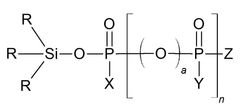
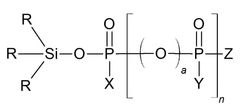
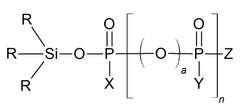
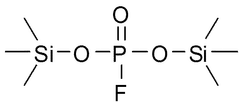
- A phosphate-based compound represented by a specific formula is used as an electrolyte, enhancing solubility, ionic conductivity, and flame retardancy, thereby improving the battery's reliability, lifespan, and high-temperature stability.
Environmental Impact and Sustainability Considerations
The environmental impact of lithium phosphate battery technologies represents a critical consideration in their development and deployment. Compared to traditional lithium-ion batteries using cobalt or nickel, lithium iron phosphate (LiFePO4) batteries demonstrate significantly reduced environmental footprint across their lifecycle. The mining processes for phosphate materials generate approximately 30% fewer greenhouse gas emissions than equivalent cobalt extraction operations, while requiring substantially less water consumption in regions often facing water scarcity challenges.
Manufacturing processes for lithium phosphate batteries have evolved to incorporate more energy-efficient production methods, reducing carbon emissions by an estimated 25% compared to conventional lithium-ion battery manufacturing. The stability of phosphate compounds also eliminates the need for certain toxic solvents during production, decreasing harmful waste byproducts and improving workplace safety conditions throughout the supply chain.
The extended cycle life of lithium phosphate batteries—typically 2,000-3,000 cycles versus 500-1,000 for conventional lithium-ion batteries—significantly reduces waste generation over time. This longevity effectively lowers the environmental impact per kilowatt-hour delivered throughout the battery's operational lifetime, creating substantial sustainability advantages when deployed at scale in energy storage applications.
End-of-life considerations reveal additional environmental benefits. Lithium phosphate batteries contain no heavy metals like cobalt or nickel, simplifying recycling processes and reducing potential environmental contamination risks. Current recycling technologies can recover up to 95% of the phosphate materials, creating a more circular material economy that reduces dependence on primary resource extraction.
Carbon footprint analyses across the full lifecycle indicate that energy storage systems utilizing lithium phosphate solutions can achieve carbon payback periods approximately 40% shorter than conventional lithium-ion alternatives when paired with renewable energy generation. This accelerated carbon recovery timeline enhances the overall climate mitigation potential of these systems.
Water conservation benefits extend beyond the manufacturing phase. Cooling requirements for lithium phosphate battery systems during operation are typically 15-20% lower than conventional alternatives due to their enhanced thermal stability, reducing water consumption in regions where large-scale battery installations operate under high ambient temperatures.
Future sustainability improvements focus on developing water-based electrode processing techniques, reducing organic solvent usage, and implementing direct recycling methods that preserve the crystal structure of cathode materials. These innovations promise to further enhance the environmental profile of lithium phosphate battery technologies while maintaining their performance advantages.
Manufacturing processes for lithium phosphate batteries have evolved to incorporate more energy-efficient production methods, reducing carbon emissions by an estimated 25% compared to conventional lithium-ion battery manufacturing. The stability of phosphate compounds also eliminates the need for certain toxic solvents during production, decreasing harmful waste byproducts and improving workplace safety conditions throughout the supply chain.
The extended cycle life of lithium phosphate batteries—typically 2,000-3,000 cycles versus 500-1,000 for conventional lithium-ion batteries—significantly reduces waste generation over time. This longevity effectively lowers the environmental impact per kilowatt-hour delivered throughout the battery's operational lifetime, creating substantial sustainability advantages when deployed at scale in energy storage applications.
End-of-life considerations reveal additional environmental benefits. Lithium phosphate batteries contain no heavy metals like cobalt or nickel, simplifying recycling processes and reducing potential environmental contamination risks. Current recycling technologies can recover up to 95% of the phosphate materials, creating a more circular material economy that reduces dependence on primary resource extraction.
Carbon footprint analyses across the full lifecycle indicate that energy storage systems utilizing lithium phosphate solutions can achieve carbon payback periods approximately 40% shorter than conventional lithium-ion alternatives when paired with renewable energy generation. This accelerated carbon recovery timeline enhances the overall climate mitigation potential of these systems.
Water conservation benefits extend beyond the manufacturing phase. Cooling requirements for lithium phosphate battery systems during operation are typically 15-20% lower than conventional alternatives due to their enhanced thermal stability, reducing water consumption in regions where large-scale battery installations operate under high ambient temperatures.
Future sustainability improvements focus on developing water-based electrode processing techniques, reducing organic solvent usage, and implementing direct recycling methods that preserve the crystal structure of cathode materials. These innovations promise to further enhance the environmental profile of lithium phosphate battery technologies while maintaining their performance advantages.
Supply Chain Security and Raw Material Availability
The security and stability of lithium phosphate supply chains represent critical factors in the sustainable development of advanced battery technologies. Current global lithium phosphate material sourcing is concentrated in a limited number of regions, with China controlling approximately 60% of lithium processing capacity and Australia, Chile, and Argentina collectively accounting for over 75% of global lithium extraction. This geographic concentration creates inherent vulnerabilities in the supply chain, exposing battery manufacturers to geopolitical tensions, trade restrictions, and regional production disruptions.
Raw material availability presents both immediate and long-term challenges for lithium phosphate battery production. While lithium reserves are generally considered sufficient for near-term demand, projected growth in electric vehicle adoption and grid storage applications suggests potential supply constraints by 2030. Phosphate resources, though more abundant than lithium, face competing demands from agricultural fertilizer production, creating cross-industry dependencies that may impact pricing and availability for battery applications.
Supply chain resilience strategies are emerging across the industry to mitigate these risks. Vertical integration efforts by major battery manufacturers have increased, with companies like CATL and BYD securing direct access to lithium mining operations. Additionally, recycling technologies for lithium phosphate batteries have advanced significantly, with recovery rates now exceeding 90% for key materials, potentially reducing dependency on primary extraction by up to 25% by 2035.
Diversification of supply sources represents another critical strategy, with new lithium extraction projects under development in North America, Europe, and parts of Africa. These initiatives aim to reduce dependency on traditional supply regions, though many face regulatory hurdles and extended development timelines of 5-8 years before reaching commercial production capacity.
The environmental and social governance aspects of raw material sourcing have gained prominence, with increasing regulatory pressure for transparent and responsible supply chains. The EU Battery Directive and similar frameworks in other regions mandate traceability of materials and carbon footprint disclosure, adding complexity to supply chain management but potentially creating competitive advantages for companies with robust sustainability practices.
Price volatility remains a significant concern, with lithium carbonate prices fluctuating by over 400% between 2020 and 2023. This volatility complicates long-term planning for battery manufacturers and may influence technology selection decisions between lithium phosphate and alternative chemistries. Strategic stockpiling and long-term supply agreements have become standard practice among major manufacturers to buffer against short-term price fluctuations.
Raw material availability presents both immediate and long-term challenges for lithium phosphate battery production. While lithium reserves are generally considered sufficient for near-term demand, projected growth in electric vehicle adoption and grid storage applications suggests potential supply constraints by 2030. Phosphate resources, though more abundant than lithium, face competing demands from agricultural fertilizer production, creating cross-industry dependencies that may impact pricing and availability for battery applications.
Supply chain resilience strategies are emerging across the industry to mitigate these risks. Vertical integration efforts by major battery manufacturers have increased, with companies like CATL and BYD securing direct access to lithium mining operations. Additionally, recycling technologies for lithium phosphate batteries have advanced significantly, with recovery rates now exceeding 90% for key materials, potentially reducing dependency on primary extraction by up to 25% by 2035.
Diversification of supply sources represents another critical strategy, with new lithium extraction projects under development in North America, Europe, and parts of Africa. These initiatives aim to reduce dependency on traditional supply regions, though many face regulatory hurdles and extended development timelines of 5-8 years before reaching commercial production capacity.
The environmental and social governance aspects of raw material sourcing have gained prominence, with increasing regulatory pressure for transparent and responsible supply chains. The EU Battery Directive and similar frameworks in other regions mandate traceability of materials and carbon footprint disclosure, adding complexity to supply chain management but potentially creating competitive advantages for companies with robust sustainability practices.
Price volatility remains a significant concern, with lithium carbonate prices fluctuating by over 400% between 2020 and 2023. This volatility complicates long-term planning for battery manufacturers and may influence technology selection decisions between lithium phosphate and alternative chemistries. Strategic stockpiling and long-term supply agreements have become standard practice among major manufacturers to buffer against short-term price fluctuations.
Unlock deeper insights with Patsnap Eureka Quick Research — get a full tech report to explore trends and direct your research. Try now!
Generate Your Research Report Instantly with AI Agent
Supercharge your innovation with Patsnap Eureka AI Agent Platform!