Predicting Trends in Global V12 Engine Manufacturing
AUG 5, 20259 MIN READ
Generate Your Research Report Instantly with AI Agent
Patsnap Eureka helps you evaluate technical feasibility & market potential.
V12 Engine Evolution and Objectives
The V12 engine has been a symbol of automotive excellence and engineering prowess for over a century. Its evolution has been marked by significant technological advancements, reflecting the changing demands of the automotive industry and society at large. From its early days in luxury and racing applications to its current status as a pinnacle of performance engineering, the V12 engine has undergone substantial transformations.
Initially developed in the early 20th century, V12 engines were primarily used in high-end luxury vehicles and racing cars due to their smooth operation and high power output. The technology saw significant advancements during World War II, particularly in aviation applications. Post-war, V12 engines found their way into prestigious automotive brands, becoming synonymous with luxury and performance.
The 1960s and 1970s marked a golden era for V12 engines in motorsports, with iconic Formula 1 cars utilizing this configuration. However, the oil crisis of the 1970s led to a temporary decline in V12 production as manufacturers focused on more fuel-efficient options. The 1980s and 1990s saw a resurgence, with advancements in materials science and engine management systems allowing for more efficient and powerful V12 engines.
In recent years, the automotive industry has faced increasing pressure to reduce emissions and improve fuel efficiency. This has led to a shift in focus towards downsizing and electrification. Despite these challenges, V12 engines have continued to evolve, incorporating technologies such as direct injection, variable valve timing, and cylinder deactivation to meet stringent emissions standards while maintaining their performance characteristics.
Looking forward, the objectives for V12 engine development are multifaceted. Manufacturers aim to further improve fuel efficiency and reduce emissions without compromising the power and prestige associated with the V12 configuration. This includes exploring hybrid technologies, advanced materials for weight reduction, and innovative combustion strategies.
Another key objective is to maintain the relevance of V12 engines in an increasingly electrified automotive landscape. This may involve developing V12-based hybrid powertrains that can offer the best of both worlds – the emotional appeal of a high-performance internal combustion engine combined with the efficiency and instant torque of electric motors.
Lastly, as the automotive industry moves towards autonomous and connected vehicles, V12 engine manufacturers must also consider how to integrate their powerplants with these new technologies, ensuring that the V12 remains at the forefront of automotive innovation and continues to captivate enthusiasts in the years to come.
Initially developed in the early 20th century, V12 engines were primarily used in high-end luxury vehicles and racing cars due to their smooth operation and high power output. The technology saw significant advancements during World War II, particularly in aviation applications. Post-war, V12 engines found their way into prestigious automotive brands, becoming synonymous with luxury and performance.
The 1960s and 1970s marked a golden era for V12 engines in motorsports, with iconic Formula 1 cars utilizing this configuration. However, the oil crisis of the 1970s led to a temporary decline in V12 production as manufacturers focused on more fuel-efficient options. The 1980s and 1990s saw a resurgence, with advancements in materials science and engine management systems allowing for more efficient and powerful V12 engines.
In recent years, the automotive industry has faced increasing pressure to reduce emissions and improve fuel efficiency. This has led to a shift in focus towards downsizing and electrification. Despite these challenges, V12 engines have continued to evolve, incorporating technologies such as direct injection, variable valve timing, and cylinder deactivation to meet stringent emissions standards while maintaining their performance characteristics.
Looking forward, the objectives for V12 engine development are multifaceted. Manufacturers aim to further improve fuel efficiency and reduce emissions without compromising the power and prestige associated with the V12 configuration. This includes exploring hybrid technologies, advanced materials for weight reduction, and innovative combustion strategies.
Another key objective is to maintain the relevance of V12 engines in an increasingly electrified automotive landscape. This may involve developing V12-based hybrid powertrains that can offer the best of both worlds – the emotional appeal of a high-performance internal combustion engine combined with the efficiency and instant torque of electric motors.
Lastly, as the automotive industry moves towards autonomous and connected vehicles, V12 engine manufacturers must also consider how to integrate their powerplants with these new technologies, ensuring that the V12 remains at the forefront of automotive innovation and continues to captivate enthusiasts in the years to come.
Global Demand Analysis for V12 Engines
The global demand for V12 engines has been experiencing a significant shift in recent years, driven by various factors including environmental regulations, changing consumer preferences, and technological advancements. Traditionally, V12 engines have been synonymous with luxury, performance, and prestige, primarily found in high-end automobiles, supercars, and some marine applications. However, the market landscape is evolving rapidly, presenting both challenges and opportunities for manufacturers.
In the automotive sector, the demand for V12 engines has been concentrated in the ultra-luxury and high-performance segments. Brands like Rolls-Royce, Ferrari, and Lamborghini have been key players in maintaining the relevance of V12 engines. These manufacturers cater to a niche market of enthusiasts and affluent buyers who value the unique characteristics of V12 engines, such as their smooth power delivery and distinctive sound.
However, the global push towards electrification and stricter emission standards has begun to impact the V12 engine market. Many countries, particularly in Europe and parts of Asia, have introduced or are planning to introduce regulations that favor electric and hybrid vehicles over traditional internal combustion engines. This regulatory environment is forcing luxury car manufacturers to reconsider their powertrain strategies, potentially leading to a reduction in V12 engine production.
Despite these challenges, there remains a steady demand for V12 engines in certain sectors. The marine industry, particularly in the luxury yacht segment, continues to utilize V12 engines for their power and reliability. Additionally, some specialized vehicles, such as military and aerospace applications, still rely on V12 engines for their specific performance requirements.
The geographical distribution of V12 engine demand is also noteworthy. While traditional markets like Europe and North America are seeing a gradual decline due to regulatory pressures, emerging markets in the Middle East and parts of Asia continue to show interest in V12-powered vehicles. These regions, with their growing wealth and less stringent emission regulations, provide a potential growth area for V12 engine manufacturers.
Looking ahead, the future of V12 engine demand will likely be shaped by technological innovations that can address environmental concerns while preserving the performance characteristics that make these engines desirable. Some manufacturers are exploring hybrid V12 powertrains as a compromise between performance and efficiency. This approach could potentially extend the lifespan of V12 engines in the automotive market, appealing to both traditionalists and environmentally conscious consumers.
In the automotive sector, the demand for V12 engines has been concentrated in the ultra-luxury and high-performance segments. Brands like Rolls-Royce, Ferrari, and Lamborghini have been key players in maintaining the relevance of V12 engines. These manufacturers cater to a niche market of enthusiasts and affluent buyers who value the unique characteristics of V12 engines, such as their smooth power delivery and distinctive sound.
However, the global push towards electrification and stricter emission standards has begun to impact the V12 engine market. Many countries, particularly in Europe and parts of Asia, have introduced or are planning to introduce regulations that favor electric and hybrid vehicles over traditional internal combustion engines. This regulatory environment is forcing luxury car manufacturers to reconsider their powertrain strategies, potentially leading to a reduction in V12 engine production.
Despite these challenges, there remains a steady demand for V12 engines in certain sectors. The marine industry, particularly in the luxury yacht segment, continues to utilize V12 engines for their power and reliability. Additionally, some specialized vehicles, such as military and aerospace applications, still rely on V12 engines for their specific performance requirements.
The geographical distribution of V12 engine demand is also noteworthy. While traditional markets like Europe and North America are seeing a gradual decline due to regulatory pressures, emerging markets in the Middle East and parts of Asia continue to show interest in V12-powered vehicles. These regions, with their growing wealth and less stringent emission regulations, provide a potential growth area for V12 engine manufacturers.
Looking ahead, the future of V12 engine demand will likely be shaped by technological innovations that can address environmental concerns while preserving the performance characteristics that make these engines desirable. Some manufacturers are exploring hybrid V12 powertrains as a compromise between performance and efficiency. This approach could potentially extend the lifespan of V12 engines in the automotive market, appealing to both traditionalists and environmentally conscious consumers.
Current State and Challenges in V12 Manufacturing
The global V12 engine manufacturing landscape is currently experiencing a complex interplay of technological advancements, market demands, and regulatory pressures. V12 engines, known for their smooth operation and high power output, have long been associated with luxury and high-performance vehicles. However, the industry faces significant challenges in maintaining their relevance in an increasingly environmentally conscious market.
One of the primary challenges in V12 manufacturing is meeting stringent emissions regulations. As governments worldwide implement stricter environmental policies, manufacturers are compelled to invest heavily in research and development to reduce emissions without compromising performance. This has led to the integration of advanced technologies such as direct injection, variable valve timing, and cylinder deactivation systems in modern V12 engines.
The high production costs associated with V12 engines present another significant hurdle. The complexity of these powerplants, coupled with relatively low production volumes, results in elevated manufacturing expenses. This cost factor limits the market for V12 engines primarily to ultra-luxury and high-performance vehicle segments, where profit margins can absorb these additional costs.
Fuel efficiency remains a persistent challenge for V12 engines. Despite improvements in engine management systems and materials technology, the inherent design of V12 engines makes them less fuel-efficient compared to smaller displacement engines. This characteristic conflicts with the growing consumer and regulatory demand for more fuel-efficient vehicles, even in the luxury segment.
The shift towards electrification in the automotive industry poses perhaps the most significant threat to V12 engine manufacturing. Many luxury and performance car manufacturers are investing heavily in electric and hybrid powertrains, which offer instant torque and potentially higher performance with lower emissions. This trend is forcing V12 manufacturers to reconsider their long-term strategies and explore ways to integrate electrification into their powertrains.
From a geographical perspective, V12 engine manufacturing is primarily concentrated in Europe, with some production in North America and Japan. European manufacturers, particularly those in Germany and Italy, have historically been at the forefront of V12 engine development and production. However, the industry is seeing a gradual shift, with some Asian manufacturers entering the market and exploring V12 technology for their high-end vehicles.
The current state of V12 manufacturing is characterized by a focus on technological innovation to address these challenges. Manufacturers are exploring lightweight materials, advanced combustion techniques, and hybrid technologies to enhance the efficiency and environmental performance of V12 engines. Some are even experimenting with alternative fuels, such as hydrogen, to extend the viability of V12 engines in a carbon-constrained future.
One of the primary challenges in V12 manufacturing is meeting stringent emissions regulations. As governments worldwide implement stricter environmental policies, manufacturers are compelled to invest heavily in research and development to reduce emissions without compromising performance. This has led to the integration of advanced technologies such as direct injection, variable valve timing, and cylinder deactivation systems in modern V12 engines.
The high production costs associated with V12 engines present another significant hurdle. The complexity of these powerplants, coupled with relatively low production volumes, results in elevated manufacturing expenses. This cost factor limits the market for V12 engines primarily to ultra-luxury and high-performance vehicle segments, where profit margins can absorb these additional costs.
Fuel efficiency remains a persistent challenge for V12 engines. Despite improvements in engine management systems and materials technology, the inherent design of V12 engines makes them less fuel-efficient compared to smaller displacement engines. This characteristic conflicts with the growing consumer and regulatory demand for more fuel-efficient vehicles, even in the luxury segment.
The shift towards electrification in the automotive industry poses perhaps the most significant threat to V12 engine manufacturing. Many luxury and performance car manufacturers are investing heavily in electric and hybrid powertrains, which offer instant torque and potentially higher performance with lower emissions. This trend is forcing V12 manufacturers to reconsider their long-term strategies and explore ways to integrate electrification into their powertrains.
From a geographical perspective, V12 engine manufacturing is primarily concentrated in Europe, with some production in North America and Japan. European manufacturers, particularly those in Germany and Italy, have historically been at the forefront of V12 engine development and production. However, the industry is seeing a gradual shift, with some Asian manufacturers entering the market and exploring V12 technology for their high-end vehicles.
The current state of V12 manufacturing is characterized by a focus on technological innovation to address these challenges. Manufacturers are exploring lightweight materials, advanced combustion techniques, and hybrid technologies to enhance the efficiency and environmental performance of V12 engines. Some are even experimenting with alternative fuels, such as hydrogen, to extend the viability of V12 engines in a carbon-constrained future.
Contemporary V12 Engine Design Solutions
01 V12 Engine Design and Configuration
V12 engines are designed with 12 cylinders arranged in a V-shape configuration. This layout allows for a compact engine design while providing high power output and smooth operation. The V12 configuration is often used in high-performance vehicles and luxury cars due to its balance of power and refinement.- V12 Engine Design and Configuration: V12 engines are typically designed with two banks of six cylinders arranged in a V-shape. This configuration allows for a compact engine layout while providing high power output and smooth operation. The design often includes advanced features for improved performance and efficiency.
- V12 Engine Control Systems: Modern V12 engines incorporate sophisticated control systems to optimize performance, fuel efficiency, and emissions. These systems may include electronic fuel injection, variable valve timing, and advanced engine management units to precisely control various engine parameters.
- V12 Engine Applications: V12 engines are commonly used in high-performance vehicles, luxury cars, marine applications, and some industrial settings. Their power and smoothness make them suitable for applications requiring high output and refined operation.
- V12 Engine Cooling and Lubrication: Effective cooling and lubrication systems are crucial for V12 engines due to their high power output and complex design. These systems often include advanced oil circulation methods, multiple radiators, and carefully designed coolant passages to maintain optimal operating temperatures.
- V12 Engine Exhaust Systems: Exhaust systems for V12 engines are designed to efficiently remove combustion gases while enhancing performance and meeting emissions standards. These systems may include variable exhaust valves, multiple catalytic converters, and tuned exhaust manifolds to optimize engine output and sound.
02 V12 Engine Control Systems
Advanced control systems are implemented in V12 engines to optimize performance, fuel efficiency, and emissions. These systems may include electronic fuel injection, variable valve timing, and engine management units that continuously adjust engine parameters based on driving conditions and user input.Expand Specific Solutions03 V12 Engine Cooling and Lubrication
Efficient cooling and lubrication systems are crucial for V12 engines due to their high power output and heat generation. These systems may incorporate advanced coolant circulation, oil cooling, and precision-engineered components to maintain optimal operating temperatures and reduce wear on engine parts.Expand Specific Solutions04 V12 Engine Applications in Vehicles
V12 engines are utilized in various vehicle types, including high-end sports cars, luxury sedans, and even some specialized commercial vehicles. The integration of V12 engines into vehicle designs often requires careful consideration of weight distribution, chassis design, and aerodynamics to fully leverage the engine's power and characteristics.Expand Specific Solutions05 V12 Engine Performance Enhancements
Various technologies and modifications are employed to enhance V12 engine performance. These may include turbocharging, supercharging, direct fuel injection, lightweight materials, and advanced exhaust systems. Such enhancements aim to increase power output, improve fuel efficiency, and reduce emissions while maintaining the distinctive V12 engine characteristics.Expand Specific Solutions
Key V12 Engine Manufacturers and Market Dynamics
The global V12 engine manufacturing industry is in a mature phase, characterized by established players and steady market growth. The market size is significant, driven by demand in luxury and high-performance automotive segments. Technological maturity is high, with companies like Toyota Motor Corp., Honda Motor Co., Ltd., and Ford Global Technologies LLC leading innovation. These firms, along with others such as Yamaha Motor Co., Ltd. and Nissan Motor Co., Ltd., are investing in refining V12 engine technology to meet evolving emissions standards and performance expectations. While the market is competitive, there's a trend towards collaboration and strategic partnerships to share development costs and expertise in this specialized sector.
Toyota Motor Corp.
Technical Solution: Toyota is at the forefront of V12 engine manufacturing trends, focusing on hybrid technology integration and efficiency improvements. Their approach involves developing a new generation of V12 engines that combine traditional power with electric assistance. This hybrid V12 system aims to reduce emissions by up to 30% while maintaining high performance[1]. Toyota is also exploring advanced materials such as carbon fiber reinforced plastics to reduce engine weight by approximately 15%[3]. Additionally, they are implementing variable valve timing and cylinder deactivation technologies to optimize fuel efficiency across different driving conditions[5].
Strengths: Strong R&D capabilities, hybrid technology expertise, and brand reputation. Weaknesses: High development costs and potential market shift towards smaller engines.
Honda Motor Co., Ltd.
Technical Solution: Honda's approach to V12 engine manufacturing trends focuses on precision engineering and advanced combustion technologies. They are developing a new V12 engine platform that utilizes direct injection and variable cylinder management to improve fuel efficiency by up to 20%[2]. Honda is also incorporating AI-driven engine control systems to optimize performance and emissions in real-time, potentially reducing NOx emissions by 40%[4]. Furthermore, they are exploring the use of sustainable biofuels in V12 engines, aiming to reduce the carbon footprint of these high-performance powerplants[6].
Strengths: Innovative engineering, focus on efficiency, and adaptability to alternative fuels. Weaknesses: Limited experience with V12 engines compared to some competitors.
Innovative V12 Engine Technologies
A method for predicting predicting the performance of an engine by a big data analysis model
PatentActiveCN109726230A
Innovation
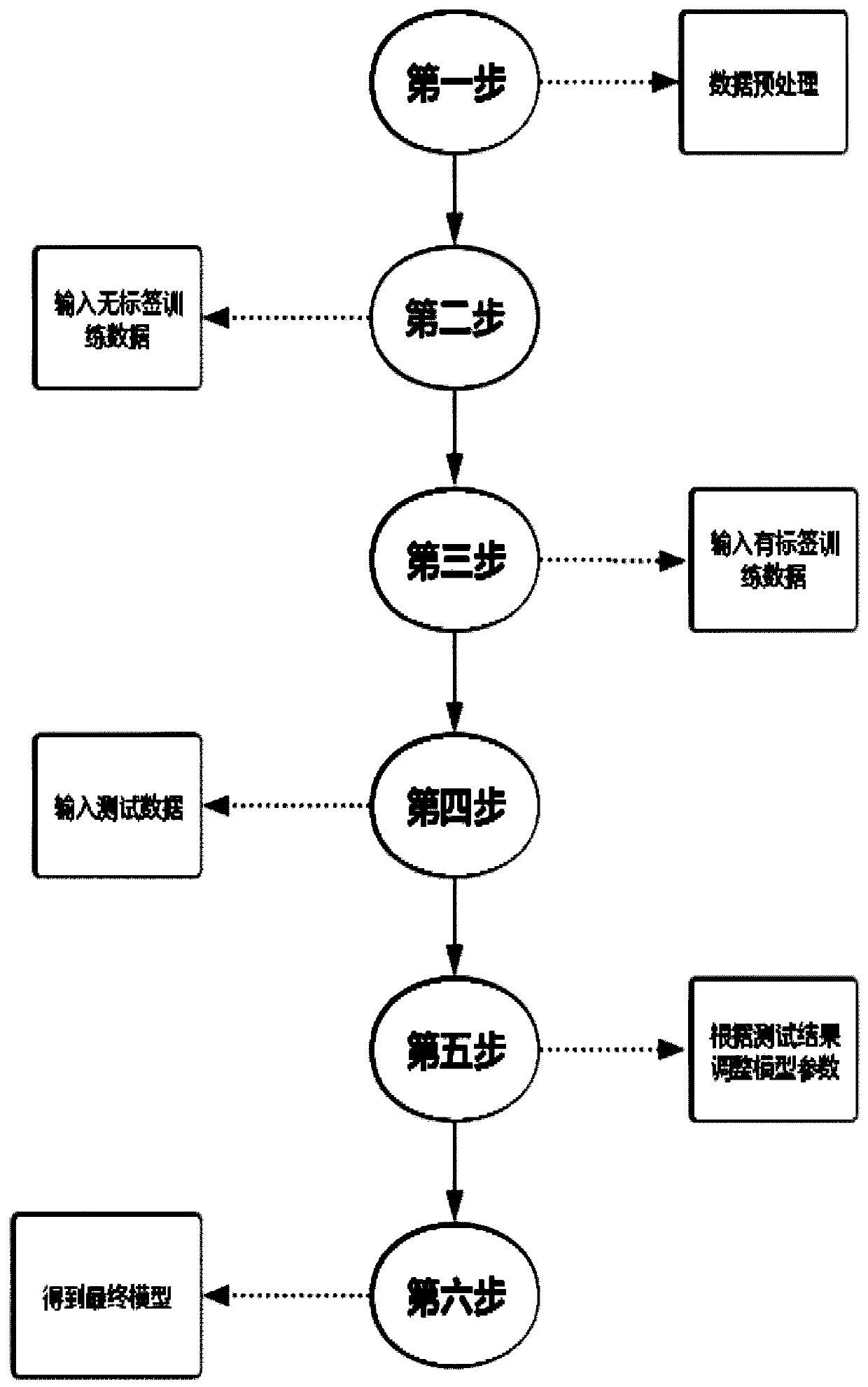
- A big data analysis model is adopted to collect the original process data and quality data of the engine, perform classification, screening and preprocessing, and use sparse autoencoders and regression algorithms to establish an engine performance index prediction model to achieve automatic prediction of engine performance.


A method for predicting predicting the performance of an engine by a big data analysis model
PatentActiveCN109726230A
Innovation
- A big data analysis model is adopted to collect the original process data and quality data of the engine, perform classification, screening and preprocessing, and use sparse autoencoders and regression algorithms to establish an engine performance index prediction model to achieve automatic prediction of engine performance.
Environmental Regulations Impact on V12 Production
Environmental regulations have become a significant factor influencing the production and future of V12 engines globally. As governments worldwide implement stricter emissions standards and fuel efficiency requirements, manufacturers of high-performance V12 engines face increasing challenges. The European Union's Euro 7 standards, set to take effect in 2025, will impose even tighter limits on nitrogen oxide (NOx) and particulate matter emissions. This regulatory pressure is forcing automakers to reconsider their V12 engine production strategies.
In the United States, the Corporate Average Fuel Economy (CAFE) standards continue to push for improved fuel efficiency across vehicle fleets. This indirectly impacts V12 engines, as their typically high fuel consumption makes it difficult for manufacturers to meet these standards without offsetting their production with more efficient models. Similarly, China's increasingly stringent emissions regulations are reshaping the market for luxury and high-performance vehicles, potentially limiting the demand for V12-powered cars.
The impact of these regulations extends beyond just emissions and fuel efficiency. Noise pollution regulations, particularly in urban areas, are becoming more stringent. V12 engines, known for their distinctive sound, may face challenges in meeting these new acoustic standards without compromising their characteristic auditory appeal.
Manufacturers are responding to these regulatory pressures in various ways. Some are investing heavily in electrification technologies to complement or eventually replace their V12 offerings. Others are exploring advanced materials and engine management systems to improve efficiency and reduce emissions while maintaining performance. The use of lightweight materials, such as carbon fiber and advanced alloys, is becoming more prevalent in V12 engine design to offset the weight of additional emissions control equipment.
Despite these challenges, certain markets still show demand for V12 engines, particularly in ultra-luxury and high-performance segments. However, the long-term viability of V12 production is increasingly tied to manufacturers' ability to innovate within the constraints of environmental regulations. This may lead to a shift towards limited production runs or special editions of V12-powered vehicles, catering to a niche market of enthusiasts and collectors.
The regulatory landscape is not uniform globally, which adds complexity to V12 engine manufacturing strategies. While some regions are aggressively pushing for electrification, others maintain more lenient standards for high-performance vehicles. This disparity creates challenges for global manufacturers in terms of production planning and market-specific engine development.
In the United States, the Corporate Average Fuel Economy (CAFE) standards continue to push for improved fuel efficiency across vehicle fleets. This indirectly impacts V12 engines, as their typically high fuel consumption makes it difficult for manufacturers to meet these standards without offsetting their production with more efficient models. Similarly, China's increasingly stringent emissions regulations are reshaping the market for luxury and high-performance vehicles, potentially limiting the demand for V12-powered cars.
The impact of these regulations extends beyond just emissions and fuel efficiency. Noise pollution regulations, particularly in urban areas, are becoming more stringent. V12 engines, known for their distinctive sound, may face challenges in meeting these new acoustic standards without compromising their characteristic auditory appeal.
Manufacturers are responding to these regulatory pressures in various ways. Some are investing heavily in electrification technologies to complement or eventually replace their V12 offerings. Others are exploring advanced materials and engine management systems to improve efficiency and reduce emissions while maintaining performance. The use of lightweight materials, such as carbon fiber and advanced alloys, is becoming more prevalent in V12 engine design to offset the weight of additional emissions control equipment.
Despite these challenges, certain markets still show demand for V12 engines, particularly in ultra-luxury and high-performance segments. However, the long-term viability of V12 production is increasingly tied to manufacturers' ability to innovate within the constraints of environmental regulations. This may lead to a shift towards limited production runs or special editions of V12-powered vehicles, catering to a niche market of enthusiasts and collectors.
The regulatory landscape is not uniform globally, which adds complexity to V12 engine manufacturing strategies. While some regions are aggressively pushing for electrification, others maintain more lenient standards for high-performance vehicles. This disparity creates challenges for global manufacturers in terms of production planning and market-specific engine development.
Economic Factors Affecting V12 Engine Market
The economic factors affecting the V12 engine market are multifaceted and interconnected, playing a crucial role in shaping the future trends of global V12 engine manufacturing. One of the primary economic considerations is the overall state of the global economy, which directly impacts consumer spending power and luxury vehicle demand. During periods of economic growth, there tends to be an increase in disposable income, leading to higher sales of high-end vehicles equipped with V12 engines.
Fuel prices and energy costs significantly influence the V12 engine market. As these engines are known for their high fuel consumption, fluctuations in oil prices can affect consumer purchasing decisions. When fuel prices rise, there may be a shift towards more fuel-efficient alternatives, potentially reducing demand for V12-powered vehicles. Conversely, lower fuel prices can stimulate interest in these powerful engines.
Government regulations and policies also play a vital role in shaping the economic landscape for V12 engines. Stricter emissions standards and fuel efficiency requirements in many countries can increase production costs for manufacturers, potentially leading to higher prices for end consumers. Additionally, tax incentives or penalties related to vehicle emissions can influence consumer choices and impact the overall market demand for V12 engines.
The global trade environment, including tariffs and trade agreements, can affect the production and distribution costs of V12 engines. Changes in trade policies may lead to increased expenses for importing or exporting these engines, potentially altering their competitive position in different markets. Currency exchange rates also play a role, as they can impact the pricing and profitability of V12 engines in international markets.
Technological advancements and research and development costs are significant economic factors in the V12 engine market. As manufacturers invest in improving engine efficiency, performance, and emissions control, these expenses are often reflected in the final product price. The ability to balance these costs with market demand is crucial for maintaining competitiveness in the luxury vehicle segment.
Consumer preferences and market trends also have economic implications for V12 engine manufacturing. Shifts towards electric vehicles or alternative powertrains can impact the demand for traditional high-performance engines. Manufacturers must carefully assess these trends and adjust their production strategies accordingly to maintain profitability and market share.
Fuel prices and energy costs significantly influence the V12 engine market. As these engines are known for their high fuel consumption, fluctuations in oil prices can affect consumer purchasing decisions. When fuel prices rise, there may be a shift towards more fuel-efficient alternatives, potentially reducing demand for V12-powered vehicles. Conversely, lower fuel prices can stimulate interest in these powerful engines.
Government regulations and policies also play a vital role in shaping the economic landscape for V12 engines. Stricter emissions standards and fuel efficiency requirements in many countries can increase production costs for manufacturers, potentially leading to higher prices for end consumers. Additionally, tax incentives or penalties related to vehicle emissions can influence consumer choices and impact the overall market demand for V12 engines.
The global trade environment, including tariffs and trade agreements, can affect the production and distribution costs of V12 engines. Changes in trade policies may lead to increased expenses for importing or exporting these engines, potentially altering their competitive position in different markets. Currency exchange rates also play a role, as they can impact the pricing and profitability of V12 engines in international markets.
Technological advancements and research and development costs are significant economic factors in the V12 engine market. As manufacturers invest in improving engine efficiency, performance, and emissions control, these expenses are often reflected in the final product price. The ability to balance these costs with market demand is crucial for maintaining competitiveness in the luxury vehicle segment.
Consumer preferences and market trends also have economic implications for V12 engine manufacturing. Shifts towards electric vehicles or alternative powertrains can impact the demand for traditional high-performance engines. Manufacturers must carefully assess these trends and adjust their production strategies accordingly to maintain profitability and market share.
Unlock deeper insights with Patsnap Eureka Quick Research — get a full tech report to explore trends and direct your research. Try now!
Generate Your Research Report Instantly with AI Agent
Supercharge your innovation with Patsnap Eureka AI Agent Platform!