

SNSPD Aging And Long Term Stability Testing Procedures
AUG 28, 20259 MIN READ
Generate Your Research Report Instantly with AI Agent
PatSnap Eureka helps you evaluate technical feasibility & market potential.
SNSPD Technology Evolution and Testing Objectives
Superconducting Nanowire Single Photon Detectors (SNSPDs) have emerged as a revolutionary technology in quantum information processing and quantum communication systems over the past two decades. The evolution of SNSPD technology has been marked by significant improvements in detection efficiency, timing resolution, and dark count rates, establishing these devices as the gold standard for single-photon detection across multiple wavelength ranges.
The historical development of SNSPDs began in the early 2000s with initial demonstrations achieving modest detection efficiencies below 20%. By 2010, researchers had improved designs to reach efficiencies exceeding 50%, and current state-of-the-art devices now regularly achieve system detection efficiencies above 90% at telecommunication wavelengths. This remarkable progress has been enabled by advances in nanofabrication techniques, superconducting materials science, and optical coupling strategies.
Despite these achievements, the long-term stability and aging characteristics of SNSPDs remain critical yet understudied aspects of the technology. As SNSPDs transition from laboratory demonstrations to deployed systems in quantum networks, space-based applications, and industrial sensing, understanding their operational lifetime and performance degradation mechanisms becomes paramount for commercial viability.
The primary objective of SNSPD aging and long-term stability testing is to establish standardized procedures that can accurately predict device lifetime under various operational conditions. These procedures must address multiple degradation mechanisms, including thermal cycling effects, radiation damage, environmental contamination, and electromigration within the nanowires themselves.
Current testing methodologies vary significantly across research groups and manufacturers, creating challenges for performance comparison and reliability assessment. A unified approach to accelerated aging tests, statistical failure analysis, and performance drift monitoring would significantly benefit the field and accelerate commercial adoption.
Key technical goals for SNSPD stability testing include: quantifying performance changes over extended operation periods (>10,000 hours); identifying early indicators of impending device failure; establishing correlation between accelerated aging tests and real-world performance; and developing non-destructive diagnostic techniques to monitor device health during operation.
The technology roadmap must also address how testing procedures should evolve to accommodate emerging SNSPD architectures, including multi-pixel arrays, waveguide-integrated designs, and novel superconducting materials beyond the traditional niobium nitride platforms. Each of these innovations introduces unique aging mechanisms that require specialized characterization approaches.
The historical development of SNSPDs began in the early 2000s with initial demonstrations achieving modest detection efficiencies below 20%. By 2010, researchers had improved designs to reach efficiencies exceeding 50%, and current state-of-the-art devices now regularly achieve system detection efficiencies above 90% at telecommunication wavelengths. This remarkable progress has been enabled by advances in nanofabrication techniques, superconducting materials science, and optical coupling strategies.
Despite these achievements, the long-term stability and aging characteristics of SNSPDs remain critical yet understudied aspects of the technology. As SNSPDs transition from laboratory demonstrations to deployed systems in quantum networks, space-based applications, and industrial sensing, understanding their operational lifetime and performance degradation mechanisms becomes paramount for commercial viability.
The primary objective of SNSPD aging and long-term stability testing is to establish standardized procedures that can accurately predict device lifetime under various operational conditions. These procedures must address multiple degradation mechanisms, including thermal cycling effects, radiation damage, environmental contamination, and electromigration within the nanowires themselves.
Current testing methodologies vary significantly across research groups and manufacturers, creating challenges for performance comparison and reliability assessment. A unified approach to accelerated aging tests, statistical failure analysis, and performance drift monitoring would significantly benefit the field and accelerate commercial adoption.
Key technical goals for SNSPD stability testing include: quantifying performance changes over extended operation periods (>10,000 hours); identifying early indicators of impending device failure; establishing correlation between accelerated aging tests and real-world performance; and developing non-destructive diagnostic techniques to monitor device health during operation.
The technology roadmap must also address how testing procedures should evolve to accommodate emerging SNSPD architectures, including multi-pixel arrays, waveguide-integrated designs, and novel superconducting materials beyond the traditional niobium nitride platforms. Each of these innovations introduces unique aging mechanisms that require specialized characterization approaches.
Market Applications and Demand for Stable SNSPDs
Superconducting Nanowire Single-Photon Detectors (SNSPDs) have emerged as critical components in various high-tech applications due to their unparalleled performance characteristics, including high detection efficiency, low dark count rates, and excellent timing resolution. The market demand for stable SNSPDs has been growing significantly across multiple sectors, driven by advancements in quantum technologies and the increasing need for ultra-sensitive photon detection.
Quantum communication represents one of the most promising market applications for SNSPDs. As quantum key distribution (QKD) systems transition from laboratory demonstrations to commercial deployments, the demand for highly stable detectors that can operate reliably over extended periods has intensified. Commercial QKD networks being established in metropolitan areas and financial institutions require detection systems that maintain consistent performance parameters without frequent recalibration or replacement.
The quantum computing sector presents another substantial market opportunity. As quantum computers scale up in complexity, the need for reliable quantum state readout becomes increasingly critical. SNSPDs with proven long-term stability are essential for quantum error correction protocols and maintaining computational fidelity in these advanced systems. Industry analysts project the quantum computing market to reach substantial growth in the coming decade, with photonic quantum computing approaches particularly dependent on stable SNSPD technology.
Scientific research facilities constitute a significant current market for SNSPDs. Astronomical observatories, particle physics experiments, and biomedical imaging laboratories all require photon detectors that maintain consistent performance characteristics over extended operational periods. The growing adoption of time-correlated single-photon counting techniques in life sciences has further expanded this market segment.
Defense and security applications represent an emerging market with stringent requirements for detector reliability. Quantum radar, secure communications, and long-range LIDAR systems deployed in critical security infrastructure demand detectors that can withstand environmental stresses while maintaining performance specifications. Military and intelligence agencies are increasingly investing in quantum sensing technologies that rely on stable SNSPDs.
Space-based applications are creating new market opportunities for radiation-hardened SNSPDs with demonstrated long-term stability. Satellite-based quantum communication networks, deep-space optical communications, and space observatories require detectors that can operate reliably in the harsh space environment for mission durations measured in years.
The industrial testing and metrology sector is also adopting SNSPDs for applications requiring precise photon timing and counting. Semiconductor inspection systems, advanced LIDAR for autonomous vehicles, and next-generation optical time-domain reflectometers all benefit from stable detector performance to ensure measurement consistency and reliability in production environments.
Quantum communication represents one of the most promising market applications for SNSPDs. As quantum key distribution (QKD) systems transition from laboratory demonstrations to commercial deployments, the demand for highly stable detectors that can operate reliably over extended periods has intensified. Commercial QKD networks being established in metropolitan areas and financial institutions require detection systems that maintain consistent performance parameters without frequent recalibration or replacement.
The quantum computing sector presents another substantial market opportunity. As quantum computers scale up in complexity, the need for reliable quantum state readout becomes increasingly critical. SNSPDs with proven long-term stability are essential for quantum error correction protocols and maintaining computational fidelity in these advanced systems. Industry analysts project the quantum computing market to reach substantial growth in the coming decade, with photonic quantum computing approaches particularly dependent on stable SNSPD technology.
Scientific research facilities constitute a significant current market for SNSPDs. Astronomical observatories, particle physics experiments, and biomedical imaging laboratories all require photon detectors that maintain consistent performance characteristics over extended operational periods. The growing adoption of time-correlated single-photon counting techniques in life sciences has further expanded this market segment.
Defense and security applications represent an emerging market with stringent requirements for detector reliability. Quantum radar, secure communications, and long-range LIDAR systems deployed in critical security infrastructure demand detectors that can withstand environmental stresses while maintaining performance specifications. Military and intelligence agencies are increasingly investing in quantum sensing technologies that rely on stable SNSPDs.
Space-based applications are creating new market opportunities for radiation-hardened SNSPDs with demonstrated long-term stability. Satellite-based quantum communication networks, deep-space optical communications, and space observatories require detectors that can operate reliably in the harsh space environment for mission durations measured in years.
The industrial testing and metrology sector is also adopting SNSPDs for applications requiring precise photon timing and counting. Semiconductor inspection systems, advanced LIDAR for autonomous vehicles, and next-generation optical time-domain reflectometers all benefit from stable detector performance to ensure measurement consistency and reliability in production environments.
Current Challenges in SNSPD Aging Mechanisms
Despite significant advancements in Superconducting Nanowire Single-Photon Detector (SNSPD) technology, understanding and mitigating aging mechanisms remains one of the most challenging aspects in ensuring long-term reliability. The primary aging mechanism observed in SNSPDs involves the degradation of superconducting properties over time, which directly impacts detection efficiency, dark count rates, and timing resolution.
A major challenge in studying SNSPD aging is the lack of standardized testing protocols. Different research groups employ varied methodologies for accelerated aging tests, making cross-comparison of results difficult. This inconsistency hampers the establishment of reliable lifetime predictions and performance degradation models that could guide both manufacturers and end-users.
Environmental factors present another significant challenge. SNSPDs are extremely sensitive to temperature fluctuations, humidity, electromagnetic interference, and mechanical stress. These factors can accelerate aging processes in unpredictable ways, yet isolating their individual contributions remains problematic due to their interdependent nature and the difficulty in creating controlled testing environments that accurately simulate real-world operating conditions.
Material interface degradation constitutes a critical aging mechanism that is particularly difficult to characterize. The interfaces between the superconducting nanowire, substrate, and electrical contacts can deteriorate over time due to thermal cycling, diffusion processes, and electromigration. Current analytical techniques lack the resolution to monitor these nanoscale changes in situ during operation.
Thermal cycling effects represent another poorly understood aging mechanism. The repeated heating during photon detection events and subsequent cooling can induce microstructural changes in the nanowire material, potentially leading to performance degradation. However, quantifying these effects requires sophisticated in-situ monitoring capabilities that are not yet widely available.
The correlation between fabrication parameters and long-term stability presents an additional challenge. Variations in film deposition conditions, etching processes, and post-processing treatments can significantly impact device longevity, yet establishing clear relationships between these parameters and aging behavior requires extensive testing across multiple fabrication batches.
Radiation damage effects, particularly relevant for space-based applications, remain inadequately characterized. High-energy particles can create defects in the superconducting material, potentially accelerating aging processes. Developing radiation-hardened designs requires better understanding of these damage mechanisms at the nanoscale level.
A major challenge in studying SNSPD aging is the lack of standardized testing protocols. Different research groups employ varied methodologies for accelerated aging tests, making cross-comparison of results difficult. This inconsistency hampers the establishment of reliable lifetime predictions and performance degradation models that could guide both manufacturers and end-users.
Environmental factors present another significant challenge. SNSPDs are extremely sensitive to temperature fluctuations, humidity, electromagnetic interference, and mechanical stress. These factors can accelerate aging processes in unpredictable ways, yet isolating their individual contributions remains problematic due to their interdependent nature and the difficulty in creating controlled testing environments that accurately simulate real-world operating conditions.
Material interface degradation constitutes a critical aging mechanism that is particularly difficult to characterize. The interfaces between the superconducting nanowire, substrate, and electrical contacts can deteriorate over time due to thermal cycling, diffusion processes, and electromigration. Current analytical techniques lack the resolution to monitor these nanoscale changes in situ during operation.
Thermal cycling effects represent another poorly understood aging mechanism. The repeated heating during photon detection events and subsequent cooling can induce microstructural changes in the nanowire material, potentially leading to performance degradation. However, quantifying these effects requires sophisticated in-situ monitoring capabilities that are not yet widely available.
The correlation between fabrication parameters and long-term stability presents an additional challenge. Variations in film deposition conditions, etching processes, and post-processing treatments can significantly impact device longevity, yet establishing clear relationships between these parameters and aging behavior requires extensive testing across multiple fabrication batches.
Radiation damage effects, particularly relevant for space-based applications, remain inadequately characterized. High-energy particles can create defects in the superconducting material, potentially accelerating aging processes. Developing radiation-hardened designs requires better understanding of these damage mechanisms at the nanoscale level.
Established SNSPD Long-Term Stability Testing Methodologies
01 Material selection for enhanced SNSPD stability
The choice of superconducting materials significantly impacts the long-term stability of SNSPDs. Certain materials like niobium nitride (NbN) and niobium titanium nitride (NbTiN) have demonstrated superior aging resistance compared to conventional materials. These materials maintain their superconducting properties over extended periods, reducing performance degradation. Advanced material engineering techniques, including precise stoichiometry control and optimized deposition methods, can further enhance the stability of nanowire structures, resulting in detectors with consistent quantum efficiency and reduced dark count rates over their operational lifetime.- Material selection for enhanced SNSPD stability: The choice of superconducting materials significantly impacts the long-term stability of SNSPDs. Certain materials like niobium nitride (NbN) and niobium titanium nitride (NbTiN) demonstrate superior aging resistance compared to conventional materials. These materials maintain their superconducting properties over extended periods, reducing performance degradation. Advanced material engineering techniques, including precise stoichiometry control and optimized deposition methods, can further enhance the temporal stability of the nanowire structure.
- Environmental control systems for SNSPD longevity: Environmental factors significantly impact SNSPD aging characteristics. Implementing sophisticated environmental control systems that regulate temperature, humidity, and shield devices from electromagnetic interference can substantially extend operational lifetimes. Cryogenic stability is particularly crucial, with advanced cooling systems maintaining consistent ultra-low temperatures to prevent thermal cycling that accelerates aging. Vacuum encapsulation techniques and specialized housing designs further protect the sensitive nanowire structures from environmental contaminants that could degrade performance over time.
- Structural design innovations for aging resistance: Novel structural designs can significantly improve the long-term stability of SNSPDs. Implementing meandering patterns with optimized geometries reduces mechanical stress concentration points that typically lead to degradation. Multi-layer architectures with protective coatings shield the active nanowire elements from environmental factors. Advanced fabrication techniques that minimize defect density and edge roughness result in more stable devices with consistent performance over extended operational periods. These structural innovations address key failure mechanisms that typically limit SNSPD operational lifetimes.
- Bias current optimization for extended lifetime: The bias current applied to SNSPDs significantly impacts their aging characteristics. Implementing adaptive bias current control systems that dynamically adjust operating parameters based on device temperature and performance metrics can substantially extend operational lifetimes. Techniques for reducing current density hotspots prevent localized degradation of the nanowire structure. Advanced current stabilization circuits compensate for environmental variations, maintaining optimal operating conditions that minimize stress on the superconducting material and prevent premature aging effects.
- Diagnostic monitoring for predictive maintenance: Implementing sophisticated diagnostic monitoring systems enables predictive maintenance approaches that extend SNSPD operational lifetimes. Real-time performance metrics tracking identifies early signs of degradation before catastrophic failure occurs. Parameters such as detection efficiency, dark count rate, and timing jitter serve as sensitive indicators of aging processes. Machine learning algorithms analyze these parameters to predict remaining useful life and schedule maintenance interventions. These diagnostic capabilities allow for timely adjustments to operating conditions or replacement of components before system performance falls below acceptable thresholds.
02 Environmental control systems for SNSPD longevity
Environmental factors significantly impact SNSPD aging characteristics. Specialized environmental control systems have been developed to maintain optimal operating conditions, including precise temperature regulation, humidity control, and protection from electromagnetic interference. Cryogenic cooling systems with enhanced stability prevent thermal cycling that can accelerate device degradation. Vacuum encapsulation techniques protect the nanowire structures from oxidation and contamination, while specialized shielding methods minimize the effects of cosmic radiation and background radiation that can contribute to performance deterioration over time.Expand Specific Solutions03 Structural design innovations for aging resistance
Novel structural designs have been developed to enhance the long-term stability of SNSPDs. These include meandering patterns with optimized bend radii that reduce current crowding effects, which are known to accelerate aging. Multi-layer architectures with protective capping layers shield the superconducting nanowires from environmental degradation. Stress-relief structures incorporated into the detector design minimize mechanical strain during thermal cycling. Additionally, advanced lithography techniques enable the creation of nanowires with more uniform dimensions and fewer defects, resulting in devices with more consistent performance characteristics over extended operational periods.Expand Specific Solutions04 Monitoring and compensation techniques for aging effects
Advanced monitoring systems have been developed to track SNSPD performance parameters over time, enabling early detection of aging effects. These systems continuously measure critical parameters such as detection efficiency, timing jitter, and dark count rate. Adaptive bias control mechanisms automatically adjust operating conditions to compensate for aging-induced changes in device characteristics. Machine learning algorithms analyze performance trends to predict potential failures before they occur. Some systems incorporate self-calibration features that periodically optimize detector settings to maintain consistent performance despite gradual aging of the superconducting nanowires.Expand Specific Solutions05 Fabrication process optimization for stability enhancement
Refined fabrication processes have been developed specifically to enhance the long-term stability of SNSPDs. These include specialized annealing protocols that reduce internal stresses in the nanowire structures, improving their resistance to degradation. Surface passivation techniques protect the superconducting material from oxidation and contamination. Precision etching methods create nanowires with smoother edges and fewer defects that could serve as nucleation points for degradation. Additionally, advanced quality control procedures during manufacturing, including in-situ monitoring and non-destructive testing, ensure that only devices meeting strict stability criteria are deployed in applications requiring extended operational lifetimes.Expand Specific Solutions
Leading Research Groups and Manufacturers in SNSPD Technology
The SNSPD (Superconducting Nanowire Single-Photon Detector) aging and stability testing market is currently in a growth phase, with increasing adoption in quantum computing, quantum communication, and advanced photonics applications. The global market size for superconducting detector technologies is expanding rapidly, projected to reach significant value as quantum technologies mature. Technical maturity varies across players, with research institutions like Columbia University, University of Tokyo, and Technische Universität München leading fundamental research, while companies like Huawei Technologies are advancing commercial applications. Industrial players including CGN Power and Suzhou Nuclear Power Research Institute are developing specialized stability testing protocols for harsh environments. The field is characterized by collaborative innovation between academic institutions and technology companies, with increasing focus on long-term reliability metrics as deployment scenarios expand beyond laboratory environments.
The Trustees of Columbia University in The City of New York
Technical Solution: Columbia University has developed comprehensive SNSPD aging and stability testing procedures focused on fundamental degradation mechanisms and reliability physics. Their methodology includes cryogenic thermal cycling between operating temperature (typically 2-4K) and intermediate temperatures (up to 77K) to simulate thermal stress during operational cycles. They implement continuous photon flux exposure testing at varying wavelengths to evaluate spectral stability over time. Their procedures incorporate periodic characterization of nanowire microstructure using non-destructive techniques to correlate performance changes with physical alterations. Columbia utilizes specialized vibration testing to evaluate mechanical stability of fiber coupling and packaging over extended periods. The university has pioneered the use of statistical process control techniques to establish baseline performance variations, enabling more sensitive detection of aging-related degradation against normal performance fluctuations.
Strengths: Strong focus on fundamental physics provides deep insights into degradation mechanisms. Their multi-wavelength testing approach ensures spectral stability across applications. Weaknesses: Testing procedures are highly academic and may require adaptation for industrial implementation. Their methods often prioritize scientific understanding over practical qualification timelines.
Technische Universität München
Technical Solution: Technische Universität München (TUM) has established sophisticated SNSPD aging and stability testing procedures with particular emphasis on metrological precision. Their approach includes long-term stability testing in magnetically shielded environments with field stability better than 1 nT to isolate intrinsic aging effects from environmental influences. They implement comparative testing between different nanowire geometries and materials under identical conditions to establish relative aging characteristics. TUM utilizes precision timing systems with sub-picosecond stability for jitter measurements over extended periods, enabling detection of subtle degradation in timing performance. Their methodology incorporates periodic IV-curve characterization to monitor changes in superconducting properties at the nanoscale level. The university has developed specialized optical fiber coupling stability monitoring to differentiate between detector aging and optical alignment drift in packaged devices.
Strengths: Exceptional measurement precision enables detection of subtle aging effects that might be missed by less sophisticated testing. Their comparative testing approach provides valuable insights into material and design optimization. Weaknesses: Testing procedures require extremely specialized equipment that limits scalability. Their methods may be overly focused on fundamental physics rather than practical deployment considerations.
Critical Parameters and Failure Modes Analysis
Number resolving superconducting nanowire photon detector via a multi-layer hardware architecture
PatentActiveUS20130150245A1
Innovation
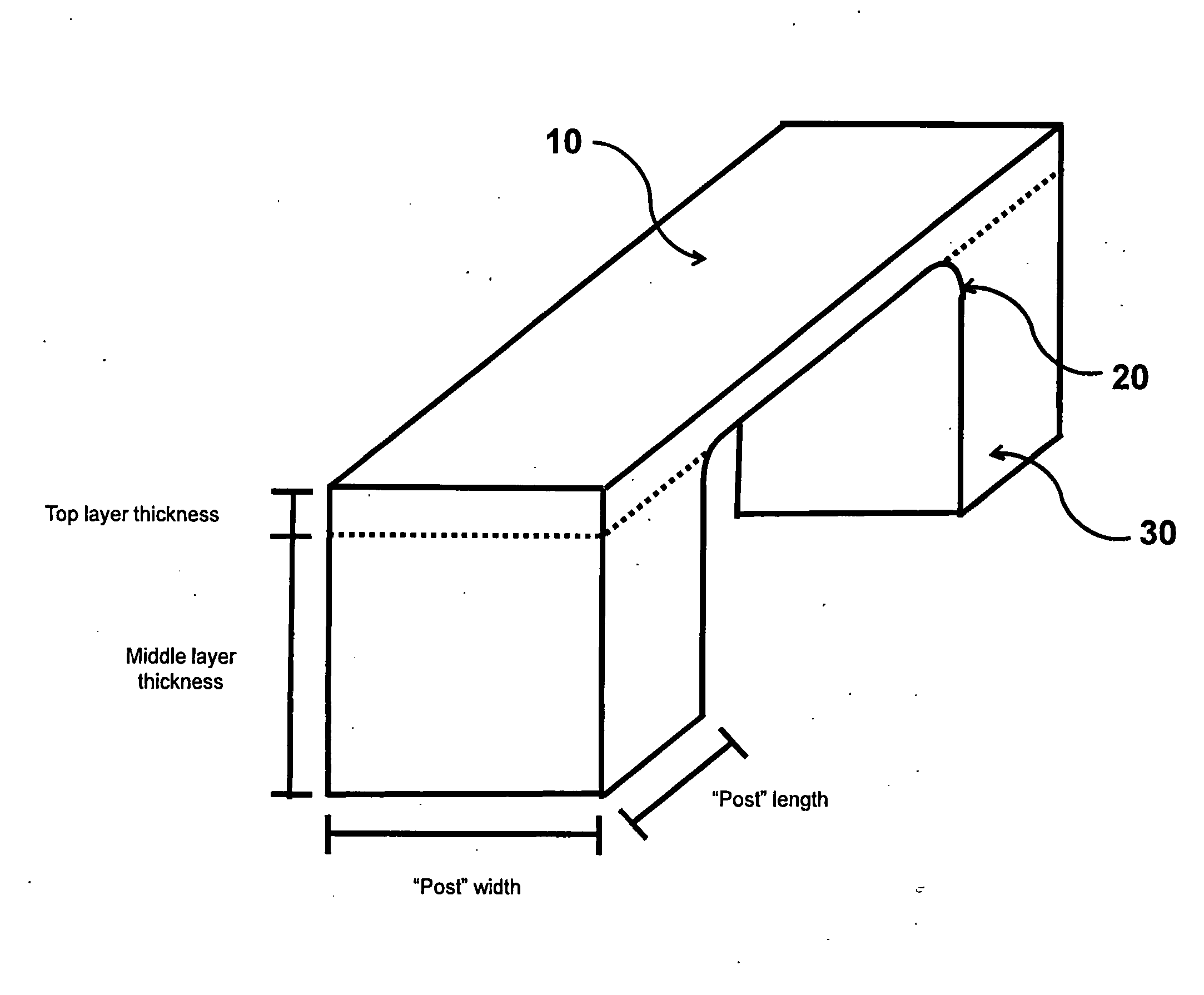
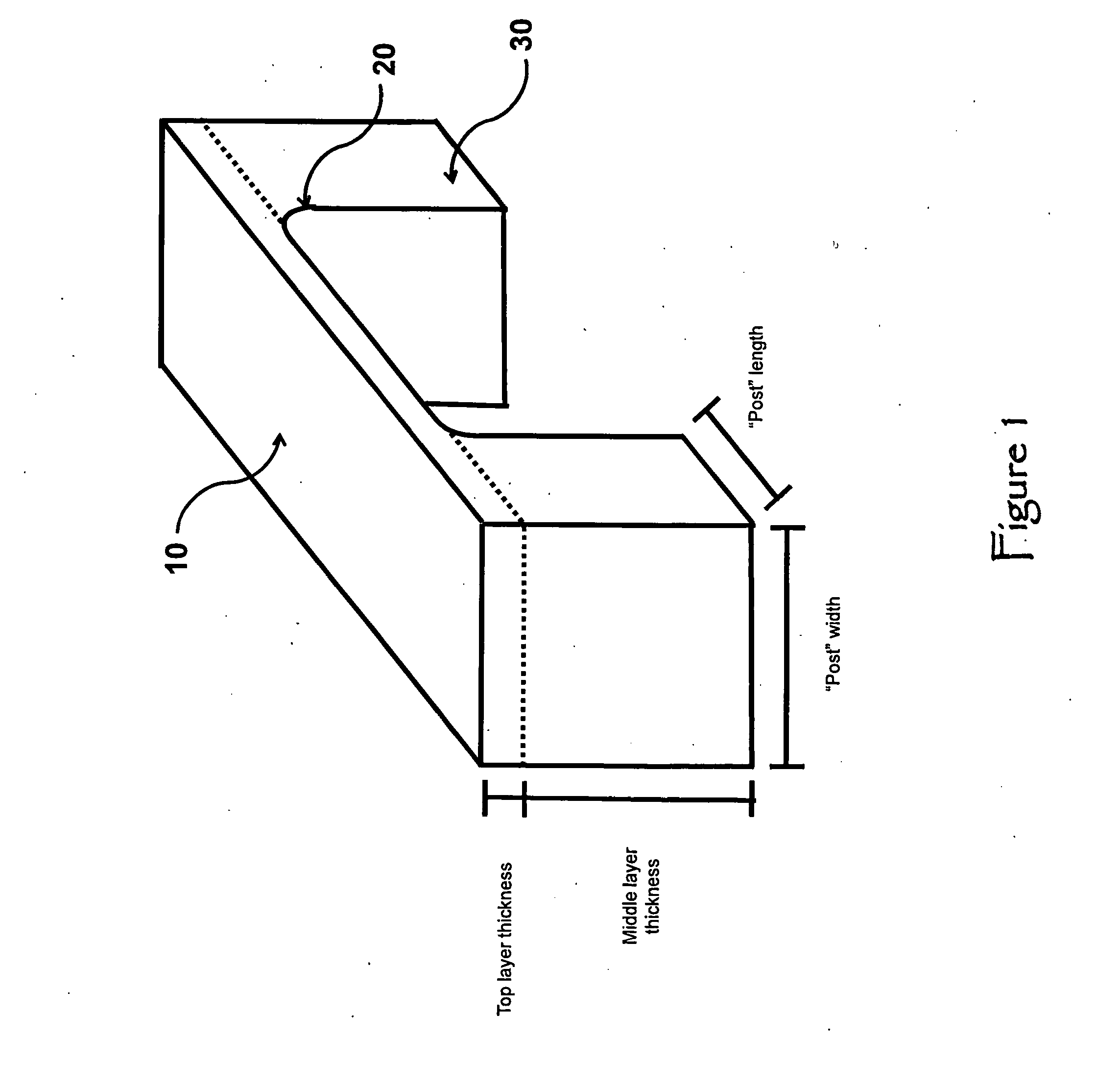
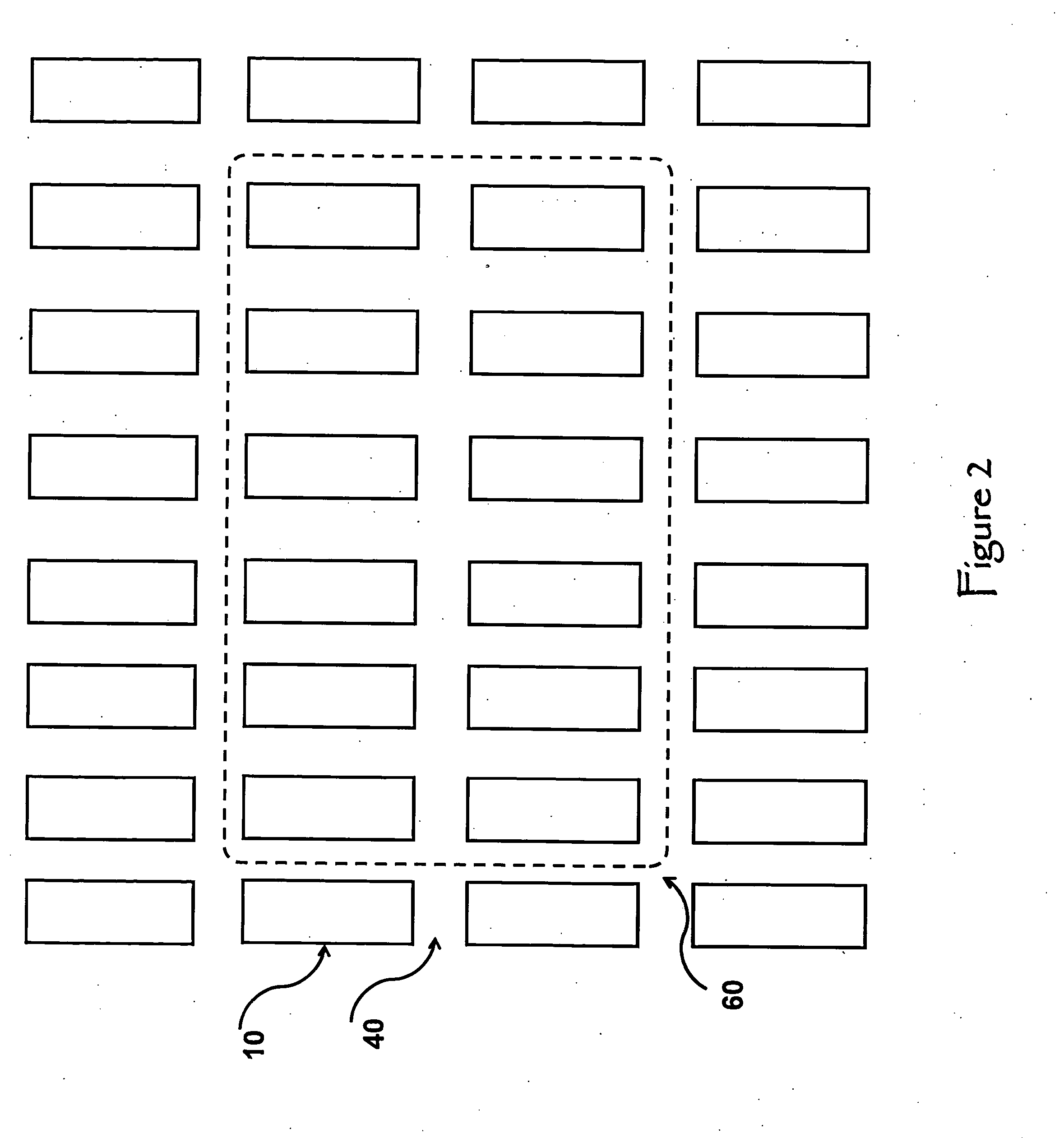
- A multi-layer superconducting nanowire photon detector architecture is introduced, featuring a substrate layer, an insulating layer, and a detection layer with pixelated nanowire elements, allowing for electrical isolation and efficient interconnection, which enables a two-dimensional array of short nanowire sections to improve number resolution, reset time, and fill factor while minimizing current crowding.

Single photon detector for regulating superconducting NANO wire and preparation method therefor
PatentWO2019091045A1
Innovation
- By introducing stress into the superconducting nanowires, the ion implantation process is used to form a stressed superconducting nanowire structure, and the critical temperature Tc of the material is controlled, thereby improving the intrinsic detection efficiency of the device.


Cryogenic Environmental Factors Impact Assessment
The cryogenic environment in which Superconducting Nanowire Single-Photon Detectors (SNSPDs) operate introduces unique challenges that significantly impact their aging characteristics and long-term stability. Operating at temperatures typically below 4K, these detectors are subject to various environmental factors that must be thoroughly assessed to develop effective testing procedures.
Temperature fluctuations, even at the millikelvin scale, can dramatically affect SNSPD performance metrics including detection efficiency, dark count rate, and timing jitter. Research indicates that thermal cycling between room temperature and cryogenic conditions creates mechanical stress at material interfaces due to differential thermal expansion coefficients, potentially leading to delamination or microcrack formation in the nanowire structure over time.
Vacuum quality within the cryostat represents another critical factor. Residual gas molecules can condense on the cold SNSPD surface, forming thin films that alter the superconducting properties of the nanowires. Studies have shown that even partial pressure variations of common gases like water vapor, nitrogen, or helium can modify the effective critical temperature and switching current of the devices, necessitating ultra-high vacuum conditions for reliable long-term operation.
Electromagnetic interference (EMI) at cryogenic temperatures presents unique challenges compared to room temperature environments. The reduced thermal noise floor makes SNSPDs particularly susceptible to external RF signals and ground loops. Comprehensive EMI shielding strategies must be incorporated into aging test protocols, as electromagnetic disturbances can accelerate degradation mechanisms through localized heating or current concentration effects.
Radiation exposure constitutes an often overlooked environmental factor. Background radiation, including cosmic rays and environmental radioactivity, can create localized heating events in the nanowires. These events may not cause immediate failure but can contribute to cumulative damage over extended operation periods. Quantifying this effect requires specialized testing chambers with controlled radiation environments.
Mechanical vibrations transmitted through cryostat components represent another significant concern. Cryocooler-induced vibrations can cause subtle mechanical fatigue in nanowire structures and electrical connections. Advanced vibration isolation systems and accelerometer monitoring should be integrated into long-term stability testing protocols to quantify and mitigate these effects.
The interaction between these environmental factors often produces complex, non-linear aging behaviors that cannot be predicted by considering each factor in isolation. A comprehensive testing approach must therefore incorporate multi-parameter monitoring and controlled variation of environmental conditions to develop accurate predictive models for SNSPD lifetime under various operational scenarios.
Temperature fluctuations, even at the millikelvin scale, can dramatically affect SNSPD performance metrics including detection efficiency, dark count rate, and timing jitter. Research indicates that thermal cycling between room temperature and cryogenic conditions creates mechanical stress at material interfaces due to differential thermal expansion coefficients, potentially leading to delamination or microcrack formation in the nanowire structure over time.
Vacuum quality within the cryostat represents another critical factor. Residual gas molecules can condense on the cold SNSPD surface, forming thin films that alter the superconducting properties of the nanowires. Studies have shown that even partial pressure variations of common gases like water vapor, nitrogen, or helium can modify the effective critical temperature and switching current of the devices, necessitating ultra-high vacuum conditions for reliable long-term operation.
Electromagnetic interference (EMI) at cryogenic temperatures presents unique challenges compared to room temperature environments. The reduced thermal noise floor makes SNSPDs particularly susceptible to external RF signals and ground loops. Comprehensive EMI shielding strategies must be incorporated into aging test protocols, as electromagnetic disturbances can accelerate degradation mechanisms through localized heating or current concentration effects.
Radiation exposure constitutes an often overlooked environmental factor. Background radiation, including cosmic rays and environmental radioactivity, can create localized heating events in the nanowires. These events may not cause immediate failure but can contribute to cumulative damage over extended operation periods. Quantifying this effect requires specialized testing chambers with controlled radiation environments.
Mechanical vibrations transmitted through cryostat components represent another significant concern. Cryocooler-induced vibrations can cause subtle mechanical fatigue in nanowire structures and electrical connections. Advanced vibration isolation systems and accelerometer monitoring should be integrated into long-term stability testing protocols to quantify and mitigate these effects.
The interaction between these environmental factors often produces complex, non-linear aging behaviors that cannot be predicted by considering each factor in isolation. A comprehensive testing approach must therefore incorporate multi-parameter monitoring and controlled variation of environmental conditions to develop accurate predictive models for SNSPD lifetime under various operational scenarios.
Standardization Efforts for SNSPD Reliability Metrics
The standardization of reliability metrics for Superconducting Nanowire Single Photon Detectors (SNSPDs) represents a critical frontier in quantum technology development. Currently, the field lacks unified protocols for evaluating SNSPD aging characteristics and long-term stability, creating challenges for technology comparison and quality assurance across different research groups and manufacturers.
Several international organizations have begun addressing this standardization gap. The International Electrotechnical Commission (IEC) Technical Committee 90 on Superconductivity has initiated working groups focused specifically on quantum photonic devices, with SNSPD reliability metrics being a key consideration. Similarly, the IEEE Quantum Electronics and Photonics Society has established task forces to develop standardized testing procedures for quantum photon detectors.
These standardization efforts primarily focus on establishing consensus regarding key performance parameters that should be monitored during aging tests. Detection efficiency stability, dark count rate evolution, timing jitter consistency, and recovery time degradation have emerged as the four fundamental metrics requiring standardized measurement protocols. The challenge lies in defining not only how these parameters should be measured but also under what environmental conditions and operational parameters.
Recent workshops, including the 2022 International Conference on Quantum Detection Technologies, have produced preliminary guidelines suggesting minimum testing durations of 1000 hours for commercial devices and standardized environmental cycling procedures. These guidelines recommend temperature cycling between operating temperature and room temperature at specified intervals to accelerate potential aging mechanisms.
Industry-academia collaborations have proven particularly valuable in these standardization efforts. The Quantum Photonics Industry Consortium has established a certification framework that incorporates reliability metrics as a central component, with several leading SNSPD manufacturers voluntarily adopting these standards ahead of formal ratification.
Documentation standards represent another crucial aspect of these efforts. Proposed reliability reporting templates include detailed sections for documenting testing conditions, measurement uncertainties, and statistical analysis methods. This documentation standardization ensures that reliability data can be meaningfully compared across different research publications and product specifications.
The timeline for full implementation of these standards remains fluid, with most experts anticipating finalized international standards within the next 24-36 months. Early adopters of these emerging standards have reported significant benefits, including improved customer confidence and more efficient qualification processes for space and defense applications where long-term stability is paramount.
Several international organizations have begun addressing this standardization gap. The International Electrotechnical Commission (IEC) Technical Committee 90 on Superconductivity has initiated working groups focused specifically on quantum photonic devices, with SNSPD reliability metrics being a key consideration. Similarly, the IEEE Quantum Electronics and Photonics Society has established task forces to develop standardized testing procedures for quantum photon detectors.
These standardization efforts primarily focus on establishing consensus regarding key performance parameters that should be monitored during aging tests. Detection efficiency stability, dark count rate evolution, timing jitter consistency, and recovery time degradation have emerged as the four fundamental metrics requiring standardized measurement protocols. The challenge lies in defining not only how these parameters should be measured but also under what environmental conditions and operational parameters.
Recent workshops, including the 2022 International Conference on Quantum Detection Technologies, have produced preliminary guidelines suggesting minimum testing durations of 1000 hours for commercial devices and standardized environmental cycling procedures. These guidelines recommend temperature cycling between operating temperature and room temperature at specified intervals to accelerate potential aging mechanisms.
Industry-academia collaborations have proven particularly valuable in these standardization efforts. The Quantum Photonics Industry Consortium has established a certification framework that incorporates reliability metrics as a central component, with several leading SNSPD manufacturers voluntarily adopting these standards ahead of formal ratification.
Documentation standards represent another crucial aspect of these efforts. Proposed reliability reporting templates include detailed sections for documenting testing conditions, measurement uncertainties, and statistical analysis methods. This documentation standardization ensures that reliability data can be meaningfully compared across different research publications and product specifications.
The timeline for full implementation of these standards remains fluid, with most experts anticipating finalized international standards within the next 24-36 months. Early adopters of these emerging standards have reported significant benefits, including improved customer confidence and more efficient qualification processes for space and defense applications where long-term stability is paramount.
Unlock deeper insights with PatSnap Eureka Quick Research — get a full tech report to explore trends and direct your research. Try now!
Generate Your Research Report Instantly with AI Agent
Supercharge your innovation with PatSnap Eureka AI Agent Platform!