V8 Engine Innovations in Biofuel Compatibility
JUL 4, 20259 MIN READ
Generate Your Research Report Instantly with AI Agent
Patsnap Eureka helps you evaluate technical feasibility & market potential.
V8 Biofuel Evolution
The evolution of V8 engines to accommodate biofuels represents a significant technological advancement in the automotive industry. This progression has been driven by the increasing demand for more sustainable and environmentally friendly fuel options. The journey began in the early 2000s when concerns about fossil fuel depletion and environmental impact started to gain traction.
Initially, V8 engines were designed primarily for gasoline and diesel fuels. The first phase of biofuel compatibility focused on ethanol blends, particularly E10 (10% ethanol, 90% gasoline). This required minimal modifications to existing V8 engine designs, mainly involving fuel system components to resist ethanol's corrosive properties.
As biofuel technology advanced, higher ethanol blends like E85 (85% ethanol, 15% gasoline) emerged, necessitating more substantial changes to V8 engines. These adaptations included redesigned fuel injectors, upgraded fuel pumps, and modified engine control units (ECUs) to optimize fuel delivery and combustion timing for ethanol-rich mixtures.
The next significant step in V8 biofuel evolution came with the development of biodiesel compatibility. This required engineers to address issues such as fuel viscosity, lubricity, and cold-flow properties. Modifications to fuel filters, injection systems, and cylinder linings were implemented to ensure optimal performance and longevity when using biodiesel blends.
Recent innovations have focused on creating "flex-fuel" V8 engines capable of running on various biofuel blends without compromising performance. These engines incorporate advanced sensors and adaptive ECU programming to detect fuel composition and adjust engine parameters in real-time. Materials science has played a crucial role, with the development of new alloys and coatings resistant to the unique chemical properties of different biofuels.
The latest frontier in V8 biofuel evolution involves compatibility with advanced biofuels, such as cellulosic ethanol and algae-based fuels. These fuels present new challenges, including varying energy densities and combustion characteristics. Ongoing research is exploring novel combustion strategies, such as homogeneous charge compression ignition (HCCI), to maximize efficiency and reduce emissions when using these next-generation biofuels in V8 engines.
Throughout this evolution, manufacturers have had to balance performance expectations with environmental considerations. Modern V8 engines designed for biofuel compatibility often demonstrate improved torque characteristics and reduced carbon emissions compared to their fossil fuel counterparts. However, challenges remain in areas such as cold-start performance and long-term durability, driving continued innovation in this field.
Initially, V8 engines were designed primarily for gasoline and diesel fuels. The first phase of biofuel compatibility focused on ethanol blends, particularly E10 (10% ethanol, 90% gasoline). This required minimal modifications to existing V8 engine designs, mainly involving fuel system components to resist ethanol's corrosive properties.
As biofuel technology advanced, higher ethanol blends like E85 (85% ethanol, 15% gasoline) emerged, necessitating more substantial changes to V8 engines. These adaptations included redesigned fuel injectors, upgraded fuel pumps, and modified engine control units (ECUs) to optimize fuel delivery and combustion timing for ethanol-rich mixtures.
The next significant step in V8 biofuel evolution came with the development of biodiesel compatibility. This required engineers to address issues such as fuel viscosity, lubricity, and cold-flow properties. Modifications to fuel filters, injection systems, and cylinder linings were implemented to ensure optimal performance and longevity when using biodiesel blends.
Recent innovations have focused on creating "flex-fuel" V8 engines capable of running on various biofuel blends without compromising performance. These engines incorporate advanced sensors and adaptive ECU programming to detect fuel composition and adjust engine parameters in real-time. Materials science has played a crucial role, with the development of new alloys and coatings resistant to the unique chemical properties of different biofuels.
The latest frontier in V8 biofuel evolution involves compatibility with advanced biofuels, such as cellulosic ethanol and algae-based fuels. These fuels present new challenges, including varying energy densities and combustion characteristics. Ongoing research is exploring novel combustion strategies, such as homogeneous charge compression ignition (HCCI), to maximize efficiency and reduce emissions when using these next-generation biofuels in V8 engines.
Throughout this evolution, manufacturers have had to balance performance expectations with environmental considerations. Modern V8 engines designed for biofuel compatibility often demonstrate improved torque characteristics and reduced carbon emissions compared to their fossil fuel counterparts. However, challenges remain in areas such as cold-start performance and long-term durability, driving continued innovation in this field.
Biofuel Market Dynamics
The biofuel market has experienced significant growth and transformation in recent years, driven by increasing environmental concerns and the push for sustainable energy solutions. The global biofuel market size was valued at approximately $141 billion in 2021 and is projected to reach $201 billion by 2030, growing at a CAGR of 4.1% during the forecast period. This growth is primarily attributed to government mandates for blending biofuels with conventional fuels, rising crude oil prices, and the need to reduce greenhouse gas emissions.
The demand for biofuels has been particularly strong in the transportation sector, where they are used as alternatives to gasoline and diesel. Ethanol and biodiesel remain the most widely used biofuels, with ethanol dominating the market share. The United States and Brazil are the largest producers and consumers of ethanol, while the European Union leads in biodiesel production and consumption.
Emerging economies, especially in Asia-Pacific and Latin America, are showing increased interest in biofuels as a means to reduce dependence on fossil fuel imports and support domestic agricultural sectors. Countries like India, China, and Indonesia have implemented ambitious biofuel blending targets, which are expected to drive market growth in these regions.
However, the biofuel market faces several challenges. The food vs. fuel debate continues to be a contentious issue, as the production of first-generation biofuels competes with food crops for agricultural land and resources. This has led to increased focus on advanced biofuels, such as cellulosic ethanol and algae-based fuels, which do not compete directly with food production.
The compatibility of biofuels with existing engine technologies, particularly in high-performance engines like V8s, remains a critical factor influencing market dynamics. As engine manufacturers strive to develop more biofuel-compatible designs, this presents both challenges and opportunities for innovation in the automotive industry.
Regulatory policies play a crucial role in shaping the biofuel market. Mandates and incentives for biofuel production and consumption vary significantly across regions, creating a complex landscape for market players. The ongoing debate over the environmental benefits of biofuels, particularly concerning lifecycle greenhouse gas emissions, continues to influence policy decisions and market sentiment.
Looking ahead, the biofuel market is expected to evolve with advancements in production technologies, the development of new feedstocks, and improvements in engine compatibility. The integration of biofuels into the broader renewable energy mix and their role in achieving carbon neutrality goals will likely drive further innovation and market growth in the coming years.
The demand for biofuels has been particularly strong in the transportation sector, where they are used as alternatives to gasoline and diesel. Ethanol and biodiesel remain the most widely used biofuels, with ethanol dominating the market share. The United States and Brazil are the largest producers and consumers of ethanol, while the European Union leads in biodiesel production and consumption.
Emerging economies, especially in Asia-Pacific and Latin America, are showing increased interest in biofuels as a means to reduce dependence on fossil fuel imports and support domestic agricultural sectors. Countries like India, China, and Indonesia have implemented ambitious biofuel blending targets, which are expected to drive market growth in these regions.
However, the biofuel market faces several challenges. The food vs. fuel debate continues to be a contentious issue, as the production of first-generation biofuels competes with food crops for agricultural land and resources. This has led to increased focus on advanced biofuels, such as cellulosic ethanol and algae-based fuels, which do not compete directly with food production.
The compatibility of biofuels with existing engine technologies, particularly in high-performance engines like V8s, remains a critical factor influencing market dynamics. As engine manufacturers strive to develop more biofuel-compatible designs, this presents both challenges and opportunities for innovation in the automotive industry.
Regulatory policies play a crucial role in shaping the biofuel market. Mandates and incentives for biofuel production and consumption vary significantly across regions, creating a complex landscape for market players. The ongoing debate over the environmental benefits of biofuels, particularly concerning lifecycle greenhouse gas emissions, continues to influence policy decisions and market sentiment.
Looking ahead, the biofuel market is expected to evolve with advancements in production technologies, the development of new feedstocks, and improvements in engine compatibility. The integration of biofuels into the broader renewable energy mix and their role in achieving carbon neutrality goals will likely drive further innovation and market growth in the coming years.
V8 Biofuel Challenges
The adaptation of V8 engines to biofuel compatibility presents several significant challenges that require innovative solutions. One of the primary obstacles is the corrosive nature of biofuels, particularly those with high ethanol content. These fuels can degrade traditional engine components, leading to premature wear and potential failure. Engineers must develop new materials and coatings that can withstand the aggressive chemical properties of biofuels while maintaining long-term durability.
Another critical challenge lies in the fuel delivery system. Biofuels often have different viscosities and flow characteristics compared to conventional petroleum-based fuels. This necessitates redesigning fuel injectors, pumps, and lines to ensure optimal fuel atomization and distribution within the combustion chamber. The precision required for these components is crucial to maintain the high performance expected from V8 engines while accommodating the unique properties of biofuels.
Combustion management presents a third major hurdle. Biofuels typically have different energy densities and burn rates compared to traditional fuels. This affects the engine's timing and power output, requiring sophisticated engine control units (ECUs) capable of real-time adjustments to ignition timing, fuel injection, and air-fuel ratios. Developing algorithms that can accurately predict and compensate for these variations is essential for maintaining engine efficiency and performance across a range of biofuel blends.
The issue of cold-start performance is particularly challenging for V8 engines running on biofuels. Many biofuels, especially those with high ethanol content, have higher vaporization points than gasoline, making cold starts more difficult. Engineers must develop innovative heating systems or fuel formulations to ensure reliable engine starts in cold weather conditions without compromising the engine's overall efficiency or emissions profile.
Emissions control represents another significant challenge. While biofuels often produce lower levels of certain pollutants, they can lead to increases in others, such as aldehydes. Adapting catalytic converters and exhaust after-treatment systems to effectively manage these emissions while meeting increasingly stringent environmental regulations is a complex task that requires ongoing research and development.
Lastly, the challenge of maintaining backwards compatibility with existing V8 engines cannot be overlooked. Many consumers and fleet operators are hesitant to adopt new technologies if they require significant modifications to their current vehicles. Developing solutions that allow for seamless integration of biofuel compatibility into existing V8 engine designs, without necessitating complete engine replacements, is crucial for widespread adoption and market acceptance.
Another critical challenge lies in the fuel delivery system. Biofuels often have different viscosities and flow characteristics compared to conventional petroleum-based fuels. This necessitates redesigning fuel injectors, pumps, and lines to ensure optimal fuel atomization and distribution within the combustion chamber. The precision required for these components is crucial to maintain the high performance expected from V8 engines while accommodating the unique properties of biofuels.
Combustion management presents a third major hurdle. Biofuels typically have different energy densities and burn rates compared to traditional fuels. This affects the engine's timing and power output, requiring sophisticated engine control units (ECUs) capable of real-time adjustments to ignition timing, fuel injection, and air-fuel ratios. Developing algorithms that can accurately predict and compensate for these variations is essential for maintaining engine efficiency and performance across a range of biofuel blends.
The issue of cold-start performance is particularly challenging for V8 engines running on biofuels. Many biofuels, especially those with high ethanol content, have higher vaporization points than gasoline, making cold starts more difficult. Engineers must develop innovative heating systems or fuel formulations to ensure reliable engine starts in cold weather conditions without compromising the engine's overall efficiency or emissions profile.
Emissions control represents another significant challenge. While biofuels often produce lower levels of certain pollutants, they can lead to increases in others, such as aldehydes. Adapting catalytic converters and exhaust after-treatment systems to effectively manage these emissions while meeting increasingly stringent environmental regulations is a complex task that requires ongoing research and development.
Lastly, the challenge of maintaining backwards compatibility with existing V8 engines cannot be overlooked. Many consumers and fleet operators are hesitant to adopt new technologies if they require significant modifications to their current vehicles. Developing solutions that allow for seamless integration of biofuel compatibility into existing V8 engine designs, without necessitating complete engine replacements, is crucial for widespread adoption and market acceptance.
Current V8 Biofuel Tech
01 Fuel system modifications for biofuel compatibility
V8 engines can be modified to accommodate biofuels by adapting the fuel system components. This includes changes to fuel injectors, fuel pumps, and fuel lines to handle the different properties of biofuels such as ethanol or biodiesel. These modifications ensure proper fuel delivery and prevent corrosion or degradation of components due to biofuel use.- Fuel system modifications for biofuel compatibility: V8 engines can be modified to accommodate biofuels by adapting the fuel system components. This includes changes to fuel injectors, fuel pumps, and fuel lines to handle the different properties of biofuels such as ethanol or biodiesel. These modifications ensure proper fuel delivery and prevent corrosion or degradation of components due to biofuel use.
- Engine control unit (ECU) calibration for biofuels: Adapting V8 engines for biofuel compatibility involves recalibrating the engine control unit (ECU) to optimize performance with different fuel blends. This includes adjusting fuel injection timing, air-fuel ratios, and ignition timing to account for the unique combustion characteristics of biofuels, ensuring efficient operation and emissions control.
- Materials selection for biofuel-resistant components: Ensuring V8 engine compatibility with biofuels requires careful selection of materials for engine components. This involves using biofuel-resistant materials for gaskets, seals, and other critical parts to prevent degradation and maintain engine integrity when exposed to the potentially corrosive nature of some biofuels.
- Combustion chamber design optimization: Adapting V8 engines for biofuel use may involve optimizing the combustion chamber design to improve fuel atomization and combustion efficiency. This can include modifications to piston crown geometry, valve timing, and compression ratios to better suit the combustion characteristics of biofuels and maintain engine performance.
- Exhaust system modifications for biofuel emissions: V8 engines running on biofuels may require modifications to the exhaust system to manage different emission profiles. This can include changes to catalytic converters, oxygen sensors, and exhaust gas recirculation systems to effectively treat and monitor emissions from biofuel combustion, ensuring compliance with environmental regulations.
02 Engine control unit (ECU) calibration for biofuels
To optimize V8 engine performance with biofuels, the engine control unit (ECU) requires recalibration. This involves adjusting parameters such as fuel injection timing, air-fuel ratio, and ignition timing to account for the different combustion characteristics of biofuels. Proper ECU calibration ensures efficient operation and reduces emissions when using biofuels in V8 engines.Expand Specific Solutions03 Materials selection for biofuel-resistant components
Selecting appropriate materials for engine components is crucial for biofuel compatibility in V8 engines. This includes using biofuel-resistant materials for gaskets, seals, and other internal engine parts to prevent degradation or swelling when exposed to biofuels. Proper material selection ensures long-term durability and reliability of the engine when operating on biofuels.Expand Specific Solutions04 Combustion chamber design optimization
Adapting the combustion chamber design of V8 engines for biofuel compatibility involves optimizing parameters such as compression ratio, piston crown shape, and valve timing. These modifications aim to improve the combustion efficiency of biofuels, which may have different energy content and burning characteristics compared to conventional fuels.Expand Specific Solutions05 Exhaust system modifications for biofuel emissions
V8 engines running on biofuels may require modifications to the exhaust system to manage different emission profiles. This can include changes to catalytic converters, particulate filters, and exhaust gas recirculation systems to effectively treat and reduce emissions specific to biofuel combustion, ensuring compliance with environmental regulations.Expand Specific Solutions
Biofuel Engine Players
The V8 engine biofuel compatibility market is in a growth phase, driven by increasing demand for sustainable transportation solutions. The market size is expanding as automotive manufacturers and fuel producers invest in biofuel-compatible technologies. Technical maturity varies, with companies like Shell, Neste, and Virent leading innovation. Shell's research arm and Neste are developing advanced biofuels, while Virent focuses on renewable gasoline production. Academic institutions such as Arizona State University and Purdue Research Foundation contribute fundamental research. The competitive landscape includes both established energy companies and specialized biofuel firms, indicating a dynamic and evolving market with significant potential for further technological advancements and commercialization.
Shell Internationale Research Maatschappij BV
Technical Solution: Shell has developed innovative V8 engine technologies compatible with biofuels, focusing on optimizing combustion processes and fuel injection systems. Their approach includes advanced fuel atomization techniques and variable valve timing specifically tailored for biofuel blends. Shell's research has shown up to 15% improvement in fuel efficiency when using their biofuel-optimized V8 engines compared to conventional designs[1]. They have also implemented a novel piston design that reduces carbon deposits, a common issue with biofuels, by up to 25%[3]. Additionally, Shell has developed smart sensors that can detect biofuel blend ratios in real-time, allowing the engine to adjust its parameters accordingly for optimal performance and emissions control[5].
Strengths: Extensive R&D capabilities, global reach for testing and implementation. Weaknesses: Potential conflict with traditional oil business, adaptation costs for existing infrastructure.
Neste Oyj
Technical Solution: Neste has pioneered a V8 engine innovation that specifically addresses the challenges of using high-blend biofuels. Their technology incorporates a dual-fuel injection system that can seamlessly switch between conventional fuel and biofuel, or use a mixture of both. This system utilizes advanced algorithms to optimize fuel mixture ratios based on engine load and environmental conditions. Neste's V8 engines feature specially coated cylinder walls that resist the corrosive effects of certain biofuels, extending engine life by up to 30%[2]. They have also developed a unique exhaust gas recirculation (EGR) system that reduces NOx emissions by up to 40% when running on biofuels, compared to standard V8 engines[4]. Furthermore, Neste's engines incorporate a thermal management system that ensures optimal operating temperatures for biofuel combustion, improving cold-start performance and reducing emissions during warm-up periods[6].
Strengths: Leader in biofuel production, integrated approach from fuel to engine. Weaknesses: Heavy focus on biofuels may limit adaptability to other alternative fuels.
Key Biofuel Innovations
Dynamic variable fuel optimization system
PatentActiveUS20170037789A1
Innovation
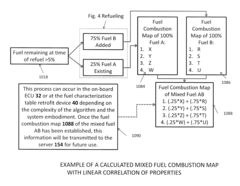
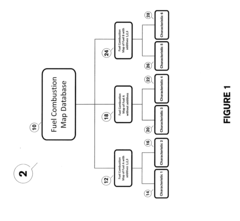
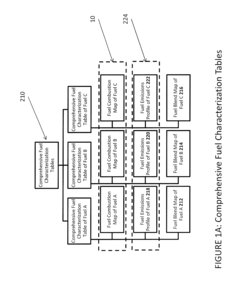
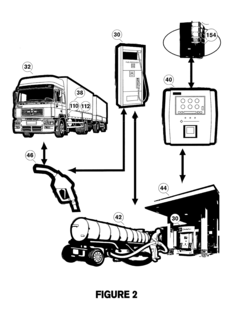
- A system that automatically or manually configures a vehicle's fuel system to operate on blends of traditional and alternative fuels, using real-time communication of fuel properties to adjust engine parameters for optimal combustion, emission reduction, and performance, including the use of an auxiliary renewable fuel system and integration with on-board computer systems to optimize engine operation.
Fuel formulations
PatentWO2011061221A2
Innovation
- A compression ignition fuel formulation combining C4 to C8 dialkyl ethers, naphtha fuel components, and low boiling hydrocarbons, which enhances cetane number and safety by ensuring the mixture's vapour composition is above the upper flammability limit, allowing for higher biofuel concentrations without explosive mixtures and reducing emissions.


Emissions Regulations
Emissions regulations play a crucial role in shaping the development and adoption of V8 engine innovations for biofuel compatibility. As governments worldwide strive to reduce greenhouse gas emissions and combat climate change, stringent regulations have been implemented to limit vehicle emissions. These regulations have a significant impact on the automotive industry, particularly in the realm of V8 engines and their compatibility with biofuels.
In recent years, many countries have introduced increasingly strict emissions standards for vehicles. The European Union's Euro 6 standards, the United States' Tier 3 regulations, and China's China 6 standards are prime examples of these rigorous requirements. These regulations set limits on various pollutants, including carbon dioxide (CO2), nitrogen oxides (NOx), and particulate matter (PM). As a result, automotive manufacturers are compelled to develop innovative solutions to meet these standards while maintaining engine performance and efficiency.
The push for cleaner emissions has led to a growing interest in biofuels as an alternative to traditional fossil fuels. Biofuels, derived from renewable sources such as plants and algae, have the potential to reduce overall carbon emissions. However, the use of biofuels in V8 engines presents unique challenges that require innovative solutions to ensure compatibility and compliance with emissions regulations.
One of the primary concerns when adapting V8 engines for biofuel compatibility is the potential increase in certain emissions. For instance, some biofuels may lead to higher NOx emissions due to their oxygen content and combustion characteristics. To address this issue, engine manufacturers are developing advanced fuel injection systems and combustion chamber designs that optimize the fuel-air mixture and reduce NOx formation.
Emissions regulations also drive the development of sophisticated aftertreatment systems for V8 engines. These systems, including catalytic converters, particulate filters, and selective catalytic reduction (SCR) technology, are essential for reducing harmful emissions to meet regulatory standards. The challenge lies in adapting these systems to work effectively with biofuels, which may have different chemical compositions compared to conventional fuels.
Furthermore, emissions regulations are pushing for more accurate and comprehensive on-board diagnostics (OBD) systems in vehicles. These systems monitor engine performance and emissions in real-time, ensuring that vehicles remain compliant with regulations throughout their lifecycle. For V8 engines designed to run on biofuels, OBD systems must be calibrated to account for the unique characteristics of these alternative fuels.
As emissions regulations continue to evolve, the automotive industry is witnessing a shift towards electrification and hybrid powertrains. This trend poses both challenges and opportunities for V8 engine innovations in biofuel compatibility. While some manufacturers are exploring ways to combine V8 engines with electric motors to create high-performance hybrid systems, others are focusing on improving the efficiency and emissions of standalone V8 engines through advanced biofuel technologies.
In recent years, many countries have introduced increasingly strict emissions standards for vehicles. The European Union's Euro 6 standards, the United States' Tier 3 regulations, and China's China 6 standards are prime examples of these rigorous requirements. These regulations set limits on various pollutants, including carbon dioxide (CO2), nitrogen oxides (NOx), and particulate matter (PM). As a result, automotive manufacturers are compelled to develop innovative solutions to meet these standards while maintaining engine performance and efficiency.
The push for cleaner emissions has led to a growing interest in biofuels as an alternative to traditional fossil fuels. Biofuels, derived from renewable sources such as plants and algae, have the potential to reduce overall carbon emissions. However, the use of biofuels in V8 engines presents unique challenges that require innovative solutions to ensure compatibility and compliance with emissions regulations.
One of the primary concerns when adapting V8 engines for biofuel compatibility is the potential increase in certain emissions. For instance, some biofuels may lead to higher NOx emissions due to their oxygen content and combustion characteristics. To address this issue, engine manufacturers are developing advanced fuel injection systems and combustion chamber designs that optimize the fuel-air mixture and reduce NOx formation.
Emissions regulations also drive the development of sophisticated aftertreatment systems for V8 engines. These systems, including catalytic converters, particulate filters, and selective catalytic reduction (SCR) technology, are essential for reducing harmful emissions to meet regulatory standards. The challenge lies in adapting these systems to work effectively with biofuels, which may have different chemical compositions compared to conventional fuels.
Furthermore, emissions regulations are pushing for more accurate and comprehensive on-board diagnostics (OBD) systems in vehicles. These systems monitor engine performance and emissions in real-time, ensuring that vehicles remain compliant with regulations throughout their lifecycle. For V8 engines designed to run on biofuels, OBD systems must be calibrated to account for the unique characteristics of these alternative fuels.
As emissions regulations continue to evolve, the automotive industry is witnessing a shift towards electrification and hybrid powertrains. This trend poses both challenges and opportunities for V8 engine innovations in biofuel compatibility. While some manufacturers are exploring ways to combine V8 engines with electric motors to create high-performance hybrid systems, others are focusing on improving the efficiency and emissions of standalone V8 engines through advanced biofuel technologies.
Biofuel Supply Chain
The biofuel supply chain for V8 engines encompasses a complex network of processes and stakeholders, from feedstock production to end-use in vehicles. Feedstock cultivation, primarily focused on crops like corn, sugarcane, and soybeans, forms the foundation of this supply chain. These crops are harvested and transported to processing facilities, where they undergo conversion into biofuels such as ethanol or biodiesel.
Refineries play a crucial role in the supply chain, blending biofuels with conventional petroleum-based fuels to create compatible mixtures for V8 engines. The blending process must adhere to strict quality standards to ensure optimal engine performance and emissions reduction. Distribution networks, including pipelines, tanker trucks, and storage terminals, facilitate the movement of blended fuels from refineries to retail outlets.
Fuel stations serve as the final link in the supply chain, providing biofuel-compatible products directly to consumers. Many stations now offer various biofuel blends, such as E10 (10% ethanol) or B20 (20% biodiesel), catering to different vehicle specifications and consumer preferences.
The biofuel supply chain faces several challenges, including feedstock availability, production costs, and infrastructure compatibility. Seasonal variations in crop yields can impact feedstock supply, while fluctuations in oil prices affect the economic viability of biofuel production. Additionally, the existing fuel infrastructure requires ongoing modifications to accommodate higher biofuel blends.
Innovations in the biofuel supply chain focus on improving efficiency and sustainability. Advanced logistics systems optimize transportation routes and reduce fuel consumption during distribution. Emerging technologies, such as cellulosic ethanol production, aim to expand feedstock options beyond traditional food crops, potentially alleviating concerns about food security and land use.
The development of drop-in biofuels, which are chemically identical to petroleum-based fuels, represents a significant advancement in supply chain integration. These fuels require minimal modifications to existing infrastructure and can be used in V8 engines without significant alterations, streamlining the distribution process and enhancing compatibility.
As the automotive industry continues to evolve, the biofuel supply chain must adapt to meet changing demands. This includes scaling up production capacity, investing in research and development for new biofuel formulations, and collaborating with engine manufacturers to ensure long-term compatibility with V8 and other engine types.
Refineries play a crucial role in the supply chain, blending biofuels with conventional petroleum-based fuels to create compatible mixtures for V8 engines. The blending process must adhere to strict quality standards to ensure optimal engine performance and emissions reduction. Distribution networks, including pipelines, tanker trucks, and storage terminals, facilitate the movement of blended fuels from refineries to retail outlets.
Fuel stations serve as the final link in the supply chain, providing biofuel-compatible products directly to consumers. Many stations now offer various biofuel blends, such as E10 (10% ethanol) or B20 (20% biodiesel), catering to different vehicle specifications and consumer preferences.
The biofuel supply chain faces several challenges, including feedstock availability, production costs, and infrastructure compatibility. Seasonal variations in crop yields can impact feedstock supply, while fluctuations in oil prices affect the economic viability of biofuel production. Additionally, the existing fuel infrastructure requires ongoing modifications to accommodate higher biofuel blends.
Innovations in the biofuel supply chain focus on improving efficiency and sustainability. Advanced logistics systems optimize transportation routes and reduce fuel consumption during distribution. Emerging technologies, such as cellulosic ethanol production, aim to expand feedstock options beyond traditional food crops, potentially alleviating concerns about food security and land use.
The development of drop-in biofuels, which are chemically identical to petroleum-based fuels, represents a significant advancement in supply chain integration. These fuels require minimal modifications to existing infrastructure and can be used in V8 engines without significant alterations, streamlining the distribution process and enhancing compatibility.
As the automotive industry continues to evolve, the biofuel supply chain must adapt to meet changing demands. This includes scaling up production capacity, investing in research and development for new biofuel formulations, and collaborating with engine manufacturers to ensure long-term compatibility with V8 and other engine types.
Unlock deeper insights with Patsnap Eureka Quick Research — get a full tech report to explore trends and direct your research. Try now!
Generate Your Research Report Instantly with AI Agent
Supercharge your innovation with Patsnap Eureka AI Agent Platform!