

A screening method for individualized medicine and its application
A drug and drug screening technology, applied in the field of biomedicine, can solve problems that affect individualized drug screening and hinder the development of new individualized drugs, achieve high commercial prospects and practical significance, improve objectivity, and strong practicability
Patent Information
- Authority / Receiving Office
- CN · China
- Patent Type
- Patents(China)
- Current Assignee / Owner
- Publication Date
- 2018-07-17
Smart Images
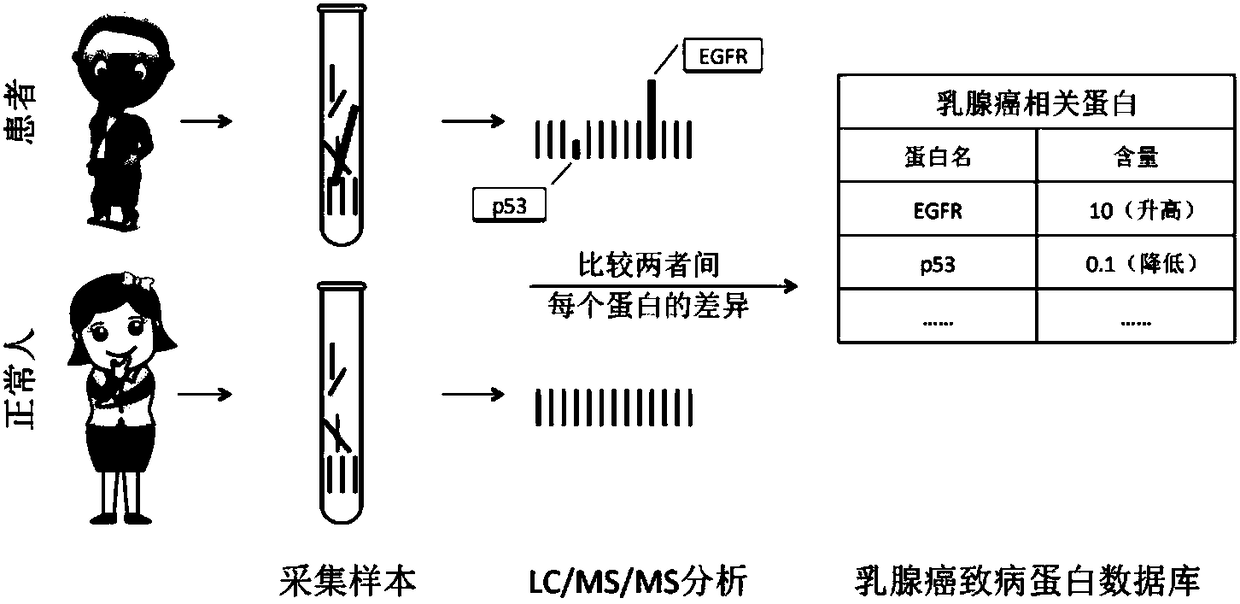
Figure 1 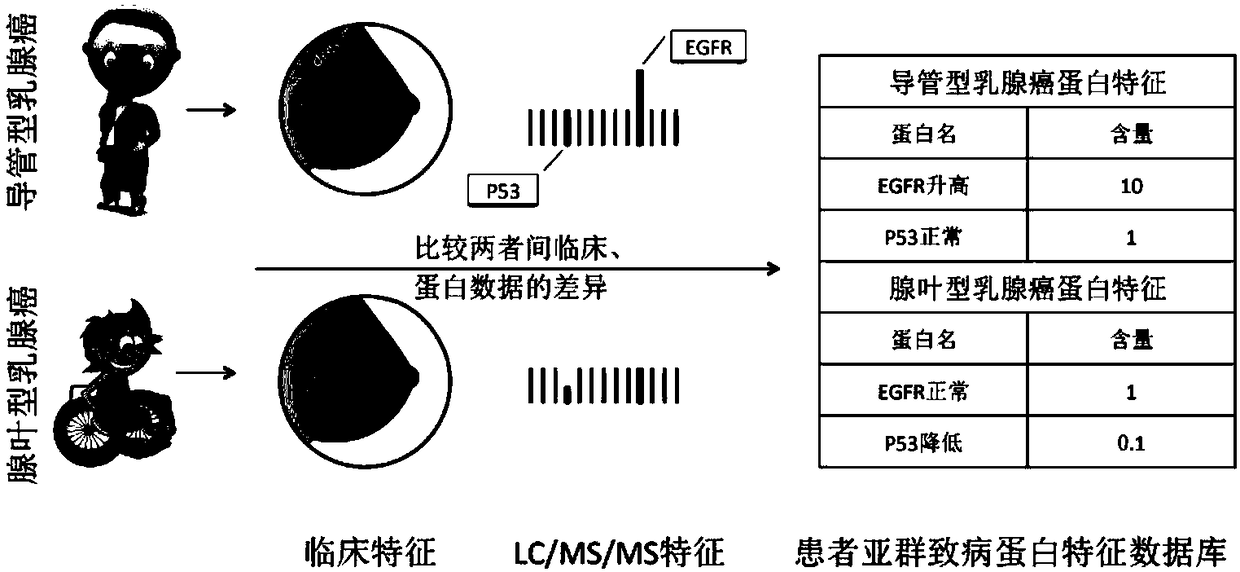
Figure 2 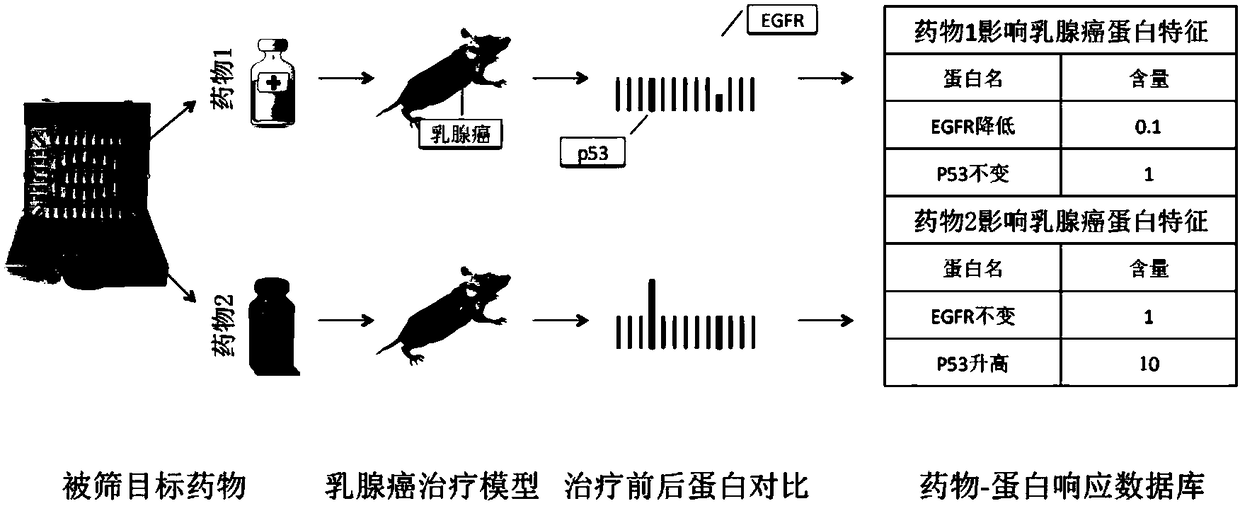
Figure 3
Abstract
Description
technical field
[0001] The invention belongs to the field of biomedicine, and particularly relates to a drug screening method based on protein analysis, and also relates to the method to establish a one-to-one correspondence between different disease characteristics of different patients and different drugs, so that the development and use of new individualized drugs can be based on evidence. Keyi promotes precision medicine. Background technique
[0002] The basis of precision medicine is individualized etiology analysis: precision medicine is to accurately measure and interpret various individualized pathogenic factors (genetic and environmental) of patients, reflect them at the molecular level, and then formulate individualized molecular pathogenic factors. The factor is targeted and individualized treatment.
[0003] The best analysis method for individualized molecular pathogenic factors is protein analysis: the essence of precision medicine is to collect and analyze t...
Examples
Embodiment Construction
[0064] The present invention will be further described below in conjunction with the accompanying drawings.
[0065] A method for screening and verifying individualized medicines, comprising the following steps:
[0066] (1) Construction of disease-related pathogenic protein molecular database: use LC / MS / MS to detect the pathological tissue samples of a certain diseased population and the corresponding tissue samples of the non-diseased population, and compare and analyze the diseased population and the non-diseased population Identify the different protein molecules between the affected population and the non-affected population as the molecular pathogenic factors of the disease, and establish a database of pathogenic protein molecules related to the disease;
[0067] (2) Establishment of the correlation database of patients' individualized clinical course symptoms-protein pathogenic factors response characteristics: analyze the inter-individual differences in the characteris...