
Disaster recovery cloud storage system construction method based on block chain technology
A technology of cloud storage system and construction method, which is applied in the field of disaster recovery cloud storage system construction based on blockchain technology, can solve the problems of centralized platform that consumes a lot of manpower and material resources, has not been realized, and has high operating costs, so as to prevent data leakage or Illegal tampering, improved security, and reduced storage costs
Patent Information
- Authority / Receiving Office
- CN · China
- Current Assignee / Owner
- Publication Date
- 2017-03-22
Smart Images
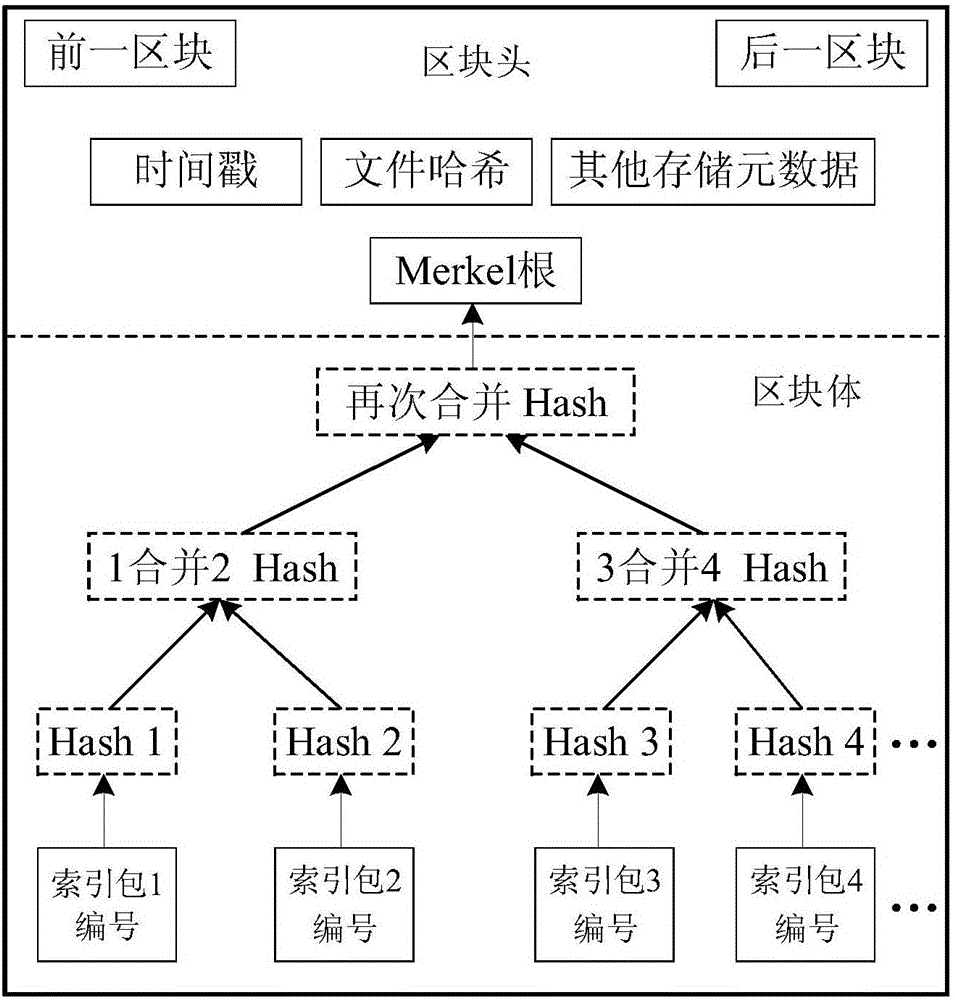
Figure 1 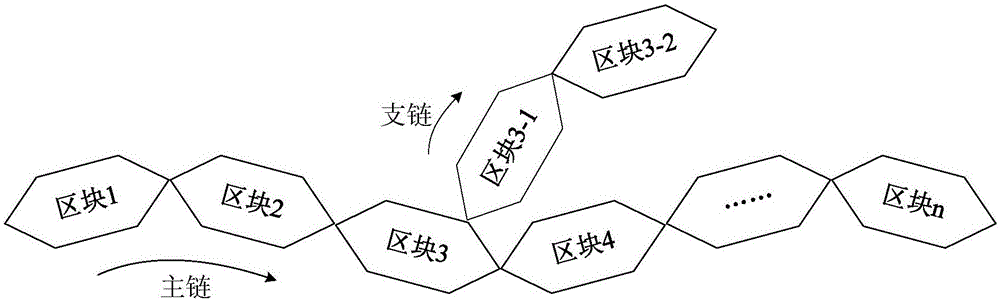
Figure 2 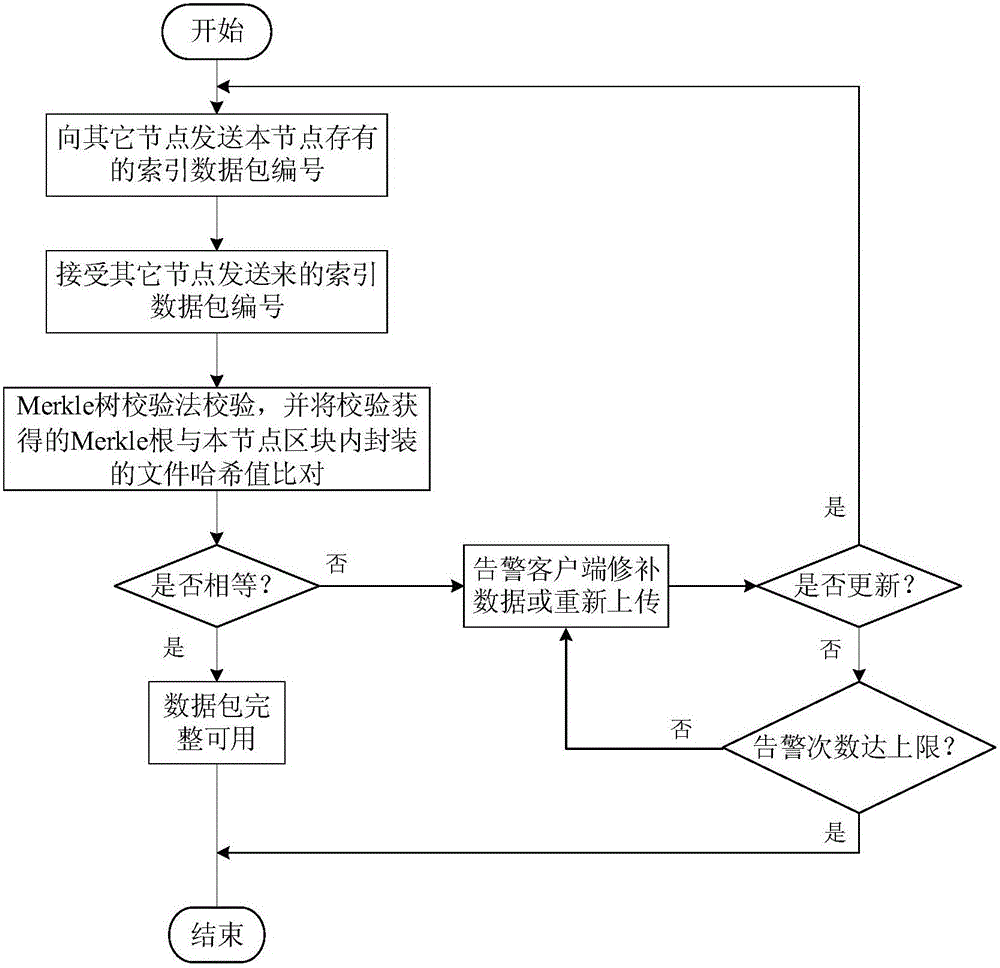
Figure 3
Abstract
Description
technical field
[0001] The invention belongs to the technical field of cloud storage, and in particular relates to a construction method of a disaster recovery cloud storage system based on block chain technology. Background technique
[0002] Cloud storage is an extension of the concept of cloud computing. Similar to cloud computing, cloud storage refers to the collection of a large number of different types of storage devices in the network through virtualization software to work together through cluster applications, grid technology or distributed file systems. Providing external data storage and business access functions is the management and use of virtualized storage resources.
[0003] In recent years, many Internet companies have commercialized cloud storage services, such as Baidu Cloud Disk and 360 Cloud Disk, which are well-known in China. The currently widely used cloud storage system is a typical centralized system, that is, the corresponding Internet company b...
Examples
Embodiment Construction
[0026] In order to describe the present invention more specifically, the technical solutions of the present invention will be described in detail below in conjunction with the accompanying drawings and specific embodiments.
[0027] The present invention is based on the block chain technology disaster recovery cloud storage system construction method, the specific implementation process is as follows:
[0028] (1) Build a distributed autonomous disaster recovery cloud storage system operating framework based on blockchain technology, cancel the centralized platform that exists widely in the current cloud storage system, and realize the direct interaction between storage demand nodes (clients) and network storage nodes, This enables the entire cloud storage system to achieve decentralization and distributed autonomy.
[0029] There are a large number of data storage requirements (clients) in the network and randomly distributed storage devices willing to sell storage space. Whe...