
Membrane structures and their production and use
A membrane structure, zeolite membrane technology, applied in membrane, membrane technology, semi-permeable membrane separation, etc., can solve the problems of laborious and slow methods
Patent Information
- Authority / Receiving Office
- CN · China
- Patent Type
- Applications(China)
- Current Assignee / Owner
- Publication Date
- 2010-02-24
- Estimated Expiration
- Not applicable · inactive patent
Smart Images
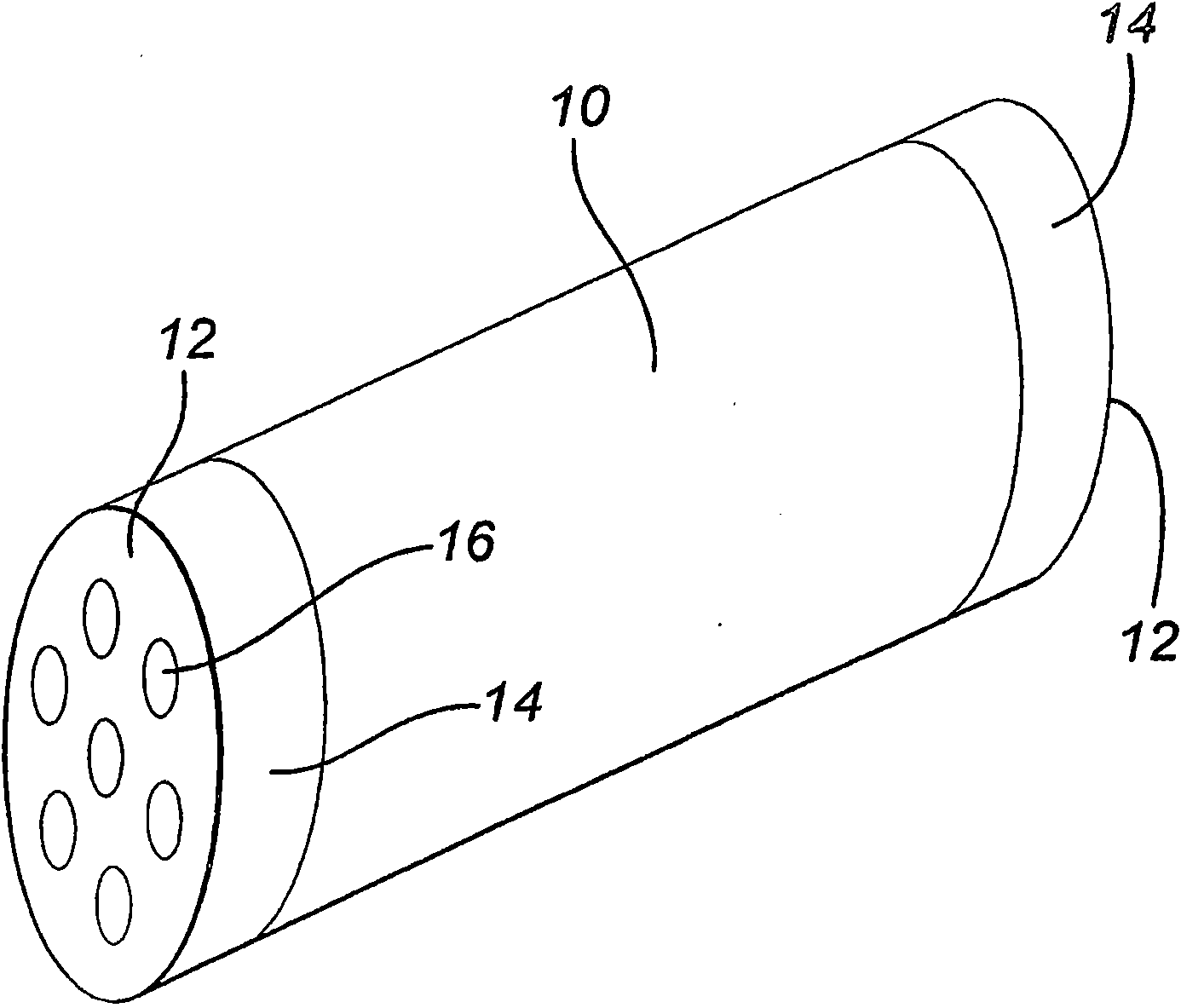
Figure 1 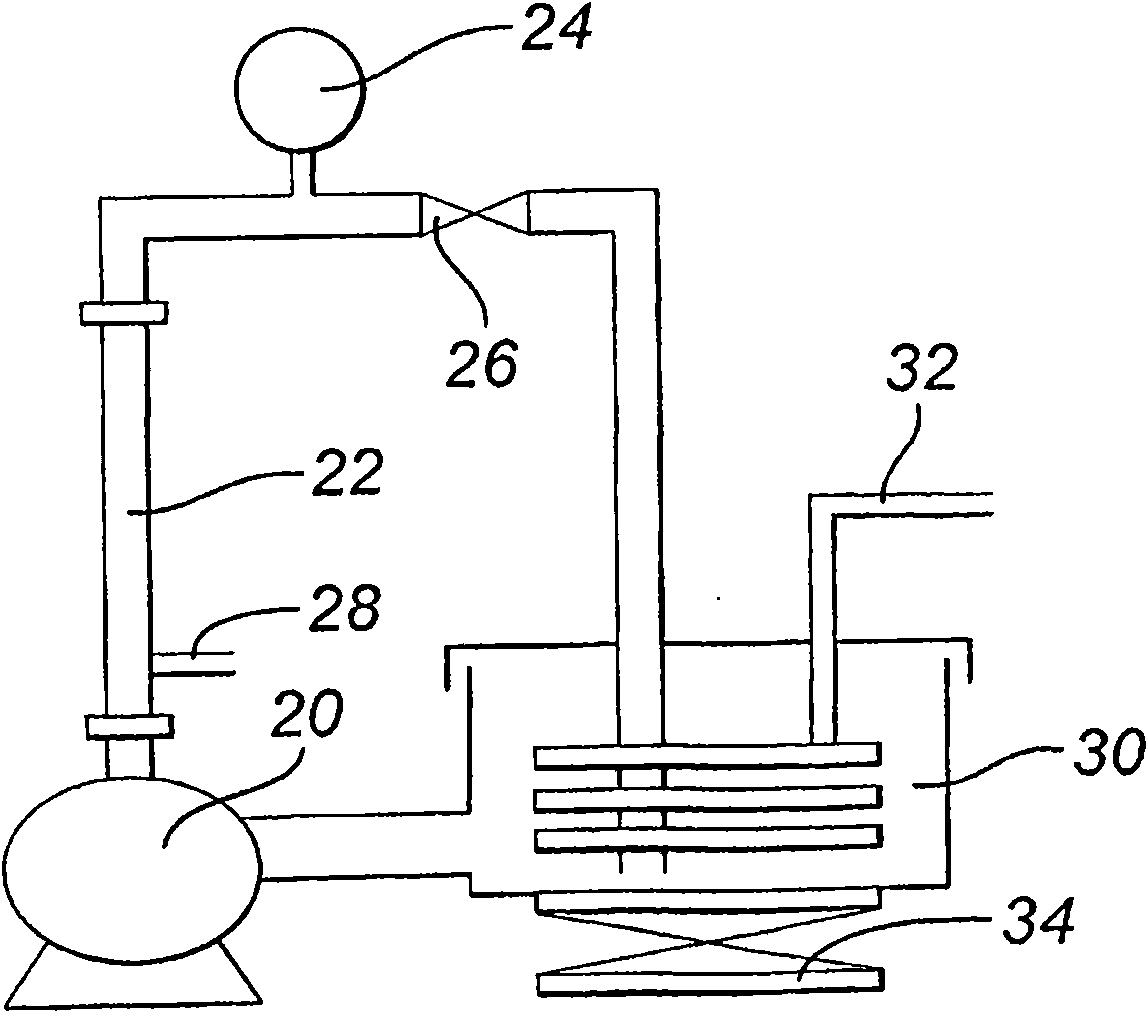
Figure 2 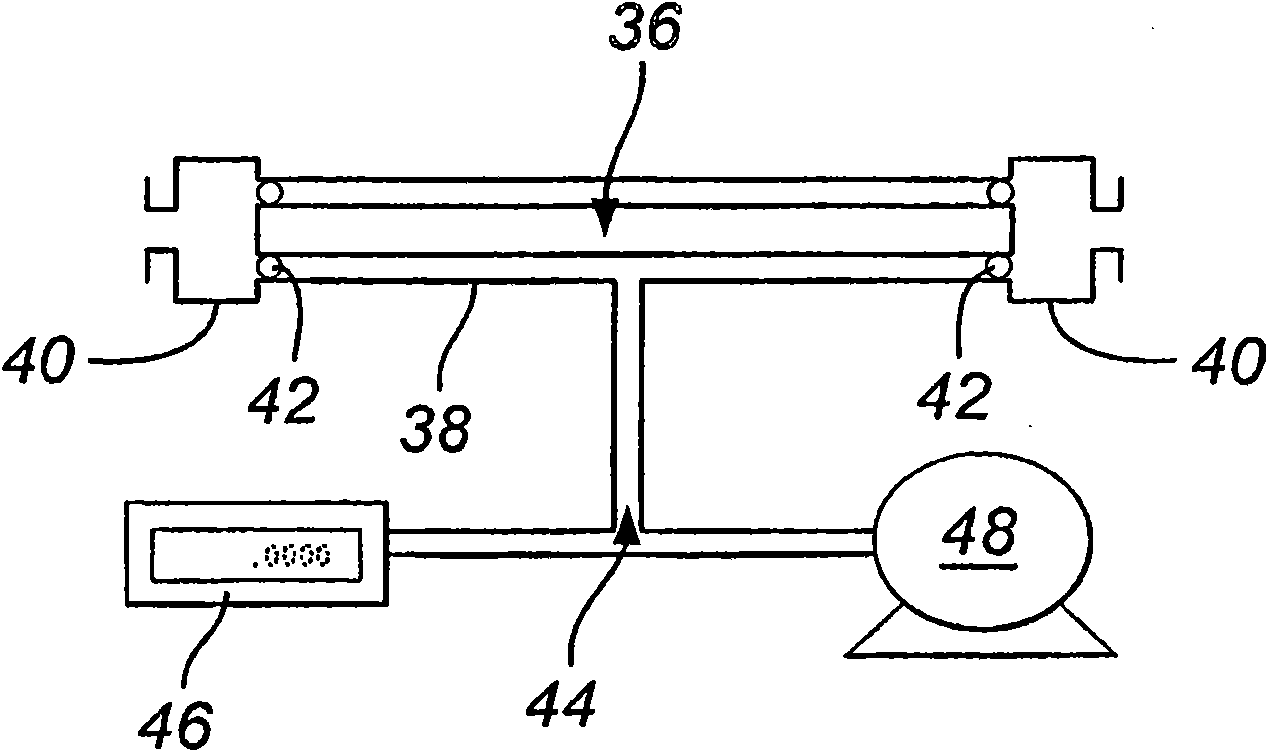
Figure 3
Abstract
Description
technical field
[0001] The present invention relates to a membrane structure, to a method of pre-conditioning a multi-conduit monolith for forming a membrane structure in a conduit, to a method of treating a plurality of porous substrates for conditioning for a membrane A method of forming a substrate of wherein said porous substrate has tubular conduits formed therein, the present invention relates to a method of treating a plurality of porous substrates to form a membrane in a conduit wherein said plurality of porous substrates has tubular conduits formed therein, The present invention relates to a module comprising various supports or monoliths, and also to the removal of water from organic liquids and / or the purification of water from eg polluted rivers. Background technique
[0002] US-A-5362522 (Bratton et al., the disclosure of which is hereby incorporated by reference) relates to the production of membranes and discloses that, while extensive research had been carrie...
Examples
Embodiment Construction
[0038] Embodiments of the present invention produce membranes of continuous zeolite membranes supported on porous alumina substrates. Membranes of zeolites in nature exhibit excellent solvent resistance. In an embodiment, an organic liquid or aqueous dispersed value or waste product can be dried and concentrated from any water level down to below 0.1% water and readily breaks the azeotrope. Liquids that can be treated include, but are not limited to, alcohols such as ethanol or butanol, ketones, ethers such as THF or diethyl ether, amines, DMF, mineral oils such as transformer oil, corn oil such as corn oil, and oils derived from other seeds Oils of biological origin, essential oils, agrochemicals, detergents and detergents, fragrances and fragrances, inks and adhesives, cosmetics and toiletry, waste water and water waste, beverages to be desalinated and Foods, biotechnological fluids, paints and dyes, and equilibrium reaction systems, for example where removal of water facil...