
Variable intensity water injection exploitation method for carbonate fracture-cavity oil reservoir
A carbonate rock and water injection mining technology, which is applied in the direction of mining fluid, earth drilling, wellbore/well components, etc., can solve problems such as gradual failure, low-efficiency water injection, and limited applicable formations, and achieve the expansion of swept volume, The effect of enhanced oil recovery
Patent Information
- Authority / Receiving Office
- CN · China
- Current Assignee / Owner
- Publication Date
- 2014-03-26
Smart Images
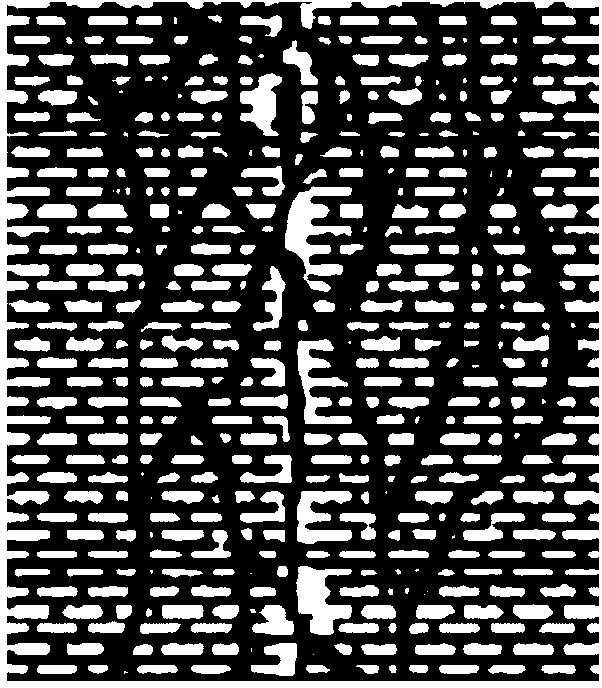
Figure 1 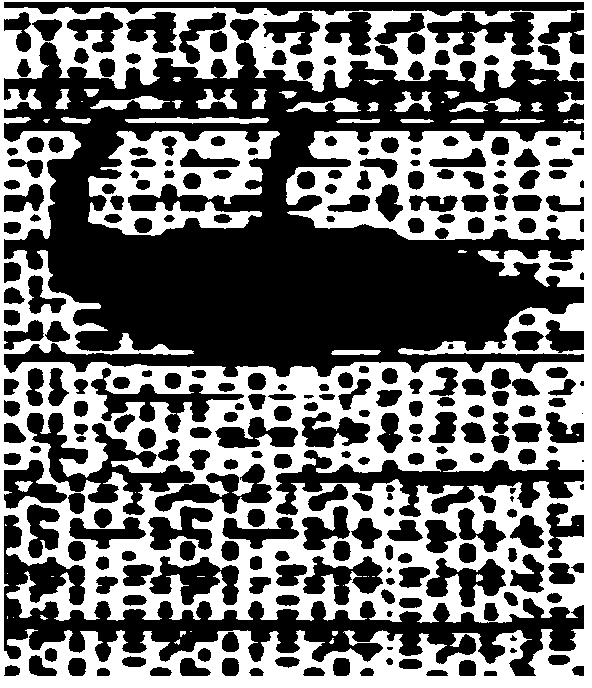
Figure 2 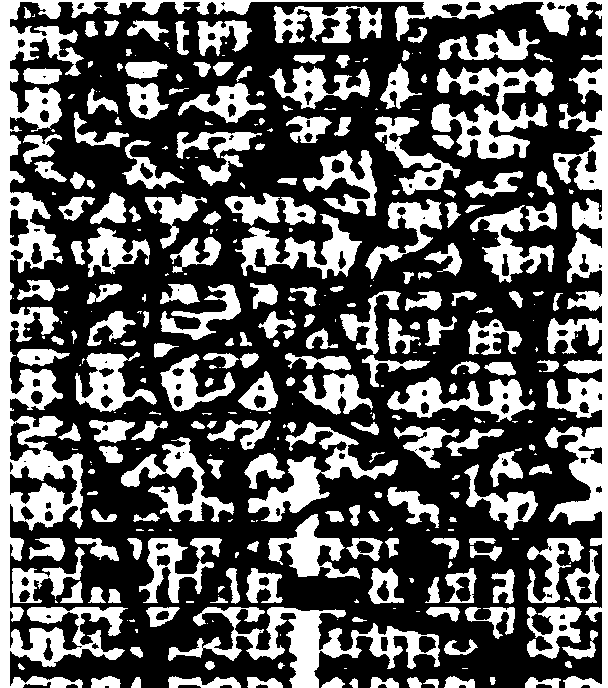
Figure 3
Abstract
Description
technical field
[0001] The invention relates to a water injection production method in the oil production process, in particular to a variable-intensity water injection production method for carbonate fracture-cavity reservoirs, and belongs to the technical field of oil and gas production enhancement in the field of oil production. Background technique
[0002] Carbonate reservoirs are an important type of reservoirs, which contain more than 60% of the world's oil and gas resources, and fracture-cavity reservoirs account for more than 30% of carbonate reservoirs. Many large oil and gas fields abroad, such as the Puckett Oilfield and Yates Oilfield in west Texas, the Golden Harbor Oilfield in eastern Mexico, and most of the oilfields in Saudi Arabia, Iraq, Iran, Oman, Syria and other countries in the Middle East are covered by carbon dioxide. Composition of salt rock fracture-cavity reservoirs.
[0003] In recent years, China has also made some breakthroughs in the explorati...
Examples
Embodiment 1
[0038] Based on the six kinds of reservoir spaces confirmed in Tahe Oilfield, the combination is carried out, considering the spatial distribution of fractures, vugs, and caves, and the degree of connectivity between pores (karst) caves, such as Figure 1A , Figure 1B , Figure 1C , Figure 1D , Figure 1E and Figure 1F As shown, the fracture-cavity combination mode is divided into six types: fracture network type, isolated cave type, dissolved pore-fracture-dissolved pore type, karst-crack-cavity type, dissolved pore-fracture-cavity type, and karst-vug network type.
[0039] 1. Experimental conditions
[0040] (1) Experimental model: According to the above-mentioned 6 main fracture-cavity combination modes, design a specific fracture-cavity distribution map (such as Figure 2B , Figure 3B and Figure 4B shown), using the natural carbonate rock outcrop from Tahe Oilfield, crushing and sieving to obtain carbonate rock powder with close physical properties on the surfac...