
A j2ee application virtualization management method based on itanium linux application container
A technology of application virtualization and application container, which is applied in the unified and centralized management field of J2EE application virtualization, and can solve the problems of lack of monitoring means, large labor costs, and time-consuming manual deployment of Linux application containers.
Patent Information
- Authority / Receiving Office
- CN · China
- Current Assignee / Owner
- Publication Date
- 2018-05-04
Smart Images
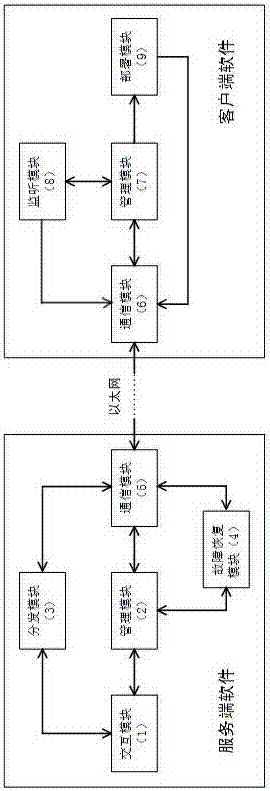
Figure 1 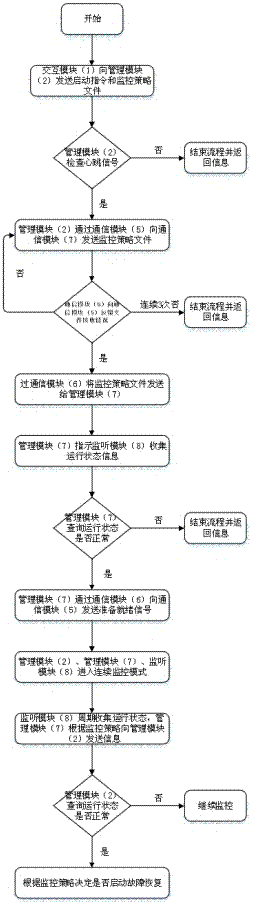
Figure 2 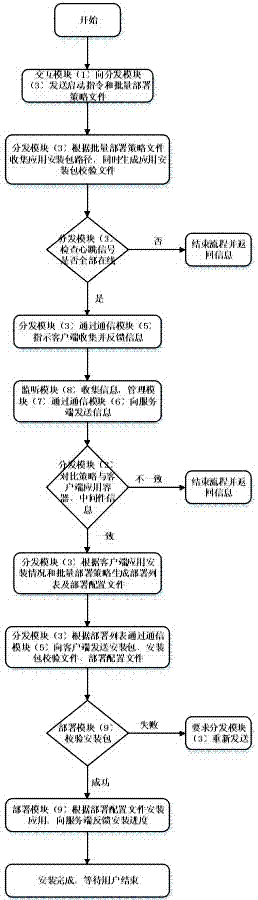
Figure 3
Abstract
Description
technical field
[0001] The invention relates to unified and centralized management of specific applications on IT infrastructure, in particular to unified and centralized management of J2EE application virtualization based on Itanium Linux application containers. technical background
[0002] In recent years, the informatization level of all walks of life has been continuously improved, and the scale of IT infrastructure and the business volume carried have also increased sharply. At the same time, the rapid development of IT technology has made the platform performance higher and higher, and the frequency of upgrades is also increasing. The faster, therefore, all parties pay more and more attention to IT infrastructure cost, platform usage efficiency and application portability. Compared with the UNIX platform, the cost of the Linux platform is lower, so that the Itanium Linux platform has already occupied a certain market share in the field of minicomputers; virtualization...
Examples
Embodiment 1
[0105] The unified management system for J2EE applications in the Linux application container in this example can be combined with the attached figure 1 , attached figure 2 To understand this example, this example includes the following steps:
[0106] 1) The user issues the "start monitoring" command after inputting the monitoring strategy in the interaction module (1);
[0107] 2) The interaction module (1) forms a monitoring strategy file according to the monitoring strategy input by the user, and sends it to the management module (2), and at the same time sends the "start monitoring" command to the management module;
[0108] 3) The management module (2) starts the monitoring algorithm; 4) The management module (2) detects the heartbeat of the client to be monitored through the communication module (5) according to the monitoring policy file;
[0109] 4.1) If the heartbeat of the intended monitoring client fails to be detected, the monitoring process ends and informatio...
Embodiment 2
[0130] The unified management system for J2EE applications in the Linux application container in this example can be combined with the attached figure 1 , attached image 3 To understand this example, this example includes the following steps:
[0131] 1) The user inputs the dynamic deployment strategy through the interaction module (1), and issues a dynamic deployment instruction;
[0132] 2) The interaction module (1) forms a dynamic deployment strategy file according to the dynamic deployment strategy input by the user, and sends it to the distribution module, and at the same time sends an instruction to start the dynamic deployment to the distribution module (3);
[0133] 3) The distribution module (3) executes the dynamic deployment algorithm;
[0134] 4) The distribution module (3) collects the J2EE application installation package path according to the dynamic deployment strategy file, and generates the J2EE installation package verification file at the same time;
...
Embodiment 3
[0155] The unified management system for J2EE applications in the Linux application container in this example can be combined with the attached figure 1 , attached figure 2 , attached Figure 4 To understand this example, this example includes the following steps:
[0156] 1) The user issues the "start monitoring" command after inputting the monitoring strategy in the interaction module (1);
[0157] 2) The interaction module (1) forms a monitoring strategy file according to the monitoring strategy input by the user, and sends it to the management module (2), and at the same time sends the "start monitoring" command to the management module;
[0158] 3) The management module (2) starts the monitoring algorithm; 4) The management module (2) detects the heartbeat of the client to be monitored through the communication module (5) according to the monitoring policy file;
[0159] 4.1) If the heartbeat of the intended monitoring client fails to be detected, the monitoring proce...