
PVC (polyvinyl chloride) antistatic glove
An antistatic and antistatic agent technology, applied in the field of PVC antistatic gloves, can solve the problems of poor glove comfort, complex production process, interference with the processing process, etc., and achieve superior antistatic effect, good antistatic effect and simple production process. Effect
Patent Information
- Authority / Receiving Office
- CN · China
- Patent Type
- Applications(China)
- Current Assignee / Owner
- Publication Date
- 2016-12-07
Smart Images
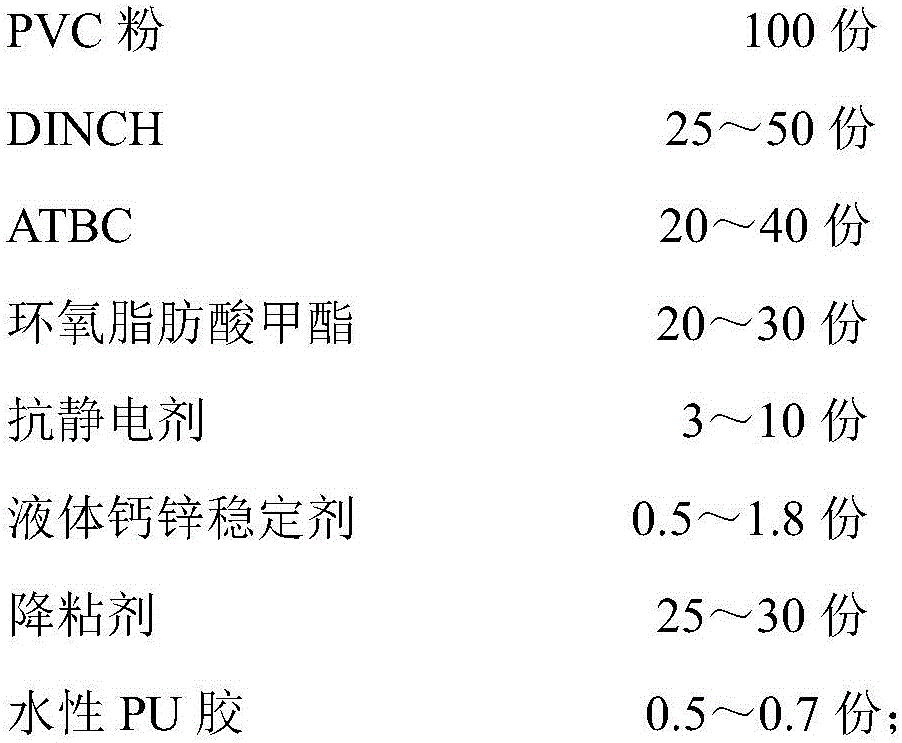
Figure 1 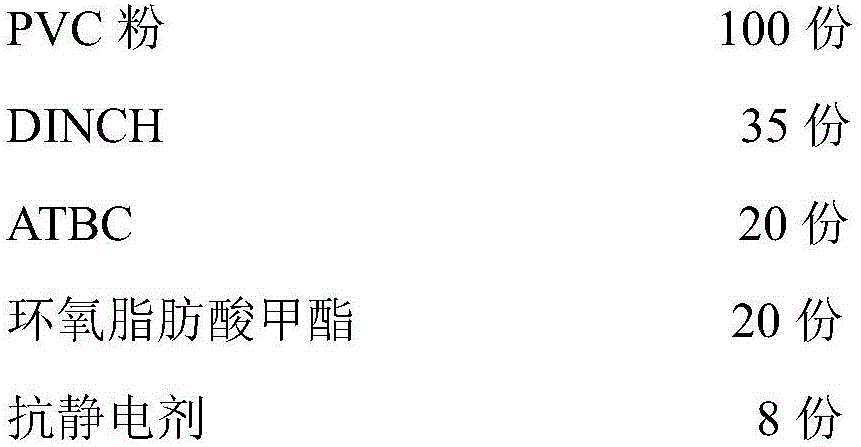
Figure 2 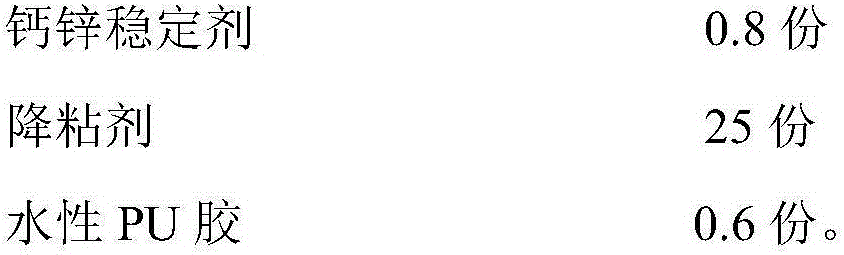
Figure 3
Abstract
Description
technical field
[0001] The invention relates to a PVC antistatic glove, which belongs to the technical field of plastic gloves. Background technique
[0002] In recent years, PVC gloves have the characteristics of relatively simple production process, low material cost, convenient wearing, good air permeability, comfortable hand feeling, acid and alkali resistance, good isolation effect, no skin allergies, and low price, making PVC gloves The rapid development, widely used in medical, electronics, food processing, scientific research, fast food and other fields. However, PVC material has high volume resistance and surface resistivity. This high resistance property will carry a large amount of static charge from other media during use, which will interfere with the processing process and affect the product due to discharge. hygiene, or damage the performance of the product, or even cause serious accidents. The internal layer structure of the existing PVC antistatic gloves i...
Examples
Embodiment 1
[0027] PVC antistatic gloves are made of the following raw materials in parts by weight:
[0028]
[0029] The production process includes the following steps:
[0030] (1) Primary batching: Mix DINCH, ATBC, epoxy fatty acid methyl ester and polyoxyethylene glyceryl ether and stir, then add PVC powder, CZ-F990, and 10 parts of D70 in turn for stirring to obtain primary batching;
[0031] (2) standing defoaming: the primary ingredients are standing defoaming;
[0032] (3) Secondary batching: add 15 parts of viscosity reducer to the material prepared in step (2), and stir evenly;
[0033] (4) Primary impregnation: filter the secondary ingredients prepared in step (3) and add them to the trough, preheat the hand mold to 70°C and then impregnate, the impregnation temperature is 50°C;
[0034] (5) Primary plasticization: put the impregnated hand mold in an oven and bake at 210°C for 6 minutes;
[0035] (6) Secondary impregnation: add water-based PU glue into softened water an...
Embodiment 2
[0043] PVC antistatic gloves are made of the following raw materials in parts by weight:
[0044]
[0045] The production process includes the following steps:
[0046] (1) Primary batching: Mix DINCH, ATBC, epoxy fatty acid methyl ester and polyoxyethylene glyceryl ether and stir, then add PVC powder, CZ-F990, and 10 parts of D70 in turn for stirring to obtain primary batching;
[0047] (2) standing defoaming: the primary ingredients are standing defoaming;
[0048] (3) Secondary batching: add 15 parts of viscosity reducer to the material prepared in step (2), and stir evenly;
[0049] (4) Primary impregnation: filter the secondary ingredients prepared in step (3) and add them to the trough, preheat the hand mold to 70°C and then impregnate, the impregnation temperature is 50°C;
[0050] (5) Primary plasticization: put the impregnated hand mold in an oven and bake at 210°C for 6 minutes;
[0051] (6) Secondary impregnation: add water-based PU glue into softened water an...