
Acrylic copolymer, which is hydrophobic, cross-linked and based on cinnamic alcohol, for intraocular lenses
A technology of intraocular lens and acrylic polymer, which is applied in the field of manufacturing the polymer material, intraocular lens, and production of intraocular lens, can solve the problems of difficult production cycle, strong, unpleasant smell, etc., and achieve the effect of improving comfort and productivity
Patent Information
- Authority / Receiving Office
- CN · China
- Patent Type
- Applications(China)
- Current Assignee / Owner
- Publication Date
- 2018-07-31
Smart Images
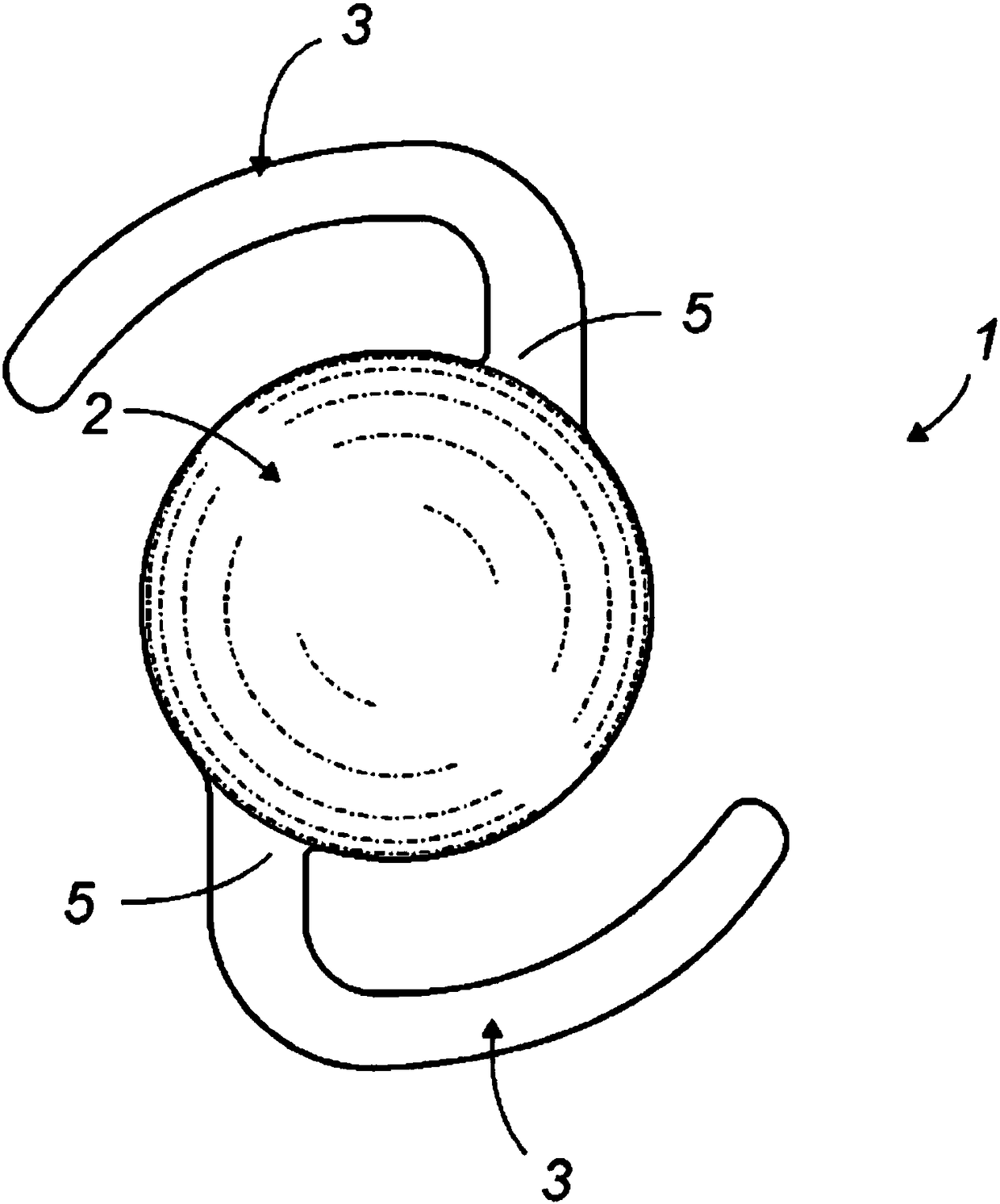
Figure 1 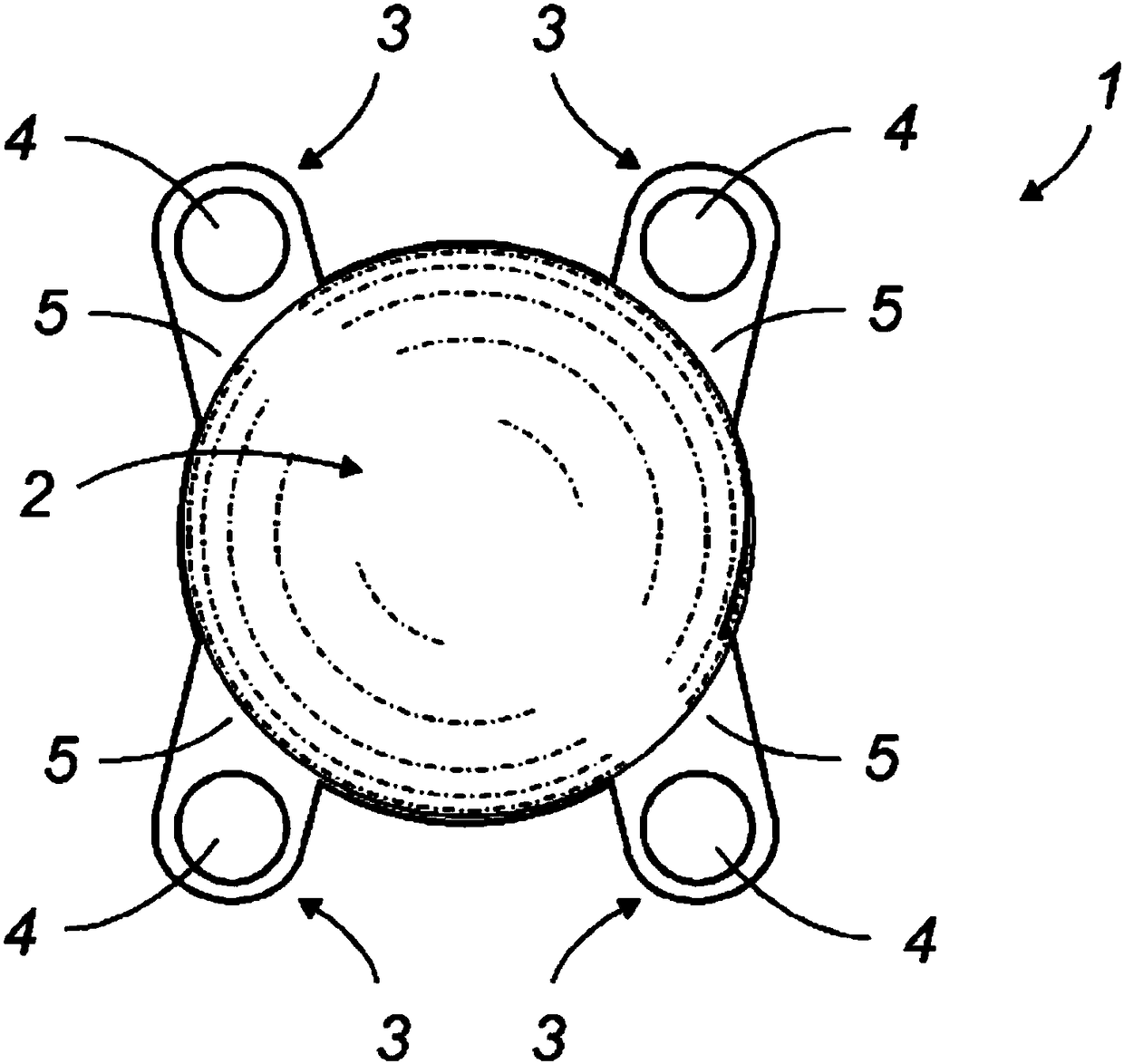
Figure 2 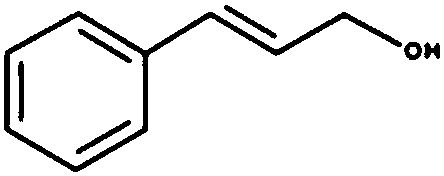
Figure 3
Abstract
Description
technical field
[0001] The present invention relates to a novel acrylic polymer material which is hydrophobic, viscoelastic, flexible and deformable at room temperature and which is very suitable for the production of intraocular lenses.
[0002] The invention also relates to a method of manufacturing such a polymer material, and an intraocular lens made of such a polymer material. Background technique
[0003] Intraocular lenses are ophthalmic implants or prostheses surgically placed in the eyes of patients with, for example, cataracts, to replace their defective lenses.
[0004] During this surgical procedure, the surgeon makes a small incision in the patient's cornea through which he removes the patient's unhealthy natural lens. Then, through this incision, he places the intraocular lens in the lens pocket to replace the removed lens.
[0005] In order to make the procedure as non-invasive as possible for the patient and to avoid the development of postoperative astigma...
Examples
example 1
[0163]
[0164] Polymerization was initiated by addition of 0.5% TAEC. After polymerization, an acrylic polymer material was obtained having an optical index equal to 1.5381, a glass transition temperature equal to 7.5° C., and a modulus of elasticity at 25° C. after 1 minute of relaxation of 0.658 MPa.
example 2
[0166]
[0167]
[0168] Polymerization was initiated by addition of 0.5% TAEC. After polymerization, an acrylic polymer material is obtained having an obtained optical index equal to 1.540, a glass transition temperature equal to 12.4° C. and a modulus of elasticity at 25° C. after 1 minute of relaxation of 0.51 MPa.
example 3
[0170]
[0171] Polymerization was initiated by addition of 0.5% TAEC. After polymerization, an acrylic polymer material is obtained having an obtained optical index equal to 1.5390, a glass transition temperature equal to 6.3° C., and a modulus of elasticity at 25° C. after 1 minute of relaxation of 0.495 MPa.