
A two-dimensional deployment zero-gravity simulation device and method based on a constant force spring
A constant-force spring and two-dimensional unfolding technology, which is applied to the simulation device of space navigation conditions, transportation and packaging, space navigation equipment, etc., can solve the problems of large energy loss, affecting the accuracy of zero-gravity simulation tests, and large additional inertia. , to achieve the effects of small system energy loss, small additional mass, and reduced mass effect
Patent Information
- Authority / Receiving Office
- CN · China
- Patent Type
- Patents(China)
- Current Assignee / Owner
- Publication Date
- 2020-04-10
Smart Images
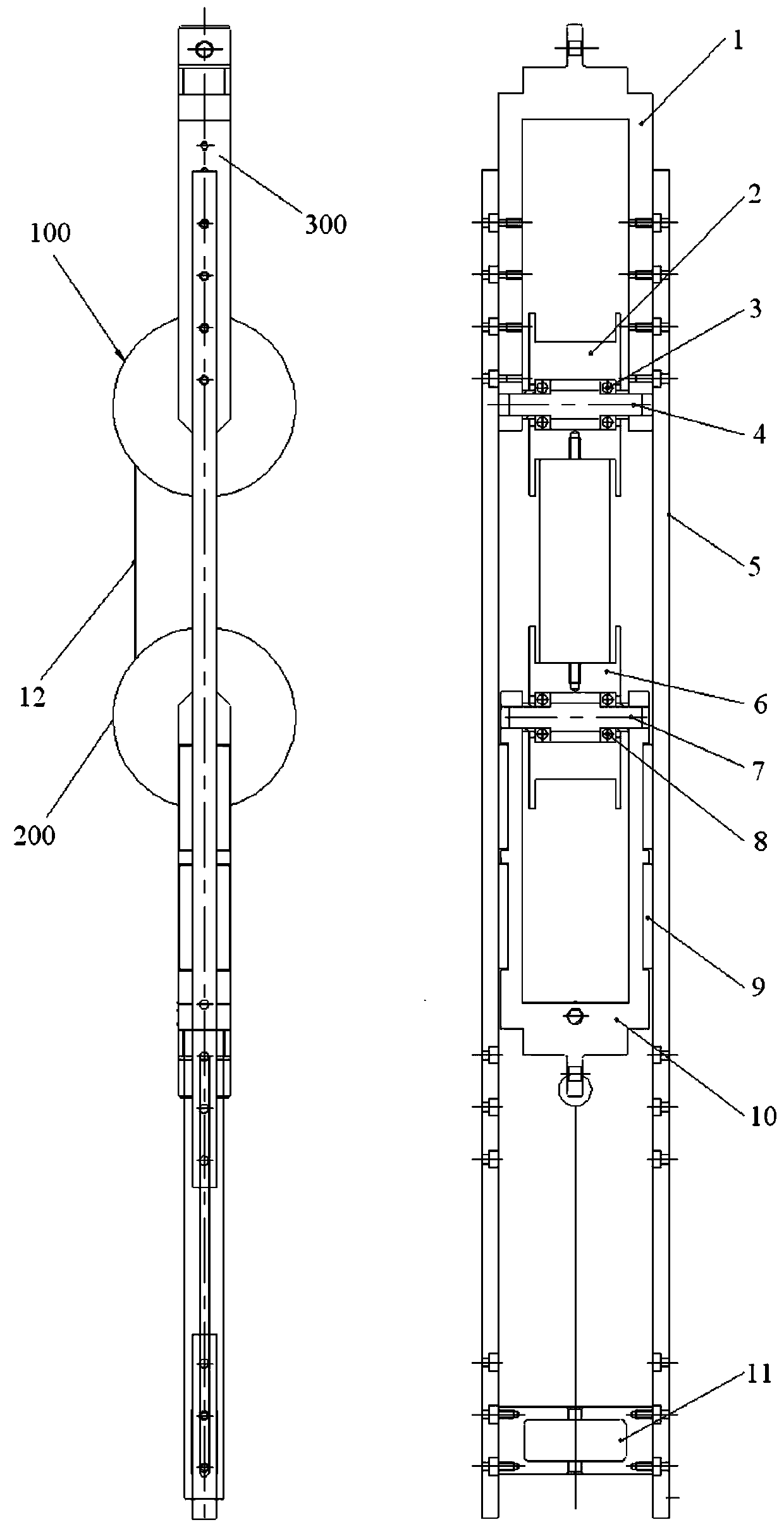
Figure 1 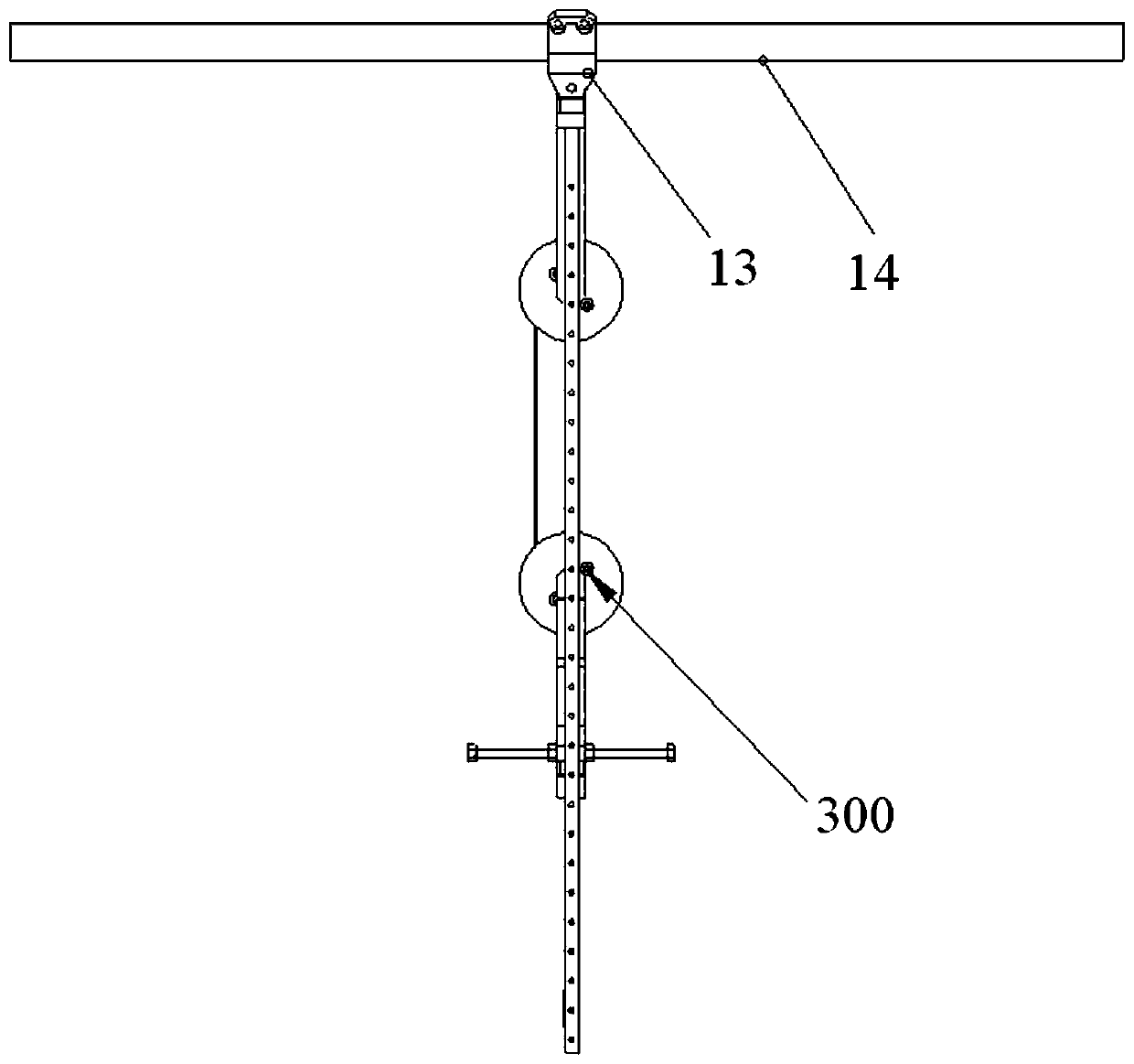
Figure 2 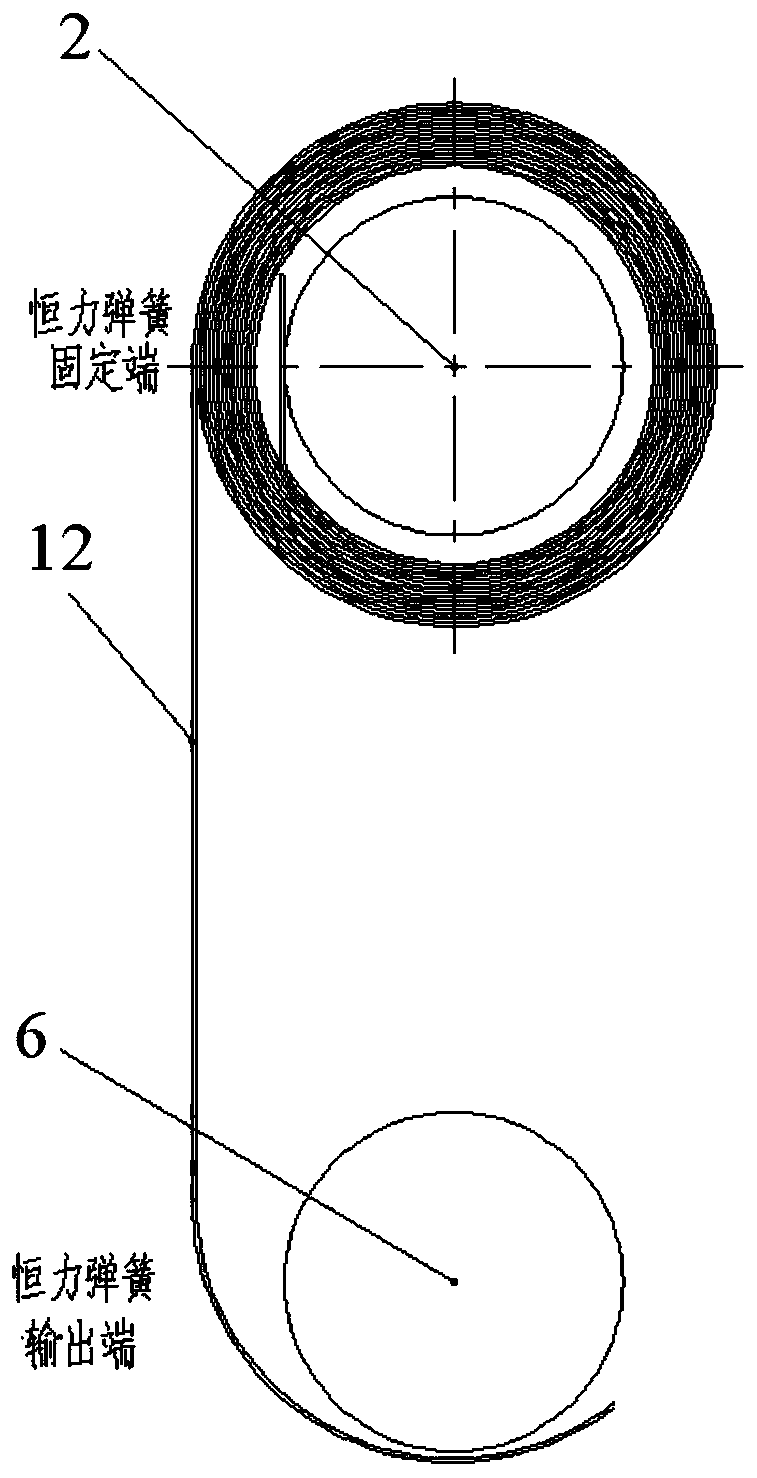
Figure 3
Abstract
Description
technical field
[0001] The invention belongs to the technical field of zero-gravity simulation of aerospace engineering, and in particular relates to a two-dimensional unfolded zero-gravity simulation device and method based on constant force springs. Background technique
[0002] Before the products of space agencies are launched, they need to conduct microgravity simulation tests on the ground to verify their various functions and performance indicators. The microgravity simulation schemes of horizontal two-dimensional movement have relatively mature applications, while the vertical three-dimensional movement is usually realized by means of pulley counterweight and balloon method. The two unloading methods will affect the test results and accuracy.
[0003] According to the requirements of the zero-gravity simulation test on the ground of mechanism products, the functions and performance indicators of the mechanism are verified. The traditional zero-gravity deployment me...
Examples
Embodiment Construction
[0034] In order to make the purpose, technical solution and advantages of the present invention clearer, the following will further describe the public implementation manners of the present invention in detail with reference to the accompanying drawings.
[0035] The two-dimensional unfolding zero-gravity simulation scheme based on constant-force springs disclosed in the present invention overcomes the problems of large additional inertia, complex system, and slow system response introduced by traditional zero-gravity simulation deployment methods for space mechanism products. It solves the problem of two-dimensional zero-gravity simulation on the ground of existing space agency products. Among them, the constant force spring is a contact-shaped scroll spring whose output load (tension) is basically kept constant with the increase of deformation. It has good dynamic response, constant load, high energy storage density, small volume, and low friction loss. Etc. In the free sta...