
A kind of dispersing resin for general color paste of coil coating and preparation method thereof
A technology of coil coating and dispersing resin, applied in the direction of pigment slurry, etc., can solve the problems of affecting the appearance of paint film, difficulty in management, increase in inventory, etc., and achieve the effect of high molecular branching degree and good dispersion performance.
Patent Information
- Authority / Receiving Office
- CN · China
- Patent Type
- Patents(China)
- Current Assignee / Owner
- Publication Date
- 2022-06-28
Smart Images
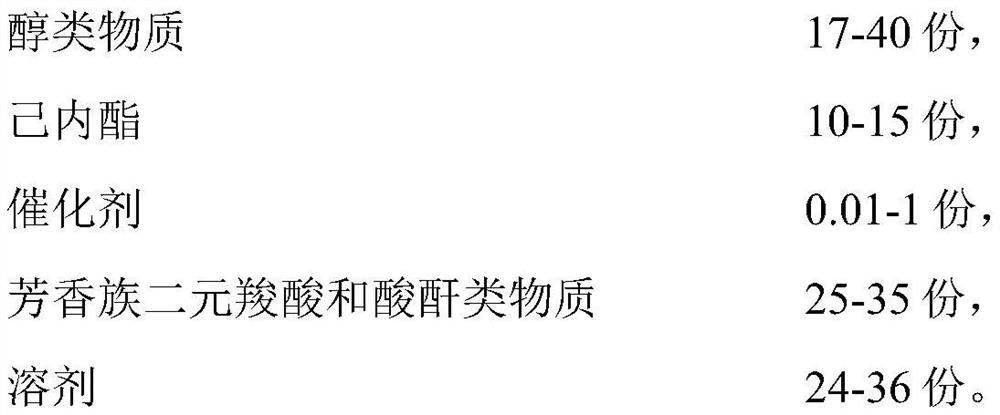
Figure 1 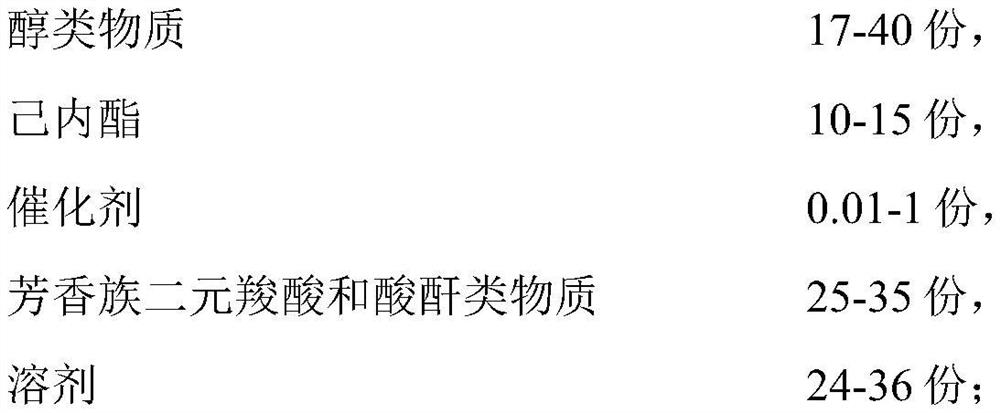
Figure 2
Abstract
Description
technical field
[0001] The invention belongs to the technical field of coatings, in particular to a dispersing resin specially used for high-concentration universal color paste for coil coatings and a preparation method thereof. Background technique
[0002] Coil coatings include coil steel coatings and coil aluminum coatings. The coating is applied to the surface of steel plates and aluminum materials by roller coating, and then made into pre-coated coils (color-coated plates), which have beautiful appearance and bright colors. It has the advantages of high strength, convenient processing and molding, and can also reduce costs and reduce pollution, so it has been widely used. Usually customers have high requirements on the appearance and color of the coil, and the production of color paste has become a very important link in the production of coil coatings.
[0003] At present, domestic paint companies mostly use the single-color slurry grinding method in the production of...
Examples
Embodiment 1
[0033] According to the formula in Table 1, add 1-6-hexanediol to the reaction kettle, heat and dissolve it, add caprolactone, neopentyl glycol and start stirring, add pentaerythritol, n-butyl titanate, terephthalate successively Formic acid and phthalic anhydride, the temperature when adding n-butyl titanate should be below 100 °C, and the material should be slowly heated to 215 °C within 1-3 hours; confirm that the reactant is in a transparent state, and keep the temperature at 215 Continue the reaction at -220 °C. In order to prevent coloration, this temperature range must be strictly observed. Starting from the temperature reaching 215 °C, sampling is carried out every 1 hour. When the acid value is below 20 mgKOH / g, sampling is carried out every 30 minutes.
[0034] Dilute the sample according to the following formula, measure the acid value and viscosity, and configure the sample according to the following ratio for viscosity test:
[0035] Sampling 20.0 parts by weight;...
Embodiment 2
[0039] According to the formula in Table 1, add 1-6-hexanediol to the reaction kettle, heat and dissolve it, add caprolactone, neopentyl glycol and start stirring, add pentaerythritol, n-butyl titanate, terephthalate successively Formic acid and phthalic anhydride, the temperature when adding n-butyl titanate should be below 100 °C, and the material should be slowly heated to 215 °C within 1-3 hours; confirm that the reactant is in a transparent state, and keep the temperature at 215 Continue the reaction at -220 °C. In order to prevent coloration, this temperature range must be strictly observed. Starting from the temperature reaching 215 °C, sampling is carried out every 1 hour. When the acid value is below 20 mgKOH / g, sampling is carried out every 30 minutes.
[0040] Dilute the sample according to the following formula, measure the acid value and viscosity, and configure the sample according to the following ratio for viscosity test:
[0041] Sampling 20.0 parts by weight;...
Embodiment 3
[0045]According to the formula in Table 1, add 1-6-hexanediol to the reaction kettle, heat and dissolve it, add caprolactone, neopentyl glycol and start stirring, add pentaerythritol, n-butyl titanate, terephthalate successively Formic acid and phthalic anhydride, the temperature when adding n-butyl titanate should be below 100 °C, and the material should be slowly heated to 215 °C within 1-3 hours; confirm that the reactant is in a transparent state, and keep the temperature at 215 Continue the reaction at -220 °C. In order to prevent coloration, this temperature range must be strictly observed. Starting from the temperature reaching 215 °C, sampling is carried out every 1 hour. When the acid value is below 20 mgKOH / g, sampling is carried out every 30 minutes.
[0046] Dilute the sample according to the following formula, measure the acid value and viscosity, and configure the sample according to the following ratio for viscosity test:
[0047] Sampling 20.0 parts by weight; ...