
Cooler structure optimization method suitable for an arc wind tunnel
An optimization method and cooler technology, applied in the fields of instruments, electrical digital data processing, special data processing applications, etc., can solve the problems of cumbersome, complex calculation of cooler capacity, etc., to improve heat exchange efficiency, optimize heat exchange structure characteristics, The effect of fast and efficient cooling
Patent Information
- Authority / Receiving Office
- CN · China
- Current Assignee / Owner
- Publication Date
- 2019-05-24
Smart Images
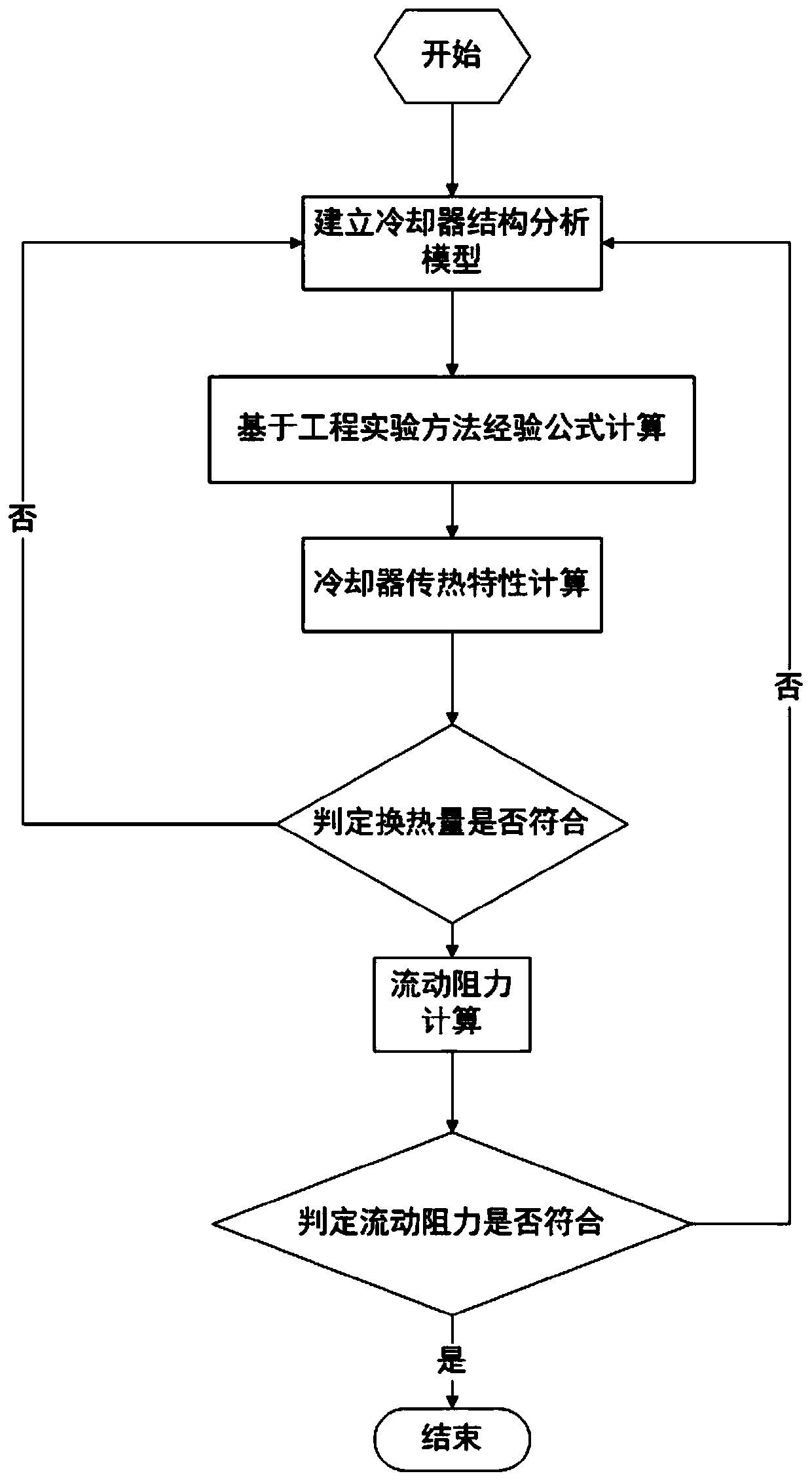
Figure 1 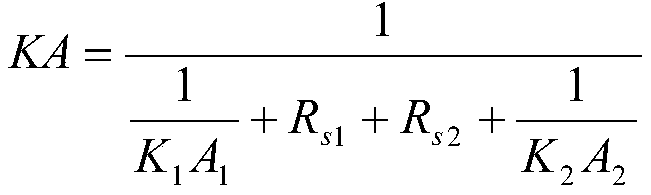
Figure 2 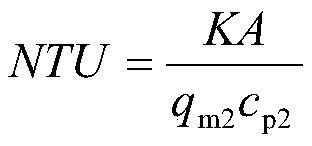
Figure 3
Abstract
Description
technical field
[0001] The invention relates to a method for optimizing the structure of a cooler suitable for an arc wind tunnel. Background technique
[0002] Coolers are indispensable equipment for heat exchange and transfer in modern industrial production. A cooler is a device that transfers heat from a high-temperature fluid to a low-temperature fluid to realize heat energy transfer between fluids at different temperatures, thereby meeting certain process requirements.
[0003] In the arc wind tunnel, the main function of the cooler is to reduce the high temperature gas (greater than 5000K) heated by the arc wind tunnel to about 300K ~ 400K by means of convective heat exchange through the high temperature gas flowing out of the diffuser section, and then pass through the exhaust pipe into the vacuum system. The heat exchange efficiency of the cooler will directly affect the running time of the arc wind tunnel. Under the condition of a certain volume of the vacuum tank...
Examples
Embodiment Construction
[0033] Attached below figure 1 The present invention will be described in detail.
[0034] The heat exchange coefficient of gas is small, usually 10W / (m 2 ·K)~30W / (m 2 K) or so, so a larger heat transfer area is generally required to achieve sufficient heat transfer. The state parameters of high-temperature gas change greatly during the cooling process. In the early stage of heat exchange, the airflow temperature is high, the heat exchange temperature difference is large, and the total heat exchange heat is relatively large. However, at this time, the gas density is low, the flow velocity is high, and the flow resistance is large. Therefore, the design should consider reducing the flow velocity of the gas as much as possible. As the heat exchange process proceeds, the temperature of the gas gradually decreases and the density increases. In the later stage of heat exchange, the temperature drops to about 500K, and the heat exchange temperature difference with the cooling wat...