
A method for improving the efficiency of sexual hybridization of sweet potato
A sexual and efficient technology, applied in the field of crop breeding, can solve the problems of affecting the survival rate of sweet potato, prolonging the hybridization process time, withering and dying, etc., and achieving the effect of avoiding the death of hybrid sweet potato resources, reducing the workload of hybridization, and improving the success rate of hybridization.
Patent Information
- Authority / Receiving Office
- CN · China
- Patent Type
- Patents(China)
- Current Assignee / Owner
- Publication Date
- 2020-11-10
Smart Images
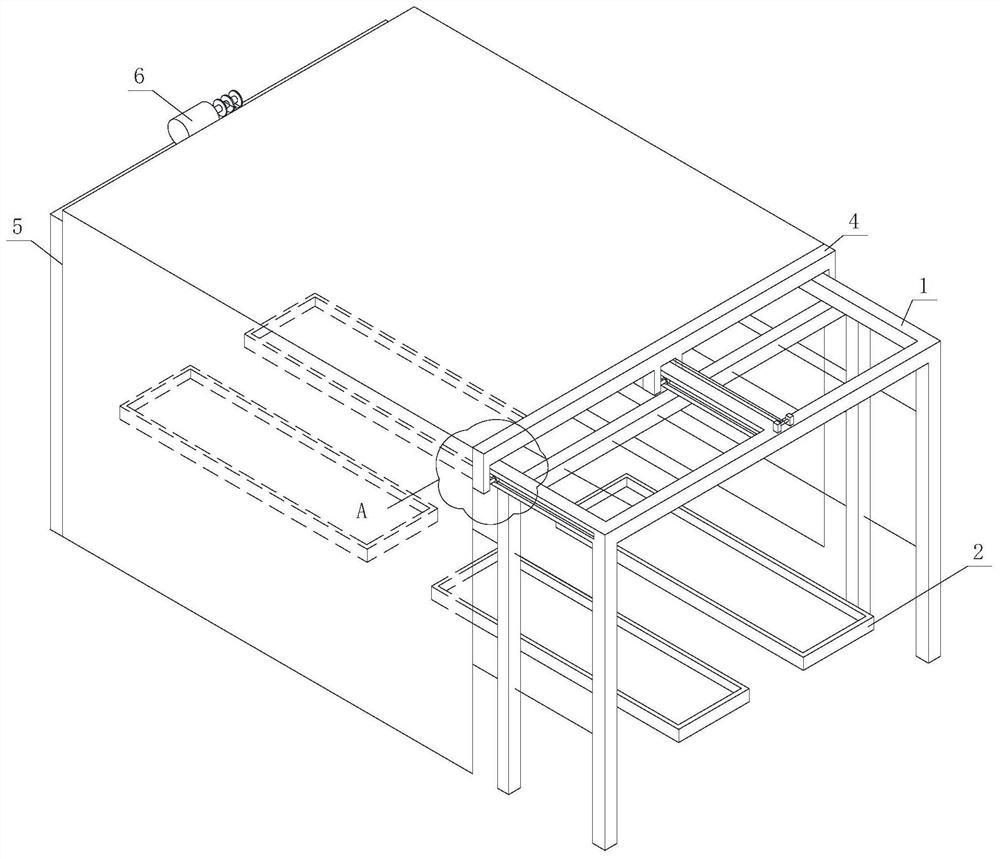
Figure 1 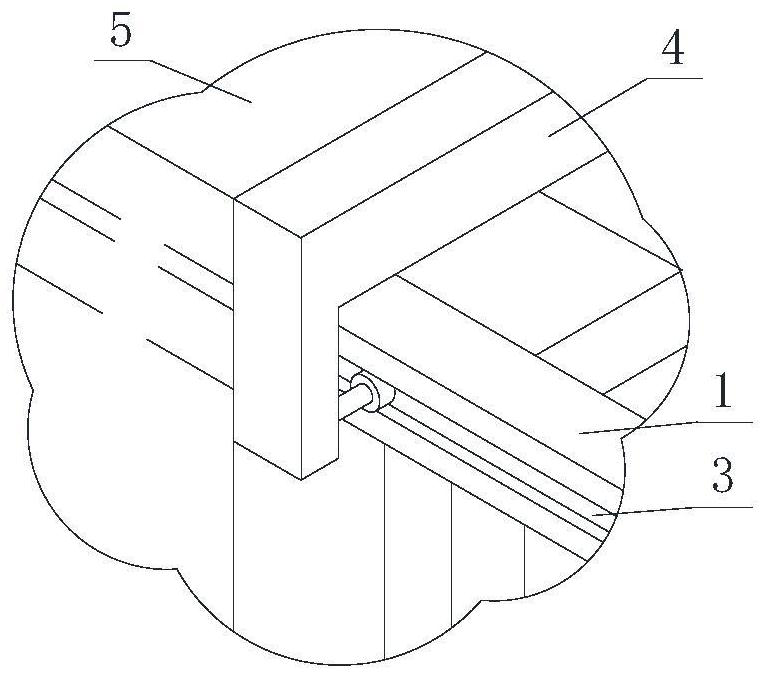
Figure 2 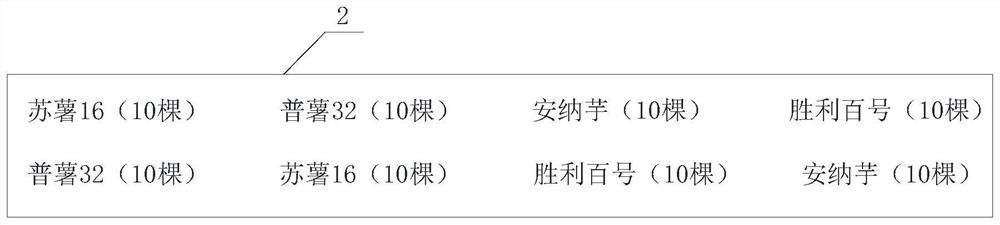
Figure 3
Abstract
Description
technical field
[0001] The invention belongs to the technical field of crop breeding, and relates to a method for sweet potato hybridization, in particular to a method for improving the efficiency of sexual hybridization of sweet potato. Background technique
[0002] Sexual hybridization is one of the important ways to breed new sweet potato varieties. Sweet potatoes are short-day root crops. In the temperate zone, due to the long sunshine period during reproductive growth, most varieties need to induce flowering of sweet potato by grafting non-caking root relatives and short-day treatment. But most sweet potato varieties cannot flower under natural conditions in the central and northern provinces of our country. Conventional hybridization is generally carried out in Hainan, Sanya and other places in the south, or in the north using a darkroom to induce flowering of sweet potatoes for hybridization. For breeders in the north, breeding in the south is not only inconvenient...
Examples
Embodiment 1
[0030] Embodiment 1, a kind of method that improves sweet potato sexual hybridization efficiency, this method adopts directional hybridization, comprises the following steps:
[0031] A, build hybrid shed 1 outdoors, as Figure 1-2 As shown, the length of the hybridization shed 1 is 23-24m, the width is 5.5-6.0m, and the height is 2.3-2.5m. The hybridization shed 1 is provided with an automatic opening and closing sunshade mechanism; Track 3, the walking trolley 4 and the sunshade net 5 that are arranged on the track 3, the sunshade net 5 covers the upper end of the hybridization shed 1, and the two sides of the sunshade net 5 fall along the left and right sides of the hybridization shed 1 to the two sides of the hybridization shed 1. The sides are covered; the two ends of the sunshade net 5 are respectively fixedly connected with the hybridization shed 1 and the walking trolley 4, and the driving unit drives the walking trolley 4 to reciprocate on the hybridization shed 1, an...
Embodiment 2
[0044] Embodiment 2, a method for improving the efficiency of sexual hybridization of sweet potatoes, the difference between embodiment 2 and embodiment 1 is that the method adopts non-directional hybridization, adopts a plurality of fresh-eating sweet potato varieties to plant together, and the parent varieties are respectively selected Sushu 16, Pushu 32, Shengli 100, Anna taro, in step B hybridization pool 2, each row is planted with Sushu 16, Pushu 32, Shengli 100, Anna taro, 10 plants of each variety, two rows staggered planting, such as image 3 shown;
[0045] The pollination method of step D in Example 2 adopts honeybee pollination, and finally 1340 seeds are harvested with Sushu 16 as the female parent, 960 seeds are harvested with Pushu 32 as the female parent, and 880 seeds are harvested with Anna taro as the female parent. Shengli 100 harvested 640 seeds for the female parent.
[0046] Count the survival rate, flowering number, hybridization number, and seed sett...
Embodiment 3
[0054] The difference between Example 3 and Example 1 is that Sushu 16 and Mingmen Jinshi are used as parents, and insects such as bees are used to carry out natural hybridization. On May 5, two rows of potato seedlings were planted in the hybridization pool 2. The potato seedlings were Sushu 16 and Mingmen Jinshi, and 20 plants of Sushu 16 and Mingmen Jinshi were planted respectively. A total of 3 groups Ⅰ, Ⅱ, and Ⅲ were set up. The survival rate of Sushu 16 and Mingmen Jinshi was counted, and the short-day treatment was carried out. Sushu 16 and Mingmen Jinshi were induced to flower, and the flowering numbers were counted until August 15. The statistical results are shown in Table 5.
[0055] The non-grafting hybridization test statistical result of table 5 embodiment 3
[0056]