
Image encryption method based on L-F cascade chaos and 3D bit scrambling
An encryption method and 3D technology, applied in image coding, image data processing, computer security devices, etc., can solve the problems of weak anti-noise and selected plaintext attack ability, bit scrambling, etc., so as to improve anti-noise attack ability and improve randomness. performance, improve the effect of plaintext sensitivity
Patent Information
- Authority / Receiving Office
- CN · China
- Patent Type
- Applications(China)
- Current Assignee / Owner
- Publication Date
- 2020-03-17
- Estimated Expiration
- Not applicable · inactive patent
Smart Images
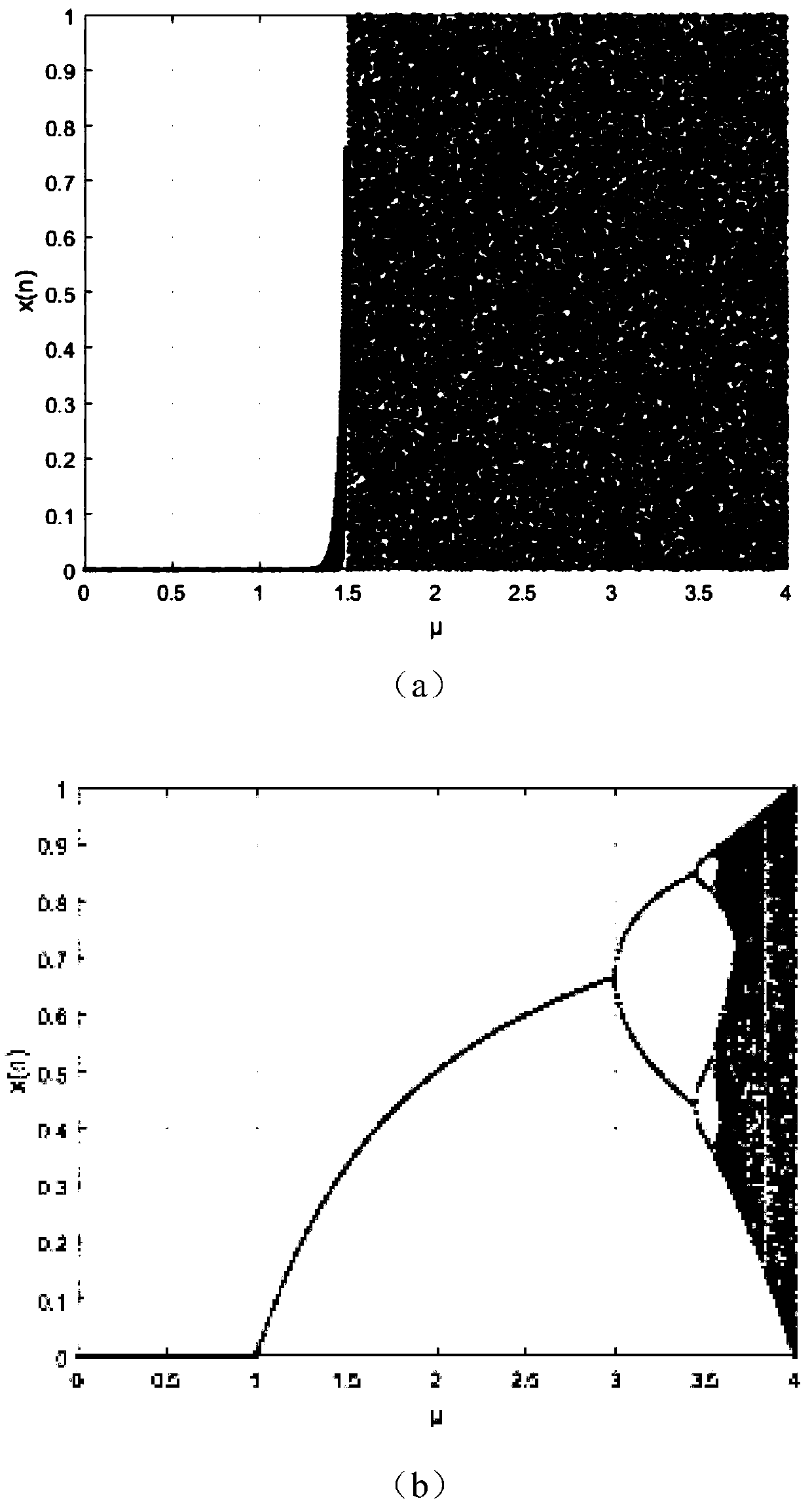
Figure 1 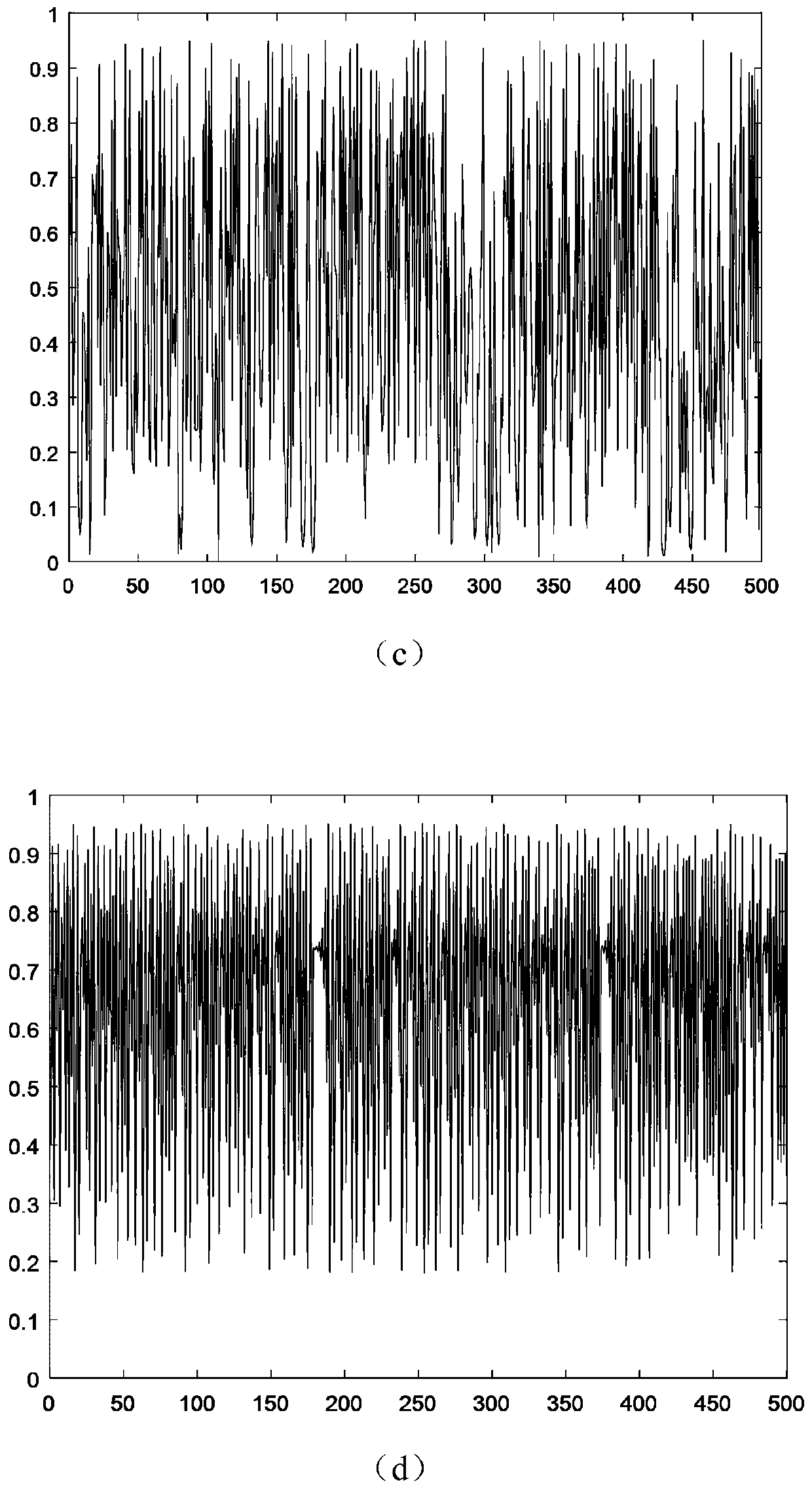
Figure 2 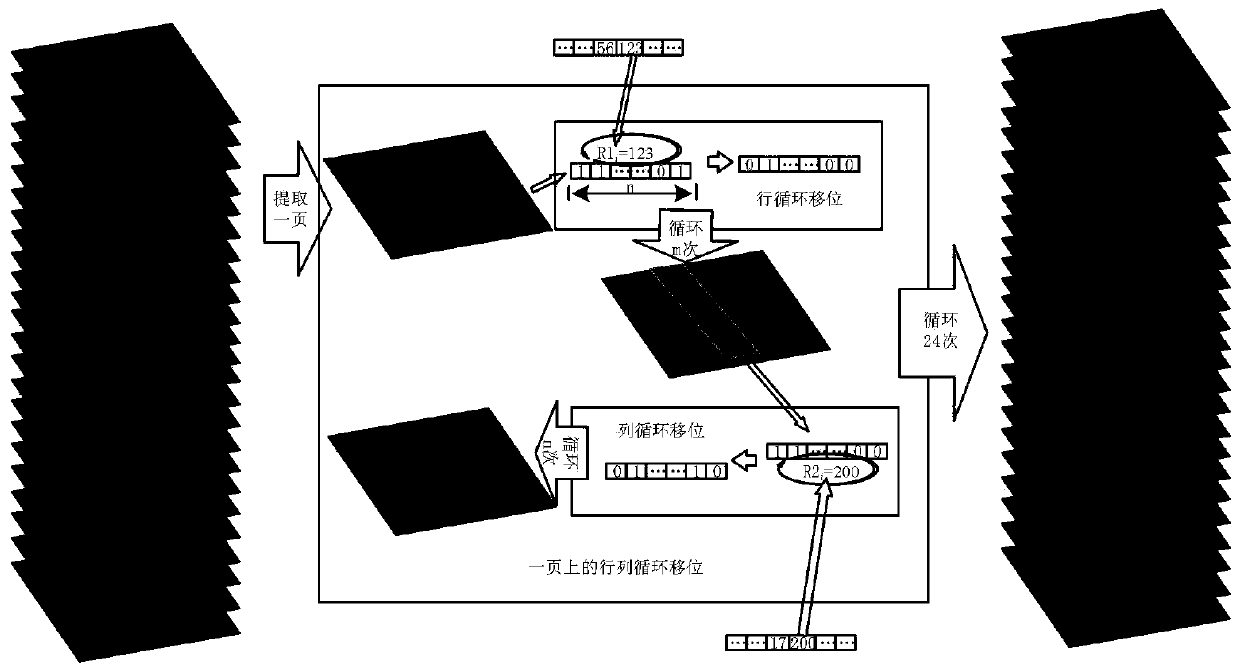
Figure 3
Abstract
Description
technical field
[0001] The invention relates to an image encryption method, in particular to a 3-dimensional (3D) cyclic shift bit scrambling image encryption method. Background technique
[0002] Image information is intuitive and vivid, and is widely used in the modern digital age, but it is vulnerable to various attacks by hackers. Therefore, image security has attracted more and more attention from scholars, such as the encryption scheme of pixel position scrambling and pixel value replacement proposed by Chen G in 2004, and the idea of bit scrambling proposed by Guodong Ye in 2010, but the above two methods are resistant to The attack ability is weak. Recently, a large number of scholars have made improvements. For example, Deng Xiaoheng et al. in 2014 and Xie Guobo et al. in 2016 added bit scrambling after pixel position scrambling on the basis of ChenG. In 2018, Shuliang Sun added DNA coding after bit scrambling. This type of algorithm not only retains the advanta...
Examples
Embodiment Construction
[0041] The technical solution of the present invention will be further described below in conjunction with the accompanying drawings, but it is not limited thereto. Any modification or equivalent replacement of the technical solution of the present invention without departing from the spirit and scope of the technical solution of the present invention should be covered by the present invention. within the scope of protection.
[0042] The present invention provides a kind of image encryption method based on L-F cascade chaos and 3D bit scrambling, and described method comprises the following contents:
[0043] 1. Encryption principle
[0044] The main core content of encryption in the present invention has three parts: (1) L-F cascade chaos, (2) key generation, (3) 3D bit scrambling. The three principles are introduced below:
[0045] 1. L-F cascading chaos
[0046] Logistic chaotic map is simple in expression, easy to realize, and has good randomness, so it is widely used ...