
Odor control cassette
a cassette and odor control technology, applied in the field of flexible tubing, can solve the problems of less permeable materials, less permeable materials have not been employed, and the odor reduction capability of tubing formed of formosa resin is limited by its permeability, so as to improve the odor reduction capability, improve the odor control capability, and improve the effect of tear strength
Patent Information
- Authority / Receiving Office
- US · United States
- Patent Type
- Applications(United States)
- Current Assignee / Owner
- Publication Date
- 2005-03-24
- Estimated Expiration
- Not applicable · inactive patent
Smart Images
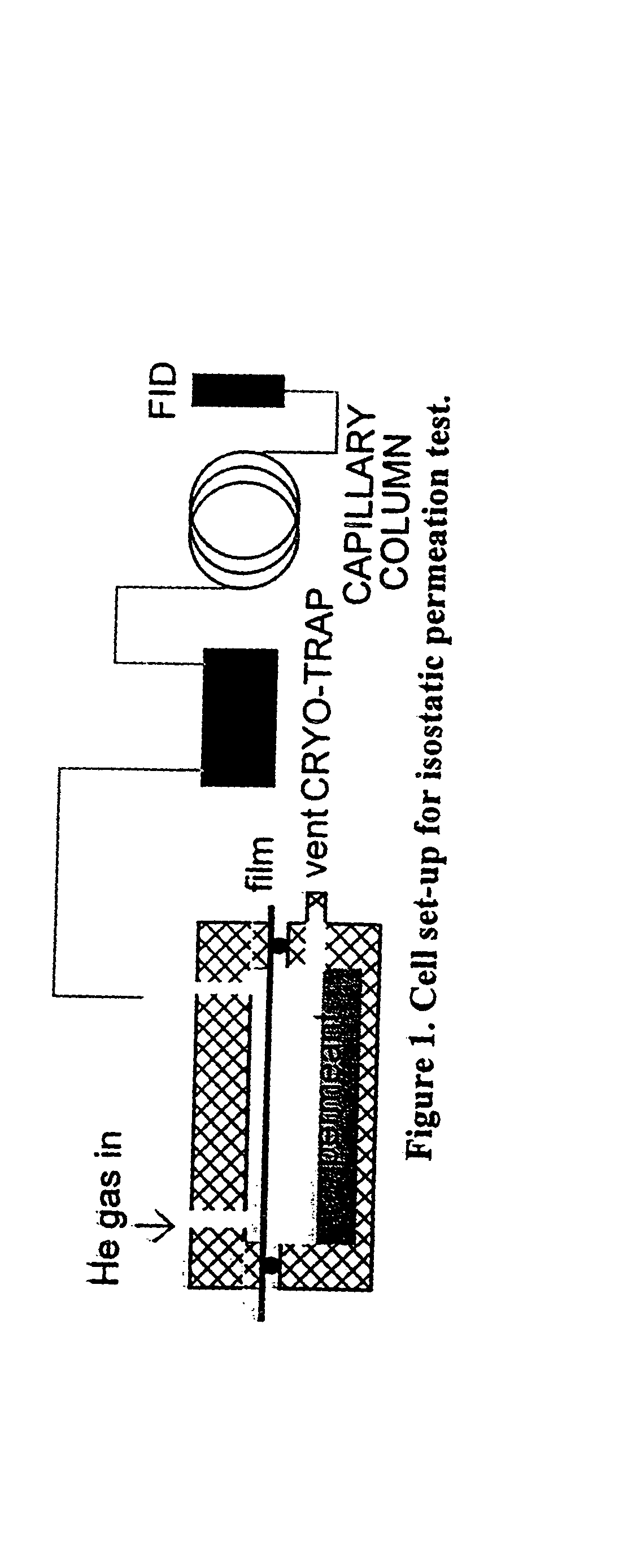
Figure 1 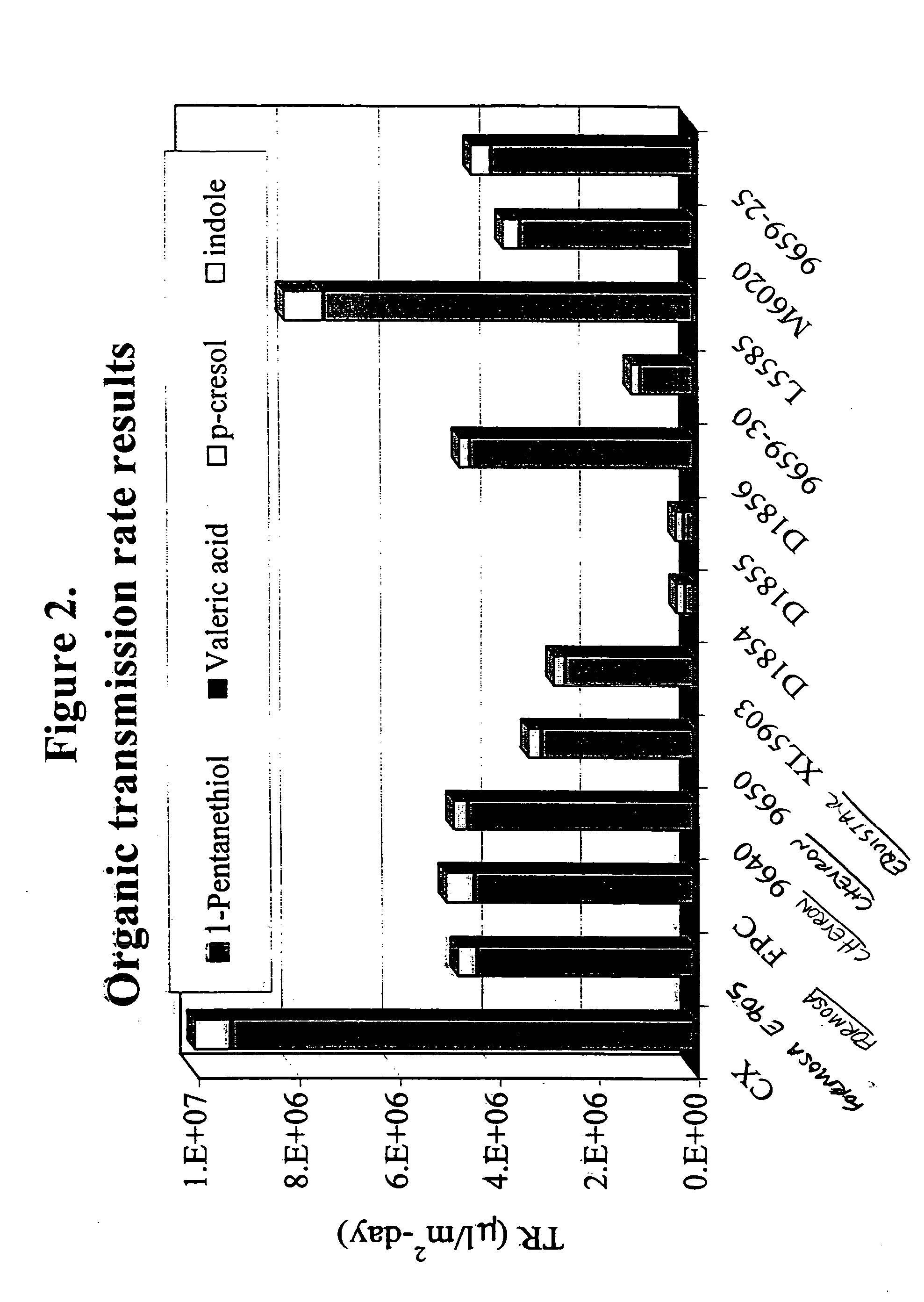
Figure 2
Abstract
Description
BACKGROUND OF THE INVENTION
[0001] 1. Field of the Invention
[0002] The present invention relates to a flexible tubing for use in a cassette dispenser for a diaper or similar waste disposal device. More particularly, the present invention relates to barrier films used for flexible tubing in such cassettes.
[0003] 2. Description of the Prior Art
[0004] Diaper disposal devices have become popular for the convenient and sanitary disposal of diapers and related waste. A conventional diaper disposal device has a pail that serves as a storage chamber accessed via a closable lid and, a cassette positioned in the pail and having a tubular core with a length of flexible tube stored in the core. The diaper disposal system operates by depositing a soiled diaper into the pail, rotating the core, and twisting the flexible tube to create a seal above the diaper. A second diaper may be disposed of by opening the lid, inserting the second diaper, and pushing the previous sealed diaper further into ...
Examples
example
[0023] An organic permeation study was undertaken to provide barrier characteristics of various films for human fecal matter. This data was developed by performing an isostatic transmission rate study.
[0024] The organic compounds shown in Table 1 were combined in equal amounts by volume. The multi-component mixture and the films were placed in a remote cell as illustrated in FIG. 1. The top sides of the films were continuously swept with a nitrogen carrier gas in order to prevent any decrease in concentration gradient across the film.
TABLE 1Table 1 shows the organic permeants used for thepermeation study.COMPOUNDCLASS1-PentanethiolC5 mercaptanValeric acidC5 organic acidp-cresolSubstituted phenolIndoleAromatic heterocycle
[0025] The carrier gas stream was periodically monitored to determine whether equilibrium had been reached. Once equilibrium was achieved, the results were recorded. A MOCON ARMATRAN II equipped with a capillary column and a flame ionization detector (FID) was use...