
Payment Processing Platform
a payment processing platform and payment processing technology, applied in the field of payment processing, can solve problems such as limiting customer exposure, and achieve the effect of limiting customer exposure and reducing financial institution expenses
Patent Information
- Authority / Receiving Office
- US · United States
- Patent Type
- Applications(United States)
- Current Assignee / Owner
- Publication Date
- 2009-11-12
- Estimated Expiration
- Not applicable · inactive patent
Smart Images
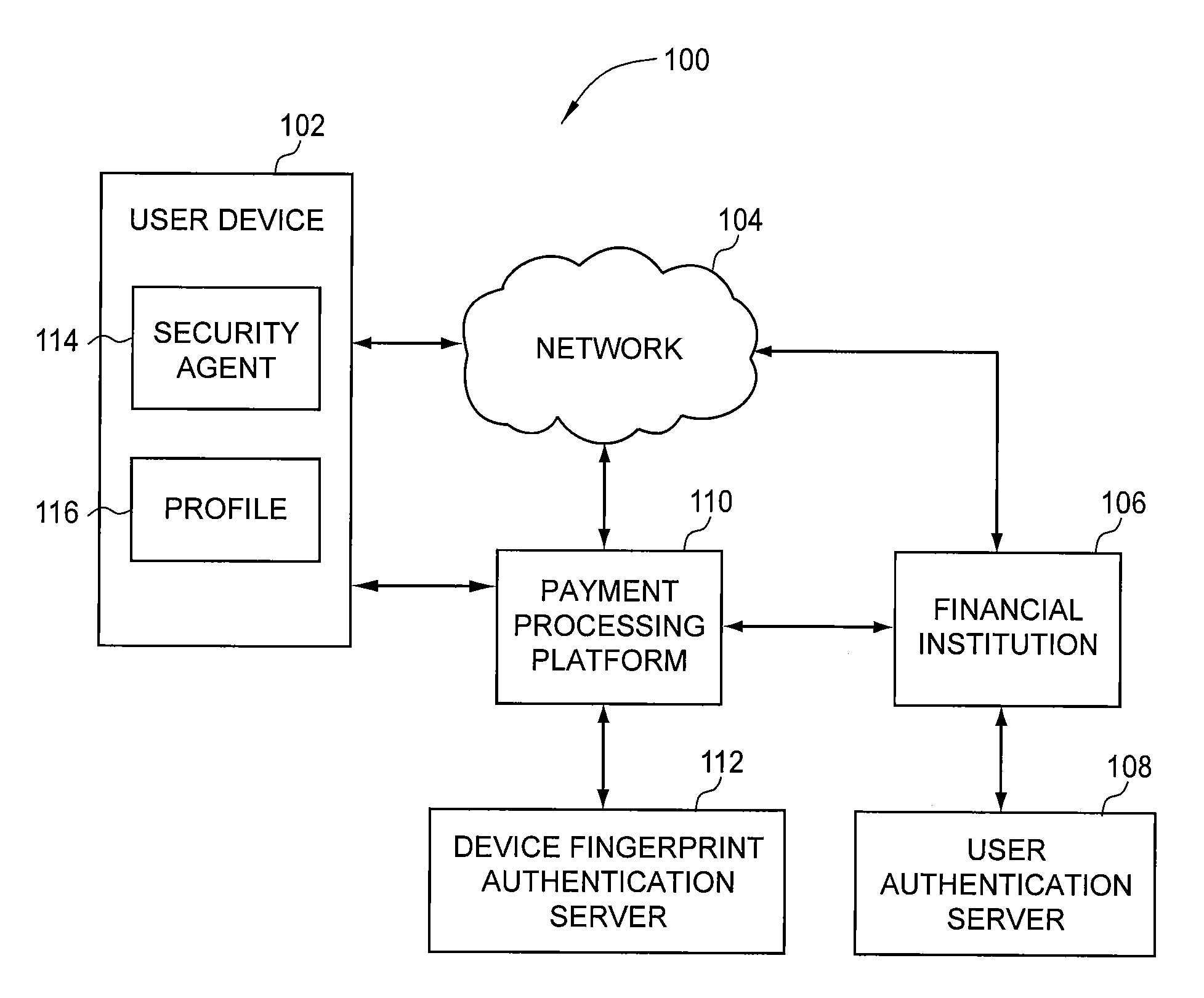
Figure 1 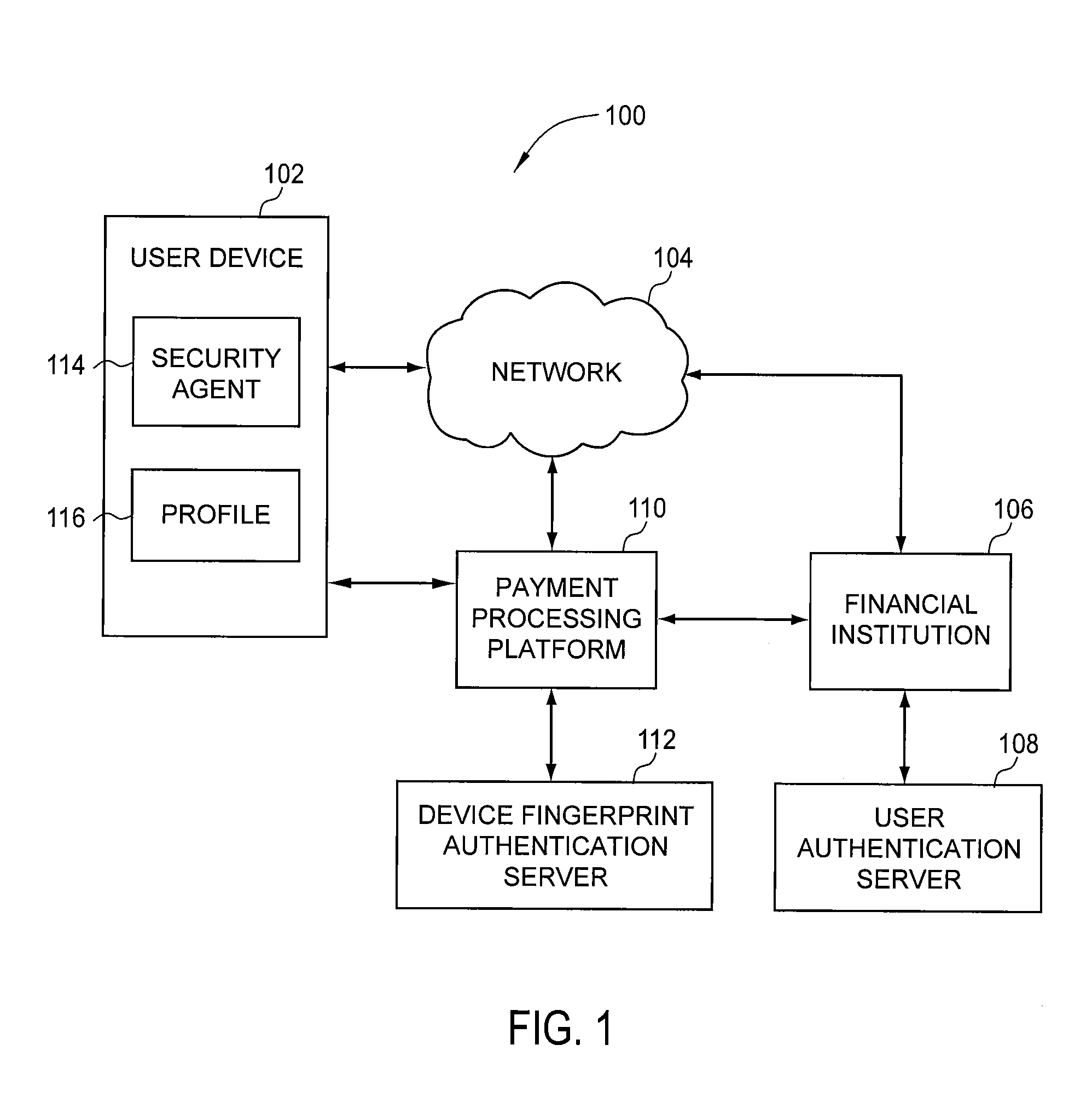
Figure 2 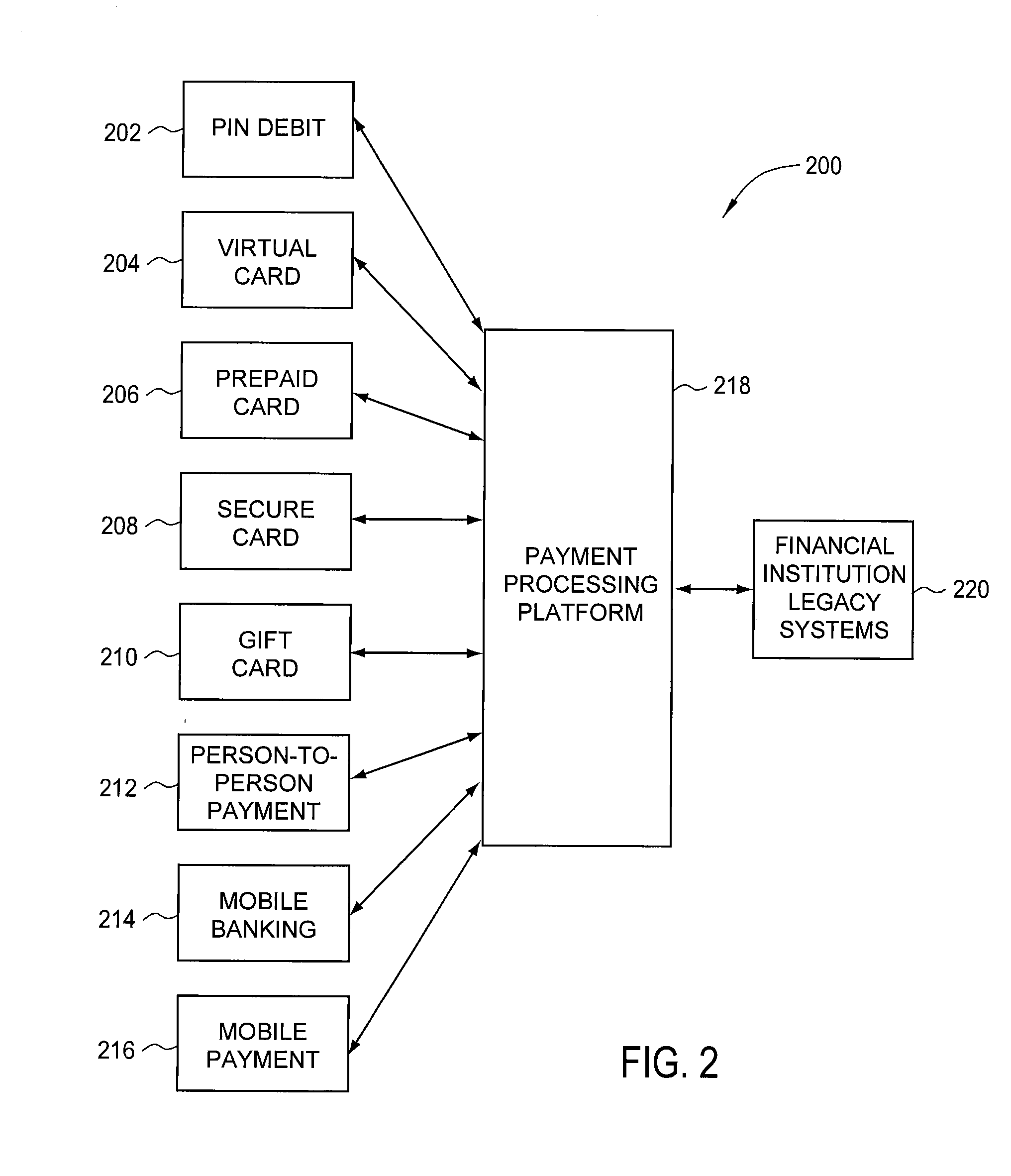
Figure 3
Abstract
Description
BACKGROUND OF THE INVENTION
[0001] 1. Field of the Invention
[0002] The present invention relates generally to the field of payment processing and, more particularly, to a payment processing platform.
[0003] 2. Description of the Related Art
[0004] As is known, several methods of payment for goods or services exist today, including cash, check, credit card, and debit card. Some of the most popular methods of payment include payment by credit card and by debit card. When credit / debit cards were first introduced, there was no concept of online payments, online banking, or payments via mobile phone. Today, these forms of payment are also very common.
[0005] As is known, a credit / debit card system is one where an issuer, usually a financial institution, issues a credit / debit card to a customer. The customer may then pay for goods or services using the credit / debit card. Essentially, the issuer is lending money to the customer to pay for the good or services.
[0006] When payment for goods or service...
Examples
Embodiment Construction
[0032]FIG. 1 is a block diagram illustrating components of a system 100 configured to implement one or more aspects of the present invention. As shown, the system 100 includes a user device 102, network 104, financial institution 106, user authentication server 108, payment processing platform 110, and device finger print authentication server 112.
[0033]The user device 102 may be any type of individual computing device such as, for example, a desktop computer, a laptop computer, a hand-held mobile device, a personal digital assistant, or the like. Alternatively, the user device 102 may be any other device, such as a standard telephone, or an ATM terminal for a financial institution, or a terminal used by a customer representative at a financial institution, or the like. In one embodiment, the user device 102 is configured to be in communication with the other components in the system 100 via the network 104. The network 104 may be any type of data network, such as a local area netwo...