
Method and apparatus for high mass concentration NANO particle generation
a nano-particle, high-mass concentration technology, applied in the direction of applications, biocide, aerosol delivery, etc., can solve the problems of inability to determine the specific toxicity of many of these materials when compared to other materials, and the approach is generally undesirable for generating aerosols for inhalation studies
Patent Information
- Authority / Receiving Office
- US · United States
- Current Assignee / Owner
- Publication Date
- 2009-12-24
Smart Images
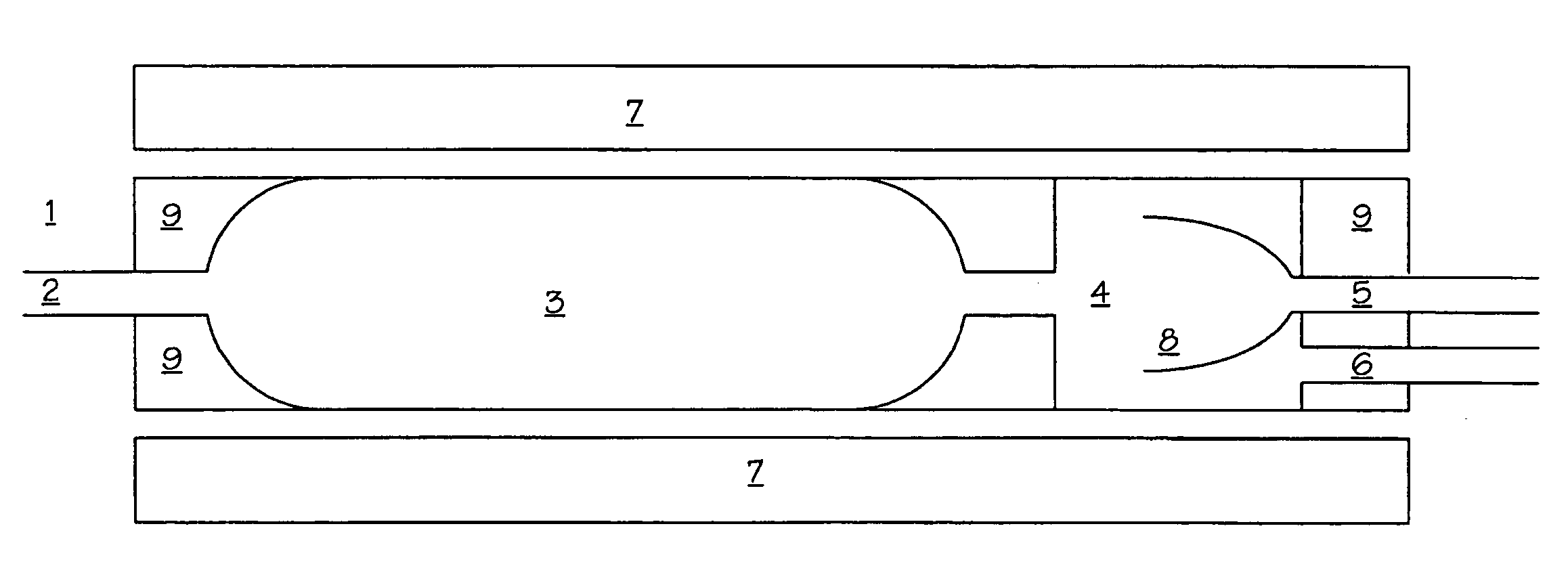
Figure 1 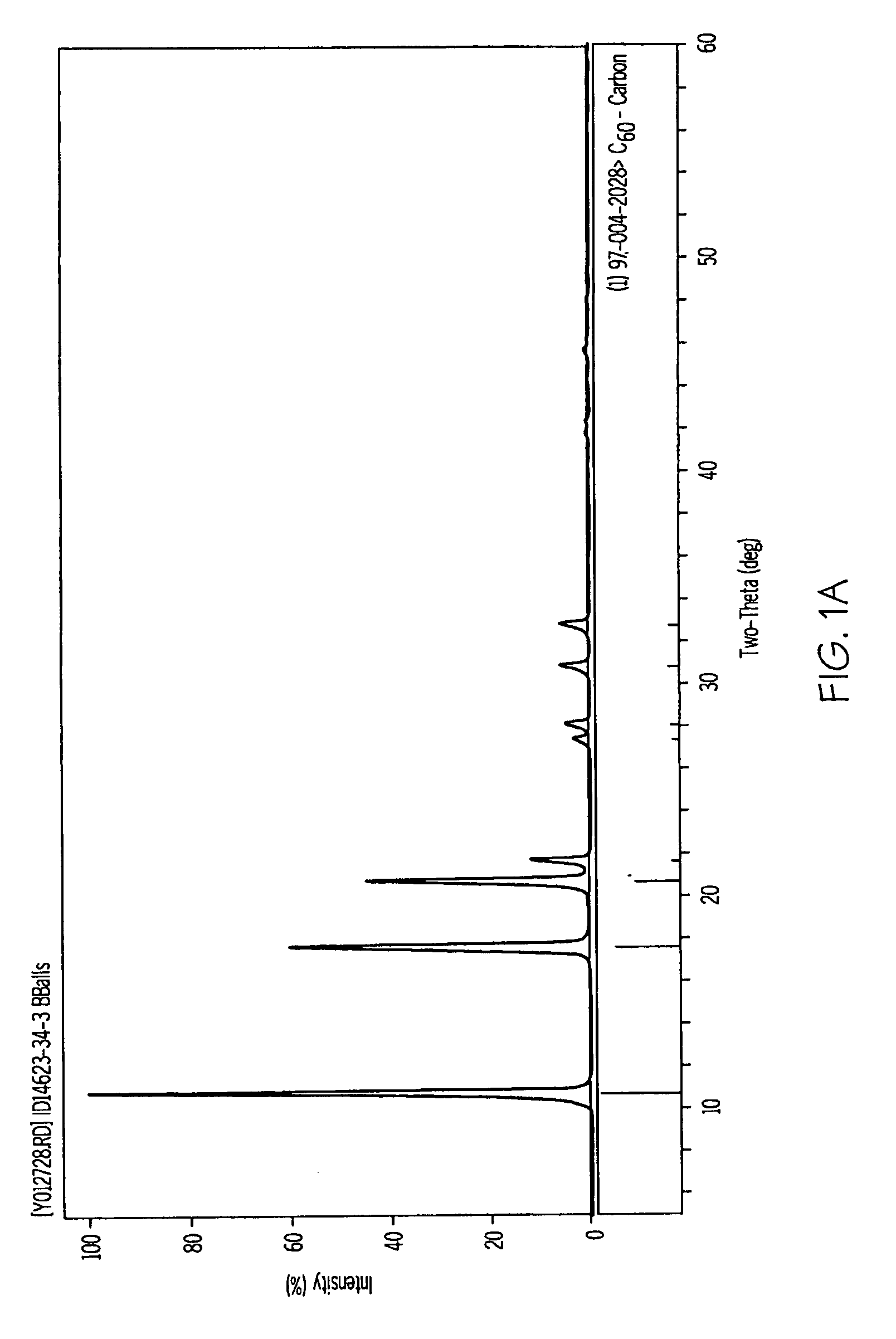
Figure 2 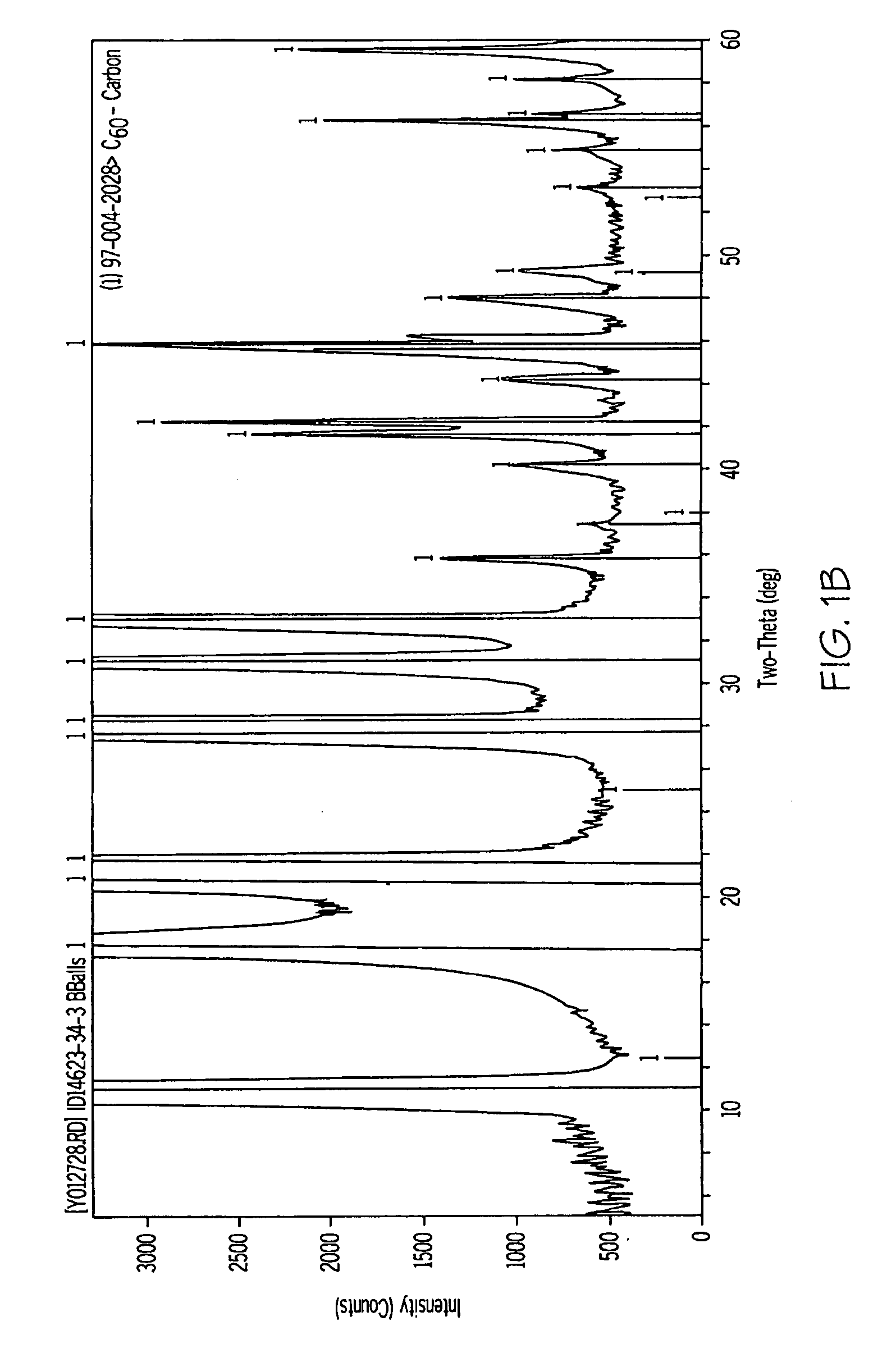
Figure 3
Abstract
Description
RELATED APPLICATIONS
[0001] This invention claims priority to, and incorporates by reference, the entire contents of U.S. Provisional Application No. 60 / 779,119, filed Mar. 3, 2006, and U.S. Provisional Application No. 60 / 837,057, filed Aug. 10, 2006.TECHNICAL FIELD
[0002] This invention relates to methods and apparatus for generating nano-sized particles. In this form, these materials are suitable for use in applications requiring high concentration and high purity, including, but not limited to, inhalation toxicology studies, manufacturing applications, occupational safety and health studies, and as drug delivery systems. The invention is particularly well suited and enables the generation of high concentrations of nano-sized particles of C60 aerosols.BACKGROUND OF THE INVENTION
[0003] Despite the fact that many different nano scale materials are already in use in consumer products, the ability to determine the specific toxicity of many of these materials is still limited when compared ...
Examples
Embodiment Construction
[0050]The final schematic of the system used to generate the aerosols of C60 nano particles is depicted in FIG. 12.
[0051]To demonstrate one embodiment of the present invention, a series of experiments were conducted using C60 particles supplied by SES Research, Houston, Tex. The bulk material consisted of dark colored, fine particles and had been stored at room temperature. The bulk material was milled in a Wig-L-Bug (Crystal Laboratories, Garfield, N.J.) for about 2 minutes before feeding to the generator.
[0052]The solid air disperser used to initially generate C60 aerosols for these studies is available from the assignee herein, Battelle Memorial Institute, Columbus Ohio. Briefly, as shown in FIGS. 2, 3a and 3b, it consisted of a rotary dust feed device 10 coupled to a single jet Particle Attrition Chamber (PAC) 14.
[0053]As shown in FIG. 2, the rotary dust feed device 10 consists of a drum (not visible), a body 11, a cap 12 and a drum rotation driver 13. The drum, which rotated du...