
Method for treating cancer pain and/or rescuing analgesic effect of morphine treatment of cancer pain
a cancer pain and cancer technology, applied in the field of medical treatment, can solve the problems of pain remaining elusive, lack of clear evidence of forward- or reverse-signaling or both, and achieve the effect of rescuing the analgesic effect of morphine treatment and reducing opioid toleran
Patent Information
- Authority / Receiving Office
- US · United States
- Current Assignee / Owner
- Publication Date
- 2013-05-02
- Estimated Expiration
- Not applicable · inactive patent
Smart Images
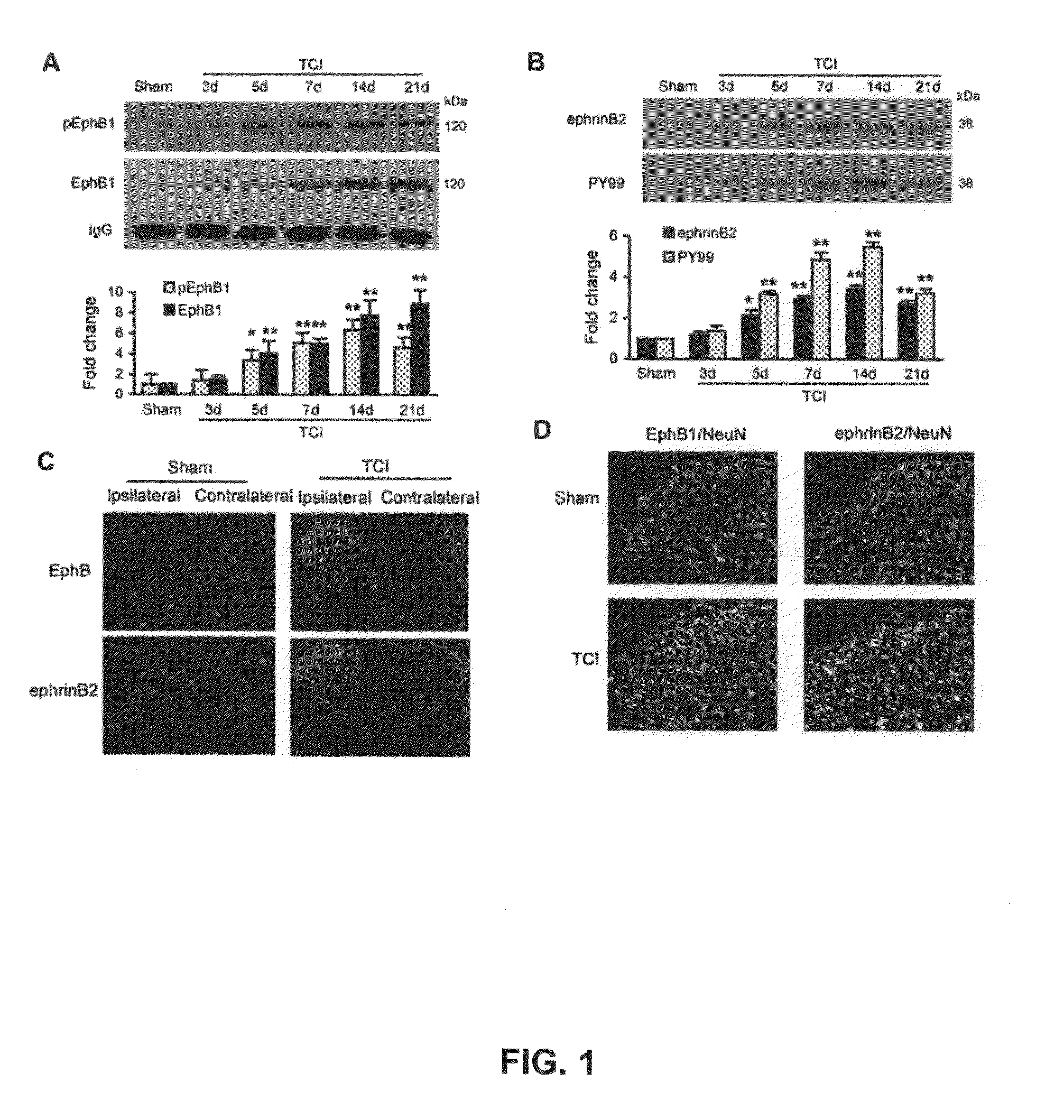
Figure 1 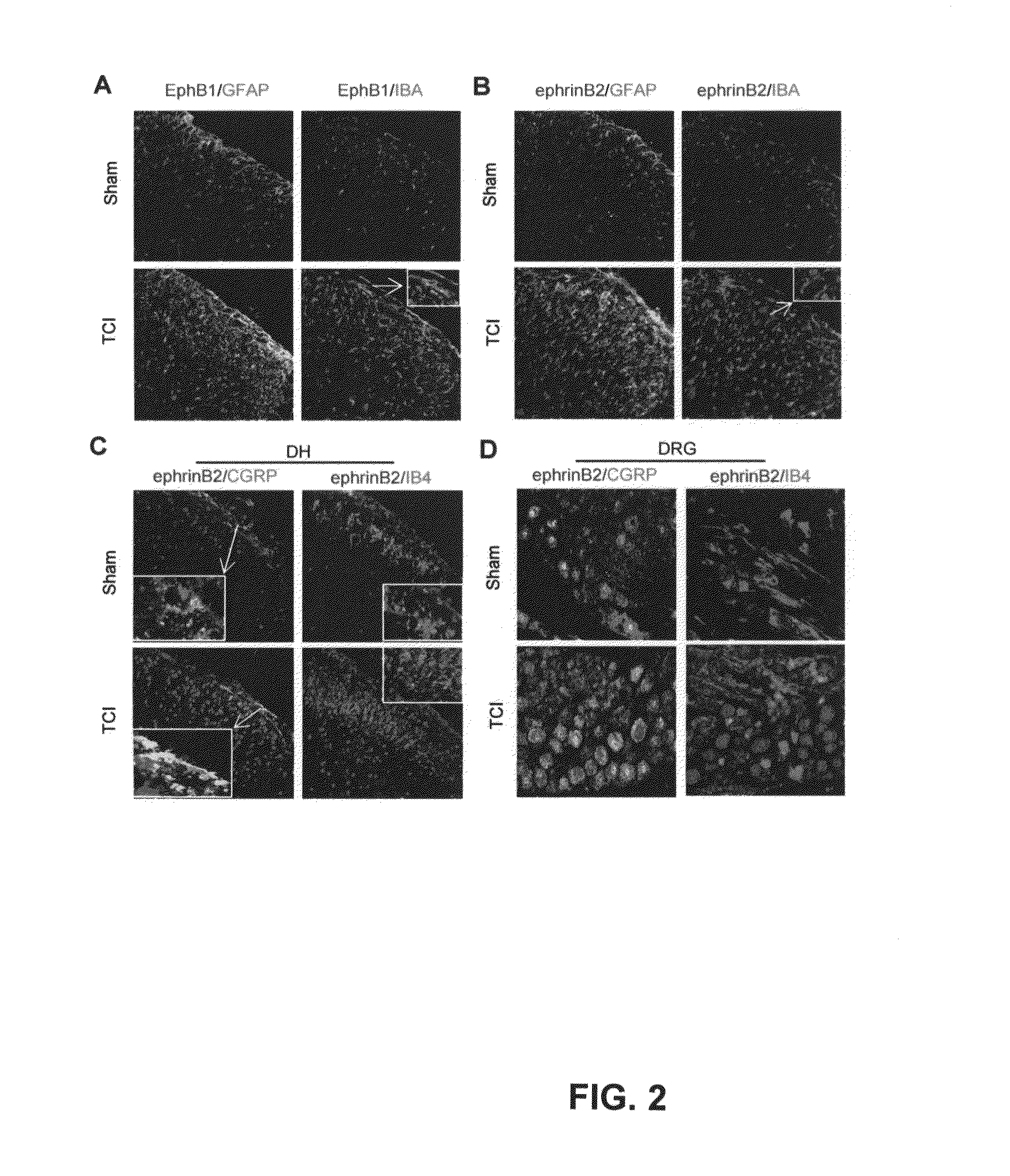
Figure 2 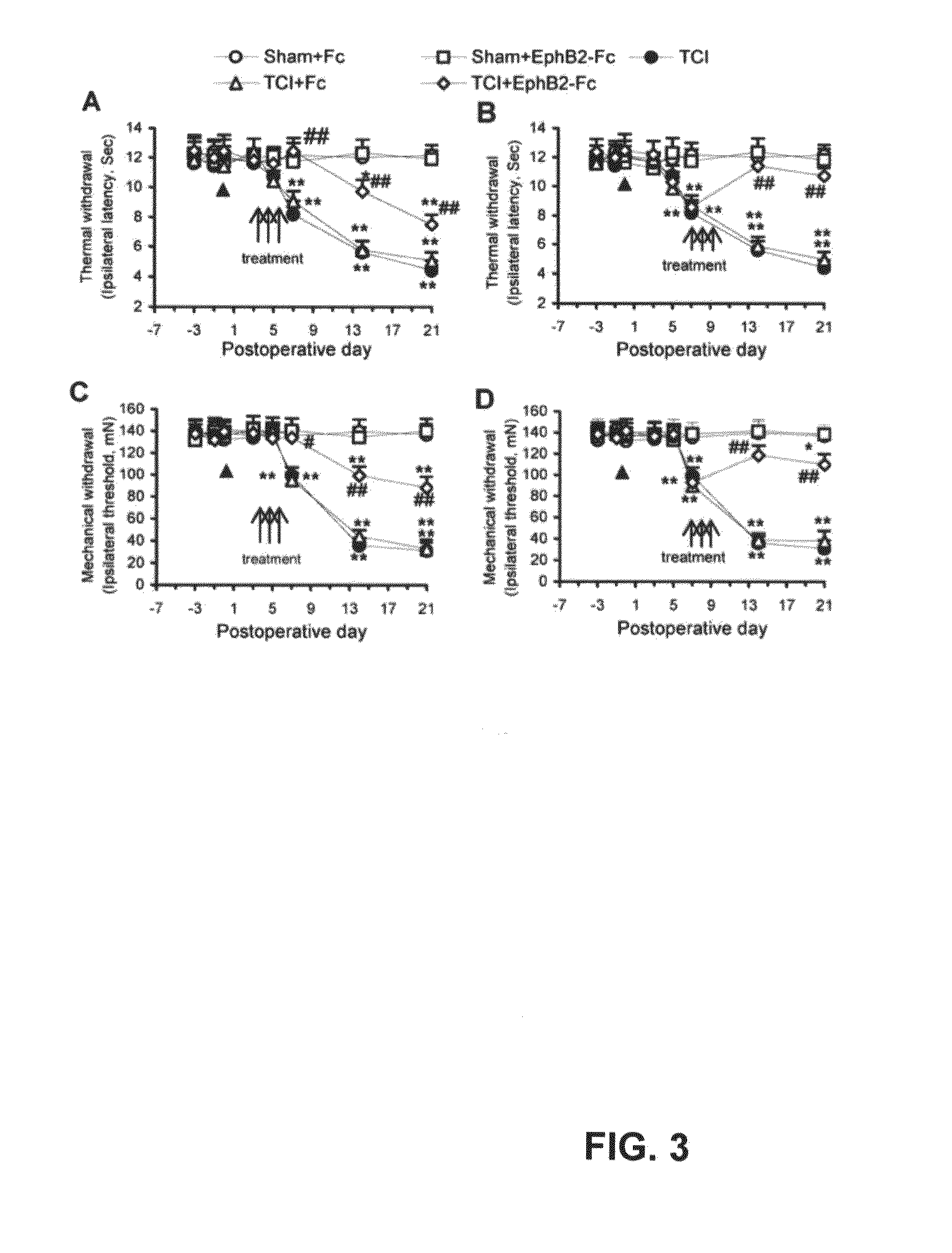
Figure 3
Abstract
Description
BACKGROUND OF THE INVENTION
[0001] 1. Field of the Invention
[0002] The present invention generally relates to medical treatment. Particularly, the present invention relates to a method for treating cancer pain and / or rescuing analgesic effect of morphine treatment of cancer pain using a blocking reagent for ephrinB-EphB signaling.
[0003] 2. Description of the Related Art
[0004] Tumor cells act to cause pain in many ways. For example, bone cancer pain is one of the most common symptoms presented by patients with primary bone sarcomas or secondary bone cancers that predominantly occur as distant metastases of non-bone primary tumors, notably those in breast, prostate and lung. Production of prostaglandin and other molecules by tumors, tumor-associated macrophages and other host cells stimulate osteoclast-mediated bone resorption. Nociceptors in bone are stimulated via activation of transient receptors potential vanilloid type-1, endothelin A and TrkA receptor. Activation is directed by acid ...
Examples
examples
Materials and Methods
Animals
[0036]All animals were used in accordance with the regulations of the ethics committee of the International Association for the Study of Pain and all protocols approved by the Institutional Animal Care and Use Committees. Adult, male, Sprague-Dawley rats, adult, male and female CD-1 mice (Charles River Laboratories) and the EphB1− / − and EphB1+ / + mice (Henkemeyer Laboratory at University of Texas Southwestern Medical center) were used in this study. All surgeries were done under anesthesia with pentobarbital (Sigma, 50 mg / kg, i.p.).
Therapeutic Reagents
[0037]An EphB1 receptor blocking reagent EphB2-Fc and an EphB1 receptor activator ephrinB2-Fc were used to determine the possible roles of EphB1 receptor in TCI-induced pain-like behaviors and the associated neurochemical alterations. EphB2-Fc possibly combines with the endogenous ephrinBs and thus EphB1 is substituted and cleaved. This may result in inhibition of the downstream signals of EphB1. EphrinB2-Fc ...