
Methods of Treating Ascites
a technology of ascites and ascites, applied in the field of ascites treatment, can solve the problems of increasing the use of medical resources, affecting the survival rate of patients, and affecting the quality of life of patients, and achieves the effects of reducing the risk of ascites, and improving the quality of li
Patent Information
- Authority / Receiving Office
- US · United States
- Patent Type
- Applications(United States)
- Current Assignee / Owner
- Publication Date
- 2021-11-04
Smart Images
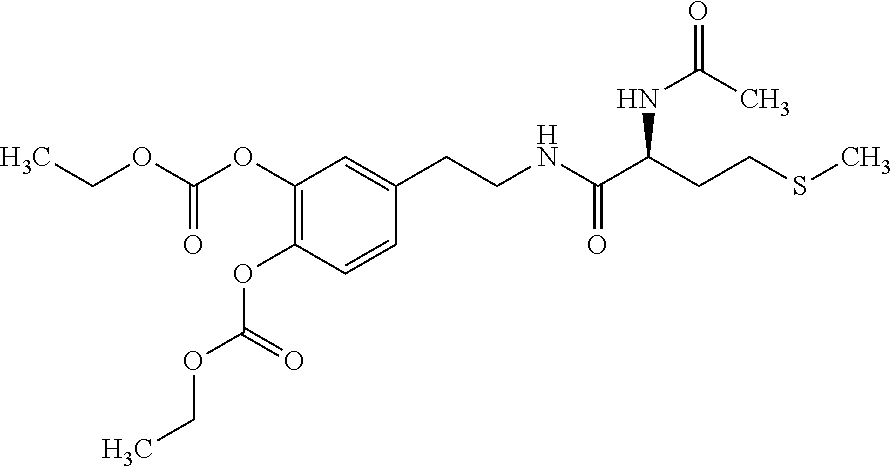
Figure 1 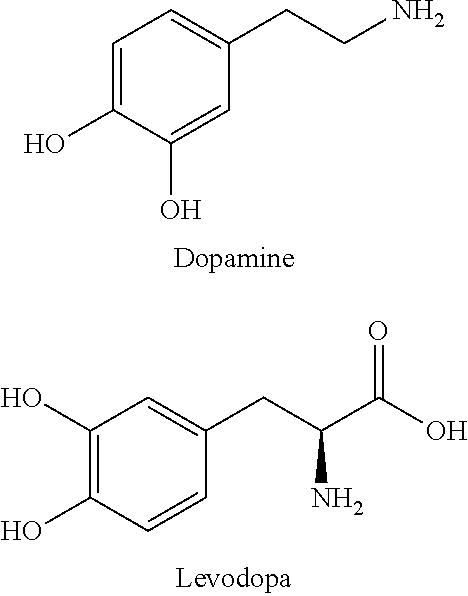
Figure 2
Abstract
Description
CROSS REFERENCE TO RELATED APPLICATIONS
[0001] This application is a continuation of U.S. application Ser. No. 17 / 090,530, which claims priority from U.S. provisional Ser. No. 62 / 936,270, filed 15 Nov. 2019, U.S. provisional Ser. No. 62 / 943,605, filed 4 Dec. 2019 and U.S. provisional Ser. No. 63 / 067,411, filed 19 Aug. 2020.BACKGROUND OF THE INVENTION
[0002] Ascites is a pathologic accumulation of fluid within the peritoneal cavity. It is most commonly associated with cirrhosis of the liver (84% of cases), but is also seen with some forms of cancer (6% of cases, most frequently associated with breast, bronchus, ovary, stomach, pancreas and colon cancer), heart failure (3%), tuberculosis (1%), dialysis, pancreatic disease and other conditions (Runyon 1992).
[0003] Refractory Ascites (RA) is a serious medical complication of liver cirrhosis that occurs when ascites can no longer be treated with diuretics and salt restriction, and requires additional and repeated clinical intervention, includ...
Examples
example 1
Study
Design
[0067]An open-label, single-arm study in which each subject serves as his / her own control is conducted. The study assesses the effect of DCP treatment on ascites formation in cirrhotic subjects with RA, by examining the frequency of LVP and the volume of ascitic fluid drained. All subjects participate in a 90-day open-label treatment period. One group receives 750 mg docarpamine 3 times per day (total daily dose of 2250 mg) and a second group receives 1500 mg docarpamine 3 times per day (total daily dose of 4500 mg), followed by a 90-day follow-up. Ascites history (relevant medications, LVP dates, and volume of drained fluid) for the 90 days prior to treatment and the 90 days after treatment are collected and used for comparison with on-treatment frequency and volume.
Study Population
[0068]The study population consists of cirrhotic patients between 18 and 70 years of age, inclusive, with refractory ascites, subject to the following inclusion and exclusion criteria.
[0069]In...