
Using mobility tokens to observe malicious mobile code
a technology of mobility tokens and applied in the field of computer security, can solve the problems of being suspected of being potentially malicious, vulnerable to malicious computer code attacks on networked computers, and a major security threat of malicious mobile executable files
Patent Information
- Authority / Receiving Office
- US · United States
- Patent Type
- Patents(United States)
- Current Assignee / Owner
- Publication Date
- 2008-02-26
Smart Images
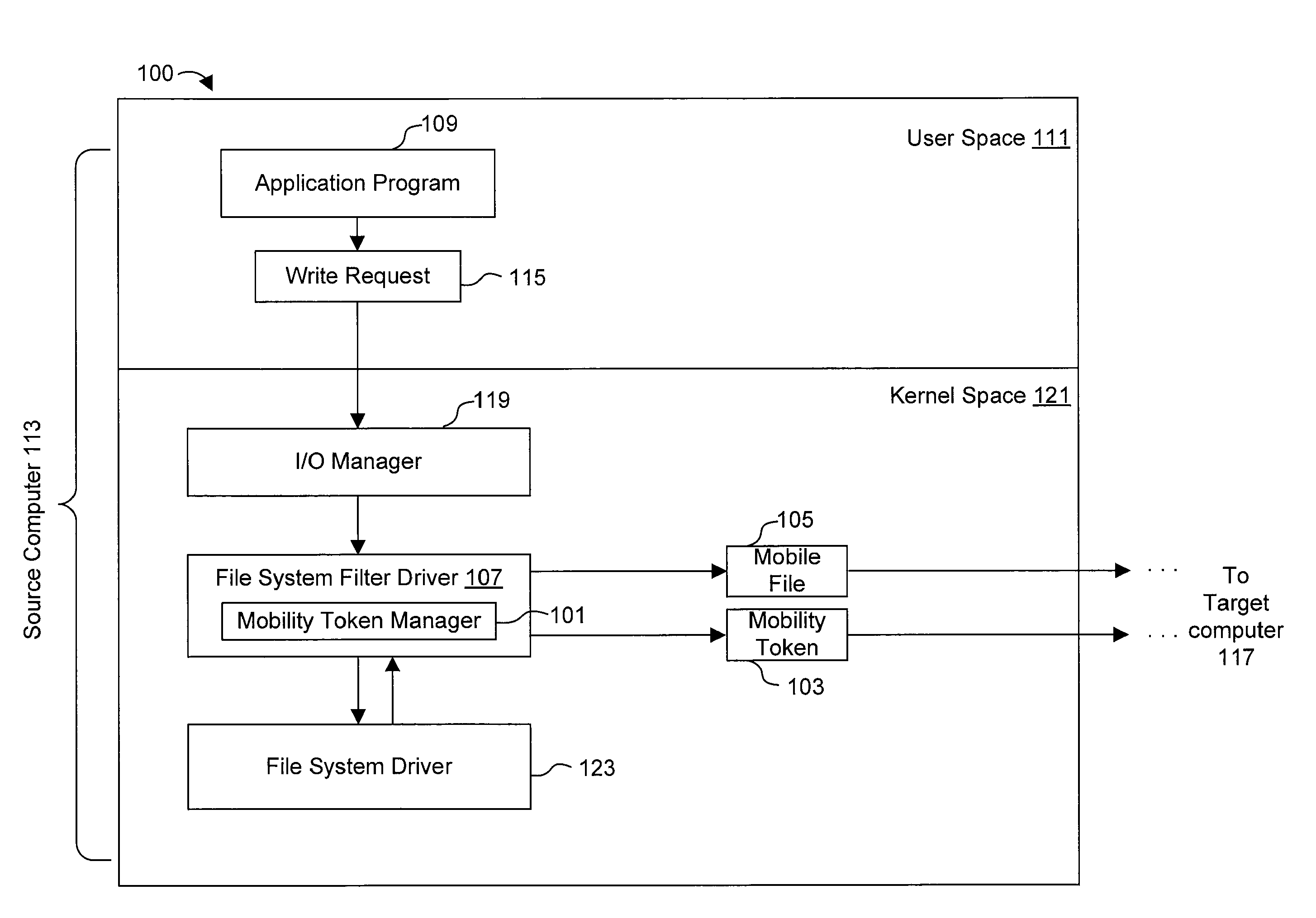
Figure 1 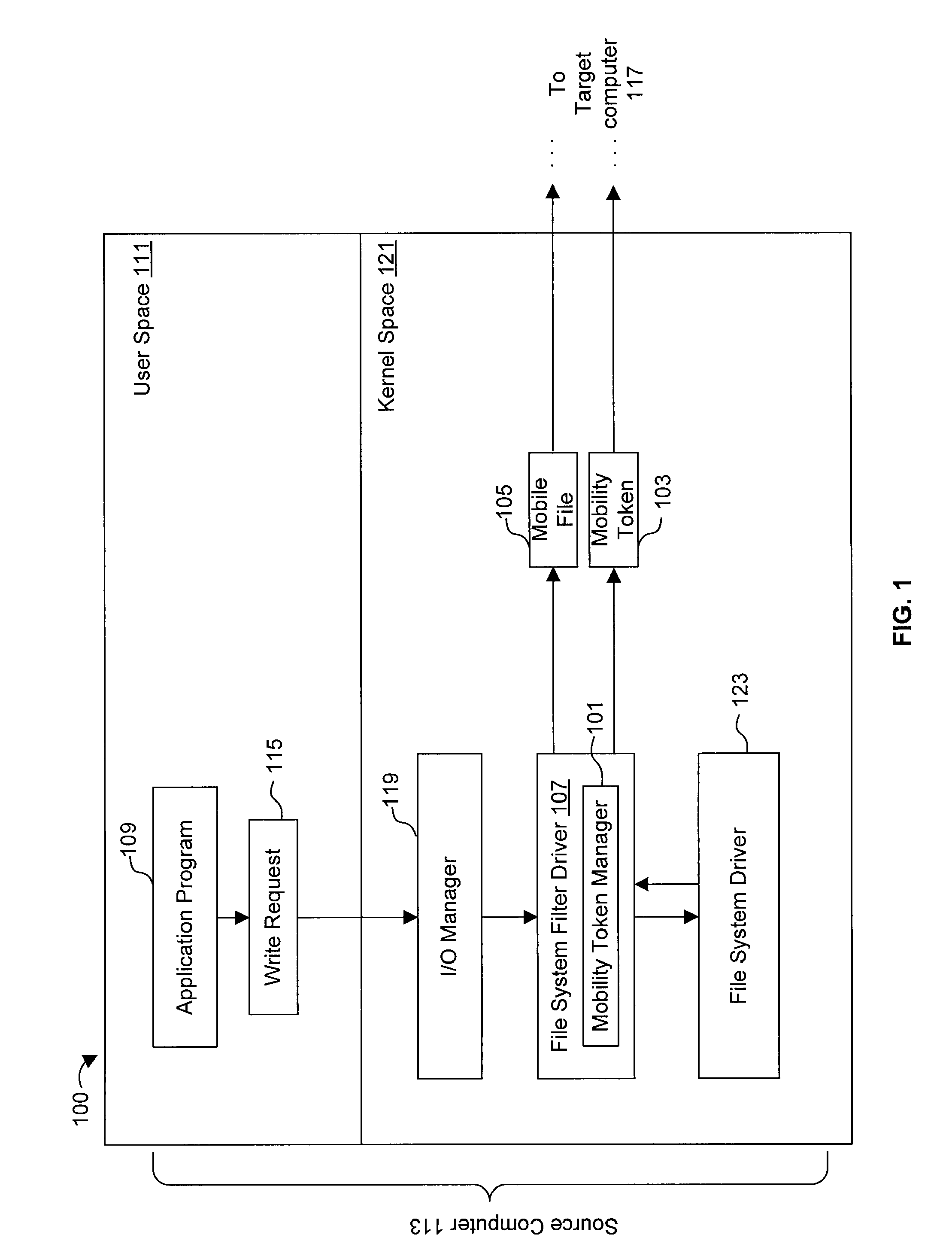
Figure 2 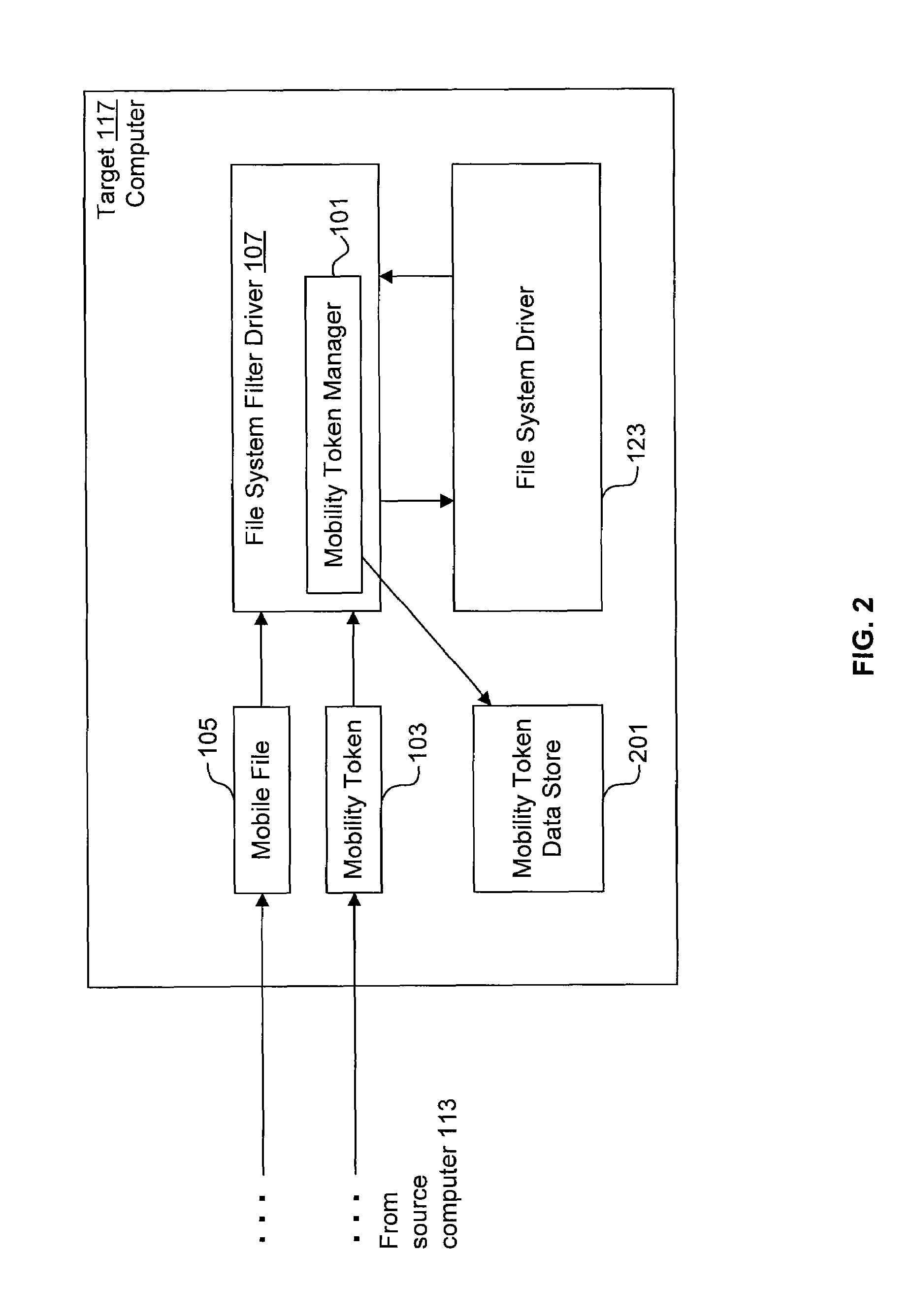
Figure 3
Abstract
Description
TECHNICAL FIELD
[0001] This invention pertains generally to computer security, and more specifically to using mobility tokens to observe malicious mobile code.BACKGROUND ART
[0002] Networked computers are vulnerable to malicious computer code attacks, such as worms, viruses and Trojan horses. As used herein, “malicious computer code” is any code that enters a computer without an authorized user's knowledge and / or without an authorized user's consent.
[0003] Malicious mobile executable files comprise a major security threat. Mobile executable files are typically not signed, and do not carry a digital signature. Thus, the identity of their author(s) is unknown, and they should be suspected of being potentially malicious. For example, worms are often spread as a form of malicious mobile executable file.
[0004] Malicious mobile executable files such as worms often utilize open shares to spread themselves within networks. However, legitimate code can also be copied within a network this way. Bei...
Examples
Embodiment Construction
[0022]FIG. 1 illustrates a high level overview of a system 100 for performing some embodiments of the present invention. A mobility token manager 101 uses mobility tokens 103 to track mobile files 105. It is to be understood that although the mobility token manager 101 is illustrated as a single entity, as the term is used herein a mobility token manager 101 refers to a collection of functionalities which can be implemented as software, hardware, firmware or any combination of the three. Where a mobility token manager 101 is implemented as software, it can be implemented as a standalone program, but can also be implemented in other ways, for example as part of a larger program, as a plurality of separate programs, or as one or more statically or dynamically linked libraries.
[0023]In FIG. 1, the mobility token manager 101 is illustrated as being within a file system filter driver 107. The implementation mechanics of file system filter drivers 107 are known to those of ordinary skill ...