
Seal-quality estimation for a seal for an ear canal
a seal quality and ear canal technology, applied in the field of determining the seal quality indication of an ear canal seal, can solve the problems of low computational complexity and low computational resources, and achieve the effects of low computational complexity, improved performance, and sufficiently reliable captur
Patent Information
- Authority / Receiving Office
- US · United States
- Patent Type
- Patents(United States)
- Current Assignee / Owner
- Publication Date
- 2016-03-08
- Estimated Expiration
- Not applicable · inactive patent
Smart Images
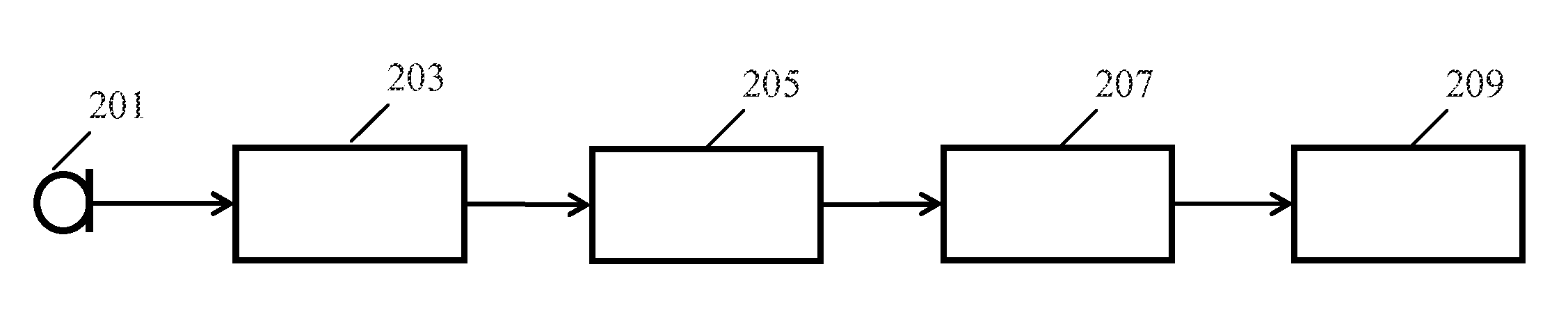
Figure 1 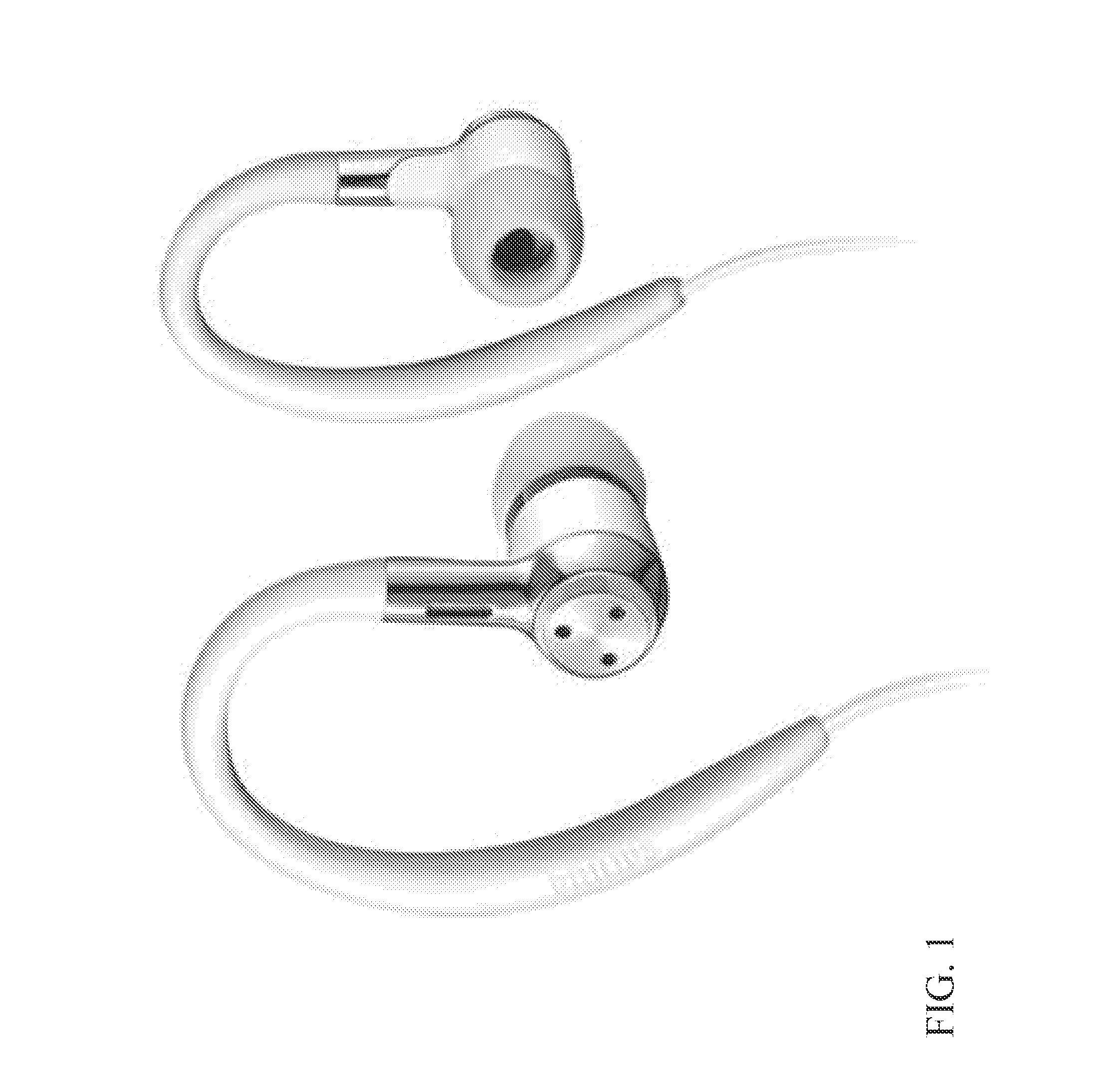
Figure 2 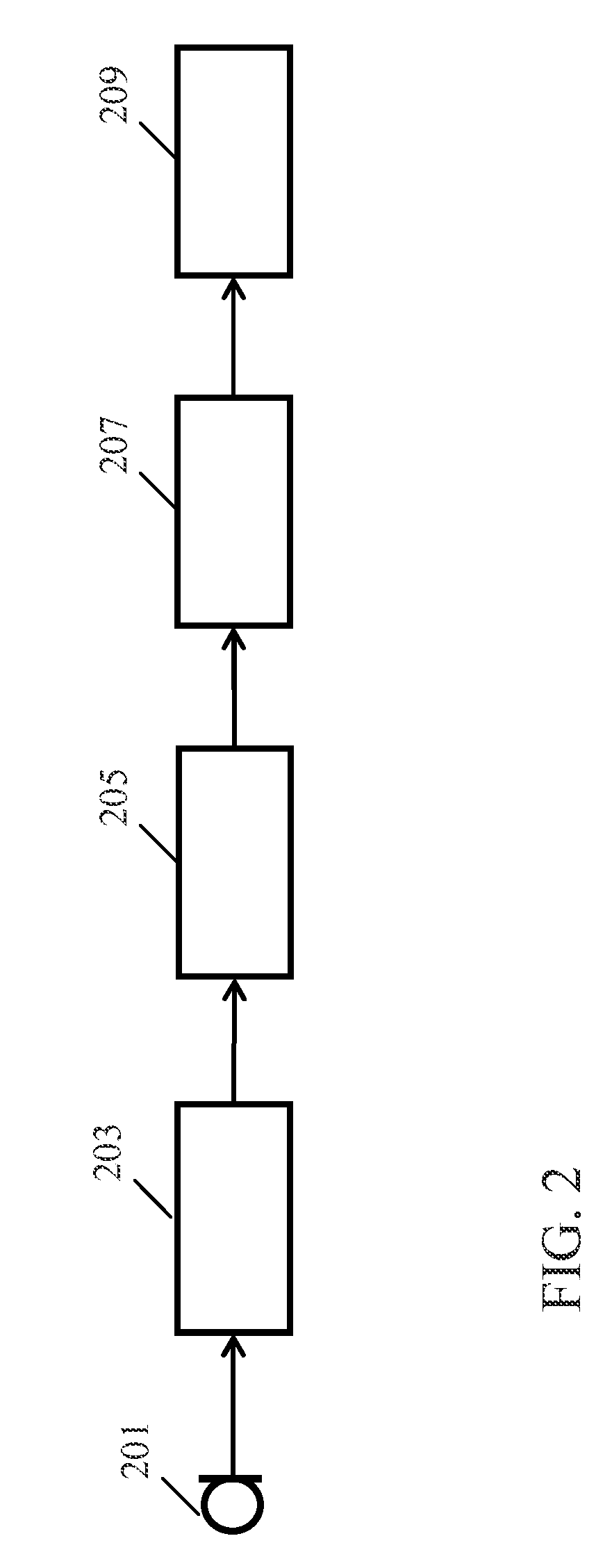
Figure 3
Abstract
Description
FIELD OF THE INVENTION
[0001] The invention relates to a method and apparatus for determining a seal quality indication for a seal of an ear canal and in particular, but not exclusively, to determination of a seal quality indication for body sound measuring applications.BACKGROUND OF THE INVENTION
[0002] There is an increasing interest in monitoring body functions for various applications. For example, there is an interest in monitoring heart rate and breathing characteristics for relaxation, exercise and medical applications.
[0003] It has been proposed to measure body sounds by placing a microphone in the ear canal. Indeed body sounds, are transmitted through the body via bone conduction, among others. Interesting sounds that can be captured inside the ear canal include heart sounds, breathing sounds and motion sounds such as footsteps. It has been found that it is possible to record such body sounds inside the ear canal by making use of what is known as the occlusion effect. The occlus...
Examples
Embodiment Construction
[0058]The following description focuses on embodiments of the invention applicable to determination of a seal quality for a sealed ear canal microphone and in particular to such seal detection for use in an application for measuring body sounds in the ear canal. However, it will be appreciated that the invention is not limited to this application but may be applied to any application using an in ear canal microphone together with a seal of the ear canal. It will also be appreciated that the approach may be used for any potential sealing of the ear canal and does not require this sealing to be made by the microphone element itself.
[0059]The approach will be described with reference to the seal of one ear but it will be appreciated that the approach can be applied in parallel to both ears. Indeed, in some cases a single seal quality indication for both ears can be generated by combining individual seal quality indications for both ears.
[0060]FIG. 2 illustrates an example of an apparat...