
Compacted micro- or nanocellular polymer material and vacuum insulation panel comprising a core of said material
A compacted polymeric material with a micro- or nanocellular structure addresses the thermal conductivity limits of existing insulation materials by achieving low thermal conductivity values, facilitating efficient thermal insulation and scalable manufacturing for vacuum insulation panels.
Patent Information
- Application Number
- PCT/ES2025/070009
- Authority / Receiving Office
- WO · WO
- Patent Type
- Applications
- Current Assignee / Owner
- Priority Date
- 2024-01-11
- Filing Date
- 2025-01-10
- Publication Date
- 2025-07-17
AI Technical Summary
Current thermal insulation materials, such as polyurethanes and polystyrene foams, are approaching their thermal conductivity limits, and there is a need for improved materials that can achieve lower thermal conductivity values to meet energy efficiency standards while minimizing material usage and environmental impact.
A compacted polymeric material with a micro- or nanocellular structure, characterized by a cell size of 50 nm to 10 pm and an open cell content of over 80%, which can be used as a core in vacuum insulation panels, achieving thermal conductivities as low as 6 mW/(m K) to 25 mW/(m K) when subjected to vacuum pressure, and can be easily manufactured in various dimensions and geometries.
The compacted polymeric material significantly reduces thermal conductivity, enabling efficient thermal insulation with lower material usage and broader applicability, suitable for vacuum insulation panels and other thermal insulation applications.
Smart Images

Figure IMGF000003_0001 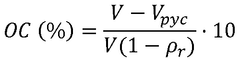
Figure IMGF000009_0001 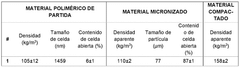
Figure IMGF000027_0001
Abstract
Description
[0001] DESCRIPTION
[0002] COMPACTED MICRO- OR NANOCELLULAR POLYMERIC MATERIAL AND VACUUM INSULATION PANEL COMPRISING A CORE OF SAID MATERIAL
[0003] TECHNICAL SECTOR
[0004] The present invention falls within the technical sector of insulating materials and, in particular, is directed to a polymeric material comprising powder particles of micro- or nanocellular structure with specific cell size and open cell content, where these particles are compacted together to form a compacted polymeric material with a specific apparent density. Likewise, the present invention is also directed to a vacuum insulation panel (also referred to herein as a "VI P" panel) comprising said compacted polymeric material as a core and a sealed envelope that completely encloses the core and allows a vacuum to be maintained inside the panel.
[0005] The invention is also directed to a process for manufacturing the compacted polymeric material described herein, wherein said process comprises obtaining a micro- or nanocellular polymeric material in powder form and its subsequent compaction.
[0006] Furthermore, the present invention also relates to the use of the compacted polymeric material as a core in a vacuum insulation panel (VIP), and to the use of said panel as thermal insulation, particularly in the construction sector, but also in other sectors such as the packaging of temperature-sensitive materials, such as organs, vaccines, or heat-sensitive medications; or in the refrigeration sector, i.e., in the manufacture of refrigerators, cold rooms, or refrigerated trucks.
[0007] STATE OF THE ART
[0008] In recent years, economic development and improved living standards have led to a considerable increase in energy consumption, particularly in the construction sector. Consequently, there is a need to improve energy efficiency in the development of this sector, as without this improvement, energy demand in buildings is expected to increase by 50% by 2050. Therefore, the construction sector is crucial to achieving an efficient economy, both in terms of the use of current resources and in reducing carbon emissions.
[0009] Since buildings are currently responsible for around 40% of global energy consumption and 36% of greenhouse gas emissions, some governments such as the European Union have established legal frameworks to achieve greater energy efficiency in the building sector (Directive 2010 / 31 / EU of 19 May 2010 on the energy performance of buildings, Directive 2012 / 27 / EU of 25 October 2012 on energy efficiency, amending Directives 2009 / 125 / EC and 2010 / 30 / EU and repealing Directives 2004 / 8 / EC and 2006 / 32 / EC, (2012)). In particular, it is known that more than 40% of the energy used in buildings is used for air conditioning. Therefore, a key factor in reducing energy consumption and CO2 emissions associated with energy demand in buildings is optimizing performance through thermal insulation.
[0010] In this regard, it is well known that the physical parameter typically used to quantify the thermal insulation performance of a given material is thermal conductivity, which is a physical property that describes the heat transport through the body of said material due to a temperature gradient. Thus, the thermal conductivity of cellular polymeric materials (also called "polymer foams") used for thermal insulation can be calculated as the sum of four heat transfer mechanisms: thermal conductivity through the solid phase, As; thermal conductivity through the gas phase, Ág; thermal conductivity by radiation, Ar; and thermal conductivity by convention, Ac.However, in those materials that have a pore size below 4 mm, as is the case with most materials used as thermal insulators on the market, convection is insignificant and, therefore, it is considered that the thermal conductivity for this type of insulating materials is determined by the sum of the values of As, Ag and Ar (Equation 1).
[0011] Currently, materials used in the construction sector, such as polyurethanes (PU), mineral wool, expanded polystyrene (EPS), and extruded polystyrene foam (XPS), have thermal conductivity values of approximately 25–40 mW / m K. Various strategies are being considered to improve the thermal insulation capacity of these materials so that they comply with current legislation, particularly the aforementioned European Union directives. One possible solution is to increase the thickness of the insulation layer of conventional insulation materials. However, this requires the use of significantly larger quantities of material, which, in turn, results in higher CO2 emissions and a reduction in the usable area of buildings.On the other hand, another strategy is to develop new thermal insulators with lower thermal conductivity values. This strategy is more promising because it will not only save energy but also extend the usable area of buildings, achieving the same thermal insulation with a reduced thickness. Therefore, developing new thermal insulators is a mandatory task to improve energy efficiency in the construction sector.
[0012] In recent years, there has been a growing interest in the development of nanocellular polymers (i.e., polymers with cells or pores smaller than 1 micron) as new thermal insulating materials due to their advantageous combination of properties. In particular, these materials are lightweight, low-cost, recyclable, exhibit reduced thermal conduction through the gas phase, and have improved mechanical properties. Thus, one of the most relevant properties of this type of nanocellular polymers is their reduced thermal conductivity through the gas phase due to the Knudsen effect (6. Notario, J. Pinto, E. Solorzano, J.A. de Saja, M. Dumon, M.A. Rodríguez-Perez, Experimental validation of the Knudsen effect in nanocellular polymeric foams, Polymer (Guildf). 56 (2015) 57-67).Due to this effect, the thermal conductivity of the gas phase inside the pores can present values even lower than the thermal conductivity values obtained in air, 24.4 mW / (m K) at 10°C (Forest, C., Chaumont, P, Cassagnau, P, Swoboda, B., & Sonntag, P (2015). Polymer nano-foams for insulating applications prepared from CO2 foaming. Progress in Polymer Science, 41, 122-145).
[0013] However, the production of nanocellular polymers is still a challenge, especially for low-density nanocellular polymers. Furthermore, manufacturing processes are limited mainly to laboratory scale, while the production of larger samples is a complex task. Therefore, many authors have attempted to theoretically predict the thermal properties of these materials. For example, Wang et al. (G. Wang, C. Wang, J. Zhao, G. Wang, C.B. Park, G. Zhao, Modelling of thermal transport through a nanocellular polymer foam: Toward the generation of a new superinsulating material, Nanoscale. 9 (2017)) mathematically modeled thermal transport through a nanocellular polymer. Their model proposed that the contribution of radiation begins to become very significant in low-density nanocellular polymers.Thus, they predicted that the minimum conductivity that could be obtained with these materials is not as low as expected. On the other hand, Buahom et al. (P. Buahom, C. Wang, M. Alshrah, G. Wang, P. Gong, M. P. Tran, C. B. Park. Wrong expectation of superinsulation behavior from largely-expanded nanocellular foams, Nanoscale. 12 (2020) 13064-13085) describe a mathematical model to predict the thermal conductivity of microcellular and nanocellular polymer foams such as polystyrene (PS) foams and polymethyl methacrylate (PMMA) foams, where said materials presented different relative densities and different cell sizes. In particular, these authors found a minimum thermal conductivity value of 37 mW / (m K) measured at 27°C (300 K) for the case of nanocellular PMMA with a relative density of 0.1 and a cell size of 100 nm.Recently, the inventors of the present patent application have proven with experimental results and by modelling that the thermal conductivity of nanocellular polymers could be limited to higher values of 34 mW / (m K) (at 10 °C) or 37 mW / (m K) (at 20 °C), even in the case of samples presenting low density values (I. Sanchez-Calderón, V. Bernardo, J. Martí n-de-León, M. Á. Rodriguez-Perez. Thermal conductivity of low-density micro- and nanocellular poly(methyl-methacrylate) (PMMA): Experimental and modeling, Mater. Des. 221 (2022) 110938).
[0014] On the other hand, vacuum insulation panels (VIP) are super thermal insulators. A super thermal insulator is characterized by having a thermal conductivity lower than that of air (24.4 mW / (m K) at 10 °C). A VIP panel can be described as a panel comprising a porous material (core) that has been evacuated and placed within a closed envelope, allowing a vacuum to be maintained inside the panel. In particular, VIP panels are the insulating materials with the lowest thermal conductivity on the market, presenting thermal conductivities between 4 and 10 mW / (m K). This low thermal conductivity is due to the fact that, by creating a vacuum in the core, conduction through the gas phase is suppressed, drastically reducing conductivity.However, the VIPs known to date present significant problems, such as their high cost and recyclability, given that the core is usually made of silica powder. For example, fumed silica is one of the most widely used porous materials. This porous material is mixed with various fibers and additives to create a VIP panel, but this has some disadvantages. In particular, fumed silica is a costly material, difficult to process, and poses problems for human health.
[0015] The work carried out to date on nanocellular polymers has shown that the thermal conductivity values that these polymers can achieve are much higher than those obtained for other nanoporous materials such as aerogels. This is believed to be because, despite the decrease in gas-phase conduction as the cell size decreases to the nanoscale, the contribution of the other two heat transfer mechanisms (radiation and conduction through the solid phase) increase the total thermal conductivity value. In fact, the inventors of the present invention have developed a semi-empirical model to predict the thermal conductivity of low-density microcellular and nanocellular polymethylmethacrylate (PMMA) and have proven that heat transfer by radiation is a factor that greatly affects the effect when the density and cell size decrease ( / . Sánchez-Calderón, V. Bernardo, J.Martín-de-León, M. Á. Rodríguez-Pérez. Thermal conductivity of low-density micro and nanocellular poly(methyl-methacrylate) (PMMA): Experimental and modeling. Mater. Des. 221 (2022) 110938). Furthermore, it was also found that conduction through the solid phase had a great influence on the expected thermal conductivity values.
[0016] In view of the above, it is clear that there is a growing need to develop improved thermal insulation materials that comply with current environmental legislation, given that conventional insulation materials, such as XPS or Pll, are already at the limits of their capabilities.
[0017] As mentioned above, nanocellular polymers, characterized by cell sizes less than 1 µm, represent an attractive alternative to materials currently on the market due to their combined properties. However, there are still some outstanding challenges that need to be addressed to fully realize the potential of these nanocellular polymers, such as reducing thermal conduction through the solid phase and by radiation, as well as the large-scale manufacturing of these low-density materials.
[0018] DESCRIPTION OF THE INVENTION
[0019] One aspect of the present invention relates to a polymeric material in the form of compacted powder particles, wherein the material has an apparent density of approximately 50 Kg / m 3 at approximately 350 kg / m 3; and wherein the particles have a cellular structure with a cell size of about 50 nm to about 10 pm; and an open cell content of about 80%, preferably greater than about 90%.
[0020] The polymeric material in the form of compacted powder particles of the present invention (also referred to herein as “compacted polymeric material” or “compacted micro- or nanocellular polymeric material”) has the great advantage that it can be used as a core in a vacuum insulation panel, also known in the sector as “VI P panel” or “VI P” for its acronym in English (Vacuum Insulation Panel).This panel has a surprisingly low thermal conductivity, in particular, it can have a thermal conductivity, measured under conditions of temperature of 10° C. and vacuum pressure of 0.02 mbar (0.002 kPa), of about 6 mW / (m K) to about 25 mW / (m K), preferably of about 6 mW / (m K) to 15 mW / (m K); it can be even lower, in particular from about 4 mW / (m K) to about 22 mW / (m K), preferably from about 4 mW / (m K) to about 12 mW / (m K), when the compacted polymeric material of the invention comprises at least one infrared radiation blocking agent.
[0021] This reduced conductivity can be achieved even from microcellular polymeric materials (i.e., with an average pore size of approximately 1 pm to approximately 10 pm), which are easier to obtain at low densities than nanocellular ones. Furthermore, obtaining the compacted polymeric material from a powdered micro- or nanocellular polymeric material such as that described in the present invention makes it possible to easily obtain VI P panels with a wide variety of dimensions and geometries, which represents an additional advantage in the industrial-scale manufacture of these panels.
[0022] In the context of the present invention it is to be understood that the terms “polymeric material in the form of compacted powder particles”, “compacted polymeric material” and “compacted micro- or nanocellular polymeric material” are interchangeable and refer to a polymeric material, in particular with the composition described herein, comprising powder particles of said material, preferably with an average particle size of from about 1 pm to about 500 pm, more preferably from about 5 pm to about 200 pm, which have been subjected to a compaction process, such that these powder particles are bonded together such that the space between them has been significantly reduced, and may even be completely eliminated.In addition, the particles of the compacted polymeric material described herein have a porous micro- or nanocellular internal structure with a cell or pore size of about 50 nm to about 10 pm and an open cell content greater than about 80%, preferably greater than about 90%.
[0023] In this way, the compacted polymeric material of the present invention can have a wide variety of macroscopic shapes and geometries, and self-supporting pieces of large dimensions can be obtained. The compacted micro- or nanocellular polymeric material object of this invention can be obtained by compacting a polymeric material in powder form as described herein. This compaction process can be carried out by methods known to those skilled in the art, such as, for example, but not limited to, through the use of a hot plate press, where the temperature, pressure and duration of the process can be easily established based on the polymer or polymers comprised in the polymer matrix.Thus, for example, if the polymer matrix is formed by PMMA, the compaction can take place at a temperature of approximately 70-90°C, preferably 80°C, for a period of time of approximately 15-60 minutes, preferably 30 minutes, at a pressure of approximately 5-20 MPa, preferably 13.6 MPa.
[0024] The apparent density of the compacted polymeric material described here is approximately 50 kg / m 3 at approximately 350 kg / m 3 , preferably approximately 50 kg / m 3 at approximately 250 kg / m 3 , and more preferably approximately 50 Kg / m 3 at approximately 150 kg / m 3 .
[0025] The apparent density of the compacted material according to the present invention can be obtained according to the UNE-EN 1602:2013 standard by measuring the geometric volume (V) and the mass (m) of the fraction of compacted material of interest (Papp=m / V).
[0026] The compacted micro- or nanocellular polymeric material described herein has cellular structure particles with cells averaging about 50 nm to about 10 pm. More specifically, polymeric materials with particles having an internal structure consisting of cells averaging less than 1 pm are referred to as “nanocellular,” while materials with particles having cells averaging between 1 pm and 10 pm are referred to as “microcellular.”
[0027] Furthermore, in the context of the invention, "cell" refers to the pores that make up the internal structure of the polymeric material in question, and therefore, the terms "cell" and "pore" can be used interchangeably. More specifically, in the particular case of the compacted polymeric material of the present invention, this term refers to the pores that make up the internal structure of the particles that comprise said material.
[0028] The cellular structure of the compacted polymeric material according to the invention can be analyzed by scanning electron microscopy (SEM). For example, a scanning electron microscope (SEM) (FlexSEM 1000 VP-SEM) can be used. For this purpose, the samples can be cooled with liquid nitrogen and fractured, thereby maintaining the cellular structure for subsequent microscopic visualization. In addition, the samples can be coated with gold by sputtering (model SCD 005, Balzers Union). To obtain a complete analysis of the cellular structure, various parameters can be determined by SEM. Furthermore, the scanning electron microscopy images can be combined with image analysis software, such as ImageJ / FIJI, which allows the average cell size to be obtained in 3D ( <t>3o), the cell distribution, and the standard deviation coefficient. The data obtained correspond to a 2D analysis and can be corrected by applying a correction factor of 1.273 to the two-dimensional values measured in the SEM micrograph to obtain the 3D values (J. Pinto, E. Solorzano, M.A. Rodriguez-Perez, J.A. De Saja, Characterization of the cellular structure based on user-interactive image analysis procedures, J. Cell. Plast. 49 (2013) 555-575).
[0029] The compacted polymeric material of the present invention comprises cellular structure particles having an average cell size of about 50 nm to about 10 microns, preferably about 100 nm to about 5 microns, more preferably about 500 nm to about 2 microns. Such a cell size provides beneficial characteristics to the polymeric material such as reduced heat conduction through the gas phase due to the occurrence of the Knudsen effect.
[0030] In the context of the invention, "open cell content" is understood to mean the interconnection between the cells of the cellular polymeric material. This interconnection can occur due to the absence of walls in the cells or the presence of holes in the walls of the cells. In the particular case of the compacted polymeric material of the present invention, this term refers to the interconnection between the cells in the internal structure of the particles that form said material.
[0031] The open cell (OC) content of the materials according to the invention can be determined according to ISO 4590:2016, from the following equation, using for example a gas pienometer (in particular, model AccuPyc II 1340, Micromehtics). where V is the geometric volume, and V pyc is the volume obtained by pienometer measurement. V pyc can be determined using a pressure of 19.5 psig (134.5 KPa). The gas used can be N2. The inventors found that the compacted polymeric material of the invention with an open cell content greater than about 80%, preferably greater than about 90%, is highly beneficial with respect to its properties since it allows the extraction of the gaseous phase from the interior of the cells upon application of vacuum pressure, which is particularly advantageous for obtaining the VIP panels of the invention.
[0032] In particular embodiments, the compacted polymeric material of the present invention can be obtained by compacting a polymeric material in powder form with an average particle size of about 1 pm to about 500 pm, preferably about 5 pm to about 200 pm.
[0033] The size of the powder particles may be slightly reduced during the compaction process, although this effect is generally negligible. Thus, in particular embodiments, the compacted polymeric material of the present invention may comprise powder particles with an average particle size of about 1 µm to about 500 µm, preferably about 5 µm to about 200 µm.
[0034] The average particle size of compacted particles can be determined using standard techniques for particle size determination in powdered materials, such as image analysis, tomography, or laser diffraction. In particular, it can be obtained using an LS13 320 particle size analyzer (Beckman Coulter).
[0035] In the context of the present invention, the compacted polymeric material comprises a polymeric matrix that may be formed by one or more amorphous polymers, thermoplastic elastomers and / or semi-crystalline polymers. In particular embodiments, the polymeric matrix may comprise one or more polymers selected from the group consisting of: amorphous polymers selected from polymethyl methacrylate (PMMA), polystyrene (PS), polyethylene amide (PEI), polycarbonate (PC) and polyphenylsulfone (PSU); thermoplastic elastomers selected from thermoplastic polyurethane (TPU), thermoplastic polyolefin (TPO) and thermoplastic polyether polyamide (PEBA); semi-crystalline polymers selected from low density polyethylene (LDPE), high density polyethylene (HDPE), ethylene vinyl acetate (EVA) and polypropylene (PP); and a combination of the foregoing.
[0036] In preferred embodiments of the present invention, the polymer matrix comprises PMMA or PS, more preferably PMMA.
[0037] In the context of the invention, the polymer or combination of polymers of the polymeric matrix is the majority component in the compacted polymeric material, as well as in a powdered polymeric material or the starting polymeric material (e.g., plate, sheet or beads) used to obtain said compacted polymeric material. This polymer or combination of polymers may be included in an amount ranging from about 70% by weight to about 100% by weight, preferably from about 85% by weight to about 98% by weight, all percentages expressed by weight with respect to the total weight of the polymeric material being referred to.
[0038] The compacted polymeric material according to the invention may further comprise at least one nucleating agent in the polymer matrix, in particular nanoparticles or organic polymers. The nucleating agent may be selected from the group consisting of: nanoparticles selected from nanosilica, nanoclay, nanometric sepiolites, and nanofibers; organic polymers selected from acrylic block copolymers, styrene block copolymers, and thermoplastic elastomers; and a combination of the foregoing.
[0039] The addition of at least one nucleating agent in the manufacture of a polymeric material with a micro- or nanocellular structure (also referred to as "starting polymeric material" in this document) allows to improve the nucleation rate (number of cells per cm 3 ) of the polymeric material obtained and, as a consequence, reduce the cell size, allowing nanometric cells to be reached in some systems in which the starting polymer would not allow it, or allowing nanometric structures to be obtained under less demanding process conditions than those necessary when using the same polymeric matrix without a nucleating agent. In particular, when a nucleating agent is used, lower pressures are required during saturation in the gas solution foaming process. This nanometric structure of the starting polymeric material is maintained in the compacted polymeric material of the present invention, particularly when said material is obtained by micronization and compaction processes such as those described in this document.In the context of the invention, the nucleating agent may be comprised in the polymeric matrix of the compacted polymeric material, as well as in the polymeric matrix of a powder or starting polymeric material (e.g., plate, sheet or beads) used to obtain said compacted polymeric material, in an amount ranging from about 0.01% to about 5% by weight, preferably from about 0.01% to about 2% by weight, more preferably from about 0.01% to about 1%, all percentages expressed as weight of nucleating agent relative to the total weight of the polymeric material being referred to.
[0040] In preferred embodiments, the compacted polymeric material described herein comprises a PMMA matrix; it has a bulk density of approximately 50 kg / m 3 at approximately 250 kg / m 3 , in particular approximately 200 kg / m 3 or approximately 80 kg / m 3 ; and comprises compacted powder particles of cellular internal structure with an average cell size of about 100 nm to about 5 microns, preferably about 3 microns; and an open cell content greater than about 80%, preferably greater than about 90%.
[0041] In other preferred embodiments of the invention, the compacted polymeric material comprises the polymer PMMA and acrylic block copolymer PMMA-PBA-PMMA (PBA: polybutyl acrylate) as a nucleating agent, where the polymer:nucleating agent weight ratio is 99.95:0.05. This compacted polymeric material has an apparent density of approximately 180 kg / m 3 , and comprises compacted powder particles of cellular internal structure with an average cell size of approximately 800 nm, and an open cell content of approximately 90%.
[0042] Furthermore, the compacted polymeric material described herein may comprise an infrared radiation (IR) blocking agent, also known in the field of the invention as an opacifier, which allows reducing the thermal conductivity due to radiation, thus improving its capacity as a thermal insulator, as well as that of a VI P panel where the core comprises said compacted polymeric material.
[0043] This IR radiation-blocking agent may be incorporated into the polymer matrix, i.e., it may be added during the manufacturing process of the initial micro- or nanocellular polymeric material (e.g., sheet, plate, or beads). However, the present invention also allows the compacted polymeric material to comprise a polymeric matrix-based material physically mixed with one or more infrared radiation-blocking agents. Thus, for example, the compacted polymeric material of the invention may be easily obtained by mixing, before the compaction process, one or more IR radiation-blocking agents in powder form with a powdered polymeric material, where this material comprises a polymeric matrix and, optionally, additional additives as described herein.
[0044] In particular embodiments of the invention, the infrared radiation-blocking agent may be selected from the group consisting of graphite, carbon black, silicon carbide, titanium oxide, graphene, carbon nanotubes, and a combination thereof; preferably, it is silicon carbide.
[0045] In the context of the invention, the infrared radiation blocking agent may be comprised in the compacted polymeric material in an amount of about 0.5% to about 30%, preferably about 5% to about 15%, all percentages expressed by weight of infrared radiation blocking agent relative to the total weight of the compacted polymeric material.
[0046] The presence of an infrared radiation blocking agent in the polymeric material of the invention allows a reduction in the thermal conductivity value of said material of up to 5 mW / (m K). For example, the compacted polymeric material of the invention can go from presenting values of approximately 30-50 mW / (m K) to approximately 25-45 mW / (m K), measured at a temperature of 10°C and a pressure of 1013 mbar (101.3 kPa), when it comprises PMMA as a polymer and an infrared radiation blocking agent such as silicon carbide, in particular, the compacted polymeric material may also comprise a nucleating agent and the weight ratio of polymer / nucleating agent / blocking agent may be 89.95:0.05:10.00, respectively.
[0047] The compacted polymeric material of the present invention may comprise other additional additives such as colorants, desiccants, absorbents, flame retardants, low thermal conductivity additives, or a combination thereof. These additional additives make it possible to improve the properties of the polymeric material according to the present invention. For example, the presence of flame retardants improves the fire-resistant behavior of the compacted polymeric materials, colorants improve their physical appearance, desiccants contribute to reducing the amount of water they contain, while low thermal conductivity additives make it possible to further reduce the thermal conductivity of the panel. The colorants may be inorganic colorants, in particular oxides such as calcium oxide, iron oxides, or chromium oxides, or they may be organic colorants such as aromatic compounds.
[0048] Suitable desiccants in the context of the invention may be, for example, and without limitation, silica gel or fumed silica.
[0049] Suitable absorbents in the context of the invention may be, for example and without limitation, zeolites, activated carbon or metal alloys.
[0050] The flame retardant agents that can be used according to the invention can be metal hydroxides, halogen compounds, intumescent compounds or non-halogen compounds.
[0051] Additional low thermal conductivity additives can be, for example, powdered silica or aerogels.
[0052] As mentioned above, the present invention allows the compacted polymeric material to comprise a polymeric matrix mixed with one or more additional additive vapors, since this compacted material can be easily obtained by mixing, before the compaction process, one or more additional additive vapors in powder form with a powdered polymeric material, where this material comprises a polymeric matrix and, optionally, an IR radiation blocking agent and / or other additional additives as described herein.
[0053] In the context of the invention, any of these additional additives may be included in the compacted polymeric material in an amount equal to or less than approximately 10%, preferably equal to or less than approximately 5%, all percentages expressed by weight relative to the total weight of the polymeric material.
[0054] Thus, the compacted polymeric material according to the present invention may have a composition in which the majority component is the polymer or combination of polymers of the polymeric matrix, further comprising one or more of the additional components described above such as nucleating agents, infrared radiation blocking agents and / or additional additives. If present, the nucleating agent is included in the polymeric matrix, while the infrared radiation blocking agent and / or any additional additives as described herein may be comprised in the polymeric matrix and / or may be mixed with said matrix (in powder form) during the manufacturing process of the compacted polymeric material of the invention.For example, the polymeric material described herein may comprise a mixture of any of the polymers described above, preferably PMMA, a nucleating agent and an infrared radiation blocker in a weight ratio of approximately 89.95:0.05:10.00, respectively.
[0055] In more particular embodiments of the invention, the compacted polymeric material may comprise a polymeric matrix of PMMA, PMMA / PBA / PMMA copolymer as a nucleating agent, silicon carbide as an infrared radiation blocker, and a non-halogenated flame retardant, where these components are present in the polymeric material in a weight proportion of about 84% to about 90% of PMMA; about 0.01% to about 0.5% of the nucleating agent, preferably about 0.05% to about 0.1% of the nucleating agent; about 9.9% to about 14.5% of infrared radiation blocking agent; and about 0.9% to about 0.95% of the retarding agent, all amounts expressed by weight relative to the total weight of the polymeric material.
[0056] The inventors surprisingly found that the compacted polymeric material according to the present invention exhibits improved properties with respect to other polymeric materials currently on the market. In particular, when the compacted polymeric material described herein is subjected to vacuum conditions, it exhibits thermal conductivity values of approximately 6 mW / (m K) to approximately 25 mW / (m K), preferably approximately 6 mW / (m K) to 15 mW / (m K), measured at a temperature of 10° C. and a vacuum pressure of 0.02 mbar (0.002 kPa). Consequently, the compacted polymeric material of the present invention is particularly suitable for use as a core in VI P panels.
[0057] In particular embodiments in which the compacted polymeric material comprises at least one IR radiation blocking agent as described herein, the thermal conductivity, measured under conditions of temperature of 10°C and pressure of 0.02 mbar (0.002 kPa), may be from about 4 mW / (m K) to about 22 mW / (m K), preferably from about 4 mW / (m K) to about 12 mW / (m K).
[0058] The thermal conductivity values of all materials according to the present invention can be determined according to ASTM C518 standards and ISO 8301:1991 standard measured at a temperature of 10°C and atmospheric pressure (considered as 1013 mbar (101.3 kPa)), or vacuum pressure, in particular at a pressure of 0.02 mbar (0.002 kPa), in particular by means of a stationary conductivity meter model FOX 200 from TA Instruments. In this way, the inventors surprisingly found that the decrease in the thermal conductivity values measured at 10°C when subjecting the compacted polymeric material to vacuum was greater than expected. Without being bound by any theory, this is considered to be a result of extracting the gas phase from the material by subjecting it to a vacuum pressure (from approximately 0.02 mbar (0.002 kPa) to approximately 10 mbar (1 kPa)).In particular, a decrease in conductivity was found from about 25 mW / (m K) to about 35 mW / (m K). While the decrease in thermal conductivity values observed upon vacuum pressure of starting nanocellular materials (not compacted powder particles), which presented a continuous solid phase and similar density and cell size values, taking into account conduction through the gas phase and the Knudsen effect, was from about 10 mW / (m K) to about 20 mW / (m K) (I. Sánchez-Calderón, V. Bernardo, J. Martí n-de-León, M.Á. Rodríguez-Pérez, Thermal conductivity of low-density micro- and nanocellular poly(methyl-methacrylate) (PM MA): Experimental and modeling, Mater. Des. 221 (2022) 110938).Therefore, the observed decrease in thermal conductivity values in the compacted polymeric material according to the invention was almost twice as high as expected, so the inventors of the present invention concluded, without being bound by any theory, that there must be an additional heat transfer mechanism associated with the gas phase of the compacted polymeric material of the present invention.
[0059] As mentioned above, the thermal conductivity of a material with a pore or cell size less than 4 mm is defined by a total of three mechanisms: thermal conductivity through the gas phase, thermal conductivity through the solid phase, and thermal conductivity by radiation. All of these can be considered additive to a first approximation.
[0060] In the micronized polymeric material described here, without being bound by any theory, the inventors consider that the lower density of the polymeric material in powder form, as well as the presence of contact points between the powder particles that provide additional thermal resistance, give rise to a decrease in thermal conductivity through the solid phase, As. Likewise, the discontinuous structure of the cellular polymeric material of the invention, where the powder particles form micronized voids between them that can act as radiation dispersion points, gives rise to a decrease in thermal conductivity due to radiation, Ar. However, the fraction of thermal conductivity through the gaseous phase increases in the micro- or nanocellular polymeric material in powder form of the invention, since this fraction can be divided in turn into two: conduction through the cells, A g , c ; and a new conduction mechanism through the gaps (space between the dust particles), Ag, v .
[0061] Furthermore, without being bound by any theory, the inventors believe that the presence of the micronized polymer particles induces a new, unexpected heat transfer mechanism: a coupling effect due to heat transfer between the solid and gas phases, Acoup. As a result of this new mechanism, the thermal conductivity of the powdered material and the raw (non-micronized) material are typically very similar.
[0062] The inventors also consider, also without being bound by any theory, that the two new components of thermal conductivity mentioned above: conduction through the spaces between the dust particles, A g.v , and the coupling effect due to heat transfer between the solid and gas phase, Acoup, are significantly reduced (and may even be eliminated) when the micronized polymeric material described herein is compacted and subjected to vacuum pressure to obtain the VI P panels of the present invention, giving rise to a resulting surprisingly low thermal conductivity, in particular, from about 6 mW / (m K) to about 25 mW / (m K), preferably from about 6 mW / (m K) to about 15 mW / (m K), measured under conditions of temperature of 10°C and pressure of 0.02 mbar (0.002 kPa); and may be even lower, in particular from about 4 mW / (m K) to about 22 mW / (m K), preferably from about 4 mW / (m K) to about 12 mW / (m K), when the compacted polymeric material comprises at least one infrared radiation blocking agent as described herein.
[0063] Another aspect of the present invention relates to a manufacturing process of the compacted polymeric material as described herein, said process comprising the following steps: a) obtaining a polymeric material in powder form, said material comprising at least one polymer and, optionally, at least one additional component selected from nucleating agent, infrared radiation blocker, additional additive and a combination thereof, and wherein this polymeric material in powder form has: an average particle size of about 1 pm to about 500 pm, preferably about 5 pm to about 200 pm; an apparent density of about 25 kg / m 3 at approximately 250 kg / m 3 ; a cellular structure with a cell size of about 50 nm to about 10 pm; and an open cell content greater than about 80%, preferably greater than about 90%; and b) compacting the powder-shaped polymeric material obtained in step a) to obtain a compacted polymeric material.
[0064] The polymeric material in powder form of step a) can be obtained by micronization or another conventional technique for reducing the particle size of the starting micro- or nanocellular material (for example, a sheet, plate or beads). Consequently, in the context of the invention it will be referred to interchangeably as "powdered polymeric material" or "micronized polymeric material". Likewise, this polymeric material can have a micro- or nanocellular structure (with a cell size of approximately 50 nm to approximately 10 pm), so it can also be referred to in the context of the invention as "powdered micro- or nanocellular polymeric material" or "micronized micro- or nanocellular polymeric material".
[0065] In particular embodiments, step a) may comprise using liquid nitrogen to freeze a micro- or nanocellular polymeric starting material (e.g., a plate, sheet, or beads) prior to the milling or micronizing process. The polymeric starting material may need to be pre-milled or pre-cut, thereby obtaining a material of the appropriate size for subsequent milling or micronizing to obtain a powder with an average particle size of from about 1 pm to about 500 pm, preferably from about 5 pm to about 200 pm. The cellular structure of the polymeric starting material is maintained after the micronizing or milling process, even for microcellular materials, and the open cell percentage may be increased, which is advantageous for using the compacted polymeric material of the present invention as a core in vacuum insulation panels.
[0066] An additional advantage of the manufacturing process of the present invention is that it allows the incorporation of the IR radiation blocking agent and / or any other additional additive that may be of interest, by simply mixing the polymeric matrix in powder form with the IR radiation blocking agent and / or the additive in question, resulting in the micro- or nanocellular polymeric material in powder form described herein. In this way, with the exception of the nucleating agent, it is not necessary to include said additional component in the manufacture of the starting micro- or nanocellular polymeric material (foaming process), but it can be added by simple mixing after the micronization process or another conventional procedure to reduce the average particle size of the cellular polymeric matrix to the values established in this document.Thus, the polymeric material in powder form may comprise powder particles of a micro- or nanocellular polymeric matrix formed by one or more polymers and, optionally, one or more nucleating agents; in combination with powder particles of at least one IR radiation blocker and one or more additional additives as defined herein. The average particle size of the IR radiation blocking agent and / or the additional additives is preferably smaller than or equal to the particle size of the polymeric matrix in powder form to allow good compaction of the resulting mixture. In particular embodiments, the IR radiation blocking agent and / or the additional additives that are mixed with the micro- or nanocellular polymeric matrix to obtain the polymeric material in powder form have an average particle size of less than 500 microns, more preferably, less than 200 microns.
[0067] In the context of the invention, however, the polymeric matrix of the micronized polymeric material may comprise, in addition to one or more polymers and, optionally, one or more nucleating agents; infrared radiation blocking agents and / or one or more of the additional additives described in relation to the compacted polymeric material, preferably in the indicated amounts. Thus, in particular embodiments of the invention, the IR radiation blocking agent and / or any of the additional additives described herein may be incorporated into the polymeric matrix of the starting micro- or nanocellular polymeric material (e.g.: plate, sheet or beads) and, therefore, may also be included in the polymeric matrix of the powdered polymeric material obtained in step a) of the manufacturing process of the invention.
[0068] On the other hand, the compacted polymeric material of the present invention can be obtained from a mixture of micronized polymeric materials of different apparent densities, cell sizes, open cell contents, and / or particle sizes. Thus, the compacted polymeric material resulting from the mixture has characteristics intermediate to those of the two (or more) initial micronized polymeric materials used to obtain the powdered polymeric material in step a) of the manufacturing process of the invention. The micronized materials to be mixed can be based on different compositions with different polymers and / or different additive contents.
[0069] The average particle size of the micronized polymeric material described here can be determined using the laser diffraction (LD) technique, in particular in accordance with ISO 13320:2020. Laser diffraction makes it possible to determine the particle size distribution in materials having particles with a size of approximately 40 nm to approximately 2000 pm. For example, an LS13 320 particle size analyzer (Beckman Coulter) can be used, in which, to perform the analysis, the powdered particles are dispersed for one minute in ethanol with the aid of ultrasound. The particles are then analyzed in a ULM module. Thus, assuming that the particles are spherical, this technique provides a particle size distribution in volume percentage (% vol), from which the average particle size (D) can be calculated.
[0070] The apparent density of micronized polymeric material corresponds to the mass of the powder particles divided by the total volume they occupy, this total volume including both the volume of the particles and the void volume between them and in their internal structure. This apparent density can be determined according to ISO 60:1977. To do this, a known volume (V) of a container can be filled with a given mass (m) of the cellular polymeric powder material and subsequently the container is leveled (pa PP _M=m / V).
[0071] The polymeric material in powder form in the context of the invention has an apparent density of approximately 25 kg / m 3 at approximately 250 kg / m 3 , preferably approximately 25 kg / m 3 at approximately 100 kg / m 3 .
[0072] The powder-like polymeric material in the context of the present invention is a micro- or nanocellular polymeric material characterized by double porosity, i.e., it has an internal structure formed by cells (also called pores) but, being in powder form, it also has a second external structure due to the voids generated between the powder particles. Surprisingly, the cellular structure is maintained even with cell sizes greater than 1 µm, in particular for micronized polymeric materials with an average particle size of approximately 20 µm to approximately 500 µm.
[0073] The polymeric material in powder form in the context of the present invention is characterized in that it has a discontinuous solid structure or phase with micrometric particles, that is to say in the range of about 1 pm to about 500 pm, preferably about 5 pm to about 200 pm, where these micrometric particles have an internal cellular structure formed by cells with a size of about 50 nm to about 10 pm, where more than about 80%, preferably more than about 90% of these cells are open. Therefore, the polymeric material in powder form in the context of the present invention has a double porosity formed by the micro- or nanometric sized cells (inside the particles) and micrometric voids (between the particles).
[0074] The micronized polymeric material described herein, when the polymer of the polymeric matrix is PMMA, can have a thermal conductivity (measured at a temperature of 10°C and an atmospheric pressure of 1013 mbar (101.3 kPa)) of about 30 mW / (m K) to about 50 mW / (m K), preferably about 32 mW / (m K) to about 40 mW / (m K).
[0075] To obtain the compacted polymeric material, in step b) of the manufacturing process of the invention, the micronized polymeric material is subjected to a compaction process, which can be carried out by methods known to those skilled in the art, such as, for example, the use of a hot plate press, where the temperature and duration of the process can be easily established based on the characteristics of the polymeric material in powder form. Thus, for example, if the polymer comprised in the polymeric matrix is PMMA, the compaction can take place at a temperature of approximately 80 ° C for a period of approximately 30 minutes and, preferably, a pressure of 13.6 MPa.
[0076] Due to the compaction process, the apparent density of the compacted polymeric material increases, so the compacted polymeric material according to the present invention has a higher apparent density value relative to the micronized polymeric material. In particular, the apparent density of the compacted polymeric material is approximately 50 kg / m 3 at approximately 350 kg / m 3 , preferably from 50 to approximately 150 Kg / m 3 .
[0077] The cell size and open-cell content of the micronized polymeric material obtained in step a) can be determined using the same procedures described above for the compacted polymeric material. The open-cell content is not modified by the compaction process, while the cell size may be slightly reduced due to the increase in density. Likewise, the average particle size may also be slightly reduced after the compaction process, although this effect is generally negligible.
[0078] The compacted polymeric material described herein can have multiple shapes and sizes, allowing for obtaining VI P panels of very diverse sizes and geometries. In particular embodiments of the invention, the compacted polymeric material can be used to manufacture a VI P panel with variable dimensions that can be 10x10 mm. 2 500x500 mm 2 and / or a thickness that can vary from 10 to 50 mm.
[0079] For the same polymeric material composition, the thermal conductivities of the micronized polymeric material and the compacted polymeric material at atmospheric pressure (1013 mbar (101.3 kPa)) are similar to or lower than those of the starting polymeric material, even though both the micronized polymeric material and the compacted polymeric material had higher density values. Without being bound by theory, it is believed that this is due to the greater discontinuity of the solid phase of both the micronized polymeric material and the compacted polymeric material of the present invention, which allows the thermal conductivity values to be reduced by mechanisms that do not occur in the continuous structure presented by the starting nanocellular polymeric materials.
[0080] Thus, the compacted polymeric material according to the present invention, when the polymeric matrix comprises PMMA, can have a thermal conductivity (measured at a temperature of 10°C and a pressure of 1013 mbar (101.3 kPa)) of about 30 mW / (m K) to about 50 mW / (m K), preferably of about 32 mW / (m K) to about 40 mW / (m K).
[0081] The present invention also relates to the polymeric material in the form of compacted powder particles as described herein, wherein said material is preferably obtained or obtainable by the manufacturing process of the invention.
[0082] The polymeric material in powder form in the context of the present invention can be obtained by micronization or another conventional process to reduce the particle size of the starting micro- or nanocellular material (for example, a sheet, plate or beads) so that said polymeric material in powder form has the following characteristics: apparent density of approximately 50 Kg / m 3 at approximately 250 kg / m 3 ; cell size of about 50 nm to about 10 pm; open cell content greater than about 80%, preferably greater than about 90%; and preferably, thermal conductivity measured at atmospheric pressure (i.e., at a pressure of 1013 mbar (101.3 kPa)) of about 30 mW / (m K) to about 50 mW / (m K), preferably from about 32 mW / (m K) to about 40 mW / (m K). The density of the starting micro- or nanocellular polymeric materials described herein can be determined according to ISO 1183-1:2019 by using the water displacement method based on Archimedes' principle, which is commonly known to those skilled in the art. For this purpose, a density determination kit for a Mettler-Toledo AT261 balance can be used.Furthermore, the cellular structure, in particular the cell size of these starting materials can be determined as described above for the case of the compacted polymeric material according to the invention.
[0083] The starting micro- or nanocellular polymeric material can be obtained by methods known to those skilled in the art, such as gas solution or batch foaming (S. Costeux, CC>2-blown nanocellular foams, J. Appl. Polym. Sci. 131 (2014) 41293(1)-41293(16). https: / / doi.org / 10.1002 / app.41293) or by autoclave bead foaming methods (WO2022 / 117642 A1 by Cellmat Technologies SL) or extrusion foaming (M. Haurat, M. Sauceau, F. Baillon, L. Le Barbenchon, M. Pedros, M. Dumon, Supercritical CO2-assisted extrusion foaming: A suitable process to produce very lightweight acrylic polymer micro foams, J. Appl. Polym. Sci. 140 (2023) e53277).
[0084] For example, gas solution foaming consists primarily of four stages. The first stage is the saturation of the solid sample. To achieve this, solid samples in the form of sheets are introduced into a pressure vessel under specific temperature and pressure conditions. Preferably, the foaming agent is CO2, although others can be used. The temperature is generally between -40°C and 100°C, and the pressure is between 5 MPa and 35 MPa. The sample is maintained under these conditions until saturation is ensured, i.e., the maximum amount of foaming agent has been absorbed. Then, depressurization is carried out by rapidly releasing the pressure; this can drop at a rate of 1 MPa / s to 1000 MPa / s. At this stage, the sample may have expanded if the process temperature reached is higher than the effective glass transition temperature of the polymeric material, which is known as a single-stage foaming process.Whereas, if the temperature reached is lower than the effective glass transition temperature of the polymeric material, a third heating step of the sample is required to promote expansion, which is known as a two-step foaming process. Subsequently, the generated structure must be frozen to prevent degeneration due to annealing in a low-temperature thermal bath. Another aspect of the present invention relates to the use of the compacted polymeric material described herein, particularly when obtained by the manufacturing process of the invention, as a core in a vacuum insulation panel.
[0085] Likewise, another additional aspect of the present invention relates to a vacuum insulation panel comprising a core and a casing that completely envelops the core, characterized in that the core comprises the compacted polymeric material as described herein.
[0086] In addition to the compacted micro- or nanocellular polymeric material, the VI P panel of the present invention also comprises at least one envelope (also referred to herein as "wrapper") completely enveloping said compacted polymeric material. This envelope may be hermetically sealed, for example by using heat sealing clamps, so that vacuum pressure can be maintained inside the panel.
[0087] The casing or wrapper of the VI P panel of the present invention may have a structure and composition conventional for this type of panels. Thus, the casing or wrapper used to manufacture the VI P panel of the present invention may be a commercially available material conventionally used for the manufacture of this type of panels. In particular, this casing or wrapper may comprise two or more layers: a sealing layer formed, for example, but not limited to, low or high density polyethylene (LDPE or HDPE) or linear low density polyethylene (LLDPE); and one or more barrier and protection layers that may be formed by at least one material impermeable to the passage of gases, such as, for example, but not limited to, metallized polyethylene terephthalate (PET) that may have undergone a surface treatment. Aluminum-based metal sheets and other polymeric materials such as polyamide (PA) may also be used.More specifically, the wrapper can be a film formed by a layer of LDPE and a layer of metallized PET.
[0088] Due to the unexpected properties of the compacted polymeric material mentioned above, the VIP panel of the present invention may have a thermal conductivity, measured under conditions of temperature of 10°C and vacuum pressure of 0.02 mbar (0.002 kPa), of about 6 mW / (m K) to about 25 mW / (m K), preferably of about 6 mW / (m K) to 15 mW / (m K); and may be even lower, in particular, of about 4 mW / (m K) to about 22 mW / (m K), preferably of about 4 mW / (m K) to about 12 mW / (m K), when the compacted polymeric material present in the core of the VIP panel comprises at least one infrared radiation blocking agent as described herein.
[0089] The VIP panel described herein may have a variety of shapes and sizes. In particular embodiments of the present invention, the panel may have variable dimensions, such as 10x10 mm. 2 500x500 mm 2 and / or a thickness that can vary from 10 mm to 50 mm.
[0090] The VIP panel of the present invention can be manufactured by wrapping the compacted polymeric material of the present invention, preferably obtained or obtainable by the manufacturing process described herein, with at least one wrapper as defined herein; applying vacuum inside the wrapper and closing said wrapper, wherein the vacuum pressure applied inside the panel is preferably from 10 mbar (1 kPa) to 0.001 mbar (0.0001 kPa), more preferably from 10 mbar (1 kPa) to 0.02 mbar (0.002 kPa), even more preferably from 1 mbar (0.1 kPa) to 0.01 mbar (0.001 kPa).
[0091] The packaging can be sealed hermetically, preventing air from entering the panel. To do this, the packaging can be sealed using industry-standard sealing methods, such as heat-sealing pliers.
[0092] Thus, the present invention allows for the large-scale production of VIP panels, where these panels can have variable dimensions. In particular, the vacuum insulation panels of the present invention can be 10x10 mm. 2 500x500mm 2 and thicknesses from 10 to 50 mm.
[0093] Another aspect of the invention relates to the use of the vacuum insulation panel described herein (also referred to herein as VIP or VIP panel) as a thermal insulation material, particularly in construction, but also in many other applications such as, for example, but not limited to, packaging of temperature-sensitive material such as organs, vaccines, or heat-sensitive medications; or in the refrigeration sector, for example, refrigerators, cold storage rooms, or refrigerated trucks.
[0094] In the context of the present invention, it should be understood that the term "approximately" before or in reference to any number designates any value in the range defined by that number ± 5%, preferably ± 2%. Thus, for example, the expression "around 20" should be understood as "in the range between 19 and 21", preferably "in the range between 19.6 and 20.4". FIGURES
[0095] Figure 1. SEM micrographs of the internal cellular structure of a starting nanocellular polymeric material (not micronized) at low magnification (a.1) and high magnification (a.2); particles of the same polymeric material once micronized into powder (b.1) and its surface (b.2 and b.3). These SEM micrographs show the double porosity of the micronized polymeric material in the context of the invention: nanocellular-sized cells inside the particles (b.2 and b.3) and micrometric gaps between the powder particles (b.1).
[0096] Figure 2. Schematic illustration of the structure of the starting polymeric material (non-micronized) (a), the micronized polymeric material (b) and the compacted polymeric material (c), as well as the heat transition mechanisms that, without being linked to any theory, are considered to occur through them.
[0097] Figure 3. a) Photograph of the powder corresponding to the micronized polymeric material described here, b) SEM micrographs of the micronized polymeric material. c) Surface of the particles, d) Detail of the cellular structure on the surface.
[0098] Figure 4. a) Photograph of the compacted material (panel core) and b) a VI P panel, where the compacted polymeric material is wrapped in a protective monolayer film of metallized polyethylene terephthalate (PET) at a pressure of 0.02 mbar. c) SEM micrographs of the compacted polymeric material, surface, d) Detailed view of the surface of the particles, e) Detailed view of the cellular structure on the surface.
[0099] Figure 5. a) Comparison of thermal conductivity measured at 10°C between the starting plate-shaped polymer material, the micronized polymer material, and the compacted samples, b) Thermal conductivity as a function of density for the three types of materials. The open and crossed symbols correspond to nanocellular samples 3, 4, and 5.
[0100] Figure 6. a) Thermal conductivity measured at 10°C of compacted panels at atmospheric pressure (1013 mbar (101.3 kPa)) and under vacuum pressure conditions (0.02 mbar (0.002 kPa)), b) Thermal conductivity measured at 10°C of compacted panels, under vacuum pressure conditions (0.02 mbar (0.002 kPa)) as a function of their density. The hollow and crossed symbols correspond to the nanocellular samples (3, 4 and 5).
[0101] Figure 7. Thermal conductivity measured at 10°C of the compacted panel corresponding to sample number 3 as a function of the pressure to which it was subjected. The thermal conductivity measured at 10°C as a function of the pressure value to which the starting polymeric material, in the form of plate number 3, was subjected has been included as a reference.
[0102] Figure 8. a) Photograph of four samples with or without the presence of 10% of different infrared radiation blockers, b) Thermal conductivity measured at 10°C of each of these samples as a function of their density under atmospheric pressure (1013 mbar (101.3 kPa)) and vacuum pressure (0.02 mbar (0.002 kPa)) conditions.
[0103] EXAMPLES
[0104] EXAMPLE 1: Obtaining compacted micro- or nanocellular polymeric material according to the invention
[0105] Various samples of micronized polymeric material and compacted polymeric material were prepared according to the invention.
[0106] For this purpose, nanocellular polymeric materials manufactured using the gas solution foaming technique (samples 1 to 5 in the table) were used, which included a PMMA polymeric matrix. The samples were micronized using a pre-micronization process and subsequent impact micronization, using liquid nitrogen to embrittle the samples. The rotor speed of the impact mill used (SR 300 (Retsch)) was 10,000 rpm, and the material was dosed in small quantities every 15 seconds.
[0107] Samples 1-5 were then compacted by thermoforming process using a hot plate press and process conditions of 80 °C, 30 min and 13.6 MPa.
[0108] Table 1 lists the values of density, average cell size measured in 3D, open cell content and apparent density, all of these parameters measured as indicated in the description, of samples 1-5 before and after the micronization and compaction process.
[0109] Table 1
[0110] Additionally, thermal conductivity values were determined using a FOX 200 heat flux conductivity meter (TA Instruments / LaserComp, Inc.) and bulk density for each of samples 1-5 before and after the micronization and compaction process.
[0111] Figure 5a shows the thermal conductivity values measured at 10°C and atmospheric pressure (considered to be 1013 mbar (101 .3 kPa)) for each of the samples before and after the micronization and compaction process. Also, Figure 5b shows the comparison of the thermal conductivity values as a function of the density values for each of the three types of materials: the starting material, the micronized polymeric material, and the compacted polymeric material for each of the samples 1-5. As can be seen in Figure 5a, the thermal conductivity values measured at atmospheric pressure (considered to be 1013 mbar (101 .3 kPa)) for the compacted samples ranged between 36.6 mW / (m K) and 44.6 mW / (m K).Although the compacted samples had a higher density than the starting (non-micronized) polymeric materials, the conductivity values for the micronized and compacted samples were similar to or lower than those obtained for the starting materials. For example, for sample 1, the starting polymeric material had a density of 105 kg / m. 3 , had a thermal conductivity value of 37.4 mW / (m K), while the corresponding compacted sample, with a density of 158 Kg / m 3 , had a conductivity value of 36.6 mW / (m K).
[0112] This trend could also be observed in Figure 5b, where the thermal conductivity values were represented as a function of the density of the three types of materials, starting material, micronized material and compacted material, for each of the samples 1-5. Two clear trends were observed, on the one hand, that observed for the starting polymeric material with a continuous structure and, on the other hand, the micronized and compacted polymeric materials with a discontinuous structure according to the present invention, which presented lower conductivity values. However, it was seen that the materials according to the invention presented a similar trend in terms of density, although different from that observed in the polymeric material with a continuous starting structure.That is, an increase in thermal conductivity was observed as a function of increasing sample density for the micronized and compacted polymeric materials according to the invention.
[0113] The results shown in Figure 5 demonstrate that for samples 1-5, the thermal conductivity values of the micronized polymeric materials used in the invention were lower than those observed for the starting polymeric material, probably due to the discontinuous structure of the solid phase in these samples. Also, in the compacted materials, the observed conductivity is comparable to that of the starting material, despite having a higher density, again indicating an improvement due to this discontinuity.
[0114] Furthermore, it was observed that for nanocellular samples 3, 4 and 5, despite the fact that they presented higher density values, lower thermal conductivity values were obtained than those obtained for the rest of the microcellular samples.
[0115] On the other hand, Figure 6a shows the thermal conductivity values measured at 10°C for the samples compacted at atmospheric pressure (1013 mbar (101.3 kPa)) and under vacuum (0.02 mbar (0.002 kPa)). A significant decrease in the thermal conductivity values of the samples compacted under vacuum was observed compared to those determined for the samples under atmospheric pressure. In particular, it was observed that the thermal conductivity values of the samples subjected to vacuum pressure ranged from 11.2 mW / (m K) to 18.5 mW / (m K).
[0116] Furthermore, Figure 6b shows the reduction in thermal conductivity mW / (m K) values measured at 10°C for the samples at atmospheric pressure and under vacuum as a function of density. A slightly lower reduction in conductivity values was observed for the nanocellular samples 3, 4, and 5 (open symbols in Figure 6b), probably due to the lower fraction of gas phase to be extracted in this type of samples when vacuum is applied. However, as shown in Figure 6a, the decrease in thermal conductivity values was significantly high (greater than 25 mW / (m K)). In particular, for compacted sample number 3, a decrease from 38 mW / (m K) to 12.8 mW / (m K) was obtained, i.e., a decrease of 25.2 mW / (m K) was observed.This result was surprising and unexpected since the expected reduction for a starting material with a continuous structure and the same density and cell size characteristics was 13 mW / (m K), taking into account the contribution to the thermal conductivity value from the gas phase and the contribution by conduction according to the Knudsen effect ( / . Sánchez-Calderón, V. Bernardo, J. Martín-de-León, M.Á. Rodríguez-Pérez, Thermal conductivity of low-density micro-and nanocellular poly(methyl-methacrylate) (PMMA): Experimental and modeling, Mater. Des. 221 (2022) 110938). However, the decrease in thermal conductivity values for materials compacted according to the present invention was almost twice as high as expected, suggesting that there must be an additional heat transfer mechanism associated with the gas phase.
[0117] In the polymeric materials of the present invention, three different mechanisms take place that contribute to thermal conductivity: thermal conductivity through the gaseous phase (Ag), thermal conductivity through the solid phase (As) and thermal conductivity by radiation (Ar). Without being bound by any theory, the inventors consider that in the micronized polymeric material, the thermal conductivity component through the solid phase (As) and the thermal conductivity by radiation (Ar) decrease, however, unexpectedly, two new mechanisms not present in the starting material (non-micronized) appear, such as conduction through the gaps between the powder particles (Ag,v) and heat transfer by coupling between the solid and gaseous phases (Acoup), which make the thermal conductivity of the material in powder form and the starting material (non-micronized) similar.These two novel heat transfer mechanisms are reduced or eliminated when the micronized polymeric material is compacted and subjected to vacuum pressure (in particular, at a pressure of about 0.02 mbar (0.002 kPa) to about 10 mbar (1 kPa)), resulting in the unexpected reduction in thermal conductivity of the VIP panels of the present invention (see schematic illustration of these mechanisms in Figure 2).
[0118] Furthermore, it was observed that both the thermal conductivity values and the decrease in vacuum thermal conductivity values were density-dependent. Theoretically, higher thermal conductivity values were expected as density increased, given that, under vacuum conditions, the heat transfer mechanisms known to date for micro- or nanocellular polymeric materials are conduction through the solid phase (which increases with increasing density) and radiation (which decreases with increasing density), with the contribution by conduction through the solid phase being dominant compared to the contribution by radiation. Consequently, an increase in the total thermal conductivity values was expected.However, contrary to all expectations, a greater-than-expected decrease in thermal conductivity values was observed when going from atmospheric pressure to vacuum pressure with increasing density. Figure 7 shows the thermal conductivity values measured at 10°C as a function of pressure for compacted sample 3. According to the Knundsen effect for the starting material with a continuous structure and a density of 154 kg / m. 3 Conduction through the gas phase was determined to be 14 mW / (m K), similar to the decrease observed when vacuum was applied. For the compacted material, which has a density of 201 kg / m 3 , the conduction through the gas phase was 13 mW / (m K). However, as mentioned above there was a further reduction of 12 mW / (m K) when the sample was subjected to pressures below 10 mbar (1 kPa) which could not be accounted for by the contribution via the gas phase to the total thermal conductivity value. Therefore, without being bound by theory, it is considered that this shows that there are heat transfer mechanisms additional to those known to date for this type of materials, which may be associated with the presence of the particles and the pressure in the powder form systems according to the invention.
[0119] EXAMPLE 2: Influence of adding infrared radiation blockers to the sample on the thermal conductivity values.
[0120] Following the process described in example 1, a sample of micronized polymeric material (sample 6) was prepared, with the characteristics of the attached Table 2, which had a PMMA composition, without additional additives.
[0121] Table 2
[0122] This micronized PMMA polymeric material was mixed, separately, with the following three infrared radiation blocking agents: titanium oxide (TIO2) (sample 7), graphene nanosheets (sample 8) and silicon carbide (sample 9). The three materials were prepared by simply mixing micronized material (sample 6) with the corresponding additive in a weight ratio of 90:10 (PMMA: blocking agent). The three materials were then compacted following a process identical to that explained previously in example 1.
[0123] Figure 8a) shows a photograph comparing the obtained compacted polymeric materials: pure PMMA without additives (sample 6), PMMA with 10% T¡Ü2 (sample 7), PMMA with 10% by weight of graphene nanosheets (GnP) (sample 8) and PMMA with 10% by weight of SiC (sample 9). As can be seen in Figure 8b), the addition of 10% by weight of different infrared radiation blockers to the PPMA matrix significantly decreased the thermal conductivity values when the compacted sample was subjected to vacuum, obtaining values lower than 10 mW / (m K).< / t>
Claims
CLAIMS 1. A polymeric material in the form of compacted powder particles, characterized in that it has an apparent density of approximately 50 kg / m 3 at approximately 350 Kg / m 3 ; wherein the particles have a cellular structure with a cell size of about 50 nm to about 10 pm and an open cell content greater than about 80%, preferably greater than about 90%.
2. The polymeric material according to claim 1, wherein said material is obtained by compacting a polymeric material in powder form with an average particle size of about 1 pm to about 500 pm, preferably about 5 pm to about 200 pm.
3. The polymeric material according to claim 1 or 2, comprising a polymeric matrix formed by one or more polymers selected from the group consisting of: amorphous polymers selected from polymethylmethacrylate (PMMA), polystyrene (PS), polyethylene amide (PEI), polycarbonate (PC) and polyphenylsulfone (PSU); thermoplastic elastomers selected from thermoplastic polyurethane (TPU), thermoplastic polyolefin (TPO) and thermoplastic polyether polyamide (PEBA); semi-plastic polymers selected from low density polyethylene (LDPE), high density polyethylene (HDPE), ethylene vinyl acetate (EVA) and polypropylene (PP); and a combination of the foregoing.
4. The polymeric material according to any one of the preceding claims, comprising a polymeric matrix comprising at least one nucleating agent.
5. The polymeric material according to claim 4, wherein the nucleating agent is selected from the group consisting of: nanoparticles selected from nanosilica, nanoclay, nanometric sepiolites and nanofibers; Organic polymers selected from acrylic block copolymers, styrene block copolymers, and thermoplastic elastomers; and a combination thereof.
6. The polymeric material according to any one of claims 1 to 5, wherein said material comprises at least one infrared radiation blocking agent.
7. The polymeric material according to claim 6, wherein the infrared radiation blocking agent is selected from the group consisting of graphite, carbon black, silicon carbide, titanium oxide, graphene, carbon nanotubes and a combination of the foregoing.
8. The polymeric material according to any one of claims 1 to 7, wherein said material comprises at least one additive selected from the group consisting of flame retardant agent, colorant, desiccant, absorbent, low thermal conductivity additives and a combination of the above.
9. The polymeric material according to any one of claims 1 to 8, having a thermal conductivity, measured under conditions of temperature of 10°C and vacuum pressure of 0.02 mbar (0.002 kPa), of about 6 mW / (m K) to about 25 mW / (m K), preferably of about 6 mW / (m K) to 15 mW / (m K).
10. The polymeric material according to any one of claims 6 to 8, having a thermal conductivity, measured under conditions of temperature of 10°C and pressure of 0.02 mbar (0.002 kPa), of about 4 mW / (m K) to about 22 mW / (m K), preferably of about 4 mW / (m K) to about 12 mW / (m K).
11. A manufacturing process of a polymeric material as defined in any one of claims 1 to 10, characterized in that said process comprises: a) obtaining a polymeric material in powder form, wherein said material comprises at least one polymer and, optionally, at least one additional component selected from nucleating agent, infrared radiation blocker, additional additive and a combination thereof, where this polymeric material in powder form has: an average particle size of about 1 pm to about 500 pm, preferably about 5 pm to about 200 pm; an apparent density of about 25 kg / m 3 at approximately 250 kg / m 3; a cellular structure with a cell size of about 50 nm to about 10 pm and an open cell content greater than about 80%, preferably greater than about 90%; and b) compacting the powder-shaped polymeric material obtained in step a) to obtain a compacted powder-shaped polymeric material.
12. Use of the polymeric material as defined in any one of claims 1 to 10 as a core in a vacuum insulation panel.
13. A vacuum insulation panel comprising a core and a wrapper completely enclosing the core, characterized in that the core comprises the polymeric material as defined in any one of claims 1 to 10.
14. The vacuum insulation panel according to claim 13, wherein said panel has dimensions of 10x10 mm 2 500x500 mm 2and a thickness of approximately 10 mm to approximately 50 mm.
15. Use of the vacuum insulation panel as defined in claim 13 or 14 as thermal insulation.
Citation Information
Patent Citations
Nanocellular expanded polymer beads, method of manufacture and uses
WO2022117642A1
Extruded, open-cell microcellular foams, and their preparation process
EP0822956B1
Vacuum insulation panels comprising nanoporous polymer particles
US20130052393A1
Nano-cellular polymer foam and methods for making them
WO2008087559A2