Analyzing 2D Semiconductor Uses in Energy Storage
OCT 14, 202510 MIN READ
Generate Your Research Report Instantly with AI Agent
Patsnap Eureka helps you evaluate technical feasibility & market potential.
2D Semiconductor Evolution and Energy Storage Goals
Two-dimensional (2D) semiconductors have emerged as a revolutionary class of materials since the isolation of graphene in 2004. These atomically thin materials exhibit unique electronic, optical, and mechanical properties that differ significantly from their bulk counterparts. The evolution of 2D semiconductors has progressed from graphene to transition metal dichalcogenides (TMDs) such as MoS2 and WS2, to more complex structures including MXenes, phosphorene, and hexagonal boron nitride (h-BN). Each generation has expanded the available property spectrum, enabling new applications across multiple technological domains.
The energy storage sector has witnessed significant challenges in recent years, primarily centered around improving energy density, power density, cycling stability, and charge-discharge rates while maintaining safety and reducing environmental impact. Traditional lithium-ion batteries face limitations in terms of energy density ceiling, charging speeds, and resource constraints. These challenges have created an urgent need for innovative materials that can transcend current performance boundaries.
2D semiconductors present unique advantages for energy storage applications due to their high surface-to-volume ratio, tunable electronic properties, and exceptional mechanical flexibility. Their atomically thin nature facilitates rapid ion transport and intercalation, potentially addressing key limitations in current energy storage technologies. The layered structure of many 2D materials provides natural channels for ion storage and transport, while their mechanical robustness allows for volume changes during charge-discharge cycles without significant degradation.
The technological goals for 2D semiconductor integration in energy storage systems are multifaceted. Primary objectives include achieving energy densities exceeding 500 Wh/kg at the cell level, reducing charging times to under 10 minutes for 80% capacity, and extending cycle life beyond 1,000 full charge-discharge cycles with minimal capacity degradation. Additionally, there are aims to develop flexible and stretchable energy storage solutions that maintain performance under mechanical deformation, critical for wearable and flexible electronics.
Research trajectories are increasingly focused on hybrid systems that combine different 2D materials to leverage complementary properties. For instance, graphene's excellent conductivity paired with MXenes' pseudocapacitive behavior creates synergistic effects that enhance overall performance. Another promising direction involves heterostructure engineering—stacking different 2D materials with precise atomic-level control to create tailored interfaces that optimize ion storage and electron transport simultaneously.
The convergence of 2D semiconductor research and energy storage needs represents a strategic opportunity to address critical limitations in current technologies while enabling next-generation applications in electric vehicles, renewable energy integration, and portable electronics. The path forward requires interdisciplinary collaboration between materials scientists, electrochemists, and device engineers to translate fundamental material properties into practical energy storage solutions.
The energy storage sector has witnessed significant challenges in recent years, primarily centered around improving energy density, power density, cycling stability, and charge-discharge rates while maintaining safety and reducing environmental impact. Traditional lithium-ion batteries face limitations in terms of energy density ceiling, charging speeds, and resource constraints. These challenges have created an urgent need for innovative materials that can transcend current performance boundaries.
2D semiconductors present unique advantages for energy storage applications due to their high surface-to-volume ratio, tunable electronic properties, and exceptional mechanical flexibility. Their atomically thin nature facilitates rapid ion transport and intercalation, potentially addressing key limitations in current energy storage technologies. The layered structure of many 2D materials provides natural channels for ion storage and transport, while their mechanical robustness allows for volume changes during charge-discharge cycles without significant degradation.
The technological goals for 2D semiconductor integration in energy storage systems are multifaceted. Primary objectives include achieving energy densities exceeding 500 Wh/kg at the cell level, reducing charging times to under 10 minutes for 80% capacity, and extending cycle life beyond 1,000 full charge-discharge cycles with minimal capacity degradation. Additionally, there are aims to develop flexible and stretchable energy storage solutions that maintain performance under mechanical deformation, critical for wearable and flexible electronics.
Research trajectories are increasingly focused on hybrid systems that combine different 2D materials to leverage complementary properties. For instance, graphene's excellent conductivity paired with MXenes' pseudocapacitive behavior creates synergistic effects that enhance overall performance. Another promising direction involves heterostructure engineering—stacking different 2D materials with precise atomic-level control to create tailored interfaces that optimize ion storage and electron transport simultaneously.
The convergence of 2D semiconductor research and energy storage needs represents a strategic opportunity to address critical limitations in current technologies while enabling next-generation applications in electric vehicles, renewable energy integration, and portable electronics. The path forward requires interdisciplinary collaboration between materials scientists, electrochemists, and device engineers to translate fundamental material properties into practical energy storage solutions.
Market Analysis for 2D Semiconductor Energy Storage Applications
The global market for 2D semiconductor applications in energy storage is experiencing rapid growth, driven by increasing demand for high-performance energy storage solutions across multiple sectors. Current market valuations indicate that the 2D materials market for energy storage applications reached approximately $450 million in 2022, with projections suggesting a compound annual growth rate of 27% through 2030. This growth trajectory is significantly outpacing traditional energy storage technologies, reflecting the disruptive potential of 2D semiconductor materials.
The market segmentation reveals distinct application areas where 2D semiconductors are gaining traction. Supercapacitors represent the largest current market segment at 38% of total applications, followed by lithium-ion batteries (32%), hydrogen storage systems (18%), and emerging storage technologies (12%). This distribution highlights the versatility of 2D materials across various energy storage paradigms.
Geographically, North America currently leads market adoption with 42% market share, followed by Asia-Pacific at 36%, Europe at 18%, and other regions comprising the remaining 4%. However, the Asia-Pacific region is demonstrating the fastest growth rate at 31% annually, primarily driven by substantial investments in manufacturing infrastructure in China, South Korea, and Japan.
From an end-user perspective, consumer electronics represents the largest application sector (41%), followed by automotive (27%), grid storage (19%), and industrial applications (13%). The automotive sector, particularly electric vehicles, is showing the most aggressive growth trajectory as manufacturers seek higher energy density solutions to extend vehicle range while reducing battery weight and volume.
Market analysis indicates several key drivers accelerating adoption. Primary among these is the superior performance characteristics of 2D semiconductor materials, including higher energy density, faster charging capabilities, and extended cycle life compared to conventional materials. Additionally, the decreasing production costs as manufacturing scales up is improving commercial viability across more applications.
Significant market barriers remain, however. Production scalability challenges continue to limit widespread commercial deployment, with current manufacturing processes unable to consistently produce high-quality 2D materials at industrial scales. Material stability and integration challenges with existing manufacturing processes also present obstacles to broader market penetration.
The competitive landscape is evolving rapidly, with both established energy storage companies and specialized startups actively developing 2D semiconductor-based solutions. Strategic partnerships between material developers and energy storage manufacturers are becoming increasingly common, accelerating the path to commercialization through combined expertise and resources.
The market segmentation reveals distinct application areas where 2D semiconductors are gaining traction. Supercapacitors represent the largest current market segment at 38% of total applications, followed by lithium-ion batteries (32%), hydrogen storage systems (18%), and emerging storage technologies (12%). This distribution highlights the versatility of 2D materials across various energy storage paradigms.
Geographically, North America currently leads market adoption with 42% market share, followed by Asia-Pacific at 36%, Europe at 18%, and other regions comprising the remaining 4%. However, the Asia-Pacific region is demonstrating the fastest growth rate at 31% annually, primarily driven by substantial investments in manufacturing infrastructure in China, South Korea, and Japan.
From an end-user perspective, consumer electronics represents the largest application sector (41%), followed by automotive (27%), grid storage (19%), and industrial applications (13%). The automotive sector, particularly electric vehicles, is showing the most aggressive growth trajectory as manufacturers seek higher energy density solutions to extend vehicle range while reducing battery weight and volume.
Market analysis indicates several key drivers accelerating adoption. Primary among these is the superior performance characteristics of 2D semiconductor materials, including higher energy density, faster charging capabilities, and extended cycle life compared to conventional materials. Additionally, the decreasing production costs as manufacturing scales up is improving commercial viability across more applications.
Significant market barriers remain, however. Production scalability challenges continue to limit widespread commercial deployment, with current manufacturing processes unable to consistently produce high-quality 2D materials at industrial scales. Material stability and integration challenges with existing manufacturing processes also present obstacles to broader market penetration.
The competitive landscape is evolving rapidly, with both established energy storage companies and specialized startups actively developing 2D semiconductor-based solutions. Strategic partnerships between material developers and energy storage manufacturers are becoming increasingly common, accelerating the path to commercialization through combined expertise and resources.
Current Challenges in 2D Semiconductor Energy Storage Integration
Despite significant advancements in 2D semiconductor applications for energy storage, several critical challenges continue to impede widespread commercial implementation. The integration of 2D materials such as graphene, MXenes, and transition metal dichalcogenides (TMDs) into practical energy storage devices faces substantial hurdles at multiple levels of development.
Material synthesis and scalability represent primary obstacles. While laboratory-scale production of high-quality 2D semiconductors has been achieved, industrial-scale manufacturing with consistent quality remains problematic. Current synthesis methods like chemical vapor deposition (CVD) and liquid exfoliation techniques struggle with batch-to-batch reproducibility, defect control, and cost-effectiveness when scaled up, limiting commercial viability.
Interface engineering presents another significant challenge. The interaction between 2D semiconductors and electrolytes or current collectors often suffers from poor electrical contact, chemical instability, and mechanical degradation during charge-discharge cycles. These interface issues lead to increased internal resistance, reduced capacity retention, and shortened device lifespan, particularly in demanding applications requiring thousands of cycles.
Structural stability during operation constitutes a persistent concern. Many 2D materials undergo significant volume changes, restacking, or agglomeration during cycling, which diminishes their exceptional surface area advantages and degrades performance over time. This is particularly problematic in lithium-ion and sodium-ion battery applications where intercalation processes can disrupt the layered structure of 2D materials.
Electron and ion transport optimization remains challenging. While 2D semiconductors offer excellent in-plane conductivity, their through-plane (perpendicular) conductivity is often limited. This anisotropic behavior creates bottlenecks for charge transport in three-dimensional device architectures, reducing overall energy efficiency and power density.
Environmental stability poses additional complications. Many 2D semiconductors exhibit sensitivity to oxygen, moisture, and temperature fluctuations, necessitating complex encapsulation strategies that add cost and manufacturing complexity. This vulnerability particularly affects MXenes and phosphorene-based systems, which can rapidly degrade under ambient conditions.
Standardization and characterization methodologies lack consistency across the field. The absence of unified testing protocols and performance metrics makes comparative analysis difficult, hindering technology transfer from research laboratories to industrial settings. This fragmentation slows collaborative progress and complicates investment decisions for commercial stakeholders.
Addressing these multifaceted challenges requires interdisciplinary approaches combining materials science, electrochemistry, and engineering innovations to bridge the gap between promising laboratory results and commercially viable energy storage solutions based on 2D semiconductor technologies.
Material synthesis and scalability represent primary obstacles. While laboratory-scale production of high-quality 2D semiconductors has been achieved, industrial-scale manufacturing with consistent quality remains problematic. Current synthesis methods like chemical vapor deposition (CVD) and liquid exfoliation techniques struggle with batch-to-batch reproducibility, defect control, and cost-effectiveness when scaled up, limiting commercial viability.
Interface engineering presents another significant challenge. The interaction between 2D semiconductors and electrolytes or current collectors often suffers from poor electrical contact, chemical instability, and mechanical degradation during charge-discharge cycles. These interface issues lead to increased internal resistance, reduced capacity retention, and shortened device lifespan, particularly in demanding applications requiring thousands of cycles.
Structural stability during operation constitutes a persistent concern. Many 2D materials undergo significant volume changes, restacking, or agglomeration during cycling, which diminishes their exceptional surface area advantages and degrades performance over time. This is particularly problematic in lithium-ion and sodium-ion battery applications where intercalation processes can disrupt the layered structure of 2D materials.
Electron and ion transport optimization remains challenging. While 2D semiconductors offer excellent in-plane conductivity, their through-plane (perpendicular) conductivity is often limited. This anisotropic behavior creates bottlenecks for charge transport in three-dimensional device architectures, reducing overall energy efficiency and power density.
Environmental stability poses additional complications. Many 2D semiconductors exhibit sensitivity to oxygen, moisture, and temperature fluctuations, necessitating complex encapsulation strategies that add cost and manufacturing complexity. This vulnerability particularly affects MXenes and phosphorene-based systems, which can rapidly degrade under ambient conditions.
Standardization and characterization methodologies lack consistency across the field. The absence of unified testing protocols and performance metrics makes comparative analysis difficult, hindering technology transfer from research laboratories to industrial settings. This fragmentation slows collaborative progress and complicates investment decisions for commercial stakeholders.
Addressing these multifaceted challenges requires interdisciplinary approaches combining materials science, electrochemistry, and engineering innovations to bridge the gap between promising laboratory results and commercially viable energy storage solutions based on 2D semiconductor technologies.
Current 2D Semiconductor Energy Storage Implementation Approaches
01 Materials and fabrication of 2D semiconductors
Two-dimensional semiconductor materials, such as transition metal dichalcogenides, graphene derivatives, and other atomically thin materials, can be fabricated through various methods including chemical vapor deposition, mechanical exfoliation, and epitaxial growth. These fabrication techniques enable the production of high-quality 2D semiconductor layers with controlled thickness and properties, which are essential for their integration into electronic and optoelectronic devices.- Materials and fabrication of 2D semiconductors: Various materials and fabrication methods are used to create 2D semiconductor structures. These include transition metal dichalcogenides, graphene derivatives, and other atomically thin materials. Advanced fabrication techniques such as chemical vapor deposition, exfoliation, and epitaxial growth enable the production of high-quality 2D semiconductor layers with controlled thickness and properties. These materials exhibit unique electronic and optical properties due to their reduced dimensionality.
- Electronic devices based on 2D semiconductors: 2D semiconductors are incorporated into various electronic devices including transistors, memory cells, sensors, and integrated circuits. The atomically thin nature of these materials allows for the creation of ultra-compact electronic components with improved performance characteristics. These devices often demonstrate superior electron mobility, reduced power consumption, and enhanced switching speeds compared to conventional semiconductor technologies, making them promising for next-generation electronics.
- Optical and optoelectronic applications of 2D semiconductors: 2D semiconductors exhibit unique optical properties that make them suitable for various optoelectronic applications. These materials can be used in photodetectors, light-emitting devices, photovoltaic cells, and optical modulators. Their direct bandgap nature, strong light-matter interaction, and tunable optical properties enable the development of highly efficient and flexible optoelectronic devices with enhanced performance and novel functionalities.
- Integration of 2D semiconductors with other materials and structures: 2D semiconductors can be integrated with other materials and structures to create hybrid systems with enhanced functionality. These include heterostructures formed by stacking different 2D materials, integration with conventional 3D semiconductors, and incorporation into flexible substrates. Such hybrid systems combine the advantages of different materials and enable new functionalities that cannot be achieved with single-material systems, opening up possibilities for advanced electronic and optoelectronic applications.
- Manufacturing and processing techniques for 2D semiconductor devices: Specialized manufacturing and processing techniques are developed for 2D semiconductor devices to address challenges related to their atomically thin nature. These include methods for large-scale production, patterning, doping, contact formation, and encapsulation. Advanced lithography, etching, and deposition techniques are adapted for 2D materials to ensure high-quality interfaces and reliable device performance. These manufacturing innovations are crucial for the commercial viability of 2D semiconductor technologies.
02 Electronic properties and applications of 2D semiconductors
Two-dimensional semiconductors exhibit unique electronic properties including tunable bandgaps, high carrier mobility, and quantum confinement effects. These properties make them suitable for various applications such as field-effect transistors, memory devices, sensors, and quantum computing components. The atomically thin nature of these materials allows for efficient electrostatic control and reduced short-channel effects in electronic devices.Expand Specific Solutions03 Optoelectronic applications of 2D semiconductors
Two-dimensional semiconductors demonstrate exceptional optoelectronic properties, including strong light-matter interactions, direct bandgaps in the visible to near-infrared range, and valley-selective optical excitations. These characteristics enable their use in photodetectors, light-emitting diodes, photovoltaic cells, and other optoelectronic devices. The ability to tune their optical properties through strain, electric fields, or layer stacking makes them versatile materials for next-generation optoelectronic applications.Expand Specific Solutions04 Heterostructures and interfaces in 2D semiconductors
Vertical stacking of different 2D materials creates van der Waals heterostructures with novel properties that can be engineered for specific applications. These heterostructures exhibit unique interface phenomena, including interlayer excitons, moiré patterns, and proximity-induced effects. The atomically sharp interfaces between different 2D materials enable efficient charge transfer and can be utilized in tunneling devices, photovoltaics, and other advanced electronic applications.Expand Specific Solutions05 Integration and manufacturing of 2D semiconductor devices
Integration of 2D semiconductors with conventional semiconductor technologies presents both challenges and opportunities. Various approaches have been developed for large-scale manufacturing, including transfer techniques, direct growth on target substrates, and compatible processing methods. Innovations in contact engineering, encapsulation, and device architecture design have enabled improved performance and reliability of 2D semiconductor devices for practical applications in electronics, sensing, and computing.Expand Specific Solutions
Leading Companies and Research Institutions in 2D Semiconductor Field
The 2D semiconductor energy storage market is in an early growth phase, with significant research momentum but limited commercial deployment. Market size is expanding rapidly as companies recognize the potential for higher energy density and faster charging capabilities compared to traditional technologies. Samsung Electronics, Tesla, and Maxwell Technologies lead in commercial applications, while research institutions like University of Houston and Indian Institute of Science drive fundamental innovation. Technical maturity varies significantly - established players like Intel and IBM focus on integration with existing technologies, while specialized firms like Capacitor Sciences and SMOLTEK develop novel approaches. The competitive landscape features both technology giants investing in long-term R&D and specialized startups targeting specific applications, creating a dynamic ecosystem poised for breakthrough innovations.
Samsung Electronics Co., Ltd.
Technical Solution: Samsung has pioneered the integration of 2D semiconductors in energy storage systems through their advanced materials engineering approach. Their technology utilizes molybdenum disulfide (MoS2) and graphene-based 2D materials as electrode components in lithium-ion batteries, significantly enhancing energy density and charge/discharge rates. Samsung's research has demonstrated that MoS2 nanosheets can achieve specific capacities exceeding 1000 mAh/g, nearly triple that of conventional graphite anodes[1]. Their proprietary manufacturing process involves controlled vapor deposition techniques that enable precise layer control and defect management. Samsung has also developed hybrid structures combining 2D materials with silicon nanoparticles, creating composite electrodes that mitigate volume expansion issues during cycling while maintaining high conductivity pathways[3]. Recent advancements include their heterostructure engineering approach, where different 2D materials are strategically layered to optimize both ionic and electronic transport properties.
Strengths: Industry-leading manufacturing capabilities allow for scalable production of 2D material-enhanced batteries; extensive IP portfolio in 2D semiconductor integration; strong vertical integration from materials synthesis to device fabrication. Weaknesses: Higher production costs compared to conventional materials; challenges in maintaining consistent quality across large-scale production; some solutions still face cycle life limitations in commercial applications.
Maxwell Technologies, Inc.
Technical Solution: Maxwell Technologies has developed an innovative approach to energy storage using 2D semiconductor materials in their ultracapacitor technology. Their proprietary system incorporates graphene and transition metal dichalcogenides (TMDs) as electrode materials, creating devices with significantly higher power density than conventional capacitors while maintaining excellent cycle stability. Maxwell's technology utilizes a unique exfoliation process that produces high-quality 2D nanosheets with controlled thickness and lateral dimensions[2]. These materials are then integrated into their ultracapacitor architecture using a specialized electrode fabrication technique that maximizes active surface area while ensuring robust electrical connectivity. The resulting devices demonstrate power densities exceeding 15 kW/kg while maintaining energy densities of 8-10 Wh/kg[4]. Maxwell has further enhanced performance by developing proprietary electrolytes specifically optimized for 2D material interfaces, reducing interfacial resistance and improving charge transfer kinetics. Their hybrid energy storage systems combine these advanced ultracapacitors with conventional batteries to provide solutions that offer both high power and energy density for applications ranging from automotive to grid storage.
Strengths: Industry-leading expertise in ultracapacitor technology; established manufacturing infrastructure adaptable to 2D material integration; strong market position in transportation and industrial applications. Weaknesses: Higher cost compared to conventional capacitor technologies; challenges in scaling production of high-quality 2D materials; performance still below theoretical limits due to interface engineering challenges.
Key Patents and Breakthroughs in 2D Semiconductor Energy Storage
Semiconductor assembly with discrete energy storage component
PatentWO2020112005A1
Innovation
- A semiconductor assembly with a vertically stacked configuration, where at least one energy storage component, preferably a nanostructure-based capacitor, is directly connected to the semiconductor die, reducing inductive loads and parasitics, and providing a stable power supply by minimizing conductor lengths and integrating energy storage components with low profile heights below 100 μm.


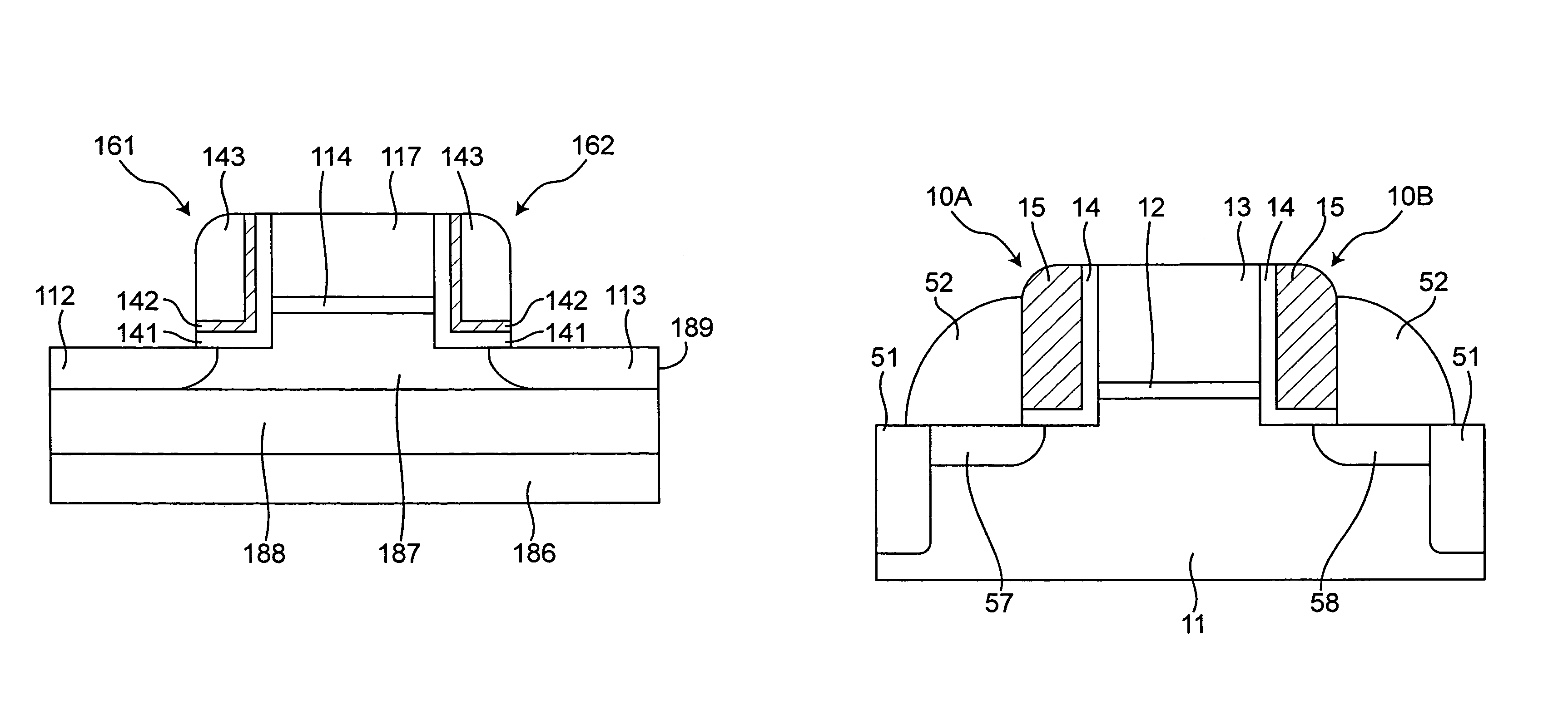
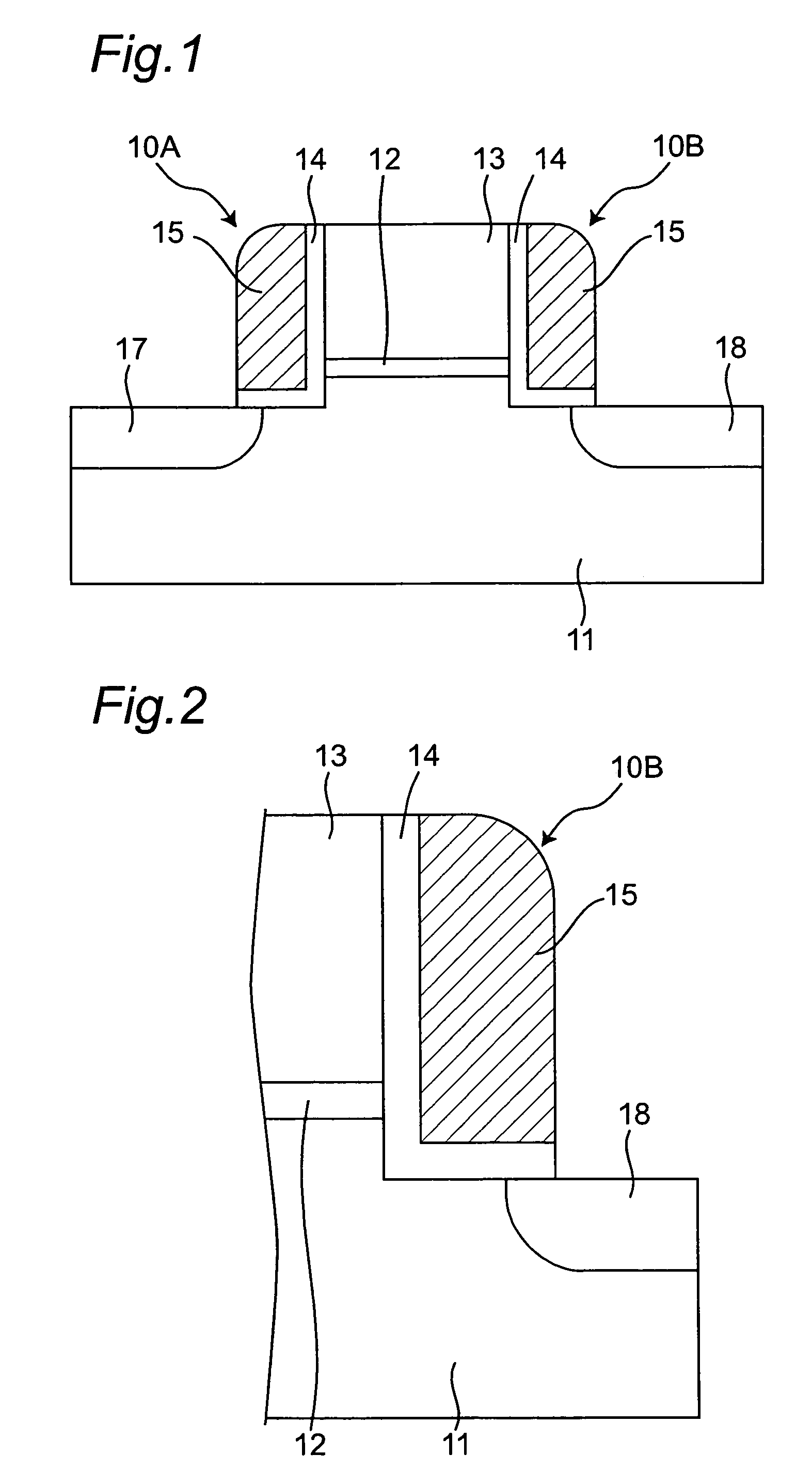
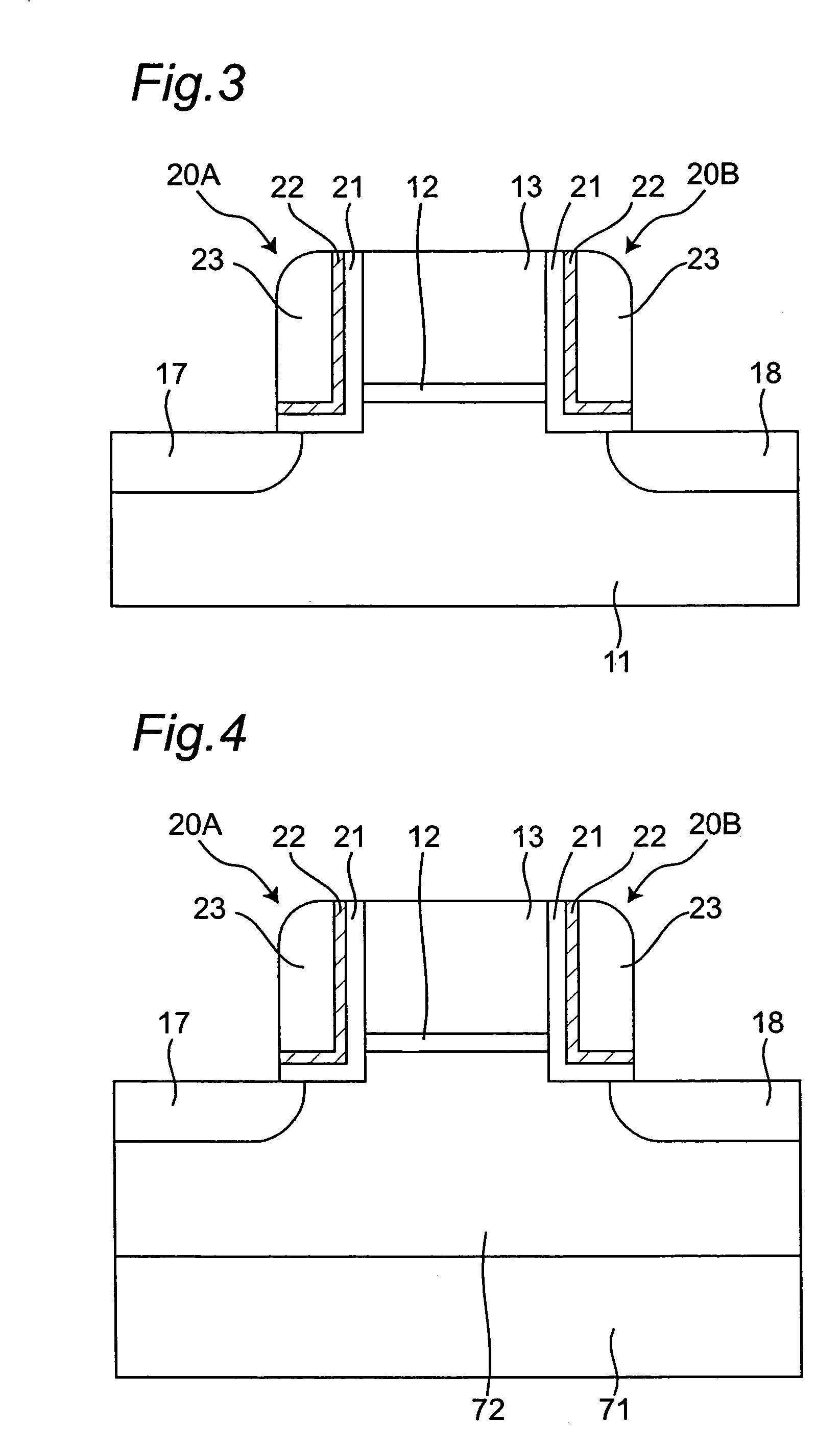
Semiconductor storage device having a function to convert changes of an electric charge amount to a current amount
PatentInactiveUS7141849B2
Innovation
- The semiconductor storage device features charge holding portions on both sides of the gate electrode, separated by the gate insulating film, allowing independent operation and reduced interference, with part of each charge holding portion located below the interface of the gate insulating film and channel region, enhancing injection efficiency and reducing power consumption.

Environmental Impact and Sustainability of 2D Semiconductor Materials
The environmental impact of 2D semiconductor materials in energy storage applications represents a critical consideration for sustainable technological development. These atomically thin materials offer significant advantages in terms of resource efficiency compared to traditional semiconductors, requiring substantially less raw material per unit of functional area. This inherent material efficiency translates to reduced mining impacts and lower energy consumption during the manufacturing process.
When implemented in energy storage systems, 2D semiconductors contribute to sustainability through multiple pathways. Their exceptional electronic properties enable more efficient energy conversion and storage mechanisms, potentially reducing overall energy losses in systems ranging from batteries to supercapacitors. The enhanced charge carrier mobility and surface-to-volume ratio of materials like graphene, MoS2, and phosphorene allow for faster charging rates and improved energy density, extending device lifespans and reducing replacement frequency.
Life cycle assessments of 2D semiconductor materials reveal promising environmental profiles, particularly when considering their potential to extend battery lifetimes and improve energy efficiency. However, challenges remain regarding scalable, environmentally benign production methods. Current synthesis techniques often involve energy-intensive processes or hazardous chemicals that partially offset the environmental benefits of the end products.
Recycling and end-of-life management present both opportunities and challenges. The high value of some 2D materials creates economic incentives for recovery, yet their integration into complex device architectures can complicate separation and reclamation processes. Research into design-for-disassembly approaches and selective recovery methods shows promise for closing material loops and minimizing waste.
Water usage and potential toxicity concerns must also be addressed as production scales up. While laboratory studies indicate minimal ecotoxicity for many 2D materials, the environmental fate and behavior of these materials at nanoscale dimensions require further investigation, particularly regarding potential bioaccumulation in aquatic ecosystems.
The carbon footprint reduction potential of 2D semiconductor-enhanced energy storage systems represents perhaps their most significant environmental contribution. By enabling more efficient renewable energy integration through improved storage capabilities, these materials could facilitate broader adoption of intermittent renewable energy sources, contributing to decarbonization efforts across multiple sectors.
When implemented in energy storage systems, 2D semiconductors contribute to sustainability through multiple pathways. Their exceptional electronic properties enable more efficient energy conversion and storage mechanisms, potentially reducing overall energy losses in systems ranging from batteries to supercapacitors. The enhanced charge carrier mobility and surface-to-volume ratio of materials like graphene, MoS2, and phosphorene allow for faster charging rates and improved energy density, extending device lifespans and reducing replacement frequency.
Life cycle assessments of 2D semiconductor materials reveal promising environmental profiles, particularly when considering their potential to extend battery lifetimes and improve energy efficiency. However, challenges remain regarding scalable, environmentally benign production methods. Current synthesis techniques often involve energy-intensive processes or hazardous chemicals that partially offset the environmental benefits of the end products.
Recycling and end-of-life management present both opportunities and challenges. The high value of some 2D materials creates economic incentives for recovery, yet their integration into complex device architectures can complicate separation and reclamation processes. Research into design-for-disassembly approaches and selective recovery methods shows promise for closing material loops and minimizing waste.
Water usage and potential toxicity concerns must also be addressed as production scales up. While laboratory studies indicate minimal ecotoxicity for many 2D materials, the environmental fate and behavior of these materials at nanoscale dimensions require further investigation, particularly regarding potential bioaccumulation in aquatic ecosystems.
The carbon footprint reduction potential of 2D semiconductor-enhanced energy storage systems represents perhaps their most significant environmental contribution. By enabling more efficient renewable energy integration through improved storage capabilities, these materials could facilitate broader adoption of intermittent renewable energy sources, contributing to decarbonization efforts across multiple sectors.
Scalability and Manufacturing Considerations for Commercial Deployment
The commercial deployment of 2D semiconductors in energy storage systems faces significant manufacturing challenges that must be addressed to achieve market viability. Current production methods for 2D materials like graphene, MXenes, and transition metal dichalcogenides (TMDs) remain predominantly laboratory-scale, utilizing techniques such as mechanical exfoliation, chemical vapor deposition (CVD), and liquid-phase exfoliation. These methods, while effective for research purposes, present substantial barriers to industrial-scale production.
Scale-up challenges primarily revolve around maintaining material quality and consistency across large production volumes. CVD processes, though capable of producing high-quality 2D sheets, suffer from slow growth rates and limited substrate sizes, making them economically unfeasible for mass production. Liquid-phase exfoliation offers better scalability but often results in smaller flake sizes and more defects, potentially compromising electrochemical performance in energy storage applications.
Cost considerations represent another critical barrier to commercialization. Current production costs for high-quality 2D materials range from $100-1000 per gram, orders of magnitude higher than conventional battery materials. This cost disparity necessitates either dramatic manufacturing improvements or initial market entry through high-value, performance-critical applications where cost sensitivity is lower.
Integration of 2D materials into existing energy storage manufacturing infrastructure presents additional complexities. Battery and supercapacitor production lines are optimized for traditional materials with different handling requirements. The incorporation of 2D semiconductors may require significant modifications to slurry preparation, electrode coating, and assembly processes, adding to implementation costs.
Quality control and standardization remain underdeveloped for 2D semiconductor materials. The lack of industry-wide standards for material characteristics such as layer number, lateral dimensions, defect density, and functional group content complicates supplier qualification and product consistency. Establishing robust characterization methods and quality metrics will be essential for commercial adoption.
Environmental and safety considerations must also be addressed, particularly for solution-processed 2D materials that often utilize potentially hazardous solvents. Developing greener synthesis routes and ensuring worker safety during manufacturing will be necessary to meet regulatory requirements and sustainability goals.
Despite these challenges, several promising approaches are emerging to improve manufacturing scalability. Roll-to-roll processing techniques, adapted from the printing industry, show potential for continuous production of 2D material films. Hybrid manufacturing approaches that combine aspects of different synthesis methods may offer pathways to balance quality and production volume requirements for energy storage applications.
Scale-up challenges primarily revolve around maintaining material quality and consistency across large production volumes. CVD processes, though capable of producing high-quality 2D sheets, suffer from slow growth rates and limited substrate sizes, making them economically unfeasible for mass production. Liquid-phase exfoliation offers better scalability but often results in smaller flake sizes and more defects, potentially compromising electrochemical performance in energy storage applications.
Cost considerations represent another critical barrier to commercialization. Current production costs for high-quality 2D materials range from $100-1000 per gram, orders of magnitude higher than conventional battery materials. This cost disparity necessitates either dramatic manufacturing improvements or initial market entry through high-value, performance-critical applications where cost sensitivity is lower.
Integration of 2D materials into existing energy storage manufacturing infrastructure presents additional complexities. Battery and supercapacitor production lines are optimized for traditional materials with different handling requirements. The incorporation of 2D semiconductors may require significant modifications to slurry preparation, electrode coating, and assembly processes, adding to implementation costs.
Quality control and standardization remain underdeveloped for 2D semiconductor materials. The lack of industry-wide standards for material characteristics such as layer number, lateral dimensions, defect density, and functional group content complicates supplier qualification and product consistency. Establishing robust characterization methods and quality metrics will be essential for commercial adoption.
Environmental and safety considerations must also be addressed, particularly for solution-processed 2D materials that often utilize potentially hazardous solvents. Developing greener synthesis routes and ensuring worker safety during manufacturing will be necessary to meet regulatory requirements and sustainability goals.
Despite these challenges, several promising approaches are emerging to improve manufacturing scalability. Roll-to-roll processing techniques, adapted from the printing industry, show potential for continuous production of 2D material films. Hybrid manufacturing approaches that combine aspects of different synthesis methods may offer pathways to balance quality and production volume requirements for energy storage applications.
Unlock deeper insights with Patsnap Eureka Quick Research — get a full tech report to explore trends and direct your research. Try now!
Generate Your Research Report Instantly with AI Agent
Supercharge your innovation with Patsnap Eureka AI Agent Platform!