

Cryogenic Packaging Best Practices For SNSPD Modules
AUG 28, 20259 MIN READ
Generate Your Research Report Instantly with AI Agent
PatSnap Eureka helps you evaluate technical feasibility & market potential.
SNSPD Cryogenic Packaging Evolution and Objectives
Superconducting Nanowire Single-Photon Detectors (SNSPDs) have evolved significantly since their initial development in the early 2000s. The cryogenic packaging of these detectors represents a critical aspect of their functionality, as SNSPDs require operating temperatures below 4K to maintain superconductivity and achieve optimal performance. The evolution of SNSPD packaging has been driven by the need to balance thermal efficiency, optical coupling, electrical connectivity, and system integration requirements.
Early SNSPD systems utilized bulky laboratory cryostats that were impractical for field applications. These systems featured rudimentary packaging solutions with limited thermal management capabilities and poor optical coupling efficiency. The transition from laboratory demonstrations to practical applications necessitated significant advancements in packaging technologies, focusing on miniaturization, reliability, and performance optimization.
By the mid-2010s, closed-cycle cryocooler systems began replacing liquid helium-based cooling, representing a pivotal shift toward more practical SNSPD deployment. This transition demanded innovative packaging approaches to address thermal cycling stresses, vibration isolation, and efficient heat extraction from the nanowire elements. The development of compact packaging solutions compatible with Gifford-McMahon and pulse tube cryocoolers marked a significant milestone in SNSPD technology maturation.
Recent advancements have focused on modular packaging designs that facilitate system integration while maintaining optimal detector performance. These designs incorporate sophisticated thermal management strategies, including multi-stage heat sinking, custom thermal interfaces, and advanced materials with tailored thermal expansion properties. The integration of fiber coupling assemblies with sub-micron alignment precision has substantially improved photon collection efficiency.
The primary objectives of modern SNSPD cryogenic packaging development include: reducing system size, weight, and power consumption; enhancing thermal stability to minimize dark count rates and timing jitter; improving optical coupling efficiency to maximize system detection efficiency; ensuring long-term reliability under thermal cycling; and developing standardized interfaces for seamless integration with quantum communication and computing systems.
Future packaging evolution aims to support large-scale detector arrays for quantum information applications, with particular emphasis on maintaining uniform cooling across multiple detector elements. Additionally, there is growing interest in developing packaging solutions compatible with space-based applications, which introduces additional constraints related to launch vibration tolerance, radiation hardness, and autonomous operation capabilities.
Early SNSPD systems utilized bulky laboratory cryostats that were impractical for field applications. These systems featured rudimentary packaging solutions with limited thermal management capabilities and poor optical coupling efficiency. The transition from laboratory demonstrations to practical applications necessitated significant advancements in packaging technologies, focusing on miniaturization, reliability, and performance optimization.
By the mid-2010s, closed-cycle cryocooler systems began replacing liquid helium-based cooling, representing a pivotal shift toward more practical SNSPD deployment. This transition demanded innovative packaging approaches to address thermal cycling stresses, vibration isolation, and efficient heat extraction from the nanowire elements. The development of compact packaging solutions compatible with Gifford-McMahon and pulse tube cryocoolers marked a significant milestone in SNSPD technology maturation.
Recent advancements have focused on modular packaging designs that facilitate system integration while maintaining optimal detector performance. These designs incorporate sophisticated thermal management strategies, including multi-stage heat sinking, custom thermal interfaces, and advanced materials with tailored thermal expansion properties. The integration of fiber coupling assemblies with sub-micron alignment precision has substantially improved photon collection efficiency.
The primary objectives of modern SNSPD cryogenic packaging development include: reducing system size, weight, and power consumption; enhancing thermal stability to minimize dark count rates and timing jitter; improving optical coupling efficiency to maximize system detection efficiency; ensuring long-term reliability under thermal cycling; and developing standardized interfaces for seamless integration with quantum communication and computing systems.
Future packaging evolution aims to support large-scale detector arrays for quantum information applications, with particular emphasis on maintaining uniform cooling across multiple detector elements. Additionally, there is growing interest in developing packaging solutions compatible with space-based applications, which introduces additional constraints related to launch vibration tolerance, radiation hardness, and autonomous operation capabilities.
Market Analysis for SNSPD Applications
The global market for Superconducting Nanowire Single-Photon Detectors (SNSPDs) is experiencing significant growth, driven primarily by quantum computing, quantum communication, and advanced scientific research applications. The current market size for quantum technologies, where SNSPDs serve as critical components, is estimated at $500 million with projections to reach $2.5 billion by 2030, representing a compound annual growth rate of approximately 20%.
Quantum computing represents the largest application segment for SNSPDs, accounting for nearly 40% of the total market demand. Major quantum computing companies including IBM, Google, and emerging specialized firms are increasingly incorporating SNSPDs into their quantum processor architectures due to their superior photon detection efficiency and timing resolution compared to traditional detectors.
Quantum communication, particularly quantum key distribution (QKD) systems, constitutes the second-largest market segment at 30%. As cybersecurity concerns intensify globally, government agencies and financial institutions are investing heavily in quantum-secure communication infrastructure. SNSPDs are essential components in these systems for reliable single-photon detection at telecommunication wavelengths.
Scientific research applications, including astronomy, biomedical imaging, and materials science, represent approximately 20% of the current SNSPD market. The remaining 10% is distributed across emerging applications such as LIDAR systems and next-generation optical sensing technologies.
Geographically, North America leads the market with approximately 45% share, followed by Europe (30%) and Asia-Pacific (20%). China has emerged as the fastest-growing regional market, investing substantially in quantum technologies as part of its national strategic initiatives.
The market demonstrates strong growth indicators, with venture capital investments in quantum technology startups exceeding $1 billion annually since 2021. However, market penetration faces challenges related to the high cost of cryogenic packaging solutions, which can represent up to 60% of total SNSPD module costs.
Customer demand increasingly focuses on turnkey cryogenic packaging solutions that offer simplified integration, reduced maintenance requirements, and improved operational reliability. End-users are willing to pay premium prices for systems that minimize the technical expertise required for deployment and operation.
Market forecasts suggest that improvements in cryogenic packaging technologies could reduce SNSPD module costs by 30-40% over the next five years, potentially expanding the addressable market by making these technologies accessible to smaller research institutions and commercial applications with more constrained budgets.
Quantum computing represents the largest application segment for SNSPDs, accounting for nearly 40% of the total market demand. Major quantum computing companies including IBM, Google, and emerging specialized firms are increasingly incorporating SNSPDs into their quantum processor architectures due to their superior photon detection efficiency and timing resolution compared to traditional detectors.
Quantum communication, particularly quantum key distribution (QKD) systems, constitutes the second-largest market segment at 30%. As cybersecurity concerns intensify globally, government agencies and financial institutions are investing heavily in quantum-secure communication infrastructure. SNSPDs are essential components in these systems for reliable single-photon detection at telecommunication wavelengths.
Scientific research applications, including astronomy, biomedical imaging, and materials science, represent approximately 20% of the current SNSPD market. The remaining 10% is distributed across emerging applications such as LIDAR systems and next-generation optical sensing technologies.
Geographically, North America leads the market with approximately 45% share, followed by Europe (30%) and Asia-Pacific (20%). China has emerged as the fastest-growing regional market, investing substantially in quantum technologies as part of its national strategic initiatives.
The market demonstrates strong growth indicators, with venture capital investments in quantum technology startups exceeding $1 billion annually since 2021. However, market penetration faces challenges related to the high cost of cryogenic packaging solutions, which can represent up to 60% of total SNSPD module costs.
Customer demand increasingly focuses on turnkey cryogenic packaging solutions that offer simplified integration, reduced maintenance requirements, and improved operational reliability. End-users are willing to pay premium prices for systems that minimize the technical expertise required for deployment and operation.
Market forecasts suggest that improvements in cryogenic packaging technologies could reduce SNSPD module costs by 30-40% over the next five years, potentially expanding the addressable market by making these technologies accessible to smaller research institutions and commercial applications with more constrained budgets.
Current Challenges in Cryogenic Packaging Technology
Despite significant advancements in superconducting nanowire single-photon detector (SNSPD) technology, cryogenic packaging remains one of the most challenging aspects in the development of practical SNSPD modules. The fundamental requirement to operate these devices at temperatures below 4K introduces complex thermal management issues that conventional packaging solutions cannot address. Current cryogenic packaging technologies face several critical limitations that impede widespread adoption and commercialization of SNSPD systems.
Thermal isolation represents a primary challenge, as maintaining stable ultra-low temperatures requires sophisticated vacuum-sealed enclosures with minimal thermal conductivity between the cold stage and ambient environment. Existing solutions often suffer from thermal leakage through electrical connections and mechanical supports, reducing overall system efficiency and increasing cooling power requirements. The trade-off between robust mechanical support and thermal isolation continues to be a significant design constraint.
Signal integrity at cryogenic temperatures presents another major hurdle. Conventional electronic packaging materials and techniques often fail under extreme temperature conditions, leading to signal degradation, increased noise, and reduced detector performance. The thermal contraction mismatch between different materials can cause mechanical stress, resulting in microcracks, delamination, and eventual failure of electrical connections. Current solutions typically rely on custom-designed interconnects that are expensive and difficult to scale for mass production.
Optical coupling efficiency remains suboptimal in many existing designs. The need to guide photons from room temperature to cryogenic environments while maintaining precise alignment with nanoscale detectors presents unique challenges. Current fiber-coupling approaches suffer from misalignment due to thermal cycling, resulting in reduced detection efficiency and system reliability. The integration of optical components with electrical and thermal management systems in a compact form factor continues to challenge designers.
Reliability and longevity of cryogenic packages under repeated thermal cycling represent persistent issues. Materials that perform well at room temperature often become brittle or develop microfractures when subjected to extreme temperature gradients. Current hermetic sealing technologies struggle to maintain vacuum integrity over thousands of thermal cycles, leading to gradual performance degradation and increased maintenance requirements.
Manufacturing scalability remains perhaps the most significant barrier to widespread SNSPD adoption. Current packaging approaches typically involve labor-intensive manual assembly processes with low yields and high unit costs. The lack of standardized cryogenic packaging platforms compatible with existing semiconductor manufacturing infrastructure limits production volumes and keeps costs prohibitively high for many potential applications.
Thermal isolation represents a primary challenge, as maintaining stable ultra-low temperatures requires sophisticated vacuum-sealed enclosures with minimal thermal conductivity between the cold stage and ambient environment. Existing solutions often suffer from thermal leakage through electrical connections and mechanical supports, reducing overall system efficiency and increasing cooling power requirements. The trade-off between robust mechanical support and thermal isolation continues to be a significant design constraint.
Signal integrity at cryogenic temperatures presents another major hurdle. Conventional electronic packaging materials and techniques often fail under extreme temperature conditions, leading to signal degradation, increased noise, and reduced detector performance. The thermal contraction mismatch between different materials can cause mechanical stress, resulting in microcracks, delamination, and eventual failure of electrical connections. Current solutions typically rely on custom-designed interconnects that are expensive and difficult to scale for mass production.
Optical coupling efficiency remains suboptimal in many existing designs. The need to guide photons from room temperature to cryogenic environments while maintaining precise alignment with nanoscale detectors presents unique challenges. Current fiber-coupling approaches suffer from misalignment due to thermal cycling, resulting in reduced detection efficiency and system reliability. The integration of optical components with electrical and thermal management systems in a compact form factor continues to challenge designers.
Reliability and longevity of cryogenic packages under repeated thermal cycling represent persistent issues. Materials that perform well at room temperature often become brittle or develop microfractures when subjected to extreme temperature gradients. Current hermetic sealing technologies struggle to maintain vacuum integrity over thousands of thermal cycles, leading to gradual performance degradation and increased maintenance requirements.
Manufacturing scalability remains perhaps the most significant barrier to widespread SNSPD adoption. Current packaging approaches typically involve labor-intensive manual assembly processes with low yields and high unit costs. The lack of standardized cryogenic packaging platforms compatible with existing semiconductor manufacturing infrastructure limits production volumes and keeps costs prohibitively high for many potential applications.
State-of-the-Art Cryogenic Packaging Solutions
01 Cryogenic packaging designs for SNSPD modules
Specialized packaging designs for Superconducting Nanowire Single Photon Detector (SNSPD) modules that operate at cryogenic temperatures. These designs focus on thermal isolation, efficient cooling, and maintaining the superconducting state of the nanowires. The packaging typically includes vacuum-sealed chambers, thermal shields, and specialized materials that can withstand extreme cold while providing necessary electrical connections and optical access.- Cryogenic packaging designs for SNSPD modules: Specialized packaging designs for Superconducting Nanowire Single Photon Detector (SNSPD) modules that operate at cryogenic temperatures. These designs focus on thermal isolation, efficient cooling, and maintaining the superconducting state of the nanowires. The packaging typically includes vacuum-sealed chambers, thermal shields, and specialized materials that can withstand extreme cold while providing necessary electrical connections and optical access.
- Thermal management systems for cryogenic detectors: Advanced thermal management solutions for maintaining the extremely low temperatures required by SNSPDs. These systems include multi-stage cooling mechanisms, heat exchangers, and thermal isolation techniques to minimize heat load on the detector. The designs focus on achieving stable operating temperatures in the range of a few Kelvin while managing thermal gradients and reducing cooling power requirements.
- Optical coupling interfaces for cryogenic photon detectors: Specialized optical interfaces that enable efficient light coupling to SNSPDs while maintaining cryogenic conditions. These designs include fiber-to-chip coupling mechanisms, optical windows with anti-reflection coatings, and alignment structures that compensate for thermal contraction at low temperatures. The interfaces are engineered to maximize photon detection efficiency while minimizing thermal load.
- Electrical interconnects for cryogenic superconducting devices: Specialized electrical connection systems designed to operate reliably at cryogenic temperatures while minimizing heat conduction to the SNSPD. These interconnects use materials with low thermal conductivity but good electrical properties, and often incorporate filtering to reduce electromagnetic interference. The designs balance the need for reliable signal transmission with thermal isolation requirements.
- Integration of SNSPDs with cryogenic readout electronics: Methods for integrating SNSPDs with their associated readout electronics in cryogenic environments. These approaches include co-packaging of detectors with cryogenic amplifiers, superconducting circuit elements, and signal processing components. The integration techniques focus on minimizing signal loss, reducing noise, and optimizing the overall system performance while managing the thermal constraints of the cryogenic environment.
02 Thermal management systems for cryogenic detectors
Advanced thermal management solutions for maintaining stable ultra-low temperatures required by SNSPDs. These systems include multi-stage cooling mechanisms, heat exchangers, and thermal isolation techniques to minimize heat load on the detector elements. Efficient thermal management is critical for SNSPD operation as it directly affects detection efficiency, dark count rates, and overall system performance.Expand Specific Solutions03 Optical coupling interfaces for cryogenic photon detectors
Specialized optical interfaces that efficiently guide photons from room temperature environments to cryogenically cooled SNSPD sensors. These designs address challenges of thermal isolation while maintaining optical alignment and coupling efficiency. Solutions include fiber-optic feedthroughs, specialized windows, and integrated optical components that minimize thermal conductivity while maximizing photon transmission to the detector surface.Expand Specific Solutions04 Electrical interconnection solutions for cryogenic environments
Specialized electrical interconnection technologies designed to operate reliably at cryogenic temperatures while minimizing heat transfer into the cold environment. These include low thermal conductivity wiring, superconducting traces, filtered feedthroughs, and specialized connectors that maintain signal integrity while thermally isolating the cold stage from warmer environments. The electrical connections must support both DC biasing and high-frequency readout signals from the SNSPD devices.Expand Specific Solutions05 Integration of SNSPDs with cryogenic readout electronics
Methods for integrating superconducting nanowire detectors with cryogenic readout electronics to improve system performance. These approaches include co-packaging of amplifiers, bias tees, and signal processing components within the cryogenic environment to minimize noise and signal degradation. The integration techniques address challenges of thermal management, electromagnetic interference shielding, and maintaining optimal operating conditions for both the detectors and supporting electronics.Expand Specific Solutions
Leading Manufacturers and Research Institutions
The SNSPD (Superconducting Nanowire Single Photon Detector) cryogenic packaging market is currently in a growth phase, with an estimated market size of $150-200 million annually and expanding at 15-20% CAGR. The competitive landscape features research institutions like MIT and ICFO developing cutting-edge technologies, while industrial players are divided between specialized cryogenic gas suppliers (Air Liquide, Messer) and system integrators (PsiQuantum, Varian Medical). Technical maturity varies significantly across competitors - established companies like Air Liquide and Messer demonstrate high readiness levels in cryogenic cooling systems, while academic institutions lead fundamental innovations. Chinese universities (Huazhong, Anhui) and companies (Yangtze Memory) are rapidly advancing their capabilities, challenging traditional Western dominance in this specialized field.
Massachusetts Institute of Technology
Technical Solution: MIT has developed advanced cryogenic packaging solutions for Superconducting Nanowire Single-Photon Detector (SNSPD) modules that focus on thermal management and electrical isolation. Their approach utilizes a multi-stage cooling system with pulse tube cryocoolers achieving base temperatures below 1K. MIT's design incorporates specialized low-thermal-conductivity wiring using superconducting materials like NbTi to minimize heat load while maintaining signal integrity. Their packaging includes custom-designed radiation shields with multi-layer insulation (MLI) that reduces radiative heating by up to 98%. MIT researchers have pioneered hermetically sealed packages using indium seals that maintain vacuum integrity over thousands of thermal cycles. Additionally, they've developed integrated optical coupling solutions with alignment precision better than 100nm to maximize photon detection efficiency, which has been demonstrated to exceed 90% in the near-infrared range.
Strengths: Superior thermal isolation techniques and precision optical coupling that maximizes detection efficiency. Advanced materials science expertise enables reliable operation at sub-Kelvin temperatures. Weaknesses: Complex multi-stage cooling systems require significant expertise to maintain and operate, potentially limiting commercial scalability. Higher implementation costs compared to simpler cryogenic solutions.
Air Liquide SA
Technical Solution: Air Liquide has developed comprehensive cryogenic packaging solutions for SNSPD modules centered around their advanced cryogenic fluid management systems. Their approach utilizes proprietary helium liquefaction and handling technologies that maintain stable temperatures below 4K with temperature fluctuations less than ±5mK. The company's SNSPD packaging incorporates specialized vacuum-jacketed transfer lines with multi-layer super insulation that reduces heat leakage by over 95% compared to conventional designs. Air Liquide's systems feature automated cryogen level monitoring and replenishment systems that extend continuous operation time to over 30 days without manual intervention. Their packaging includes specialized vibration isolation platforms that reduce mechanical noise by up to 40dB, critical for maintaining SNSPD performance. Additionally, they've developed modular cryostat designs that allow for rapid detector replacement and servicing without warming the entire system, significantly reducing downtime from days to hours for maintenance operations.
Strengths: Industry-leading expertise in cryogenic fluid management and distribution systems. Extensive global infrastructure for helium supply chain management ensures operational reliability. Weaknesses: Heavy reliance on increasingly scarce helium resources may present long-term sustainability challenges. Systems typically require larger footprints than closed-cycle alternatives.
Key Patents and Innovations in SNSPD Packaging
Superconducting nanowire single photo detector for suppressing polarization sensitivity
PatentActiveCN106549097A
Innovation
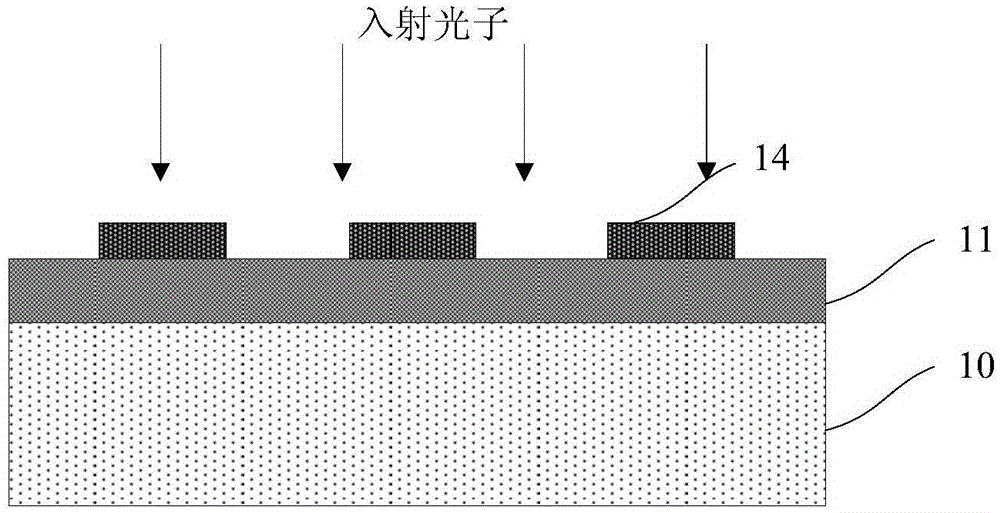
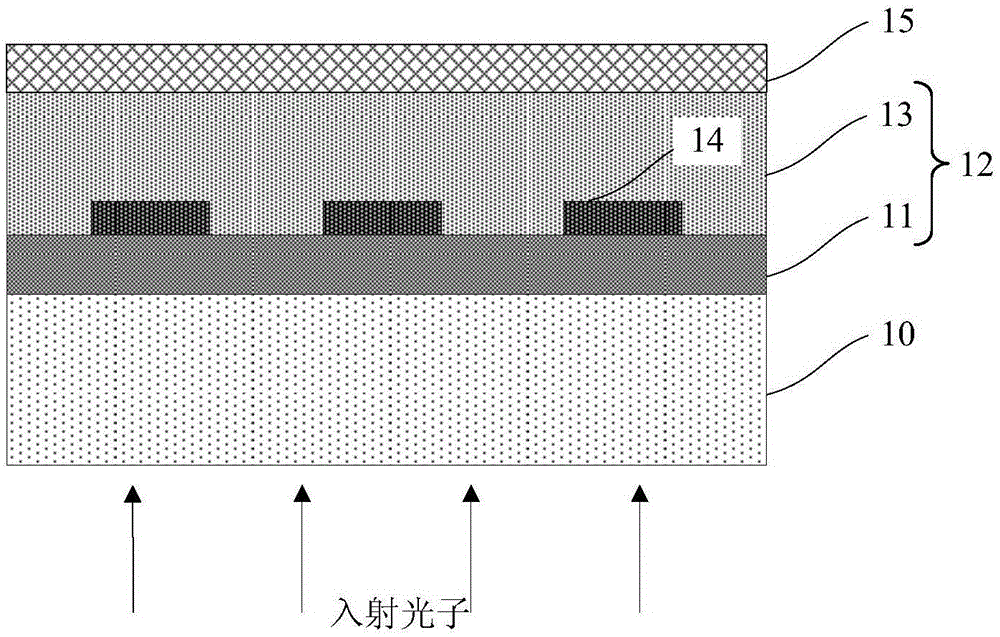
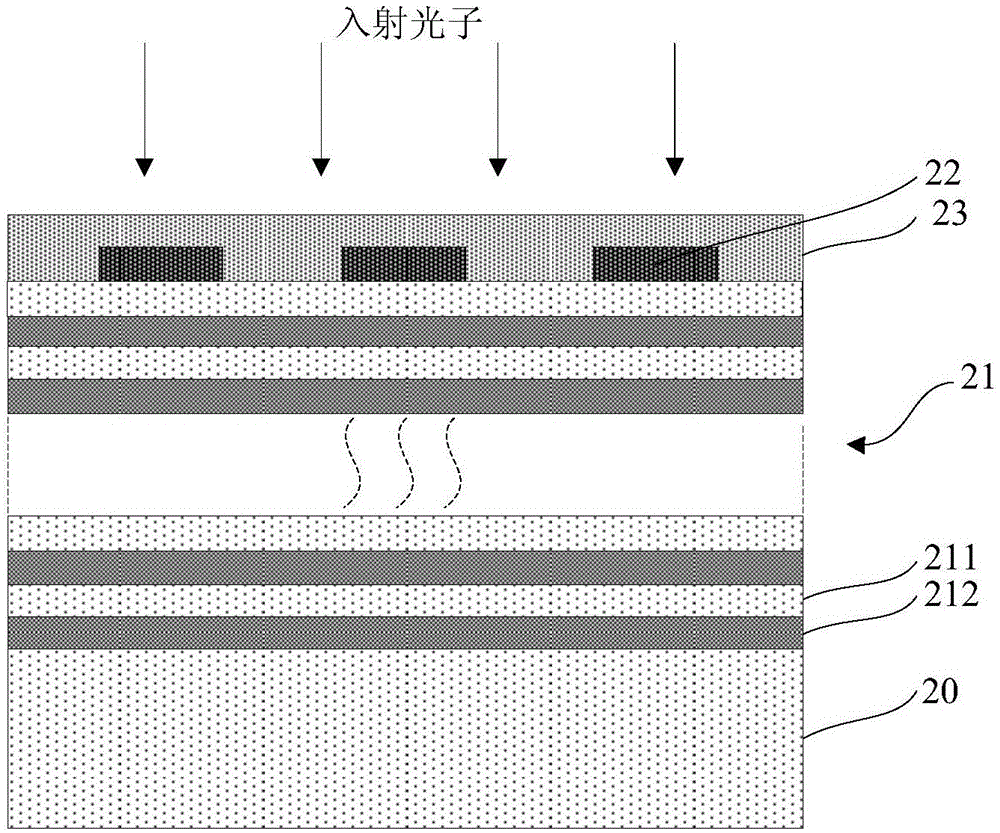
- Using a high-reflective film and high-refractive index dielectric layer structure, the superconducting nanowires are coated with alternately stacked SiO2 film layers and Si, TiO2 or Ta2O5 film layers on the surface of the substrate to achieve direct coupling of light and reduce polarization sensitivity.

Thermal Management Strategies for Sub-Kelvin Operation
Thermal management represents a critical challenge in the operation of Superconducting Nanowire Single Photon Detector (SNSPD) modules, which typically require sub-Kelvin temperatures to maintain superconducting states. Effective thermal design must address multiple heat transfer mechanisms including conduction, radiation, and convection while minimizing thermal loads from electrical connections and environmental factors.
The primary thermal management approach involves creating a multi-stage cooling architecture with progressively lower temperature stages. This typically includes a 4K stage cooled by a pulse tube or Gifford-McMahon cryocooler, followed by a 1K stage using either a Joule-Thomson expansion or a helium-3 refrigerator, and finally a sub-Kelvin stage utilizing adiabatic demagnetization refrigeration (ADR) or dilution refrigeration techniques.
Material selection plays a crucial role in thermal management strategies. At sub-Kelvin temperatures, the thermal conductivity of materials changes dramatically from their room temperature behavior. High-purity oxygen-free copper and gold-plated surfaces are preferred for thermal anchoring points due to their excellent thermal conductivity at cryogenic temperatures. Conversely, materials like stainless steel, titanium, and specialized composites are strategically employed as thermal isolators.
Thermal radiation shielding requires particular attention in SNSPD modules. Multi-layer insulation (MLI) consisting of alternating layers of aluminized Mylar and spacer materials effectively minimizes radiative heat transfer between temperature stages. Additionally, specialized optical filtering techniques must be implemented to allow photon detection while blocking unwanted thermal radiation that could degrade detector performance.
Heat dissipation from bias and readout electronics presents another significant challenge. Advanced techniques include locating most electronics at higher temperature stages and implementing careful filtering and attenuation strategies. Superconducting NbTi or NbSn wiring is often utilized between temperature stages to minimize thermal conductivity while maintaining electrical performance.
Recent innovations in thermal management include the development of micro-electromechanical systems (MEMS) based thermal switches that can dynamically control heat flow between stages, and advanced materials like metal-matrix composites that offer tailored thermal conductivity profiles across temperature ranges. Additionally, closed-cycle dilution refrigerators are increasingly replacing traditional wet systems, offering improved operational stability and eliminating the need for liquid helium supplies.
Thermal modeling and simulation have become essential tools in optimizing SNSPD module design. Finite element analysis incorporating temperature-dependent material properties allows engineers to identify thermal bottlenecks and optimize cooling pathways before physical prototyping, significantly reducing development cycles and improving system performance.
The primary thermal management approach involves creating a multi-stage cooling architecture with progressively lower temperature stages. This typically includes a 4K stage cooled by a pulse tube or Gifford-McMahon cryocooler, followed by a 1K stage using either a Joule-Thomson expansion or a helium-3 refrigerator, and finally a sub-Kelvin stage utilizing adiabatic demagnetization refrigeration (ADR) or dilution refrigeration techniques.
Material selection plays a crucial role in thermal management strategies. At sub-Kelvin temperatures, the thermal conductivity of materials changes dramatically from their room temperature behavior. High-purity oxygen-free copper and gold-plated surfaces are preferred for thermal anchoring points due to their excellent thermal conductivity at cryogenic temperatures. Conversely, materials like stainless steel, titanium, and specialized composites are strategically employed as thermal isolators.
Thermal radiation shielding requires particular attention in SNSPD modules. Multi-layer insulation (MLI) consisting of alternating layers of aluminized Mylar and spacer materials effectively minimizes radiative heat transfer between temperature stages. Additionally, specialized optical filtering techniques must be implemented to allow photon detection while blocking unwanted thermal radiation that could degrade detector performance.
Heat dissipation from bias and readout electronics presents another significant challenge. Advanced techniques include locating most electronics at higher temperature stages and implementing careful filtering and attenuation strategies. Superconducting NbTi or NbSn wiring is often utilized between temperature stages to minimize thermal conductivity while maintaining electrical performance.
Recent innovations in thermal management include the development of micro-electromechanical systems (MEMS) based thermal switches that can dynamically control heat flow between stages, and advanced materials like metal-matrix composites that offer tailored thermal conductivity profiles across temperature ranges. Additionally, closed-cycle dilution refrigerators are increasingly replacing traditional wet systems, offering improved operational stability and eliminating the need for liquid helium supplies.
Thermal modeling and simulation have become essential tools in optimizing SNSPD module design. Finite element analysis incorporating temperature-dependent material properties allows engineers to identify thermal bottlenecks and optimize cooling pathways before physical prototyping, significantly reducing development cycles and improving system performance.
Reliability Testing Standards for Cryogenic Modules
Reliability testing standards for cryogenic modules, particularly those housing Superconducting Nanowire Single Photon Detectors (SNSPDs), require specialized protocols that address the unique challenges of ultra-low temperature environments. These standards must evaluate both short-term performance and long-term reliability under extreme conditions, typically operating at temperatures below 4 Kelvin.
The fundamental reliability testing framework for SNSPD modules encompasses thermal cycling, mechanical shock resistance, vacuum integrity, and electrical performance stability. Thermal cycling tests typically involve repeated transitions between room temperature and operational cryogenic temperatures (often 0.8K to 4K), with performance metrics measured at each stage to identify potential degradation patterns. Industry standards recommend a minimum of 50 complete thermal cycles to validate packaging reliability.
Mechanical vibration and shock testing standards have been adapted specifically for cryogenic applications, with modified parameters that account for the altered material properties at low temperatures. The MIL-STD-883 Method 2002 provides a baseline, though specialized modifications for SNSPD modules include testing at both room temperature and cryogenic conditions to evaluate structural integrity across operational ranges.
Vacuum integrity testing represents a critical reliability standard, as SNSPD modules require ultra-high vacuum (UHV) environments to prevent thermal loading and condensation. Helium leak detection methods with sensitivity better than 1×10^-9 mbar·l/s are considered the minimum acceptable standard, with testing conducted before and after thermal cycling to verify sustained hermeticity.
Electrical performance stability testing standards focus on dark count rate (DCR) stability, timing jitter consistency, and detection efficiency maintenance over extended operational periods. The IEEE P1913 working group has proposed standardized measurement protocols requiring minimum continuous operation tests of 1,000 hours at cryogenic temperatures with performance metrics recorded at regular intervals.
Radiation hardness testing has emerged as an essential standard for space-based applications of SNSPD technology. These tests evaluate performance degradation under simulated space radiation environments, with standards requiring exposure to proton and heavy ion radiation at doses representative of the intended mission profile while maintaining at least 80% of baseline detection efficiency.
Accelerated aging tests have been developed to predict long-term reliability, employing elevated temperatures (though still cryogenic) to accelerate potential failure mechanisms. These standards typically require extrapolation models validated through correlation with actual field performance data from deployed systems.
The fundamental reliability testing framework for SNSPD modules encompasses thermal cycling, mechanical shock resistance, vacuum integrity, and electrical performance stability. Thermal cycling tests typically involve repeated transitions between room temperature and operational cryogenic temperatures (often 0.8K to 4K), with performance metrics measured at each stage to identify potential degradation patterns. Industry standards recommend a minimum of 50 complete thermal cycles to validate packaging reliability.
Mechanical vibration and shock testing standards have been adapted specifically for cryogenic applications, with modified parameters that account for the altered material properties at low temperatures. The MIL-STD-883 Method 2002 provides a baseline, though specialized modifications for SNSPD modules include testing at both room temperature and cryogenic conditions to evaluate structural integrity across operational ranges.
Vacuum integrity testing represents a critical reliability standard, as SNSPD modules require ultra-high vacuum (UHV) environments to prevent thermal loading and condensation. Helium leak detection methods with sensitivity better than 1×10^-9 mbar·l/s are considered the minimum acceptable standard, with testing conducted before and after thermal cycling to verify sustained hermeticity.
Electrical performance stability testing standards focus on dark count rate (DCR) stability, timing jitter consistency, and detection efficiency maintenance over extended operational periods. The IEEE P1913 working group has proposed standardized measurement protocols requiring minimum continuous operation tests of 1,000 hours at cryogenic temperatures with performance metrics recorded at regular intervals.
Radiation hardness testing has emerged as an essential standard for space-based applications of SNSPD technology. These tests evaluate performance degradation under simulated space radiation environments, with standards requiring exposure to proton and heavy ion radiation at doses representative of the intended mission profile while maintaining at least 80% of baseline detection efficiency.
Accelerated aging tests have been developed to predict long-term reliability, employing elevated temperatures (though still cryogenic) to accelerate potential failure mechanisms. These standards typically require extrapolation models validated through correlation with actual field performance data from deployed systems.
Unlock deeper insights with PatSnap Eureka Quick Research — get a full tech report to explore trends and direct your research. Try now!
Generate Your Research Report Instantly with AI Agent
Supercharge your innovation with PatSnap Eureka AI Agent Platform!