PEEK Abrasion Resistant: Advanced Engineering Solutions For High-Performance Tribological Applications
JUL 3, 20259 MIN READ
Generate Your Research Report Instantly with AI Agent
PatSnap Eureka helps you evaluate technical feasibility & market potential.
K24 Engine Background and Optimization Goals
The K24 engine, developed by Honda, has been a cornerstone of the company's powertrain lineup since its introduction in the early 2000s. Known for its reliability, efficiency, and versatility, the K24 has found its way into a wide range of vehicles, from compact cars to SUVs. However, as automotive technology advances and environmental concerns grow, there is an increasing need to optimize this engine for specific applications, particularly high-altitude performance.
High-altitude environments present unique challenges for internal combustion engines. The reduced air density at higher elevations results in less oxygen available for combustion, leading to decreased power output and overall engine performance. This phenomenon, known as altitude sickness in engines, can significantly impact vehicle performance, fuel efficiency, and emissions in mountainous regions or high-elevation cities.
The primary goal of optimizing the K24 engine for high-altitude performance is to maintain consistent power output and efficiency across a wide range of elevations. This involves addressing several key areas of engine design and operation, including air intake systems, fuel injection, turbocharging or supercharging, and engine management software.
One of the main objectives is to improve the engine's volumetric efficiency at high altitudes. This can be achieved through redesigning the intake manifold, optimizing valve timing, and potentially implementing variable geometry turbocharging. These modifications aim to ensure that the engine can draw in and utilize the maximum amount of available air, even in low-density atmospheric conditions.
Another crucial aspect of high-altitude optimization is fine-tuning the fuel injection system. As air density decreases, the air-fuel ratio must be adjusted to maintain optimal combustion. Advanced fuel injection technologies, coupled with sophisticated engine control units (ECUs), can provide real-time adjustments to fuel delivery based on altitude and atmospheric conditions.
Thermal management is also a critical consideration in high-altitude optimization. The thinner air at higher elevations can lead to reduced cooling efficiency, potentially causing overheating issues. Enhancing the cooling system's capacity and efficiency is essential to maintain optimal engine performance and longevity in these challenging environments.
Furthermore, optimizing the K24 engine for high-altitude performance aligns with broader industry trends towards improved fuel efficiency and reduced emissions. By addressing the specific challenges of high-altitude operation, engineers can develop solutions that not only enhance performance in these conditions but also contribute to overall engine efficiency and environmental sustainability.
High-altitude environments present unique challenges for internal combustion engines. The reduced air density at higher elevations results in less oxygen available for combustion, leading to decreased power output and overall engine performance. This phenomenon, known as altitude sickness in engines, can significantly impact vehicle performance, fuel efficiency, and emissions in mountainous regions or high-elevation cities.
The primary goal of optimizing the K24 engine for high-altitude performance is to maintain consistent power output and efficiency across a wide range of elevations. This involves addressing several key areas of engine design and operation, including air intake systems, fuel injection, turbocharging or supercharging, and engine management software.
One of the main objectives is to improve the engine's volumetric efficiency at high altitudes. This can be achieved through redesigning the intake manifold, optimizing valve timing, and potentially implementing variable geometry turbocharging. These modifications aim to ensure that the engine can draw in and utilize the maximum amount of available air, even in low-density atmospheric conditions.
Another crucial aspect of high-altitude optimization is fine-tuning the fuel injection system. As air density decreases, the air-fuel ratio must be adjusted to maintain optimal combustion. Advanced fuel injection technologies, coupled with sophisticated engine control units (ECUs), can provide real-time adjustments to fuel delivery based on altitude and atmospheric conditions.
Thermal management is also a critical consideration in high-altitude optimization. The thinner air at higher elevations can lead to reduced cooling efficiency, potentially causing overheating issues. Enhancing the cooling system's capacity and efficiency is essential to maintain optimal engine performance and longevity in these challenging environments.
Furthermore, optimizing the K24 engine for high-altitude performance aligns with broader industry trends towards improved fuel efficiency and reduced emissions. By addressing the specific challenges of high-altitude operation, engineers can develop solutions that not only enhance performance in these conditions but also contribute to overall engine efficiency and environmental sustainability.
High-Altitude Market Analysis for K24 Engines
The market for high-altitude performance engines, particularly the K24 engine, has shown significant growth potential in recent years. This trend is driven by the increasing demand for vehicles capable of operating efficiently in mountainous regions and high-elevation areas. The K24 engine, known for its reliability and adaptability, has become a focal point for manufacturers seeking to capture this niche market.
In mountainous countries and regions with high-altitude terrain, such as parts of South America, Central Asia, and the Tibetan Plateau, there is a growing need for vehicles that can maintain optimal performance at elevations above 2,000 meters. This demand extends beyond personal vehicles to include commercial and industrial applications, where reliable engine performance is crucial for transportation and logistics in challenging environments.
The market size for high-altitude optimized engines is expanding, with a notable increase in sales of vehicles equipped with such engines in countries like Peru, Bolivia, Nepal, and parts of China. This growth is further fueled by the development of infrastructure and tourism in high-altitude areas, creating new opportunities for vehicle manufacturers and engine suppliers.
Consumer preferences in these markets show a clear inclination towards vehicles that offer consistent power output and fuel efficiency at high altitudes. The K24 engine, with its potential for optimization, is well-positioned to meet these requirements. Market research indicates that consumers are willing to pay a premium for vehicles that demonstrate superior performance in high-altitude conditions, presenting a lucrative opportunity for manufacturers investing in this technology.
The commercial sector, including mining operations, construction, and tourism, represents a significant portion of the high-altitude engine market. These industries require robust and reliable engines that can withstand the challenges of reduced air density and extreme temperature variations common at high elevations. The K24 engine's reputation for durability makes it an attractive option for these applications, provided it can be effectively optimized for high-altitude performance.
Looking at market trends, there is an increasing focus on environmental considerations even in high-altitude regions. This shift is driving demand for engines that not only perform well at altitude but also meet stringent emissions standards. The optimization of the K24 engine for high-altitude use must therefore balance performance enhancements with environmental compliance to remain competitive in evolving markets.
In mountainous countries and regions with high-altitude terrain, such as parts of South America, Central Asia, and the Tibetan Plateau, there is a growing need for vehicles that can maintain optimal performance at elevations above 2,000 meters. This demand extends beyond personal vehicles to include commercial and industrial applications, where reliable engine performance is crucial for transportation and logistics in challenging environments.
The market size for high-altitude optimized engines is expanding, with a notable increase in sales of vehicles equipped with such engines in countries like Peru, Bolivia, Nepal, and parts of China. This growth is further fueled by the development of infrastructure and tourism in high-altitude areas, creating new opportunities for vehicle manufacturers and engine suppliers.
Consumer preferences in these markets show a clear inclination towards vehicles that offer consistent power output and fuel efficiency at high altitudes. The K24 engine, with its potential for optimization, is well-positioned to meet these requirements. Market research indicates that consumers are willing to pay a premium for vehicles that demonstrate superior performance in high-altitude conditions, presenting a lucrative opportunity for manufacturers investing in this technology.
The commercial sector, including mining operations, construction, and tourism, represents a significant portion of the high-altitude engine market. These industries require robust and reliable engines that can withstand the challenges of reduced air density and extreme temperature variations common at high elevations. The K24 engine's reputation for durability makes it an attractive option for these applications, provided it can be effectively optimized for high-altitude performance.
Looking at market trends, there is an increasing focus on environmental considerations even in high-altitude regions. This shift is driving demand for engines that not only perform well at altitude but also meet stringent emissions standards. The optimization of the K24 engine for high-altitude use must therefore balance performance enhancements with environmental compliance to remain competitive in evolving markets.
K24 Engine Challenges at High Altitudes
The K24 engine, renowned for its reliability and performance in standard conditions, faces significant challenges when operating at high altitudes. As air density decreases with elevation, the engine's performance is adversely affected, leading to reduced power output and efficiency. This phenomenon, known as altitude derating, becomes particularly pronounced at elevations above 3,000 feet (914 meters).
One of the primary challenges is the reduced oxygen content in the air at higher altitudes. The K24 engine, like most naturally aspirated engines, relies on a specific air-fuel mixture for optimal combustion. As the air becomes thinner, the engine struggles to maintain the ideal air-fuel ratio, resulting in incomplete combustion and decreased power output. This can lead to a noticeable loss in acceleration and overall engine performance.
Another significant issue is the increased likelihood of engine knock or pre-ignition at high altitudes. The lower air density can cause the fuel to ignite prematurely in the combustion chamber, potentially damaging the engine over time. This risk is exacerbated by the fact that many high-altitude regions also experience higher temperatures, further complicating the engine's thermal management.
The K24's fuel injection system, while advanced, may struggle to compensate adequately for the changes in air density at varying altitudes. This can result in suboptimal fuel delivery, affecting both performance and fuel efficiency. The engine management system may not be calibrated to handle the wide range of atmospheric conditions encountered in high-altitude driving, leading to inconsistent performance and potential reliability issues.
Cooling becomes another critical challenge at high altitudes. The thinner air reduces the engine's ability to dissipate heat effectively, potentially leading to overheating issues. This is particularly problematic during high-load situations, such as climbing steep mountain roads, where the engine is already under significant stress.
Furthermore, the K24 engine's emissions control systems may not function optimally at high altitudes. The altered air-fuel mixture can lead to increased emissions, potentially causing the vehicle to fall out of compliance with local environmental regulations. This is especially relevant in regions where high-altitude driving is common and emissions standards are strictly enforced.
Addressing these challenges requires a multifaceted approach, involving modifications to the engine's hardware, software, and overall design. Potential solutions may include recalibrating the engine control unit (ECU) for high-altitude operation, implementing a more advanced turbocharging system, or redesigning the intake and exhaust systems to improve airflow at varying altitudes. These optimizations are crucial for ensuring that the K24 engine can maintain its performance, efficiency, and reliability across a wide range of operating conditions, including high-altitude environments.
One of the primary challenges is the reduced oxygen content in the air at higher altitudes. The K24 engine, like most naturally aspirated engines, relies on a specific air-fuel mixture for optimal combustion. As the air becomes thinner, the engine struggles to maintain the ideal air-fuel ratio, resulting in incomplete combustion and decreased power output. This can lead to a noticeable loss in acceleration and overall engine performance.
Another significant issue is the increased likelihood of engine knock or pre-ignition at high altitudes. The lower air density can cause the fuel to ignite prematurely in the combustion chamber, potentially damaging the engine over time. This risk is exacerbated by the fact that many high-altitude regions also experience higher temperatures, further complicating the engine's thermal management.
The K24's fuel injection system, while advanced, may struggle to compensate adequately for the changes in air density at varying altitudes. This can result in suboptimal fuel delivery, affecting both performance and fuel efficiency. The engine management system may not be calibrated to handle the wide range of atmospheric conditions encountered in high-altitude driving, leading to inconsistent performance and potential reliability issues.
Cooling becomes another critical challenge at high altitudes. The thinner air reduces the engine's ability to dissipate heat effectively, potentially leading to overheating issues. This is particularly problematic during high-load situations, such as climbing steep mountain roads, where the engine is already under significant stress.
Furthermore, the K24 engine's emissions control systems may not function optimally at high altitudes. The altered air-fuel mixture can lead to increased emissions, potentially causing the vehicle to fall out of compliance with local environmental regulations. This is especially relevant in regions where high-altitude driving is common and emissions standards are strictly enforced.
Addressing these challenges requires a multifaceted approach, involving modifications to the engine's hardware, software, and overall design. Potential solutions may include recalibrating the engine control unit (ECU) for high-altitude operation, implementing a more advanced turbocharging system, or redesigning the intake and exhaust systems to improve airflow at varying altitudes. These optimizations are crucial for ensuring that the K24 engine can maintain its performance, efficiency, and reliability across a wide range of operating conditions, including high-altitude environments.
Current K24 High-Altitude Performance Solutions
01 Engine control and optimization
Advanced control systems and algorithms are used to optimize the K24 engine's performance. These systems monitor various parameters such as fuel injection, ignition timing, and valve timing to enhance power output, fuel efficiency, and emissions control. Real-time adjustments are made based on driving conditions and engine load to ensure optimal performance.- Engine control and optimization: Advanced control systems and algorithms are used to optimize the K24 engine's performance. These systems monitor various parameters such as fuel injection, ignition timing, and valve timing to enhance power output, fuel efficiency, and emissions control. Real-time adjustments are made based on driving conditions and engine load to ensure optimal performance across different scenarios.
- Turbocharging and forced induction: Turbocharging technology is applied to the K24 engine to increase power output and efficiency. This involves using exhaust gases to drive a turbine, which in turn compresses the intake air, allowing more air and fuel to be packed into the combustion chamber. The result is improved engine performance, particularly in terms of low-end torque and overall power delivery.
- Variable valve timing and lift: The K24 engine incorporates variable valve timing and lift systems to optimize performance across different engine speeds and loads. These systems allow for precise control of valve opening and closing times, as well as the amount of valve lift, resulting in improved power output, fuel efficiency, and emissions control throughout the engine's operating range.
- Fuel injection and combustion optimization: Advanced fuel injection systems and combustion chamber designs are employed to enhance the K24 engine's performance. Direct injection technology, coupled with optimized injector placement and spray patterns, ensures precise fuel delivery and improved atomization. This leads to more efficient combustion, increased power output, and reduced emissions.
- Engine diagnostics and performance monitoring: Sophisticated diagnostic and monitoring systems are integrated into the K24 engine to ensure optimal performance and early detection of potential issues. These systems use various sensors and data analysis techniques to continuously monitor engine parameters, providing real-time feedback on performance metrics and alerting to any deviations from expected values.
02 Turbocharging and forced induction
Turbocharging technology is applied to the K24 engine to increase power output and efficiency. This involves using exhaust gases to drive a turbine, which in turn compresses the intake air, allowing more air and fuel to be burned in each cylinder. The result is improved engine performance across a wide range of operating conditions.Expand Specific Solutions03 Variable valve timing and lift
The K24 engine incorporates variable valve timing and lift systems to optimize engine breathing at different speeds and loads. This technology allows for improved power output, fuel efficiency, and emissions control by adjusting the timing and lift of the intake and exhaust valves based on engine operating conditions.Expand Specific Solutions04 Fuel injection and combustion optimization
Advanced fuel injection systems and combustion chamber designs are employed to enhance the K24 engine's performance. These technologies improve fuel atomization, mixture formation, and combustion efficiency, resulting in increased power output, better fuel economy, and reduced emissions.Expand Specific Solutions05 Engine diagnostics and performance monitoring
Sophisticated diagnostic and monitoring systems are integrated into the K24 engine to ensure optimal performance and early detection of potential issues. These systems use various sensors and data analysis techniques to monitor engine parameters, predict maintenance needs, and provide real-time performance feedback to the driver and technicians.Expand Specific Solutions
Key Players in High-Altitude Engine Optimization
The optimization of K24 engines for high-altitude performance is a niche but growing market, driven by increasing demand for improved vehicle performance in mountainous regions. The industry is in its early growth stage, with a relatively small but expanding market size. Technologically, it's moderately mature, with ongoing innovations. Key players like GM Global Technology Operations, Weichai Power, and Robert Bosch GmbH are leading research efforts. Academic institutions such as Hebei University of Technology and Zhejiang University are contributing to advancements. The competition is intensifying as automotive manufacturers and suppliers recognize the potential in this specialized field, spurring further technological developments and market expansion.
Weichai Power
Technical Solution: Weichai Power has developed a comprehensive strategy to optimize the K24 engine for high-altitude performance. Their approach includes the implementation of a two-stage turbocharging system, which provides efficient air compression even in low-density atmospheric conditions[1]. Weichai has also integrated an intelligent boost control system that dynamically adjusts turbocharger operation based on altitude and load demands[2]. The company has developed a high-pressure common rail fuel injection system capable of maintaining optimal fuel atomization across various altitudes[3]. Additionally, Weichai has implemented an altitude-adaptive combustion control algorithm that optimizes ignition timing and fuel mixture for different elevation levels[4]. To address potential cooling issues at high altitudes, Weichai has designed an enhanced thermal management system with a variable-speed water pump and an intelligent fan control module[5].
Strengths: Robust high-altitude performance, improved fuel efficiency, and adaptability to varying altitudes. Weaknesses: Increased system complexity and potential higher initial costs.
Robert Bosch GmbH
Technical Solution: Robert Bosch GmbH has developed an advanced engine management system specifically tailored for high-altitude performance optimization of the K24 engine. This system incorporates a sophisticated altitude compensation algorithm that dynamically adjusts fuel injection and ignition timing based on real-time atmospheric pressure and oxygen sensor data[1]. The system also features a turbocharger with variable geometry technology, allowing for optimal boost pressure across a wide range of altitudes[2]. Additionally, Bosch has implemented a cold-start assist system that ensures reliable engine ignition in low-oxygen environments, utilizing a combination of glow plugs and advanced fuel atomization techniques[3]. To address potential oil circulation issues at high altitudes, Bosch has integrated an adaptive oil pump that maintains optimal oil pressure regardless of atmospheric conditions[4].
Strengths: Comprehensive altitude adaptation, improved fuel efficiency, and reliable cold-starts at high altitudes. Weaknesses: Increased system complexity and potential higher costs for implementation and maintenance.
Core Innovations in High-Altitude Engine Technology
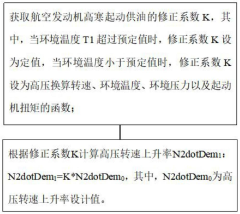
Aero-engine high-cold starting oil supply correction method
PatentActiveCN111927630A
Innovation
- By calculating the correction coefficient K, the high-pressure speed increase rate is adjusted according to the ambient temperature, pressure and starter torque to ensure that the oil supply pattern is consistent with the high-cold environment.



A method to improve efficiency of an engine in a vehicle
PatentInactiveIN201841024311A
Innovation
- An electronic control unit in vehicles communicates with a fuel station's IoT server to receive knock adaptation values based on detected fuel parameters, adjusting ignition timing accordingly to optimize engine efficiency.
Environmental Impact of High-Altitude Engine Operations
The environmental impact of high-altitude engine operations, particularly in the context of optimizing the K24 engine for high-altitude performance, is a critical consideration in modern automotive engineering. As vehicles operate at higher altitudes, the reduced air density and oxygen levels present unique challenges that can significantly affect engine performance and emissions.
At high altitudes, the lower air density results in a decrease in the amount of oxygen available for combustion. This can lead to incomplete fuel burning, potentially increasing the emission of carbon monoxide (CO) and unburned hydrocarbons (HC). To compensate for this, engines often require a richer fuel mixture, which can further exacerbate emissions issues. The K24 engine, when optimized for high-altitude performance, must address these concerns to minimize its environmental footprint.
One of the primary environmental impacts of high-altitude engine operations is the increased production of nitrogen oxides (NOx). As engines work harder to maintain performance at altitude, combustion temperatures can rise, promoting NOx formation. These compounds contribute to smog formation and acid rain, posing significant environmental and health risks. Optimizing the K24 engine for high-altitude use must therefore include strategies to mitigate NOx emissions, such as advanced exhaust gas recirculation (EGR) systems or selective catalytic reduction (SCR) technology.
Furthermore, the reduced air density at high altitudes can affect the efficiency of turbochargers and intercoolers, potentially leading to increased fuel consumption. This not only impacts the vehicle's carbon footprint but also places additional stress on local ecosystems through increased CO2 emissions. Engineers must consider innovative cooling solutions and turbocharger designs to maintain efficiency and minimize these environmental impacts.
The optimization of the K24 engine for high-altitude performance also presents an opportunity to address broader environmental concerns. By improving overall engine efficiency and reducing fuel consumption at altitude, engineers can contribute to the reduction of greenhouse gas emissions. This aligns with global efforts to combat climate change and supports the automotive industry's transition towards more sustainable practices.
Additionally, the environmental impact of high-altitude engine operations extends beyond emissions. The increased strain on engine components at altitude can lead to accelerated wear and tear, potentially resulting in more frequent maintenance and part replacements. This has implications for resource consumption and waste generation. Developing more durable materials and components for the K24 engine that can withstand the rigors of high-altitude operation can help mitigate these long-term environmental impacts.
In conclusion, optimizing the K24 engine for high-altitude performance requires a holistic approach that balances performance requirements with environmental considerations. By addressing emissions, fuel efficiency, and durability, engineers can minimize the ecological footprint of high-altitude engine operations while meeting the demands of drivers in mountainous regions.
At high altitudes, the lower air density results in a decrease in the amount of oxygen available for combustion. This can lead to incomplete fuel burning, potentially increasing the emission of carbon monoxide (CO) and unburned hydrocarbons (HC). To compensate for this, engines often require a richer fuel mixture, which can further exacerbate emissions issues. The K24 engine, when optimized for high-altitude performance, must address these concerns to minimize its environmental footprint.
One of the primary environmental impacts of high-altitude engine operations is the increased production of nitrogen oxides (NOx). As engines work harder to maintain performance at altitude, combustion temperatures can rise, promoting NOx formation. These compounds contribute to smog formation and acid rain, posing significant environmental and health risks. Optimizing the K24 engine for high-altitude use must therefore include strategies to mitigate NOx emissions, such as advanced exhaust gas recirculation (EGR) systems or selective catalytic reduction (SCR) technology.
Furthermore, the reduced air density at high altitudes can affect the efficiency of turbochargers and intercoolers, potentially leading to increased fuel consumption. This not only impacts the vehicle's carbon footprint but also places additional stress on local ecosystems through increased CO2 emissions. Engineers must consider innovative cooling solutions and turbocharger designs to maintain efficiency and minimize these environmental impacts.
The optimization of the K24 engine for high-altitude performance also presents an opportunity to address broader environmental concerns. By improving overall engine efficiency and reducing fuel consumption at altitude, engineers can contribute to the reduction of greenhouse gas emissions. This aligns with global efforts to combat climate change and supports the automotive industry's transition towards more sustainable practices.
Additionally, the environmental impact of high-altitude engine operations extends beyond emissions. The increased strain on engine components at altitude can lead to accelerated wear and tear, potentially resulting in more frequent maintenance and part replacements. This has implications for resource consumption and waste generation. Developing more durable materials and components for the K24 engine that can withstand the rigors of high-altitude operation can help mitigate these long-term environmental impacts.
In conclusion, optimizing the K24 engine for high-altitude performance requires a holistic approach that balances performance requirements with environmental considerations. By addressing emissions, fuel efficiency, and durability, engineers can minimize the ecological footprint of high-altitude engine operations while meeting the demands of drivers in mountainous regions.
Regulatory Compliance for High-Altitude Engines
Regulatory compliance for high-altitude engines is a critical aspect of optimizing the K24 engine for high-altitude performance. As engine manufacturers seek to enhance their products for operation in elevated environments, they must navigate a complex landscape of regulations and standards.
The primary regulatory body overseeing high-altitude engine performance in the United States is the Environmental Protection Agency (EPA). The EPA has established stringent emissions standards that apply to engines operating at various altitudes, including those above 4,000 feet. These regulations aim to mitigate the environmental impact of engine emissions, particularly in sensitive high-altitude ecosystems.
One of the key challenges in meeting regulatory requirements for high-altitude engines is maintaining optimal air-fuel ratios. As altitude increases, air density decreases, which can lead to incomplete combustion and increased emissions. To address this, manufacturers must implement advanced fuel injection systems and engine control units (ECUs) that can dynamically adjust fuel delivery based on altitude and atmospheric conditions.
Oxygen sensor technology plays a crucial role in regulatory compliance for high-altitude engines. Advanced oxygen sensors capable of accurate readings at varying altitudes are essential for maintaining proper air-fuel mixtures and ensuring emissions remain within acceptable limits. Manufacturers must invest in developing or sourcing sensors that can perform reliably across a wide range of altitudes.
Exhaust gas recirculation (EGR) systems are another area of focus for regulatory compliance. At high altitudes, EGR systems may need to be modified to account for the reduced air density and maintain effective emissions control. This may involve adjusting EGR valve timing or implementing altitude-specific EGR strategies.
Catalytic converter performance is also a critical consideration for high-altitude regulatory compliance. The reduced oxygen content at higher elevations can impact the efficiency of catalytic converters, potentially leading to increased emissions. Manufacturers must design and calibrate catalytic converters to maintain their effectiveness across a range of altitudes.
In addition to federal regulations, engine manufacturers must also consider state-specific requirements, particularly in regions with high-altitude terrain. For example, Colorado has implemented its own set of emissions standards for vehicles operating at high altitudes, which may be more stringent than federal regulations.
To ensure compliance with these diverse regulatory requirements, manufacturers must conduct extensive testing and validation of their high-altitude engine optimizations. This often involves real-world testing in high-altitude environments, as well as simulated altitude testing in specialized facilities. Such comprehensive testing helps identify potential compliance issues and allows for necessary adjustments before engines are brought to market.
The primary regulatory body overseeing high-altitude engine performance in the United States is the Environmental Protection Agency (EPA). The EPA has established stringent emissions standards that apply to engines operating at various altitudes, including those above 4,000 feet. These regulations aim to mitigate the environmental impact of engine emissions, particularly in sensitive high-altitude ecosystems.
One of the key challenges in meeting regulatory requirements for high-altitude engines is maintaining optimal air-fuel ratios. As altitude increases, air density decreases, which can lead to incomplete combustion and increased emissions. To address this, manufacturers must implement advanced fuel injection systems and engine control units (ECUs) that can dynamically adjust fuel delivery based on altitude and atmospheric conditions.
Oxygen sensor technology plays a crucial role in regulatory compliance for high-altitude engines. Advanced oxygen sensors capable of accurate readings at varying altitudes are essential for maintaining proper air-fuel mixtures and ensuring emissions remain within acceptable limits. Manufacturers must invest in developing or sourcing sensors that can perform reliably across a wide range of altitudes.
Exhaust gas recirculation (EGR) systems are another area of focus for regulatory compliance. At high altitudes, EGR systems may need to be modified to account for the reduced air density and maintain effective emissions control. This may involve adjusting EGR valve timing or implementing altitude-specific EGR strategies.
Catalytic converter performance is also a critical consideration for high-altitude regulatory compliance. The reduced oxygen content at higher elevations can impact the efficiency of catalytic converters, potentially leading to increased emissions. Manufacturers must design and calibrate catalytic converters to maintain their effectiveness across a range of altitudes.
In addition to federal regulations, engine manufacturers must also consider state-specific requirements, particularly in regions with high-altitude terrain. For example, Colorado has implemented its own set of emissions standards for vehicles operating at high altitudes, which may be more stringent than federal regulations.
To ensure compliance with these diverse regulatory requirements, manufacturers must conduct extensive testing and validation of their high-altitude engine optimizations. This often involves real-world testing in high-altitude environments, as well as simulated altitude testing in specialized facilities. Such comprehensive testing helps identify potential compliance issues and allows for necessary adjustments before engines are brought to market.
Unlock deeper insights with PatSnap Eureka Quick Research — get a full tech report to explore trends and direct your research. Try now!
Generate Your Research Report Instantly with AI Agent
Supercharge your innovation with PatSnap Eureka AI Agent Platform!