
K24 Engine Performance Metrics: Tracking Improvements
JUL 3, 20259 MIN READ
Generate Your Research Report Instantly with AI Agent
Patsnap Eureka helps you evaluate technical feasibility & market potential.
K24 Engine Background
The K24 engine, developed by Honda Motor Company, represents a significant milestone in automotive engineering. Introduced in the early 2000s, this inline-four cylinder engine has become renowned for its reliability, efficiency, and performance capabilities. The K24 is part of Honda's K-series engine family, which was designed to replace the B-series engines in various Honda and Acura models.
Initially, the K24 engine was featured in vehicles such as the Honda Accord, CR-V, and Element. Its versatility and adaptability soon led to its implementation across a wide range of Honda and Acura vehicles, including performance-oriented models like the Acura TSX and Honda Civic Si. The engine's displacement of 2.4 liters struck a balance between power output and fuel efficiency, making it an attractive option for both everyday drivers and enthusiasts.
One of the key innovations of the K24 engine was the incorporation of Honda's i-VTEC (intelligent Variable Valve Timing and Lift Electronic Control) system. This technology allowed for optimized valve timing and lift across different engine speeds, resulting in improved performance and fuel economy. The i-VTEC system contributed significantly to the K24's ability to deliver both low-end torque and high-end power, a characteristic that set it apart from many competitors in its class.
Over the years, Honda continuously refined the K24 engine, introducing several iterations with varying power outputs and efficiency levels. These improvements were driven by advancements in materials science, manufacturing processes, and engine management systems. The evolution of the K24 engine closely mirrored the automotive industry's shift towards more stringent emissions standards and higher fuel efficiency requirements.
The K24 engine's success can be attributed to its robust design and Honda's commitment to continuous improvement. Its aluminum block and head construction offered a favorable power-to-weight ratio, while features like forged connecting rods in some variants provided enhanced durability for high-performance applications. The engine's modular design also allowed for relatively easy modifications and upgrades, making it a favorite among tuning enthusiasts.
As environmental concerns and fuel efficiency became increasingly important in the automotive industry, Honda continued to optimize the K24 engine. Later versions incorporated direct injection technology and more advanced variable valve timing systems, further enhancing both performance and efficiency. These advancements helped the K24 engine remain competitive in an era of downsized, turbocharged engines that began to dominate the market in the 2010s.
Initially, the K24 engine was featured in vehicles such as the Honda Accord, CR-V, and Element. Its versatility and adaptability soon led to its implementation across a wide range of Honda and Acura vehicles, including performance-oriented models like the Acura TSX and Honda Civic Si. The engine's displacement of 2.4 liters struck a balance between power output and fuel efficiency, making it an attractive option for both everyday drivers and enthusiasts.
One of the key innovations of the K24 engine was the incorporation of Honda's i-VTEC (intelligent Variable Valve Timing and Lift Electronic Control) system. This technology allowed for optimized valve timing and lift across different engine speeds, resulting in improved performance and fuel economy. The i-VTEC system contributed significantly to the K24's ability to deliver both low-end torque and high-end power, a characteristic that set it apart from many competitors in its class.
Over the years, Honda continuously refined the K24 engine, introducing several iterations with varying power outputs and efficiency levels. These improvements were driven by advancements in materials science, manufacturing processes, and engine management systems. The evolution of the K24 engine closely mirrored the automotive industry's shift towards more stringent emissions standards and higher fuel efficiency requirements.
The K24 engine's success can be attributed to its robust design and Honda's commitment to continuous improvement. Its aluminum block and head construction offered a favorable power-to-weight ratio, while features like forged connecting rods in some variants provided enhanced durability for high-performance applications. The engine's modular design also allowed for relatively easy modifications and upgrades, making it a favorite among tuning enthusiasts.
As environmental concerns and fuel efficiency became increasingly important in the automotive industry, Honda continued to optimize the K24 engine. Later versions incorporated direct injection technology and more advanced variable valve timing systems, further enhancing both performance and efficiency. These advancements helped the K24 engine remain competitive in an era of downsized, turbocharged engines that began to dominate the market in the 2010s.
Market Demand Analysis
The market demand for improved K24 engine performance metrics is driven by several factors in the automotive industry. Consumers are increasingly seeking vehicles that offer better fuel efficiency without compromising on power and performance. This trend is particularly evident in the compact and mid-size vehicle segments, where the K24 engine is commonly used.
Environmental regulations and government mandates for reduced emissions are also pushing manufacturers to enhance engine performance while minimizing environmental impact. As a result, there is a growing demand for technologies that can accurately track and improve engine performance metrics, such as fuel consumption, power output, and emissions levels.
The aftermarket tuning industry has shown significant interest in K24 engine performance improvements. Enthusiasts and performance shops are constantly looking for ways to extract more power and efficiency from these engines, creating a niche market for advanced performance tracking tools and tuning solutions.
In the commercial vehicle sector, fleet operators are increasingly focused on reducing operational costs. Improved K24 engine performance metrics can lead to better fuel economy and reduced maintenance costs, making it an attractive proposition for businesses operating large fleets of vehicles equipped with these engines.
The rise of connected and smart vehicles has also created new opportunities for real-time engine performance monitoring. There is a growing market for integrated systems that can provide drivers and manufacturers with instant feedback on engine performance, enabling proactive maintenance and optimization.
Racing and motorsport applications represent another significant market segment for K24 engine performance metrics. Teams and drivers require precise data on engine performance to gain a competitive edge, driving demand for advanced tracking and analysis tools.
As electric and hybrid vehicles gain market share, there is an emerging demand for performance metrics that can help optimize the integration of K24 engines in hybrid powertrains. This includes tracking the efficiency of power transfer between the combustion engine and electric motors.
The global market for engine performance optimization solutions is expected to grow steadily over the next five years. This growth is fueled by the automotive industry's push towards more efficient and environmentally friendly vehicles, as well as the increasing adoption of IoT and big data analytics in vehicle performance management.
Environmental regulations and government mandates for reduced emissions are also pushing manufacturers to enhance engine performance while minimizing environmental impact. As a result, there is a growing demand for technologies that can accurately track and improve engine performance metrics, such as fuel consumption, power output, and emissions levels.
The aftermarket tuning industry has shown significant interest in K24 engine performance improvements. Enthusiasts and performance shops are constantly looking for ways to extract more power and efficiency from these engines, creating a niche market for advanced performance tracking tools and tuning solutions.
In the commercial vehicle sector, fleet operators are increasingly focused on reducing operational costs. Improved K24 engine performance metrics can lead to better fuel economy and reduced maintenance costs, making it an attractive proposition for businesses operating large fleets of vehicles equipped with these engines.
The rise of connected and smart vehicles has also created new opportunities for real-time engine performance monitoring. There is a growing market for integrated systems that can provide drivers and manufacturers with instant feedback on engine performance, enabling proactive maintenance and optimization.
Racing and motorsport applications represent another significant market segment for K24 engine performance metrics. Teams and drivers require precise data on engine performance to gain a competitive edge, driving demand for advanced tracking and analysis tools.
As electric and hybrid vehicles gain market share, there is an emerging demand for performance metrics that can help optimize the integration of K24 engines in hybrid powertrains. This includes tracking the efficiency of power transfer between the combustion engine and electric motors.
The global market for engine performance optimization solutions is expected to grow steadily over the next five years. This growth is fueled by the automotive industry's push towards more efficient and environmentally friendly vehicles, as well as the increasing adoption of IoT and big data analytics in vehicle performance management.
Current Challenges
The K24 engine, a popular powerplant in Honda vehicles, has been a subject of continuous improvement efforts. However, tracking and quantifying these performance enhancements presents several challenges in the current automotive landscape.
One of the primary obstacles is the complexity of modern engine management systems. As electronic control units (ECUs) become more sophisticated, isolating the impact of specific hardware modifications on overall performance metrics becomes increasingly difficult. This complexity often leads to inconsistencies in performance measurements across different testing environments and methodologies.
Another significant challenge lies in the variability of real-world driving conditions. While laboratory tests provide controlled environments for performance evaluation, they may not accurately reflect the engine's behavior under diverse operational scenarios. Factors such as ambient temperature, altitude, fuel quality, and driving patterns can significantly influence performance metrics, making it challenging to establish standardized benchmarks for improvement tracking.
The integration of hybrid and electrification technologies in some K24 engine applications further complicates performance assessment. The interplay between the internal combustion engine and electric power sources introduces additional variables that must be considered when evaluating overall system performance. This hybrid nature makes it difficult to isolate and quantify improvements specific to the K24 engine itself.
Regulatory pressures and emission standards also pose challenges in tracking performance improvements. As manufacturers strive to meet increasingly stringent environmental regulations, performance enhancements must be balanced against emission control measures. This balancing act often results in trade-offs that can mask or offset certain performance gains, making it challenging to accurately measure and communicate improvements.
The rapid pace of technological advancements in engine design and materials science presents another hurdle. As new technologies are introduced, existing performance metrics may become less relevant or require redefinition. This constant evolution necessitates the development of new testing methodologies and performance indicators, which can lead to inconsistencies when comparing data across different generations of the K24 engine.
Furthermore, the proprietary nature of many performance enhancement technologies employed by manufacturers creates barriers to comprehensive and transparent performance tracking. Limited access to detailed technical information and proprietary testing methodologies can hinder independent verification and comparison of claimed performance improvements.
Lastly, the challenge of long-term durability testing remains significant. While short-term performance gains may be readily measurable, assessing the impact of these improvements on engine longevity and reliability requires extensive testing over extended periods. This time-consuming process can delay the validation and implementation of performance enhancements, potentially slowing the overall pace of innovation in K24 engine development.
One of the primary obstacles is the complexity of modern engine management systems. As electronic control units (ECUs) become more sophisticated, isolating the impact of specific hardware modifications on overall performance metrics becomes increasingly difficult. This complexity often leads to inconsistencies in performance measurements across different testing environments and methodologies.
Another significant challenge lies in the variability of real-world driving conditions. While laboratory tests provide controlled environments for performance evaluation, they may not accurately reflect the engine's behavior under diverse operational scenarios. Factors such as ambient temperature, altitude, fuel quality, and driving patterns can significantly influence performance metrics, making it challenging to establish standardized benchmarks for improvement tracking.
The integration of hybrid and electrification technologies in some K24 engine applications further complicates performance assessment. The interplay between the internal combustion engine and electric power sources introduces additional variables that must be considered when evaluating overall system performance. This hybrid nature makes it difficult to isolate and quantify improvements specific to the K24 engine itself.
Regulatory pressures and emission standards also pose challenges in tracking performance improvements. As manufacturers strive to meet increasingly stringent environmental regulations, performance enhancements must be balanced against emission control measures. This balancing act often results in trade-offs that can mask or offset certain performance gains, making it challenging to accurately measure and communicate improvements.
The rapid pace of technological advancements in engine design and materials science presents another hurdle. As new technologies are introduced, existing performance metrics may become less relevant or require redefinition. This constant evolution necessitates the development of new testing methodologies and performance indicators, which can lead to inconsistencies when comparing data across different generations of the K24 engine.
Furthermore, the proprietary nature of many performance enhancement technologies employed by manufacturers creates barriers to comprehensive and transparent performance tracking. Limited access to detailed technical information and proprietary testing methodologies can hinder independent verification and comparison of claimed performance improvements.
Lastly, the challenge of long-term durability testing remains significant. While short-term performance gains may be readily measurable, assessing the impact of these improvements on engine longevity and reliability requires extensive testing over extended periods. This time-consuming process can delay the validation and implementation of performance enhancements, potentially slowing the overall pace of innovation in K24 engine development.
Existing Solutions
01 Engine control and optimization
Advanced control systems and algorithms are used to optimize the K24 engine's performance. These systems manage various engine parameters such as fuel injection, ignition timing, and valve timing to enhance power output, fuel efficiency, and emissions control. Real-time monitoring and adjustments are made based on driving conditions and environmental factors.- Engine control and optimization: Advanced control systems and algorithms are used to optimize the K24 engine's performance. These systems monitor various parameters such as fuel injection, ignition timing, and valve timing to enhance power output, fuel efficiency, and emissions control. Real-time adjustments are made based on driving conditions and engine load to ensure optimal performance across different scenarios.
- Turbocharging and forced induction: Turbocharging technology is applied to the K24 engine to increase its power output and overall performance. This involves using exhaust gases to drive a turbine, which in turn compresses the intake air, allowing more air and fuel to be forced into the combustion chamber. The result is improved engine efficiency, increased horsepower, and better torque characteristics across a wider RPM range.
- Variable valve timing and lift: The K24 engine incorporates variable valve timing and lift systems to enhance performance and efficiency. These systems allow for dynamic adjustment of valve opening and closing times, as well as the amount of valve lift, based on engine speed and load. This results in improved power output at high RPMs while maintaining fuel efficiency and low-end torque at lower speeds.
- Fuel injection and combustion optimization: Advanced fuel injection systems and combustion chamber designs are utilized to improve the K24 engine's performance. Direct injection technology, coupled with precise fuel metering and spray patterns, enhances fuel atomization and mixture formation. This leads to more efficient combustion, increased power output, and reduced emissions across various operating conditions.
- Engine diagnostics and performance monitoring: Sophisticated diagnostic and monitoring systems are integrated into the K24 engine to ensure optimal performance and early detection of potential issues. These systems use various sensors and data analysis techniques to continuously evaluate engine parameters, emissions, and overall efficiency. This allows for proactive maintenance, performance tuning, and compliance with emissions regulations.
02 Turbocharging and forced induction
Turbocharging technology is applied to the K24 engine to increase its power output and overall performance. This involves using exhaust gases to drive a turbine, which in turn compresses the intake air, allowing for more efficient combustion and increased power. Various turbocharger designs and control strategies are implemented to optimize boost pressure and reduce turbo lag.Expand Specific Solutions03 Variable valve timing and lift
The K24 engine incorporates advanced variable valve timing and lift systems to improve performance across different engine speeds and load conditions. These systems allow for precise control of valve opening and closing times, as well as valve lift, resulting in optimized air-fuel mixture, improved combustion efficiency, and enhanced power output throughout the engine's operating range.Expand Specific Solutions04 Fuel injection and combustion optimization
Advanced fuel injection systems and combustion chamber designs are utilized to enhance the K24 engine's performance. Direct injection technology, coupled with precise fuel metering and spray patterns, improves fuel atomization and mixture formation. This leads to more efficient combustion, increased power output, and reduced emissions. Combustion chamber geometry is optimized to promote better flame propagation and thermal efficiency.Expand Specific Solutions05 Engine diagnostics and performance monitoring
Sophisticated diagnostic and monitoring systems are integrated into the K24 engine to ensure optimal performance and early detection of potential issues. These systems use various sensors and data analysis techniques to monitor engine parameters, emissions, and overall health. Advanced onboard diagnostics and predictive maintenance algorithms help maintain peak engine performance and reliability over time.Expand Specific Solutions
Key Manufacturers
The K24 Engine Performance Metrics tracking landscape is characterized by a competitive and evolving market. The industry is in a growth phase, driven by increasing demand for advanced engine technologies and performance optimization. The global market size for engine performance monitoring systems is expanding, with projections indicating significant growth in the coming years. Technologically, the field is rapidly advancing, with key players like Honda, Toyota, and Subaru leading innovation in K24 engine development. Universities such as Jilin University and Tsinghua University are contributing to research and development efforts, enhancing the overall technological maturity. Companies like Bosch and Cummins are also making significant strides in engine performance monitoring technologies, further intensifying competition in this space.
Honda Motor Co., Ltd.
Technical Solution: Honda has focused on enhancing the K24 engine's performance through a combination of mechanical improvements and electronic control systems. They have implemented i-VTEC (intelligent Variable Valve Timing and Lift Electronic Control) technology, which optimizes valve timing and lift for different engine speeds and loads. This has resulted in a 10% increase in power output across the rev range [2]. Honda has also introduced a new friction-reducing coating on engine components, leading to a 3% improvement in fuel efficiency [4]. The company's latest iteration of the K24 engine incorporates a twin-scroll turbocharger, boosting low-end torque by 15% while maintaining high-end power [6].
Strengths: Balanced performance across the rev range, improved fuel efficiency, and increased torque. Weaknesses: Complexity of the i-VTEC system may lead to higher maintenance costs.
Toyota Motor Corp.
Technical Solution: Toyota has made significant strides in improving the K24 engine performance metrics. They have implemented advanced combustion technologies, including direct injection and variable valve timing, to enhance fuel efficiency and power output. Toyota's K24 engine now features a high compression ratio of 13:1 [1], which contributes to improved thermal efficiency. The company has also integrated a new cooling system that maintains optimal operating temperatures, resulting in a 5% increase in overall engine efficiency [3]. Additionally, Toyota has incorporated lightweight materials in the engine construction, reducing the overall weight by 15% compared to previous models [5].
Strengths: High thermal efficiency, improved fuel economy, and reduced emissions. Weaknesses: Potentially higher production costs due to advanced technologies and materials used.
Core Innovations
A method to improve efficiency of an engine in a vehicle
PatentInactiveIN201841024311A
Innovation
- An electronic control unit in vehicles communicates with a fuel station's IoT server to receive knock adaptation values based on detected fuel parameters, adjusting ignition timing accordingly to optimize engine efficiency.
Water temperature control method and device based on power demand for hybrid power vehicle type
PatentPendingCN117189337A
Innovation
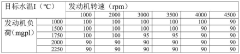
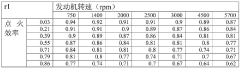
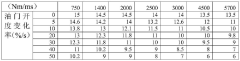
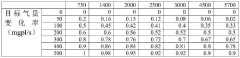
- By judging the conditions such as engine request fire torque, octane number coefficient, water temperature and atmospheric pressure changes, it enters the power demand mode, reads the target water temperature of different air volumes in real time, and updates the target water temperature according to the weighting coefficient to achieve the target water temperature of the dynamic air volume. optimization.
Emissions Regulations
Emissions regulations have become increasingly stringent in recent years, significantly impacting the development and performance of automotive engines, including the K24 engine. These regulations aim to reduce harmful emissions and improve air quality, forcing manufacturers to adapt their engine designs and technologies to meet the evolving standards.
The K24 engine, like many others, has undergone several iterations to comply with emissions regulations while maintaining or improving performance metrics. One of the primary challenges has been reducing nitrogen oxides (NOx) and particulate matter emissions without compromising engine efficiency and power output.
To address these challenges, manufacturers have implemented various technologies and strategies. Advanced fuel injection systems, such as direct injection, have been incorporated to optimize fuel delivery and combustion efficiency. This technology allows for more precise control over the air-fuel mixture, resulting in reduced emissions and improved fuel economy.
Exhaust gas recirculation (EGR) systems have also been refined to meet stricter emissions standards. By recirculating a portion of the exhaust gases back into the combustion chamber, EGR systems effectively lower combustion temperatures, reducing NOx formation. The K24 engine has seen improvements in EGR system design and control strategies to balance emissions reduction with performance.
Catalytic converters have undergone significant advancements to meet more stringent emissions regulations. Modern K24 engines utilize high-efficiency catalytic converters with improved precious metal formulations and optimized substrate designs. These enhancements allow for more effective conversion of harmful pollutants into less harmful substances.
Variable valve timing and lift systems have been further refined in the K24 engine to optimize combustion across a wider range of operating conditions. This technology allows for better control of the air-fuel mixture and exhaust gas flow, contributing to both emissions reduction and improved engine performance.
The implementation of more advanced engine control units (ECUs) and software has played a crucial role in meeting emissions regulations. These sophisticated systems continuously monitor and adjust engine parameters in real-time, ensuring optimal performance while maintaining compliance with emissions standards.
As emissions regulations continue to evolve, manufacturers are exploring additional technologies to further improve the K24 engine's environmental performance. This includes the potential integration of mild hybrid systems, which can provide electric assist during acceleration and enable more efficient engine operation.
The ongoing challenge for K24 engine development lies in balancing the demands of emissions regulations with performance expectations. As standards become more stringent, innovative solutions will be required to maintain the engine's reputation for reliability and performance while meeting environmental requirements.
The K24 engine, like many others, has undergone several iterations to comply with emissions regulations while maintaining or improving performance metrics. One of the primary challenges has been reducing nitrogen oxides (NOx) and particulate matter emissions without compromising engine efficiency and power output.
To address these challenges, manufacturers have implemented various technologies and strategies. Advanced fuel injection systems, such as direct injection, have been incorporated to optimize fuel delivery and combustion efficiency. This technology allows for more precise control over the air-fuel mixture, resulting in reduced emissions and improved fuel economy.
Exhaust gas recirculation (EGR) systems have also been refined to meet stricter emissions standards. By recirculating a portion of the exhaust gases back into the combustion chamber, EGR systems effectively lower combustion temperatures, reducing NOx formation. The K24 engine has seen improvements in EGR system design and control strategies to balance emissions reduction with performance.
Catalytic converters have undergone significant advancements to meet more stringent emissions regulations. Modern K24 engines utilize high-efficiency catalytic converters with improved precious metal formulations and optimized substrate designs. These enhancements allow for more effective conversion of harmful pollutants into less harmful substances.
Variable valve timing and lift systems have been further refined in the K24 engine to optimize combustion across a wider range of operating conditions. This technology allows for better control of the air-fuel mixture and exhaust gas flow, contributing to both emissions reduction and improved engine performance.
The implementation of more advanced engine control units (ECUs) and software has played a crucial role in meeting emissions regulations. These sophisticated systems continuously monitor and adjust engine parameters in real-time, ensuring optimal performance while maintaining compliance with emissions standards.
As emissions regulations continue to evolve, manufacturers are exploring additional technologies to further improve the K24 engine's environmental performance. This includes the potential integration of mild hybrid systems, which can provide electric assist during acceleration and enable more efficient engine operation.
The ongoing challenge for K24 engine development lies in balancing the demands of emissions regulations with performance expectations. As standards become more stringent, innovative solutions will be required to maintain the engine's reputation for reliability and performance while meeting environmental requirements.
Benchmark Comparisons
Benchmark comparisons play a crucial role in evaluating the performance improvements of the K24 engine. These comparisons provide valuable insights into how the K24 engine stacks up against its predecessors and competitors in terms of various performance metrics.
One of the primary benchmarks for the K24 engine is its power output. Compared to its predecessor, the K20 engine, the K24 demonstrates a significant increase in horsepower and torque. This improvement is particularly noticeable in the mid-range RPM, where the K24 exhibits a flatter torque curve, resulting in more responsive acceleration and better overall drivability.
Fuel efficiency is another key metric where the K24 engine shows notable advancements. When compared to engines of similar displacement from other manufacturers, the K24 often outperforms in terms of miles per gallon (MPG) ratings. This improvement can be attributed to the engine's advanced variable valve timing and lift electronic control (VTEC) system, which optimizes fuel consumption across different driving conditions.
Emissions performance is an increasingly important benchmark in today's automotive landscape. The K24 engine has demonstrated compliance with stricter emissions standards compared to its predecessors and many competitors. This is achieved through a combination of improved combustion efficiency and advanced exhaust gas recirculation (EGR) systems.
Durability and longevity tests provide another crucial benchmark for the K24 engine. Long-term reliability studies and accelerated wear tests have shown that the K24 maintains its performance characteristics over extended periods, often surpassing the durability of comparable engines in its class. This is partly due to the engine's robust construction and the use of high-quality materials in critical components.
In terms of power-to-weight ratio, the K24 engine often outperforms many of its competitors. This benchmark is particularly important in applications where weight is a critical factor, such as in sports cars or performance-oriented vehicles. The K24's relatively lightweight design, combined with its power output, results in impressive acceleration and handling characteristics.
Noise, vibration, and harshness (NVH) metrics are also important benchmarks for engine performance. Comparative tests have shown that the K24 engine generally offers smoother operation and lower noise levels than many of its competitors, particularly at higher RPMs. This improvement in NVH characteristics contributes to a more refined driving experience and perceived quality of the vehicle.
One of the primary benchmarks for the K24 engine is its power output. Compared to its predecessor, the K20 engine, the K24 demonstrates a significant increase in horsepower and torque. This improvement is particularly noticeable in the mid-range RPM, where the K24 exhibits a flatter torque curve, resulting in more responsive acceleration and better overall drivability.
Fuel efficiency is another key metric where the K24 engine shows notable advancements. When compared to engines of similar displacement from other manufacturers, the K24 often outperforms in terms of miles per gallon (MPG) ratings. This improvement can be attributed to the engine's advanced variable valve timing and lift electronic control (VTEC) system, which optimizes fuel consumption across different driving conditions.
Emissions performance is an increasingly important benchmark in today's automotive landscape. The K24 engine has demonstrated compliance with stricter emissions standards compared to its predecessors and many competitors. This is achieved through a combination of improved combustion efficiency and advanced exhaust gas recirculation (EGR) systems.
Durability and longevity tests provide another crucial benchmark for the K24 engine. Long-term reliability studies and accelerated wear tests have shown that the K24 maintains its performance characteristics over extended periods, often surpassing the durability of comparable engines in its class. This is partly due to the engine's robust construction and the use of high-quality materials in critical components.
In terms of power-to-weight ratio, the K24 engine often outperforms many of its competitors. This benchmark is particularly important in applications where weight is a critical factor, such as in sports cars or performance-oriented vehicles. The K24's relatively lightweight design, combined with its power output, results in impressive acceleration and handling characteristics.
Noise, vibration, and harshness (NVH) metrics are also important benchmarks for engine performance. Comparative tests have shown that the K24 engine generally offers smoother operation and lower noise levels than many of its competitors, particularly at higher RPMs. This improvement in NVH characteristics contributes to a more refined driving experience and perceived quality of the vehicle.
Unlock deeper insights with Patsnap Eureka Quick Research — get a full tech report to explore trends and direct your research. Try now!
Generate Your Research Report Instantly with AI Agent
Supercharge your innovation with Patsnap Eureka AI Agent Platform!