How to Pre-Treat Zn Anodes: Polishing, Alloying and Coatings
AUG 28, 20259 MIN READ
Generate Your Research Report Instantly with AI Agent
Patsnap Eureka helps you evaluate technical feasibility & market potential.
Zinc Anode Pre-Treatment Background and Objectives
Zinc anodes have been extensively utilized in various electrochemical systems, particularly in batteries, corrosion protection, and electroplating processes. The evolution of zinc anode technology can be traced back to the early 19th century with the invention of the first zinc-based battery by Alessandro Volta. Since then, zinc has remained a material of choice due to its high theoretical capacity, abundance, low cost, and environmental friendliness.
The technological trajectory of zinc anodes has seen significant advancements, especially in addressing inherent challenges such as dendrite formation, shape change, and passivation during cycling. These issues have historically limited the widespread adoption of zinc-based energy storage systems despite their promising characteristics. Recent years have witnessed renewed interest in zinc anodes, driven by the global push for sustainable and efficient energy storage solutions.
Pre-treatment of zinc anodes represents a critical frontier in enhancing their performance and reliability. The three primary approaches—polishing, alloying, and coating—each target specific aspects of zinc anode functionality. Mechanical polishing techniques aim to create uniform surfaces that promote even current distribution and reduce localized reactions. Alloying strategies introduce secondary elements to modify the electrochemical properties and structural stability of zinc during operation. Coating methodologies focus on creating protective layers that mitigate side reactions while maintaining efficient ion transport.
The technical objectives of zinc anode pre-treatment research encompass several dimensions. First, to substantially extend cycle life by minimizing dendrite formation and preventing shape change during repeated charge-discharge cycles. Second, to enhance rate capability by optimizing surface properties and reducing passivation effects. Third, to improve energy density by maximizing the utilization efficiency of active zinc material. Fourth, to ensure compatibility with various electrolyte systems, expanding the application scope of zinc-based technologies.
Current research trends indicate a shift toward multifunctional pre-treatment approaches that combine the benefits of different techniques. For instance, alloyed zinc surfaces with specialized coatings show promise in simultaneously addressing multiple degradation mechanisms. Additionally, emerging nano-engineering strategies are being explored to create hierarchical structures that optimize both electronic and ionic transport properties at the anode interface.
The ultimate goal of zinc anode pre-treatment development is to enable next-generation zinc-based energy storage systems with performance metrics comparable to or exceeding those of lithium-ion technologies, while maintaining the inherent advantages of cost-effectiveness, safety, and environmental compatibility that zinc offers.
The technological trajectory of zinc anodes has seen significant advancements, especially in addressing inherent challenges such as dendrite formation, shape change, and passivation during cycling. These issues have historically limited the widespread adoption of zinc-based energy storage systems despite their promising characteristics. Recent years have witnessed renewed interest in zinc anodes, driven by the global push for sustainable and efficient energy storage solutions.
Pre-treatment of zinc anodes represents a critical frontier in enhancing their performance and reliability. The three primary approaches—polishing, alloying, and coating—each target specific aspects of zinc anode functionality. Mechanical polishing techniques aim to create uniform surfaces that promote even current distribution and reduce localized reactions. Alloying strategies introduce secondary elements to modify the electrochemical properties and structural stability of zinc during operation. Coating methodologies focus on creating protective layers that mitigate side reactions while maintaining efficient ion transport.
The technical objectives of zinc anode pre-treatment research encompass several dimensions. First, to substantially extend cycle life by minimizing dendrite formation and preventing shape change during repeated charge-discharge cycles. Second, to enhance rate capability by optimizing surface properties and reducing passivation effects. Third, to improve energy density by maximizing the utilization efficiency of active zinc material. Fourth, to ensure compatibility with various electrolyte systems, expanding the application scope of zinc-based technologies.
Current research trends indicate a shift toward multifunctional pre-treatment approaches that combine the benefits of different techniques. For instance, alloyed zinc surfaces with specialized coatings show promise in simultaneously addressing multiple degradation mechanisms. Additionally, emerging nano-engineering strategies are being explored to create hierarchical structures that optimize both electronic and ionic transport properties at the anode interface.
The ultimate goal of zinc anode pre-treatment development is to enable next-generation zinc-based energy storage systems with performance metrics comparable to or exceeding those of lithium-ion technologies, while maintaining the inherent advantages of cost-effectiveness, safety, and environmental compatibility that zinc offers.
Market Analysis for Advanced Zinc Anode Technologies
The global market for zinc anode technologies is experiencing significant growth, driven by increasing demand for energy storage solutions and the push towards sustainable energy systems. The zinc battery market, valued at approximately $8.2 billion in 2022, is projected to reach $15.6 billion by 2030, growing at a CAGR of 8.4% during the forecast period. This growth is primarily fueled by the expanding applications of zinc-based batteries in renewable energy storage, electric vehicles, and portable electronics sectors.
The market for advanced zinc anode pre-treatment technologies specifically is emerging as a critical segment within this broader market. Current estimates suggest this specialized segment represents about $1.2 billion of the total zinc battery market, with projections indicating it could reach $3.5 billion by 2030, reflecting a higher growth rate than the overall market at approximately 12.7% CAGR.
Regional analysis reveals Asia-Pacific dominates the market with approximately 45% share, led by China, Japan, and South Korea where major battery manufacturers have established significant production facilities. North America follows with 28% market share, driven by increasing investments in renewable energy storage solutions and electric vehicle infrastructure. Europe accounts for 22% of the market, with particularly strong growth in countries with aggressive renewable energy targets like Germany and Denmark.
Consumer electronics currently represents the largest application segment (38%), followed by stationary energy storage (27%), electric vehicles (21%), and industrial applications (14%). However, the electric vehicle segment is expected to witness the highest growth rate at 18.3% CAGR through 2030, as automotive manufacturers increasingly explore zinc-based battery technologies as alternatives to lithium-ion batteries.
Key market drivers include the lower cost of zinc compared to lithium and other battery materials, zinc's abundant global supply, and increasing environmental regulations favoring recyclable battery technologies. The push for longer-lasting and more efficient energy storage solutions is also accelerating demand for advanced anode pre-treatment methods that can mitigate dendrite formation and improve cycle life.
Market challenges include competition from established lithium-ion technologies, technical limitations related to energy density, and the need for standardization of pre-treatment processes. Despite these challenges, the market outlook remains positive, supported by ongoing technological innovations and increasing investment in research and development activities focused on zinc anode pre-treatment technologies.
The market for advanced zinc anode pre-treatment technologies specifically is emerging as a critical segment within this broader market. Current estimates suggest this specialized segment represents about $1.2 billion of the total zinc battery market, with projections indicating it could reach $3.5 billion by 2030, reflecting a higher growth rate than the overall market at approximately 12.7% CAGR.
Regional analysis reveals Asia-Pacific dominates the market with approximately 45% share, led by China, Japan, and South Korea where major battery manufacturers have established significant production facilities. North America follows with 28% market share, driven by increasing investments in renewable energy storage solutions and electric vehicle infrastructure. Europe accounts for 22% of the market, with particularly strong growth in countries with aggressive renewable energy targets like Germany and Denmark.
Consumer electronics currently represents the largest application segment (38%), followed by stationary energy storage (27%), electric vehicles (21%), and industrial applications (14%). However, the electric vehicle segment is expected to witness the highest growth rate at 18.3% CAGR through 2030, as automotive manufacturers increasingly explore zinc-based battery technologies as alternatives to lithium-ion batteries.
Key market drivers include the lower cost of zinc compared to lithium and other battery materials, zinc's abundant global supply, and increasing environmental regulations favoring recyclable battery technologies. The push for longer-lasting and more efficient energy storage solutions is also accelerating demand for advanced anode pre-treatment methods that can mitigate dendrite formation and improve cycle life.
Market challenges include competition from established lithium-ion technologies, technical limitations related to energy density, and the need for standardization of pre-treatment processes. Despite these challenges, the market outlook remains positive, supported by ongoing technological innovations and increasing investment in research and development activities focused on zinc anode pre-treatment technologies.
Current Challenges in Zinc Anode Pre-Treatment Methods
Despite significant advancements in zinc-based battery technologies, several critical challenges persist in the pre-treatment of zinc anodes that limit their widespread commercial adoption. The primary obstacle remains the inherent instability of zinc in aqueous electrolytes, leading to dendrite formation, hydrogen evolution, and shape change during cycling. These issues significantly reduce battery lifespan and pose safety concerns.
Surface polishing techniques, while effective at creating uniform initial surfaces, struggle to maintain this uniformity over multiple charge-discharge cycles. Mechanical polishing methods often leave microscopic defects that become nucleation sites for dendrite growth. Chemical polishing approaches using acids or alkaline solutions can introduce unwanted contaminants that interfere with electrochemical performance.
Alloying zinc with other metals presents another set of challenges. While elements like indium, bismuth, and calcium can suppress hydrogen evolution and dendrite formation, precise control of alloy composition remains difficult at industrial scales. Furthermore, many effective alloying elements are either expensive (indium, gallium) or introduce environmental concerns, creating barriers to cost-effective mass production.
Coating technologies face durability issues under the harsh electrochemical conditions of battery operation. Organic coatings often degrade over time, while inorganic coatings may crack due to volume changes during cycling. The challenge of creating coatings that are simultaneously ion-conductive, electronically insulating, and mechanically robust has proven particularly difficult to overcome.
Manufacturing scalability represents another significant hurdle. Laboratory-scale pre-treatment methods that show promising results frequently encounter complications when scaled to industrial production. Maintaining coating uniformity, alloy homogeneity, and surface finish quality across large-scale manufacturing processes remains problematic.
The environmental impact of pre-treatment processes also presents challenges. Many current methods utilize hazardous chemicals, generate significant waste, or require substantial energy inputs. As sustainability becomes increasingly important in battery manufacturing, developing greener pre-treatment approaches has become a pressing concern.
Cost considerations further complicate the landscape. While sophisticated pre-treatments can dramatically improve zinc anode performance, they often add significant expense to battery production. Finding the optimal balance between enhanced performance and manufacturing cost remains elusive, particularly for applications where price sensitivity is high.
Surface polishing techniques, while effective at creating uniform initial surfaces, struggle to maintain this uniformity over multiple charge-discharge cycles. Mechanical polishing methods often leave microscopic defects that become nucleation sites for dendrite growth. Chemical polishing approaches using acids or alkaline solutions can introduce unwanted contaminants that interfere with electrochemical performance.
Alloying zinc with other metals presents another set of challenges. While elements like indium, bismuth, and calcium can suppress hydrogen evolution and dendrite formation, precise control of alloy composition remains difficult at industrial scales. Furthermore, many effective alloying elements are either expensive (indium, gallium) or introduce environmental concerns, creating barriers to cost-effective mass production.
Coating technologies face durability issues under the harsh electrochemical conditions of battery operation. Organic coatings often degrade over time, while inorganic coatings may crack due to volume changes during cycling. The challenge of creating coatings that are simultaneously ion-conductive, electronically insulating, and mechanically robust has proven particularly difficult to overcome.
Manufacturing scalability represents another significant hurdle. Laboratory-scale pre-treatment methods that show promising results frequently encounter complications when scaled to industrial production. Maintaining coating uniformity, alloy homogeneity, and surface finish quality across large-scale manufacturing processes remains problematic.
The environmental impact of pre-treatment processes also presents challenges. Many current methods utilize hazardous chemicals, generate significant waste, or require substantial energy inputs. As sustainability becomes increasingly important in battery manufacturing, developing greener pre-treatment approaches has become a pressing concern.
Cost considerations further complicate the landscape. While sophisticated pre-treatments can dramatically improve zinc anode performance, they often add significant expense to battery production. Finding the optimal balance between enhanced performance and manufacturing cost remains elusive, particularly for applications where price sensitivity is high.
Comparative Analysis of Polishing, Alloying and Coating Methods
01 Chemical treatment methods for zinc anodes
Various chemical treatments can be applied to zinc anodes to improve their performance and durability. These treatments include acid etching, alkaline cleaning, and chemical conversion coatings that modify the surface properties of the zinc. Chemical treatments can remove impurities, create a more uniform surface, and enhance the electrochemical properties of the anode. These processes help to increase corrosion resistance and improve the efficiency of the zinc anode in various applications.- Chemical treatment methods for Zn anodes: Various chemical treatments can be applied to zinc anodes to enhance their performance and durability. These treatments include acid etching, alkaline cleaning, and chemical conversion coatings that modify the surface properties of the zinc. Chemical treatments help to remove impurities, create a more uniform surface, and improve the electrochemical properties of the anode. These processes can significantly extend the service life of zinc anodes in various applications.
- Surface coating technologies for Zn anodes: Protective coatings can be applied to zinc anodes to enhance their corrosion resistance and performance. These coatings may include polymer films, metal oxides, or composite materials that form a barrier against aggressive environments. The coating technologies can involve spray application, dip coating, electrodeposition, or vapor deposition methods. These surface coatings help to control the dissolution rate of the zinc anode and improve its efficiency in cathodic protection systems.
- Mechanical surface treatments for Zn anodes: Mechanical treatments such as grinding, polishing, shot blasting, and mechanical activation can be applied to zinc anodes to modify their surface characteristics. These processes help to remove surface oxides, increase the active surface area, and improve the uniformity of the anode surface. Mechanical treatments can enhance the electrochemical activity of zinc anodes and ensure more consistent performance in various applications including batteries and corrosion protection systems.
- Alloying and composition modifications for Zn anodes: The performance of zinc anodes can be enhanced by modifying their composition through alloying with other elements such as aluminum, indium, or magnesium. These alloying elements can improve the electrochemical properties, reduce self-corrosion, and enhance the current efficiency of the zinc anodes. The specific composition and microstructure of the alloy can be tailored to meet the requirements of different applications, such as sacrificial anodes for cathodic protection or electrodes for energy storage devices.
- Advanced surface activation techniques for Zn anodes: Advanced activation techniques can be employed to enhance the electrochemical activity of zinc anodes. These techniques include plasma treatment, laser surface modification, ultrasonic activation, and electrochemical activation processes. These methods can create specific surface morphologies, remove passivation layers, and increase the active surface area of the zinc anodes. Advanced activation techniques result in improved current distribution, reduced polarization, and enhanced performance in various electrochemical applications.
02 Surface coating technologies for zinc anodes
Applying protective coatings to zinc anodes can significantly enhance their performance characteristics. These coatings may include metallic layers, polymer films, or composite materials that are deposited on the zinc surface. The coatings serve to protect the zinc from premature degradation, control the rate of dissolution, and extend the service life of the anode. Advanced coating technologies can also improve the adhesion properties and ensure more uniform current distribution during electrochemical processes.Expand Specific Solutions03 Mechanical surface preparation techniques
Mechanical methods for treating zinc anode surfaces include processes such as grinding, polishing, shot blasting, and mechanical abrasion. These techniques help to remove surface oxides, create specific surface roughness profiles, and prepare the zinc for subsequent treatments or direct use. Mechanical surface preparation can enhance the active surface area of the anode, improve electrical contact, and ensure more uniform corrosion behavior during service.Expand Specific Solutions04 Alloying and microstructure modification
The performance of zinc anodes can be enhanced through alloying with other elements and modifying the microstructure of the surface. This approach involves adding specific elements such as aluminum, indium, or magnesium to the zinc, followed by controlled heat treatment or other processing methods to optimize the surface properties. These modifications can improve the electrochemical activity, reduce parasitic corrosion, and enhance the overall efficiency of the zinc anode in various applications.Expand Specific Solutions05 Advanced surface activation processes
Advanced activation processes for zinc anodes include electrochemical treatments, plasma processing, and other specialized techniques that enhance the electrochemical activity of the surface. These methods can create a highly active surface layer with optimized properties for specific applications. Surface activation processes can remove passivation layers, increase the effective surface area, and improve the electron transfer characteristics of the zinc anode, resulting in better performance in batteries, corrosion protection systems, and other electrochemical applications.Expand Specific Solutions
Leading Companies and Research Institutions in Zinc Battery Technology
The zinc anode pre-treatment technology landscape is currently in a growth phase, with the global market expanding due to increasing applications in energy storage, automotive, and industrial sectors. The technology maturity varies across different pre-treatment methods, with polishing techniques being well-established while advanced coatings and alloying approaches are still evolving. Key players include established chemical companies like Henkel AG and Chemetall GmbH leading in coating technologies, automotive manufacturers such as Toyota, Honda, and BYD investing in zinc anode research for battery applications, and specialized materials companies like Nihon Parkerizing and Kunming Hendera Science & Technology developing proprietary treatment processes. Academic institutions including Shanghai Jiao Tong University and Beihang University are contributing significant research to advance the fundamental understanding of zinc surface modifications.
Henkel AG & Co. KGaA
Technical Solution: Henkel has developed the Bonderite® zinc pretreatment technology specifically engineered for zinc anode applications in energy storage systems. Their approach combines mechanical and chemical treatments in a unified process. Initially, zinc anodes undergo controlled micro-abrasion using proprietary media that creates an optimized surface roughness profile of 0.8-1.2 μm Ra. This is followed by application of their patented organosilane-based conversion coating that forms nanoscale protective layers approximately 200-300 nm thick. The coating chemistry incorporates zinc-selective chelating agents that passivate the surface while maintaining electrochemical activity at designated reaction sites. Henkel's most recent innovation includes "smart" coating additives that respond to pH changes during battery operation, providing dynamic protection that adapts to charging conditions. The process is designed for continuous roll-to-roll manufacturing, enabling high-volume production with consistent quality. Testing shows their treated anodes demonstrate up to 65% reduction in hydrogen evolution and significantly improved cycling stability in alkaline environments[4][7].
Strengths: Excellent balance between surface protection and electrochemical performance; highly scalable process suitable for mass production; compatible with various zinc alloy compositions. Weaknesses: Requires specialized application equipment; performance benefits may vary depending on electrolyte composition; higher implementation cost compared to basic polishing techniques.
Chemetall GmbH
Technical Solution: Chemetall has pioneered a comprehensive zinc anode pretreatment system called Oxsilan® that combines surface preparation and conversion coating technologies. Their approach begins with specialized alkaline cleaners that remove organic contaminants while maintaining zinc surface integrity, followed by proprietary micro-etching solutions that create optimized surface topography. The core of their technology is a silane-based conversion coating that forms covalent bonds with the zinc substrate, creating a nanometer-thin organic-inorganic hybrid layer. This layer significantly reduces dendrite formation while enhancing uniform current distribution during charge-discharge cycles. Chemetall's process incorporates automated spray or immersion application methods with precise temperature and concentration controls, resulting in reproducible surface properties. Their latest generation treatments incorporate self-healing additives that migrate to damaged areas during electrochemical cycling, extending anode lifespan by up to 40% compared to untreated zinc[2][5].
Strengths: Exceptional adhesion properties for subsequent coatings; environmentally friendly formulations with low VOC emissions; highly automated process control for manufacturing consistency. Weaknesses: Relatively complex multi-stage process requiring specialized equipment; higher processing costs compared to mechanical treatments; performance benefits may diminish under extreme fast-charging conditions.
Key Patents and Research Breakthroughs in Zinc Anode Pre-Treatment
Process for pretreating zinc surfaces before lacquering
PatentInactiveEP0154384A2
Innovation
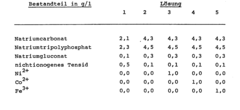
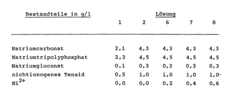
- A method involving silicate-free alkaline cleaning and degreasing with surfactants and metal cations, followed by rinsing and acidic passivation, optimizing the pH and concentrations of alkaline cleaning agents, surfactants, and complexing agents to stabilize metal cations and improve surface treatment.
Pretreating zinc surfaces prior to a passivating process
PatentWO2013124400A1
Innovation
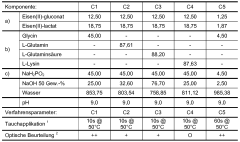
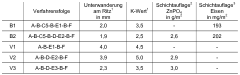
- An alkaline composition containing iron ions, water-soluble organic carboxylic acids with an amino group, and oxo acids of phosphorus or nitrogen is used to deposit a thin, homogeneous layer of oxidic and/or metallic iron on zinc surfaces, which improves corrosion protection and paint primer performance when combined with subsequent wet-chemical conversion coatings.
Environmental Impact and Sustainability of Pre-Treatment Processes
The pre-treatment processes for zinc anodes, while essential for enhancing battery performance, carry significant environmental implications that warrant careful consideration. Traditional polishing methods often involve chemical agents such as acids and organic solvents that pose substantial risks to ecosystems when improperly managed. These chemicals can contaminate water sources and soil, leading to long-term environmental degradation if treatment facilities are inadequate.
Alloying processes present their own environmental challenges, particularly in the extraction and processing of alloying elements like indium, bismuth, and lead. Mining operations for these metals frequently result in habitat destruction, soil erosion, and water pollution. Furthermore, the energy-intensive nature of alloying contributes to greenhouse gas emissions, exacerbating climate change concerns in the battery manufacturing sector.
Coating technologies, while generally less harmful than chemical polishing, still utilize materials that may contain volatile organic compounds (VOCs) and heavy metals. The application processes often require significant energy inputs and generate waste materials that necessitate proper disposal protocols to prevent environmental contamination.
Recent sustainability initiatives have focused on developing greener alternatives for zinc anode pre-treatment. Water-based polishing solutions are replacing traditional solvent-based systems, reducing VOC emissions by up to 80% in some manufacturing facilities. Similarly, mechanical polishing techniques are being refined to minimize chemical usage while maintaining surface quality standards.
Life cycle assessments of various pre-treatment methods reveal that environmentally optimized processes can reduce the carbon footprint of zinc anode production by 30-45% compared to conventional approaches. This significant improvement demonstrates the potential for sustainable innovation in this field.
Regulatory frameworks worldwide are increasingly mandating stricter environmental controls on battery manufacturing processes. The European Union's Battery Directive and similar legislation in North America and Asia are driving manufacturers to adopt cleaner pre-treatment technologies and implement closed-loop systems that recover and reuse process chemicals.
Waste management strategies for pre-treatment processes have evolved substantially, with modern facilities implementing advanced filtration systems, chemical recovery units, and waste treatment protocols that significantly reduce environmental impact. Some manufacturers have achieved near-zero liquid discharge operations through innovative water recycling technologies.
The economic implications of sustainable pre-treatment processes are increasingly favorable, with reduced waste disposal costs and lower regulatory compliance expenses offsetting initial implementation investments. Companies adopting greener technologies also benefit from enhanced brand reputation and access to environmentally conscious markets.
Alloying processes present their own environmental challenges, particularly in the extraction and processing of alloying elements like indium, bismuth, and lead. Mining operations for these metals frequently result in habitat destruction, soil erosion, and water pollution. Furthermore, the energy-intensive nature of alloying contributes to greenhouse gas emissions, exacerbating climate change concerns in the battery manufacturing sector.
Coating technologies, while generally less harmful than chemical polishing, still utilize materials that may contain volatile organic compounds (VOCs) and heavy metals. The application processes often require significant energy inputs and generate waste materials that necessitate proper disposal protocols to prevent environmental contamination.
Recent sustainability initiatives have focused on developing greener alternatives for zinc anode pre-treatment. Water-based polishing solutions are replacing traditional solvent-based systems, reducing VOC emissions by up to 80% in some manufacturing facilities. Similarly, mechanical polishing techniques are being refined to minimize chemical usage while maintaining surface quality standards.
Life cycle assessments of various pre-treatment methods reveal that environmentally optimized processes can reduce the carbon footprint of zinc anode production by 30-45% compared to conventional approaches. This significant improvement demonstrates the potential for sustainable innovation in this field.
Regulatory frameworks worldwide are increasingly mandating stricter environmental controls on battery manufacturing processes. The European Union's Battery Directive and similar legislation in North America and Asia are driving manufacturers to adopt cleaner pre-treatment technologies and implement closed-loop systems that recover and reuse process chemicals.
Waste management strategies for pre-treatment processes have evolved substantially, with modern facilities implementing advanced filtration systems, chemical recovery units, and waste treatment protocols that significantly reduce environmental impact. Some manufacturers have achieved near-zero liquid discharge operations through innovative water recycling technologies.
The economic implications of sustainable pre-treatment processes are increasingly favorable, with reduced waste disposal costs and lower regulatory compliance expenses offsetting initial implementation investments. Companies adopting greener technologies also benefit from enhanced brand reputation and access to environmentally conscious markets.
Scalability and Manufacturing Considerations for Zinc Anode Technologies
The scalability of zinc anode pre-treatment technologies represents a critical factor in their commercial viability and widespread adoption. Current laboratory-scale methods for polishing, alloying, and coating zinc anodes often employ techniques that are difficult to translate to mass production environments. For instance, mechanical polishing processes that work effectively for small experimental anodes require significant adaptation for industrial-scale manufacturing lines.
Manufacturing considerations must address the uniformity of treatment across large surface areas. While achieving consistent surface preparation on small zinc samples is relatively straightforward, maintaining this consistency across thousands of anodes in a production environment presents significant engineering challenges. Automated polishing systems with real-time quality control mechanisms are being developed to address this issue, though they remain in early implementation stages.
The economics of scale significantly impact the viability of different pre-treatment approaches. Alloying zinc with elements like indium, bismuth, or calcium adds material costs that must be justified by performance improvements. Cost-benefit analyses indicate that certain alloy compositions become economically viable only at production volumes exceeding 10,000 units monthly, where specialized equipment investments can be amortized effectively.
Environmental and safety considerations also influence scalability. Traditional polishing methods often generate zinc-containing waste that requires proper handling and disposal. More sustainable approaches, such as electrochemical polishing techniques that minimize waste generation, are gaining attention for large-scale implementation despite their higher initial capital requirements.
Coating technologies face particular challenges in scaling up. Techniques like atomic layer deposition provide excellent uniformity but have traditionally suffered from low throughput. Recent innovations in spatial atomic layer deposition and roll-to-roll processing are addressing these limitations, potentially enabling continuous coating of zinc anodes at commercially viable rates.
Supply chain resilience must be considered when selecting pre-treatment approaches. Some advanced coating materials and alloying elements face supply constraints or geopolitical risks. Manufacturers are increasingly developing alternative formulations that maintain performance while reducing dependence on critical materials, ensuring production stability in volatile market conditions.
Integration with existing battery manufacturing lines represents another key consideration. Pre-treatment processes that can be seamlessly incorporated into established production workflows offer significant advantages over those requiring separate processing lines or specialized equipment that disrupts current manufacturing paradigms.
Manufacturing considerations must address the uniformity of treatment across large surface areas. While achieving consistent surface preparation on small zinc samples is relatively straightforward, maintaining this consistency across thousands of anodes in a production environment presents significant engineering challenges. Automated polishing systems with real-time quality control mechanisms are being developed to address this issue, though they remain in early implementation stages.
The economics of scale significantly impact the viability of different pre-treatment approaches. Alloying zinc with elements like indium, bismuth, or calcium adds material costs that must be justified by performance improvements. Cost-benefit analyses indicate that certain alloy compositions become economically viable only at production volumes exceeding 10,000 units monthly, where specialized equipment investments can be amortized effectively.
Environmental and safety considerations also influence scalability. Traditional polishing methods often generate zinc-containing waste that requires proper handling and disposal. More sustainable approaches, such as electrochemical polishing techniques that minimize waste generation, are gaining attention for large-scale implementation despite their higher initial capital requirements.
Coating technologies face particular challenges in scaling up. Techniques like atomic layer deposition provide excellent uniformity but have traditionally suffered from low throughput. Recent innovations in spatial atomic layer deposition and roll-to-roll processing are addressing these limitations, potentially enabling continuous coating of zinc anodes at commercially viable rates.
Supply chain resilience must be considered when selecting pre-treatment approaches. Some advanced coating materials and alloying elements face supply constraints or geopolitical risks. Manufacturers are increasingly developing alternative formulations that maintain performance while reducing dependence on critical materials, ensuring production stability in volatile market conditions.
Integration with existing battery manufacturing lines represents another key consideration. Pre-treatment processes that can be seamlessly incorporated into established production workflows offer significant advantages over those requiring separate processing lines or specialized equipment that disrupts current manufacturing paradigms.
Unlock deeper insights with Patsnap Eureka Quick Research — get a full tech report to explore trends and direct your research. Try now!
Generate Your Research Report Instantly with AI Agent
Supercharge your innovation with Patsnap Eureka AI Agent Platform!