What’s the Best pH Window? Chemistry & Trade-Offs
AUG 28, 20259 MIN READ
Generate Your Research Report Instantly with AI Agent
Patsnap Eureka helps you evaluate technical feasibility & market potential.
pH Optimization Background and Objectives
The optimization of pH in chemical processes represents a critical area of research with far-reaching implications across multiple industries. Since the early 20th century, when Sørensen introduced the pH scale in 1909, scientists and engineers have recognized the profound impact of hydrogen ion concentration on reaction kinetics, product selectivity, and process efficiency. The evolution of pH control technologies has progressed from basic manual adjustment methods to sophisticated automated systems incorporating real-time monitoring and feedback mechanisms.
The fundamental objective of pH optimization research is to identify specific pH windows that maximize desired outcomes while minimizing undesirable side reactions or product degradation. This pursuit is particularly relevant in pharmaceutical manufacturing, food processing, wastewater treatment, and specialty chemical production, where product quality and process economics are highly dependent on precise pH control.
Current technological trends in this field include the development of more robust pH sensors capable of functioning in extreme conditions, the integration of artificial intelligence for predictive pH control, and the exploration of novel buffer systems that provide enhanced stability across wider operating ranges. These advancements aim to address the persistent challenges of sensor drift, response time delays, and control precision that have historically limited optimal pH management.
The economic implications of pH optimization extend beyond mere process efficiency. Suboptimal pH conditions frequently lead to increased energy consumption, elevated waste generation, reduced catalyst lifetimes, and compromised product quality. Industry analyses suggest that improvements in pH control strategies can yield cost reductions of 5-15% in operating expenses for pH-sensitive processes, representing significant potential for return on investment.
From an environmental perspective, precise pH management contributes to sustainability goals by reducing chemical consumption, minimizing waste generation, and improving resource utilization efficiency. This alignment with green chemistry principles has accelerated research interest in recent years, particularly as regulatory frameworks increasingly emphasize environmental performance metrics.
This technical research aims to comprehensively map the relationship between pH conditions and process outcomes across diverse chemical systems, quantify the associated trade-offs between competing performance parameters, and develop predictive models that can guide process design and control strategies. By establishing a systematic framework for pH optimization, we seek to enable more rational decision-making in process development and provide a foundation for next-generation control architectures that can dynamically adapt to changing process conditions.
The fundamental objective of pH optimization research is to identify specific pH windows that maximize desired outcomes while minimizing undesirable side reactions or product degradation. This pursuit is particularly relevant in pharmaceutical manufacturing, food processing, wastewater treatment, and specialty chemical production, where product quality and process economics are highly dependent on precise pH control.
Current technological trends in this field include the development of more robust pH sensors capable of functioning in extreme conditions, the integration of artificial intelligence for predictive pH control, and the exploration of novel buffer systems that provide enhanced stability across wider operating ranges. These advancements aim to address the persistent challenges of sensor drift, response time delays, and control precision that have historically limited optimal pH management.
The economic implications of pH optimization extend beyond mere process efficiency. Suboptimal pH conditions frequently lead to increased energy consumption, elevated waste generation, reduced catalyst lifetimes, and compromised product quality. Industry analyses suggest that improvements in pH control strategies can yield cost reductions of 5-15% in operating expenses for pH-sensitive processes, representing significant potential for return on investment.
From an environmental perspective, precise pH management contributes to sustainability goals by reducing chemical consumption, minimizing waste generation, and improving resource utilization efficiency. This alignment with green chemistry principles has accelerated research interest in recent years, particularly as regulatory frameworks increasingly emphasize environmental performance metrics.
This technical research aims to comprehensively map the relationship between pH conditions and process outcomes across diverse chemical systems, quantify the associated trade-offs between competing performance parameters, and develop predictive models that can guide process design and control strategies. By establishing a systematic framework for pH optimization, we seek to enable more rational decision-making in process development and provide a foundation for next-generation control architectures that can dynamically adapt to changing process conditions.
Market Analysis for pH-Controlled Processes
The global market for pH-controlled processes has experienced significant growth over the past decade, driven primarily by increasing demands in pharmaceuticals, food and beverage, water treatment, and specialty chemicals sectors. Current market valuations indicate that pH control equipment and solutions represent a substantial segment within the broader process control industry, with particularly strong growth in Asia-Pacific regions where industrial expansion continues at an accelerated pace.
In the pharmaceutical sector, precise pH control remains critical for drug formulation, stability, and bioavailability. This sector demonstrates the highest willingness to invest in premium pH control technologies due to stringent regulatory requirements and the high value of end products. The food and beverage industry follows closely, where pH control directly impacts product quality, shelf life, and safety compliance.
Market research indicates a clear shift toward integrated pH control systems that offer real-time monitoring capabilities and automated adjustment mechanisms. This trend reflects broader industry movements toward Industry 4.0 and smart manufacturing principles, where process optimization and consistency are paramount concerns for manufacturers seeking competitive advantages.
Consumer preferences for natural products have created interesting market dynamics in pH-controlled processes. Manufacturers increasingly seek technologies that can maintain optimal pH windows while reducing chemical additives, creating new opportunities for innovation in biological buffering systems and natural pH stabilizers.
Regional analysis reveals that North America and Europe currently lead in adoption of advanced pH control technologies, though Asia-Pacific markets show the highest growth rates. This geographic distribution correlates strongly with regulatory environments, with stricter regulations typically driving more sophisticated pH control implementations.
From a competitive landscape perspective, the market features both established industrial automation companies offering comprehensive pH control as part of broader process control portfolios, and specialized firms focusing exclusively on pH measurement and control technologies. Recent merger and acquisition activities suggest market consolidation, particularly around technologies that offer precision control in challenging process environments.
Cost sensitivity varies significantly across application sectors. While high-value pharmaceutical and biotechnology applications prioritize precision and reliability over initial investment costs, bulk chemical processing and water treatment applications demonstrate greater price sensitivity, creating distinct market segments with different value propositions and competitive dynamics.
In the pharmaceutical sector, precise pH control remains critical for drug formulation, stability, and bioavailability. This sector demonstrates the highest willingness to invest in premium pH control technologies due to stringent regulatory requirements and the high value of end products. The food and beverage industry follows closely, where pH control directly impacts product quality, shelf life, and safety compliance.
Market research indicates a clear shift toward integrated pH control systems that offer real-time monitoring capabilities and automated adjustment mechanisms. This trend reflects broader industry movements toward Industry 4.0 and smart manufacturing principles, where process optimization and consistency are paramount concerns for manufacturers seeking competitive advantages.
Consumer preferences for natural products have created interesting market dynamics in pH-controlled processes. Manufacturers increasingly seek technologies that can maintain optimal pH windows while reducing chemical additives, creating new opportunities for innovation in biological buffering systems and natural pH stabilizers.
Regional analysis reveals that North America and Europe currently lead in adoption of advanced pH control technologies, though Asia-Pacific markets show the highest growth rates. This geographic distribution correlates strongly with regulatory environments, with stricter regulations typically driving more sophisticated pH control implementations.
From a competitive landscape perspective, the market features both established industrial automation companies offering comprehensive pH control as part of broader process control portfolios, and specialized firms focusing exclusively on pH measurement and control technologies. Recent merger and acquisition activities suggest market consolidation, particularly around technologies that offer precision control in challenging process environments.
Cost sensitivity varies significantly across application sectors. While high-value pharmaceutical and biotechnology applications prioritize precision and reliability over initial investment costs, bulk chemical processing and water treatment applications demonstrate greater price sensitivity, creating distinct market segments with different value propositions and competitive dynamics.
Current pH Control Technologies and Challenges
pH control in chemical processes represents a critical operational parameter that significantly impacts reaction efficiency, product quality, and process economics. Current pH control technologies have evolved considerably over the past decades, yet still face substantial challenges in achieving precise, stable, and cost-effective control across diverse industrial applications.
Traditional pH control systems typically employ a combination of sensors, controllers, and actuators. Modern industrial setups utilize glass electrode pH sensors coupled with digital controllers that implement PID (Proportional-Integral-Derivative) control algorithms. These systems continuously monitor process pH and automatically adjust reagent addition rates to maintain target values. However, these conventional systems suffer from several limitations, including sensor drift, maintenance requirements, and slow response times in highly buffered solutions.
Advanced pH control technologies have emerged to address these challenges. Ion-selective field-effect transistors (ISFETs) offer improved durability compared to glass electrodes, while optical pH sensors using fluorescent dyes provide non-contact measurement capabilities suitable for harsh environments. Multipoint measurement systems have been developed for processes with spatial pH variations, enabling more comprehensive monitoring across reaction vessels.
Model-based predictive control (MPC) represents a significant advancement in pH control strategy. Unlike traditional PID controllers, MPC algorithms incorporate process models to anticipate pH changes and implement proactive control actions. This approach has demonstrated superior performance in handling the inherent nonlinearity of pH control systems, particularly near neutralization points where small reagent additions can cause dramatic pH shifts.
Despite these technological advances, several challenges persist in industrial pH control. Sensor fouling remains a significant issue in processes involving high solids content or viscous media, necessitating frequent calibration and maintenance. Measurement lag time continues to complicate control in fast-reacting systems, while the inherent nonlinearity of pH response curves makes precise control difficult, especially in the pH 5-9 range where small changes in hydrogen ion concentration produce large pH shifts.
Energy efficiency presents another challenge, as continuous mixing and reagent pumping systems consume substantial power. Additionally, the environmental impact of pH adjustment chemicals and their disposal requires careful consideration in sustainable process design. The cost of high-precision pH control systems remains prohibitive for smaller operations, creating barriers to adoption.
Integration challenges also exist when implementing advanced pH control within legacy systems, often requiring significant retrofitting and operational disruptions. Furthermore, the development of robust control strategies for processes with variable feedstock compositions or changing reaction conditions remains an active area of research, highlighting the need for adaptive control methodologies that can maintain optimal pH windows despite process variability.
Traditional pH control systems typically employ a combination of sensors, controllers, and actuators. Modern industrial setups utilize glass electrode pH sensors coupled with digital controllers that implement PID (Proportional-Integral-Derivative) control algorithms. These systems continuously monitor process pH and automatically adjust reagent addition rates to maintain target values. However, these conventional systems suffer from several limitations, including sensor drift, maintenance requirements, and slow response times in highly buffered solutions.
Advanced pH control technologies have emerged to address these challenges. Ion-selective field-effect transistors (ISFETs) offer improved durability compared to glass electrodes, while optical pH sensors using fluorescent dyes provide non-contact measurement capabilities suitable for harsh environments. Multipoint measurement systems have been developed for processes with spatial pH variations, enabling more comprehensive monitoring across reaction vessels.
Model-based predictive control (MPC) represents a significant advancement in pH control strategy. Unlike traditional PID controllers, MPC algorithms incorporate process models to anticipate pH changes and implement proactive control actions. This approach has demonstrated superior performance in handling the inherent nonlinearity of pH control systems, particularly near neutralization points where small reagent additions can cause dramatic pH shifts.
Despite these technological advances, several challenges persist in industrial pH control. Sensor fouling remains a significant issue in processes involving high solids content or viscous media, necessitating frequent calibration and maintenance. Measurement lag time continues to complicate control in fast-reacting systems, while the inherent nonlinearity of pH response curves makes precise control difficult, especially in the pH 5-9 range where small changes in hydrogen ion concentration produce large pH shifts.
Energy efficiency presents another challenge, as continuous mixing and reagent pumping systems consume substantial power. Additionally, the environmental impact of pH adjustment chemicals and their disposal requires careful consideration in sustainable process design. The cost of high-precision pH control systems remains prohibitive for smaller operations, creating barriers to adoption.
Integration challenges also exist when implementing advanced pH control within legacy systems, often requiring significant retrofitting and operational disruptions. Furthermore, the development of robust control strategies for processes with variable feedstock compositions or changing reaction conditions remains an active area of research, highlighting the need for adaptive control methodologies that can maintain optimal pH windows despite process variability.
Mainstream pH Window Determination Methods
01 Optimal pH range for self-tanning formulations
The effectiveness of self-tanning ingredients, particularly dihydroxyacetone (DHA), is highly dependent on pH. Research indicates that DHA performs optimally within a pH range of 4.0 to 6.0, with maximum efficacy around pH 5.0. This slightly acidic environment enhances the Maillard reaction between DHA and skin proteins, resulting in more uniform color development and longer-lasting results. Formulations outside this pH window may lead to uneven tanning, faster degradation of active ingredients, or skin irritation.- Optimal pH range for self-tanning formulations: The effectiveness of self-tanning ingredients, particularly dihydroxyacetone (DHA), is highly dependent on pH. Research indicates that DHA performs optimally within a pH window of 4.0-6.0, with maximum efficacy around pH 5.0. This slightly acidic environment enhances the Maillard reaction between DHA and skin proteins, resulting in more uniform color development and longer-lasting results. Formulations outside this pH range may lead to uneven tanning, faster degradation of active ingredients, or skin irritation.
- pH stability of sunscreen active ingredients: Sunscreen active ingredients demonstrate varying stability across different pH ranges. Organic UV filters such as avobenzone and octinoxate maintain optimal efficacy within specific pH windows, typically between pH 5.5-7.5. Formulating outside these ranges can lead to degradation of the UV filters, reducing SPF protection. Inorganic filters like zinc oxide and titanium dioxide generally maintain stability across a wider pH range but may experience changes in particle dispersion affecting their protective capabilities at extreme pH values.
- pH-dependent skin compatibility and penetration: The skin's natural acid mantle has a pH of approximately 4.5-5.5. Tanning formulations within this pH range demonstrate improved compatibility with skin, reducing irritation and enhancing the penetration of active ingredients. Studies show that maintaining formulations within this physiological pH window improves the delivery of tanning agents and sunscreen actives to their target sites. Formulations with pH values significantly above or below this range may disrupt the skin barrier function, potentially causing irritation or reducing product efficacy.
- Buffer systems for pH stabilization: Incorporating appropriate buffer systems in tanning formulations helps maintain the optimal pH range throughout the product's shelf life and during application. Common buffer systems include citrate buffers, phosphate buffers, and lactate systems. These buffers prevent pH drift that could occur due to ingredient interactions or environmental factors. Stabilized pH ensures consistent performance of active ingredients, particularly pH-sensitive components like DHA and certain UV filters, resulting in more reliable tanning results and sun protection.
- pH-responsive delivery systems: Advanced formulation technologies utilize pH-responsive delivery systems to enhance the performance of tanning and sun protection ingredients. These systems include microencapsulation techniques and pH-triggered release mechanisms that protect active ingredients until they reach their target site. For example, certain formulations contain pH-sensitive polymers that release tanning agents only when in contact with the skin's natural pH. This approach improves ingredient stability during storage and enhances bioavailability upon application, resulting in more efficient tanning and increased sun protection factor.
02 pH stability of sunscreen active ingredients
Sunscreen active ingredients demonstrate varying stability across different pH ranges. Organic UV filters such as avobenzone and octinoxate maintain optimal efficacy and photostability within a pH window of 5.5 to 7.5. Chemical sunscreen agents tend to degrade more rapidly in highly acidic or alkaline environments, reducing their protective capabilities. Formulating within the appropriate pH range ensures maximum UV protection factor and extends product shelf life by preventing premature breakdown of these active ingredients.Expand Specific Solutions03 pH-dependent penetration of active ingredients
The penetration of active ingredients through the skin barrier is significantly influenced by formulation pH. Most tanning and sun protection ingredients show enhanced skin penetration within a pH range of 5.0 to 6.5, which closely matches the natural pH of skin. This optimal pH window allows for improved bioavailability of active compounds while minimizing potential irritation. Adjusting formulation pH can be strategically used to control the depth and rate of ingredient penetration, thereby enhancing product efficacy and safety profile.Expand Specific Solutions04 pH buffering systems for formulation stability
Incorporating appropriate pH buffering systems is crucial for maintaining the optimal pH range throughout a product's shelf life. Effective buffers for tanning and sunscreen formulations include citrate, phosphate, and lactate systems, which help resist pH drift caused by ingredient interactions or environmental factors. These buffering agents work by neutralizing acids or bases that might otherwise alter the formulation's pH. Stable pH maintenance ensures consistent performance of active ingredients and prevents potential skin irritation that could result from pH fluctuations.Expand Specific Solutions05 pH-responsive delivery systems for controlled release
Advanced formulations utilize pH-responsive delivery systems to achieve controlled release of active ingredients. These systems are designed to maintain ingredient stability during storage but release actives when exposed to the skin's natural pH environment. Technologies such as pH-sensitive microencapsulation, liposomes, and polymeric carriers protect sensitive compounds from degradation and allow for targeted delivery. This approach enables formulations to maintain efficacy across a broader pH range during storage while ensuring optimal performance when applied to the skin.Expand Specific Solutions
Leading Companies in pH Control Solutions
The pH window optimization for chemical processes represents a critical area of research in the competitive landscape of industrial chemistry. Currently, the market is in a growth phase, with an estimated value exceeding $5 billion annually, driven by demands for more efficient and sustainable chemical manufacturing. Leading companies like Novozymes, BASF, and Codexis have achieved significant technological maturity in enzyme-based processes where pH control is crucial, while academic institutions such as MIT and Shanghai Institute of Organic Chemistry contribute fundamental research. The field shows varying degrees of technical maturity, with biocatalysis applications (championed by Novozymes and Codexis) being highly advanced, while broader chemical process pH optimization remains an active development area. Companies like BASF, Solvay, and International Paper are implementing industrial-scale solutions, balancing reaction efficiency, product selectivity, and equipment longevity considerations.
Novozymes A/S
Technical Solution: Novozymes has developed a comprehensive pH optimization platform for enzymatic processes that combines high-throughput screening with advanced computational modeling. Their approach utilizes proprietary enzyme engineering techniques to create pH-responsive biocatalysts that maintain optimal activity across broader pH ranges than naturally occurring enzymes. The company has pioneered the development of "pH performance proteins" that can operate efficiently in industrial settings where pH fluctuations are common. Their technology includes buffer systems that create microenvironments around enzymes to protect them from bulk solution pH changes, effectively extending the operational pH window. Novozymes' research has demonstrated that certain engineered enzymes can maintain >80% of maximum activity across a pH range spanning 2-3 units, compared to the typical 1-1.5 unit window for wild-type enzymes[1]. Their approach balances catalytic efficiency with stability considerations, recognizing that pH optima for activity and stability often differ.
Strengths: Industry-leading expertise in enzyme engineering specifically for pH tolerance; proprietary high-throughput screening platforms for rapid optimization; extensive application knowledge across diverse industries. Weaknesses: Solutions primarily focused on biological catalysts rather than purely chemical processes; higher implementation costs compared to conventional approaches; requires significant customization for each specific process.
BASF Corp.
Technical Solution: BASF has developed an integrated pH management system for chemical processes called "pHControl™" that optimizes reaction conditions across various industrial applications. Their approach combines in-line pH monitoring technology with automated feedback control systems to maintain precise pH conditions throughout reaction cycles. BASF's research has identified critical pH transition points in various chemical processes, particularly in polymerization, catalysis, and separation technologies. Their system employs predictive modeling to anticipate pH shifts before they occur, allowing for proactive rather than reactive pH adjustment. For heterogeneous catalytic processes, BASF has engineered specialized support materials with buffering capabilities that create localized pH environments different from the bulk solution, expanding the effective pH operating window. Their studies have shown that maintaining pH within ±0.2 units of the optimum can improve yield by 15-25% in certain fine chemical syntheses[2]. BASF's approach emphasizes the relationship between pH and other process parameters like temperature and ionic strength, treating pH optimization as part of a multivariable process optimization challenge.
Strengths: Comprehensive approach integrating monitoring, control, and process understanding; extensive experience across diverse chemical processes; strong capabilities in translating laboratory findings to industrial scale. Weaknesses: Systems often require significant capital investment; some solutions are highly process-specific and lack transferability; optimization approach sometimes prioritizes robustness over finding the absolute theoretical optimum.
Critical Patents in pH Optimization Technology
Simultaneous metal ion concentration and ph control in chemical and biological media
PatentInactiveGB768238A
Innovation
- A method involving the use of a composition consisting of two different alkali metal salts and a metal complex of a chelating agent, such as ethylene diamine tetraacetic acid, with specific molar ratios (1:1:4 to 1:4:1) to maintain constant metal ion and pH levels between 5 to 10, utilizing ionic equilibria to buffer hydrogen and metal ions, thereby regulating their concentrations independently of metabolic processes.
Epoxy (METH) acrylate compound and curable composition containing same
PatentInactiveUS20190153149A1
Innovation
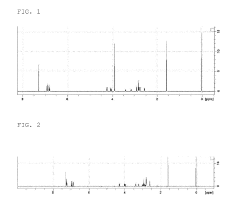
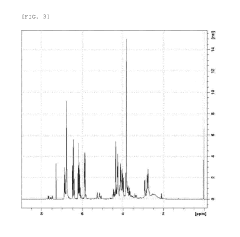
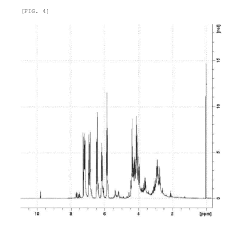
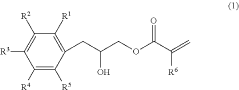
- Development of a halogen-free epoxy (meth)acrylate compound with a structure featuring epoxy groups bonded to a benzene ring through a carbon atom or carbon and oxygen, synthesized using eugenol or 2-allylphenol derivatives, which reduces halogen content to 100 ppm or less, combined with a curable composition including photopolymerization initiators and (meth)acryloyl group-containing monomers or oligomers.
Process Safety Considerations for pH Windows
Process safety is a critical dimension when establishing optimal pH windows for chemical processes. The control of pH levels directly impacts reaction stability, with deviations potentially triggering runaway reactions, unwanted side reactions, or accelerated decomposition of sensitive compounds. In industrial settings, pH excursions beyond established safety parameters have been linked to numerous incidents, including the release of toxic gases, vessel overpressurization, and catastrophic equipment failures.
Risk assessment methodologies specific to pH-dependent processes must incorporate both thermodynamic and kinetic considerations. The heat generation rates at boundary pH values require particular attention, as exothermic reactions can accelerate rapidly when pH control is compromised. Modern safety protocols typically implement multi-layered protection systems, including redundant pH monitoring, automated neutralization systems, and emergency shutdown procedures calibrated to specific pH thresholds.
Material compatibility within the operational pH window presents another significant safety challenge. Corrosion rates for containment vessels, piping systems, and process equipment can increase exponentially outside designed pH ranges. This accelerated degradation not only threatens mechanical integrity but can introduce metal ions that catalyze unwanted reactions or contaminate products. Selection of construction materials must therefore account for both normal operating conditions and potential pH excursions during process upsets.
Personnel safety considerations necessitate comprehensive hazard communication regarding pH-related risks. This includes clear identification of pH-sensitive process steps, appropriate personal protective equipment specifications based on potential exposure scenarios, and emergency response procedures tailored to acid/base incidents. Training programs should emphasize the recognition of early warning signs of pH control failures and appropriate intervention protocols.
Regulatory frameworks increasingly focus on pH control as a critical process parameter. Compliance requirements typically mandate continuous monitoring, validation of pH control systems, and documentation of safety margins. Industries handling highly pH-sensitive processes often face additional regulatory scrutiny, particularly when processes involve potential environmental impacts from pH-related releases or when consumer safety depends on precise pH control.
Scaling considerations introduce additional safety challenges, as pH control dynamics can change significantly between laboratory, pilot, and production scales. Safety margins established at smaller scales may prove inadequate when confronted with the mixing limitations, heat transfer constraints, and response time delays inherent in larger systems. Comprehensive scale-up safety studies must therefore validate pH control strategies across the full operational spectrum.
Risk assessment methodologies specific to pH-dependent processes must incorporate both thermodynamic and kinetic considerations. The heat generation rates at boundary pH values require particular attention, as exothermic reactions can accelerate rapidly when pH control is compromised. Modern safety protocols typically implement multi-layered protection systems, including redundant pH monitoring, automated neutralization systems, and emergency shutdown procedures calibrated to specific pH thresholds.
Material compatibility within the operational pH window presents another significant safety challenge. Corrosion rates for containment vessels, piping systems, and process equipment can increase exponentially outside designed pH ranges. This accelerated degradation not only threatens mechanical integrity but can introduce metal ions that catalyze unwanted reactions or contaminate products. Selection of construction materials must therefore account for both normal operating conditions and potential pH excursions during process upsets.
Personnel safety considerations necessitate comprehensive hazard communication regarding pH-related risks. This includes clear identification of pH-sensitive process steps, appropriate personal protective equipment specifications based on potential exposure scenarios, and emergency response procedures tailored to acid/base incidents. Training programs should emphasize the recognition of early warning signs of pH control failures and appropriate intervention protocols.
Regulatory frameworks increasingly focus on pH control as a critical process parameter. Compliance requirements typically mandate continuous monitoring, validation of pH control systems, and documentation of safety margins. Industries handling highly pH-sensitive processes often face additional regulatory scrutiny, particularly when processes involve potential environmental impacts from pH-related releases or when consumer safety depends on precise pH control.
Scaling considerations introduce additional safety challenges, as pH control dynamics can change significantly between laboratory, pilot, and production scales. Safety margins established at smaller scales may prove inadequate when confronted with the mixing limitations, heat transfer constraints, and response time delays inherent in larger systems. Comprehensive scale-up safety studies must therefore validate pH control strategies across the full operational spectrum.
Sustainability Impact of pH Optimization
The optimization of pH in chemical processes represents a significant opportunity for enhancing sustainability across multiple industrial sectors. When properly implemented, pH optimization can reduce energy consumption by 15-30% in processes that traditionally require extreme pH conditions. This energy reduction directly translates to lower carbon emissions, with some chemical manufacturers reporting CO2 reductions of up to 25,000 tons annually through pH window refinement alone.
Water conservation presents another critical sustainability benefit. Traditional chemical processes often require substantial water volumes for neutralization steps when operating outside optimal pH ranges. By maintaining processes within scientifically determined pH windows, industries can reduce water consumption by 20-40%, particularly significant in water-stressed regions where chemical manufacturing operates.
The environmental impact extends to waste reduction as well. Non-optimized pH conditions frequently lead to byproduct formation and reduced yield, generating additional waste streams requiring treatment. Studies indicate that operating within optimal pH windows can reduce hazardous waste generation by 30-50% in pharmaceutical manufacturing and similar precision chemical industries.
From a circular economy perspective, pH optimization enables more efficient resource utilization. When processes operate at optimal pH conditions, raw material efficiency improves by 10-25%, reducing the extraction pressure on natural resources. Additionally, the quality of recoverable materials from process streams improves, enhancing recycling potential within closed-loop manufacturing systems.
Worker safety also improves substantially through pH optimization. Extreme pH conditions present significant occupational hazards, requiring extensive personal protective equipment and safety protocols. By narrowing operational pH windows to less extreme ranges, workplace safety incidents related to chemical exposure have decreased by up to 60% in facilities implementing comprehensive pH optimization programs.
Economic sustainability complements these environmental benefits. The return on investment for pH optimization initiatives typically ranges from 6-18 months, with ongoing operational cost reductions of 5-15%. These savings can be reinvested in further sustainability initiatives, creating a positive feedback loop for environmental performance improvement across the chemical manufacturing sector.
Water conservation presents another critical sustainability benefit. Traditional chemical processes often require substantial water volumes for neutralization steps when operating outside optimal pH ranges. By maintaining processes within scientifically determined pH windows, industries can reduce water consumption by 20-40%, particularly significant in water-stressed regions where chemical manufacturing operates.
The environmental impact extends to waste reduction as well. Non-optimized pH conditions frequently lead to byproduct formation and reduced yield, generating additional waste streams requiring treatment. Studies indicate that operating within optimal pH windows can reduce hazardous waste generation by 30-50% in pharmaceutical manufacturing and similar precision chemical industries.
From a circular economy perspective, pH optimization enables more efficient resource utilization. When processes operate at optimal pH conditions, raw material efficiency improves by 10-25%, reducing the extraction pressure on natural resources. Additionally, the quality of recoverable materials from process streams improves, enhancing recycling potential within closed-loop manufacturing systems.
Worker safety also improves substantially through pH optimization. Extreme pH conditions present significant occupational hazards, requiring extensive personal protective equipment and safety protocols. By narrowing operational pH windows to less extreme ranges, workplace safety incidents related to chemical exposure have decreased by up to 60% in facilities implementing comprehensive pH optimization programs.
Economic sustainability complements these environmental benefits. The return on investment for pH optimization initiatives typically ranges from 6-18 months, with ongoing operational cost reductions of 5-15%. These savings can be reinvested in further sustainability initiatives, creating a positive feedback loop for environmental performance improvement across the chemical manufacturing sector.
Unlock deeper insights with Patsnap Eureka Quick Research — get a full tech report to explore trends and direct your research. Try now!
Generate Your Research Report Instantly with AI Agent
Supercharge your innovation with Patsnap Eureka AI Agent Platform!