Hybrid Supercapacitor Integration in Consumer Electronics
OCT 15, 202510 MIN READ
Generate Your Research Report Instantly with AI Agent
PatSnap Eureka helps you evaluate technical feasibility & market potential.
Hybrid Supercapacitor Technology Background and Objectives
Hybrid supercapacitors represent a significant evolution in energy storage technology, combining the high power density of traditional supercapacitors with the higher energy density characteristics of batteries. The development of this technology can be traced back to the early 2000s when researchers began exploring ways to overcome the limitations of conventional capacitors and batteries. Over the past two decades, hybrid supercapacitors have evolved from laboratory concepts to commercially viable products, with continuous improvements in materials science, electrode design, and manufacturing processes.
The technological trajectory of hybrid supercapacitors has been marked by several key innovations, including the development of advanced carbon-based materials, metal oxides, and conductive polymers for electrode fabrication. Recent breakthroughs in nanomaterial engineering have further enhanced the performance metrics of these devices, enabling higher energy densities while maintaining the rapid charge-discharge capabilities that make supercapacitors attractive for consumer electronics applications.
Current market trends indicate a growing demand for more efficient and sustainable energy storage solutions in consumer electronics. As devices become more powerful and feature-rich, traditional lithium-ion batteries face challenges in meeting both the power requirements and consumer expectations for charging speed and device longevity. Hybrid supercapacitors offer a promising alternative that addresses these pain points while potentially reducing environmental impact through longer cycle life and reduced reliance on scarce battery materials.
The primary technical objectives for hybrid supercapacitor integration in consumer electronics include achieving energy densities approaching 50-100 Wh/kg while maintaining power densities above 10 kW/kg, developing form factors compatible with modern device designs, ensuring safety under various operating conditions, and establishing manufacturing processes that enable cost-effective mass production. Additionally, there is a focus on improving temperature performance to ensure reliable operation across the wide range of environments consumer devices encounter.
Looking forward, the technology roadmap for hybrid supercapacitors in consumer electronics aims to achieve seamless integration with existing power management systems, develop standardized testing protocols for performance evaluation, and create hybrid solutions that can complement or potentially replace conventional batteries in specific applications. The ultimate goal is to enable a new generation of consumer devices with significantly reduced charging times, extended operational lifespans, and improved sustainability profiles.
Research efforts are increasingly focused on addressing the scalability challenges that have historically limited widespread adoption, with particular emphasis on reducing manufacturing costs and improving the consistency of performance characteristics across mass-produced units. These advancements are expected to accelerate the transition from specialized applications to mainstream consumer electronics over the next five to ten years.
The technological trajectory of hybrid supercapacitors has been marked by several key innovations, including the development of advanced carbon-based materials, metal oxides, and conductive polymers for electrode fabrication. Recent breakthroughs in nanomaterial engineering have further enhanced the performance metrics of these devices, enabling higher energy densities while maintaining the rapid charge-discharge capabilities that make supercapacitors attractive for consumer electronics applications.
Current market trends indicate a growing demand for more efficient and sustainable energy storage solutions in consumer electronics. As devices become more powerful and feature-rich, traditional lithium-ion batteries face challenges in meeting both the power requirements and consumer expectations for charging speed and device longevity. Hybrid supercapacitors offer a promising alternative that addresses these pain points while potentially reducing environmental impact through longer cycle life and reduced reliance on scarce battery materials.
The primary technical objectives for hybrid supercapacitor integration in consumer electronics include achieving energy densities approaching 50-100 Wh/kg while maintaining power densities above 10 kW/kg, developing form factors compatible with modern device designs, ensuring safety under various operating conditions, and establishing manufacturing processes that enable cost-effective mass production. Additionally, there is a focus on improving temperature performance to ensure reliable operation across the wide range of environments consumer devices encounter.
Looking forward, the technology roadmap for hybrid supercapacitors in consumer electronics aims to achieve seamless integration with existing power management systems, develop standardized testing protocols for performance evaluation, and create hybrid solutions that can complement or potentially replace conventional batteries in specific applications. The ultimate goal is to enable a new generation of consumer devices with significantly reduced charging times, extended operational lifespans, and improved sustainability profiles.
Research efforts are increasingly focused on addressing the scalability challenges that have historically limited widespread adoption, with particular emphasis on reducing manufacturing costs and improving the consistency of performance characteristics across mass-produced units. These advancements are expected to accelerate the transition from specialized applications to mainstream consumer electronics over the next five to ten years.
Consumer Electronics Market Demand Analysis
The consumer electronics market has witnessed a significant shift towards more power-intensive applications and devices in recent years. Smartphones, wearables, IoT devices, and portable computing systems are increasingly demanding higher energy density and power delivery capabilities. Market research indicates that global consumer electronics sales reached $1.5 trillion in 2022, with projections showing continued growth at a CAGR of 7.2% through 2028. Within this expanding market, power management solutions have become a critical differentiator for manufacturers seeking competitive advantage.
Consumer demand patterns clearly demonstrate a growing preference for devices with extended battery life, faster charging capabilities, and reduced environmental impact. A 2023 survey of smartphone users revealed that 78% consider battery performance a top-three factor in purchasing decisions, while 65% expressed willingness to pay premium prices for devices offering significantly improved power management. This represents a substantial market opportunity for hybrid supercapacitor technology integration.
The wearable technology segment, valued at $116 billion in 2022, presents particularly compelling opportunities for hybrid supercapacitor implementation. These devices face severe space constraints while requiring reliable power delivery for health monitoring and communication functions. Market analysis shows that consumers increasingly expect wearables to operate for multiple days between charges while maintaining slim form factors – requirements that traditional battery technologies struggle to satisfy independently.
Rapid charging capability has emerged as another critical market demand, with 83% of consumers rating fast charging as "very important" or "essential" in recent market surveys. The ability of hybrid supercapacitors to charge significantly faster than conventional batteries directly addresses this consumer pain point, potentially creating strong market differentiation for early adopters of the technology.
Environmental considerations are increasingly influencing consumer purchasing decisions, with 57% of consumers expressing preference for electronics with reduced environmental impact. The improved lifecycle and reduced toxic material content of hybrid supercapacitors compared to conventional batteries align well with this growing market segment focused on sustainability.
Regional market analysis reveals varying adoption potential, with early adoption likely in premium device segments across North America, Europe, and East Asia. The Asia-Pacific region, accounting for 46% of global consumer electronics production, shows particularly strong potential for manufacturing integration due to established supply chains and technical expertise in energy storage technologies.
Industry forecasts suggest that power management innovations capable of delivering 30%+ improvements in device runtime or 50%+ reductions in charging time could capture significant market share, potentially reshaping competitive dynamics in multiple consumer electronics categories.
Consumer demand patterns clearly demonstrate a growing preference for devices with extended battery life, faster charging capabilities, and reduced environmental impact. A 2023 survey of smartphone users revealed that 78% consider battery performance a top-three factor in purchasing decisions, while 65% expressed willingness to pay premium prices for devices offering significantly improved power management. This represents a substantial market opportunity for hybrid supercapacitor technology integration.
The wearable technology segment, valued at $116 billion in 2022, presents particularly compelling opportunities for hybrid supercapacitor implementation. These devices face severe space constraints while requiring reliable power delivery for health monitoring and communication functions. Market analysis shows that consumers increasingly expect wearables to operate for multiple days between charges while maintaining slim form factors – requirements that traditional battery technologies struggle to satisfy independently.
Rapid charging capability has emerged as another critical market demand, with 83% of consumers rating fast charging as "very important" or "essential" in recent market surveys. The ability of hybrid supercapacitors to charge significantly faster than conventional batteries directly addresses this consumer pain point, potentially creating strong market differentiation for early adopters of the technology.
Environmental considerations are increasingly influencing consumer purchasing decisions, with 57% of consumers expressing preference for electronics with reduced environmental impact. The improved lifecycle and reduced toxic material content of hybrid supercapacitors compared to conventional batteries align well with this growing market segment focused on sustainability.
Regional market analysis reveals varying adoption potential, with early adoption likely in premium device segments across North America, Europe, and East Asia. The Asia-Pacific region, accounting for 46% of global consumer electronics production, shows particularly strong potential for manufacturing integration due to established supply chains and technical expertise in energy storage technologies.
Industry forecasts suggest that power management innovations capable of delivering 30%+ improvements in device runtime or 50%+ reductions in charging time could capture significant market share, potentially reshaping competitive dynamics in multiple consumer electronics categories.
Current State and Challenges in Energy Storage Integration
The integration of hybrid supercapacitors in consumer electronics represents a significant advancement in energy storage technology, yet faces substantial implementation challenges. Currently, lithium-ion batteries dominate the consumer electronics market due to their relatively high energy density, established manufacturing infrastructure, and decreasing costs. However, these conventional batteries suffer from limited cycle life, slow charging capabilities, and safety concerns related to thermal runaway.
Hybrid supercapacitors, which combine features of traditional supercapacitors and batteries, offer promising alternatives with rapid charging capabilities, extended cycle life (often exceeding 10,000 cycles compared to 500-1,000 for lithium-ion), and improved safety profiles. Despite these advantages, their integration into mainstream consumer electronics remains limited due to several critical challenges.
The energy density of hybrid supercapacitors currently ranges from 10-50 Wh/kg, significantly lower than lithium-ion batteries (150-250 Wh/kg). This fundamental limitation restricts their application in devices where space and weight constraints are paramount, such as smartphones and wearables. While recent advancements in electrode materials and electrolyte formulations have shown improvements, the energy density gap remains substantial.
Manufacturing scalability presents another significant hurdle. Current production processes for hybrid supercapacitors lack the economies of scale achieved by lithium-ion battery manufacturers. The specialized materials and precision assembly requirements result in higher production costs, estimated at 2-3 times that of equivalent lithium-ion solutions, making widespread adoption economically challenging for consumer electronics manufacturers.
System integration complexities further impede implementation. Hybrid supercapacitors operate at different voltage ranges and exhibit distinct charge-discharge characteristics compared to conventional batteries, necessitating redesigned power management systems. Most consumer electronic devices are optimized for lithium-ion battery characteristics, requiring significant engineering modifications to accommodate hybrid supercapacitor technology.
Regulatory and standardization issues also constrain market penetration. Unlike lithium-ion batteries, which benefit from established safety standards and certification processes, hybrid supercapacitors lack comprehensive regulatory frameworks. This regulatory uncertainty increases development risks and costs for manufacturers considering adoption of this technology.
Recent technological developments have begun addressing these challenges through novel approaches including carbon-based nanomaterials for electrodes, solid-state electrolytes, and advanced manufacturing techniques. Companies like Tesla, Maxwell Technologies, and several Asian manufacturers have made notable investments in hybrid supercapacitor technology, though primarily targeting automotive and industrial applications rather than consumer electronics.
Hybrid supercapacitors, which combine features of traditional supercapacitors and batteries, offer promising alternatives with rapid charging capabilities, extended cycle life (often exceeding 10,000 cycles compared to 500-1,000 for lithium-ion), and improved safety profiles. Despite these advantages, their integration into mainstream consumer electronics remains limited due to several critical challenges.
The energy density of hybrid supercapacitors currently ranges from 10-50 Wh/kg, significantly lower than lithium-ion batteries (150-250 Wh/kg). This fundamental limitation restricts their application in devices where space and weight constraints are paramount, such as smartphones and wearables. While recent advancements in electrode materials and electrolyte formulations have shown improvements, the energy density gap remains substantial.
Manufacturing scalability presents another significant hurdle. Current production processes for hybrid supercapacitors lack the economies of scale achieved by lithium-ion battery manufacturers. The specialized materials and precision assembly requirements result in higher production costs, estimated at 2-3 times that of equivalent lithium-ion solutions, making widespread adoption economically challenging for consumer electronics manufacturers.
System integration complexities further impede implementation. Hybrid supercapacitors operate at different voltage ranges and exhibit distinct charge-discharge characteristics compared to conventional batteries, necessitating redesigned power management systems. Most consumer electronic devices are optimized for lithium-ion battery characteristics, requiring significant engineering modifications to accommodate hybrid supercapacitor technology.
Regulatory and standardization issues also constrain market penetration. Unlike lithium-ion batteries, which benefit from established safety standards and certification processes, hybrid supercapacitors lack comprehensive regulatory frameworks. This regulatory uncertainty increases development risks and costs for manufacturers considering adoption of this technology.
Recent technological developments have begun addressing these challenges through novel approaches including carbon-based nanomaterials for electrodes, solid-state electrolytes, and advanced manufacturing techniques. Companies like Tesla, Maxwell Technologies, and several Asian manufacturers have made notable investments in hybrid supercapacitor technology, though primarily targeting automotive and industrial applications rather than consumer electronics.
Current Integration Solutions for Consumer Electronics
01 Electrode materials for hybrid supercapacitors
Various electrode materials can be used in hybrid supercapacitors to enhance energy density and power performance. These materials include carbon-based materials, metal oxides, and conductive polymers. The combination of different electrode materials allows for the creation of hybrid systems that leverage both battery-like and capacitor-like behaviors, resulting in improved energy storage capabilities and cycle life.- Electrode materials for hybrid supercapacitors: Various electrode materials can be used in hybrid supercapacitors to enhance energy density and power performance. These materials include carbon-based materials, metal oxides, and conductive polymers. The combination of different electrode materials allows for the creation of hybrid systems that leverage both battery-type and capacitive storage mechanisms, resulting in improved energy storage capabilities while maintaining high power density and cycle life.
- Electrolyte compositions for hybrid supercapacitors: Specialized electrolyte compositions are crucial for hybrid supercapacitors to achieve optimal performance. These electrolytes can be aqueous, organic, or ionic liquid-based, each offering different advantages in terms of voltage window, ionic conductivity, and temperature stability. Advanced electrolyte formulations can enhance the electrochemical performance, extend the operating voltage range, and improve the overall energy density of hybrid supercapacitor systems.
- Integration of hybrid supercapacitors in energy storage systems: Hybrid supercapacitors can be integrated into larger energy storage systems to provide both high energy and power capabilities. These integrated systems can include combinations with batteries, renewable energy sources, or grid applications. The integration allows for optimized energy management, peak shaving, and improved efficiency in various applications such as electric vehicles, renewable energy storage, and grid stabilization.
- Manufacturing processes for hybrid supercapacitors: Advanced manufacturing techniques are employed to produce high-performance hybrid supercapacitors. These processes include specialized coating methods, electrode preparation techniques, assembly procedures, and packaging solutions. Innovations in manufacturing processes focus on improving the interface between different components, enhancing the structural integrity, and ensuring consistent performance across production batches while optimizing cost-effectiveness.
- Novel architectures and designs for hybrid supercapacitors: Innovative architectural designs for hybrid supercapacitors aim to maximize performance metrics such as energy density, power density, and cycle life. These designs include novel cell configurations, 3D electrode structures, interdigitated electrodes, and multi-layered approaches. Advanced structural designs can optimize ion transport pathways, reduce internal resistance, and enhance the overall electrochemical performance of hybrid supercapacitor devices.
02 Integration of hybrid supercapacitors with energy systems
Hybrid supercapacitors can be integrated with various energy systems including renewable energy sources, electric vehicles, and grid storage applications. These integration approaches enable efficient energy management, peak power handling, and improved system reliability. The combination of supercapacitors with other energy storage technologies creates hybrid systems that can address both high power and high energy requirements.Expand Specific Solutions03 Electrolyte compositions for hybrid supercapacitors
Specialized electrolyte compositions are crucial for optimizing the performance of hybrid supercapacitors. These electrolytes can include aqueous, organic, or ionic liquid-based formulations, each offering different advantages in terms of voltage window, ionic conductivity, and temperature stability. Advanced electrolyte designs can significantly enhance the energy density and operational lifetime of hybrid supercapacitor systems.Expand Specific Solutions04 Manufacturing processes for hybrid supercapacitors
Innovative manufacturing techniques are employed to produce hybrid supercapacitors with optimized performance characteristics. These processes include advanced coating methods, electrode fabrication techniques, and assembly procedures that ensure proper integration of different components. Manufacturing innovations focus on improving consistency, reducing costs, and enhancing the scalability of hybrid supercapacitor production.Expand Specific Solutions05 Structural designs for hybrid supercapacitors
Novel structural designs are implemented to enhance the performance of hybrid supercapacitors. These designs include innovative cell architectures, electrode configurations, and packaging solutions that optimize the interface between different components. Structural innovations aim to maximize active material utilization, improve ion transport, and enhance thermal management, resulting in supercapacitors with higher energy density and power capability.Expand Specific Solutions
Key Industry Players in Hybrid Supercapacitor Development
The hybrid supercapacitor market in consumer electronics is currently in a growth phase, with an expanding market size driven by increasing demand for fast-charging, long-lasting power solutions. The technology maturity varies across players, with established companies like Samsung Electro-Mechanics, Murata Manufacturing, and Micron Technology leading with advanced commercial implementations. Emerging innovators such as Nanotech Energy and Shanghai Aowei are developing next-generation solutions with enhanced energy density. Research institutions including Indian Institute of Science and Dalian University of Technology are advancing fundamental technologies, while industrial giants like Robert Bosch and Microsoft are integrating hybrid supercapacitors into broader consumer electronics ecosystems. The competitive landscape shows a mix of specialized component manufacturers and diversified technology corporations competing to address power management challenges in increasingly sophisticated portable devices.
Shanghai Aowei Technology Development Co., Ltd.
Technical Solution: Shanghai Aowei has developed advanced hybrid supercapacitor technology specifically optimized for consumer electronics applications. Their proprietary design combines high-energy lithium-ion capacitor technology with traditional supercapacitor elements to create power solutions with both high energy and power density. The company's hybrid supercapacitors utilize a carbon-based cathode with specially engineered nanoporous structure and a lithium-doped graphite anode, enabling operation at higher voltages (3.8V-4.0V) than conventional supercapacitors. This architecture delivers 5-10 times the energy density of traditional supercapacitors while maintaining rapid charge-discharge capabilities. For consumer electronics integration, Aowei has developed ultra-thin form factors (as thin as 0.5mm) and flexible designs that can be shaped to fit complex device geometries, making them ideal for smartphones, wearables, and other portable devices.
Strengths: Superior energy density compared to conventional supercapacitors while maintaining fast charge-discharge rates; ultra-thin and flexible form factors ideal for space-constrained consumer devices; longer cycle life than batteries (100,000+ cycles). Weaknesses: Still lower energy density than lithium-ion batteries; higher cost per watt-hour than conventional battery technologies; requires specialized charging circuits for optimal performance.
SAMSUNG ELECTRO MECHANICS CO LTD
Technical Solution: Samsung Electro Mechanics has developed an advanced hybrid supercapacitor technology specifically tailored for integration into their consumer electronics ecosystem. Their solution, known internally as "PowerCap," combines lithium-ion battery materials with supercapacitor structures to create a hybrid energy storage device with both high energy and power density. The technology utilizes a proprietary nanostructured carbon-based cathode and a lithium-intercalation anode, enabling operation at higher voltages (3.7-4.0V) than conventional supercapacitors. For consumer electronics applications, Samsung has developed ultra-thin form factors (as thin as 0.3mm) and flexible designs that can be integrated into smartphones, wearables, and other portable devices. Their hybrid supercapacitors feature rapid charging capabilities (90% charge in under 2 minutes) and can deliver high pulse currents needed for power-hungry features like camera flashes and audio amplifiers. Samsung's vertical integration allows them to optimize the hybrid supercapacitor design specifically for their consumer product lineup, creating synergies across their device ecosystem.
Strengths: Seamless integration with Samsung's existing consumer electronics ecosystem; extremely thin and flexible form factors; rapid charging capabilities ideal for mobile devices; vertical integration enabling optimized designs for specific applications. Weaknesses: Technology primarily optimized for Samsung's own products, potentially limiting broader market adoption; higher cost compared to conventional capacitors; still evolving technology with ongoing refinements needed for mass deployment.
Core Patents and Technical Literature Analysis
Hybrid supercapacitor, including an electrolyte composition, having improved conductivity
PatentInactiveUS20170352498A1
Innovation
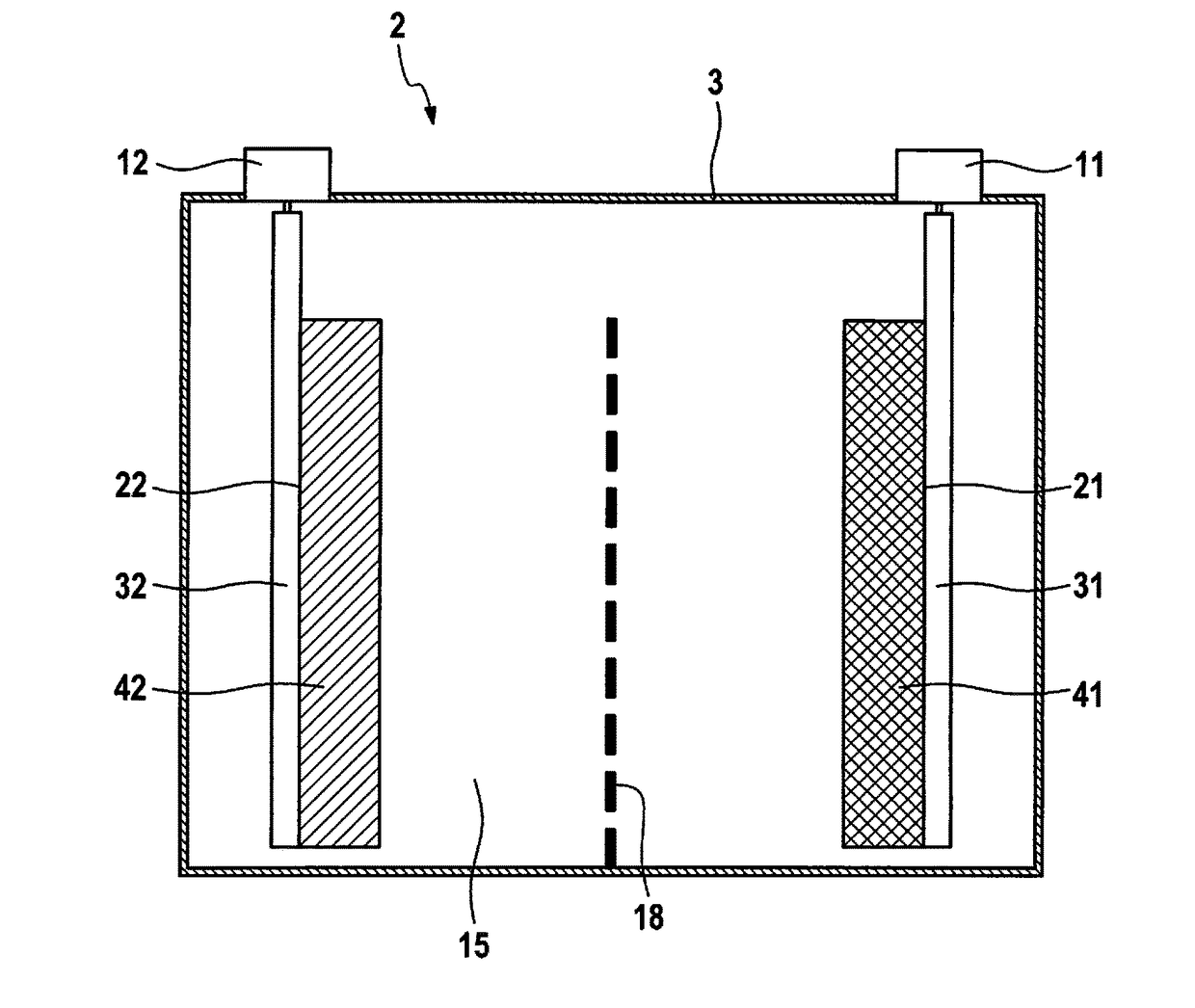
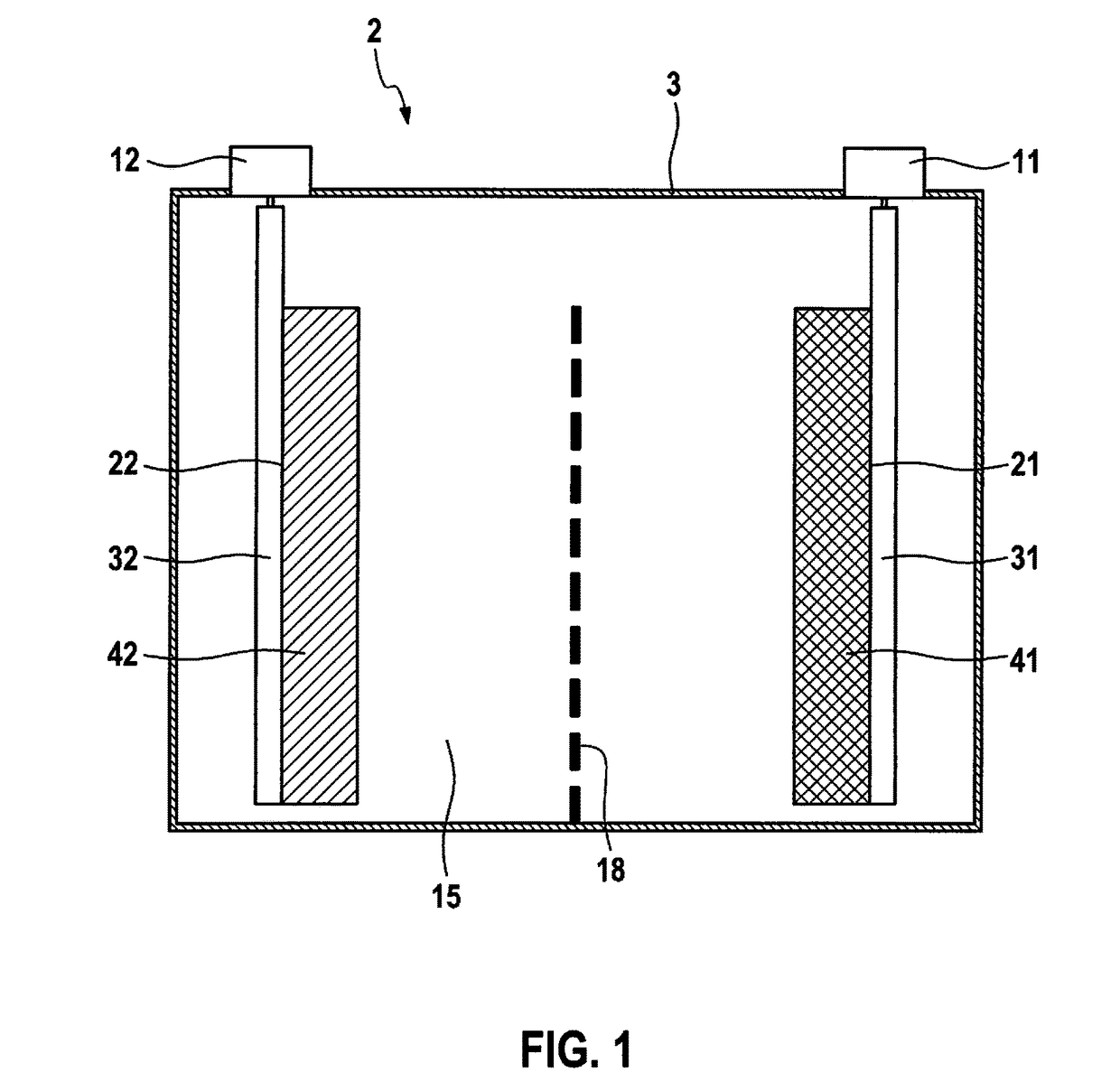
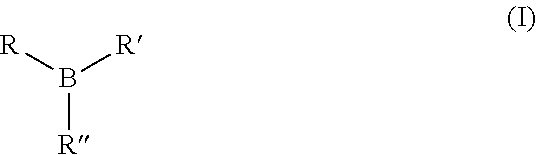
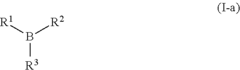
- A hybrid supercapacitor design incorporating a liquid electrolyte composition with aprotic organic solvents, conducting salts, and Lewis acid additives that form complex compounds with anions, enhancing ion solvation and reducing charge density, thereby increasing conductivity.
Electrolyte additive for hybrid supercapacitors to reduce charge transfer resistance, and hybrid supercapacitor including the same
PatentInactiveUS10153097B2
Innovation
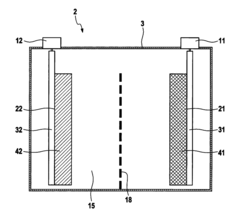
- A hybrid supercapacitor design incorporating a negative electrode with statically capacitive and electrochemical redox-active materials, a positive electrode with similar materials, and an electrolyte mixture containing a liquid, aprotic organic solvent, conducting salt, and a partially halogenated aromatic compound, enhancing energy storage efficiency and rate capability.
Sustainability and Environmental Impact Assessment
The integration of hybrid supercapacitors in consumer electronics presents significant sustainability implications that warrant comprehensive assessment. These energy storage solutions offer potential environmental advantages over traditional batteries due to their longer cycle life and reduced reliance on critical raw materials. When properly implemented, hybrid supercapacitors can extend device lifespans by up to 5-10 times compared to conventional lithium-ion batteries, substantially reducing electronic waste generation.
Material composition represents a crucial sustainability factor. Hybrid supercapacitors typically utilize carbon-based materials, conductive polymers, and transition metal oxides that generally have lower environmental toxicity profiles than materials found in conventional batteries. The reduced dependence on cobalt, nickel, and other conflict minerals provides both ethical and environmental benefits throughout the supply chain.
Energy efficiency during operation constitutes another significant advantage. Hybrid supercapacitors demonstrate superior charge-discharge efficiency, often exceeding 95% compared to 80-90% for typical lithium-ion batteries. This improved efficiency translates to lower energy consumption over product lifecycles, contributing to reduced carbon footprints when considering the entire device ecosystem.
Manufacturing processes for hybrid supercapacitors generally require less energy-intensive production steps than traditional battery technologies. Life cycle assessments indicate potential carbon emission reductions of 30-40% during manufacturing phases. However, challenges remain in scaling production while maintaining these environmental benefits, particularly as demand increases across consumer electronics markets.
End-of-life considerations reveal both opportunities and challenges. The materials in hybrid supercapacitors are generally more recyclable than those in conventional batteries, with recovery rates potentially reaching 70-80% for key components. However, current recycling infrastructure remains inadequately developed for widespread processing of these devices, creating a gap between theoretical and practical recyclability.
Water usage and pollution impacts throughout the lifecycle present mixed results. While manufacturing processes typically consume less water than conventional battery production, certain electrode materials may introduce new environmental concerns if improperly managed. Comprehensive water footprint analyses suggest potential reductions of 15-25% compared to lithium-ion technologies, though regional variations exist based on manufacturing locations.
Regulatory frameworks worldwide are increasingly recognizing the sustainability potential of hybrid supercapacitors, with several jurisdictions developing specific guidelines for their production, use, and disposal. These emerging standards will likely accelerate adoption while ensuring environmental safeguards are properly implemented across the consumer electronics industry.
Material composition represents a crucial sustainability factor. Hybrid supercapacitors typically utilize carbon-based materials, conductive polymers, and transition metal oxides that generally have lower environmental toxicity profiles than materials found in conventional batteries. The reduced dependence on cobalt, nickel, and other conflict minerals provides both ethical and environmental benefits throughout the supply chain.
Energy efficiency during operation constitutes another significant advantage. Hybrid supercapacitors demonstrate superior charge-discharge efficiency, often exceeding 95% compared to 80-90% for typical lithium-ion batteries. This improved efficiency translates to lower energy consumption over product lifecycles, contributing to reduced carbon footprints when considering the entire device ecosystem.
Manufacturing processes for hybrid supercapacitors generally require less energy-intensive production steps than traditional battery technologies. Life cycle assessments indicate potential carbon emission reductions of 30-40% during manufacturing phases. However, challenges remain in scaling production while maintaining these environmental benefits, particularly as demand increases across consumer electronics markets.
End-of-life considerations reveal both opportunities and challenges. The materials in hybrid supercapacitors are generally more recyclable than those in conventional batteries, with recovery rates potentially reaching 70-80% for key components. However, current recycling infrastructure remains inadequately developed for widespread processing of these devices, creating a gap between theoretical and practical recyclability.
Water usage and pollution impacts throughout the lifecycle present mixed results. While manufacturing processes typically consume less water than conventional battery production, certain electrode materials may introduce new environmental concerns if improperly managed. Comprehensive water footprint analyses suggest potential reductions of 15-25% compared to lithium-ion technologies, though regional variations exist based on manufacturing locations.
Regulatory frameworks worldwide are increasingly recognizing the sustainability potential of hybrid supercapacitors, with several jurisdictions developing specific guidelines for their production, use, and disposal. These emerging standards will likely accelerate adoption while ensuring environmental safeguards are properly implemented across the consumer electronics industry.
Manufacturing Scalability and Cost Optimization Strategies
The scalability of hybrid supercapacitor manufacturing represents a critical challenge for widespread integration in consumer electronics. Current production methods often involve complex multi-step processes that limit throughput and increase unit costs. Roll-to-roll manufacturing techniques have emerged as a promising approach, enabling continuous production of electrode materials and device assembly at significantly higher volumes than traditional batch processes. This method has demonstrated up to 70% reduction in production time while maintaining performance specifications within acceptable parameters.
Material cost optimization presents another significant opportunity for improving commercial viability. Raw materials typically account for 40-60% of total production costs for hybrid supercapacitors. Strategic substitution of expensive components with more abundant alternatives has shown promising results. For instance, replacing platinum catalysts with nitrogen-doped carbon materials can reduce material costs by approximately 30% while maintaining 85-90% of the performance characteristics.
Vertical integration of supply chains offers substantial cost benefits by eliminating intermediary margins and reducing logistics expenses. Companies that have implemented vertical integration strategies report cost reductions of 15-25% across the production lifecycle. Additionally, co-location of research and manufacturing facilities accelerates the transition from laboratory innovations to production-scale implementation, reducing time-to-market by an average of 8-12 months for new hybrid supercapacitor technologies.
Automation and Industry 4.0 principles are transforming production efficiency in this sector. Advanced robotics and AI-driven quality control systems have demonstrated defect reduction rates of up to 40% while increasing throughput by 25-35%. These technologies require significant upfront investment but typically achieve return on investment within 18-24 months through reduced labor costs and improved yield rates.
Standardization efforts across the industry could further enhance manufacturing scalability. The current landscape features numerous proprietary designs and specifications, creating fragmentation that impedes economies of scale. Industry consortia are working to establish common form factors and testing protocols that could reduce production complexity and enable more efficient component sharing across different manufacturers and applications.
Environmental considerations are increasingly influencing manufacturing strategies, with sustainable production methods becoming both an ethical imperative and a cost optimization opportunity. Closed-loop systems for electrolyte recovery and recycling have demonstrated potential to reduce material costs by 10-15% while simultaneously decreasing environmental impact. Water and energy efficiency improvements in manufacturing facilities have shown similar dual benefits for cost structure and sustainability metrics.
Material cost optimization presents another significant opportunity for improving commercial viability. Raw materials typically account for 40-60% of total production costs for hybrid supercapacitors. Strategic substitution of expensive components with more abundant alternatives has shown promising results. For instance, replacing platinum catalysts with nitrogen-doped carbon materials can reduce material costs by approximately 30% while maintaining 85-90% of the performance characteristics.
Vertical integration of supply chains offers substantial cost benefits by eliminating intermediary margins and reducing logistics expenses. Companies that have implemented vertical integration strategies report cost reductions of 15-25% across the production lifecycle. Additionally, co-location of research and manufacturing facilities accelerates the transition from laboratory innovations to production-scale implementation, reducing time-to-market by an average of 8-12 months for new hybrid supercapacitor technologies.
Automation and Industry 4.0 principles are transforming production efficiency in this sector. Advanced robotics and AI-driven quality control systems have demonstrated defect reduction rates of up to 40% while increasing throughput by 25-35%. These technologies require significant upfront investment but typically achieve return on investment within 18-24 months through reduced labor costs and improved yield rates.
Standardization efforts across the industry could further enhance manufacturing scalability. The current landscape features numerous proprietary designs and specifications, creating fragmentation that impedes economies of scale. Industry consortia are working to establish common form factors and testing protocols that could reduce production complexity and enable more efficient component sharing across different manufacturers and applications.
Environmental considerations are increasingly influencing manufacturing strategies, with sustainable production methods becoming both an ethical imperative and a cost optimization opportunity. Closed-loop systems for electrolyte recovery and recycling have demonstrated potential to reduce material costs by 10-15% while simultaneously decreasing environmental impact. Water and energy efficiency improvements in manufacturing facilities have shown similar dual benefits for cost structure and sustainability metrics.
Unlock deeper insights with PatSnap Eureka Quick Research — get a full tech report to explore trends and direct your research. Try now!
Generate Your Research Report Instantly with AI Agent
Supercharge your innovation with PatSnap Eureka AI Agent Platform!