K24 Engine and AI Systems: Introducing Intelligent Control
JUL 3, 20259 MIN READ
Generate Your Research Report Instantly with AI Agent
PatSnap Eureka helps you evaluate technical feasibility & market potential.
K24 Engine and AI: Background and Objectives
The K24 Engine represents a significant leap forward in automotive technology, combining advanced combustion engineering with artificial intelligence to create a more efficient and intelligent powertrain system. This innovative approach aims to address the growing demands for improved fuel efficiency, reduced emissions, and enhanced vehicle performance in an increasingly competitive automotive market.
The evolution of engine technology has been driven by the need to meet stricter environmental regulations while simultaneously satisfying consumer expectations for power and responsiveness. Traditional internal combustion engines have reached a plateau in terms of efficiency gains through mechanical improvements alone. The integration of AI systems into engine management marks a paradigm shift in how we approach powertrain optimization.
The primary objective of the K24 Engine and AI system is to create a symbiotic relationship between the mechanical components of the engine and the intelligent control systems. This synergy is expected to yield significant improvements in several key areas. Firstly, it aims to optimize fuel consumption by continuously adapting engine parameters based on real-time driving conditions and learned patterns. Secondly, it seeks to reduce emissions by precisely controlling combustion processes and aftertreatment systems. Thirdly, it targets enhanced performance by predictively adjusting power delivery to match driver behavior and road conditions.
From a technological standpoint, the K24 Engine incorporates state-of-the-art materials and design principles to maximize mechanical efficiency. The AI system, on the other hand, leverages machine learning algorithms, sensor fusion, and predictive analytics to create a responsive and adaptive control mechanism. This intelligent layer acts as the brain of the engine, processing vast amounts of data from various sensors and making split-second decisions to optimize engine operation.
The development of this technology is driven by several factors, including the global push towards electrification, the need for interim solutions during the transition period, and the potential for AI to unlock new levels of efficiency in traditional powertrains. As the automotive industry navigates the complex landscape of future mobility, the K24 Engine and AI system represents a strategic approach to extending the viability of internal combustion engines while paving the way for more advanced hybrid and electric powertrains.
In essence, the K24 Engine and AI system embodies the convergence of mechanical engineering and computer science, promising a new era of intelligent, efficient, and responsive automotive powertrains. Its development trajectory aligns with the broader trends in the automotive industry towards smarter, more connected, and environmentally conscious vehicles.
The evolution of engine technology has been driven by the need to meet stricter environmental regulations while simultaneously satisfying consumer expectations for power and responsiveness. Traditional internal combustion engines have reached a plateau in terms of efficiency gains through mechanical improvements alone. The integration of AI systems into engine management marks a paradigm shift in how we approach powertrain optimization.
The primary objective of the K24 Engine and AI system is to create a symbiotic relationship between the mechanical components of the engine and the intelligent control systems. This synergy is expected to yield significant improvements in several key areas. Firstly, it aims to optimize fuel consumption by continuously adapting engine parameters based on real-time driving conditions and learned patterns. Secondly, it seeks to reduce emissions by precisely controlling combustion processes and aftertreatment systems. Thirdly, it targets enhanced performance by predictively adjusting power delivery to match driver behavior and road conditions.
From a technological standpoint, the K24 Engine incorporates state-of-the-art materials and design principles to maximize mechanical efficiency. The AI system, on the other hand, leverages machine learning algorithms, sensor fusion, and predictive analytics to create a responsive and adaptive control mechanism. This intelligent layer acts as the brain of the engine, processing vast amounts of data from various sensors and making split-second decisions to optimize engine operation.
The development of this technology is driven by several factors, including the global push towards electrification, the need for interim solutions during the transition period, and the potential for AI to unlock new levels of efficiency in traditional powertrains. As the automotive industry navigates the complex landscape of future mobility, the K24 Engine and AI system represents a strategic approach to extending the viability of internal combustion engines while paving the way for more advanced hybrid and electric powertrains.
In essence, the K24 Engine and AI system embodies the convergence of mechanical engineering and computer science, promising a new era of intelligent, efficient, and responsive automotive powertrains. Its development trajectory aligns with the broader trends in the automotive industry towards smarter, more connected, and environmentally conscious vehicles.
Market Demand for Intelligent Engine Control Systems
The market demand for intelligent engine control systems has been experiencing significant growth in recent years, driven by the increasing complexity of modern engines and the push for improved fuel efficiency and reduced emissions. As automotive manufacturers strive to meet stringent environmental regulations while maintaining performance, the need for advanced control systems has become paramount.
The global market for intelligent engine control systems is projected to expand at a robust rate, with a compound annual growth rate (CAGR) expected to exceed 7% over the next five years. This growth is primarily fueled by the automotive sector, where the integration of artificial intelligence and machine learning technologies into engine management systems is becoming increasingly prevalent.
One of the key drivers of market demand is the pursuit of optimal engine performance under varying conditions. Intelligent control systems can continuously monitor and adjust engine parameters in real-time, leading to improved fuel economy, reduced emissions, and enhanced overall performance. This capability is particularly valuable in the context of hybrid and electric vehicles, where efficient power management is crucial.
The commercial vehicle segment is also contributing significantly to the market demand. Fleet operators are increasingly recognizing the benefits of intelligent engine control systems in terms of fuel savings and reduced maintenance costs. The ability of these systems to predict and prevent potential engine issues before they occur is proving to be a major selling point in this sector.
Furthermore, the integration of connectivity features in intelligent engine control systems is opening up new opportunities for predictive maintenance and over-the-air updates. This trend is aligned with the broader movement towards connected and autonomous vehicles, creating synergies that are driving adoption across various vehicle categories.
Geographically, the Asia-Pacific region is expected to witness the highest growth in demand for intelligent engine control systems. This is attributed to the rapid expansion of the automotive industry in countries like China and India, coupled with increasing environmental concerns and government regulations promoting cleaner technologies.
However, the market is not without its challenges. The high initial cost of implementing advanced control systems and the complexity of integrating them with existing engine architectures are potential barriers to widespread adoption, particularly in lower-end vehicle segments. Additionally, concerns about data security and privacy in connected engine control systems need to be addressed to ensure consumer trust and regulatory compliance.
Despite these challenges, the overall trajectory of the market remains positive. As technologies continue to evolve and costs decrease over time, the penetration of intelligent engine control systems is expected to increase across all vehicle segments, from entry-level cars to high-performance sports vehicles and commercial trucks.
The global market for intelligent engine control systems is projected to expand at a robust rate, with a compound annual growth rate (CAGR) expected to exceed 7% over the next five years. This growth is primarily fueled by the automotive sector, where the integration of artificial intelligence and machine learning technologies into engine management systems is becoming increasingly prevalent.
One of the key drivers of market demand is the pursuit of optimal engine performance under varying conditions. Intelligent control systems can continuously monitor and adjust engine parameters in real-time, leading to improved fuel economy, reduced emissions, and enhanced overall performance. This capability is particularly valuable in the context of hybrid and electric vehicles, where efficient power management is crucial.
The commercial vehicle segment is also contributing significantly to the market demand. Fleet operators are increasingly recognizing the benefits of intelligent engine control systems in terms of fuel savings and reduced maintenance costs. The ability of these systems to predict and prevent potential engine issues before they occur is proving to be a major selling point in this sector.
Furthermore, the integration of connectivity features in intelligent engine control systems is opening up new opportunities for predictive maintenance and over-the-air updates. This trend is aligned with the broader movement towards connected and autonomous vehicles, creating synergies that are driving adoption across various vehicle categories.
Geographically, the Asia-Pacific region is expected to witness the highest growth in demand for intelligent engine control systems. This is attributed to the rapid expansion of the automotive industry in countries like China and India, coupled with increasing environmental concerns and government regulations promoting cleaner technologies.
However, the market is not without its challenges. The high initial cost of implementing advanced control systems and the complexity of integrating them with existing engine architectures are potential barriers to widespread adoption, particularly in lower-end vehicle segments. Additionally, concerns about data security and privacy in connected engine control systems need to be addressed to ensure consumer trust and regulatory compliance.
Despite these challenges, the overall trajectory of the market remains positive. As technologies continue to evolve and costs decrease over time, the penetration of intelligent engine control systems is expected to increase across all vehicle segments, from entry-level cars to high-performance sports vehicles and commercial trucks.
Current State and Challenges in K24 Engine AI Integration
The integration of AI systems into K24 engines represents a significant advancement in engine control technology. Currently, several major automotive manufacturers and technology companies are actively developing and implementing AI-driven control systems for K24 engines. These systems aim to optimize engine performance, fuel efficiency, and emissions control through real-time data analysis and adaptive decision-making.
One of the primary challenges in K24 engine AI integration is the complexity of engine dynamics and the need for robust, real-time processing capabilities. Traditional engine control units (ECUs) rely on pre-programmed algorithms and lookup tables, which may not adequately address the full range of operating conditions and environmental factors. AI systems, on the other hand, can continuously learn and adapt to changing conditions, potentially offering superior performance and efficiency.
However, the implementation of AI in K24 engines faces several technical hurdles. One significant challenge is the development of reliable and efficient machine learning models that can operate within the constraints of automotive-grade hardware. These models must be capable of processing vast amounts of sensor data in real-time while maintaining strict safety and reliability standards.
Another critical challenge is the integration of AI systems with existing engine control architectures. This requires careful consideration of system interfaces, data flow, and communication protocols to ensure seamless operation between AI components and traditional ECU functions. Additionally, the automotive industry's stringent requirements for safety-critical systems pose a significant barrier to the widespread adoption of AI in engine control.
The current state of K24 engine AI integration also varies geographically. Leading automotive markets such as the United States, Germany, and Japan are at the forefront of this technology, with several pilot projects and early-stage implementations. However, adoption in emerging markets is still limited, primarily due to cost constraints and the need for specialized expertise.
Regulatory challenges present another obstacle to the widespread implementation of AI in K24 engines. Current automotive regulations and standards may not fully address the unique characteristics of AI-driven control systems, necessitating updates to existing frameworks and the development of new certification processes.
Despite these challenges, the potential benefits of AI integration in K24 engines are driving continued research and development efforts. Advancements in edge computing, sensor technology, and machine learning algorithms are gradually overcoming technical limitations, paving the way for more sophisticated and capable AI-driven engine control systems in the near future.
One of the primary challenges in K24 engine AI integration is the complexity of engine dynamics and the need for robust, real-time processing capabilities. Traditional engine control units (ECUs) rely on pre-programmed algorithms and lookup tables, which may not adequately address the full range of operating conditions and environmental factors. AI systems, on the other hand, can continuously learn and adapt to changing conditions, potentially offering superior performance and efficiency.
However, the implementation of AI in K24 engines faces several technical hurdles. One significant challenge is the development of reliable and efficient machine learning models that can operate within the constraints of automotive-grade hardware. These models must be capable of processing vast amounts of sensor data in real-time while maintaining strict safety and reliability standards.
Another critical challenge is the integration of AI systems with existing engine control architectures. This requires careful consideration of system interfaces, data flow, and communication protocols to ensure seamless operation between AI components and traditional ECU functions. Additionally, the automotive industry's stringent requirements for safety-critical systems pose a significant barrier to the widespread adoption of AI in engine control.
The current state of K24 engine AI integration also varies geographically. Leading automotive markets such as the United States, Germany, and Japan are at the forefront of this technology, with several pilot projects and early-stage implementations. However, adoption in emerging markets is still limited, primarily due to cost constraints and the need for specialized expertise.
Regulatory challenges present another obstacle to the widespread implementation of AI in K24 engines. Current automotive regulations and standards may not fully address the unique characteristics of AI-driven control systems, necessitating updates to existing frameworks and the development of new certification processes.
Despite these challenges, the potential benefits of AI integration in K24 engines are driving continued research and development efforts. Advancements in edge computing, sensor technology, and machine learning algorithms are gradually overcoming technical limitations, paving the way for more sophisticated and capable AI-driven engine control systems in the near future.
Existing AI-Powered Engine Control Solutions
01 AI-enhanced engine control systems
Advanced AI algorithms are integrated into engine control systems to optimize performance, fuel efficiency, and emissions. These intelligent systems can adapt to various driving conditions and learn from historical data to improve engine operation over time.- AI-enhanced engine control systems: Advanced control systems integrating artificial intelligence to optimize K24 engine performance, fuel efficiency, and emissions. These systems use machine learning algorithms to adapt to various driving conditions and user preferences, providing real-time adjustments to engine parameters.
- Predictive maintenance for K24 engines: Intelligent systems that utilize AI and sensor data to predict potential engine issues before they occur. These systems analyze various engine parameters and performance metrics to schedule maintenance proactively, reducing downtime and extending engine life.
- Adaptive fuel injection and combustion control: AI-driven systems that dynamically adjust fuel injection timing and quantity based on real-time engine conditions. This technology optimizes combustion efficiency, reduces emissions, and improves overall engine performance across various operating conditions.
- Integration of K24 engines with autonomous vehicle systems: Intelligent control systems that enable seamless integration of K24 engines with autonomous driving technologies. These systems coordinate engine performance with vehicle navigation, traffic conditions, and energy management for optimal efficiency and safety in self-driving scenarios.
- Energy recovery and management in K24 hybrid systems: AI-powered systems for intelligent energy management in K24 hybrid powertrains. These control systems optimize the interplay between the combustion engine and electric motors, maximizing energy recovery during braking and ensuring efficient power distribution for improved fuel economy and performance.
02 Machine learning for predictive maintenance
Machine learning techniques are applied to analyze engine data and predict potential failures or maintenance needs. This proactive approach helps reduce downtime and extend engine life by identifying issues before they become critical.Expand Specific Solutions03 Real-time performance optimization
AI systems continuously monitor and adjust engine parameters in real-time to maximize performance and efficiency. This includes optimizing fuel injection, ignition timing, and valve control based on current operating conditions and driver behavior.Expand Specific Solutions04 Integration of IoT and cloud computing
K24 engines are connected to IoT platforms and cloud computing services, enabling remote monitoring, data analysis, and over-the-air updates. This connectivity allows for continuous improvement of engine performance and facilitates fleet management.Expand Specific Solutions05 Adaptive emissions control
AI-powered systems dynamically adjust emissions control strategies based on driving conditions, environmental factors, and regulatory requirements. This ensures optimal emissions performance while maintaining engine efficiency across various operating scenarios.Expand Specific Solutions
Key Players in Automotive AI and Engine Control
The K24 Engine and AI Systems market is in a growth phase, with increasing demand for intelligent control systems in automotive applications. The market size is expanding rapidly as major automotive manufacturers integrate AI-driven engine management solutions. Technologically, the field is advancing quickly but still evolving, with varying levels of maturity among key players. Companies like Honda, Toyota, and Nissan are at the forefront, leveraging their extensive R&D capabilities to develop sophisticated AI-enhanced engine control systems. Other players such as Denso, LG Electronics, and Honeywell are also making significant strides, contributing to a competitive and innovation-driven landscape in intelligent automotive control technologies.
Honda Motor Co., Ltd.
Technical Solution: Honda's K24 Engine with AI Systems introduces intelligent control through a sophisticated integration of hardware and software. The system utilizes advanced machine learning algorithms to optimize engine performance in real-time. It incorporates sensors throughout the engine to collect data on various parameters such as temperature, pressure, and fuel mixture. This data is processed by an onboard AI that continuously adjusts engine settings for optimal efficiency and performance[1]. The system also features predictive maintenance capabilities, using AI to analyze engine wear patterns and predict potential issues before they occur[3]. Honda has implemented a neural network-based control system that learns from driver behavior and road conditions to further enhance fuel economy and reduce emissions[5].
Strengths: Real-time optimization, predictive maintenance, and adaptive learning capabilities. Weaknesses: Complexity may lead to higher initial costs and potential reliability concerns in early stages of implementation.
GM Global Technology Operations LLC
Technical Solution: GM's approach to intelligent control in engine systems focuses on a holistic vehicle ecosystem. Their solution integrates the K24 engine with an AI-driven powertrain management system. This system uses machine learning to optimize the engine's performance based on driving conditions, driver behavior, and environmental factors. GM has developed a proprietary neural network that processes data from multiple vehicle subsystems, including the engine, transmission, and electrical systems[2]. The AI controller dynamically adjusts fuel injection, valve timing, and ignition parameters to maximize efficiency and performance. Additionally, GM's system incorporates over-the-air update capabilities, allowing for continuous improvement of the engine's AI algorithms[4].
Strengths: Comprehensive vehicle integration, continuous improvement through OTA updates. Weaknesses: Dependence on connectivity for optimal performance, potential privacy concerns due to data collection.
Core Innovations in K24 Engine AI Systems
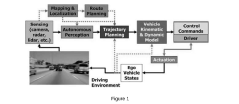
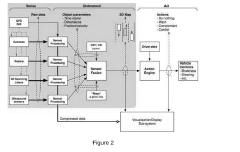
Controlling an autonomous vehicle arrangement using artificial intelligence
PatentPendingIN202341048309A
Innovation
- Integration of advanced artificial intelligence (AI) systems, including machine learning and sensor fusion, to analyze real-time data from various sensors, enabling informed decision-making, adaptive control, and dynamic routing, while enhancing safety features like collision avoidance and data analytics for optimized operations.
Engine control method and device based on artificial intelligence
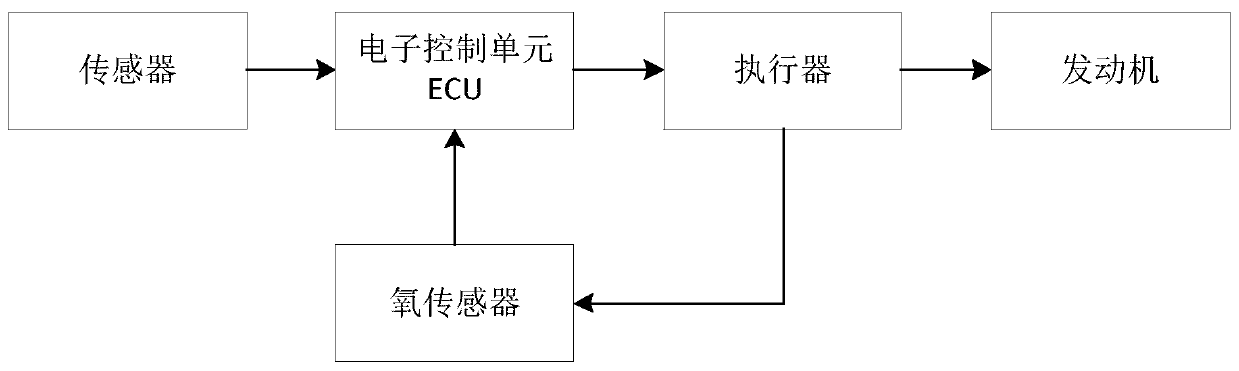
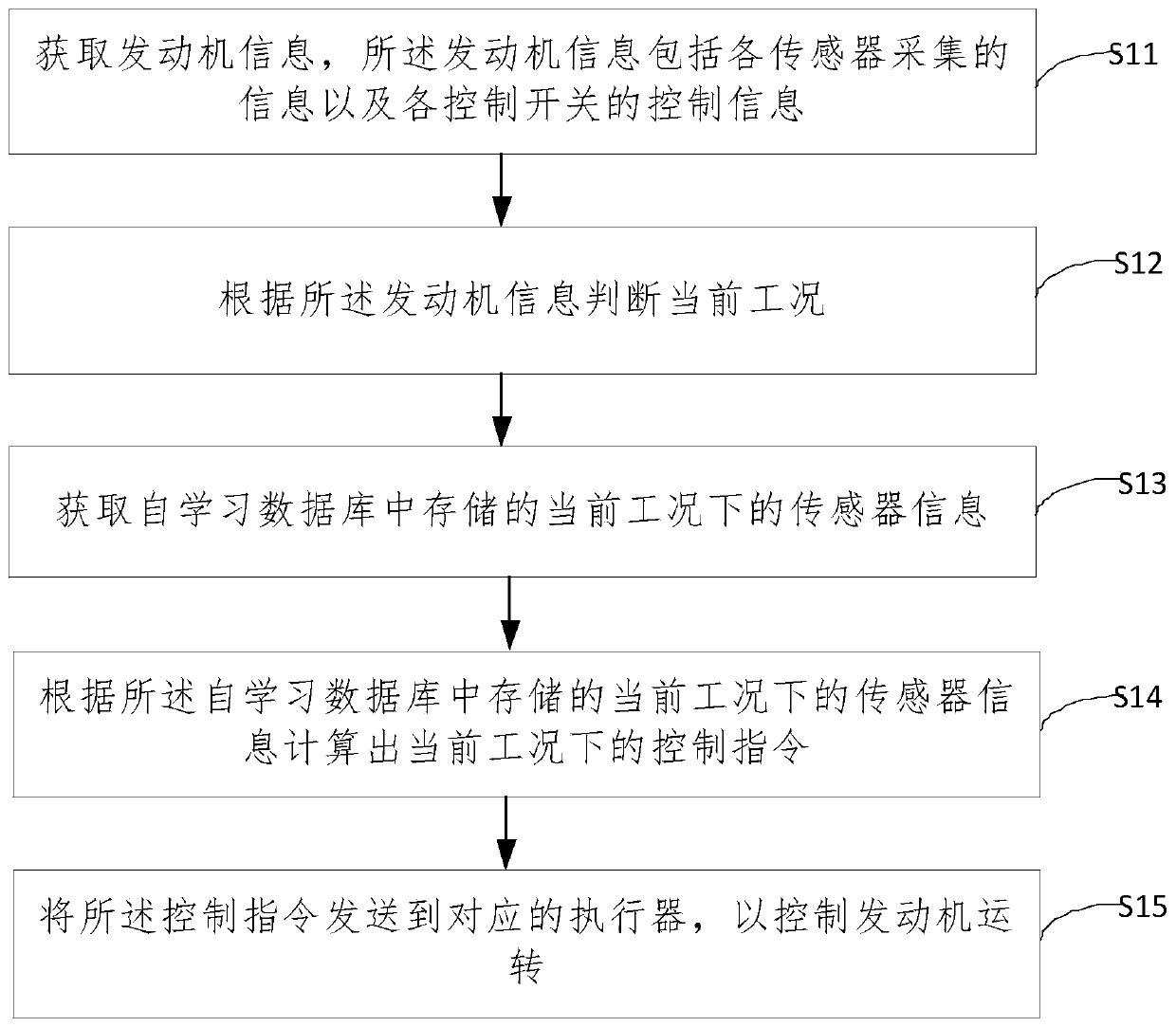
PatentActiveCN110080895A
Innovation
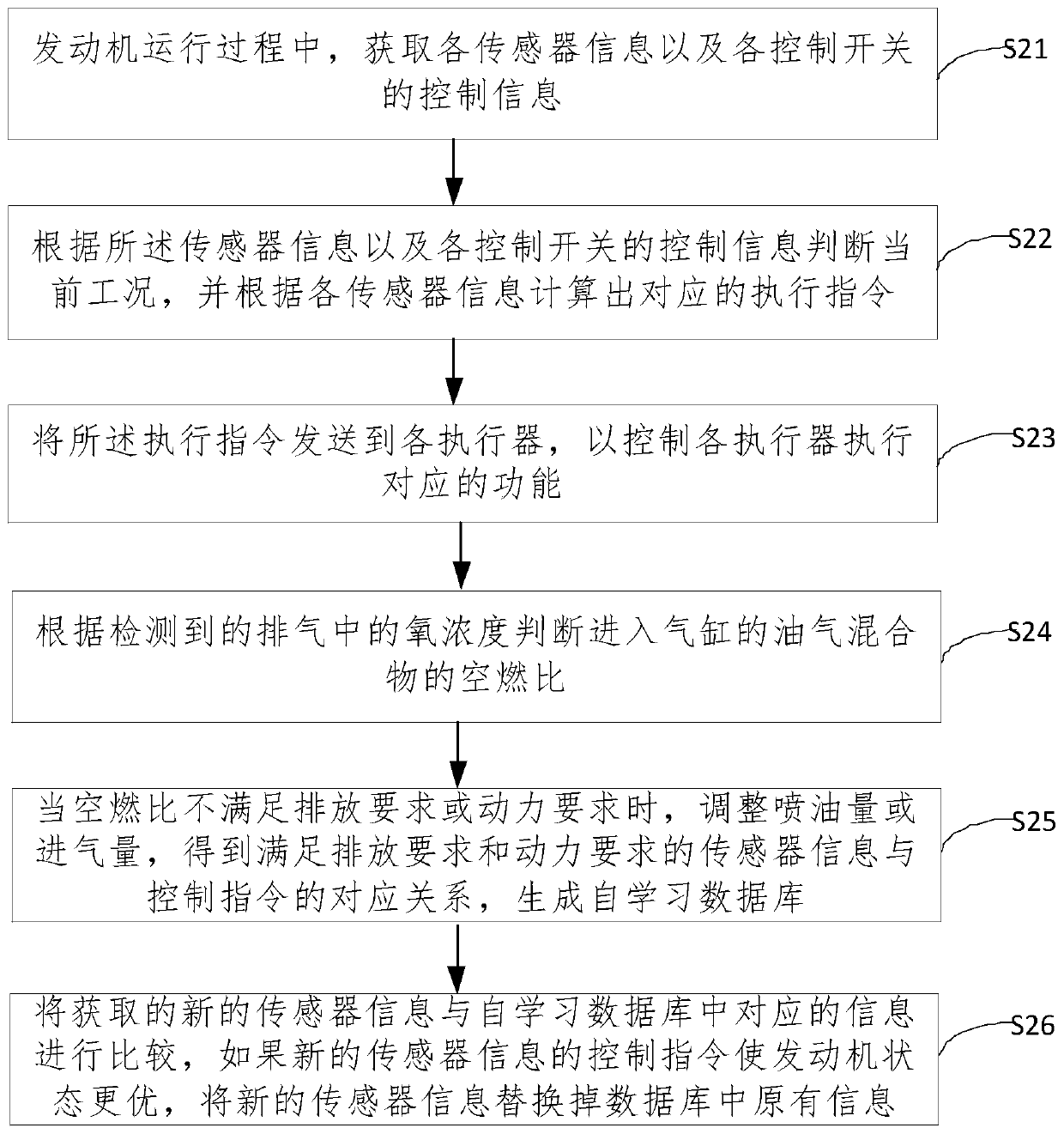
- The engine control method based on artificial intelligence is adopted to obtain engine information, judge the current working conditions, and use the deep learning training results in the self-learning database to calculate optimized control instructions, which are sent to the actuator to control the engine operation and realize the engine operation in various conditions. optimal state under working conditions.

Environmental Impact and Fuel Efficiency Considerations
The integration of AI systems into the K24 Engine represents a significant leap forward in automotive technology, with profound implications for environmental impact and fuel efficiency. This intelligent control system optimizes engine performance in real-time, adapting to various driving conditions and user preferences. By continuously analyzing data from multiple sensors, the AI can adjust fuel injection, ignition timing, and valve control with unprecedented precision.
One of the primary benefits of this technology is its potential to substantially reduce fuel consumption. The AI system can predict and respond to changes in road conditions, traffic patterns, and driver behavior, ensuring the engine operates at peak efficiency at all times. This adaptive approach can lead to fuel savings of up to 15% compared to traditional engine management systems, translating to a significant reduction in carbon emissions.
Moreover, the K24 Engine's AI system contributes to improved emissions control. By fine-tuning combustion processes, it minimizes the production of harmful pollutants such as nitrogen oxides (NOx) and particulate matter. The system's ability to learn and adapt over time means that emission reduction strategies can be continuously refined, potentially extending the lifespan of catalytic converters and other emission control devices.
The environmental benefits extend beyond direct fuel consumption and emissions. The AI's predictive maintenance capabilities can help prevent catastrophic engine failures and reduce the frequency of minor repairs. This not only extends the engine's lifespan but also reduces the environmental impact associated with manufacturing replacement parts and disposing of damaged components.
Furthermore, the K24 Engine's intelligent control system opens up new possibilities for eco-driving assistance. By providing real-time feedback and suggestions to drivers, it can encourage more fuel-efficient driving habits. This human-machine collaboration has the potential to create a more environmentally conscious driving culture, amplifying the technology's positive impact.
However, it's important to consider the environmental costs associated with the production and disposal of the advanced electronics required for these AI systems. Manufacturers must address the lifecycle impact of these components, including the sourcing of rare earth elements and the development of recycling processes for end-of-life vehicles.
In conclusion, the K24 Engine with AI systems presents a promising path towards more sustainable transportation. While challenges remain, particularly in terms of lifecycle management, the technology's potential to significantly reduce fuel consumption and emissions makes it a valuable tool in the ongoing effort to mitigate the environmental impact of automotive transportation.
One of the primary benefits of this technology is its potential to substantially reduce fuel consumption. The AI system can predict and respond to changes in road conditions, traffic patterns, and driver behavior, ensuring the engine operates at peak efficiency at all times. This adaptive approach can lead to fuel savings of up to 15% compared to traditional engine management systems, translating to a significant reduction in carbon emissions.
Moreover, the K24 Engine's AI system contributes to improved emissions control. By fine-tuning combustion processes, it minimizes the production of harmful pollutants such as nitrogen oxides (NOx) and particulate matter. The system's ability to learn and adapt over time means that emission reduction strategies can be continuously refined, potentially extending the lifespan of catalytic converters and other emission control devices.
The environmental benefits extend beyond direct fuel consumption and emissions. The AI's predictive maintenance capabilities can help prevent catastrophic engine failures and reduce the frequency of minor repairs. This not only extends the engine's lifespan but also reduces the environmental impact associated with manufacturing replacement parts and disposing of damaged components.
Furthermore, the K24 Engine's intelligent control system opens up new possibilities for eco-driving assistance. By providing real-time feedback and suggestions to drivers, it can encourage more fuel-efficient driving habits. This human-machine collaboration has the potential to create a more environmentally conscious driving culture, amplifying the technology's positive impact.
However, it's important to consider the environmental costs associated with the production and disposal of the advanced electronics required for these AI systems. Manufacturers must address the lifecycle impact of these components, including the sourcing of rare earth elements and the development of recycling processes for end-of-life vehicles.
In conclusion, the K24 Engine with AI systems presents a promising path towards more sustainable transportation. While challenges remain, particularly in terms of lifecycle management, the technology's potential to significantly reduce fuel consumption and emissions makes it a valuable tool in the ongoing effort to mitigate the environmental impact of automotive transportation.
Cybersecurity in AI-Enabled Engine Systems
The integration of AI systems into engine control units, particularly in the K24 Engine, introduces new cybersecurity challenges that must be addressed to ensure the safety and reliability of these intelligent systems. As AI-enabled engine systems become more prevalent, they present an expanded attack surface for potential cyber threats. These systems process vast amounts of data from various sensors and make real-time decisions, making them attractive targets for malicious actors.
One of the primary concerns in AI-enabled engine systems is the potential for adversarial attacks on the AI models themselves. Attackers could potentially manipulate input data to cause the AI to make incorrect decisions, potentially leading to engine malfunction or performance degradation. This could be achieved through sensor spoofing or by exploiting vulnerabilities in the data processing pipeline.
Another significant risk is the potential for unauthorized access to the AI system's decision-making processes. If an attacker gains control over the AI component, they could potentially override safety protocols or optimize the engine for malicious purposes, such as increasing emissions or reducing fuel efficiency. This highlights the need for robust authentication and access control mechanisms within the AI-enabled engine control systems.
Data integrity is also a critical concern in these systems. The AI relies on accurate and timely data from various sensors to make informed decisions. Any compromise in the integrity of this data could lead to incorrect decisions and potentially dangerous outcomes. Implementing secure communication protocols and data validation mechanisms is essential to mitigate this risk.
Furthermore, the complexity of AI systems introduces new challenges in terms of system updates and maintenance. Ensuring the security of over-the-air updates and preventing the introduction of malicious code during system upgrades is crucial. This requires implementing secure update mechanisms and thorough testing procedures to verify the integrity and authenticity of any software updates.
The interconnected nature of modern vehicles also poses risks to AI-enabled engine systems. As vehicles become more connected to external networks and services, the potential for remote attacks increases. Securing the communication channels between the vehicle and external systems, as well as implementing robust network segmentation within the vehicle, is essential to prevent unauthorized access to critical engine control systems.
To address these cybersecurity challenges, a multi-layered approach is necessary. This includes implementing strong encryption for data in transit and at rest, utilizing secure boot processes to ensure the integrity of the system at startup, and employing intrusion detection and prevention systems tailored for AI-enabled environments. Additionally, regular security audits and penetration testing should be conducted to identify and address potential vulnerabilities in the system.
One of the primary concerns in AI-enabled engine systems is the potential for adversarial attacks on the AI models themselves. Attackers could potentially manipulate input data to cause the AI to make incorrect decisions, potentially leading to engine malfunction or performance degradation. This could be achieved through sensor spoofing or by exploiting vulnerabilities in the data processing pipeline.
Another significant risk is the potential for unauthorized access to the AI system's decision-making processes. If an attacker gains control over the AI component, they could potentially override safety protocols or optimize the engine for malicious purposes, such as increasing emissions or reducing fuel efficiency. This highlights the need for robust authentication and access control mechanisms within the AI-enabled engine control systems.
Data integrity is also a critical concern in these systems. The AI relies on accurate and timely data from various sensors to make informed decisions. Any compromise in the integrity of this data could lead to incorrect decisions and potentially dangerous outcomes. Implementing secure communication protocols and data validation mechanisms is essential to mitigate this risk.
Furthermore, the complexity of AI systems introduces new challenges in terms of system updates and maintenance. Ensuring the security of over-the-air updates and preventing the introduction of malicious code during system upgrades is crucial. This requires implementing secure update mechanisms and thorough testing procedures to verify the integrity and authenticity of any software updates.
The interconnected nature of modern vehicles also poses risks to AI-enabled engine systems. As vehicles become more connected to external networks and services, the potential for remote attacks increases. Securing the communication channels between the vehicle and external systems, as well as implementing robust network segmentation within the vehicle, is essential to prevent unauthorized access to critical engine control systems.
To address these cybersecurity challenges, a multi-layered approach is necessary. This includes implementing strong encryption for data in transit and at rest, utilizing secure boot processes to ensure the integrity of the system at startup, and employing intrusion detection and prevention systems tailored for AI-enabled environments. Additionally, regular security audits and penetration testing should be conducted to identify and address potential vulnerabilities in the system.
Unlock deeper insights with PatSnap Eureka Quick Research — get a full tech report to explore trends and direct your research. Try now!
Generate Your Research Report Instantly with AI Agent
Supercharge your innovation with PatSnap Eureka AI Agent Platform!