

K24 Engine Thermodynamics: Optimizing Power Density Outputs
JUL 3, 20259 MIN READ
Generate Your Research Report Instantly with AI Agent
PatSnap Eureka helps you evaluate technical feasibility & market potential.
K24 Engine Evolution
The K24 engine, a marvel of Honda's engineering prowess, has undergone significant evolution since its inception. Initially introduced in the early 2000s, this 2.4-liter inline-four engine has been a cornerstone of Honda's powertrain lineup, finding its way into various models across the Honda and Acura brands.
The engine's evolution can be traced through several key stages, each marked by technological advancements aimed at improving performance, efficiency, and emissions. In its early iterations, the K24 utilized Honda's i-VTEC (intelligent Variable Valve Timing and Lift Electronic Control) system, which allowed for optimized valve timing across different engine speeds. This technology significantly contributed to the engine's ability to deliver both low-end torque and high-end power.
As environmental concerns grew, Honda engineers focused on enhancing the K24's fuel efficiency and reducing emissions. This led to the introduction of more advanced fuel injection systems and refined combustion chamber designs. The integration of direct injection technology in later versions of the K24 marked a significant leap forward, allowing for more precise fuel delivery and improved atomization, resulting in better fuel economy and reduced emissions without sacrificing performance.
Another notable evolution in the K24 engine's development was the implementation of Honda's Earth Dreams Technology. This suite of technological advancements included improvements in thermal efficiency, reduced internal friction, and advanced materials usage. These enhancements collectively contributed to a more efficient and powerful engine, aligning with Honda's commitment to balancing performance with environmental responsibility.
The pursuit of higher power density outputs has been a consistent theme throughout the K24's evolution. Engineers have continually refined the engine's internals, including pistons, connecting rods, and crankshafts, to withstand higher pressures and speeds. The introduction of turbocharging in some variants of the K24 engine represented a significant shift, allowing for substantial increases in power output while maintaining relatively compact dimensions.
In recent years, the focus on thermodynamics has become increasingly prominent in the K24's development. Advanced computational fluid dynamics and thermal management techniques have been employed to optimize heat dissipation and energy conversion efficiency. This has led to innovations in cooling system design, exhaust gas recirculation, and combustion chamber geometry, all aimed at extracting maximum power while minimizing thermal losses.
The K24 engine's evolution reflects Honda's commitment to continuous improvement and adaptation to changing market demands and regulatory requirements. From its origins as a naturally aspirated powerplant to its current iterations featuring advanced technologies like turbocharging and direct injection, the K24 has demonstrated remarkable versatility and longevity in Honda's engine lineup.
The engine's evolution can be traced through several key stages, each marked by technological advancements aimed at improving performance, efficiency, and emissions. In its early iterations, the K24 utilized Honda's i-VTEC (intelligent Variable Valve Timing and Lift Electronic Control) system, which allowed for optimized valve timing across different engine speeds. This technology significantly contributed to the engine's ability to deliver both low-end torque and high-end power.
As environmental concerns grew, Honda engineers focused on enhancing the K24's fuel efficiency and reducing emissions. This led to the introduction of more advanced fuel injection systems and refined combustion chamber designs. The integration of direct injection technology in later versions of the K24 marked a significant leap forward, allowing for more precise fuel delivery and improved atomization, resulting in better fuel economy and reduced emissions without sacrificing performance.
Another notable evolution in the K24 engine's development was the implementation of Honda's Earth Dreams Technology. This suite of technological advancements included improvements in thermal efficiency, reduced internal friction, and advanced materials usage. These enhancements collectively contributed to a more efficient and powerful engine, aligning with Honda's commitment to balancing performance with environmental responsibility.
The pursuit of higher power density outputs has been a consistent theme throughout the K24's evolution. Engineers have continually refined the engine's internals, including pistons, connecting rods, and crankshafts, to withstand higher pressures and speeds. The introduction of turbocharging in some variants of the K24 engine represented a significant shift, allowing for substantial increases in power output while maintaining relatively compact dimensions.
In recent years, the focus on thermodynamics has become increasingly prominent in the K24's development. Advanced computational fluid dynamics and thermal management techniques have been employed to optimize heat dissipation and energy conversion efficiency. This has led to innovations in cooling system design, exhaust gas recirculation, and combustion chamber geometry, all aimed at extracting maximum power while minimizing thermal losses.
The K24 engine's evolution reflects Honda's commitment to continuous improvement and adaptation to changing market demands and regulatory requirements. From its origins as a naturally aspirated powerplant to its current iterations featuring advanced technologies like turbocharging and direct injection, the K24 has demonstrated remarkable versatility and longevity in Honda's engine lineup.
Market Demand Analysis
The market demand for optimized power density outputs in K24 engine thermodynamics has been steadily increasing, driven by several key factors in the automotive and industrial sectors. The push for more efficient and powerful engines, coupled with stringent environmental regulations, has created a significant market opportunity for advanced thermodynamic solutions.
In the automotive industry, there is a growing demand for engines that can deliver higher power output while maintaining or improving fuel efficiency. This trend is particularly evident in the sports car and high-performance vehicle segments, where consumers expect enhanced performance without compromising on fuel economy. The K24 engine, known for its versatility and potential for modification, has become a focal point for enthusiasts and manufacturers alike seeking to maximize power density.
The commercial vehicle sector also presents a substantial market for optimized K24 engine thermodynamics. Fleet operators are increasingly looking for ways to reduce fuel consumption and operating costs while maintaining or improving vehicle performance. Improved power density in engines can lead to better payload capacity and more efficient transportation, directly impacting the bottom line for logistics and transportation companies.
Furthermore, the industrial equipment market, including generators, pumps, and other stationary power applications, shows a strong demand for engines with optimized thermodynamics. In these applications, increased power density can lead to more compact and efficient machinery, reducing installation footprints and operational costs.
The global push for reduced carbon emissions and improved air quality has also been a significant driver for market demand in this area. As governments worldwide implement stricter emissions standards, manufacturers are compelled to invest in technologies that can extract more power from engines while reducing their environmental impact. This regulatory pressure has created a robust market for innovative thermodynamic solutions that can help meet these challenging requirements.
In emerging markets, rapid industrialization and urbanization are fueling the demand for more powerful and efficient engines across various sectors. These markets represent a significant growth opportunity for optimized K24 engine thermodynamics, as they seek to balance economic development with environmental considerations.
The aftermarket and tuning industry also contribute substantially to the market demand. Performance enthusiasts and racing teams are constantly seeking ways to extract maximum power from their engines, creating a niche but lucrative market for advanced thermodynamic solutions that can push the boundaries of engine performance.
As the automotive industry transitions towards electrification, there is still a strong market for optimized internal combustion engines in hybrid powertrains. The K24 engine's potential for thermodynamic optimization makes it an attractive option for hybrid vehicle manufacturers looking to maximize the efficiency and power output of their combustion components.
In the automotive industry, there is a growing demand for engines that can deliver higher power output while maintaining or improving fuel efficiency. This trend is particularly evident in the sports car and high-performance vehicle segments, where consumers expect enhanced performance without compromising on fuel economy. The K24 engine, known for its versatility and potential for modification, has become a focal point for enthusiasts and manufacturers alike seeking to maximize power density.
The commercial vehicle sector also presents a substantial market for optimized K24 engine thermodynamics. Fleet operators are increasingly looking for ways to reduce fuel consumption and operating costs while maintaining or improving vehicle performance. Improved power density in engines can lead to better payload capacity and more efficient transportation, directly impacting the bottom line for logistics and transportation companies.
Furthermore, the industrial equipment market, including generators, pumps, and other stationary power applications, shows a strong demand for engines with optimized thermodynamics. In these applications, increased power density can lead to more compact and efficient machinery, reducing installation footprints and operational costs.
The global push for reduced carbon emissions and improved air quality has also been a significant driver for market demand in this area. As governments worldwide implement stricter emissions standards, manufacturers are compelled to invest in technologies that can extract more power from engines while reducing their environmental impact. This regulatory pressure has created a robust market for innovative thermodynamic solutions that can help meet these challenging requirements.
In emerging markets, rapid industrialization and urbanization are fueling the demand for more powerful and efficient engines across various sectors. These markets represent a significant growth opportunity for optimized K24 engine thermodynamics, as they seek to balance economic development with environmental considerations.
The aftermarket and tuning industry also contribute substantially to the market demand. Performance enthusiasts and racing teams are constantly seeking ways to extract maximum power from their engines, creating a niche but lucrative market for advanced thermodynamic solutions that can push the boundaries of engine performance.
As the automotive industry transitions towards electrification, there is still a strong market for optimized internal combustion engines in hybrid powertrains. The K24 engine's potential for thermodynamic optimization makes it an attractive option for hybrid vehicle manufacturers looking to maximize the efficiency and power output of their combustion components.
Current Challenges
The K24 engine, renowned for its high-performance capabilities, faces several challenges in optimizing power density outputs through thermodynamic improvements. One of the primary obstacles is managing heat dissipation effectively. As engineers push for higher power outputs, the engine generates more heat, which can lead to decreased efficiency and potential component failure if not properly addressed.
Another significant challenge lies in the combustion process optimization. Achieving the ideal air-fuel mixture and ignition timing across a wide range of operating conditions remains a complex task. The pursuit of higher power density often requires operating at the limits of combustion stability, risking issues such as knock or pre-ignition, which can severely impact engine performance and longevity.
Material limitations present a further hurdle in the quest for increased power density. The engine components must withstand higher temperatures and pressures while maintaining structural integrity. Developing materials that can endure these extreme conditions without compromising weight or cost-effectiveness is an ongoing challenge for engineers and materials scientists.
Fuel efficiency considerations add another layer of complexity to the optimization process. While increasing power output is a primary goal, it must be balanced against the need for improved fuel economy to meet stringent emissions regulations and consumer demands. This balancing act requires innovative approaches to engine design and control strategies.
The integration of advanced technologies, such as variable valve timing and direct injection, presents both opportunities and challenges. While these technologies offer potential for significant improvements in power density and efficiency, their implementation requires sophisticated control systems and careful calibration to fully realize their benefits without introducing new issues.
Cooling system design remains a critical challenge in high-performance engines like the K24. As power density increases, so does the demand on the cooling system. Engineers must develop more efficient cooling strategies that can maintain optimal operating temperatures across all engine components without adding excessive weight or complexity to the overall system.
Lastly, the pursuit of higher power density outputs must contend with the practical constraints of manufacturability and cost. Innovations in engine design and materials must be balanced against the realities of mass production and market competitiveness. Finding solutions that can be implemented at scale while maintaining reasonable production costs poses a significant challenge to engineers and product planners alike.
Another significant challenge lies in the combustion process optimization. Achieving the ideal air-fuel mixture and ignition timing across a wide range of operating conditions remains a complex task. The pursuit of higher power density often requires operating at the limits of combustion stability, risking issues such as knock or pre-ignition, which can severely impact engine performance and longevity.
Material limitations present a further hurdle in the quest for increased power density. The engine components must withstand higher temperatures and pressures while maintaining structural integrity. Developing materials that can endure these extreme conditions without compromising weight or cost-effectiveness is an ongoing challenge for engineers and materials scientists.
Fuel efficiency considerations add another layer of complexity to the optimization process. While increasing power output is a primary goal, it must be balanced against the need for improved fuel economy to meet stringent emissions regulations and consumer demands. This balancing act requires innovative approaches to engine design and control strategies.
The integration of advanced technologies, such as variable valve timing and direct injection, presents both opportunities and challenges. While these technologies offer potential for significant improvements in power density and efficiency, their implementation requires sophisticated control systems and careful calibration to fully realize their benefits without introducing new issues.
Cooling system design remains a critical challenge in high-performance engines like the K24. As power density increases, so does the demand on the cooling system. Engineers must develop more efficient cooling strategies that can maintain optimal operating temperatures across all engine components without adding excessive weight or complexity to the overall system.
Lastly, the pursuit of higher power density outputs must contend with the practical constraints of manufacturability and cost. Innovations in engine design and materials must be balanced against the realities of mass production and market competitiveness. Finding solutions that can be implemented at scale while maintaining reasonable production costs poses a significant challenge to engineers and product planners alike.
Existing Power Solutions
01 Engine design optimization for power density
Optimizing engine design to increase power density involves various techniques such as improving combustion efficiency, reducing friction, and enhancing thermal management. These improvements can lead to higher power output from a compact engine size, which is particularly beneficial for the K24 engine.- Engine design optimization for power density: Optimizing the K24 engine design to improve power density involves various techniques such as enhancing combustion efficiency, reducing friction, and improving thermal management. This may include redesigning cylinder heads, optimizing valve timing, and using lightweight materials to increase power output while maintaining or reducing engine weight.
- Turbocharging and supercharging systems: Implementing forced induction systems like turbochargers or superchargers can significantly increase the power density of the K24 engine. These systems compress the intake air, allowing more fuel to be burned and resulting in higher power output from the same engine displacement.
- Advanced fuel injection and ignition systems: Utilizing advanced fuel injection technologies and ignition systems can improve the K24 engine's power density. This may include direct injection, variable fuel injection timing, and high-energy ignition systems to optimize fuel combustion and increase power output.
- Variable valve timing and lift: Implementing variable valve timing and lift mechanisms can enhance the K24 engine's power density across a wide range of operating conditions. These systems allow for optimized air intake and exhaust flow, improving volumetric efficiency and power output throughout the engine's RPM range.
- Thermal management and cooling systems: Improving thermal management and cooling systems can contribute to increased power density in the K24 engine. Enhanced cooling techniques, such as precision cooling, advanced coolant formulations, and optimized heat exchanger designs, can allow the engine to operate at higher temperatures and pressures without compromising reliability.
02 Turbocharging and supercharging systems
Implementing forced induction systems like turbochargers or superchargers can significantly increase the power density of K24 engines. These systems compress the intake air, allowing more fuel to be burned and resulting in higher power output without increasing engine displacement.Expand Specific Solutions03 Advanced fuel injection and ignition systems
Utilizing sophisticated fuel injection and ignition systems can improve combustion efficiency and power density in K24 engines. Direct injection, variable valve timing, and advanced spark plug technologies contribute to optimized fuel burning and increased power output.Expand Specific Solutions04 Lightweight materials and construction
Incorporating lightweight materials such as aluminum alloys or composite materials in engine components can reduce overall engine weight while maintaining strength. This approach improves the power-to-weight ratio and overall power density of K24 engines.Expand Specific Solutions05 Thermal management and cooling systems
Enhancing thermal management through advanced cooling systems and heat dissipation techniques allows K24 engines to operate at higher temperatures and pressures. This optimization contributes to increased power density by enabling more efficient combustion and reducing power losses.Expand Specific Solutions
Key Industry Players
The K24 Engine Thermodynamics market is in a growth phase, driven by increasing demand for high-performance, fuel-efficient engines. The global market size is estimated to be in the billions, with significant potential for expansion. Technologically, the field is advancing rapidly, with major players like Caterpillar, Toyota, and Ford leading innovation. These companies, along with academic institutions such as King Fahd University of Petroleum & Minerals and the University of Tokyo, are pushing the boundaries of engine thermodynamics. Emerging players like Weichai Power and LG Innotek are also making notable contributions, indicating a competitive and dynamic landscape. The technology's maturity varies, with established principles being refined and new approaches constantly emerging.
Toyota Motor Corp.
Technical Solution: Toyota has developed advanced thermal management systems for their K24 engine to optimize power density outputs. They utilize a combination of direct injection, variable valve timing, and exhaust gas recirculation to improve combustion efficiency and reduce heat losses. Toyota's system incorporates a high-precision coolant flow control that adjusts cooling based on engine load and temperature, maintaining optimal operating conditions[1]. Additionally, they have implemented a dual-circuit cooling system that separately manages cylinder head and block temperatures, allowing for more precise thermal control[2]. Toyota has also integrated advanced materials such as ceramic-coated pistons and low-friction coatings to reduce heat transfer and improve overall thermal efficiency[3].
Strengths: Precise thermal management, improved combustion efficiency, and reduced friction losses. Weaknesses: Complexity of the system may increase manufacturing costs and potential maintenance issues.
Robert Bosch GmbH
Technical Solution: Bosch has developed innovative solutions for K24 engine thermodynamics, focusing on optimizing power density outputs through advanced fuel injection and thermal management technologies. Their direct injection system operates at pressures up to 350 bar, enabling precise fuel atomization and improved combustion efficiency[4]. Bosch's thermal management module integrates an electric water pump, thermostat, and various valves to provide dynamic coolant flow control, reducing warm-up times and maintaining optimal operating temperatures[5]. They have also implemented a smart cooling system that uses predictive algorithms to anticipate cooling needs based on driving conditions and route information, further enhancing efficiency[6].
Strengths: High-precision fuel injection, intelligent thermal management, and predictive cooling capabilities. Weaknesses: Reliance on complex electronic systems may increase vulnerability to electrical failures.
Core Innovations
Reaction and design concept for engines for catalytic control / ergetic triggering (e.g. with metal additives) of the internal velocity (acceleration) and exit velocity with influencing of temperature as well as pressure for improved 5 efficiency and combustion chamber adaptation (treiber-concept)
PatentInactiveUS20220316374A1
Innovation
- The use of platinum-tungsten alloys and other high-temperature catalysts integrated into the combustion chamber, combined with homogeneous catalysts and adaptive combustion chamber geometries, to optimize energy conversion and reduce thermal and mechanical stresses, enhancing reaction rates and reducing energy losses.
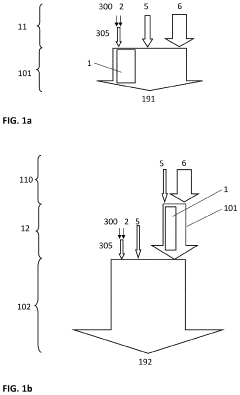
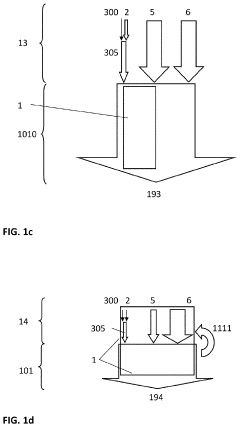
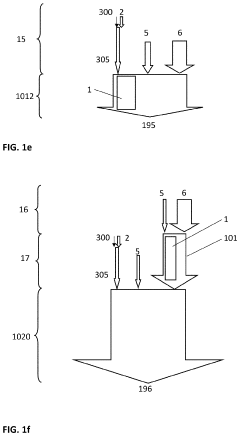
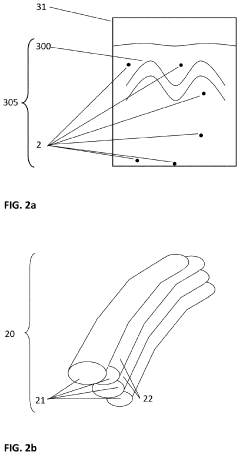
Engine configuration for performing compression and expansion in a single cylinder
PatentActiveUS20190301379A1
Innovation
- An engine design where compression and expansion occur within the same cylinder, controlled by a microprocessor, utilizing a compression tank to store and retrieve compressed air based on power demand, with electronically controlled valves to optimize cycles and prevent energy loss.


Emissions Regulations
Emissions regulations play a crucial role in shaping the development and optimization of engine technologies, including the K24 engine's thermodynamics and power density outputs. These regulations are continuously evolving, becoming more stringent to address environmental concerns and reduce the automotive industry's carbon footprint.
In recent years, global emissions standards have significantly tightened, with major markets such as the European Union, United States, and China implementing increasingly strict limits on greenhouse gas emissions and pollutants. These regulations directly impact engine design and performance, necessitating innovative solutions to meet both environmental requirements and power output demands.
For the K24 engine, compliance with emissions regulations while optimizing power density presents a complex challenge. Engineers must balance the need for increased power output with the imperative to reduce harmful emissions such as carbon dioxide (CO2), nitrogen oxides (NOx), and particulate matter. This balancing act requires advanced thermodynamic strategies and cutting-edge technologies.
One key approach to meeting emissions standards while maintaining high power density is through improved combustion efficiency. This involves optimizing fuel injection systems, enhancing air-fuel mixture formation, and implementing precise combustion timing. Advanced engine management systems and variable valve timing technologies are crucial in achieving this delicate balance.
Another significant factor is the integration of exhaust aftertreatment systems. These systems, including catalytic converters and particulate filters, are essential for reducing emissions to comply with regulations. However, they can also impact engine back pressure and overall efficiency, requiring careful design considerations to minimize their effect on power output.
The trend towards electrification and hybridization also influences emissions compliance strategies for engines like the K24. Mild hybrid systems, for instance, can assist in reducing emissions during high-load conditions and improve overall fuel efficiency, contributing to better emissions performance without sacrificing power density.
As emissions regulations continue to evolve, the development of the K24 engine must anticipate future standards. This forward-looking approach involves exploring advanced materials for lighter engine components, implementing innovative cooling systems to manage thermal efficiency, and potentially integrating alternative fuels or fuel blends that offer lower emissions profiles.
In recent years, global emissions standards have significantly tightened, with major markets such as the European Union, United States, and China implementing increasingly strict limits on greenhouse gas emissions and pollutants. These regulations directly impact engine design and performance, necessitating innovative solutions to meet both environmental requirements and power output demands.
For the K24 engine, compliance with emissions regulations while optimizing power density presents a complex challenge. Engineers must balance the need for increased power output with the imperative to reduce harmful emissions such as carbon dioxide (CO2), nitrogen oxides (NOx), and particulate matter. This balancing act requires advanced thermodynamic strategies and cutting-edge technologies.
One key approach to meeting emissions standards while maintaining high power density is through improved combustion efficiency. This involves optimizing fuel injection systems, enhancing air-fuel mixture formation, and implementing precise combustion timing. Advanced engine management systems and variable valve timing technologies are crucial in achieving this delicate balance.
Another significant factor is the integration of exhaust aftertreatment systems. These systems, including catalytic converters and particulate filters, are essential for reducing emissions to comply with regulations. However, they can also impact engine back pressure and overall efficiency, requiring careful design considerations to minimize their effect on power output.
The trend towards electrification and hybridization also influences emissions compliance strategies for engines like the K24. Mild hybrid systems, for instance, can assist in reducing emissions during high-load conditions and improve overall fuel efficiency, contributing to better emissions performance without sacrificing power density.
As emissions regulations continue to evolve, the development of the K24 engine must anticipate future standards. This forward-looking approach involves exploring advanced materials for lighter engine components, implementing innovative cooling systems to manage thermal efficiency, and potentially integrating alternative fuels or fuel blends that offer lower emissions profiles.
Material Advancements
Material advancements play a crucial role in optimizing the power density outputs of K24 engines. Recent developments in high-performance alloys and composites have significantly enhanced the thermal efficiency and overall performance of these engines. Advanced materials such as nickel-based superalloys and ceramic matrix composites (CMCs) are now being utilized in critical engine components, allowing for higher operating temperatures and improved durability.
Nickel-based superalloys, known for their exceptional strength and corrosion resistance at elevated temperatures, have been further refined to withstand the extreme conditions within K24 engines. These alloys now incorporate precise combinations of elements like rhenium, ruthenium, and hafnium, which enhance their creep resistance and thermal stability. This allows engine components to maintain their structural integrity under higher thermal loads, directly contributing to increased power density outputs.
Ceramic matrix composites have emerged as a game-changing material in K24 engine design. These lightweight, heat-resistant materials are increasingly being used in turbine blades, combustion liners, and exhaust components. CMCs offer superior thermal insulation properties compared to traditional metallic materials, enabling engines to operate at higher temperatures without compromising structural integrity. This translates to improved thermodynamic efficiency and, consequently, higher power density outputs.
Advancements in thermal barrier coatings (TBCs) have also contributed significantly to K24 engine performance. Next-generation TBCs, often based on yttria-stabilized zirconia (YSZ) with novel dopants, provide enhanced thermal insulation and longer service life. These coatings allow critical engine components to withstand higher temperatures, reducing the need for cooling and improving overall engine efficiency.
Innovative manufacturing techniques, such as additive manufacturing and advanced casting methods, have enabled the production of complex geometries and internal cooling channels in engine components. These techniques allow for the creation of intricate designs that optimize heat transfer and fluid dynamics within the engine, further enhancing thermodynamic efficiency.
Carbon fiber reinforced polymers (CFRPs) and other advanced composites are being increasingly utilized in non-load-bearing components of K24 engines. These materials offer significant weight reduction without compromising strength, contributing to overall engine efficiency and power-to-weight ratio improvements.
The integration of smart materials and sensors into engine components is an emerging trend in K24 engine development. Shape memory alloys and piezoelectric materials are being explored for adaptive engine geometries, potentially allowing real-time optimization of engine performance under varying operating conditions.
Nickel-based superalloys, known for their exceptional strength and corrosion resistance at elevated temperatures, have been further refined to withstand the extreme conditions within K24 engines. These alloys now incorporate precise combinations of elements like rhenium, ruthenium, and hafnium, which enhance their creep resistance and thermal stability. This allows engine components to maintain their structural integrity under higher thermal loads, directly contributing to increased power density outputs.
Ceramic matrix composites have emerged as a game-changing material in K24 engine design. These lightweight, heat-resistant materials are increasingly being used in turbine blades, combustion liners, and exhaust components. CMCs offer superior thermal insulation properties compared to traditional metallic materials, enabling engines to operate at higher temperatures without compromising structural integrity. This translates to improved thermodynamic efficiency and, consequently, higher power density outputs.
Advancements in thermal barrier coatings (TBCs) have also contributed significantly to K24 engine performance. Next-generation TBCs, often based on yttria-stabilized zirconia (YSZ) with novel dopants, provide enhanced thermal insulation and longer service life. These coatings allow critical engine components to withstand higher temperatures, reducing the need for cooling and improving overall engine efficiency.
Innovative manufacturing techniques, such as additive manufacturing and advanced casting methods, have enabled the production of complex geometries and internal cooling channels in engine components. These techniques allow for the creation of intricate designs that optimize heat transfer and fluid dynamics within the engine, further enhancing thermodynamic efficiency.
Carbon fiber reinforced polymers (CFRPs) and other advanced composites are being increasingly utilized in non-load-bearing components of K24 engines. These materials offer significant weight reduction without compromising strength, contributing to overall engine efficiency and power-to-weight ratio improvements.
The integration of smart materials and sensors into engine components is an emerging trend in K24 engine development. Shape memory alloys and piezoelectric materials are being explored for adaptive engine geometries, potentially allowing real-time optimization of engine performance under varying operating conditions.
Unlock deeper insights with PatSnap Eureka Quick Research — get a full tech report to explore trends and direct your research. Try now!
Generate Your Research Report Instantly with AI Agent
Supercharge your innovation with PatSnap Eureka AI Agent Platform!