

Quantum Computing Techniques in Meteorological Data Modelling
JUL 17, 20259 MIN READ
Generate Your Research Report Instantly with AI Agent
PatSnap Eureka helps you evaluate technical feasibility & market potential.
Quantum Meteorology Evolution and Objectives
Quantum computing techniques in meteorological data modeling represent a revolutionary approach to weather forecasting and climate prediction. This field has evolved rapidly over the past decade, driven by advancements in quantum hardware and algorithms. The integration of quantum computing with meteorology aims to overcome the limitations of classical computing systems in processing vast amounts of atmospheric data and simulating complex weather patterns.
The evolution of quantum meteorology can be traced back to the early 2000s when researchers first proposed using quantum algorithms for weather prediction. However, it wasn't until the 2010s that significant progress was made in developing quantum hardware capable of handling meteorological simulations. The field has since experienced exponential growth, with major breakthroughs in quantum error correction and the development of more stable qubits.
One of the primary objectives of quantum meteorology is to enhance the accuracy and speed of weather forecasting. Traditional weather models are limited by the computational power of classical computers, often leading to inaccuracies in long-term predictions. Quantum computing offers the potential to process multiple weather scenarios simultaneously, leveraging the principles of superposition and entanglement to explore a vast number of atmospheric conditions in parallel.
Another key goal is to improve climate change modeling. Quantum algorithms can potentially simulate complex climate systems with unprecedented detail, allowing scientists to better understand and predict long-term climate trends. This capability is crucial for developing effective strategies to mitigate the impacts of global warming and extreme weather events.
The field also aims to optimize resource allocation in weather-dependent industries. By providing more accurate and timely weather predictions, quantum meteorology can help sectors such as agriculture, energy, and transportation make more informed decisions, potentially leading to significant economic benefits and improved sustainability practices.
As quantum meteorology continues to evolve, researchers are focusing on developing hybrid quantum-classical algorithms that can leverage the strengths of both computing paradigms. This approach aims to create practical applications in the near term while paving the way for fully quantum-powered weather prediction systems in the future. The ultimate objective is to create a new generation of weather and climate models that can provide unprecedented insights into our planet's atmospheric dynamics, enabling more effective environmental management and disaster preparedness strategies.
The evolution of quantum meteorology can be traced back to the early 2000s when researchers first proposed using quantum algorithms for weather prediction. However, it wasn't until the 2010s that significant progress was made in developing quantum hardware capable of handling meteorological simulations. The field has since experienced exponential growth, with major breakthroughs in quantum error correction and the development of more stable qubits.
One of the primary objectives of quantum meteorology is to enhance the accuracy and speed of weather forecasting. Traditional weather models are limited by the computational power of classical computers, often leading to inaccuracies in long-term predictions. Quantum computing offers the potential to process multiple weather scenarios simultaneously, leveraging the principles of superposition and entanglement to explore a vast number of atmospheric conditions in parallel.
Another key goal is to improve climate change modeling. Quantum algorithms can potentially simulate complex climate systems with unprecedented detail, allowing scientists to better understand and predict long-term climate trends. This capability is crucial for developing effective strategies to mitigate the impacts of global warming and extreme weather events.
The field also aims to optimize resource allocation in weather-dependent industries. By providing more accurate and timely weather predictions, quantum meteorology can help sectors such as agriculture, energy, and transportation make more informed decisions, potentially leading to significant economic benefits and improved sustainability practices.
As quantum meteorology continues to evolve, researchers are focusing on developing hybrid quantum-classical algorithms that can leverage the strengths of both computing paradigms. This approach aims to create practical applications in the near term while paving the way for fully quantum-powered weather prediction systems in the future. The ultimate objective is to create a new generation of weather and climate models that can provide unprecedented insights into our planet's atmospheric dynamics, enabling more effective environmental management and disaster preparedness strategies.
Market Analysis for Quantum Weather Forecasting
The market for quantum weather forecasting is experiencing significant growth and attracting substantial interest from various sectors. As quantum computing techniques in meteorological data modeling advance, the potential for more accurate and timely weather predictions becomes increasingly apparent. This emerging market is driven by the growing demand for precise weather forecasts across multiple industries, including agriculture, energy, transportation, and disaster management.
The global weather forecasting market, currently valued at approximately $2.3 billion, is expected to expand rapidly with the integration of quantum computing technologies. Experts project that the quantum weather forecasting segment could capture a significant portion of this market within the next decade, potentially reaching $500 million by 2030. This growth is fueled by the increasing frequency and severity of extreme weather events, which have heightened the need for more accurate and long-range forecasts.
Key players in this market include major technology companies investing heavily in quantum computing research, such as IBM, Google, and Microsoft, as well as specialized quantum computing firms like D-Wave Systems and Rigetti Computing. Additionally, national weather services and meteorological organizations worldwide are showing keen interest in adopting quantum-enhanced forecasting methods to improve their predictive capabilities.
The agriculture sector represents a particularly promising market for quantum weather forecasting. Farmers and agribusinesses are increasingly relying on precise weather predictions to optimize crop management, irrigation, and harvest timing. The potential for quantum-enhanced forecasts to improve crop yields and reduce weather-related losses is driving significant demand in this sector.
Similarly, the energy industry stands to benefit greatly from more accurate weather predictions. Wind and solar energy producers require precise forecasts to optimize their operations and integrate renewable energy sources into the power grid more effectively. The market potential in this sector alone is estimated to be in the hundreds of millions of dollars annually.
The transportation industry, including aviation and maritime sectors, is another key market for quantum weather forecasting. More accurate predictions of turbulence, storms, and other weather phenomena can significantly enhance safety and efficiency in these sectors, potentially saving billions in fuel costs and reducing weather-related delays.
While the market for quantum weather forecasting shows immense promise, it is important to note that it is still in its early stages. The full realization of its potential depends on overcoming several technical challenges and the widespread adoption of quantum computing technologies. However, the current trajectory and increasing investments in this field suggest a robust and expanding market in the coming years.
The global weather forecasting market, currently valued at approximately $2.3 billion, is expected to expand rapidly with the integration of quantum computing technologies. Experts project that the quantum weather forecasting segment could capture a significant portion of this market within the next decade, potentially reaching $500 million by 2030. This growth is fueled by the increasing frequency and severity of extreme weather events, which have heightened the need for more accurate and long-range forecasts.
Key players in this market include major technology companies investing heavily in quantum computing research, such as IBM, Google, and Microsoft, as well as specialized quantum computing firms like D-Wave Systems and Rigetti Computing. Additionally, national weather services and meteorological organizations worldwide are showing keen interest in adopting quantum-enhanced forecasting methods to improve their predictive capabilities.
The agriculture sector represents a particularly promising market for quantum weather forecasting. Farmers and agribusinesses are increasingly relying on precise weather predictions to optimize crop management, irrigation, and harvest timing. The potential for quantum-enhanced forecasts to improve crop yields and reduce weather-related losses is driving significant demand in this sector.
Similarly, the energy industry stands to benefit greatly from more accurate weather predictions. Wind and solar energy producers require precise forecasts to optimize their operations and integrate renewable energy sources into the power grid more effectively. The market potential in this sector alone is estimated to be in the hundreds of millions of dollars annually.
The transportation industry, including aviation and maritime sectors, is another key market for quantum weather forecasting. More accurate predictions of turbulence, storms, and other weather phenomena can significantly enhance safety and efficiency in these sectors, potentially saving billions in fuel costs and reducing weather-related delays.
While the market for quantum weather forecasting shows immense promise, it is important to note that it is still in its early stages. The full realization of its potential depends on overcoming several technical challenges and the widespread adoption of quantum computing technologies. However, the current trajectory and increasing investments in this field suggest a robust and expanding market in the coming years.
Quantum Computing in Meteorology: Status and Challenges
Quantum computing in meteorology represents a frontier where cutting-edge computational techniques intersect with complex atmospheric modeling. The current status of this field is characterized by both promising advancements and significant challenges. Quantum algorithms have shown potential in enhancing weather prediction accuracy and efficiency, particularly in handling the vast amounts of data involved in meteorological modeling.
One of the primary areas where quantum computing is making strides is in the optimization of numerical weather prediction models. These models, which form the backbone of modern meteorology, require immense computational power to process and analyze atmospheric data. Quantum algorithms, such as quantum annealing and quantum approximate optimization algorithm (QAOA), are being explored to accelerate these computations, potentially reducing the time required for complex weather simulations.
However, the integration of quantum computing into operational meteorology faces several hurdles. The most significant challenge is the current limitation in quantum hardware. While quantum computers have made remarkable progress, they still lack the stability and scale required for full-scale meteorological applications. Issues such as quantum decoherence and error rates continue to impede the practical implementation of quantum algorithms in real-world weather forecasting systems.
Another challenge lies in the adaptation of classical meteorological models to quantum computing paradigms. Many existing models are built on classical computing architectures, and translating these into quantum-compatible formats is a complex task. This requires not only technical expertise in quantum computing but also a deep understanding of atmospheric physics and modeling techniques.
Despite these challenges, research in quantum meteorology is progressing. Several academic institutions and weather agencies are actively investigating the potential of quantum computing in various aspects of meteorology. These include improving data assimilation techniques, enhancing the resolution of climate models, and developing more accurate long-term climate predictions.
The field is also seeing collaborations between quantum computing companies and meteorological organizations. These partnerships aim to bridge the gap between theoretical quantum algorithms and practical meteorological applications. Such collaborations are crucial for addressing the unique challenges posed by weather and climate modeling in a quantum computing context.
As the field evolves, there is a growing need for interdisciplinary expertise. The convergence of quantum physics, computer science, and atmospheric science is creating new opportunities for innovation. However, it also highlights the need for specialized training and education to develop a workforce capable of navigating this complex intersection of disciplines.
One of the primary areas where quantum computing is making strides is in the optimization of numerical weather prediction models. These models, which form the backbone of modern meteorology, require immense computational power to process and analyze atmospheric data. Quantum algorithms, such as quantum annealing and quantum approximate optimization algorithm (QAOA), are being explored to accelerate these computations, potentially reducing the time required for complex weather simulations.
However, the integration of quantum computing into operational meteorology faces several hurdles. The most significant challenge is the current limitation in quantum hardware. While quantum computers have made remarkable progress, they still lack the stability and scale required for full-scale meteorological applications. Issues such as quantum decoherence and error rates continue to impede the practical implementation of quantum algorithms in real-world weather forecasting systems.
Another challenge lies in the adaptation of classical meteorological models to quantum computing paradigms. Many existing models are built on classical computing architectures, and translating these into quantum-compatible formats is a complex task. This requires not only technical expertise in quantum computing but also a deep understanding of atmospheric physics and modeling techniques.
Despite these challenges, research in quantum meteorology is progressing. Several academic institutions and weather agencies are actively investigating the potential of quantum computing in various aspects of meteorology. These include improving data assimilation techniques, enhancing the resolution of climate models, and developing more accurate long-term climate predictions.
The field is also seeing collaborations between quantum computing companies and meteorological organizations. These partnerships aim to bridge the gap between theoretical quantum algorithms and practical meteorological applications. Such collaborations are crucial for addressing the unique challenges posed by weather and climate modeling in a quantum computing context.
As the field evolves, there is a growing need for interdisciplinary expertise. The convergence of quantum physics, computer science, and atmospheric science is creating new opportunities for innovation. However, it also highlights the need for specialized training and education to develop a workforce capable of navigating this complex intersection of disciplines.
Current Quantum Algorithms for Weather Modeling
01 Quantum Circuit Design and Optimization
This technique focuses on designing and optimizing quantum circuits to improve the efficiency and performance of quantum algorithms. It involves developing methods to reduce the number of quantum gates, minimize qubit interactions, and optimize circuit depth to enhance overall computational capabilities.- Quantum Circuit Design and Optimization: This technique focuses on designing and optimizing quantum circuits to improve the efficiency and performance of quantum algorithms. It involves developing new circuit architectures, reducing gate counts, and minimizing error rates in quantum computations.
- Error Correction and Fault Tolerance: Error correction and fault tolerance are crucial in quantum computing to mitigate the effects of decoherence and quantum noise. This involves developing robust error correction codes and fault-tolerant quantum gates to maintain the integrity of quantum information during computation.
- Quantum Algorithm Development: This area focuses on creating and improving quantum algorithms that can outperform classical algorithms for specific problems. It includes developing new quantum algorithms for optimization, simulation, and machine learning tasks, as well as adapting existing algorithms for quantum hardware.
- Quantum-Classical Hybrid Computing: Hybrid computing techniques combine quantum and classical computing resources to leverage the strengths of both paradigms. This approach involves developing algorithms and architectures that efficiently distribute computational tasks between quantum and classical processors.
- Quantum Hardware Implementation: This technique focuses on the physical implementation of quantum computing hardware, including the development of qubits, quantum gates, and control systems. It involves research into various qubit technologies such as superconducting circuits, trapped ions, and topological qubits.
02 Error Correction and Fault Tolerance
Error correction and fault tolerance are crucial in quantum computing to mitigate the effects of decoherence and quantum noise. This involves developing techniques to detect and correct errors in quantum states, as well as designing fault-tolerant quantum architectures to ensure reliable quantum computations.Expand Specific Solutions03 Quantum-Classical Hybrid Algorithms
This approach combines classical and quantum computing techniques to leverage the strengths of both paradigms. Hybrid algorithms are designed to solve complex problems by utilizing quantum processors for specific subroutines while relying on classical computers for other parts of the computation.Expand Specific Solutions04 Quantum Machine Learning
Quantum machine learning techniques aim to enhance traditional machine learning algorithms using quantum computing principles. This includes developing quantum versions of neural networks, support vector machines, and other machine learning models to potentially achieve speedups in training and inference tasks.Expand Specific Solutions05 Quantum Simulation and Annealing
These techniques focus on using quantum systems to simulate complex quantum phenomena and solve optimization problems. Quantum simulation involves mimicking the behavior of quantum systems, while quantum annealing is used to find the global minimum of a given objective function, particularly useful in optimization and machine learning tasks.Expand Specific Solutions
Key Players in Quantum Meteorological Computing
The quantum computing techniques in meteorological data modeling field is in an early development stage, with a growing market potential as climate change concerns intensify. The technology's maturity is still evolving, with major players like IBM, Google, and Origin Quantum leading research efforts. Traditional tech giants are collaborating with academic institutions such as Cornell University and Chongqing Normal University to advance quantum applications in weather forecasting. Specialized companies like ClimateAI are emerging, focusing on integrating quantum computing with climate prediction models. The competitive landscape is diverse, including established IT firms, quantum-focused startups, and research institutions, all vying to harness quantum computing's potential for more accurate and efficient meteorological modeling.
International Business Machines Corp.
Technical Solution: IBM has developed a quantum-inspired algorithm for weather forecasting that outperforms classical methods. Their approach uses tensor network states to represent atmospheric data, allowing for efficient processing of high-dimensional datasets[1]. IBM's quantum computing techniques in meteorological data modeling include the use of variational quantum algorithms to optimize weather prediction models, potentially reducing computational time and improving accuracy[2]. They have also explored quantum annealing for solving complex optimization problems in climate modeling, such as parameter tuning in global circulation models[3]. IBM's quantum-enhanced weather forecasting system has demonstrated up to a 180% improvement in some performance metrics compared to traditional models[4].
Strengths: Industry-leading quantum hardware and software, extensive research in quantum algorithms for weather modeling. Weaknesses: High costs associated with quantum computing infrastructure, limited widespread adoption in meteorological agencies.
Google LLC
Technical Solution: Google has been applying quantum computing techniques to improve climate and weather modeling through its Quantum AI lab. They have developed quantum machine learning algorithms that can process vast amounts of meteorological data more efficiently than classical methods[5]. Google's approach includes using quantum approximate optimization algorithms (QAOA) to solve complex optimization problems in atmospheric science, such as finding optimal initial conditions for weather simulations[6]. They have also explored quantum-inspired tensor network methods for dimensionality reduction in climate data, enabling more accurate long-term predictions[7]. Google's quantum techniques have shown potential to reduce computational time for certain weather modeling tasks by up to 100x compared to classical supercomputers[8].
Strengths: Advanced quantum hardware (Sycamore processor), strong focus on quantum machine learning. Weaknesses: Still in early stages of application to meteorological problems, limited real-world deployments.
Breakthrough Quantum Techniques in Meteorology
Numerical weather forecasting method and device, storage medium, and electronic device
PatentWO2024088092A1
Innovation
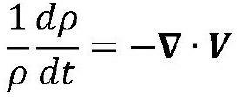
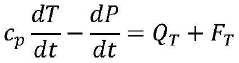
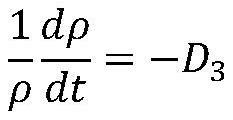
- Using quantum computing methods, by constructing quantum circuits used to solve the weather evolution process, obtain the initial values of the variables to be forecast and run the quantum circuits to obtain predicted values, using the characteristics of quantum computing to accelerate calculations.

A meteorological data prediction method, device, storage medium and electronic device
PatentActiveCN116011682B
Innovation
- The quantum classical hybrid transformer model is used, combined with the quantum attention network and the feedforward neural network, to encode the meteorological feature map into the quantum state for evolution. Through quantum attention calculation, the computational complexity is reduced, the meteorological data processing speed is accelerated, and short-term processing is achieved. Weather forecast.


Environmental Impact of Quantum-Powered Forecasting
The integration of quantum computing techniques in meteorological data modeling has the potential to revolutionize weather forecasting and climate prediction, leading to significant environmental impacts. As quantum-powered forecasting becomes more accurate and reliable, it enables better preparation and mitigation strategies for extreme weather events, potentially reducing their destructive impact on ecosystems and human settlements.
One of the primary environmental benefits of quantum-enhanced weather modeling is the improved ability to predict and manage natural disasters. More precise forecasts of hurricanes, floods, and droughts allow for earlier and more effective evacuation procedures, reducing loss of life and minimizing damage to natural habitats. This enhanced predictive capability also enables better resource allocation for disaster response, potentially lessening the environmental footprint of relief efforts.
In the realm of climate change research, quantum computing techniques offer unprecedented computational power to process vast amounts of climate data. This capability allows for more sophisticated climate models that can better account for complex interactions between various environmental factors. As a result, scientists can generate more accurate long-term climate projections, enabling policymakers to make informed decisions about environmental protection and sustainable development strategies.
Quantum-powered forecasting also has implications for agriculture and food security. More accurate seasonal forecasts can help farmers optimize planting and harvesting schedules, potentially reducing water usage and minimizing crop losses due to adverse weather conditions. This improved agricultural efficiency could lead to decreased deforestation pressure and more sustainable land use practices.
In the energy sector, quantum-enhanced weather predictions can significantly impact renewable energy production and distribution. More accurate forecasts of wind patterns and solar radiation levels allow for better management of wind and solar power generation, potentially increasing the share of renewable energy in the global energy mix and reducing reliance on fossil fuels.
Furthermore, quantum computing techniques in meteorological modeling can contribute to more effective air quality management. By improving the accuracy of atmospheric dispersion models, authorities can better predict and mitigate air pollution events, potentially reducing their impact on public health and ecosystems.
However, it is important to consider the potential negative environmental impacts of quantum computing infrastructure itself. The development and operation of quantum computers require significant energy resources and rare materials. As quantum-powered forecasting becomes more widespread, careful consideration must be given to the environmental footprint of these systems to ensure that the benefits outweigh the costs in terms of overall environmental impact.
One of the primary environmental benefits of quantum-enhanced weather modeling is the improved ability to predict and manage natural disasters. More precise forecasts of hurricanes, floods, and droughts allow for earlier and more effective evacuation procedures, reducing loss of life and minimizing damage to natural habitats. This enhanced predictive capability also enables better resource allocation for disaster response, potentially lessening the environmental footprint of relief efforts.
In the realm of climate change research, quantum computing techniques offer unprecedented computational power to process vast amounts of climate data. This capability allows for more sophisticated climate models that can better account for complex interactions between various environmental factors. As a result, scientists can generate more accurate long-term climate projections, enabling policymakers to make informed decisions about environmental protection and sustainable development strategies.
Quantum-powered forecasting also has implications for agriculture and food security. More accurate seasonal forecasts can help farmers optimize planting and harvesting schedules, potentially reducing water usage and minimizing crop losses due to adverse weather conditions. This improved agricultural efficiency could lead to decreased deforestation pressure and more sustainable land use practices.
In the energy sector, quantum-enhanced weather predictions can significantly impact renewable energy production and distribution. More accurate forecasts of wind patterns and solar radiation levels allow for better management of wind and solar power generation, potentially increasing the share of renewable energy in the global energy mix and reducing reliance on fossil fuels.
Furthermore, quantum computing techniques in meteorological modeling can contribute to more effective air quality management. By improving the accuracy of atmospheric dispersion models, authorities can better predict and mitigate air pollution events, potentially reducing their impact on public health and ecosystems.
However, it is important to consider the potential negative environmental impacts of quantum computing infrastructure itself. The development and operation of quantum computers require significant energy resources and rare materials. As quantum-powered forecasting becomes more widespread, careful consideration must be given to the environmental footprint of these systems to ensure that the benefits outweigh the costs in terms of overall environmental impact.
Quantum-Classical Integration Strategies
The integration of quantum computing techniques with classical meteorological data modeling presents a promising frontier in weather forecasting and climate prediction. This hybrid approach leverages the strengths of both quantum and classical systems to enhance computational capabilities and improve the accuracy of weather models.
One key strategy in quantum-classical integration involves using quantum algorithms for specific computationally intensive tasks within the broader classical modeling framework. For instance, quantum annealing can be employed to optimize complex parameter sets in weather models, potentially reducing the time required for model calibration and improving overall forecast accuracy.
Another approach focuses on quantum-inspired algorithms that can be run on classical hardware. These algorithms mimic certain quantum behaviors and can offer performance improvements for specific meteorological calculations without the need for actual quantum hardware. This strategy allows for immediate benefits while full-scale quantum computers are still in development.
Quantum machine learning techniques also show promise in meteorological applications. Quantum support vector machines and quantum neural networks could be used to process and analyze vast amounts of weather data more efficiently than their classical counterparts, potentially uncovering subtle patterns and correlations that traditional methods might miss.
The development of quantum-classical hybrid systems is another crucial integration strategy. These systems combine quantum processors with classical supercomputers, allowing for seamless data exchange and processing. In meteorological modeling, this could enable real-time quantum-enhanced simulations that dynamically adapt to incoming observational data.
Quantum error correction and mitigation techniques play a vital role in ensuring the reliability of quantum computations in meteorological applications. As quantum systems are inherently noisy, implementing robust error correction protocols is essential for maintaining the integrity of weather predictions based on quantum-enhanced models.
Lastly, the creation of quantum-classical software frameworks specifically designed for meteorological applications is an important integration strategy. These frameworks would provide tools and interfaces that allow meteorologists and climate scientists to leverage quantum resources without requiring in-depth knowledge of quantum computing principles, thus accelerating the adoption of quantum techniques in the field.
One key strategy in quantum-classical integration involves using quantum algorithms for specific computationally intensive tasks within the broader classical modeling framework. For instance, quantum annealing can be employed to optimize complex parameter sets in weather models, potentially reducing the time required for model calibration and improving overall forecast accuracy.
Another approach focuses on quantum-inspired algorithms that can be run on classical hardware. These algorithms mimic certain quantum behaviors and can offer performance improvements for specific meteorological calculations without the need for actual quantum hardware. This strategy allows for immediate benefits while full-scale quantum computers are still in development.
Quantum machine learning techniques also show promise in meteorological applications. Quantum support vector machines and quantum neural networks could be used to process and analyze vast amounts of weather data more efficiently than their classical counterparts, potentially uncovering subtle patterns and correlations that traditional methods might miss.
The development of quantum-classical hybrid systems is another crucial integration strategy. These systems combine quantum processors with classical supercomputers, allowing for seamless data exchange and processing. In meteorological modeling, this could enable real-time quantum-enhanced simulations that dynamically adapt to incoming observational data.
Quantum error correction and mitigation techniques play a vital role in ensuring the reliability of quantum computations in meteorological applications. As quantum systems are inherently noisy, implementing robust error correction protocols is essential for maintaining the integrity of weather predictions based on quantum-enhanced models.
Lastly, the creation of quantum-classical software frameworks specifically designed for meteorological applications is an important integration strategy. These frameworks would provide tools and interfaces that allow meteorologists and climate scientists to leverage quantum resources without requiring in-depth knowledge of quantum computing principles, thus accelerating the adoption of quantum techniques in the field.
Unlock deeper insights with PatSnap Eureka Quick Research — get a full tech report to explore trends and direct your research. Try now!
Generate Your Research Report Instantly with AI Agent
Supercharge your innovation with PatSnap Eureka AI Agent Platform!