

Relevant Regulations for Self-Powered Sensor Integration
OCT 21, 20259 MIN READ
Generate Your Research Report Instantly with AI Agent
PatSnap Eureka helps you evaluate technical feasibility & market potential.
Self-Powered Sensor Regulatory Landscape and Objectives
Self-powered sensors represent a transformative technology in the Internet of Things (IoT) landscape, harvesting energy from their environment to operate without external power sources. The regulatory framework governing these devices has evolved significantly over the past decade, reflecting both technological advancements and growing concerns about safety, privacy, and environmental impact. Understanding this regulatory landscape is crucial for successful integration of self-powered sensors across various industries.
The development of self-powered sensor technology traces back to early energy harvesting research in the 1990s, but has gained substantial momentum since 2010 with the proliferation of IoT applications. Regulatory attention has correspondingly increased, with frameworks emerging across different jurisdictions to address the unique characteristics of these autonomous sensing devices.
Current regulatory trends focus on four key areas: electromagnetic compatibility (EMC), data privacy and security, environmental sustainability, and industry-specific certifications. EMC regulations such as FCC Part 15 in the US and the EU's EMC Directive 2014/30/EU establish parameters for wireless self-powered sensors to operate without causing harmful interference to other electronic systems. These regulations have been progressively updated to accommodate the low-power, intermittent transmission patterns typical of energy-harvesting devices.
Data privacy frameworks, including GDPR in Europe and CCPA in California, have significant implications for self-powered sensors that collect potentially sensitive information. The autonomous nature of these devices presents unique challenges regarding consent mechanisms and data minimization principles that regulations continue to address through evolving interpretations and guidelines.
Environmental regulations, particularly RoHS and WEEE directives, impact the material composition and end-of-life management of self-powered sensors. Recent amendments have introduced specific provisions for small electronic devices with integrated power sources, directly affecting design considerations for self-powered sensing systems.
The primary objective of this research is to provide a comprehensive analysis of the current regulatory landscape affecting self-powered sensor integration across major global markets. This includes identifying regulatory gaps, anticipating future regulatory developments, and establishing a framework for compliance that balances innovation with regulatory requirements.
Secondary objectives include mapping jurisdiction-specific requirements for key application domains including industrial monitoring, healthcare, smart buildings, and transportation infrastructure. The research also aims to develop strategic approaches for navigating the certification processes required for commercial deployment of self-powered sensor networks in regulated environments.
The development of self-powered sensor technology traces back to early energy harvesting research in the 1990s, but has gained substantial momentum since 2010 with the proliferation of IoT applications. Regulatory attention has correspondingly increased, with frameworks emerging across different jurisdictions to address the unique characteristics of these autonomous sensing devices.
Current regulatory trends focus on four key areas: electromagnetic compatibility (EMC), data privacy and security, environmental sustainability, and industry-specific certifications. EMC regulations such as FCC Part 15 in the US and the EU's EMC Directive 2014/30/EU establish parameters for wireless self-powered sensors to operate without causing harmful interference to other electronic systems. These regulations have been progressively updated to accommodate the low-power, intermittent transmission patterns typical of energy-harvesting devices.
Data privacy frameworks, including GDPR in Europe and CCPA in California, have significant implications for self-powered sensors that collect potentially sensitive information. The autonomous nature of these devices presents unique challenges regarding consent mechanisms and data minimization principles that regulations continue to address through evolving interpretations and guidelines.
Environmental regulations, particularly RoHS and WEEE directives, impact the material composition and end-of-life management of self-powered sensors. Recent amendments have introduced specific provisions for small electronic devices with integrated power sources, directly affecting design considerations for self-powered sensing systems.
The primary objective of this research is to provide a comprehensive analysis of the current regulatory landscape affecting self-powered sensor integration across major global markets. This includes identifying regulatory gaps, anticipating future regulatory developments, and establishing a framework for compliance that balances innovation with regulatory requirements.
Secondary objectives include mapping jurisdiction-specific requirements for key application domains including industrial monitoring, healthcare, smart buildings, and transportation infrastructure. The research also aims to develop strategic approaches for navigating the certification processes required for commercial deployment of self-powered sensor networks in regulated environments.
Market Demand Analysis for Self-Powered Sensing Solutions
The global market for self-powered sensing solutions is experiencing robust growth, driven by increasing demand for autonomous and maintenance-free monitoring systems across various industries. Current market valuations indicate that the self-powered sensor market reached approximately 2.1 billion USD in 2022 and is projected to grow at a compound annual growth rate of 13.2% through 2030, reflecting the expanding applications and technological advancements in this field.
Industrial IoT represents the largest market segment for self-powered sensors, accounting for nearly 40% of current deployments. Manufacturing facilities are increasingly adopting these solutions to monitor equipment performance, predict maintenance needs, and optimize operational efficiency without the constraints of wired power or battery replacement schedules. The ability to place sensors in previously inaccessible locations has opened new possibilities for comprehensive asset monitoring.
Smart infrastructure and building automation constitute another significant market segment, where self-powered sensors enable energy management, occupancy detection, and environmental monitoring without complex wiring installations. The construction industry's shift toward smart building technologies has accelerated demand, with energy harvesting sensors becoming standard components in new commercial construction projects.
Healthcare applications represent the fastest-growing segment, with a projected growth rate of 17.5% annually. Medical device manufacturers are integrating self-powered sensors into wearable health monitors, implantable devices, and remote patient monitoring systems. The elimination of battery replacement requirements addresses critical safety and reliability concerns in medical applications.
Consumer electronics manufacturers are also driving market demand, incorporating energy harvesting technologies into smartphones, wearables, and smart home devices. This trend is supported by consumer preference for longer device lifespans and reduced environmental impact through decreased battery waste.
Geographically, North America currently leads the market with approximately 35% share, followed closely by Europe at 30% and Asia-Pacific at 25%. However, the Asia-Pacific region is expected to demonstrate the highest growth rate over the next five years due to rapid industrial automation adoption and government initiatives supporting IoT infrastructure development.
Regulatory considerations are increasingly influencing market dynamics, with end-users showing preference for solutions that comply with emerging standards for energy harvesting devices. This has created market opportunities for companies that can navigate the complex regulatory landscape while delivering reliable self-powered sensing solutions.
The market analysis reveals significant unmet needs in standardization, interoperability, and performance reliability under variable environmental conditions. These challenges represent opportunities for innovation and differentiation in an increasingly competitive landscape.
Industrial IoT represents the largest market segment for self-powered sensors, accounting for nearly 40% of current deployments. Manufacturing facilities are increasingly adopting these solutions to monitor equipment performance, predict maintenance needs, and optimize operational efficiency without the constraints of wired power or battery replacement schedules. The ability to place sensors in previously inaccessible locations has opened new possibilities for comprehensive asset monitoring.
Smart infrastructure and building automation constitute another significant market segment, where self-powered sensors enable energy management, occupancy detection, and environmental monitoring without complex wiring installations. The construction industry's shift toward smart building technologies has accelerated demand, with energy harvesting sensors becoming standard components in new commercial construction projects.
Healthcare applications represent the fastest-growing segment, with a projected growth rate of 17.5% annually. Medical device manufacturers are integrating self-powered sensors into wearable health monitors, implantable devices, and remote patient monitoring systems. The elimination of battery replacement requirements addresses critical safety and reliability concerns in medical applications.
Consumer electronics manufacturers are also driving market demand, incorporating energy harvesting technologies into smartphones, wearables, and smart home devices. This trend is supported by consumer preference for longer device lifespans and reduced environmental impact through decreased battery waste.
Geographically, North America currently leads the market with approximately 35% share, followed closely by Europe at 30% and Asia-Pacific at 25%. However, the Asia-Pacific region is expected to demonstrate the highest growth rate over the next five years due to rapid industrial automation adoption and government initiatives supporting IoT infrastructure development.
Regulatory considerations are increasingly influencing market dynamics, with end-users showing preference for solutions that comply with emerging standards for energy harvesting devices. This has created market opportunities for companies that can navigate the complex regulatory landscape while delivering reliable self-powered sensing solutions.
The market analysis reveals significant unmet needs in standardization, interoperability, and performance reliability under variable environmental conditions. These challenges represent opportunities for innovation and differentiation in an increasingly competitive landscape.
Current Regulatory Frameworks and Technical Challenges
The integration of self-powered sensors into commercial and industrial applications faces a complex regulatory landscape that varies significantly across regions and industries. Currently, the European Union's regulatory framework is among the most comprehensive, with the Radio Equipment Directive (RED) 2014/53/EU governing wireless sensor devices and the Electromagnetic Compatibility (EMC) Directive 2014/30/EU addressing potential interference issues. These regulations establish essential requirements for safety, electromagnetic compatibility, and efficient use of radio spectrum.
In the United States, self-powered sensors primarily fall under the Federal Communications Commission (FCC) regulations for wireless devices, particularly Part 15 for unlicensed radio frequency devices. Additionally, industry-specific regulations from agencies such as the FDA for medical applications or the FAA for aerospace implementations create a multi-layered compliance challenge for manufacturers.
A significant technical challenge in regulatory compliance stems from the energy harvesting mechanisms employed in self-powered sensors. Piezoelectric, thermoelectric, and photovoltaic energy harvesters must individually meet material safety standards while collectively satisfying electromagnetic emission limits. The intermittent power generation characteristic of these technologies creates unique testing challenges that conventional regulatory frameworks are not fully equipped to address.
Data security and privacy regulations present another critical hurdle, particularly for sensors deployed in sensitive environments. The EU's General Data Protection Regulation (GDPR) and similar frameworks worldwide impose strict requirements on data collection, processing, and transmission—functions that self-powered sensors must perform with extremely limited energy budgets.
Miniaturization trends in self-powered sensor design further complicate regulatory compliance. As devices shrink to microscale dimensions, traditional testing methodologies become inadequate, and new standards for evaluating ultra-small devices are still evolving. This regulatory gap creates uncertainty for manufacturers pursuing aggressive miniaturization strategies.
Interoperability standards represent another challenge area, with competing protocols like IEEE 802.15.4, Bluetooth Low Energy, and proprietary solutions each having different regulatory implications. The lack of harmonized global standards for low-power communication specifically optimized for energy-harvesting devices creates market fragmentation and compliance complexity.
Environmental regulations, including the EU's Restriction of Hazardous Substances (RoHS) Directive and various end-of-life product management requirements, impose additional constraints on material selection and product design. These considerations are particularly challenging for energy harvesting components that may require specialized materials with limited environmentally friendly alternatives.
In the United States, self-powered sensors primarily fall under the Federal Communications Commission (FCC) regulations for wireless devices, particularly Part 15 for unlicensed radio frequency devices. Additionally, industry-specific regulations from agencies such as the FDA for medical applications or the FAA for aerospace implementations create a multi-layered compliance challenge for manufacturers.
A significant technical challenge in regulatory compliance stems from the energy harvesting mechanisms employed in self-powered sensors. Piezoelectric, thermoelectric, and photovoltaic energy harvesters must individually meet material safety standards while collectively satisfying electromagnetic emission limits. The intermittent power generation characteristic of these technologies creates unique testing challenges that conventional regulatory frameworks are not fully equipped to address.
Data security and privacy regulations present another critical hurdle, particularly for sensors deployed in sensitive environments. The EU's General Data Protection Regulation (GDPR) and similar frameworks worldwide impose strict requirements on data collection, processing, and transmission—functions that self-powered sensors must perform with extremely limited energy budgets.
Miniaturization trends in self-powered sensor design further complicate regulatory compliance. As devices shrink to microscale dimensions, traditional testing methodologies become inadequate, and new standards for evaluating ultra-small devices are still evolving. This regulatory gap creates uncertainty for manufacturers pursuing aggressive miniaturization strategies.
Interoperability standards represent another challenge area, with competing protocols like IEEE 802.15.4, Bluetooth Low Energy, and proprietary solutions each having different regulatory implications. The lack of harmonized global standards for low-power communication specifically optimized for energy-harvesting devices creates market fragmentation and compliance complexity.
Environmental regulations, including the EU's Restriction of Hazardous Substances (RoHS) Directive and various end-of-life product management requirements, impose additional constraints on material selection and product design. These considerations are particularly challenging for energy harvesting components that may require specialized materials with limited environmentally friendly alternatives.
Current Compliance Approaches and Standards
01 Energy harvesting mechanisms for self-powered sensors
Various energy harvesting mechanisms can be employed to power sensors without external power sources. These include piezoelectric generators that convert mechanical vibrations into electrical energy, thermoelectric generators that utilize temperature differences, and electromagnetic induction systems. These technologies enable sensors to operate autonomously in remote or inaccessible locations by generating power from ambient environmental conditions.- Energy harvesting mechanisms for self-powered sensors: Various energy harvesting mechanisms can be employed to power sensors autonomously. These include piezoelectric generators that convert mechanical vibrations into electrical energy, solar cells that harness light energy, and thermoelectric generators that utilize temperature differentials. These energy harvesting technologies enable sensors to operate without external power sources, making them suitable for remote or inaccessible locations where battery replacement is challenging.
- Wireless self-powered sensor networks: Self-powered sensors can be integrated into wireless sensor networks for various applications. These networks utilize energy-efficient communication protocols to transmit data while minimizing power consumption. The sensors harvest ambient energy to power both the sensing elements and wireless communication modules, enabling long-term deployment without maintenance. Such networks can be used for environmental monitoring, structural health monitoring, and industrial automation.
- Triboelectric nanogenerators for self-powered sensing: Triboelectric nanogenerators (TENGs) represent an emerging technology for self-powered sensors. These devices generate electricity through contact electrification and electrostatic induction when two different materials come into contact and separate. TENGs can be designed in various configurations to harvest energy from different mechanical inputs such as human motion, vibration, or fluid flow, making them versatile power sources for autonomous sensing systems.
- Integration of energy storage with self-powered sensors: Self-powered sensor systems often incorporate energy storage components to ensure continuous operation during periods when energy harvesting is insufficient. These storage elements include supercapacitors and thin-film batteries that can be charged by the harvested energy and provide power when needed. Advanced power management circuits optimize the energy flow between harvesting, storage, and consumption, maximizing the operational lifetime of the sensor system.
- Application-specific self-powered sensor designs: Self-powered sensors are designed for specific applications with unique requirements. These include wearable health monitoring devices that harvest energy from body movements, environmental sensors powered by ambient light or temperature gradients, and industrial sensors that utilize machinery vibrations as an energy source. The sensor design, energy harvesting mechanism, and power management strategy are optimized based on the specific application environment and sensing requirements.
02 Wireless self-powered sensor networks
Self-powered sensors can be integrated into wireless sensor networks for distributed monitoring applications. These networks utilize energy-efficient communication protocols and power management strategies to extend operational lifetimes. The sensors can harvest energy locally while transmitting data wirelessly, enabling applications in environmental monitoring, structural health monitoring, and industrial automation without the need for battery replacement or wired power connections.Expand Specific Solutions03 Triboelectric and piezoelectric sensing technologies
Triboelectric and piezoelectric materials can serve dual functions in self-powered sensors, both generating power and acting as the sensing element. These materials produce electrical signals in response to mechanical stimuli, enabling the development of pressure sensors, motion detectors, and vibration monitors that operate without external power. The integration of energy harvesting and sensing functions in a single material improves efficiency and reduces device complexity.Expand Specific Solutions04 Solar and light-powered sensing systems
Photovoltaic cells can be integrated with sensors to create light-powered sensing systems. These systems convert ambient light into electrical energy to power sensor operations and data transmission. Indoor and outdoor light sources can be utilized depending on the application environment. The integration of energy-efficient components and power management circuits enables continuous operation even under low-light conditions or with intermittent light exposure.Expand Specific Solutions05 Thermal and RF energy harvesting for sensors
Thermal gradients and radio frequency (RF) energy can be harvested to power sensor systems. Thermoelectric generators convert temperature differences between the sensor and its environment into usable electrical power. Similarly, RF energy harvesting circuits can capture ambient electromagnetic waves from sources like Wi-Fi, cellular networks, or dedicated transmitters. These approaches are particularly valuable in industrial environments with waste heat or areas with abundant RF signals.Expand Specific Solutions
Key Regulatory Bodies and Industry Stakeholders
The self-powered sensor integration regulatory landscape is currently in an early growth phase, with the market expected to reach significant expansion as IoT and autonomous systems proliferate. Major industrial players like Robert Bosch GmbH, Infineon Technologies AG, and IBM are driving technological advancement, while specialized companies such as Gentle Energy Corp. focus on energy harvesting innovations. The regulatory framework remains fragmented across regions, with standards still evolving. Academic institutions including University of Barcelona and University of Florida collaborate with industry leaders to address technical challenges in power management, safety certification, and cross-border compliance. The technology is approaching commercial maturity in industrial applications but faces ongoing regulatory hurdles in medical and consumer sectors.
Robert Bosch GmbH
Technical Solution: Bosch has developed comprehensive self-powered sensor solutions that comply with international standards like IEC 61508 for functional safety and ISO/IEC 27001 for information security. Their approach integrates energy harvesting technologies (piezoelectric, thermoelectric, and electromagnetic) with low-power microcontrollers to create autonomous sensing nodes for industrial IoT applications. Bosch's regulatory framework addresses electromagnetic compatibility (EMC) requirements per IEC 61000 series, ensuring sensors don't interfere with other equipment. Their solutions incorporate built-in security features compliant with IEC 62443 for industrial automation and control systems, with particular attention to data integrity and authentication protocols. Bosch also maintains compliance with region-specific regulations like EU's REACH and RoHS directives for hazardous substances.
Strengths: Extensive experience in industrial sensor applications with established compliance frameworks across multiple jurisdictions. Comprehensive approach to safety, security, and environmental regulations. Weaknesses: Regulatory compliance increases production costs and may limit deployment flexibility in emerging markets with evolving regulatory landscapes.
Infineon Technologies AG
Technical Solution: Infineon has pioneered self-powered sensor integration solutions that adhere to strict regulatory frameworks across multiple industries. Their approach centers on ultra-low-power semiconductor designs that can operate from harvested energy while meeting IEC 60601-1 medical safety standards and ISO 26262 for automotive functional safety. Infineon's XENSIV™ sensor family incorporates energy harvesting circuits that comply with electromagnetic compatibility regulations (EN 55032/CISPR 32) and includes built-in security features aligned with IEC 62443 cybersecurity standards. For industrial applications, their sensors meet ATEX directive requirements for potentially explosive atmospheres. Infineon has developed specialized compliance documentation packages that address both hardware certification requirements and software validation protocols required by FDA and European MDR for medical applications, streamlining the regulatory approval process for OEMs integrating their self-powered sensor technologies.
Strengths: Industry-leading expertise in semiconductor design for energy-efficient operation, strong regulatory knowledge across multiple sectors (automotive, industrial, medical), and established relationships with certification bodies. Weaknesses: Higher component costs compared to non-self-powered alternatives, and complex integration requirements that may necessitate specialized engineering support for implementation in regulated environments.
Critical Regulatory Documents and Technical Guidelines
Self sensing component interface system
PatentActiveUS20090204232A1
Innovation
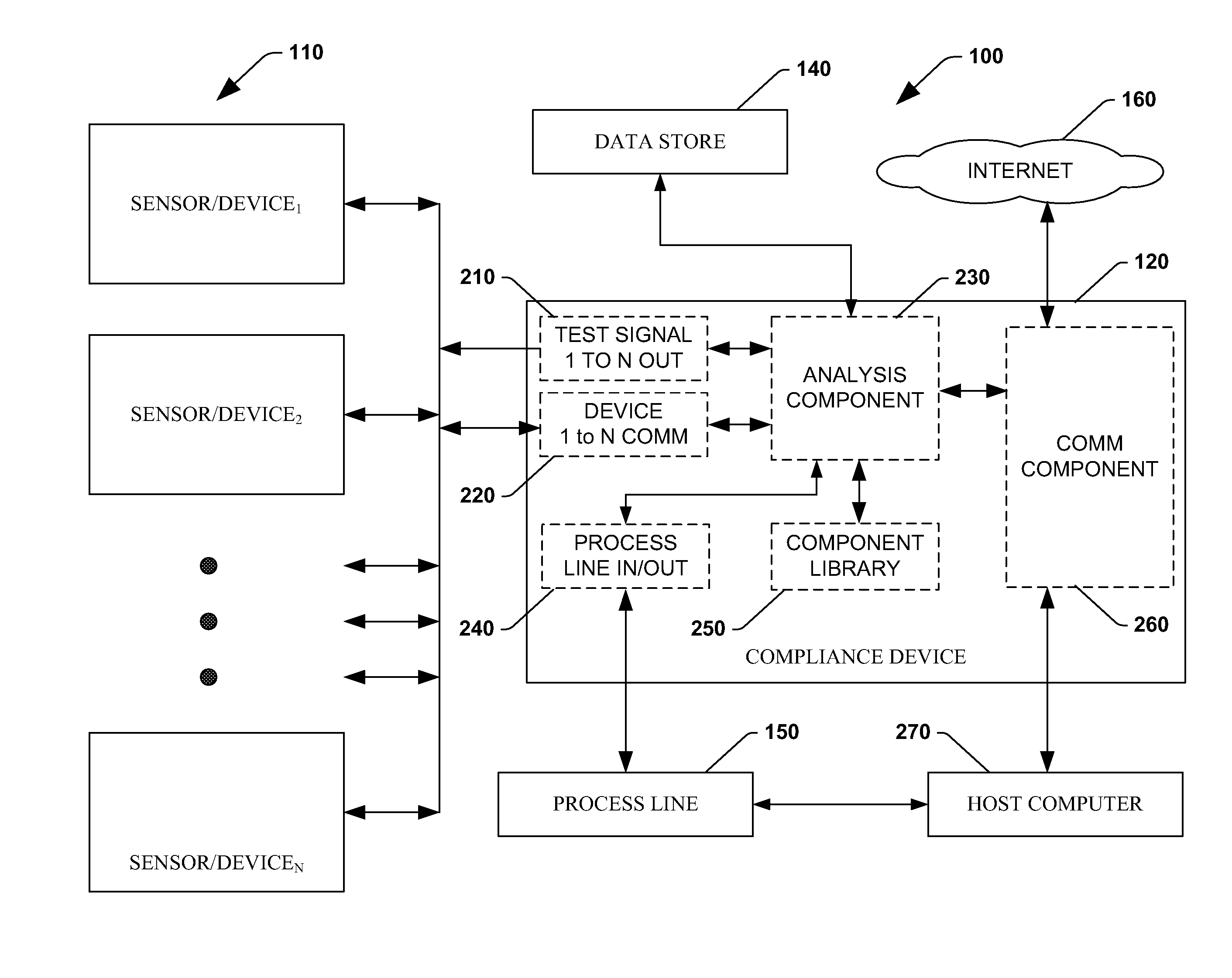
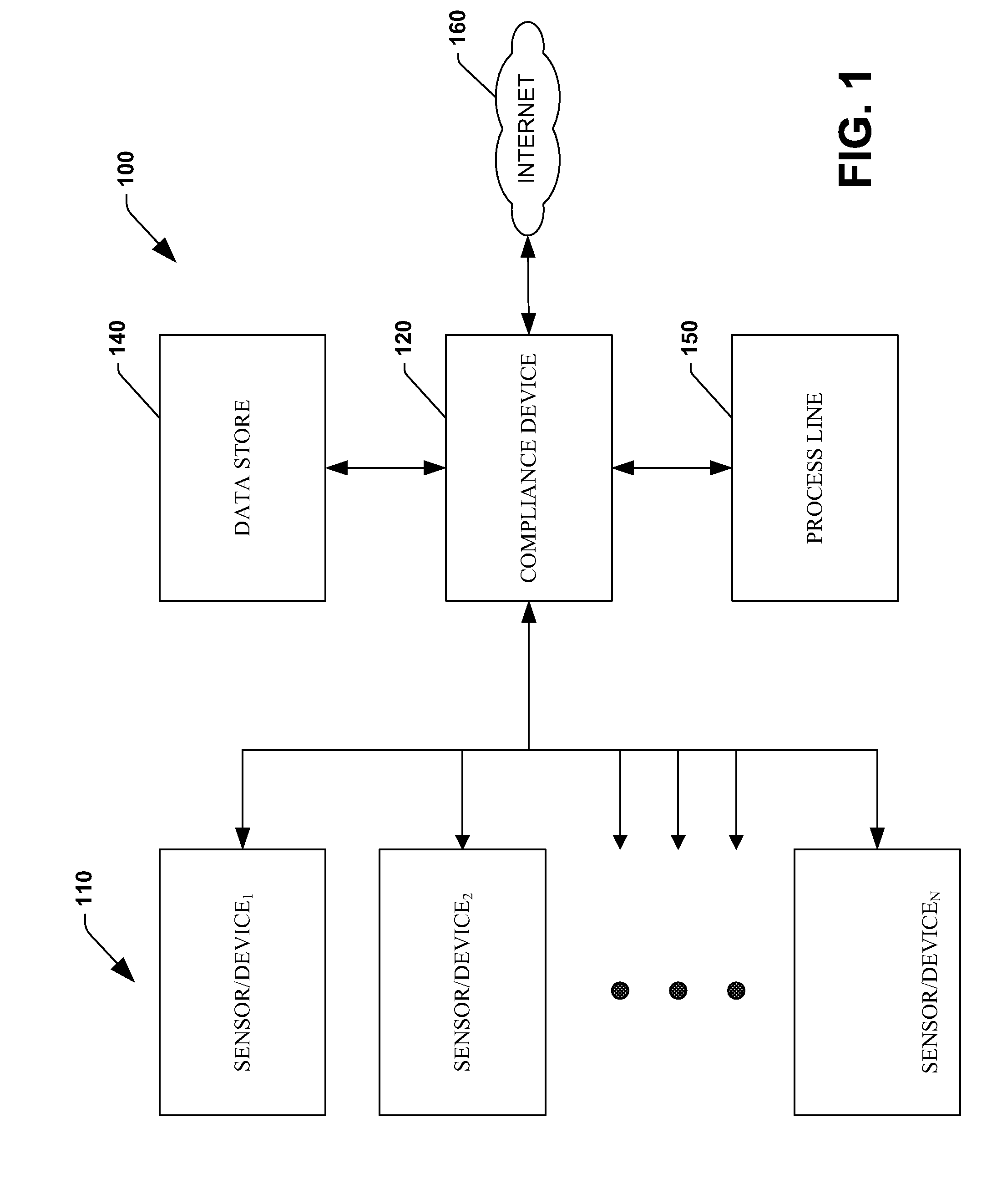
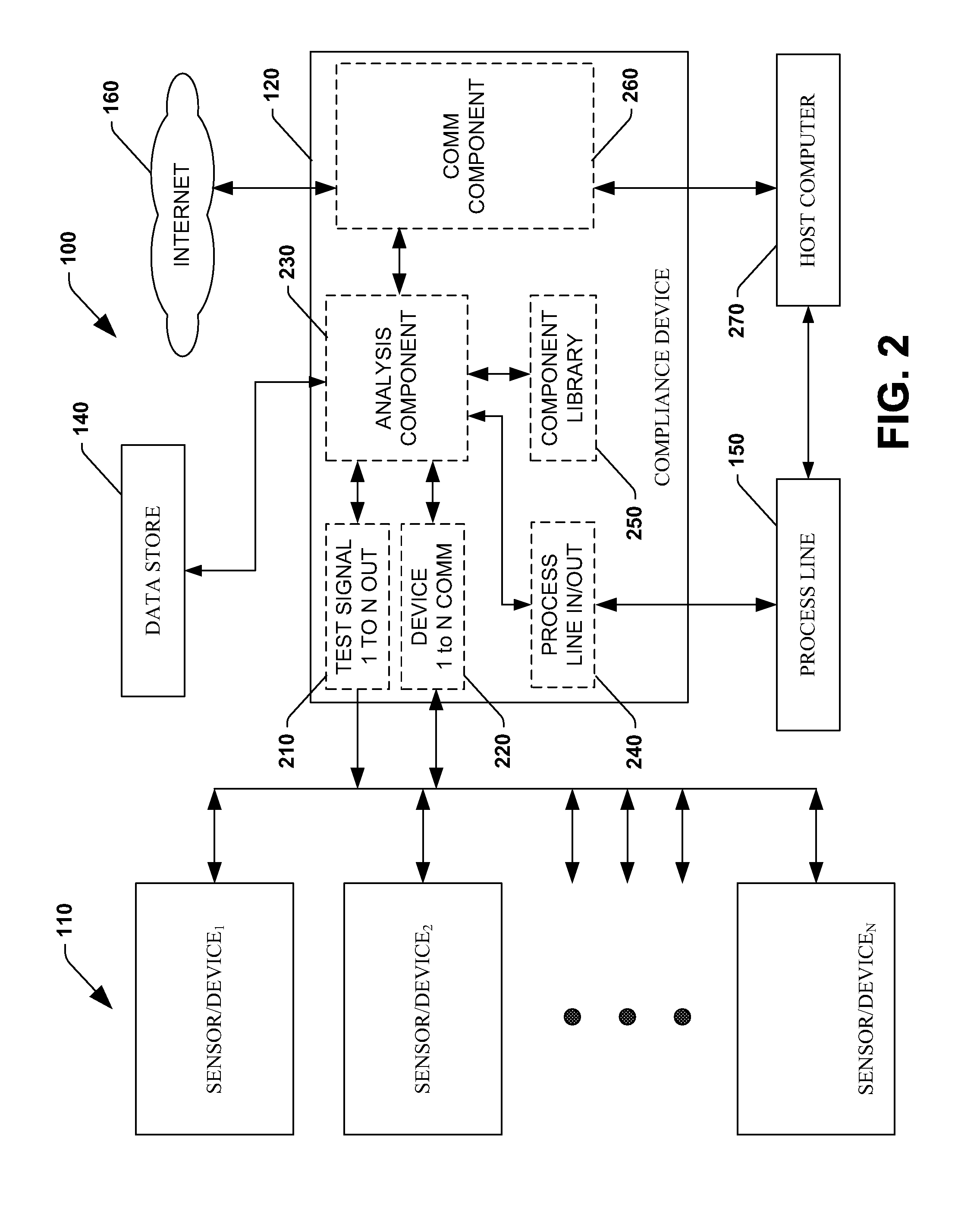
- A system that integrates compliance verification through electronic signatures, predictive analytics, and machine diagnostics to assess and ensure sensor compliance, optimize sensor performance, and dynamically adjust to meet business objectives, using Bayesian Belief Networks and prognostic algorithms to maximize uptime and efficiency.

Flexible film type self-driven multifunctional sensor and preparation method thereof
PatentActiveCN114323407A
Innovation
- Design a flexible film-type self-driven multi-functional sensor, which uses a flexible substrate, gas conduit, gas-sensitive film and interdigital electrodes to convert air flow energy into electrical energy, combined with piezoelectric materials and gas-sensitive layers, to achieve self-powered gas concentration and Air pressure detection.


Cross-Border Regulatory Harmonization Strategies
The global landscape of self-powered sensor regulations presents significant challenges for manufacturers and integrators operating across multiple jurisdictions. Harmonizing these diverse regulatory frameworks requires strategic approaches that balance compliance with innovation. Currently, major regulatory bodies including the FDA, EU MDR, and various Asian regulatory authorities maintain distinct requirements for self-powered sensing technologies, creating compliance complexities for global market entry.
A multi-tiered approach to regulatory harmonization offers the most promising path forward. At the international level, organizations such as ISO and IEC have established working groups specifically addressing energy harvesting technologies and autonomous sensing systems. Their standards development processes provide crucial platforms for creating globally recognized technical specifications that can serve as common reference points across jurisdictions.
Regional harmonization initiatives have shown particular promise, with the EU-US Trade and Technology Council recently establishing a dedicated workstream for emerging technologies including self-powered sensors. Similarly, the APEC Regulatory Harmonization Steering Committee has begun incorporating energy-autonomous systems into its strategic framework, potentially simplifying market access across Pacific Rim economies.
Industry consortia play an increasingly vital role in cross-border regulatory alignment. The International Self-Powered Systems Consortium, comprising over 200 companies across 27 countries, has successfully developed technical reference architectures that have been adopted by multiple regulatory bodies. Their certification framework for energy harvesting efficiency has gained recognition in 18 countries, demonstrating the potential for industry-led harmonization efforts.
Mutual recognition agreements (MRAs) represent another effective mechanism for reducing regulatory redundancy. The recent expansion of the Australia-Singapore MRA to include self-powered medical monitoring devices has created a precedent for other bilateral agreements. These arrangements allow conformity assessments performed in one jurisdiction to be accepted in another, significantly reducing compliance costs and market entry timelines.
Looking forward, regulatory sandboxes designed specifically for cross-border testing of self-powered sensing technologies are emerging as innovative governance tools. The Nordic-Baltic Regulatory Sandbox for Energy Autonomous Systems allows companies to test products across multiple countries under a single regulatory framework, providing valuable data for future harmonization efforts while accelerating time-to-market for compliant technologies.
A multi-tiered approach to regulatory harmonization offers the most promising path forward. At the international level, organizations such as ISO and IEC have established working groups specifically addressing energy harvesting technologies and autonomous sensing systems. Their standards development processes provide crucial platforms for creating globally recognized technical specifications that can serve as common reference points across jurisdictions.
Regional harmonization initiatives have shown particular promise, with the EU-US Trade and Technology Council recently establishing a dedicated workstream for emerging technologies including self-powered sensors. Similarly, the APEC Regulatory Harmonization Steering Committee has begun incorporating energy-autonomous systems into its strategic framework, potentially simplifying market access across Pacific Rim economies.
Industry consortia play an increasingly vital role in cross-border regulatory alignment. The International Self-Powered Systems Consortium, comprising over 200 companies across 27 countries, has successfully developed technical reference architectures that have been adopted by multiple regulatory bodies. Their certification framework for energy harvesting efficiency has gained recognition in 18 countries, demonstrating the potential for industry-led harmonization efforts.
Mutual recognition agreements (MRAs) represent another effective mechanism for reducing regulatory redundancy. The recent expansion of the Australia-Singapore MRA to include self-powered medical monitoring devices has created a precedent for other bilateral agreements. These arrangements allow conformity assessments performed in one jurisdiction to be accepted in another, significantly reducing compliance costs and market entry timelines.
Looking forward, regulatory sandboxes designed specifically for cross-border testing of self-powered sensing technologies are emerging as innovative governance tools. The Nordic-Baltic Regulatory Sandbox for Energy Autonomous Systems allows companies to test products across multiple countries under a single regulatory framework, providing valuable data for future harmonization efforts while accelerating time-to-market for compliant technologies.
Environmental Impact and Sustainability Compliance
The integration of self-powered sensors into various applications presents significant environmental implications that must be addressed through comprehensive sustainability compliance frameworks. These sensors, while offering energy autonomy and reduced dependence on traditional power sources, introduce unique environmental considerations throughout their lifecycle. Current regulations increasingly emphasize the importance of sustainable design principles, requiring manufacturers to minimize environmental footprints from production to disposal.
Material selection for self-powered sensors faces stringent regulatory oversight, particularly regarding hazardous substances. The Restriction of Hazardous Substances (RoHS) directive and Registration, Evaluation, Authorization and Restriction of Chemicals (REACH) regulations impose limitations on materials containing lead, mercury, cadmium, and other harmful elements. Compliance with these regulations necessitates careful material sourcing and potential redesign of sensor components to utilize environmentally benign alternatives.
Energy harvesting mechanisms employed in self-powered sensors must align with renewable energy standards and efficiency requirements. Solar-powered sensors must adhere to photovoltaic waste management regulations, while piezoelectric and thermoelectric solutions face scrutiny regarding their material composition and manufacturing processes. The European Union's Ecodesign Directive specifically addresses energy efficiency standards that impact the design and deployment of these technologies.
End-of-life considerations represent a critical regulatory domain for self-powered sensor integration. The Waste Electrical and Electronic Equipment (WEEE) directive mandates proper collection, recycling, and recovery of electronic waste. Manufacturers must design sensors with disassembly and recyclability in mind, implementing take-back programs and ensuring proper disposal channels for components that cannot be recycled.
Carbon footprint reduction has emerged as a key regulatory focus, with several jurisdictions implementing carbon pricing mechanisms and emissions reporting requirements. Self-powered sensor manufacturers must document and minimize greenhouse gas emissions throughout their supply chains, from raw material extraction to manufacturing and distribution. Life Cycle Assessment (LCA) methodologies are increasingly becoming mandatory for demonstrating environmental compliance.
Biodiversity protection regulations impact sensor deployment in sensitive ecosystems, requiring environmental impact assessments before installation. Sensors designed for environmental monitoring paradoxically must themselves comply with regulations preventing habitat disruption. This includes considerations for electromagnetic emissions, physical footprint, and potential wildlife interactions.
Water conservation and protection regulations affect manufacturing processes for self-powered sensors, particularly those utilizing rare earth elements or specialized materials requiring water-intensive extraction or processing. Clean Water Act provisions and similar international frameworks impose strict limitations on wastewater discharge and water usage in production facilities.
Material selection for self-powered sensors faces stringent regulatory oversight, particularly regarding hazardous substances. The Restriction of Hazardous Substances (RoHS) directive and Registration, Evaluation, Authorization and Restriction of Chemicals (REACH) regulations impose limitations on materials containing lead, mercury, cadmium, and other harmful elements. Compliance with these regulations necessitates careful material sourcing and potential redesign of sensor components to utilize environmentally benign alternatives.
Energy harvesting mechanisms employed in self-powered sensors must align with renewable energy standards and efficiency requirements. Solar-powered sensors must adhere to photovoltaic waste management regulations, while piezoelectric and thermoelectric solutions face scrutiny regarding their material composition and manufacturing processes. The European Union's Ecodesign Directive specifically addresses energy efficiency standards that impact the design and deployment of these technologies.
End-of-life considerations represent a critical regulatory domain for self-powered sensor integration. The Waste Electrical and Electronic Equipment (WEEE) directive mandates proper collection, recycling, and recovery of electronic waste. Manufacturers must design sensors with disassembly and recyclability in mind, implementing take-back programs and ensuring proper disposal channels for components that cannot be recycled.
Carbon footprint reduction has emerged as a key regulatory focus, with several jurisdictions implementing carbon pricing mechanisms and emissions reporting requirements. Self-powered sensor manufacturers must document and minimize greenhouse gas emissions throughout their supply chains, from raw material extraction to manufacturing and distribution. Life Cycle Assessment (LCA) methodologies are increasingly becoming mandatory for demonstrating environmental compliance.
Biodiversity protection regulations impact sensor deployment in sensitive ecosystems, requiring environmental impact assessments before installation. Sensors designed for environmental monitoring paradoxically must themselves comply with regulations preventing habitat disruption. This includes considerations for electromagnetic emissions, physical footprint, and potential wildlife interactions.
Water conservation and protection regulations affect manufacturing processes for self-powered sensors, particularly those utilizing rare earth elements or specialized materials requiring water-intensive extraction or processing. Clean Water Act provisions and similar international frameworks impose strict limitations on wastewater discharge and water usage in production facilities.
Unlock deeper insights with PatSnap Eureka Quick Research — get a full tech report to explore trends and direct your research. Try now!
Generate Your Research Report Instantly with AI Agent
Supercharge your innovation with PatSnap Eureka AI Agent Platform!