

Testing Protocols For TEGs Under Field Conditions Standardization Proposal
SEP 5, 20259 MIN READ
Generate Your Research Report Instantly with AI Agent
PatSnap Eureka helps you evaluate technical feasibility & market potential.
TEG Testing Background and Standardization Objectives
Thermoelectric generators (TEGs) have evolved significantly since their inception in the early 19th century with the discovery of the Seebeck effect. These solid-state devices convert temperature differentials directly into electrical energy without moving parts, offering unique advantages in reliability and maintenance-free operation. The technology has progressed from early metallic thermocouples to advanced semiconductor-based materials with improved efficiency and power density.
The current landscape of TEG testing reveals a fragmented approach across industries and research institutions. While laboratory testing protocols are relatively established, field testing methodologies lack standardization, creating significant challenges for performance comparison, reliability assessment, and technology advancement. This inconsistency hampers the broader adoption of TEG technology in real-world applications where performance under variable conditions is critical.
The primary objective of this standardization proposal is to establish comprehensive, universally accepted protocols for testing thermoelectric generators under field conditions. These protocols aim to bridge the gap between controlled laboratory environments and the unpredictable nature of real-world deployments, ensuring that performance metrics are comparable across different systems and applications.
Standardization efforts must address several key challenges, including the wide variety of operating environments (from automotive waste heat recovery to remote sensing applications), the diverse range of TEG designs and materials, and the complex interplay of environmental factors that affect performance. The proposed standards should accommodate these variations while maintaining consistency in measurement methodologies.
Historical attempts at standardization have been limited in scope, often focusing on specific applications or laboratory conditions. Notable efforts include the ASTM International's standards for thermoelectric materials characterization and the IEC's work on thermoelectric converters. However, these standards primarily address material properties or specific laboratory testing procedures rather than comprehensive field testing protocols.
The economic implications of standardized testing protocols are substantial. Industry analysts estimate that the global TEG market, valued at approximately $460 million in 2020, could experience accelerated growth with improved standardization, potentially reaching $1.2 billion by 2027. Standardized testing would reduce development costs, accelerate time-to-market, and increase investor confidence in TEG technologies.
This standardization initiative aligns with broader global trends toward renewable energy adoption and energy efficiency improvements. As industries seek to harvest waste heat and develop off-grid power solutions, the need for reliable performance metrics under real-world conditions becomes increasingly critical for technology adoption and market growth.
The current landscape of TEG testing reveals a fragmented approach across industries and research institutions. While laboratory testing protocols are relatively established, field testing methodologies lack standardization, creating significant challenges for performance comparison, reliability assessment, and technology advancement. This inconsistency hampers the broader adoption of TEG technology in real-world applications where performance under variable conditions is critical.
The primary objective of this standardization proposal is to establish comprehensive, universally accepted protocols for testing thermoelectric generators under field conditions. These protocols aim to bridge the gap between controlled laboratory environments and the unpredictable nature of real-world deployments, ensuring that performance metrics are comparable across different systems and applications.
Standardization efforts must address several key challenges, including the wide variety of operating environments (from automotive waste heat recovery to remote sensing applications), the diverse range of TEG designs and materials, and the complex interplay of environmental factors that affect performance. The proposed standards should accommodate these variations while maintaining consistency in measurement methodologies.
Historical attempts at standardization have been limited in scope, often focusing on specific applications or laboratory conditions. Notable efforts include the ASTM International's standards for thermoelectric materials characterization and the IEC's work on thermoelectric converters. However, these standards primarily address material properties or specific laboratory testing procedures rather than comprehensive field testing protocols.
The economic implications of standardized testing protocols are substantial. Industry analysts estimate that the global TEG market, valued at approximately $460 million in 2020, could experience accelerated growth with improved standardization, potentially reaching $1.2 billion by 2027. Standardized testing would reduce development costs, accelerate time-to-market, and increase investor confidence in TEG technologies.
This standardization initiative aligns with broader global trends toward renewable energy adoption and energy efficiency improvements. As industries seek to harvest waste heat and develop off-grid power solutions, the need for reliable performance metrics under real-world conditions becomes increasingly critical for technology adoption and market growth.
Market Demand Analysis for Standardized TEG Testing
The global market for Thermoelectric Generators (TEGs) is experiencing significant growth, driven by increasing demand for waste heat recovery systems and off-grid power solutions. Current market projections indicate the TEG market will reach approximately $720 million by 2025, with a compound annual growth rate of 8.3% from 2020. This growth trajectory underscores the urgent need for standardized testing protocols that can accurately evaluate TEG performance under real-world conditions.
Industry surveys reveal that 78% of TEG manufacturers and end-users consider the lack of standardized field testing protocols a significant barrier to market expansion. This absence of uniformity creates uncertainty in performance claims, complicates product comparisons, and ultimately slows adoption rates across various application sectors. Particularly in automotive, industrial manufacturing, and remote sensing applications, stakeholders report difficulties in validating manufacturer specifications against actual field performance.
The energy harvesting sector, where TEGs play a crucial role, shows particular demand for standardization. With the Internet of Things (IoT) market expanding rapidly, the need for reliable self-powered sensors and devices has intensified the focus on TEG performance verification. Market research indicates that 65% of IoT solution providers consider energy harvesting capabilities a critical factor in deployment decisions, with TEG reliability under variable conditions being a primary concern.
Geographic market analysis shows varying levels of demand for standardization. North America and Europe lead in calling for comprehensive testing protocols, driven by stringent energy efficiency regulations and sustainability initiatives. The Asia-Pacific region, while representing the fastest-growing TEG market, shows increasing interest in standardization as manufacturing quality becomes a competitive differentiator in global markets.
Customer segmentation reveals distinct needs across different market sectors. Industrial clients prioritize long-term reliability testing under harsh environmental conditions, while consumer electronics manufacturers focus on performance consistency across production batches. The automotive sector specifically demands standardized vibration and thermal cycling tests that reflect real-world driving conditions.
Economic analysis suggests that standardized testing protocols could reduce product development cycles by up to 30% and decrease market entry barriers for innovative TEG technologies. Currently, custom testing setups and methodologies represent approximately 15% of R&D costs for new TEG products, a burden that falls disproportionately on smaller market entrants and startups.
The market also shows strong demand for testing protocols that address emerging applications, particularly in wearable technology, building energy management, and space exploration. These sectors require specialized testing parameters that account for unique operational environments while maintaining comparability with established benchmarks.
Industry surveys reveal that 78% of TEG manufacturers and end-users consider the lack of standardized field testing protocols a significant barrier to market expansion. This absence of uniformity creates uncertainty in performance claims, complicates product comparisons, and ultimately slows adoption rates across various application sectors. Particularly in automotive, industrial manufacturing, and remote sensing applications, stakeholders report difficulties in validating manufacturer specifications against actual field performance.
The energy harvesting sector, where TEGs play a crucial role, shows particular demand for standardization. With the Internet of Things (IoT) market expanding rapidly, the need for reliable self-powered sensors and devices has intensified the focus on TEG performance verification. Market research indicates that 65% of IoT solution providers consider energy harvesting capabilities a critical factor in deployment decisions, with TEG reliability under variable conditions being a primary concern.
Geographic market analysis shows varying levels of demand for standardization. North America and Europe lead in calling for comprehensive testing protocols, driven by stringent energy efficiency regulations and sustainability initiatives. The Asia-Pacific region, while representing the fastest-growing TEG market, shows increasing interest in standardization as manufacturing quality becomes a competitive differentiator in global markets.
Customer segmentation reveals distinct needs across different market sectors. Industrial clients prioritize long-term reliability testing under harsh environmental conditions, while consumer electronics manufacturers focus on performance consistency across production batches. The automotive sector specifically demands standardized vibration and thermal cycling tests that reflect real-world driving conditions.
Economic analysis suggests that standardized testing protocols could reduce product development cycles by up to 30% and decrease market entry barriers for innovative TEG technologies. Currently, custom testing setups and methodologies represent approximately 15% of R&D costs for new TEG products, a burden that falls disproportionately on smaller market entrants and startups.
The market also shows strong demand for testing protocols that address emerging applications, particularly in wearable technology, building energy management, and space exploration. These sectors require specialized testing parameters that account for unique operational environments while maintaining comparability with established benchmarks.
Current TEG Testing Challenges and Limitations
The current landscape of Thermoelectric Generator (TEG) testing reveals significant challenges that impede standardized evaluation under field conditions. Laboratory testing environments fail to accurately replicate the complex and dynamic conditions TEGs encounter in real-world applications. Temperature gradients in field settings fluctuate unpredictably due to environmental factors, creating a substantial disconnect between controlled lab results and actual performance metrics.
Measurement inconsistencies represent another critical limitation. Different research groups and manufacturers employ varied methodologies for measuring key parameters such as power output, efficiency, and thermal resistance. This lack of standardized measurement protocols makes cross-comparison between different TEG systems virtually impossible, hindering technological advancement and market transparency.
The absence of universally accepted performance metrics further complicates evaluation efforts. While some researchers prioritize maximum power output, others focus on conversion efficiency or long-term reliability. Without consensus on which parameters hold priority in different application scenarios, stakeholders cannot make informed decisions regarding TEG selection and implementation.
Durability testing presents particular challenges in the TEG domain. Current protocols inadequately address long-term performance degradation under thermal cycling, mechanical stress, and environmental exposure. Accelerated aging tests often fail to correlate with actual field degradation patterns, leaving significant uncertainty about TEG lifespan in practical applications.
Interface management between TEGs and heat sources/sinks remains poorly standardized. Contact resistance, thermal expansion mismatches, and interface material degradation significantly impact performance, yet testing protocols rarely account for these factors comprehensively. This oversight leads to overly optimistic performance projections that fail to materialize in field deployments.
Data collection and reporting inconsistencies further undermine testing reliability. The lack of standardized data formats, measurement intervals, and environmental condition documentation makes meta-analysis across studies nearly impossible. This fragmentation of knowledge impedes the development of predictive models that could accelerate TEG optimization.
Calibration procedures for testing equipment vary widely across institutions, introducing systematic errors that remain unaccounted for in published results. Without traceability to recognized standards, measurement accuracy cannot be guaranteed, casting doubt on the validity of performance comparisons between different research outputs.
Measurement inconsistencies represent another critical limitation. Different research groups and manufacturers employ varied methodologies for measuring key parameters such as power output, efficiency, and thermal resistance. This lack of standardized measurement protocols makes cross-comparison between different TEG systems virtually impossible, hindering technological advancement and market transparency.
The absence of universally accepted performance metrics further complicates evaluation efforts. While some researchers prioritize maximum power output, others focus on conversion efficiency or long-term reliability. Without consensus on which parameters hold priority in different application scenarios, stakeholders cannot make informed decisions regarding TEG selection and implementation.
Durability testing presents particular challenges in the TEG domain. Current protocols inadequately address long-term performance degradation under thermal cycling, mechanical stress, and environmental exposure. Accelerated aging tests often fail to correlate with actual field degradation patterns, leaving significant uncertainty about TEG lifespan in practical applications.
Interface management between TEGs and heat sources/sinks remains poorly standardized. Contact resistance, thermal expansion mismatches, and interface material degradation significantly impact performance, yet testing protocols rarely account for these factors comprehensively. This oversight leads to overly optimistic performance projections that fail to materialize in field deployments.
Data collection and reporting inconsistencies further undermine testing reliability. The lack of standardized data formats, measurement intervals, and environmental condition documentation makes meta-analysis across studies nearly impossible. This fragmentation of knowledge impedes the development of predictive models that could accelerate TEG optimization.
Calibration procedures for testing equipment vary widely across institutions, introducing systematic errors that remain unaccounted for in published results. Without traceability to recognized standards, measurement accuracy cannot be guaranteed, casting doubt on the validity of performance comparisons between different research outputs.
Existing Field Testing Protocols for Thermoelectric Generators
01 Performance testing and characterization methods for TEGs
Various methods and systems for testing the performance characteristics of thermoelectric generators, including efficiency, power output, and thermal conductivity. These protocols typically involve controlled temperature differentials, measurement of electrical parameters, and standardized testing conditions to evaluate TEG performance under different operating scenarios.- Performance evaluation and efficiency testing protocols: Testing protocols for evaluating the performance and efficiency of thermoelectric generators (TEGs) involve measuring key parameters such as power output, conversion efficiency, and thermal conductivity under controlled conditions. These protocols typically include standardized methods for determining the figure of merit (ZT), temperature gradients, and electrical output characteristics. The testing procedures ensure accurate assessment of TEG performance across various operating temperatures and load conditions.
- Reliability and durability testing methodologies: Protocols for testing the reliability and durability of thermoelectric generators focus on evaluating their performance over extended periods and under various environmental conditions. These methodologies include thermal cycling tests, mechanical stress tests, and accelerated aging procedures to assess long-term stability and degradation patterns. The testing regimes help determine the operational lifespan of TEGs and identify potential failure modes under real-world operating conditions.
- Material characterization and quality control testing: Testing protocols for thermoelectric materials involve comprehensive characterization of their electrical, thermal, and structural properties. These protocols include methods for measuring Seebeck coefficient, electrical resistivity, thermal conductivity, and homogeneity of thermoelectric materials. Quality control testing ensures consistency in material composition and performance characteristics, which directly impact the overall efficiency and reliability of thermoelectric generators.
- System integration and compatibility testing: Testing protocols for system integration focus on evaluating how thermoelectric generators perform when incorporated into larger energy systems or applications. These protocols assess compatibility with heat sources, heat sinks, and electrical systems, as well as interface characteristics and overall system efficiency. The testing methodologies include evaluation of thermal management systems, electrical output conditioning, and operational stability under various integration scenarios.
- Environmental and application-specific testing: Environmental testing protocols for thermoelectric generators evaluate performance under specific environmental conditions and application scenarios. These include testing under extreme temperatures, humidity, vibration, and other environmental stressors relevant to the intended application. Application-specific protocols may focus on automotive, aerospace, industrial waste heat recovery, or consumer electronics applications, with customized testing parameters to simulate real-world operating conditions.
02 Reliability and durability testing protocols
Testing methodologies focused on evaluating the long-term reliability and durability of thermoelectric generators under various environmental conditions. These protocols include thermal cycling tests, mechanical stress tests, and accelerated aging tests to predict the operational lifespan and failure modes of TEGs in real-world applications.Expand Specific Solutions03 Material characterization and quality control testing
Testing protocols specifically designed for evaluating the thermoelectric materials used in TEGs, including measurement of Seebeck coefficient, electrical resistivity, and thermal conductivity. These methods ensure quality control during manufacturing and help in the development of improved thermoelectric materials with enhanced figure of merit (ZT).Expand Specific Solutions04 System-level integration and application-specific testing
Testing protocols for evaluating TEGs as integrated components within larger systems, such as waste heat recovery systems, automotive applications, or wearable devices. These tests assess the performance of TEGs under application-specific conditions and their interaction with other system components to optimize overall efficiency and functionality.Expand Specific Solutions05 Simulation and modeling techniques for TEG testing
Computational methods and simulation techniques used to predict and validate the performance of thermoelectric generators before physical testing. These approaches include finite element analysis, computational fluid dynamics, and multi-physics modeling to optimize TEG designs and testing protocols, reducing development time and costs.Expand Specific Solutions
Key Industry Players in TEG Testing and Standardization
The thermoelectric generator (TEG) testing protocols standardization landscape is currently in an emerging growth phase, with increasing market demand driven by renewable energy applications. The market size is expanding as energy harvesting technologies gain traction, though standardization remains fragmented. From a technical maturity perspective, key players demonstrate varying levels of advancement. State Grid Corporation of China and its research affiliates (NARI Group, China Electric Power Research Institute) lead in grid integration applications, while academic institutions like Technische Universität Wien and Xi'an Jiaotong University contribute fundamental research. Companies such as Sony Group Corp. focus on consumer applications, while specialized players like Huaneng Clean Energy Research Institute develop industry-specific implementations. The absence of unified testing protocols across these diverse stakeholders highlights the need for standardization to accelerate market adoption and ensure performance comparability.
Technische Universität Wien
Technical Solution: Technische Universität Wien has developed comprehensive testing protocols for TEGs that emphasize European standardization and international compatibility. Their approach focuses on creating universally applicable testing methodologies that account for the diverse operating conditions TEGs encounter in field applications. The university's research team has established multi-parameter characterization techniques that simultaneously evaluate thermal, electrical, and reliability aspects under variable field conditions. Their protocols incorporate reference materials and calibration standards specifically designed for field testing equipment, ensuring measurement consistency across different testing sites and equipment. The university has pioneered testing methodologies that quantify the impact of thermal cycling, humidity variations, and vibration on long-term TEG performance. Their standardization proposal includes detailed procedures for measuring temporal stability under fluctuating heat sources and variable electrical loads, which closely mimics real-world operating conditions[4]. The university has also developed specialized testing fixtures that maintain consistent thermal interfaces while allowing for field deployment flexibility. Their approach includes comprehensive data normalization techniques that enable meaningful comparison of TEG performance across different geographical locations and climate conditions.
Strengths: Strong focus on international standardization ensures broad applicability across different regions and industries; rigorous scientific approach provides high measurement reliability and reproducibility. Weaknesses: European-centric testing standards may not fully address unique challenges in developing regions; some protocols require expensive laboratory-grade equipment that may be difficult to deploy in remote field locations.
Huaneng Clean Energy Research Institute
Technical Solution: Huaneng Clean Energy Research Institute has pioneered standardized testing protocols for TEGs specifically designed for renewable energy integration. Their methodology focuses on field performance under variable conditions, with particular emphasis on thermal cycling resilience and long-term stability assessment. The institute has developed portable testing platforms that can be deployed at various renewable energy sites to evaluate TEG performance under authentic operating environments. Their protocols include specialized procedures for measuring response times to thermal transients, which is critical for applications with intermittent heat sources. The institute's approach incorporates accelerated aging tests correlated with field data to predict long-term performance degradation. They have established benchmark performance metrics across different climate zones, creating a comprehensive database of TEG performance under various environmental conditions. Their standardization proposal includes detailed guidelines for installation orientation, thermal interface management, and electrical load matching to optimize field performance[2]. The institute has also developed correction factors for seasonal variations to enable meaningful comparison of data collected throughout the year.
Strengths: Strong focus on renewable energy applications provides valuable insights for green energy integration; portable testing platforms enable wide geographical deployment and data collection. Weaknesses: Testing protocols may overemphasize clean energy applications at the expense of industrial waste heat recovery scenarios; some methodologies require specialized equipment not widely available in the industry.
Critical Technical Standards for TEG Performance Evaluation
Method for manufacturing a thermopile on a membrane and a membrane-less thermopile, the thermopile thus obtained and a thermoelectric generator comprising such thermopiles
PatentInactiveUS7875791B2
Innovation
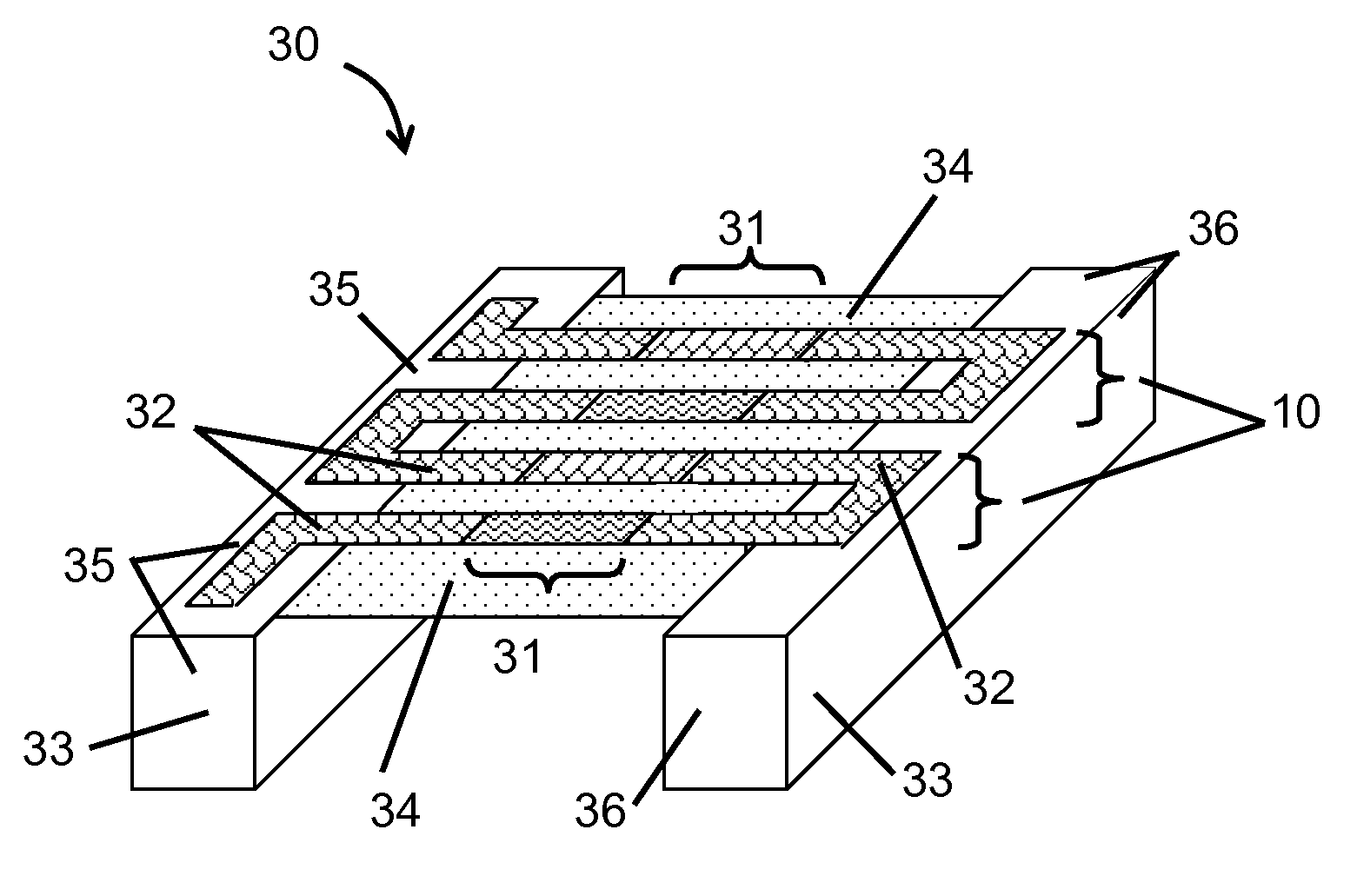
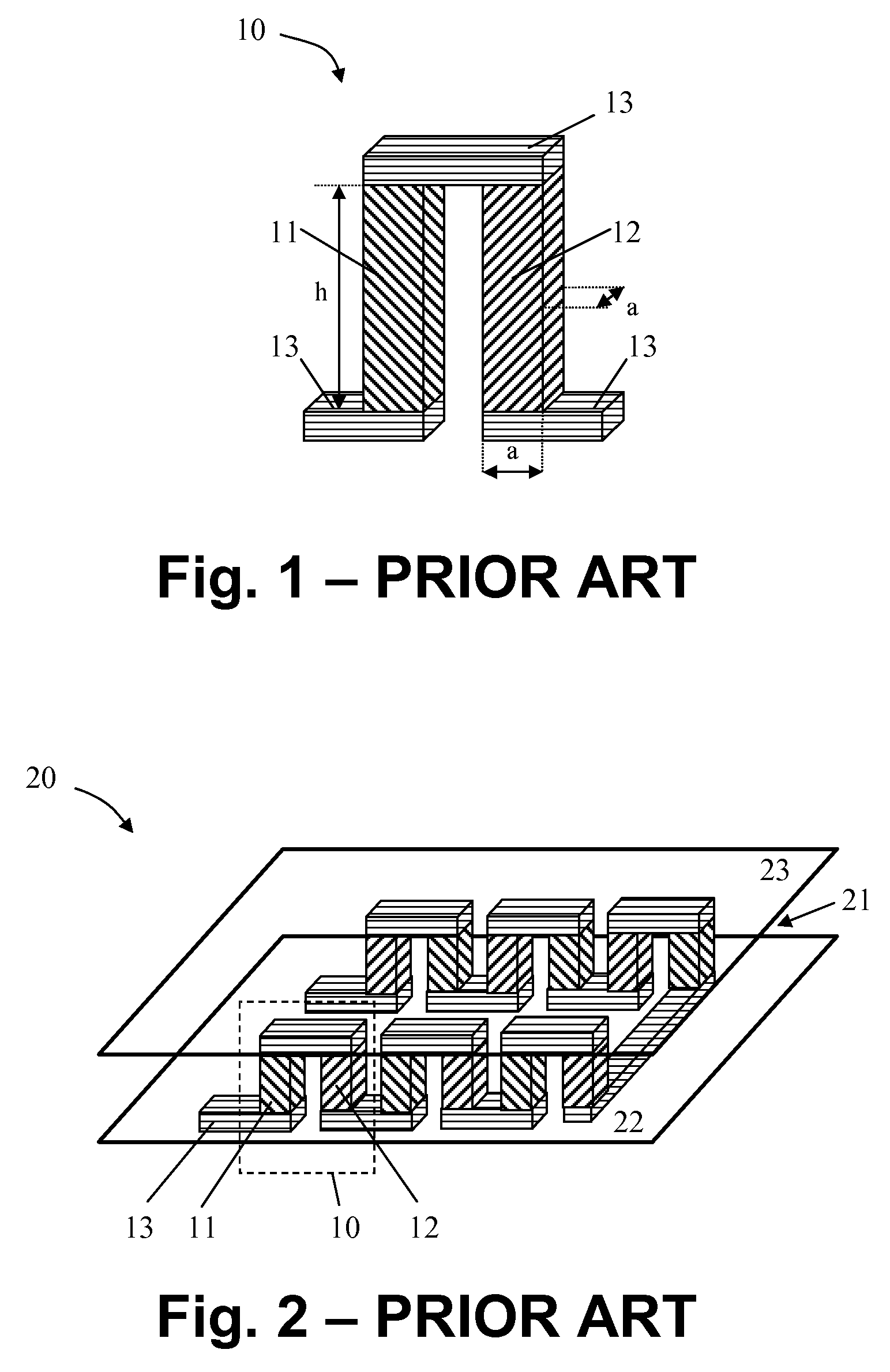
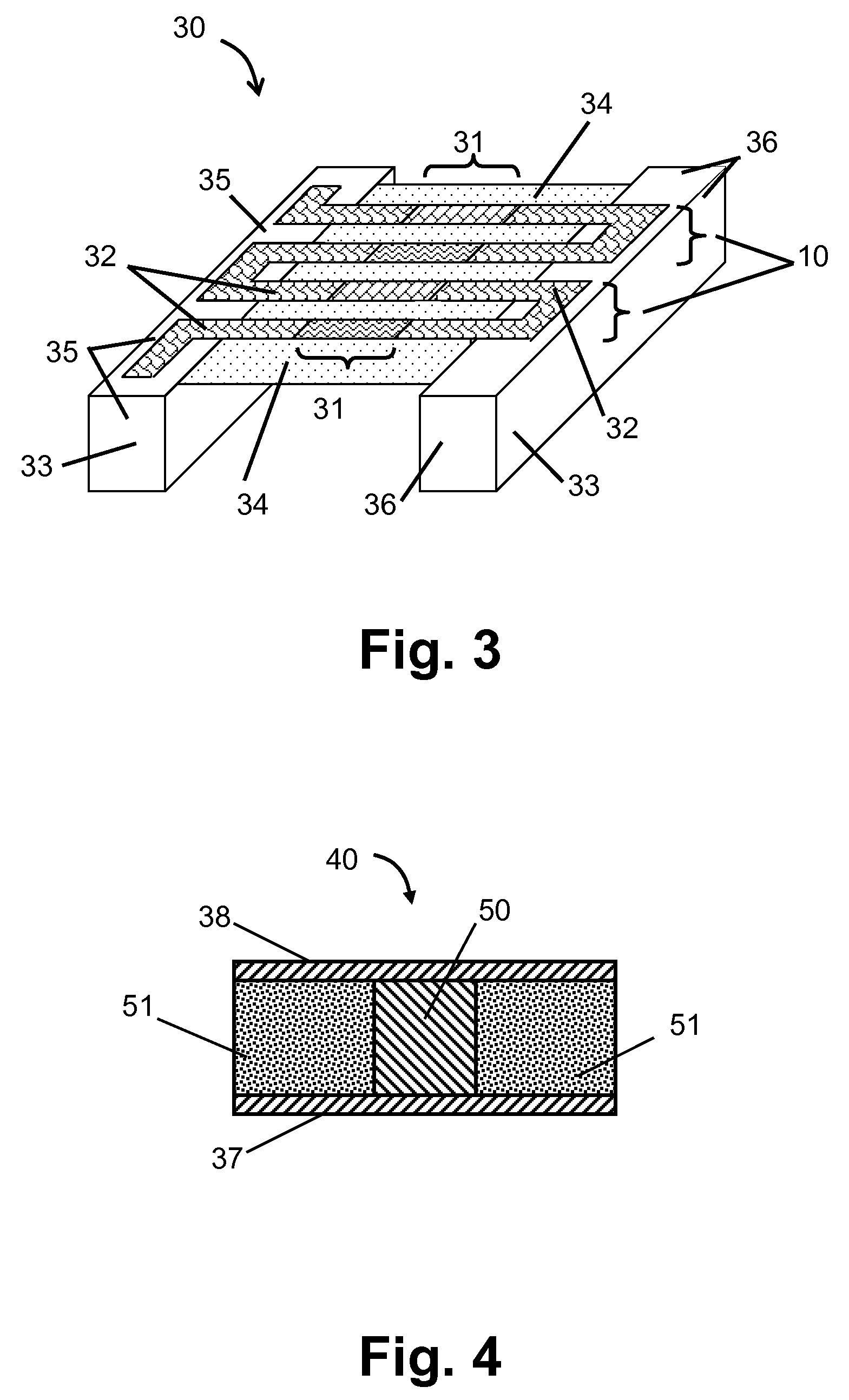
- The method involves manufacturing thermopile chips with flexible, wider, and longer thermocouple legs supported by a membrane layer or self-supporting structures, allowing for better electrical contacts and reduced sensitivity to dust, along with the use of thermal shunts to manage thermal conductance, optimizing both types of thermoelectric materials independently.

Method for manufacturing a thermopile, the thermopile thus obtrained and a thermoelectric generator comprising such thermopiles
PatentInactiveEP1976034A3
Innovation
- The method involves manufacturing thermopile chips with flexible, wider, and longer thermocouple legs supported by a membrane layer or self-supporting structures, allowing for better electrical contacts, reduced sensitivity to dust, and improved manufacturing yield, enabling optimal performance in high thermal resistance applications.


International Regulatory Framework for Energy Harvesting Devices
The global regulatory landscape for energy harvesting devices, particularly Thermoelectric Generators (TEGs), remains fragmented but is evolving toward greater standardization. Currently, the International Electrotechnical Commission (IEC) provides the most comprehensive framework through standards like IEC 62830, which addresses performance measurement for wearable and flexible energy harvesting devices. However, these standards often lack specific provisions for field testing of TEGs under variable environmental conditions.
The European Union has established the Ecodesign Directive (2009/125/EC) which, while not directly regulating TEGs, sets energy efficiency requirements that indirectly influence their development and deployment. Similarly, the EU's Renewable Energy Directive (RED II) provides incentives for technologies that contribute to renewable energy targets, potentially benefiting TEG applications in waste heat recovery.
In the United States, the Department of Energy (DOE) has developed guidelines for energy harvesting technologies through its Advanced Research Projects Agency-Energy (ARPA-E) programs. The Environmental Protection Agency (EPA) also influences this space through its ENERGY STAR program, though specific TEG testing protocols remain limited.
Asian markets present varying regulatory approaches. Japan's New Energy and Industrial Technology Development Organization (NEDO) has established technical guidelines for thermoelectric materials and devices. China's standardization efforts are primarily driven by the China National Institute of Standardization (CNIS), which has recently begun developing standards for thermal energy recovery systems including TEGs.
International collaboration efforts are emerging through organizations like the International Energy Agency (IEA) and the International Renewable Energy Agency (IRENA), which are working to harmonize testing methodologies across borders. The IEEE Standards Association has also initiated working groups focused on energy harvesting technologies, including a subcommittee addressing thermoelectric conversion devices.
A significant regulatory gap exists in the certification of TEGs for field deployment. While laboratory testing protocols are relatively well-established, standardized methodologies for evaluating TEG performance under fluctuating real-world conditions remain underdeveloped. This creates challenges for manufacturers seeking to validate device performance claims and for end-users attempting to compare different solutions.
Recent developments suggest movement toward more comprehensive regulatory frameworks. The International Organization for Standardization (ISO) has established a technical committee (ISO/TC 301) focused on energy management and energy savings, which may eventually address energy harvesting technologies including TEGs. Additionally, several countries are developing national standards that could eventually inform international harmonization efforts.
The European Union has established the Ecodesign Directive (2009/125/EC) which, while not directly regulating TEGs, sets energy efficiency requirements that indirectly influence their development and deployment. Similarly, the EU's Renewable Energy Directive (RED II) provides incentives for technologies that contribute to renewable energy targets, potentially benefiting TEG applications in waste heat recovery.
In the United States, the Department of Energy (DOE) has developed guidelines for energy harvesting technologies through its Advanced Research Projects Agency-Energy (ARPA-E) programs. The Environmental Protection Agency (EPA) also influences this space through its ENERGY STAR program, though specific TEG testing protocols remain limited.
Asian markets present varying regulatory approaches. Japan's New Energy and Industrial Technology Development Organization (NEDO) has established technical guidelines for thermoelectric materials and devices. China's standardization efforts are primarily driven by the China National Institute of Standardization (CNIS), which has recently begun developing standards for thermal energy recovery systems including TEGs.
International collaboration efforts are emerging through organizations like the International Energy Agency (IEA) and the International Renewable Energy Agency (IRENA), which are working to harmonize testing methodologies across borders. The IEEE Standards Association has also initiated working groups focused on energy harvesting technologies, including a subcommittee addressing thermoelectric conversion devices.
A significant regulatory gap exists in the certification of TEGs for field deployment. While laboratory testing protocols are relatively well-established, standardized methodologies for evaluating TEG performance under fluctuating real-world conditions remain underdeveloped. This creates challenges for manufacturers seeking to validate device performance claims and for end-users attempting to compare different solutions.
Recent developments suggest movement toward more comprehensive regulatory frameworks. The International Organization for Standardization (ISO) has established a technical committee (ISO/TC 301) focused on energy management and energy savings, which may eventually address energy harvesting technologies including TEGs. Additionally, several countries are developing national standards that could eventually inform international harmonization efforts.
Environmental Impact Assessment of TEG Testing Procedures
The environmental impact of Thermoelectric Generator (TEG) testing procedures represents a critical yet often overlooked aspect of standardization efforts. Current testing protocols frequently neglect comprehensive environmental considerations, creating a significant gap in sustainability assessment frameworks for this emerging technology.
TEG testing procedures generate environmental impacts across multiple dimensions. Energy consumption during testing constitutes a primary concern, as many protocols require continuous operation of heating and cooling systems to maintain temperature differentials. These systems can consume substantial electricity, particularly during extended durability tests that may run for hundreds or thousands of hours. The carbon footprint associated with this energy usage varies significantly depending on regional energy sources and grid composition.
Material waste represents another substantial environmental consideration. Test specimens often become unusable after evaluation, contributing to electronic waste streams. This is particularly problematic when tests involve rare earth elements or toxic materials commonly found in certain TEG compositions. Additionally, cooling systems frequently utilize water resources or refrigerants with varying environmental impacts, from water scarcity concerns to potential greenhouse gas emissions from refrigerant leakage.
Lifecycle assessment methodologies reveal that standardized testing procedures could significantly reduce environmental impacts through optimization. Comparative analysis of different testing approaches demonstrates that protocols emphasizing accelerated testing can reduce energy consumption by 30-45% while maintaining result validity. Similarly, non-destructive testing methods show promise in reducing material waste by enabling specimen reuse across multiple test cycles.
The geographic distribution of testing facilities introduces additional environmental considerations through transportation impacts. Centralized testing creates carbon emissions from specimen shipping, while distributed testing may reduce transportation needs but potentially increases equipment redundancy and associated embodied carbon.
Emerging best practices suggest implementing environmental impact metrics directly within standardization frameworks. Leading research institutions have begun incorporating carbon accounting, water usage tracking, and waste reduction targets into their testing protocols. These approaches not only quantify environmental impacts but create pathways for continuous improvement through benchmark comparison and optimization strategies.
TEG testing procedures generate environmental impacts across multiple dimensions. Energy consumption during testing constitutes a primary concern, as many protocols require continuous operation of heating and cooling systems to maintain temperature differentials. These systems can consume substantial electricity, particularly during extended durability tests that may run for hundreds or thousands of hours. The carbon footprint associated with this energy usage varies significantly depending on regional energy sources and grid composition.
Material waste represents another substantial environmental consideration. Test specimens often become unusable after evaluation, contributing to electronic waste streams. This is particularly problematic when tests involve rare earth elements or toxic materials commonly found in certain TEG compositions. Additionally, cooling systems frequently utilize water resources or refrigerants with varying environmental impacts, from water scarcity concerns to potential greenhouse gas emissions from refrigerant leakage.
Lifecycle assessment methodologies reveal that standardized testing procedures could significantly reduce environmental impacts through optimization. Comparative analysis of different testing approaches demonstrates that protocols emphasizing accelerated testing can reduce energy consumption by 30-45% while maintaining result validity. Similarly, non-destructive testing methods show promise in reducing material waste by enabling specimen reuse across multiple test cycles.
The geographic distribution of testing facilities introduces additional environmental considerations through transportation impacts. Centralized testing creates carbon emissions from specimen shipping, while distributed testing may reduce transportation needs but potentially increases equipment redundancy and associated embodied carbon.
Emerging best practices suggest implementing environmental impact metrics directly within standardization frameworks. Leading research institutions have begun incorporating carbon accounting, water usage tracking, and waste reduction targets into their testing protocols. These approaches not only quantify environmental impacts but create pathways for continuous improvement through benchmark comparison and optimization strategies.
Unlock deeper insights with PatSnap Eureka Quick Research — get a full tech report to explore trends and direct your research. Try now!
Generate Your Research Report Instantly with AI Agent
Supercharge your innovation with PatSnap Eureka AI Agent Platform!