

V4 Engine Valve Timing: Effects on Power Output
AUG 28, 20259 MIN READ
Generate Your Research Report Instantly with AI Agent
Patsnap Eureka helps you evaluate technical feasibility & market potential.
V4 Engine Valve Timing Evolution and Objectives
The evolution of valve timing mechanisms in V4 engines represents a fascinating journey through automotive engineering history, marked by continuous innovation aimed at enhancing power output, fuel efficiency, and emissions control. Initially, V4 engines utilized fixed valve timing systems with predetermined opening and closing points that could not adapt to varying engine speeds and load conditions. This limitation resulted in engines that were optimized for either low-end torque or high-end power, but rarely both simultaneously.
The 1980s witnessed the emergence of rudimentary variable valve timing (VVT) systems, primarily focused on intake valves. These early implementations allowed for modest adjustments to valve timing based on engine speed, representing the first step toward optimizing combustion processes across different operating conditions. By the early 1990s, more sophisticated dual-stage VVT systems appeared, enabling broader adjustments to both intake and exhaust valve timing.
A significant breakthrough occurred in the late 1990s with the introduction of continuously variable valve timing (CVVT) systems, which permitted seamless adjustments throughout the engine's operating range. This technology marked a pivotal advancement in V4 engine performance, allowing engines to maintain optimal valve timing regardless of RPM or load conditions, thereby significantly enhancing power output across the entire power band.
The 2000s saw the integration of electronic control units (ECUs) with valve timing systems, enabling real-time adjustments based on multiple sensor inputs including throttle position, engine temperature, and oxygen levels. This era also introduced variable valve lift technologies, which complemented timing adjustments by modifying how far valves opened, further optimizing airflow characteristics.
Recent developments have focused on camless valve actuation systems, utilizing electromagnetic, electrohydraulic, or electropneumatic actuators to precisely control valve movement without traditional camshafts. These systems offer unprecedented control over valve timing and lift parameters, potentially revolutionizing V4 engine performance capabilities.
The primary objective of valve timing evolution has consistently been to maximize power output while maintaining or improving fuel efficiency and emissions compliance. Modern research aims to achieve optimal combustion efficiency across all operating conditions, from idle to maximum acceleration. Additional goals include reducing mechanical complexity, minimizing friction losses, and enhancing durability while decreasing manufacturing costs.
Future objectives center on fully adaptive valve timing systems capable of learning and anticipating driver behavior, further optimizing performance based on historical usage patterns. Integration with hybrid and electrification technologies represents another frontier, with valve timing systems designed to complement electric motors in hybrid powertrains, maximizing the efficiency of both power sources.
The 1980s witnessed the emergence of rudimentary variable valve timing (VVT) systems, primarily focused on intake valves. These early implementations allowed for modest adjustments to valve timing based on engine speed, representing the first step toward optimizing combustion processes across different operating conditions. By the early 1990s, more sophisticated dual-stage VVT systems appeared, enabling broader adjustments to both intake and exhaust valve timing.
A significant breakthrough occurred in the late 1990s with the introduction of continuously variable valve timing (CVVT) systems, which permitted seamless adjustments throughout the engine's operating range. This technology marked a pivotal advancement in V4 engine performance, allowing engines to maintain optimal valve timing regardless of RPM or load conditions, thereby significantly enhancing power output across the entire power band.
The 2000s saw the integration of electronic control units (ECUs) with valve timing systems, enabling real-time adjustments based on multiple sensor inputs including throttle position, engine temperature, and oxygen levels. This era also introduced variable valve lift technologies, which complemented timing adjustments by modifying how far valves opened, further optimizing airflow characteristics.
Recent developments have focused on camless valve actuation systems, utilizing electromagnetic, electrohydraulic, or electropneumatic actuators to precisely control valve movement without traditional camshafts. These systems offer unprecedented control over valve timing and lift parameters, potentially revolutionizing V4 engine performance capabilities.
The primary objective of valve timing evolution has consistently been to maximize power output while maintaining or improving fuel efficiency and emissions compliance. Modern research aims to achieve optimal combustion efficiency across all operating conditions, from idle to maximum acceleration. Additional goals include reducing mechanical complexity, minimizing friction losses, and enhancing durability while decreasing manufacturing costs.
Future objectives center on fully adaptive valve timing systems capable of learning and anticipating driver behavior, further optimizing performance based on historical usage patterns. Integration with hybrid and electrification technologies represents another frontier, with valve timing systems designed to complement electric motors in hybrid powertrains, maximizing the efficiency of both power sources.
Market Demand for Enhanced Engine Performance
The global automotive market has witnessed a significant shift towards performance-oriented vehicles, creating substantial demand for enhanced engine technologies. Consumer preferences increasingly favor vehicles that deliver superior power output while maintaining fuel efficiency, particularly in premium and sports segments. This market trend has intensified competition among manufacturers to develop advanced valve timing technologies for V4 engines, which represent an optimal balance between power delivery and compact design.
Market research indicates that the performance engine segment has grown at approximately twice the rate of the overall automotive market in recent years. Consumers are willing to pay premium prices for vehicles featuring advanced valve timing systems that deliver tangible improvements in horsepower and torque. This price elasticity demonstrates the strong market pull for technological advancements in this domain.
The aftermarket modification sector further validates this demand trend, with valve timing optimization being among the top five engine modifications sought by performance enthusiasts. This secondary market generates substantial revenue through performance-enhancing components and tuning services specifically targeting valve timing adjustments.
Environmental regulations have paradoxically strengthened the market for advanced valve timing technologies. As emission standards become more stringent globally, manufacturers must balance performance with compliance. Variable valve timing systems have emerged as a critical technology enabling this balance, allowing engines to optimize combustion characteristics across different operating conditions.
Commercial vehicle manufacturers have also begun adopting sophisticated valve timing technologies, expanding the market beyond personal vehicles. Fleet operators increasingly recognize the long-term economic benefits of engines with optimized valve timing, which can deliver improved fuel economy while maintaining necessary power output for commercial applications.
Regional analysis reveals varying demand patterns, with North American and European markets showing stronger preference for high-performance characteristics, while Asian markets demonstrate greater emphasis on the fuel efficiency benefits of advanced valve timing. However, the premium segments across all regions consistently prioritize performance parameters.
Market forecasts project continued growth in this sector, driven by technological innovation and consumer willingness to invest in performance. The convergence of digitalization and engine management systems has created new opportunities for valve timing optimization through software-controlled systems, further expanding market potential.
Market research indicates that the performance engine segment has grown at approximately twice the rate of the overall automotive market in recent years. Consumers are willing to pay premium prices for vehicles featuring advanced valve timing systems that deliver tangible improvements in horsepower and torque. This price elasticity demonstrates the strong market pull for technological advancements in this domain.
The aftermarket modification sector further validates this demand trend, with valve timing optimization being among the top five engine modifications sought by performance enthusiasts. This secondary market generates substantial revenue through performance-enhancing components and tuning services specifically targeting valve timing adjustments.
Environmental regulations have paradoxically strengthened the market for advanced valve timing technologies. As emission standards become more stringent globally, manufacturers must balance performance with compliance. Variable valve timing systems have emerged as a critical technology enabling this balance, allowing engines to optimize combustion characteristics across different operating conditions.
Commercial vehicle manufacturers have also begun adopting sophisticated valve timing technologies, expanding the market beyond personal vehicles. Fleet operators increasingly recognize the long-term economic benefits of engines with optimized valve timing, which can deliver improved fuel economy while maintaining necessary power output for commercial applications.
Regional analysis reveals varying demand patterns, with North American and European markets showing stronger preference for high-performance characteristics, while Asian markets demonstrate greater emphasis on the fuel efficiency benefits of advanced valve timing. However, the premium segments across all regions consistently prioritize performance parameters.
Market forecasts project continued growth in this sector, driven by technological innovation and consumer willingness to invest in performance. The convergence of digitalization and engine management systems has created new opportunities for valve timing optimization through software-controlled systems, further expanding market potential.
Current Valve Timing Technologies and Challenges
The current landscape of valve timing technologies in V4 engines represents a complex interplay of mechanical innovation and electronic control systems. Traditional fixed valve timing systems, once the industry standard, have largely given way to variable valve timing (VVT) technologies that optimize engine performance across different operating conditions. These advanced systems allow for precise control of valve opening and closing events, directly influencing the engine's power output, fuel efficiency, and emissions characteristics.
Mechanical VVT systems, such as cam phasers and variable cam timing (VCT), adjust the phase relationship between the camshaft and crankshaft to optimize valve timing. These systems typically operate through hydraulic pressure controlled by the engine management system, allowing for incremental adjustments based on engine load and speed. While effective, these mechanical systems face limitations in response time and adjustment range.
More sophisticated electronic variable valve timing and lift systems (VTEC, VVT-i, VANOS, etc.) offer greater flexibility by controlling both the timing and lift of valves. Honda's VTEC system, for example, employs multiple cam profiles that can be selected based on engine operating conditions, providing optimal valve timing for both low-end torque and high-end power. BMW's VANOS and Toyota's VVT-i systems similarly adjust valve timing continuously to maximize performance across the RPM range.
Despite these advancements, current valve timing technologies face several significant challenges. The primary technical hurdle remains the mechanical limitations of camshaft-based systems, which constrain the degree of timing variability and response speed. Even the most advanced cam-based systems cannot achieve truly independent control of each valve event, limiting optimization potential.
Thermal management presents another critical challenge, as valve timing systems must maintain precision across widely varying operating temperatures. Hydraulic systems, in particular, can experience performance inconsistencies during cold starts or extreme operating conditions, affecting engine performance and emissions compliance.
Complexity and cost factors continue to constrain widespread implementation of advanced valve timing technologies, particularly in lower-priced vehicle segments. The intricate mechanical components and sophisticated control systems required for fully variable valve timing add significant manufacturing costs and potential reliability concerns.
Emissions regulations represent perhaps the most pressing challenge for valve timing technology development. As global standards become increasingly stringent, engineers must balance performance optimization with emissions reduction, often requiring compromises in valve timing strategies that may limit maximum power output potential.
The integration of valve timing systems with other engine technologies, such as direct injection and forced induction, presents additional complexity in system design and calibration. These interactions require sophisticated control algorithms and extensive validation testing to ensure optimal performance across all operating conditions.
Mechanical VVT systems, such as cam phasers and variable cam timing (VCT), adjust the phase relationship between the camshaft and crankshaft to optimize valve timing. These systems typically operate through hydraulic pressure controlled by the engine management system, allowing for incremental adjustments based on engine load and speed. While effective, these mechanical systems face limitations in response time and adjustment range.
More sophisticated electronic variable valve timing and lift systems (VTEC, VVT-i, VANOS, etc.) offer greater flexibility by controlling both the timing and lift of valves. Honda's VTEC system, for example, employs multiple cam profiles that can be selected based on engine operating conditions, providing optimal valve timing for both low-end torque and high-end power. BMW's VANOS and Toyota's VVT-i systems similarly adjust valve timing continuously to maximize performance across the RPM range.
Despite these advancements, current valve timing technologies face several significant challenges. The primary technical hurdle remains the mechanical limitations of camshaft-based systems, which constrain the degree of timing variability and response speed. Even the most advanced cam-based systems cannot achieve truly independent control of each valve event, limiting optimization potential.
Thermal management presents another critical challenge, as valve timing systems must maintain precision across widely varying operating temperatures. Hydraulic systems, in particular, can experience performance inconsistencies during cold starts or extreme operating conditions, affecting engine performance and emissions compliance.
Complexity and cost factors continue to constrain widespread implementation of advanced valve timing technologies, particularly in lower-priced vehicle segments. The intricate mechanical components and sophisticated control systems required for fully variable valve timing add significant manufacturing costs and potential reliability concerns.
Emissions regulations represent perhaps the most pressing challenge for valve timing technology development. As global standards become increasingly stringent, engineers must balance performance optimization with emissions reduction, often requiring compromises in valve timing strategies that may limit maximum power output potential.
The integration of valve timing systems with other engine technologies, such as direct injection and forced induction, presents additional complexity in system design and calibration. These interactions require sophisticated control algorithms and extensive validation testing to ensure optimal performance across all operating conditions.
Contemporary Valve Timing Solutions for Power Optimization
01 Variable valve timing systems for power optimization
Variable valve timing systems can be implemented in V4 engines to optimize power output by adjusting the timing of valve opening and closing based on engine speed and load conditions. These systems allow for improved volumetric efficiency across different RPM ranges, resulting in enhanced power output, torque characteristics, and fuel economy. Advanced electronic control units manage the valve timing adjustments to achieve optimal combustion conditions.- Variable Valve Timing Systems for Power Enhancement: Variable valve timing systems can be implemented in V4 engines to optimize power output across different operating conditions. These systems adjust the timing of valve opening and closing relative to piston position, allowing for improved volumetric efficiency, better combustion, and increased power output. Advanced VVT systems can continuously adjust timing based on engine speed and load to maximize performance.
- Camshaft Design and Valve Lift Control: The design of camshafts and implementation of valve lift control mechanisms significantly impact V4 engine power output. Optimized cam profiles can enhance airflow into and out of cylinders, while variable valve lift systems can adjust the amount of valve opening based on operating conditions. These technologies work together with valve timing to improve combustion efficiency and increase power across the engine's operating range.
- Electronic Control Systems for Valve Timing: Advanced electronic control systems enable precise management of valve timing in V4 engines to maximize power output. These systems use sensors to monitor engine parameters and adjust valve timing accordingly through actuators. Electronic valve control can implement complex timing strategies that would be impossible with mechanical systems alone, resulting in optimized combustion, reduced emissions, and enhanced power delivery.
- Intake and Exhaust Valve Overlap Strategies: Controlling the overlap between intake and exhaust valve opening periods in V4 engines can significantly affect power output. At high engine speeds, increased overlap can improve cylinder scavenging and volumetric efficiency, enhancing power. Various strategies for managing valve overlap based on engine speed and load conditions can be implemented to optimize performance across different operating ranges.
- Valve Timing Adjustment for Different Operating Conditions: Adapting valve timing based on specific operating conditions allows V4 engines to deliver optimal power output across various scenarios. Different timing settings can be applied for cold starts, idle, acceleration, cruising, and high-performance operation. This adaptive approach ensures the engine can provide maximum power when needed while maintaining efficiency under normal driving conditions.
02 Camshaft design and phasing for V4 engines
Specialized camshaft designs and phasing mechanisms for V4 engines can significantly impact power output by controlling valve lift profiles and duration. Dual overhead camshaft configurations with phase shifters allow for independent control of intake and exhaust valve timing, optimizing cylinder filling and exhaust gas evacuation. These systems can be adjusted to prioritize either low-end torque or high-end power depending on driving conditions.Expand Specific Solutions03 Electronic valve control systems for performance enhancement
Advanced electronic valve control systems can replace traditional mechanical camshaft arrangements in V4 engines, allowing for precise control over valve timing, lift, and duration. These systems utilize solenoids, hydraulic actuators, or electric motors to directly control valve movement, enabling cylinder deactivation, variable compression ratios, and optimized combustion cycles. The result is improved power output across the entire operating range while maintaining efficiency.Expand Specific Solutions04 Intake and exhaust valve overlap strategies
Strategic management of intake and exhaust valve overlap periods in V4 engines can enhance power output by improving cylinder scavenging and volumetric efficiency. At high engine speeds, increased valve overlap allows for momentum-based cylinder filling, while reduced overlap at low speeds prevents exhaust gas dilution of the intake charge. These strategies can be implemented through variable cam timing systems that adjust overlap based on operating conditions.Expand Specific Solutions05 Integration with turbocharging and direct injection
Combining advanced valve timing strategies with turbocharging and direct fuel injection technologies can significantly boost V4 engine power output. Precise valve timing control allows for optimized turbine energy recovery and intake charge cooling, while direct injection enables multiple injection events per cycle. This integration allows for downsized V4 engines to achieve power outputs comparable to larger displacement engines while maintaining better fuel efficiency and emissions performance.Expand Specific Solutions
Leading Manufacturers in Valve Timing Innovation
The V4 engine valve timing technology market is in a growth phase, with increasing demand for improved power output and fuel efficiency. Major automotive manufacturers like Toyota, Ford, Hyundai, and Nissan are leading innovation in this space, with significant investments in variable valve timing systems. The market is characterized by moderate technological maturity, with companies like DENSO and Hitachi Automotive Systems providing specialized components. Japanese manufacturers (Toyota, Yamaha, Mitsubishi) demonstrate particular strength in this technology, while Chinese players (Chery, JAC) are rapidly advancing their capabilities. European premium brands like Mercedes-Benz continue pushing performance boundaries through advanced valve timing solutions, creating a competitive global landscape where technological differentiation drives market positioning.
Toyota Motor Corp.
Technical Solution: Toyota has developed the VVT-i (Variable Valve Timing with intelligence) system which continuously adjusts intake valve timing based on engine speed, load, and temperature to optimize power output. Their advanced D-4S (Direct injection 4-stroke gasoline engine Superior version) technology combines direct and port fuel injection with VVT-i to enhance V4 engine performance across the entire RPM range. Toyota's latest evolution includes VVT-iE (Variable Valve Timing - intelligent by Electric motor), which uses an electric motor instead of oil pressure to control valve timing, allowing for more precise adjustments even at low engine temperatures and idle. This system can advance or retard valve timing by up to 60 degrees to maximize torque output at low RPMs while increasing power at high RPMs. Toyota's implementation includes sophisticated ECU mapping that continuously monitors multiple parameters to optimize valve overlap for different driving conditions.
Strengths: Exceptional fuel efficiency while maintaining strong power output; reliable operation across wide temperature ranges; smooth power delivery throughout RPM range. Weaknesses: More complex system requiring additional components compared to fixed timing; higher manufacturing costs; potential for increased maintenance requirements as the system ages.
Ford Global Technologies LLC
Technical Solution: Ford's Ti-VCT (Twin Independent Variable Camshaft Timing) technology for V4 engines represents their advanced approach to valve timing optimization. The system independently controls intake and exhaust valve timing, allowing for precise adjustment of valve overlap based on engine load and RPM. Ford's implementation uses cam-torque-actuated (CTA) phasing, which harnesses the natural energy in the valve train to phase the camshafts, reducing parasitic losses compared to traditional hydraulic systems. For their EcoBoost V4 applications, Ford has integrated this with direct injection and turbocharging to create a comprehensive power enhancement solution. The system can advance or retard timing by up to 50 degrees of crankshaft rotation, significantly broadening the torque curve. Ford's ECU programming includes adaptive learning algorithms that adjust timing based on fuel quality and environmental conditions, ensuring optimal power output under varying circumstances while maintaining emissions compliance.
Strengths: Excellent low-end torque combined with high-end power; improved fuel efficiency across operating range; reduced emissions through optimized combustion. Weaknesses: System complexity increases potential failure points; higher initial cost compared to fixed timing systems; requires high-quality oil maintenance to prevent phaser issues.
Critical Patents in Variable Valve Timing Technology
Valve timing controller for engine
PatentInactiveUS7637235B2
Innovation
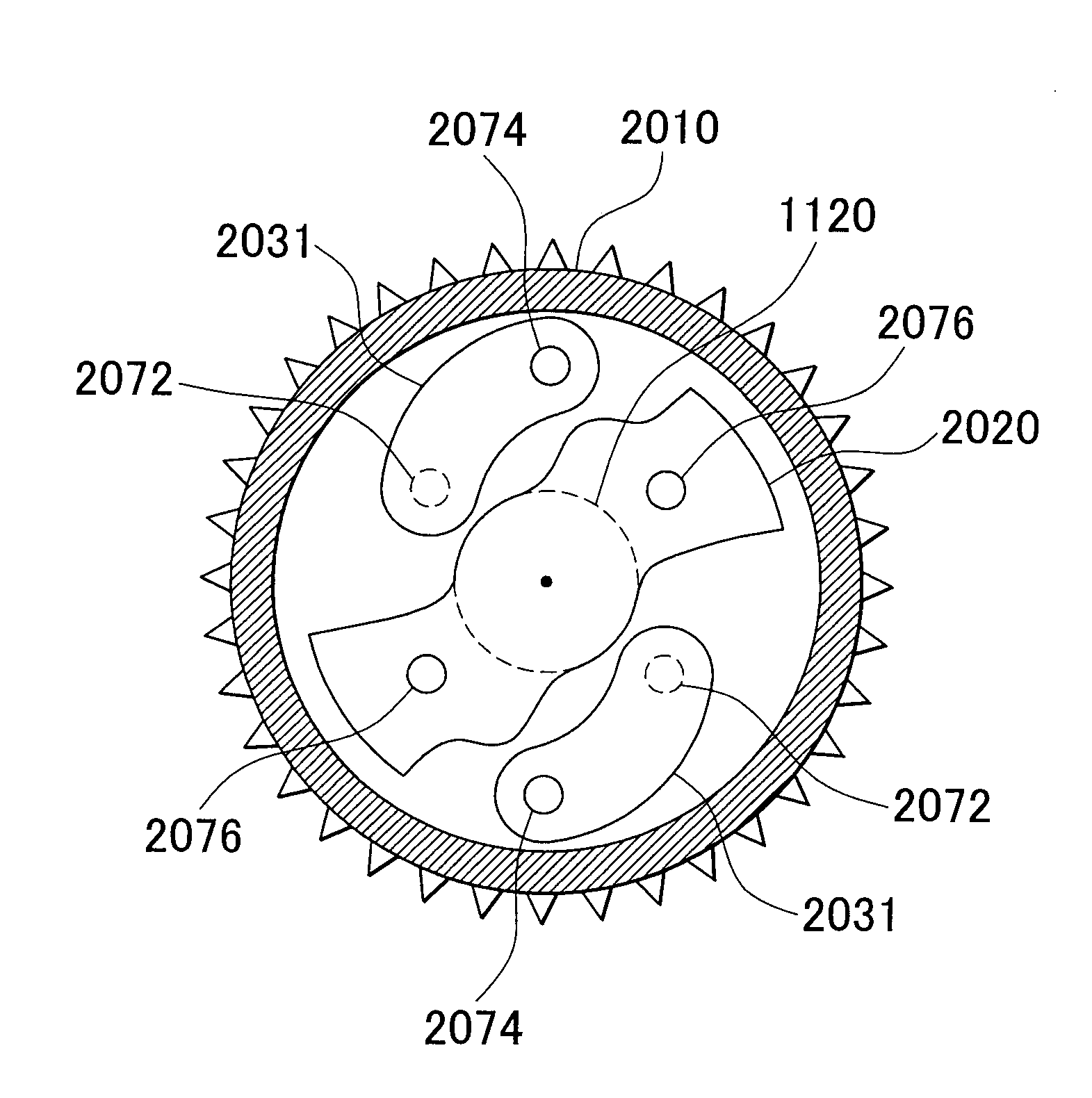
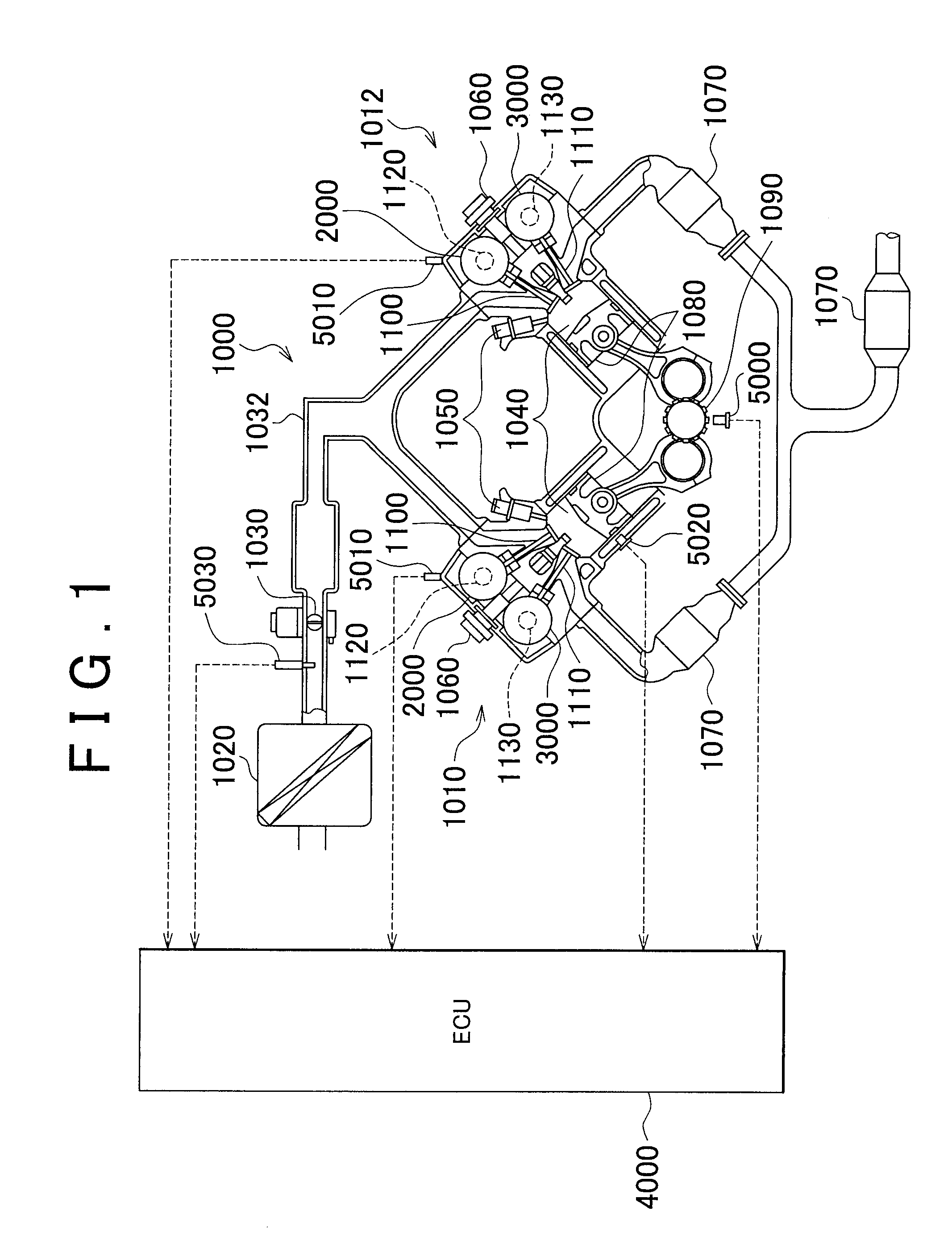
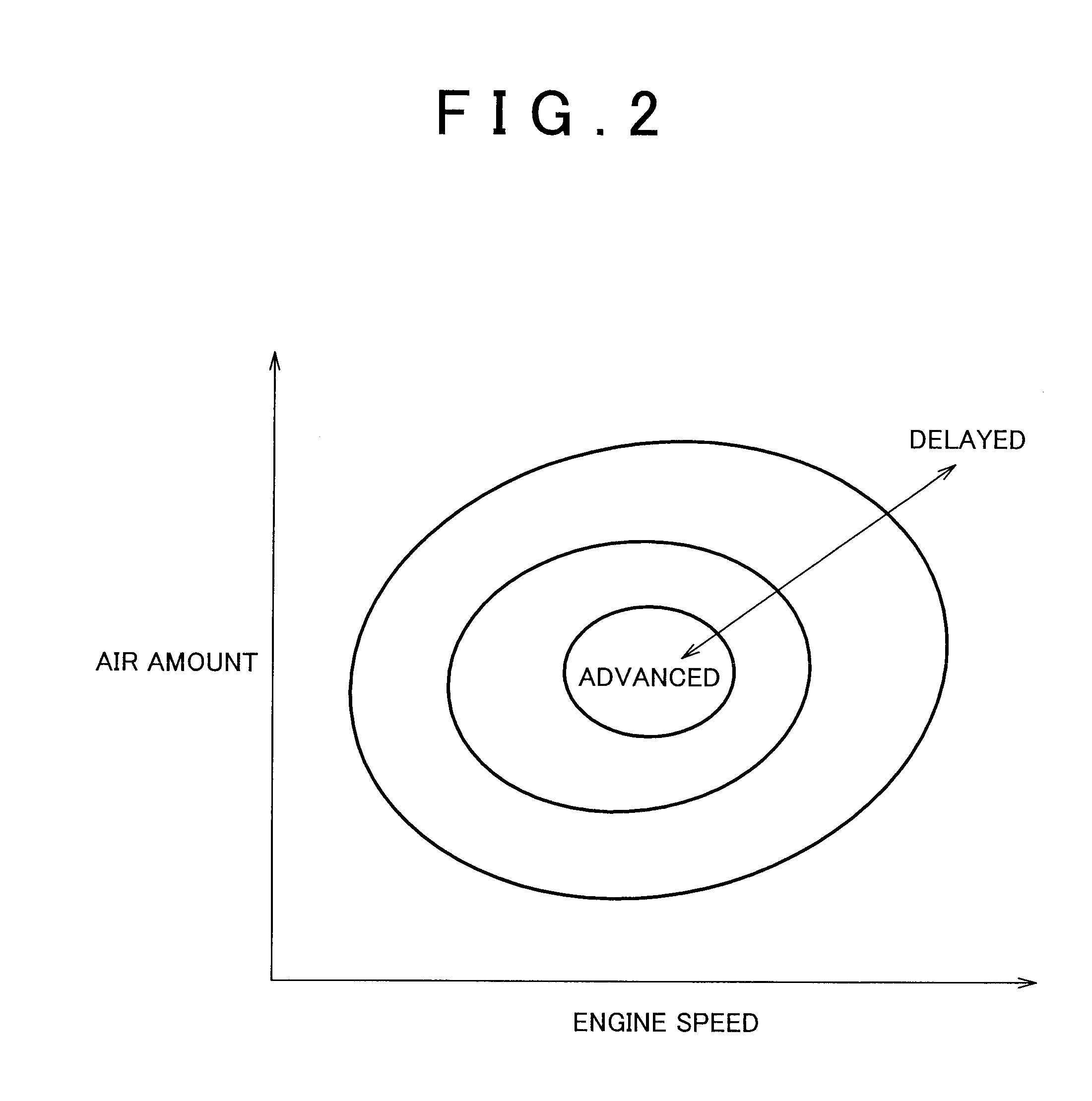
- A valve timing controller that adjusts the phases of intake and exhaust cam shafts based on a driver's desire to increase output, shifting at a reference update speed when no increase is desired and a higher transient update speed when acceleration is intended, to manage spark advance value variation and enhance drivability.


Variable valve timing system and method for controlling the same
PatentActiveUS20080053269A1
Innovation
- A variable valve timing system that includes a changing mechanism, a target phase setting unit, a control target value setting unit, an actuator operation amount setting unit, a phase change direction determination unit, and a change rate control unit, which adjusts the opening/closing timing of intake and exhaust valves based on the engine operating state to maintain combustion stability by varying the rate of change and operation amount according to whether the phase change approaches or moves away from the reference timing.

Emissions Regulations Impact on Valve Timing Design
Emissions regulations have become increasingly stringent worldwide, fundamentally reshaping valve timing design strategies in modern V4 engines. Since the early 2000s, regulatory frameworks such as Euro standards in Europe, CAFE in the United States, and similar policies in Asia have progressively lowered permissible emission levels, particularly focusing on NOx, CO, HC, and particulate matter. These regulations have forced engine designers to prioritize emissions compliance alongside traditional power output considerations.
Variable valve timing (VVT) systems have emerged as a critical technology in meeting these dual objectives. By dynamically adjusting valve overlap periods based on engine load and speed, VVT systems can significantly reduce emissions while maintaining or even enhancing power output. The implementation of continuously variable valve timing (CVVT) has proven particularly effective in reducing NOx emissions by enabling precise exhaust gas recirculation (EGR) control through valve overlap manipulation.
The introduction of Real Driving Emissions (RDE) testing protocols has further complicated valve timing design, requiring systems to perform optimally across a broader range of operating conditions rather than just standardized test cycles. This has accelerated the adoption of more sophisticated electronic valve control systems in V4 engines, moving beyond mechanical and hydraulic actuation methods toward fully electronic solutions with millisecond-level response capabilities.
Cold-start emissions represent another regulatory challenge significantly impacting valve timing design. During cold starts, catalytic converters operate below optimal temperature, resulting in higher emissions. Advanced valve timing strategies now incorporate specific cold-start modes that can rapidly increase exhaust gas temperatures to accelerate catalyst light-off while minimizing raw emissions.
Particulate matter regulations, especially relevant to direct injection V4 engines, have prompted valve timing solutions that reduce in-cylinder temperatures during certain operating conditions while ensuring complete combustion. This often involves complex trade-offs between valve timing, injection timing, and ignition timing to balance particulate formation against NOx production.
Future regulatory trends point toward even stricter emissions standards, with many regions planning near-zero emission requirements for internal combustion engines. This regulatory trajectory is driving research into extreme valve timing flexibility, including camless systems that could potentially eliminate the mechanical constraints of traditional valvetrains altogether, allowing for optimal emissions performance across all operating conditions without sacrificing the power output advantages of V4 engine configurations.
Variable valve timing (VVT) systems have emerged as a critical technology in meeting these dual objectives. By dynamically adjusting valve overlap periods based on engine load and speed, VVT systems can significantly reduce emissions while maintaining or even enhancing power output. The implementation of continuously variable valve timing (CVVT) has proven particularly effective in reducing NOx emissions by enabling precise exhaust gas recirculation (EGR) control through valve overlap manipulation.
The introduction of Real Driving Emissions (RDE) testing protocols has further complicated valve timing design, requiring systems to perform optimally across a broader range of operating conditions rather than just standardized test cycles. This has accelerated the adoption of more sophisticated electronic valve control systems in V4 engines, moving beyond mechanical and hydraulic actuation methods toward fully electronic solutions with millisecond-level response capabilities.
Cold-start emissions represent another regulatory challenge significantly impacting valve timing design. During cold starts, catalytic converters operate below optimal temperature, resulting in higher emissions. Advanced valve timing strategies now incorporate specific cold-start modes that can rapidly increase exhaust gas temperatures to accelerate catalyst light-off while minimizing raw emissions.
Particulate matter regulations, especially relevant to direct injection V4 engines, have prompted valve timing solutions that reduce in-cylinder temperatures during certain operating conditions while ensuring complete combustion. This often involves complex trade-offs between valve timing, injection timing, and ignition timing to balance particulate formation against NOx production.
Future regulatory trends point toward even stricter emissions standards, with many regions planning near-zero emission requirements for internal combustion engines. This regulatory trajectory is driving research into extreme valve timing flexibility, including camless systems that could potentially eliminate the mechanical constraints of traditional valvetrains altogether, allowing for optimal emissions performance across all operating conditions without sacrificing the power output advantages of V4 engine configurations.
Fuel Efficiency vs Power Output Trade-offs
The optimization of valve timing in V4 engines presents a classic engineering dilemma between maximizing power output and maintaining acceptable fuel efficiency. When engineers adjust valve timing for peak power, they typically increase valve overlap—allowing both intake and exhaust valves to be open simultaneously during the transition between exhaust and intake strokes. This configuration enhances cylinder filling at higher RPMs, resulting in more air-fuel mixture being combusted and greater power generation.
However, this power-optimized timing creates significant efficiency penalties. Increased valve overlap causes some unburned fuel to exit through the exhaust system, particularly at lower engine speeds where exhaust gas velocity is insufficient to prevent this wastage. Studies indicate that aggressive cam profiles designed for maximum power can reduce fuel efficiency by 10-15% compared to more conservative timing configurations.
Modern variable valve timing (VVT) systems attempt to bridge this gap by dynamically adjusting timing based on operating conditions. At low RPMs, these systems minimize overlap to prioritize fuel economy, while at higher RPMs, they increase overlap to maximize power. The implementation complexity of these systems adds cost and weight to the engine, requiring careful cost-benefit analysis during design phases.
The trade-off becomes particularly evident in V4 racing applications, where power-optimized valve timing can deliver 8-12% more peak horsepower but may increase fuel consumption by up to 20%. This relationship is non-linear—small initial adjustments toward power optimization might yield significant power gains with minimal efficiency losses, while more extreme timing adjustments produce diminishing power returns with accelerating efficiency penalties.
Engine designers must also consider emissions regulations when balancing these factors. Power-focused valve timing typically increases hydrocarbon emissions due to incomplete combustion and fuel scavenging effects. This creates additional design constraints as manufacturers must ensure compliance with increasingly stringent emissions standards while still meeting performance targets.
Recent advancements in electronic valve control systems promise more sophisticated solutions to this dilemma. Fully electronic valve actuation, though still in development stages for mass production, could potentially eliminate the traditional compromises by providing infinitely variable timing control without the mechanical limitations of conventional camshaft-based systems.
However, this power-optimized timing creates significant efficiency penalties. Increased valve overlap causes some unburned fuel to exit through the exhaust system, particularly at lower engine speeds where exhaust gas velocity is insufficient to prevent this wastage. Studies indicate that aggressive cam profiles designed for maximum power can reduce fuel efficiency by 10-15% compared to more conservative timing configurations.
Modern variable valve timing (VVT) systems attempt to bridge this gap by dynamically adjusting timing based on operating conditions. At low RPMs, these systems minimize overlap to prioritize fuel economy, while at higher RPMs, they increase overlap to maximize power. The implementation complexity of these systems adds cost and weight to the engine, requiring careful cost-benefit analysis during design phases.
The trade-off becomes particularly evident in V4 racing applications, where power-optimized valve timing can deliver 8-12% more peak horsepower but may increase fuel consumption by up to 20%. This relationship is non-linear—small initial adjustments toward power optimization might yield significant power gains with minimal efficiency losses, while more extreme timing adjustments produce diminishing power returns with accelerating efficiency penalties.
Engine designers must also consider emissions regulations when balancing these factors. Power-focused valve timing typically increases hydrocarbon emissions due to incomplete combustion and fuel scavenging effects. This creates additional design constraints as manufacturers must ensure compliance with increasingly stringent emissions standards while still meeting performance targets.
Recent advancements in electronic valve control systems promise more sophisticated solutions to this dilemma. Fully electronic valve actuation, though still in development stages for mass production, could potentially eliminate the traditional compromises by providing infinitely variable timing control without the mechanical limitations of conventional camshaft-based systems.
Unlock deeper insights with Patsnap Eureka Quick Research — get a full tech report to explore trends and direct your research. Try now!
Generate Your Research Report Instantly with AI Agent
Supercharge your innovation with Patsnap Eureka AI Agent Platform!