
Tissue harvesting devices and methods
Patent Information
- Authority / Receiving Office
- US · United States
- Current Assignee / Owner
- Publication Date
- 2019-11-21
Smart Images
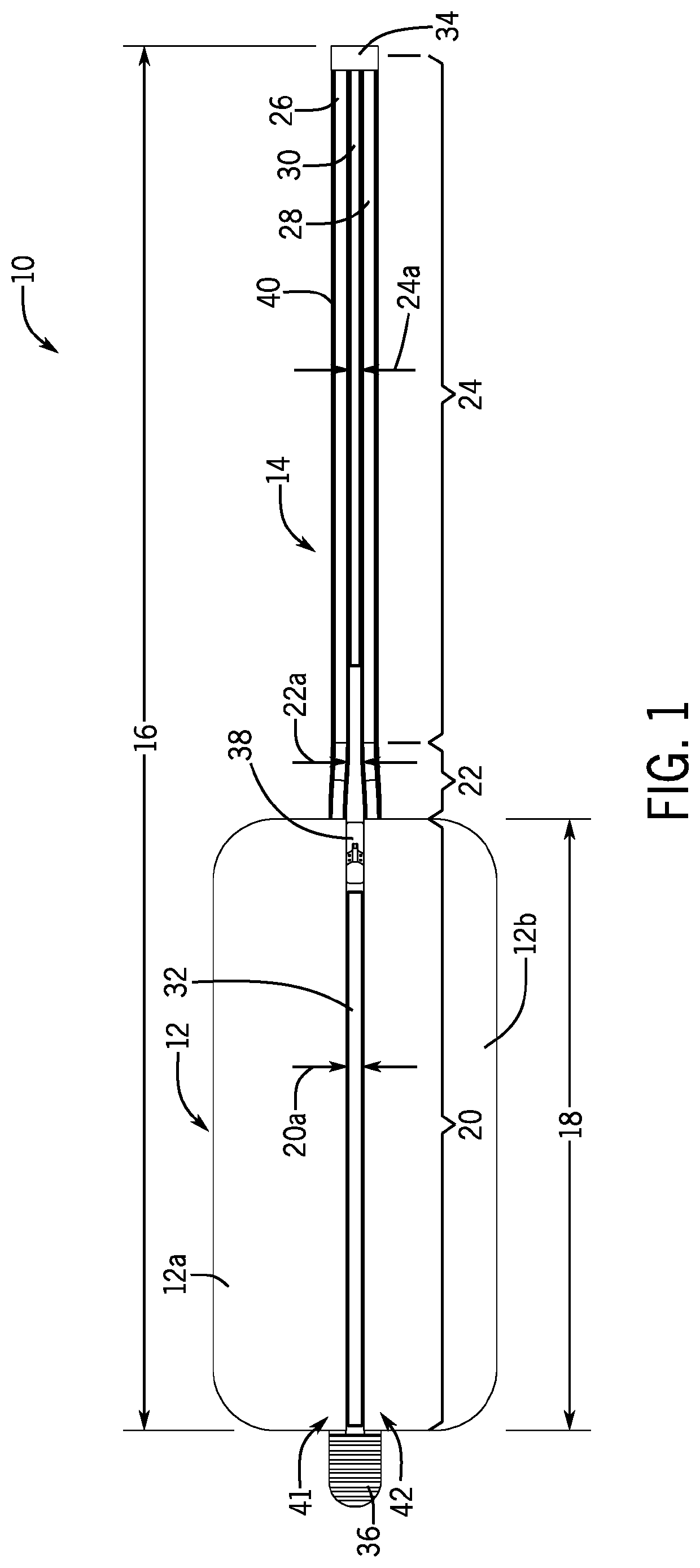
Figure 1 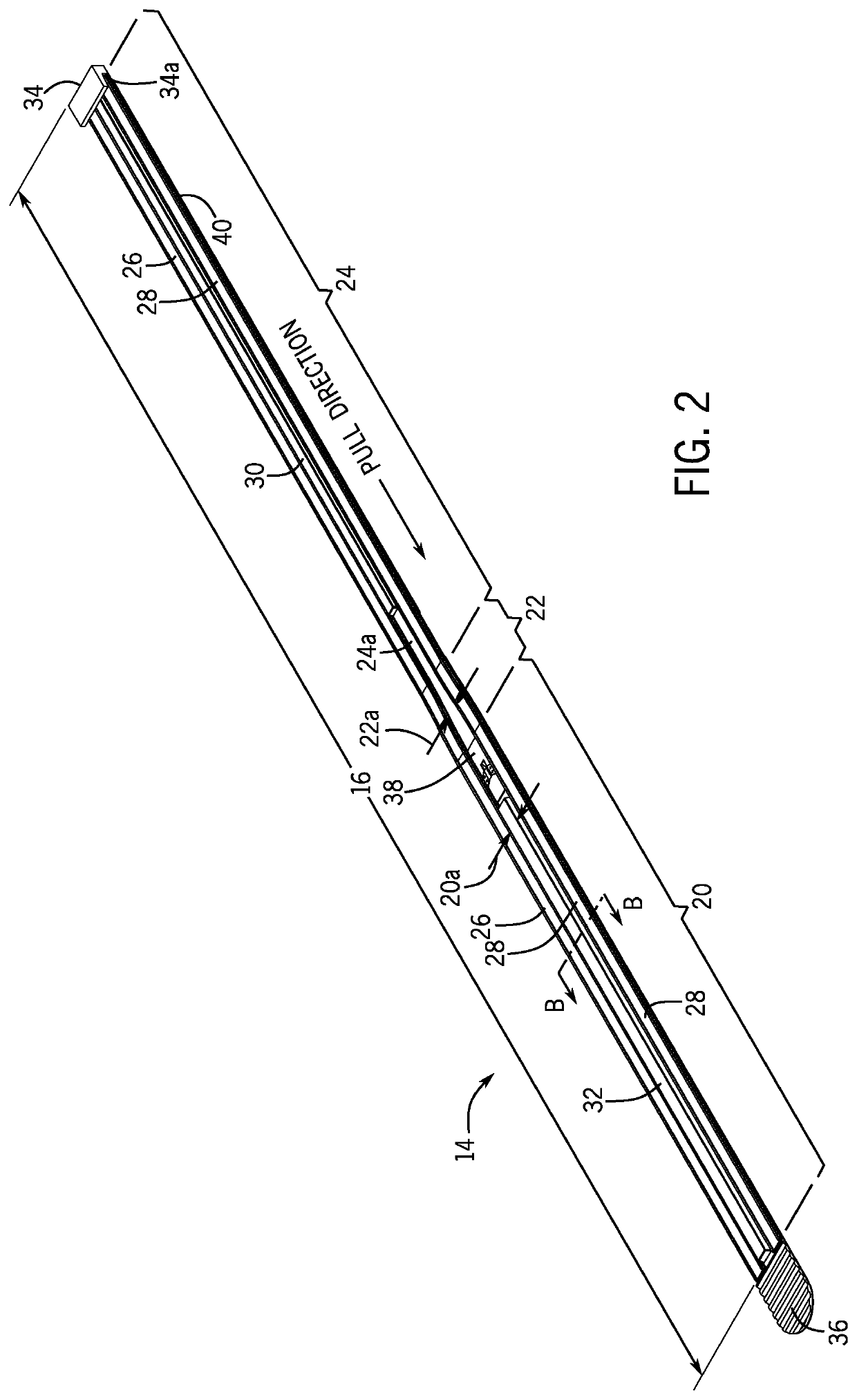
Figure 2 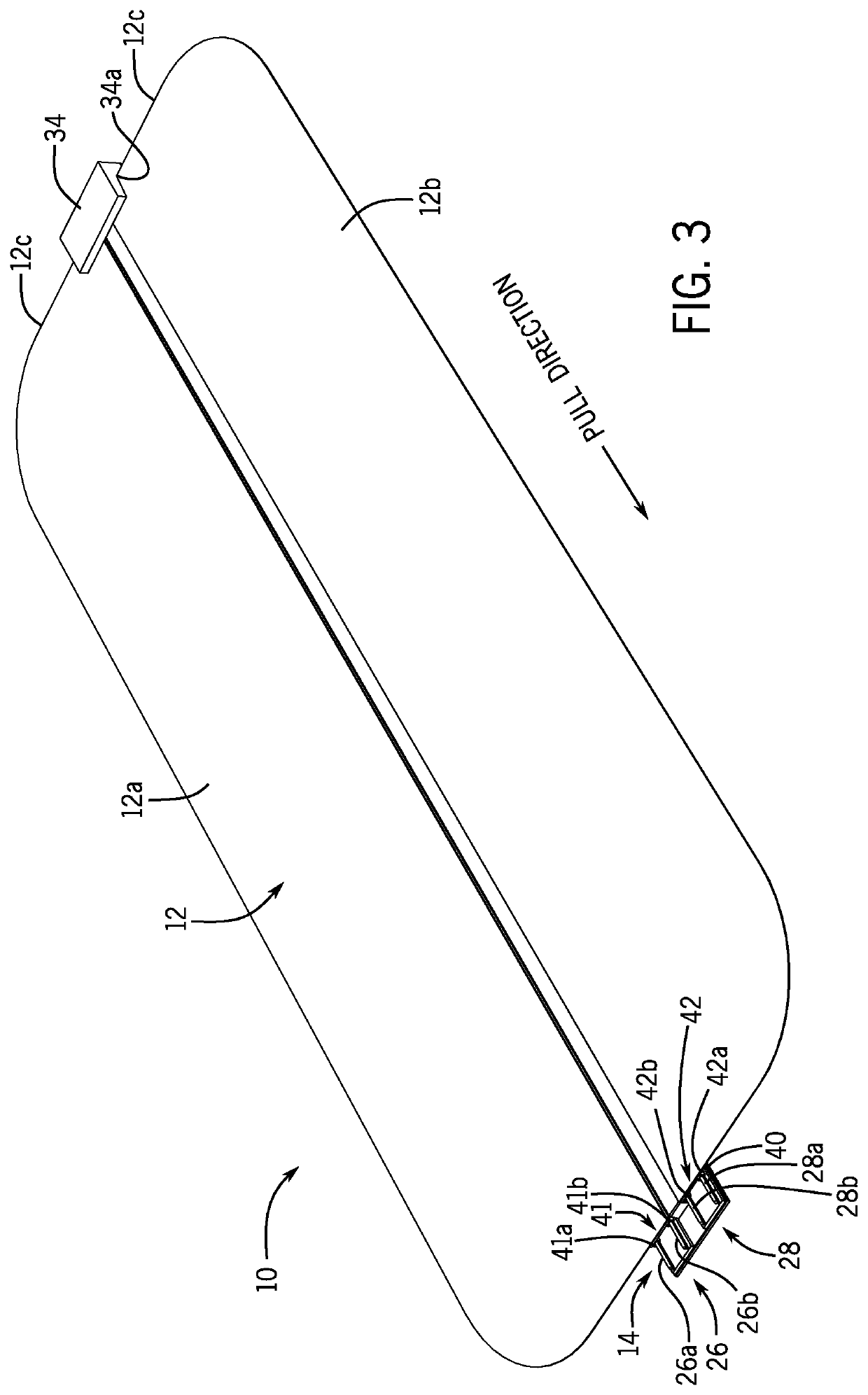
Figure 3
Abstract
Description
CROSS-REFERENCE TO RELATED APPLICATIONS
[0001] This application is based upon and claims the benefit of U.S. provisional application number 62 / 455,002, filed on Feb. 6, 2017 and U.S. provisional application number 62 / 479,761, filed on Mar. 31, 2017, each of which is incorporated herein by reference and relied upon in its entirety.STATEMENT OF FEDERALLY SPONSORED RESEARCH OR DEVELOPMENT
[0002] Not applicable.BACKGROUND
[0003] The present disclosure generally relates to tissue harvesting devices, actuator strips, and methods for same.
[0004] Skin or tissue grafts involve the transplantation of tissue or skin. Tissue grafts can be used, for example, when a person has sustained a serious injury, undergone certain surgical procedures (e.g., wide local excision of a breast tumor or melanoma), has suffered radiation burn from cancer treatment, or has a chronic wound such as diabetic, pressure or venous ulcers resulting from neuropathy, vascular disease or other trauma. Before the skin or tissue ca...
Examples
Embodiment Construction
[0025]This present disclosure provides tissue harvesting and wound closing devices, methods, and components for same that enable relatively thin strips of either partial thickness tissue or full-thickness tissue (e.g., skin containing epidermis and full dermis, and often some subcutaneous fat) to be easily harvested from a donor site. The harvested tissue can be arranged in a strip, a coil, a plug or can be stacked so that the arrangement can be used, for example, as a skin construct for grafting. The tissue harvesting and wound closing devices cut tissue from a donor site creating an open wound, which can be closed at substantially the same time that the tissue is being cut (i.e., in a single-step or substantially simultaneous process). In one aspect, a cutting device is integrated or coupled to an actuator strip that is secured to a donor site by, for example, an adhesive panel. Downward pressure can be applied to the device, if needed (e.g., exerting a force on the panel pieces t...