
Method for positioning and identifying objects by solar blind UV
A positioning identification and ultraviolet light technology, applied in the field of positioning identification, can solve the problems of difficult positioning identification, short search and rescue distance, etc., and achieve the effects of not being afraid of electromagnetic interference, low cost, and easy to carry and use
Patent Information
- Authority / Receiving Office
- CN · China
- Patent Type
- Patents(China)
- Current Assignee / Owner
- Publication Date
- 2011-01-26
Smart Images
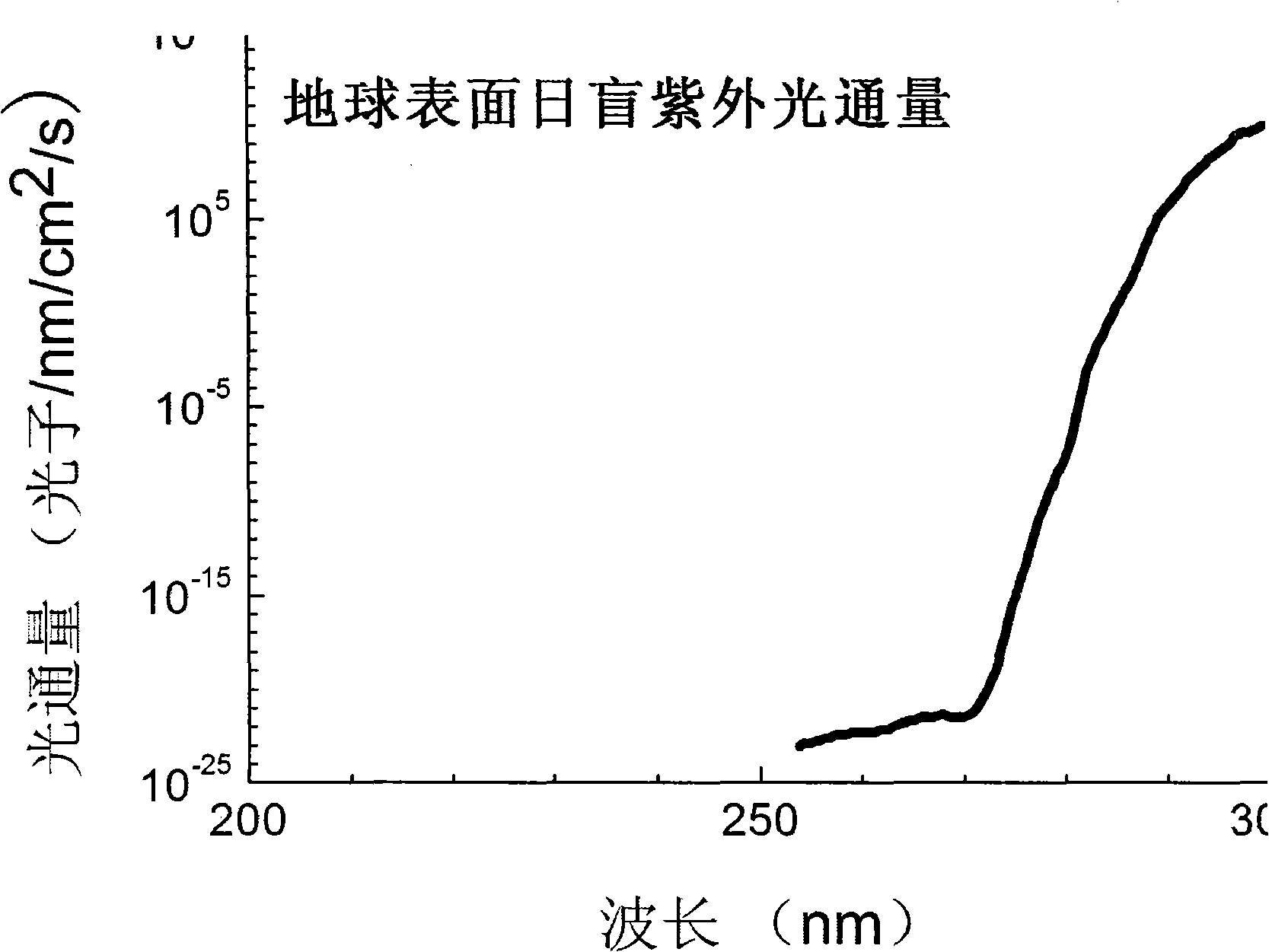
Figure 1 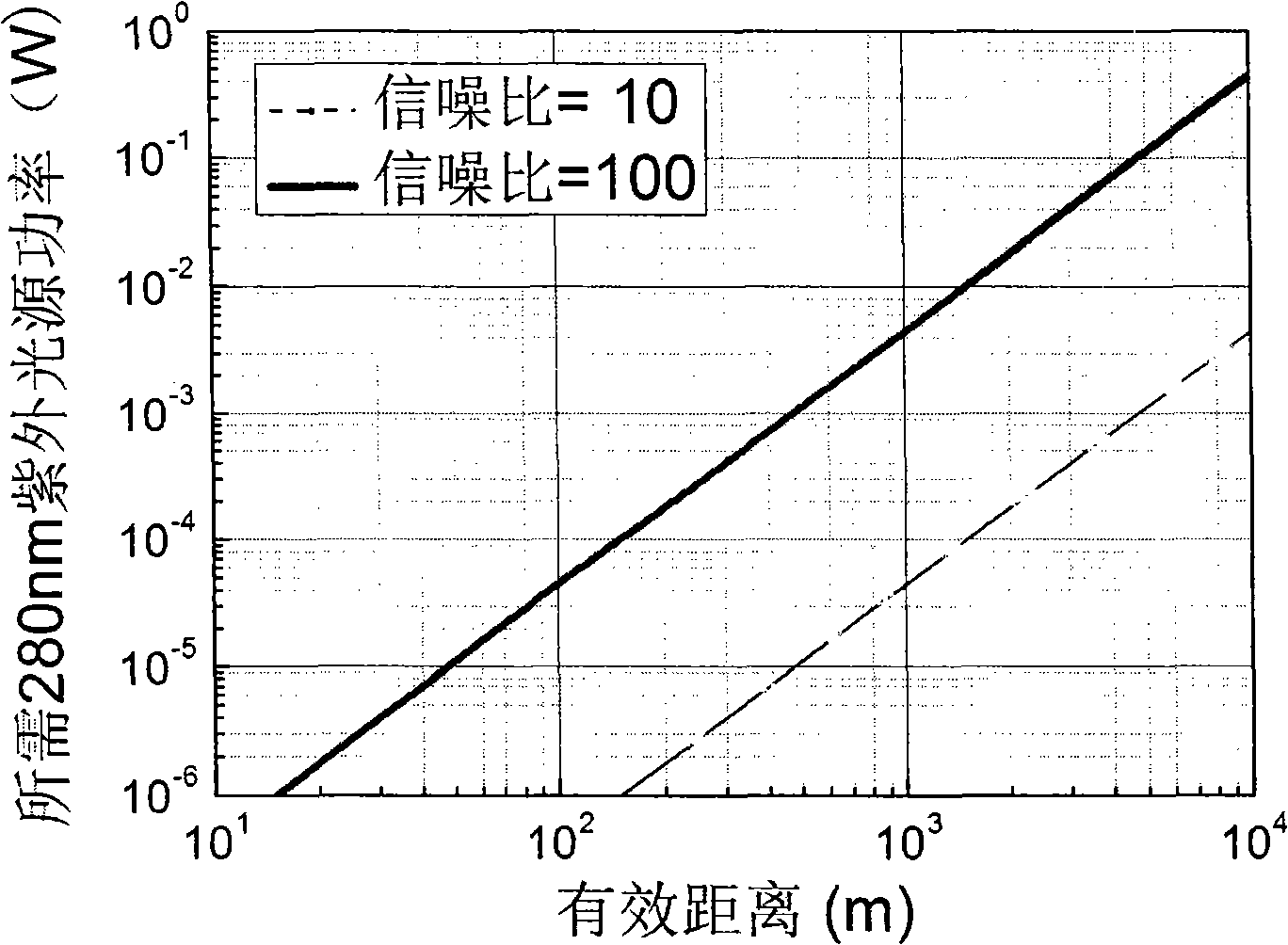
Figure 2 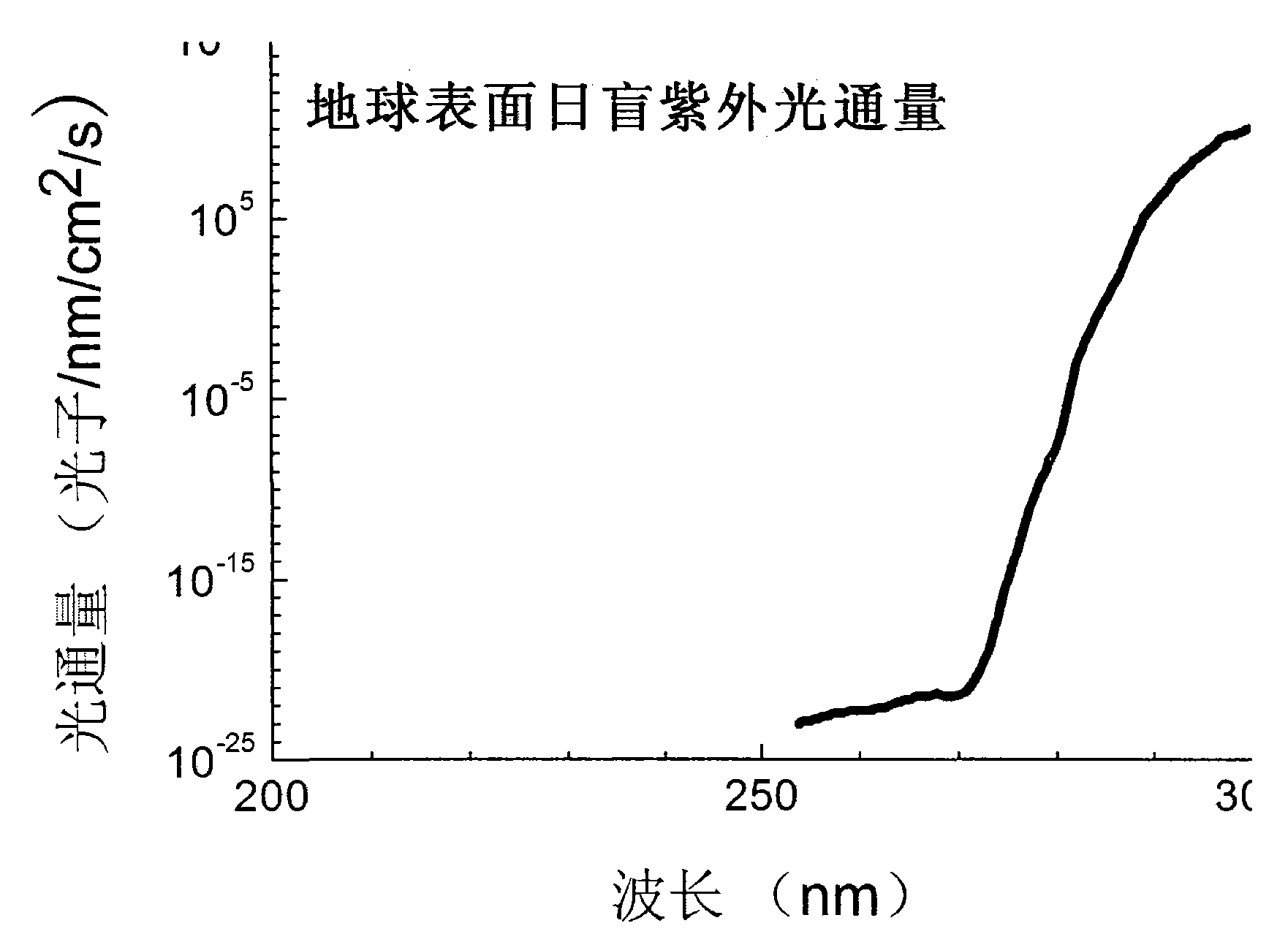
Figure 3
Abstract
Description
technical field
[0001] The invention relates to a positioning recognition technology, in particular to a method for positioning and recognizing an object by using solar-blind ultraviolet light. That is to use the propagation characteristics of solar-blind ultraviolet light with a wavelength of 190nm to 285nm on the earth to quickly and accurately locate and identify some important fixed or moving objects. Background technique
[0002] The positioning recognition technology described in this application, that is, the commonly-mentioned tracing and searching technology, is widely used in modern society. Existing tracer and search techniques include:
[0003] 1. Visible light (such as infrared rays, etc.): People or things in the wild are equipped with light sources that can emit visible light, and searchers find people or objects that need to be positioned and identified by looking for luminous objects. With this method, under field conditions, especially in complex environm...
Examples
Embodiment 1
[0046] Example 1, sun-blind ultraviolet light search and rescue.
[0047]The search and rescue of missing persons in the wild is quite difficult. One of the most challenging is to find out the object to be searched and rescued from the complex background. If a person or thing working in the field carries a solar-blind ultraviolet light source that can emit less than 285nm, he turns on the solar-blind ultraviolet light source when he needs to provide rescue, and the air rescue team can directly search for the solar-blind ultraviolet light no matter it is day or night objects to find missing persons. If the power of the solar-blind ultraviolet light source is strong enough, the range of search and rescue can reach several kilometers. The law applies to sea and land missing persons (including skydiving pilots, tourists, victims of earthquakes or fires), returnable satellites and manned space vehicles search and rescue. For victims of earthquakes or fires, solar-blind ultraviol...
Embodiment 2
[0048] Embodiment 2, mutual positioning between moving objects. With the development of modern technology, it is becoming more and more difficult to locate and identify flying objects and ships, and between various services and arms, which is not conducive to large-scale coordinated operations. If both parties are equipped with solar-blind ultraviolet light sources and corresponding solar-blind ultraviolet imagers, they can use solar-blind ultraviolet light for mutual positioning and identification to ensure mutual cooperation.
Embodiment 3
[0049] Example 3, solar-blind ultraviolet light "lighthouse". A solar-blind UV light source can be used to show the location of underwater reefs. Using solar-blind ultraviolet light-emitting diodes as the light source, it is small in size, high in luminous efficiency, and long in life. It can also use solar cells as a power source. It can be deployed on a large scale on underwater reefs and can also be used to mark waterways and waterways.