
A double-layer multi-surface gradient temperature difference heat transfer structure
A temperature difference and gradient technology, applied in heat exchange equipment, lighting and heating equipment, etc., can solve the problems of less consideration of heat source utilization, semiconductor material damage, limited application fields, etc., to achieve significant temperature gradient, heat loss reduction, large The effect of heat transfer efficiency
Patent Information
- Authority / Receiving Office
- CN · China
- Patent Type
- Patents(China)
- Current Assignee / Owner
- Publication Date
- 2016-09-07
Smart Images
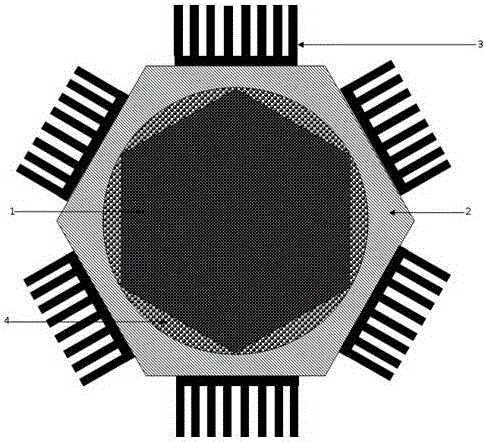
Figure 1 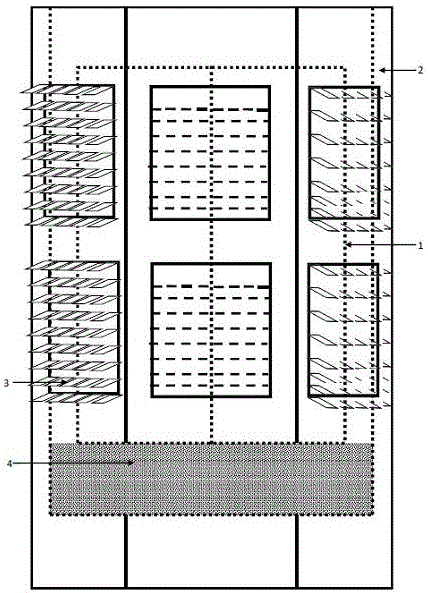
Figure 2
Abstract
Description
technical field
[0001] The invention relates to temperature difference heat transfer technology, in particular to a double-layer multi-surface gradient temperature difference heat transfer structure, which belongs to the field of heat transfer structures. Background technique
[0002] The use of temperature difference to generate electricity will become a new direction of energy development and utilization in the future. The cold end of temperature difference generally chooses the external environment, so the utilization rate of heat source directly determines the economic benefit of thermoelectricity, and the research of temperature difference heat transfer structure has been widely valued. Among the commonly used temperature difference heat transfer structures, parallelepiped structures and single-layer multi-facet structures are often used. The temperature distribution of the parallelepiped structure is very uneven, and most of the heat is dissipated on the edges and corn...
Examples
Embodiment 1
[0026] The outer box is made of cylindrical pine wood. The bottom surface of the cavity of the outer box has a radius of 46mm and a depth of 190mm. The side length of the solid hexagonal prism bottom is 56mm and the height is 200mm;
[0027] Asbestos cloth is selected as the material of the heat insulation layer, and a heat insulation layer with a thickness of 45mm is evenly laid on the bottom of the cavity of the outer box;
[0028] The aluminum ingot is cast into a regular hexagonal prism with a bottom side length of 46mm and a height of 95mm, which is the internal heat source container;
[0029] Set the inner heat source container and the outer box together in the form of edge-to-face, and make the bottom surface of the inner heat source container closely contact with the heat insulation layer;
[0030] Two heat dissipation fins are pasted on each outer surface of the outer box body. The base plate size of the fins is 40mm×40mm, the height of the fins is 20mm, the thickness...
Embodiment 2
[0032] This example is the same as Example 1 except for the following points.
[0033] The cylindrical elm is made into an external box body, the bottom surface radius of the hollow cylinder of the external box body is 46mm, the depth is 190mm, the side length of the bottom surface of the solid hexagonal prism is 56mm, and the height is 200mm;
[0034] Stainless steel is cast into a regular hexagonal prism with a bottom side length of 46mm and a height of 95mm, which is the internal heat source container.