
Canister for containing an active agent
A technology of vacuum carburizing and manufacturing methods, which is applied in the field of carburizing parts, can solve the problems of insufficient improvement of surface softening properties, inability to obtain miniaturized surface fatigue strength and bending fatigue strength, and achieve excellent bending fatigue strength and surface Excellent effect on fatigue strength
Patent Information
- Authority / Receiving Office
- CN · China
- Current Assignee / Owner
- Publication Date
- 2016-11-09
- Estimated Expiration
- Not applicable · inactive patent
Smart Images
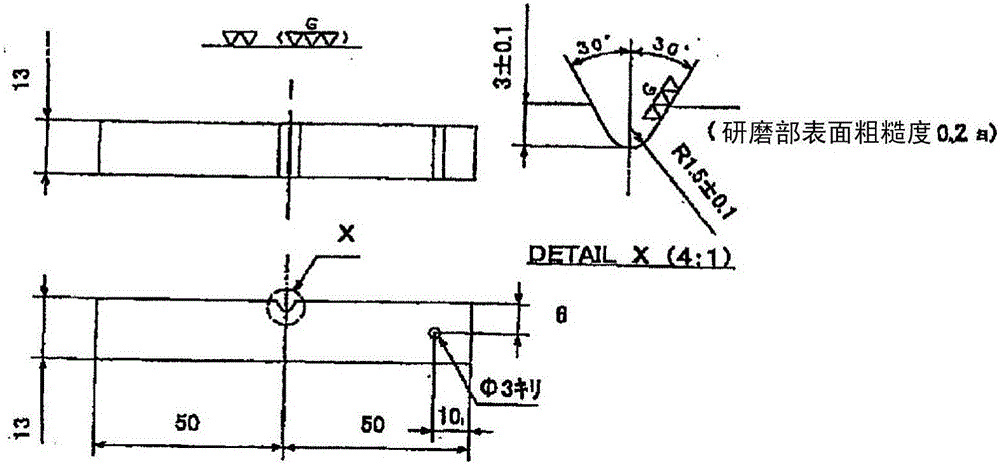
Figure 1 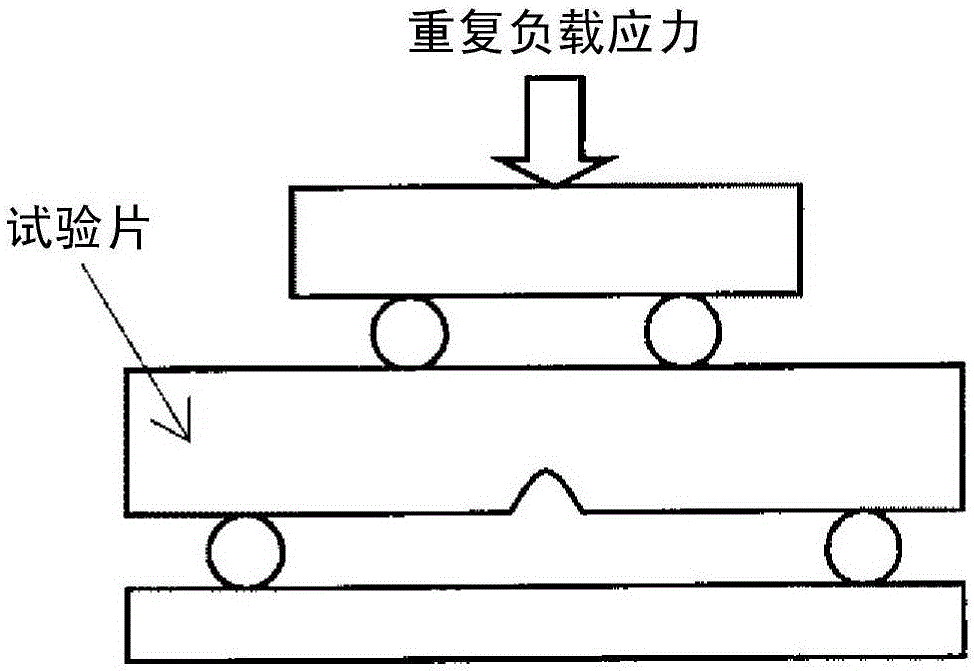
Figure 2 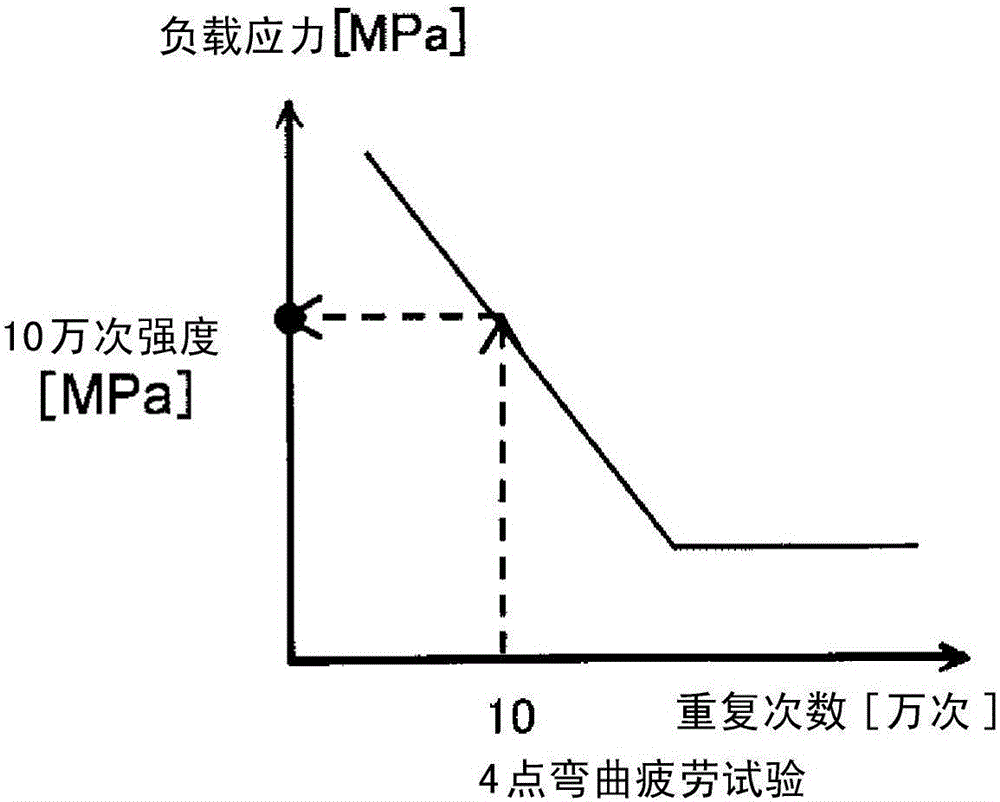
Figure 3
Abstract
Description
technical field
[0001] The present invention relates to a steel material for vacuum carburizing, and more specifically, to a steel material for obtaining a carburized part having excellent surface fatigue properties and bending fatigue properties after vacuum carburizing, and to a manufacturing method and a steel material using the same carburized parts, and methods of making such parts. The steel material of the present invention is useful as raw materials such as gears and shafts used in automobiles, construction machinery, and various other industrial machinery. Hereinafter, the case where it is applied to automobile gears will be described as an example, but it is not limited thereto. mean. Background technique
[0002] Looking at the environment of automobiles, construction machinery, and various other industrial machinery, there are social demands for energy saving and performance improvement. In recent years, efforts to reduce the weight of automobile bodies and incr...
Examples
Embodiment
[0094] Hereinafter, the present invention will be described more specifically with reference to examples. The present invention is not limited by the following examples, and within the range that can meet the above-mentioned and hereinafter-described purposes, of course, it can also be appropriately modified and implemented, and these are included in the technical scope of the present invention.
[0095] Steels having the chemical composition shown in Table 1 below were melted, held at 1250° C. for 30 minutes to 300 minutes, and then billet-rolled. The balance of the chemical composition shown in Table 1 is iron and unavoidable impurities. Thereafter, as shown in Tables 2 and 3, the pre-rolling heating temperature is 920° C. to 1100° C., and the heating retention time is 0.3 to 6 hours to perform hot rolling to obtain The hot-rolled material, that is, bar steel. Note that Steel No. 1 shown in Table 1 is a steel equivalent to the conventional steel SCr420H.
[0096] [Table ...