
Pressed position determination method and device
A technology for determining methods and equipment, applied in the fields of medical science, diagnosis, diagnostic recording/measurement, etc., which can solve problems such as weak interaction ability, small size, and difficult user input.
Patent Information
- Authority / Receiving Office
- CN · China
- Patent Type
- Patents(China)
- Current Assignee / Owner
- Publication Date
- 2019-08-02
Smart Images
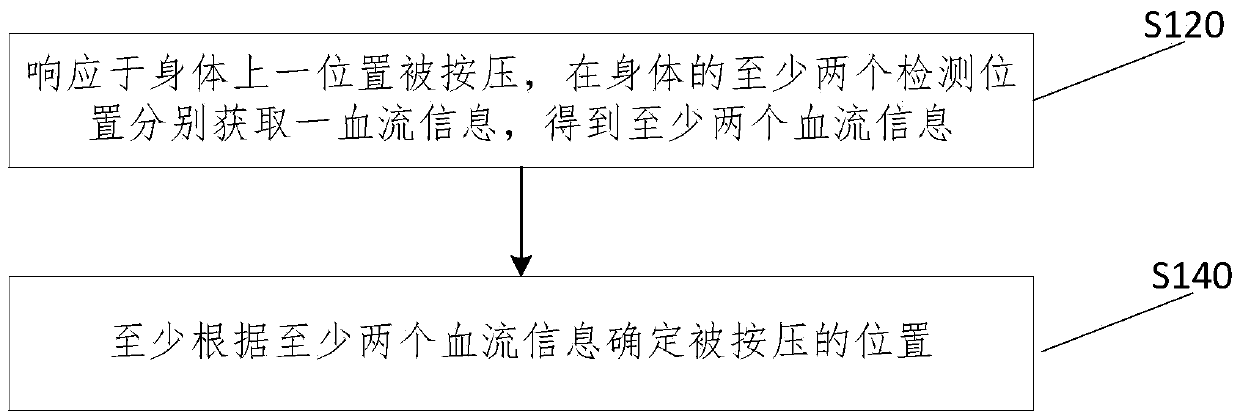
Figure 1 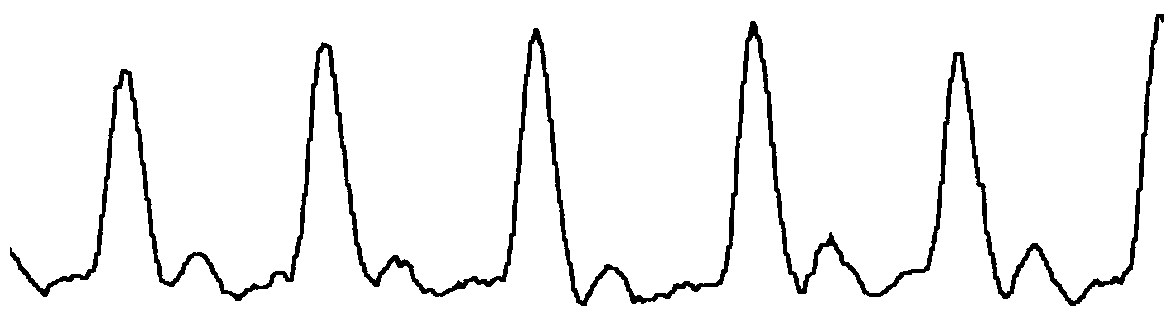
Figure 2 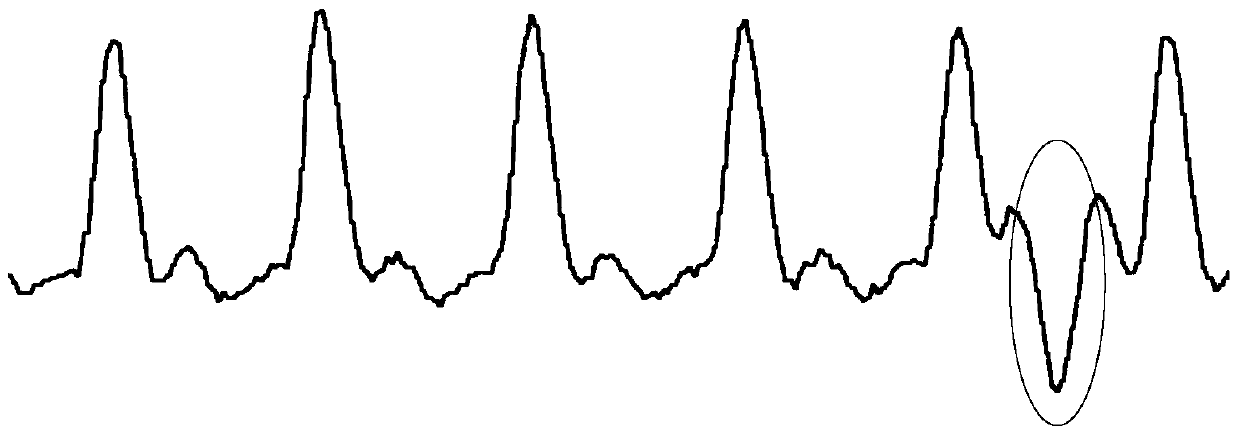
Figure 3
Abstract
Description
technical field
[0001] The present application relates to the field of wearable devices, in particular to a method and device for determining a pressed position. Background technique
[0002] With the popularization of electronic devices, more and more wearable devices have entered people's lives. These wearable devices generally integrate more sensors to monitor people's health and the like. For example, some smart watches will integrate two PPG sensors at the same time to detect the user's heart rate.
[0003] At the same time, due to their small size, existing wearable devices generally have weak interaction capabilities and are not easy for users to input. Contents of the invention
[0004] The purpose of this application is to provide a method and device for determining a pressed position.
[0005] According to a first aspect of at least one embodiment of the present application, a method for determining a pressed position is provided, the method comprising: [000...
Examples
Embodiment Construction
[0103] The specific implementation manner of the present application will be described in further detail below in conjunction with the accompanying drawings and embodiments. The following examples are used to illustrate the present application, but not to limit the scope of the present application.
[0104] Those skilled in the art understand that in the embodiments of the present application, the sequence numbers of the following steps do not mean the order of execution, and the order of execution of each step should be determined by its function and internal logic, and should not be used in this application. The implementation of the examples constitutes no limitation.
[0105] During the research process, the inventor found that if a press is performed on a part of the body (such as an arm), the press will cause a sudden surge of blood flow in nearby parts, thereby changing the collected blood flow information. Moreover, if two sensors are sequentially arranged on one side...