
Horizontal rehabilitation robot for patients with movement disorders of lower limbs
A technology for rehabilitation robots and movement disorders, applied in passive exercise equipment, physical therapy, etc., can solve the problems of high cost, reduced accuracy, and safety risks, and achieve the effects of high safety, stable operation, and improved safety.
Patent Information
- Authority / Receiving Office
- CN · China
- Patent Type
- Patents(China)
- Current Assignee / Owner
- Publication Date
- 2020-03-06
Smart Images
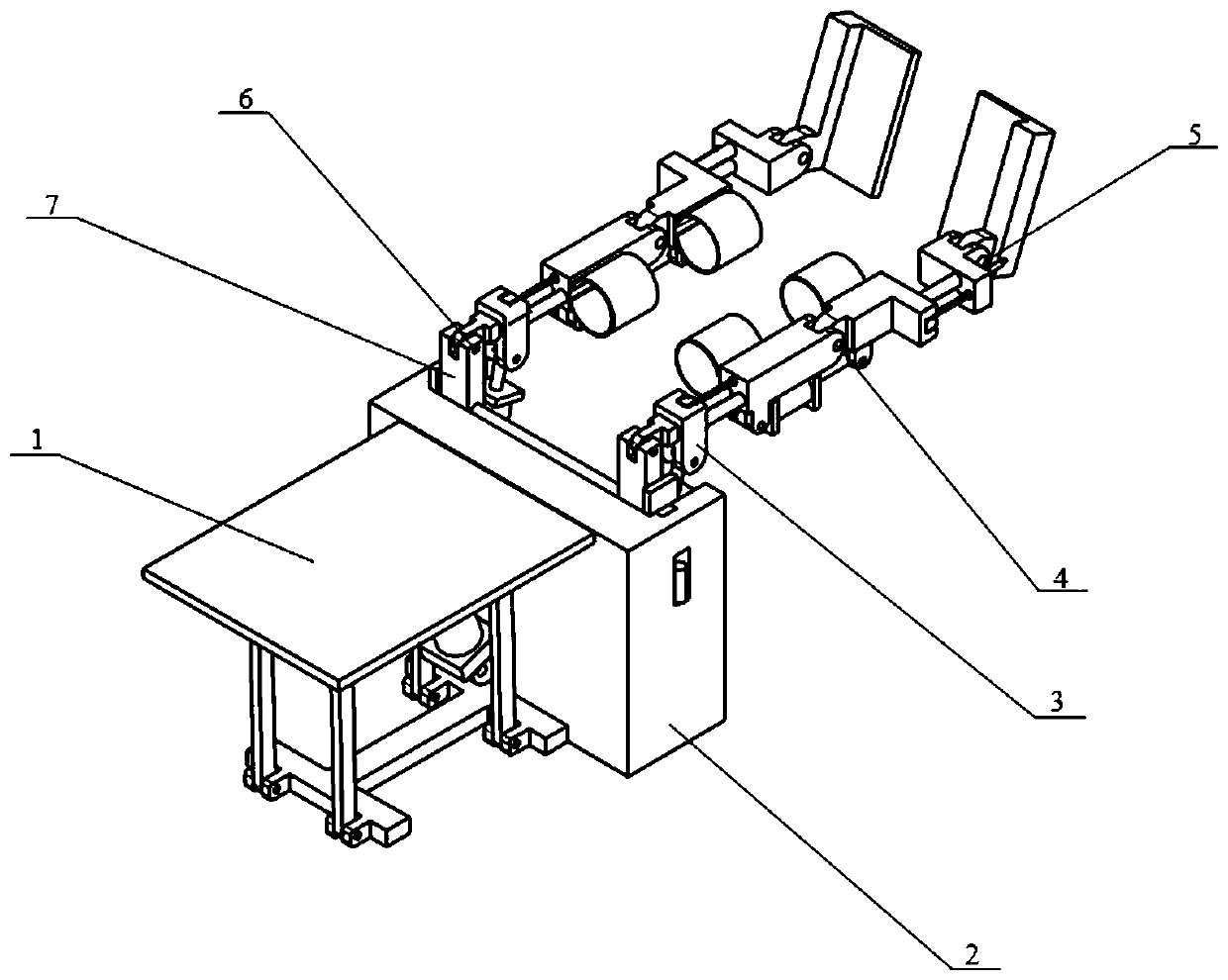
Figure 1 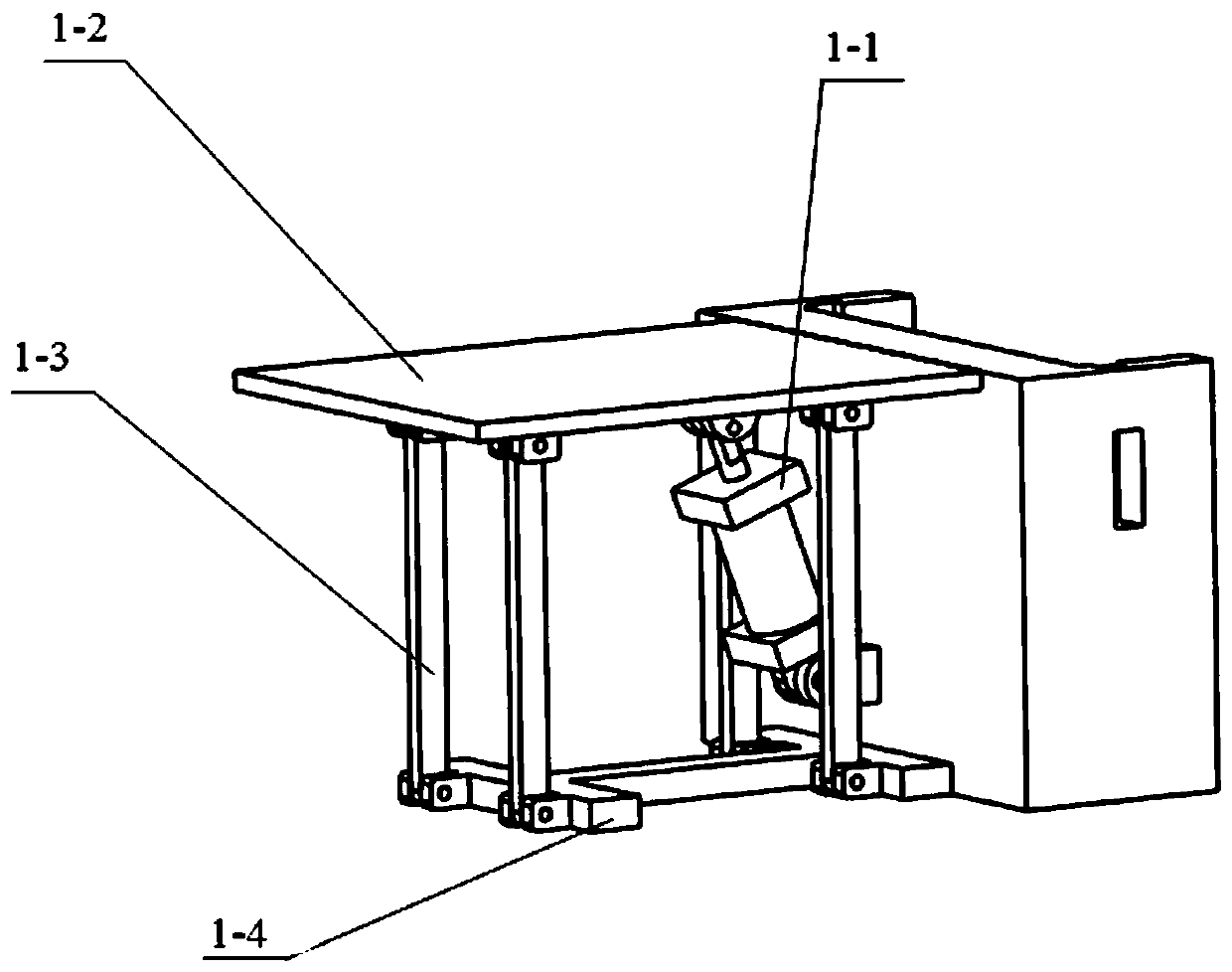
Figure 2 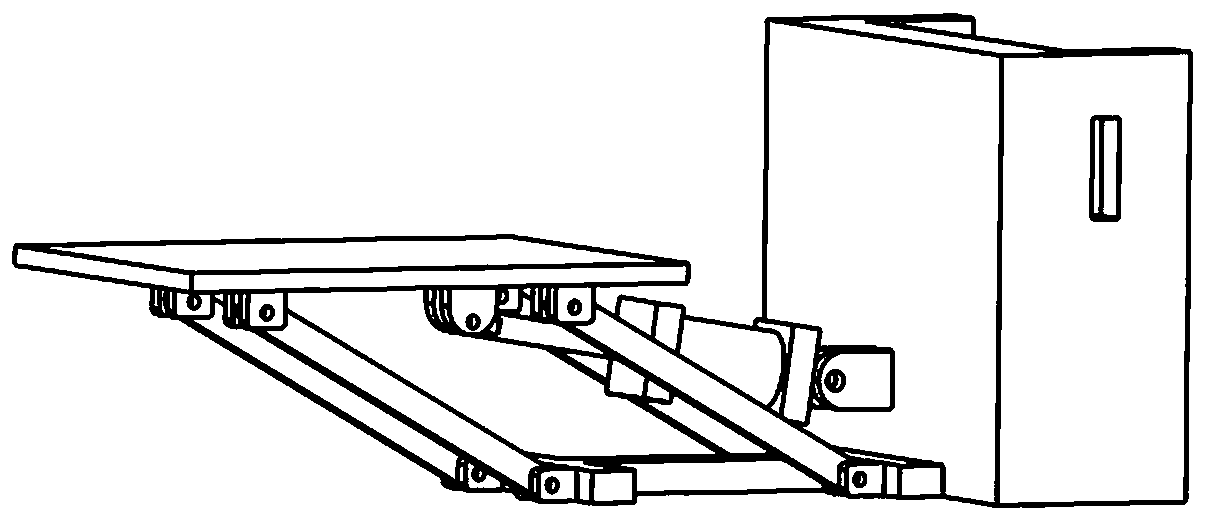
Figure 3
Abstract
Description
technical field
[0001] The invention relates to the technical field of medical devices, in particular to a lower limb rehabilitation training robot.
[0002] technical background
[0003] For patients with limb movement disorders caused by stroke or nerve damage, necessary surgery and drug treatment are required in the early stage, and sports training is required in the later stage to restore the affected limbs to normal. Relevant research in rehabilitation medicine shows that for limbs with movement disorders, if they lack exercise for a long time, it will cause poor blood circulation in joints and muscles, reduce their own immunity, and then appear symptoms such as muscle atrophy and joint stiffness. affect normal life. Therefore, scientific and correct training has become an indispensable part of the recovery process of patients. In traditional rehabilitation training, doctors and therapists generally assist patients in standing and walking training. However, this passiv...
Examples
Embodiment Construction
[0042] specific implementation plan
[0043] The core of the present invention is to provide a lower limb rehabilitation training robot aimed at the early lower limb motor function rehabilitation training of patients, which reduces the cost.
[0044] refer to Figure 1-Figure 4 , the invention discloses a lower limb rehabilitation training robot, comprising a bed frame structure 1 on which a patient lies, a bed board driving cylinder 1-1 for driving the bed board 1-2 to rotate around the hinge point of the bottom board 1-4, a support seat 2, The hip joint adjustment mechanism 7 arranged on the upper end of the support base 2 and the bionic leg structure 3 hinged to the hip joint adjustment mechanism 7 .
[0045] Due to the complete loss of motor function of the lower limbs in the early stage of rehabilitation, the patient cannot move autonomously and use the lower limb rehabilitation robot, and can only rely on a wheelchair to move and use it smoothly with the help of a physi...