
A method for remediating heavy metal-contaminated soil using plants combined with microorganisms
A technology for microbial remediation and contaminated soil, which is applied in the field of remediation of heavy metal-contaminated soil by using plants combined with microorganisms. It can solve problems such as soil fertility degradation, soil structure damage, and large engineering workload, and achieve vigorous growth, strong drought resistance, and well-developed root systems.
Patent Information
- Authority / Receiving Office
- CN · China
- Patent Type
- Patents(China)
- Current Assignee / Owner
- Publication Date
- 2021-10-22
Smart Images
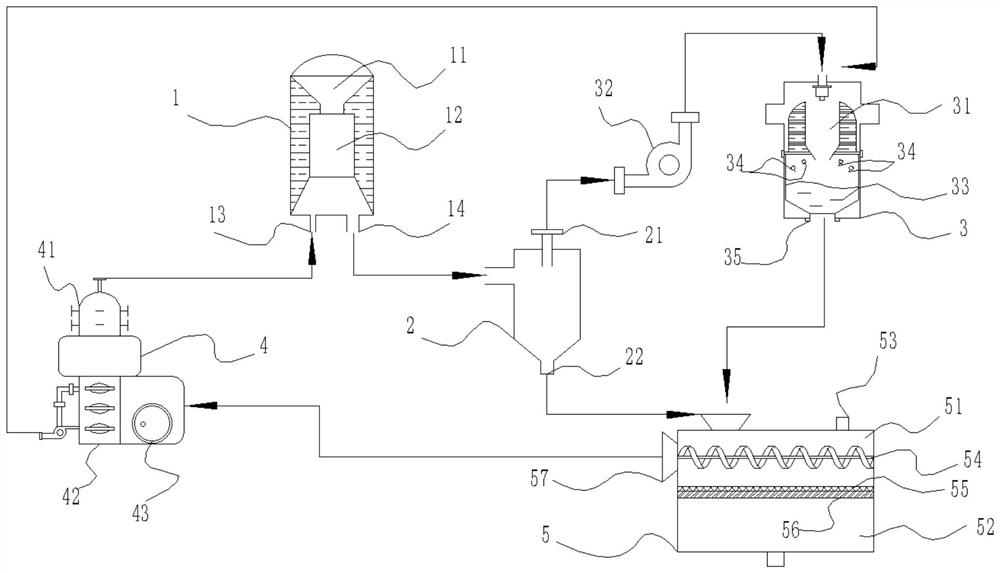
Figure 1
Abstract
Description
technical field
[0001] The invention relates to a method for treating polluted soil, in particular to a method for repairing heavy metal polluted soil by using plants combined with microorganisms. Background technique
[0002] Farmland soil pollution has become one of the important factors restricting the sustainable development of agriculture and food safety. There are two ways to treat heavy metal-contaminated soil: one is to remove the pollutants, and the other is to change the form of heavy metals in the soil and fix them. Around these two approaches, different restoration techniques and measures have emerged, mainly including engineering measures, physical and chemical restoration techniques, and agronomic control measures. These methods have their own advantages, but generally there are ecological problems such as large amount of engineering, high cost, easy to cause secondary pollution, soil structure damage and soil fertility degradation.
[0003] Bioremediation is...
Examples
Embodiment 1
[0024] Embodiment 1: The present embodiment provides a kind of method utilizing plant joint microorganism to remediate heavy metal contaminated soil, and remediation method comprises the following steps:
[0025] (1) Plow the polluted soil 40cm deep, cultivate the soil finely, and then bury a mesh pipe with a diameter of 30mm at 40cm underground. The pipe is equipped with a 2mm vent hole every 10cm, and a layer of filter membrane is wrapped outside the vent hole. , wherein, after the filter membrane is mixed with polytetrachlorethylene, difluoride copolymer, and polym-phenylene isophthalamide in a mass ratio of 7:1:2, the molar The percentage is 5% and the porous filter membrane formed on the titanium dioxide carrier is compounded. The filter membrane can prevent soil from entering the steam pipeline and blocking the pipeline, thereby affecting the efficiency of sterilization and disinfection. The opening rate of the porous filter membrane is 70%, and the pore size is 0.1 μm. ...
Embodiment 2
[0029] Embodiment 2: The present embodiment provides a kind of method utilizing plant joint microorganism to remediate heavy metal contaminated soil, and remediation method comprises the following steps:
[0030] (1) Plow the polluted soil 40cm deep, cultivate the soil finely, and then bury a mesh pipe with a diameter of 35mm at 40cm underground. The pipe is provided with a 2.5mm vent hole every 10cm, and a layer of filter is wrapped outside the vent hole. Membrane, wherein, the filter membrane is mixed with polytetrachlorethylene, difluoroethylene copolymer, and polym-phenylene isophthalamide in a mass ratio of 7:1:2, and then heated at 135°C and vacuum. A porous filter membrane formed on a titanium dioxide support with a molar percentage of 20%. The filter membrane can prevent soil from entering the steam pipeline and blocking the pipeline, thereby affecting the efficiency of sterilization and disinfection. The opening rate of the porous filter membrane is 77.5%, and the por...
Embodiment 3
[0034] Embodiment 3: This embodiment provides a kind of method utilizing plant joint microorganism to remediate heavy metal polluted soil, and remediation method comprises the following steps:
[0035] (1) Plow the polluted soil 40cm deep, cultivate the soil finely, and then bury a mesh pipe with a diameter of 40mm in the ground 40cm. The pipe is equipped with a 3mm vent hole every 10cm, and a layer of filter membrane is wrapped outside the vent hole. , wherein, after the filter membrane is mixed with polytetrachlorethylene, difluoride copolymer, and polym-phenylene isophthalamide in a mass ratio of 7:1:2, the molar The percentage is 30% composited to the porous filter membrane formed on the titanium dioxide carrier. The filter membrane can prevent soil from entering the steam pipeline and blocking the pipeline, thereby affecting the efficiency of sterilization and disinfection. The opening rate of the porous filter membrane is 85%, and the pore size is 1 μm. Then cover the g...